Western Spicebush (Calycanthus occidentalis)
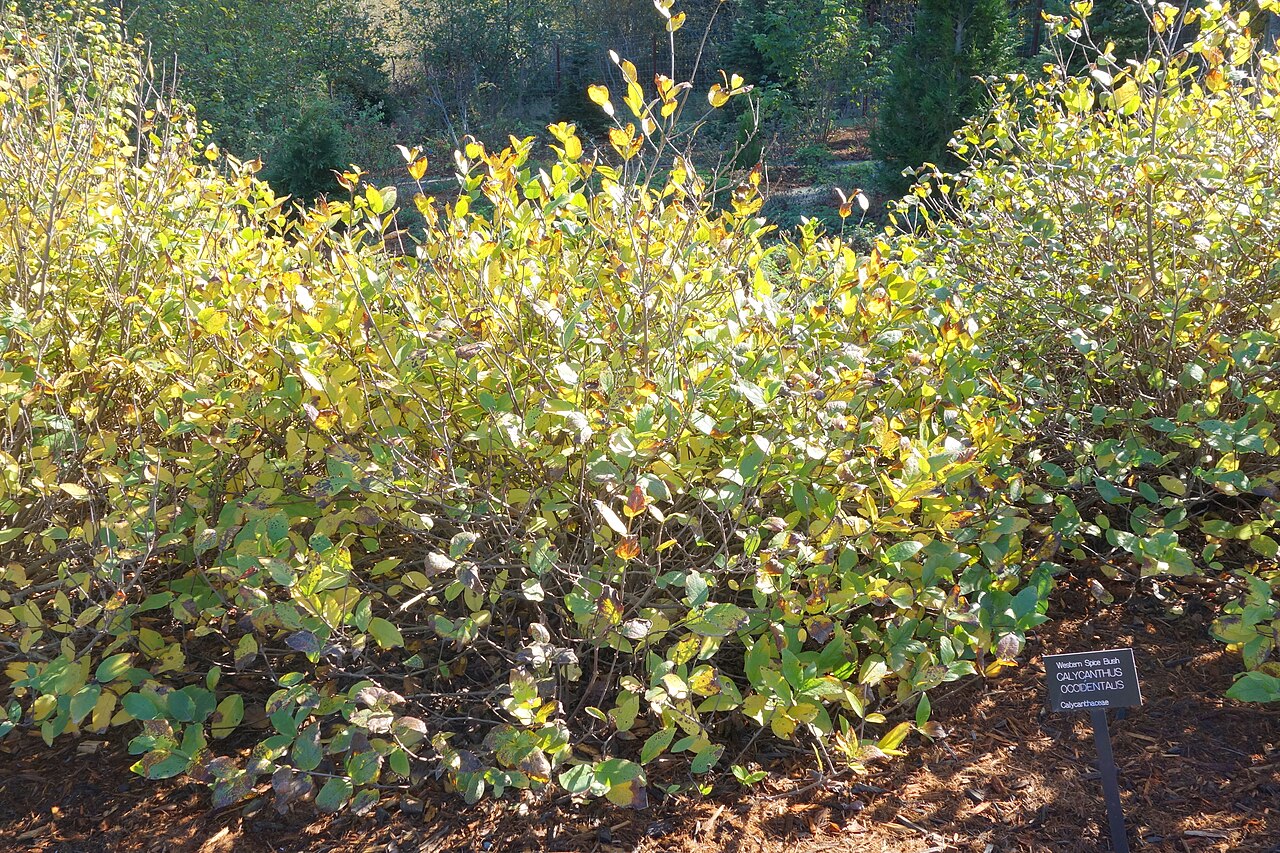
Calycanthus occidentalis, known as western spicebush or California sweetshrub — and often shortened simply to spicebush on California native-plant lists — is a large, spreading deciduous shrub prized for its unusual wine-red, strap-petaled flowers and the spicy fragrance released when its leaves, stems, or bark are crushed. It is a California endemic and the only West Coast member of the small, ancient Calycanthaceae family, which also includes the better-known eastern sweetshrub, Calycanthus floridus.
Western spicebush is found growing wild along streambanks, seeps, and moist canyon bottoms throughout much of California, from the Sierra Nevada foothills and southern Cascades through the Coast Ranges. There it forms a dense, rounded, multi-stemmed shrub 6 to 12 feet tall, with large, bright green, aromatic leaves and flowers that draw curious attention for their unusual color and form — more like a small water lily or anemone than a typical shrub flower.
Because it tolerates both moist streamside conditions and considerable summer dryness once established, western spicebush is a versatile and distinctive choice for California native gardens, offering fragrant foliage, striking flowers, and reliable fall color in a plant that asks for relatively little once its roots are settled.
Note: this western species is unrelated to the common eastern shrub also called “spicebush,” Lindera benzoin, which belongs to a different plant family entirely (Lauraceae, the laurel family) and is native to the eastern and central United States rather than California.
Identification
Western spicebush is a deciduous, multi-stemmed shrub, typically 6 to 12 feet tall and similarly wide, with an open, rounded habit. All parts of the plant — leaves, stems, and bark — are aromatic when bruised or crushed, releasing a spicy, camphor-like scent that gives the species its common name.
Bark & Stems
Young stems are green to reddish-brown and smooth, aging to grayish-brown bark with age. The wood and bark carry the same spicy fragrance as the leaves, a trait shared across the genus and a reliable way to confirm identification in the field.
Leaves
Leaves are deciduous, opposite, oval to elliptic, 2 to 6 inches long, with a glossy, bright to medium green upper surface and a paler, slightly fuzzy underside. Leaves turn golden yellow in fall before dropping, giving the shrub a second season of garden interest after its spring and summer bloom.
Flowers
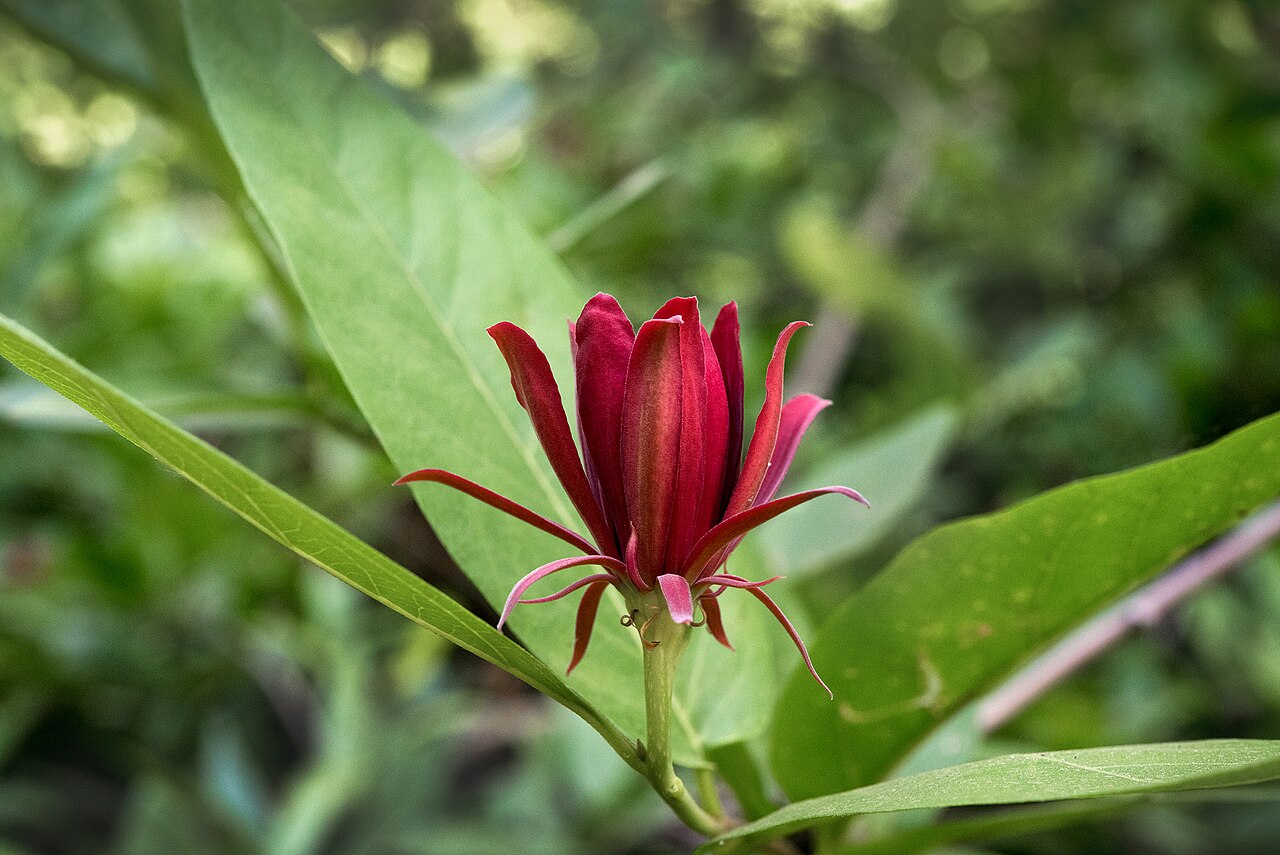
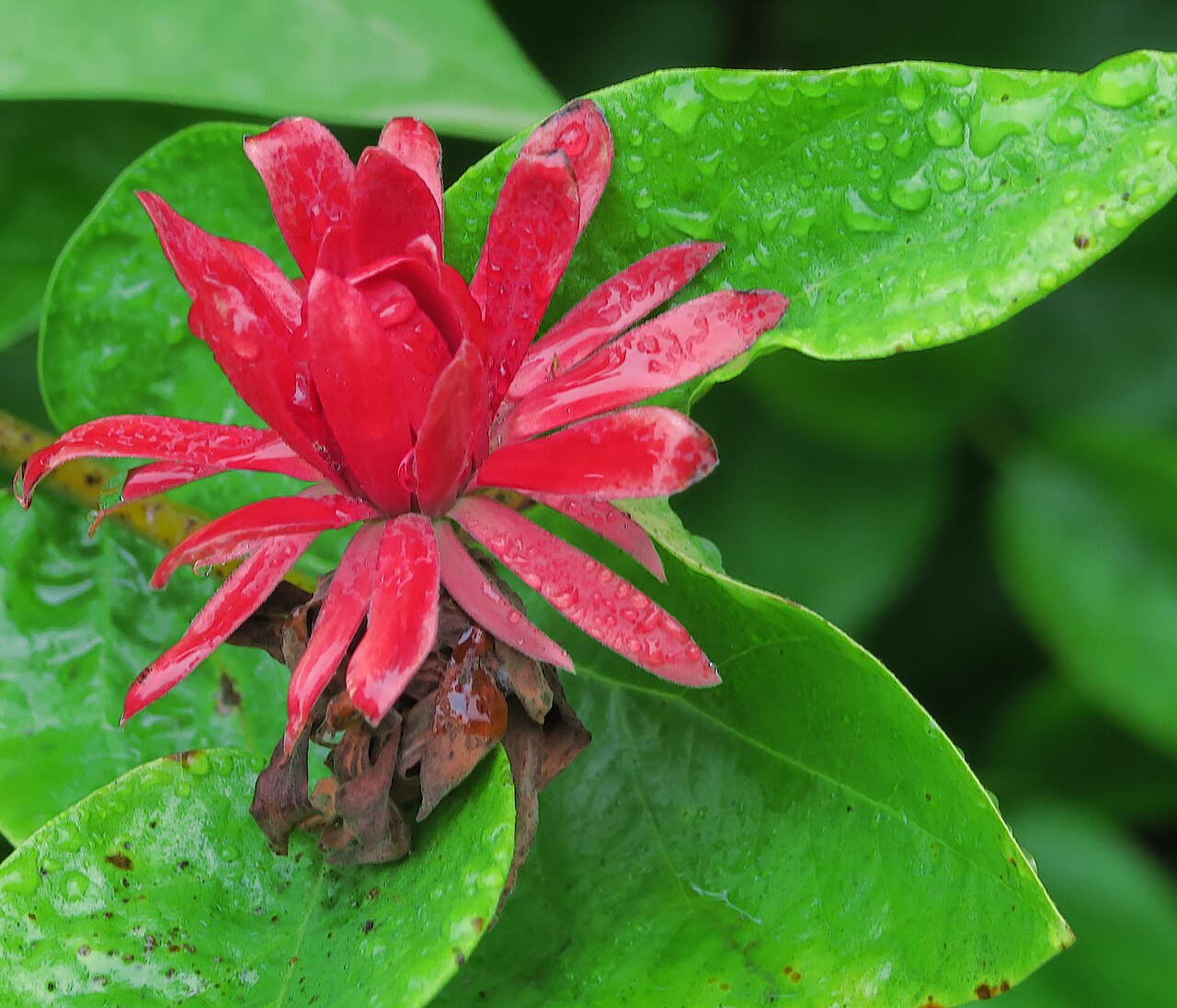
The flowers are the plant’s signature feature: 1 to 2 inches across, with numerous narrow, strap-shaped, maroon to brick-red petal-like tepals arranged in a loose, almost starburst pattern. They bloom from April through August, continuing sporadically through summer, and have a fruity, wine-like fragrance distinct from the spicy scent of the foliage. The unusual flower form and color make this one of the most recognizable native shrubs in bloom.
Fruit & Seeds
After flowering, the shrub produces distinctive urn-shaped seed pods (hypanthia) 1 to 2 inches long, green ripening to brown, that persist on the plant well into winter and are often used in dried floral arrangements. Each pod contains several hard, dark brown seeds. All parts of the plant, including the seeds, contain alkaloids and should not be eaten.
Quick Facts
| Scientific Name | Calycanthus occidentalis |
| Family | Calycanthaceae (Sweetshrub) |
| Plant Type | Deciduous Shrub |
| Mature Height | 6–12 ft |
| Mature Spread | 6–12 ft |
| Growth Rate | Moderate |
| Sun Exposure | Full Sun to Part Shade |
| Water Needs | Moderate; tolerates summer dryness once established |
| Soil Type | Moist, well-drained loam or sandy soil |
| Soil pH | 6.0–7.5 (neutral) |
| Bloom Time | April – August |
| Flower Color | Maroon to brick-red |
| Fall Color | Golden yellow |
| Fruit | Urn-shaped brown seed pods, persistent into winter |
| Deer Resistant | Yes, generally (aromatic, mildly toxic foliage) |
| USDA Hardiness Zones | 6–9 |
Native Range
Western spicebush is a California endemic, native throughout much of the state from the northern Coast Ranges and southern Cascades south through the Sierra Nevada foothills to the Transverse Ranges of Southern California. It is absent from the hottest, driest deserts of the southeast and from the highest Sierra Nevada elevations, but otherwise occurs widely across the state’s foothill and low-mountain zones.
In the wild it grows almost exclusively in riparian settings — along streambanks, in canyon bottoms, around seeps and springs, and in other places where its roots can reach reliable moisture even through the dry California summer. It is typically found from near sea level up to about 5,000 feet, often as part of the shrub layer beneath canyon live oak, bigleaf maple, and white alder.
Western spicebush is not native outside California; while it is cultivated in gardens elsewhere, including parts of the Pacific Northwest and in Europe, those plantings represent horticultural use rather than any natural range extension.
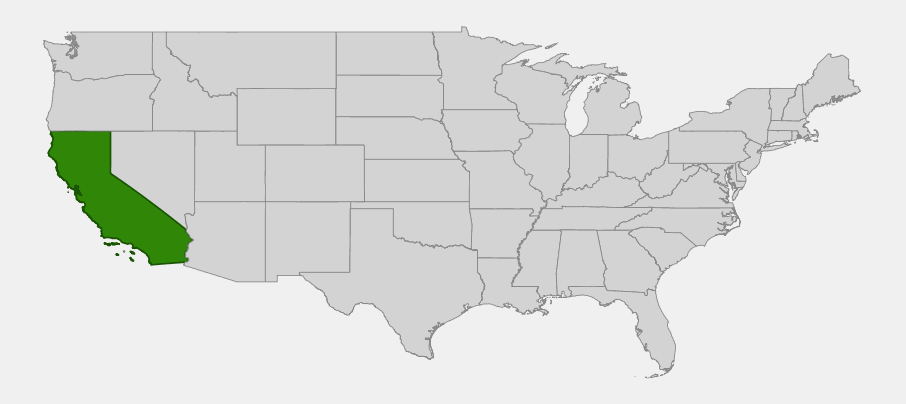
📋 Regional plant lists featuring western spicebush: California and Nevada
Growing & Care Guide
Western spicebush brings an unusual flower and a long bloom season to California gardens, and it is more forgiving of ordinary garden conditions than many chaparral natives, provided it gets enough moisture to settle in.
Light
Grows well in full sun near the coast and in cooler areas, but appreciates afternoon shade in hot inland gardens, mimicking the partial canopy of its native canyon-bottom habitat. Part shade generally produces lusher foliage and a longer bloom period.
Soil & Water
Western spicebush prefers moist, well-drained soil and performs best with consistent moisture through its first few years. Unlike many chaparral shrubs, it tolerates — and often benefits from — occasional summer water once established, reflecting its naturally streamside habitat, though it does not need boggy or constantly saturated ground. Rich, loamy soils produce the best growth, though it adapts to a range of soil types as long as drainage is adequate.
Planting Tips
Plant in fall or early spring to take advantage of winter rains for establishment. Choose a site with some protection from the hottest afternoon sun in inland climates, ideally near a seasonal water source or where supplemental summer water can be provided. Space plants 6 to 10 feet apart to accommodate their mature spread.
Pruning & Maintenance
Western spicebush tolerates pruning well and can be cut back hard in late winter to control size or rejuvenate an older, leggy shrub, since it resprouts readily from the base. Remove dead or crossing branches as needed; otherwise, minimal maintenance is required.
Landscape Uses
Its unusual flowers and fragrance suit several garden roles:
- Specimen shrub for its striking, unusual flowers
- Riparian and streamside restoration plantings
- Woodland garden understory beneath oaks and maples
- Fragrant garden plantings near paths and seating areas
- Dried arrangements using the persistent seed pods
Wildlife & Ecological Value
Western spicebush contributes to the structure and function of California’s riparian plant communities, with a somewhat specialized set of pollinator relationships.
For Pollinators
The flowers are pollinated primarily by sap beetles, which are drawn to the fruity fragrance and crawl into the flower to feed and mate, making western spicebush an interesting example of beetle pollination among California native shrubs rather than the bee-dominated pollination typical of most garden plants.
For Birds
The dense, multi-stemmed growth habit provides good nesting cover and shelter for small songbirds in riparian thickets, particularly where the shrub forms part of a continuous streamside hedgerow.
For Mammals
The foliage and bark contain alkaloids that make the plant unpalatable to deer and most browsing mammals, which is part of why it is considered reliably deer-resistant in cultivation.
Ecosystem Role
As a streamside shrub, western spicebush helps stabilize banks and reduce erosion along the seasonal and perennial waterways where it grows, while its dense canopy contributes shade that helps keep streams cool for aquatic life. Its presence is often a useful indicator of reliable, near-surface moisture in otherwise dry California foothill terrain.
Cultural & Historical Uses
Indigenous peoples of California, including groups in the Sierra Nevada foothills and northern Coast Ranges, recognized the aromatic bark and wood of western spicebush and in some accounts used the flexible stems in basketry work, valuing their pliability. The plant’s alkaloid content made it unsuitable as a food source, and there is no significant historical record of it being eaten.
This page does not describe or recommend any medicinal use of western spicebush; the plant’s alkaloids are considered toxic if ingested, and no part of it should be treated as edible. Its primary modern value is horticultural and ecological — prized by native-plant gardeners for its unusual flowers and fragrance, and by restoration practitioners for its role in stabilizing California’s streamside habitats.
Frequently Asked Questions
Is western spicebush the same plant as the spicebush found in eastern U.S. gardens?
No. Western spicebush (Calycanthus occidentalis) and the common eastern “spicebush” (Lindera benzoin) share a common name but belong to entirely different plant families and are not closely related. Western spicebush is native only to California; Lindera benzoin is native to the eastern and central U.S.
Can you eat the fruit or seeds of western spicebush?
No. All parts of the plant, including the seeds inside its urn-shaped pods, contain alkaloids and should not be eaten. This page does not recommend any culinary or medicinal use of western spicebush.
Why does my western spicebush smell different from other shrubs?
The spicy, camphor-like fragrance released when leaves, stems, or bark are crushed is characteristic of the entire Calycanthaceae family and is a reliable way to confirm identification in the field — few other California shrubs share this particular scent.
Does western spicebush need regular summer water?
It benefits from occasional summer water, reflecting its native streamside habitat, though established plants can tolerate dry periods better than you might expect for a riparian species. It is more water-tolerant than most chaparral natives but not a true bog or wetland plant.
What are those brown, urn-shaped pods on my spicebush?
Those are the seed pods (hypanthia) that form after flowering. They ripen from green to brown, often persist on the shrub into winter, and are frequently gathered for dried floral arrangements.

Looking for a nursery that carries western spicebush?
Browse our native plant nursery directory: California