Woolly-white (Hymenopappus artemisiifolius)
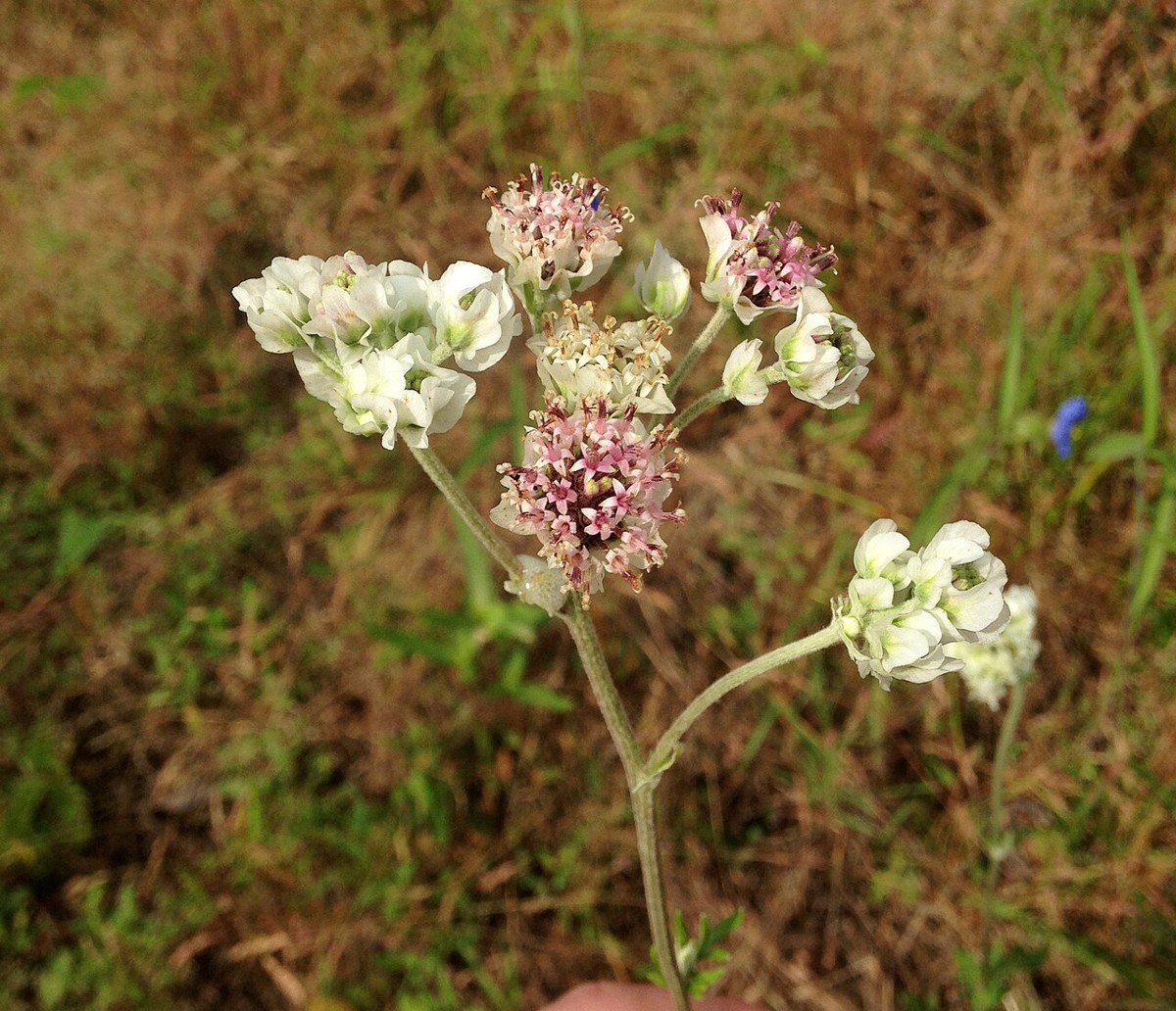
Hymenopappus artemisiifolius, commonly called Woolly-white or Old Plainsman, is a graceful biennial wildflower found almost exclusively in Texas, where it lights up sandy prairies, open pinewoods, and roadsides each spring with broad, flat-topped clusters of papery white flowers. Despite the “woolly” in its name, the flowers themselves are smooth and crepe-like; the wool refers instead to the dense, silvery-white, felted hairs that blanket the plant’s leaves and stems, especially in its first-year rosette stage.
The species name artemisiifolius — “leaves like Artemisia” — describes the finely divided, sage-like basal foliage that is often the only visible sign of the plant through its first year. Like other biennials, Woolly-white spends its first season as an inconspicuous ground-hugging rosette, storing energy before sending up a tall, branching flower stalk in its second spring. The combination of airy white bloom clusters and soft gray-green foliage has made it a favorite of Texas wildflower photographers and a welcome, low-maintenance addition to native plant gardens across the eastern half of the state.
Woolly-white is especially characteristic of the Pineywoods, Post Oak Savannah, and sandy prairie remnants of East and Central Texas, where it often grows alongside other spring wildflowers in open, sun-drenched sandy soils. It asks for very little once established and rewards minimal care with months of airy, pollinator-friendly bloom.
Identification
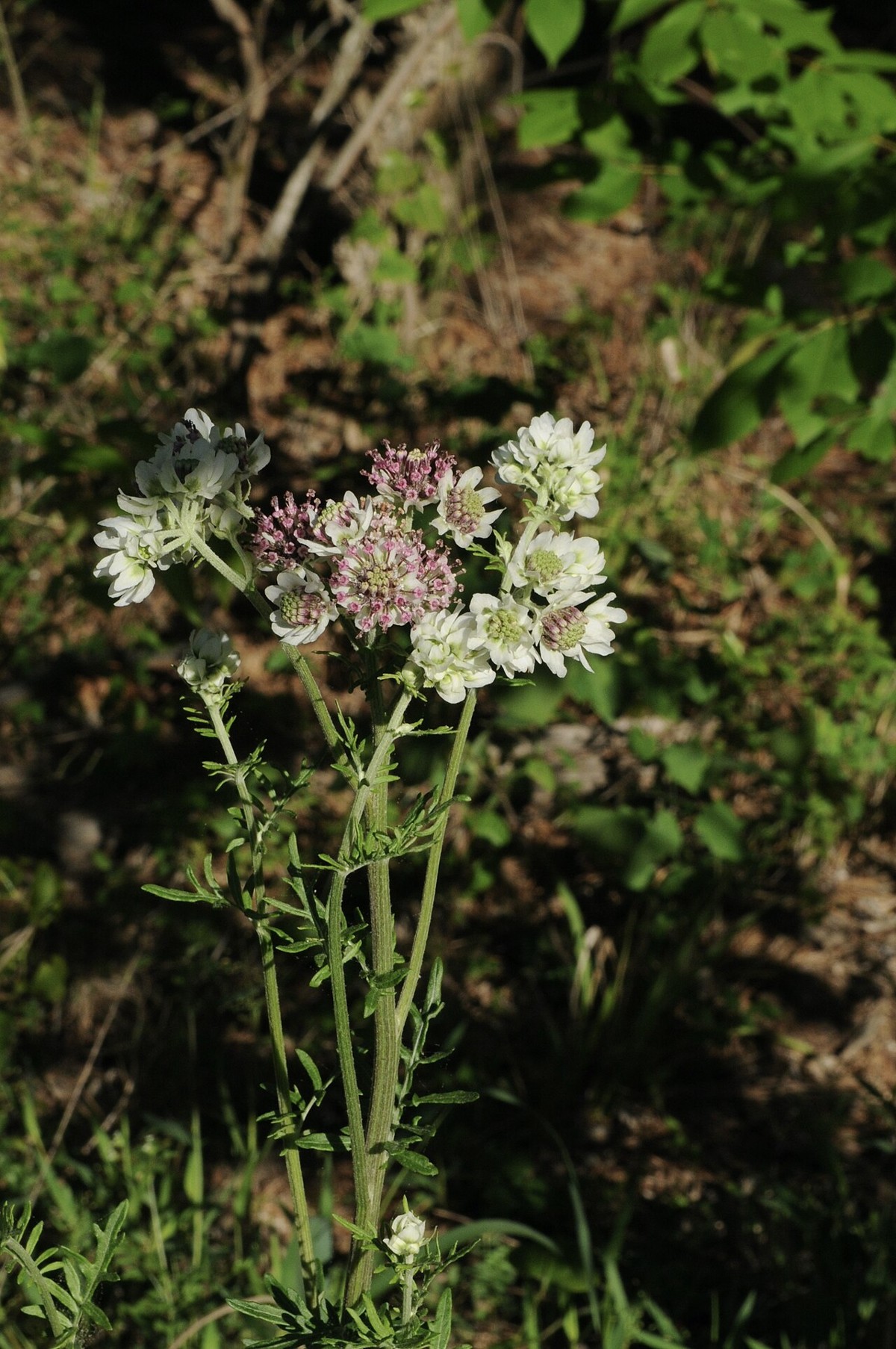
Woolly-white is a biennial (occasionally behaving as a short-lived perennial), forming a basal rosette of deeply lobed, silvery-woolly leaves in its first year, then bolting to 1 to 3 feet tall on a branched, leafy flowering stem in its second spring.
Leaves
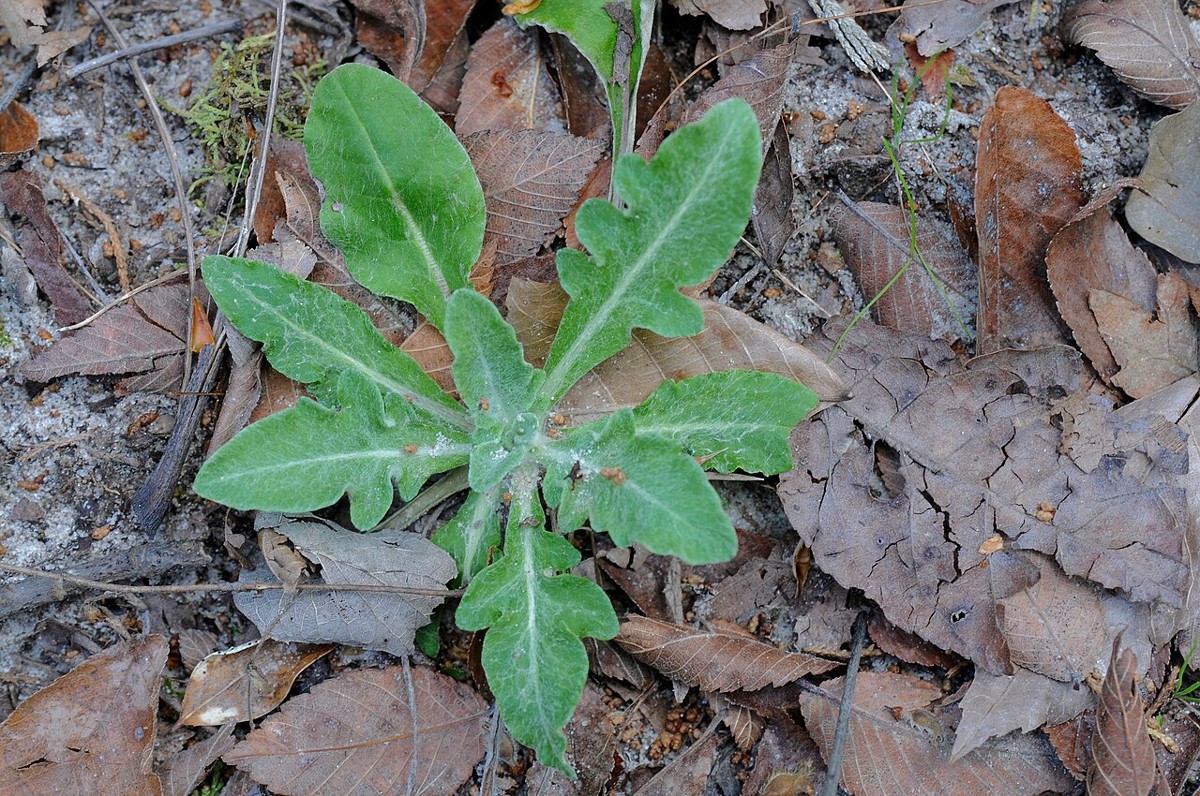
Basal leaves are 2 to 6 inches long, deeply pinnately divided into narrow lobes, and covered in dense white-woolly hairs that give the whole rosette a soft, silvery-gray cast reminiscent of Artemisia or dusty miller. Stem leaves are smaller, less divided, and more sparsely distributed up the flowering stalk, which itself often retains a light woolly coating, especially when young.
Flowers
Flower heads are borne in loose, flat-topped to rounded clusters (corymbs) atop the branching stems, each individual head about ½ inch across with papery, creamy-white ray-like phyllaries surrounding a central cluster of small disc florets that are typically pink, maroon, or purplish before fading. From a short distance the overall effect is of airy white clusters that almost resemble Queen Anne’s lace or baby’s breath, though the two are unrelated. Bloom runs from April into June across most of its range.
Fruit & Seeds
Following bloom, each flower head produces small, dry achenes. Like many composites, the plant’s main spread is by seed, allowing it to colonize open, sandy, disturbed ground readily within its native range.
Quick Facts
| Scientific Name | Hymenopappus artemisiifolius |
| Family | Asteraceae (Aster/Sunflower) |
| Plant Type | Biennial Wildflower |
| Mature Height | 1–3 ft (30–90 cm) in bloom |
| Mature Spread | 12–18 in (30–45 cm) |
| Growth Rate | Moderate (rosette first year, bolts second year) |
| Sun Exposure | Full Sun to Light Shade |
| Water Needs | Low to Moderate |
| Soil Type | Sandy, well-drained soils |
| Soil pH | Slightly acidic to neutral |
| Bloom Time | April – June |
| Flower Color | Creamy white with pink to maroon centers |
| Fall Color | None notable |
| Fruit | Small dry achenes |
| Deer Resistant | Moderate (woolly foliage generally avoided) |
| USDA Hardiness Zones | 7–9 |
Native Range
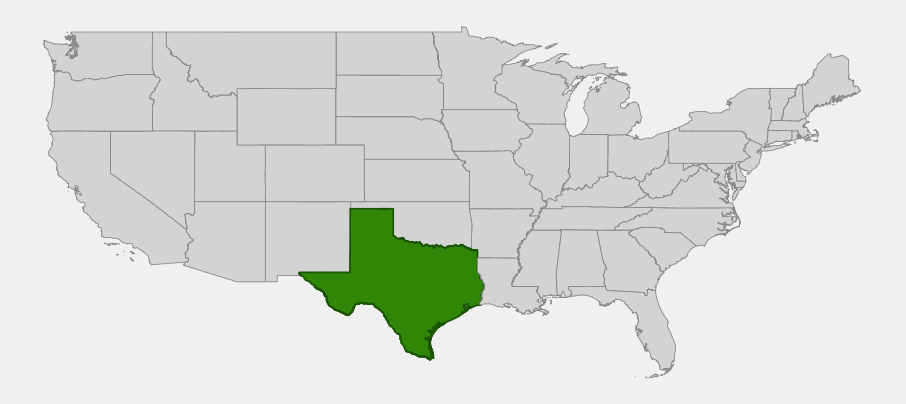
Woolly-white is native almost entirely to Texas, where it is widespread across the eastern two-thirds of the state — from the Pineywoods and Post Oak Savannah of East Texas, through the Blackland Prairie and Hill Country, and south into the Coastal Plain. It is especially common on sandy soils, where it often forms large, showy colonies in open ground.
Within this range, Woolly-white favors open, sun-exposed sandy sites: prairie remnants, open pine and oak woodland edges, roadsides, and disturbed ground where competing vegetation is sparse. It is a conspicuous and well-loved part of the East and Central Texas spring wildflower display, often blooming alongside bluebonnets, Indian paintbrush, and other regional favorites.
Woolly-white’s range barely extends beyond Texas; scattered populations are sometimes reported just across the state line, but without confirmed county-level native records in neighboring states, this profile treats it as a Texas near-endemic.
📋 Regional plant lists featuring Woolly-white: South and West Texas
Growing & Care Guide
Woolly-white is simple to grow in sandy, well-drained Texas gardens and establishes readily from seed, though as a biennial it requires a little patience in its first year.
Light
Full sun produces the fullest, most floriferous plants, though Woolly-white also tolerates light shade, especially at woodland edges, where it may grow a bit taller and lankier while reaching for light.
Soil & Water
Sandy or sandy-loam soils with good drainage are ideal; this species is naturally suited to the deep sands of East and Central Texas and does not thrive in heavy clay. It is moderately drought-tolerant once established but appreciates occasional water during dry spells, particularly as the first-year rosette is developing.
Planting Tips
Sow seed in fall directly where plants are wanted, since Woolly-white germinates and overwinters as a rosette before flowering the following spring. Established plantings will self-sow readily in open sandy ground, maintaining a population year after year without replanting.
Pruning & Maintenance
Little maintenance is needed beyond removing spent flower stalks after seed has matured and dispersed, if a tidier look is wanted, or leaving them in place to encourage natural reseeding. No regular feeding or spraying is necessary.
Propagation
Propagate from seed sown in fall; Woolly-white typically needs the cool, moist conditions of winter to trigger good germination and rosette establishment before its second-year bloom.
Landscape Uses
- Wildflower meadows and prairie restorations on sandy soil
- Naturalized roadside and open-ground plantings
- Pollinator gardens for spring nectar and pollen
- Mixed native borders paired with bluebonnets and other Texas spring wildflowers
- Cut flower use — the airy clusters work well in casual arrangements
Wildlife & Ecological Value
Woolly-white’s abundant spring bloom makes it a reliable nectar and pollen source during the height of the East and Central Texas wildflower season.
For Pollinators
The flower clusters attract a range of native bees, small butterflies, and other pollinating insects drawn to the accessible, open flower heads. Its early to mid-spring bloom time helps support pollinators during a period of peak activity and demand.
For Birds
Small seed-eating birds forage on the ripe achenes in late spring and early summer, though Woolly-white is not a primary food source for any particular species.
Ecosystem Role
As a biennial that readily colonizes open, sandy, and lightly disturbed ground, Woolly-white plays a pioneer role in East and Central Texas sandy prairie and woodland-edge communities, helping stabilize open soil and adding floral diversity to the early-season plant community alongside other spring ephemerals and wildflowers.
Cultural & Historical Uses
Woolly-white does not carry a significant documented history of use as food or medicine. Its chief cultural significance lies in its role as one of the recognizable spring wildflowers of East and Central Texas, long appreciated by naturalists, photographers, and travelers for its airy white blooms alongside the region’s more famous bluebonnets and Indian paintbrush.
In recent decades it has drawn growing interest from native plant gardeners and prairie restoration projects in Texas, valued for its reliability, its support for early-season pollinators, and its ability to thrive without irrigation or fertilizer once established in appropriate sandy soil.
Frequently Asked Questions
Why is it called “Woolly-white” if the flowers aren’t woolly?
The “woolly” refers to the dense, silvery-white hairs covering the leaves and stems, especially the first-year basal rosette, not the papery white flowers themselves. The combination of woolly foliage and white blooms gives the plant its common name.
Is Woolly-white an annual or a perennial?
It is a biennial: it spends its first year as a low basal rosette, then sends up a flowering stalk and blooms in its second spring before setting seed and dying. New plants are maintained in a garden through self-seeding.
Does Woolly-white need special soil?
It grows best in sandy or sandy-loam, well-drained soil, which mimics its native habitat in East and Central Texas. It does not perform as well in heavy clay soils that stay wet.
Can I grow Woolly-white outside Texas?
It is native almost exclusively to Texas and performs best in that climate and soil. Gardeners outside Texas should check regional native plant resources for better-adapted alternatives rather than introducing it outside its native range.
What does Woolly-white look like before it blooms?
In its first year, it forms a low rosette of deeply lobed, soft, silvery-gray leaves that resemble Artemisia or dusty miller foliage — easy to overlook until the tall flowering stalk appears the following spring.

Looking for a nursery that carries Woolly-white?
Browse our native plant nursery directory: Texas