Native Tree for Nebraska: Top Species for Sustainable Landscapes
Last updated: August 29, 2026
Native trees shape Nebraska’s ecosystems. They provide habitat, boost soil health, and support all sorts of wildlife.
If you know which trees are truly native, you can pick species that thrive in local conditions—no constant fussing required.
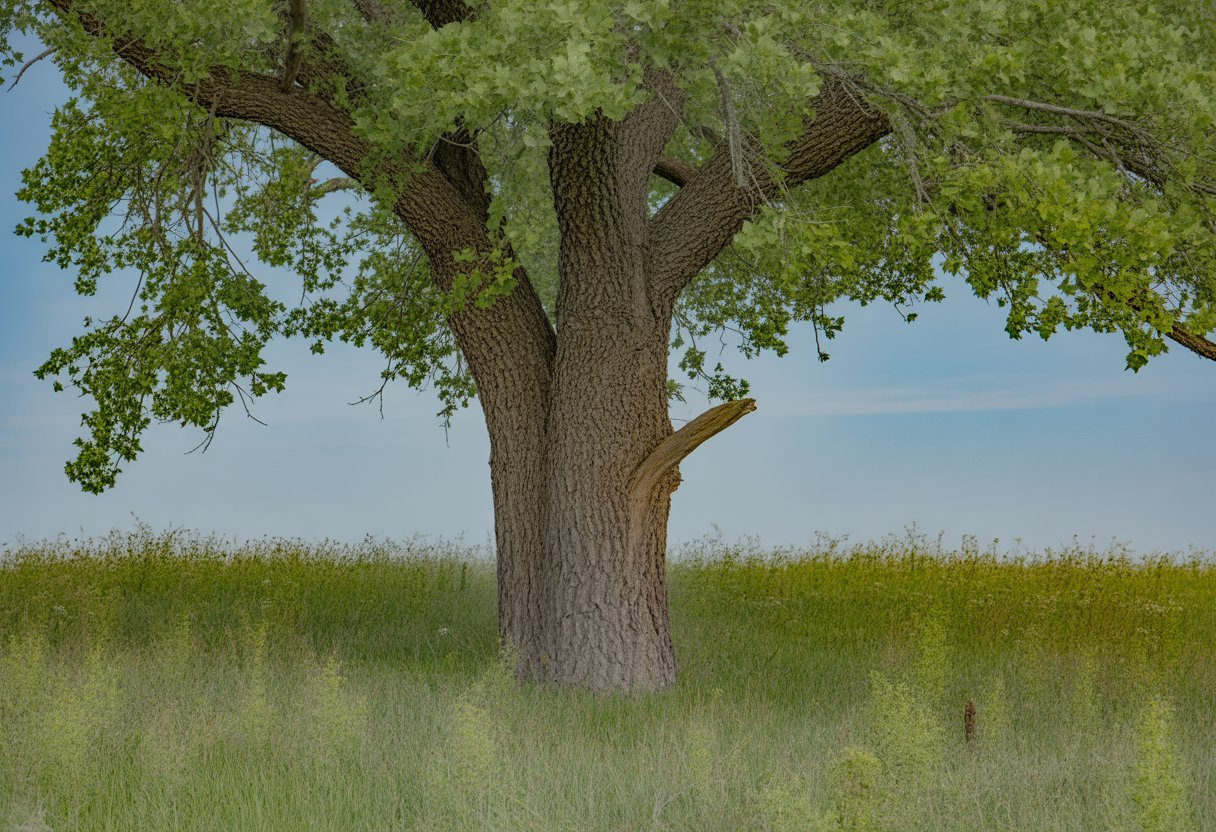
The bur oak stands out as one of Nebraska’s most important native trees. It’s tough, drought-tolerant, and adapts well across the state’s varied landscapes.
You’ll also find eastern red cedar and cottonwood—both play their part in keeping Nebraska’s environment balanced.
Understanding Native Trees of Nebraska
Nebraska’s native trees fill unique ecological roles. They adapt in ways that really shape the local landscape.
If you can spot native species and understand what they do, you’re already helping to safeguard habitats and keep invasive plants at bay.
Defining Native Trees
Native trees in Nebraska are those that grew here naturally before European settlers arrived. Think bur oak (Quercus macrocarpa), cottonwood (Populus deltoides), and black walnut (Juglans nigra).
These trees evolved in Nebraska’s soil and climate. They’re part of the state’s biodiversity, plain and simple.
They can handle wild temperature swings, drought, and Nebraska’s sometimes tricky soils. In forests, woodlands, and river corridors, native trees create the backbone of the ecosystem.
Importance for Ecosystems
Native trees feed and shelter a huge range of wildlife. Bur oak, for example, drops acorns that deer and squirrels love.
Cottonwoods help stabilize riverbanks, which keeps erosion in check.
They recycle nutrients and support native fungi and all sorts of microorganisms. That’s good news for soil health.
Native trees also help Nebraska’s ecosystems bounce back from pests and diseases. Non-native species, on the other hand, can bring in new problems.
They help regulate water cycles and clean the air. Pollinators, birds, mammals—you name it—rely on these trees to survive.
Distinguishing Native Plants from Invasive Species
Native trees fit right into Nebraska’s ecosystems. They don’t throw things out of balance.
But invasive species like tree-of-heaven (Ailanthus altissima) and buckthorn (Rhamnus cathartica) spread fast and crowd out the natives.
These invaders can even change soil chemistry, cut down biodiversity, and ramp up wildfire risk. If you know what to look for—leaf shapes, bark, growth patterns—you can spot the difference.
For instance, native cottonwoods have broad, triangle-shaped leaves. Tree-of-heaven, on the other hand, has big, smelly compound leaves.
Pulling out invasives early protects Nebraska’s native trees for the long haul.
Recommended Native Tree Species for Nebraska
Nebraska’s native trees hit a sweet spot between toughness, beauty, and usefulness. They do well in local soils and weather, help wildlife, and offer shade and visual appeal.
You’ll find broadleaf trees, evergreens, and smaller ornamental trees that work in all kinds of settings.
Top Broadleaf Trees
You can’t miss trees like bur oak, green ash, and black walnut among Nebraska’s broadleaf natives. Bur oak, especially, gets high marks for drought resistance and its big, spreading canopy.
Green ash used to be everywhere, though the emerald ash borer has hit it hard. Some still hang on in cities and towns.
Silver maple and red maple show up a lot too. Silver maple grows fast but needs more upkeep. Red maple has great fall color and likes wetter spots.
Elm species are a bit tricky—Siberian elm can get invasive, but native American elm is still a favorite for shade and shape in urban areas.
Notable Evergreens
The eastern red cedar is Nebraska’s go-to evergreen. It forms dense windbreaks, stays green all year, and gives birds and pollinators a place to hide out.
It shrugs off drought and poor soil, which makes it a solid pick for shelterbelts and rural properties.
Other evergreen species aren’t as common, but you’ll see native junipers and certain pines in the right microclimates. These trees add some contrast and keep the landscape interesting all year.
Understory and Ornamental Trees
Smaller trees like eastern redbud and mulberry fill out Nebraska’s understory. Eastern redbud is a springtime favorite with its early flowers and ability to handle city life.
Mulberry produces fruit that draws in birds and pollinators, though it can spread a bit too enthusiastically.
For something showy, scarlet oak and sweetgum bring bold fall colors. Scarlet oak likes well-drained soil, while sweetgum prefers things a little wetter.
These trees work well in parks or home yards where you want seasonal color.
Selecting and Caring for Native Trees
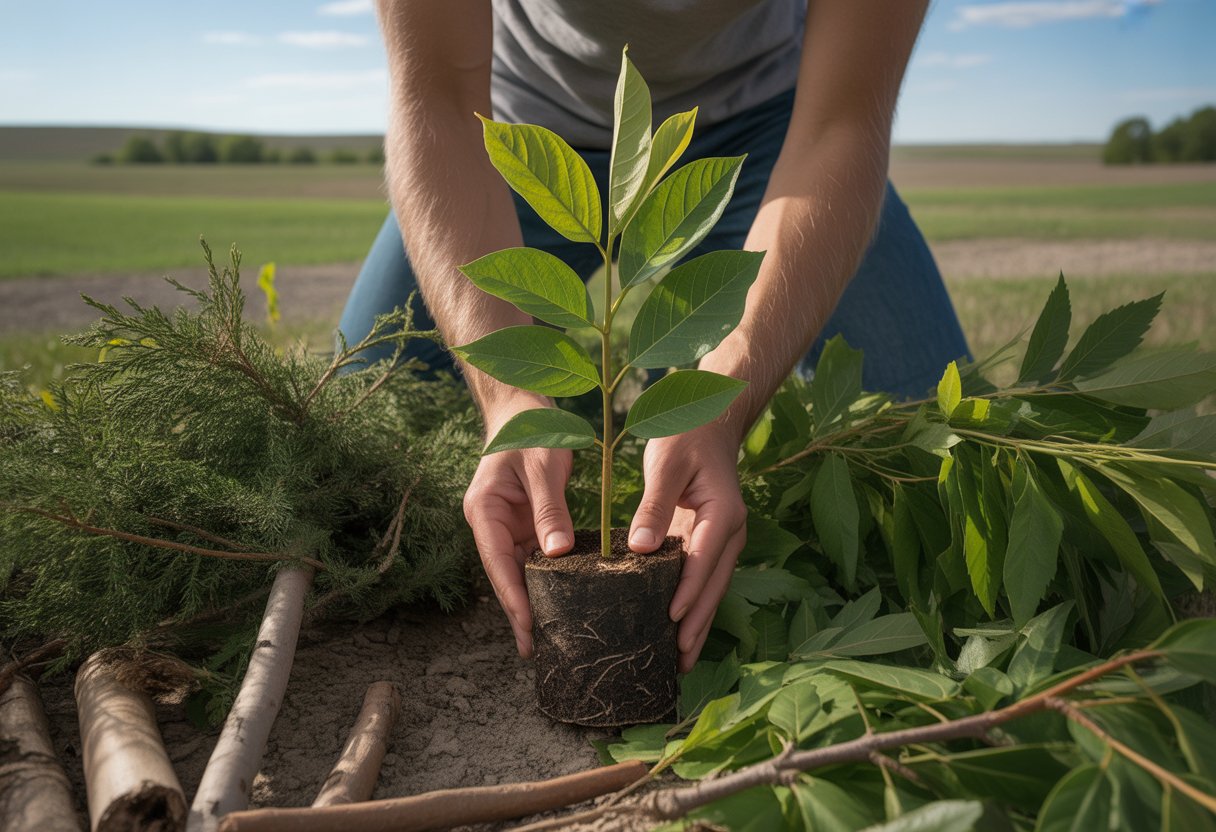
Picking native trees isn’t just about looks. You’ve got to match them to the site—soil, water, climate, the whole package.
How you plant and care for them early on really matters. Pruning and support help them settle in and keep providing those ecosystem benefits.
Assessing Growing Conditions
Native trees do best when you match them to the right soil and moisture. Sandy loam or silty soils are great for bur oak and eastern red cedar because they drain well.
Most natives need full sun or at least partial shade, but it depends on the species.
Water’s a big deal. If you’ve got a low spot that stays damp, cottonwoods will appreciate it.
Avoid heavy, soggy soils for trees that like things dry.
It’s smart to check local climate—temperature swings, wind, all that. If you get a lot of wind, go for wind-tolerant species or set up windbreaks to help young trees survive.
Planting and Establishment
Plant native trees in early spring. That way, roots get a head start before summer heat sets in.
Dig the hole twice as wide as the root ball, but not deeper. Otherwise, you risk root rot.
Take off any burlap or wire from container-grown trees. Let those roots stretch out.
Set the tree straight, fill in with native soil, and tamp it down gently to get rid of air pockets.
Top off with two or three inches of mulch to keep moisture in and weeds out. Water new trees once or twice a week, depending on the rain.
Stake the tree for the first year, especially if it’s windy. Use soft ties and check them so they don’t dig into the trunk.
Maintaining Health and Support
Keep an eye out for pests or disease. Catching problems early ups the tree’s odds.
Prune dead or crossing branches when the tree’s dormant to keep it healthy and let air move through.
Water deeply but not too often. That encourages roots to grow down, not just out.
During hot, dry stretches, water younger trees more often. Here’s a watering guide if you want the nitty-gritty.
Pull stakes after the first growing season. Trees shouldn’t rely on them forever.
Only fertilize if a soil test says you need to. Too much can actually hurt the tree.
Organizations and Programs Supporting Nebraska’s Native Trees
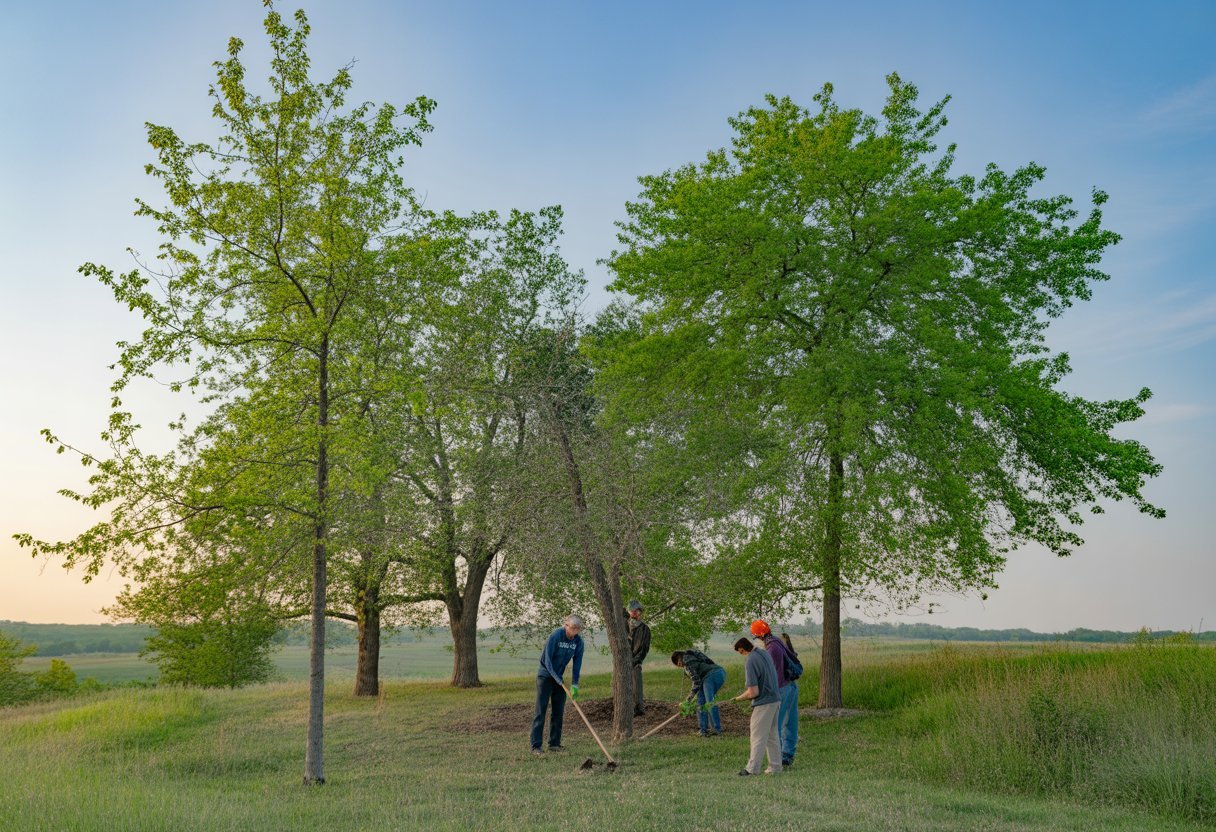
A handful of organizations in Nebraska work hard to preserve and promote native tree species. They offer resources for landowners, run conservation projects, and encourage sustainable practices that fit Nebraska’s unique ecosystems.
Nebraska Forest Service
The Nebraska Forest Service (NFS) leads efforts to manage and protect the state’s forests. They help landowners with tree health, planting, and pest issues.
NFS runs urban forestry programs, inventories trees, and works on wildfire prevention. Their planting initiatives for windbreaks and riparian buffers make a real difference.
They also provide workshops and publications to help people pick the right native species for Nebraska’s climate. Their focus covers both city and rural tree conservation.
Nebraska Statewide Arboretum
The Nebraska Statewide Arboretum (NSA) connects public gardens, parks, and institutions to promote native and adapted plants, especially trees.
NSA runs demonstration gardens that show off native trees suited for Nebraska. These gardens are hands-on examples of sustainable planting.
They partner with cities and schools to train folks about the benefits of native species. Their resources help bring native trees into urban planning and restoration projects across the state.
Horticulture Programs
Horticulture programs at Nebraska universities and extension services dig into research on native trees and how they handle local conditions. They work out best practices for growing, maintaining, and propagating native species.
These programs offer workshops and fact sheets geared toward farmers, landscapers, and homeowners who want to learn about native trees. They really focus on tree health, dealing with invasive pests, and keeping the ecological balance in check.
Partnering with organizations like the Nebraska Forest Service helps boost community outreach. That way, more people across Nebraska can actually use and share native tree knowledge—no matter where they live.