
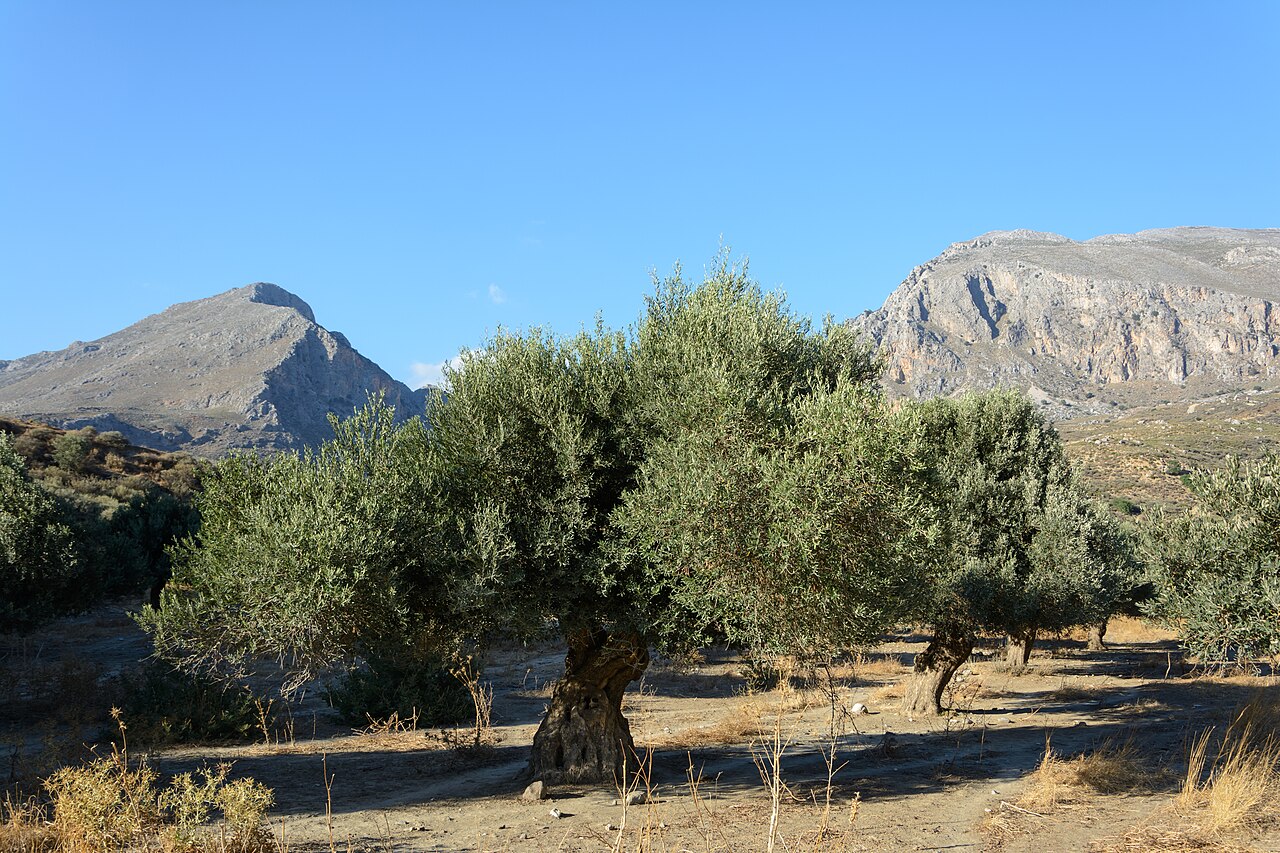
An olive tree (Olea europaea), the parent species, on a rocky Mediterranean hillside; not ‘Moraiolo’ itself, no verifiably licensed cultivar-specific photo was available. Photo: Uoaei1,
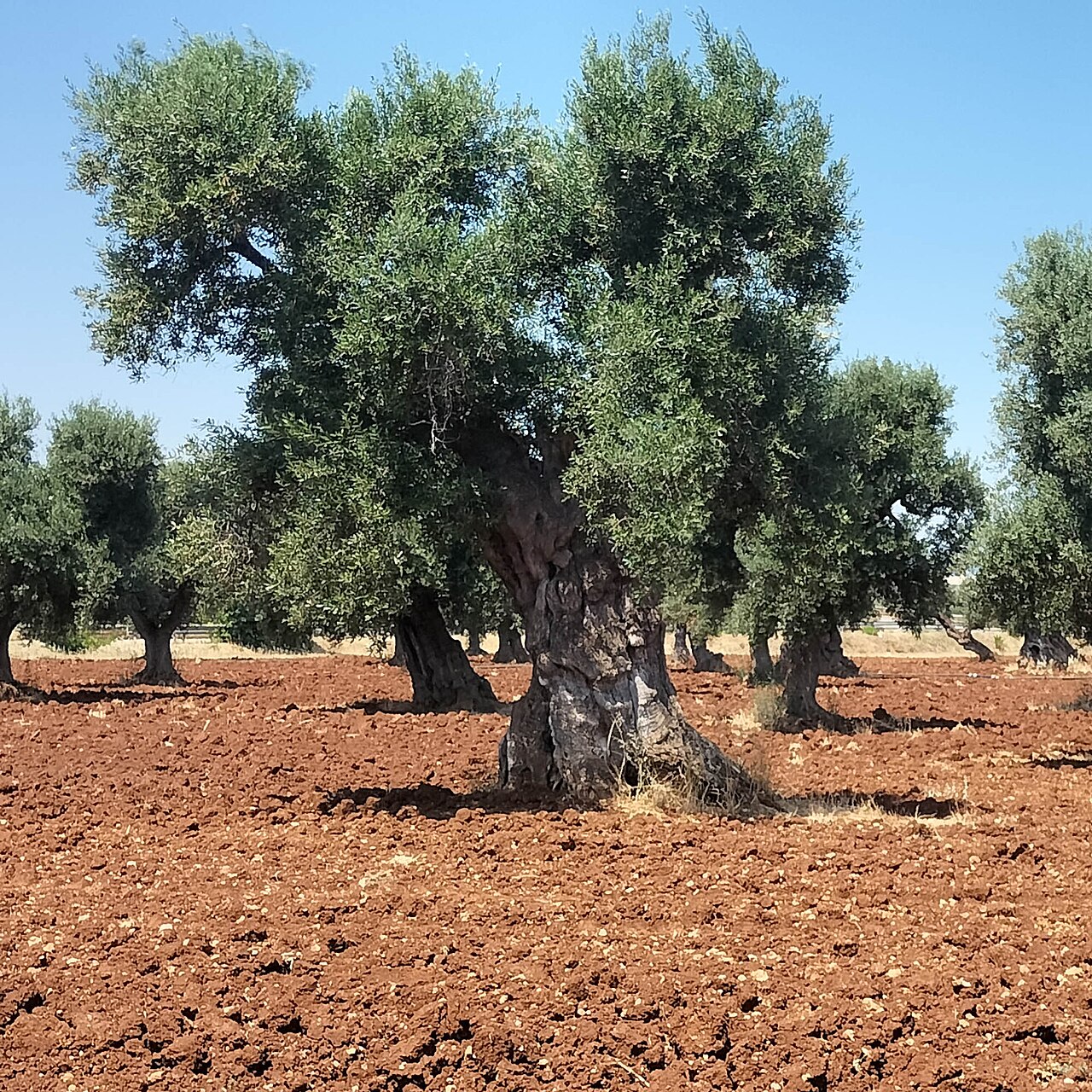
A century-old Coratina tree in the characteristic red clay soil of Canosa di Puglia, the heartland of the cultivar. Photo: Uberverti, via Wikimedia Commons (CC
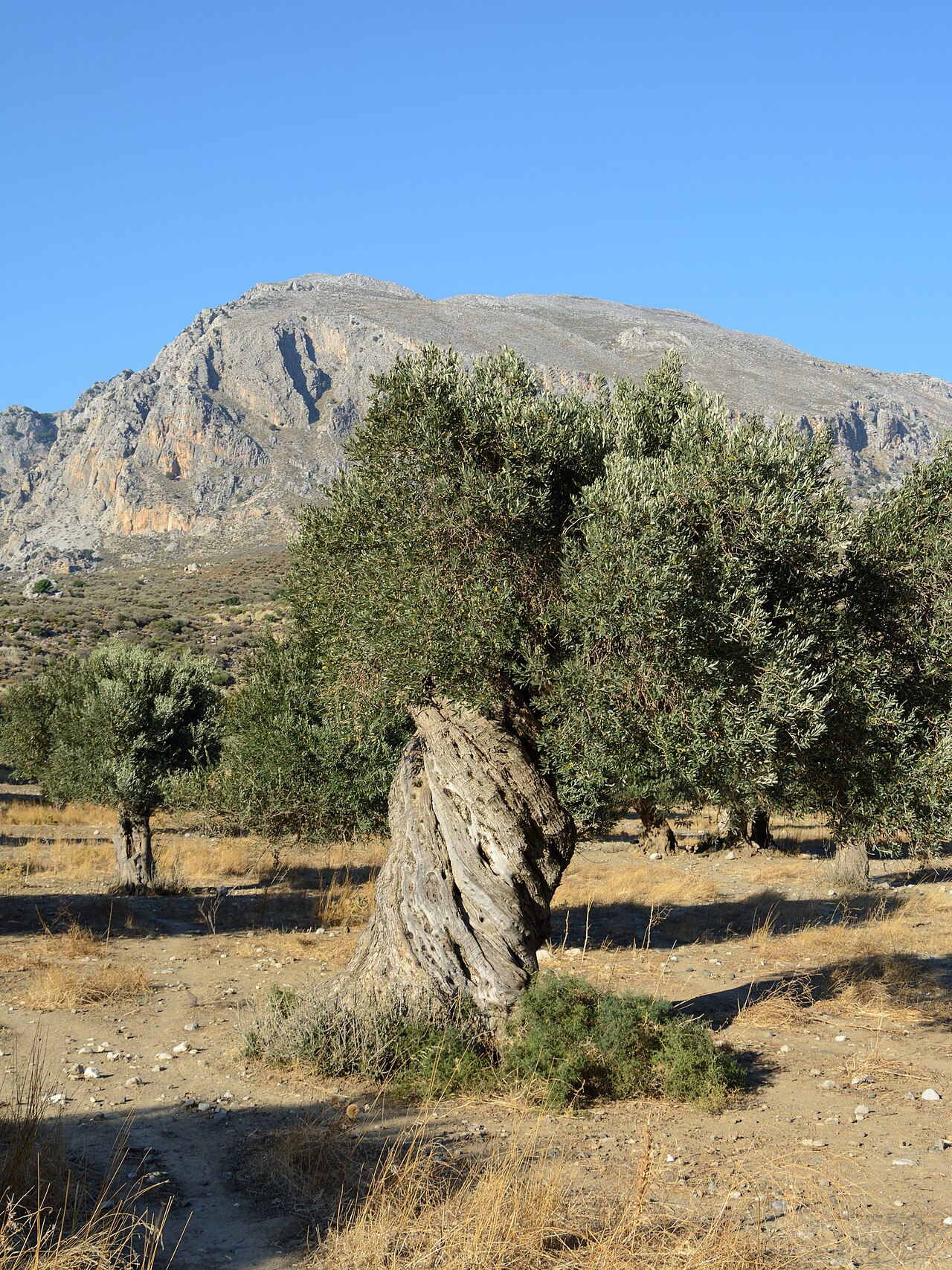
An olive tree (Olea europaea), the parent species; not ‘Arbosana’ itself, no verifiably licensed cultivar-specific photo was available. Photo: Uoaei1, via Wikimedia Commons (CC BY-SA
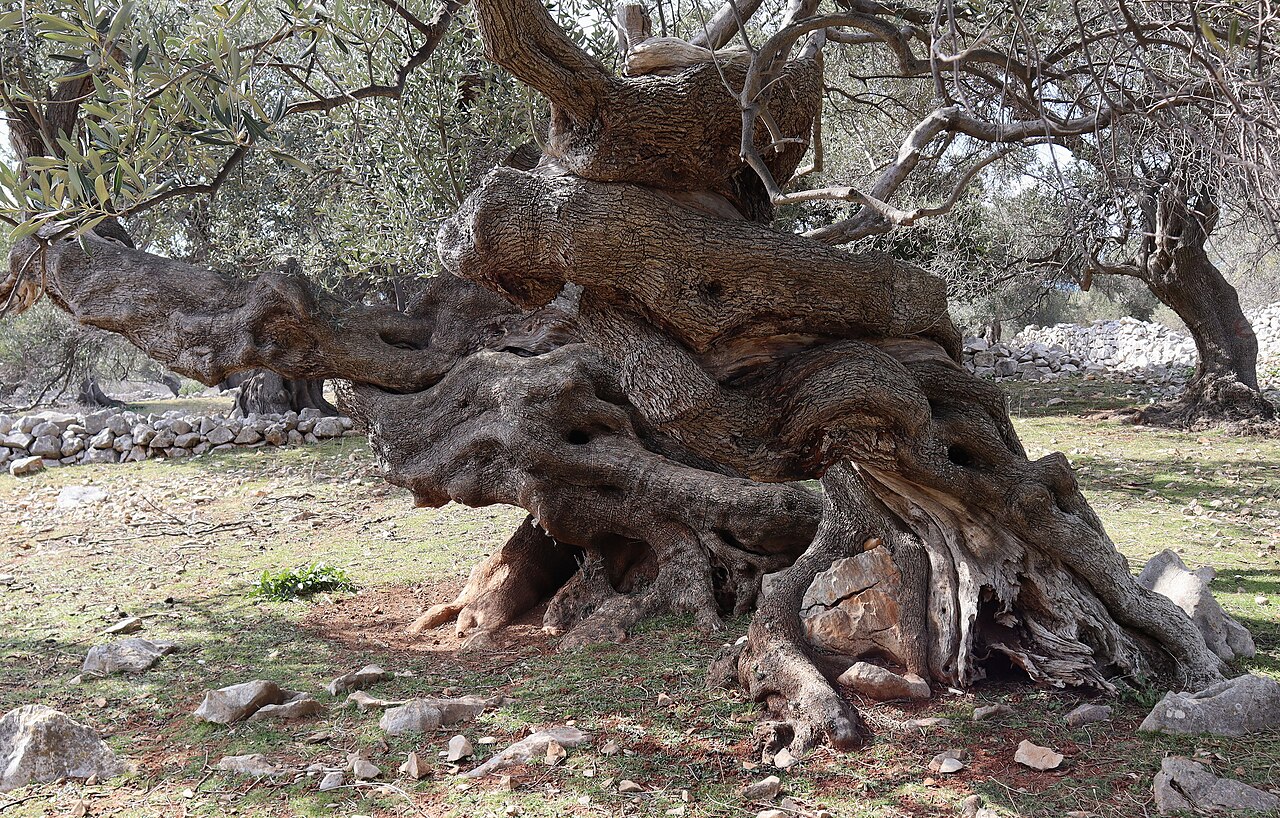
Olive (Olea europaea), the parent species, here showing the gnarled, multi-stemmed character older olives develop; not Wilsonii itself. Photo: Palauenc05, via Wikimedia Commons (CC BY-SA
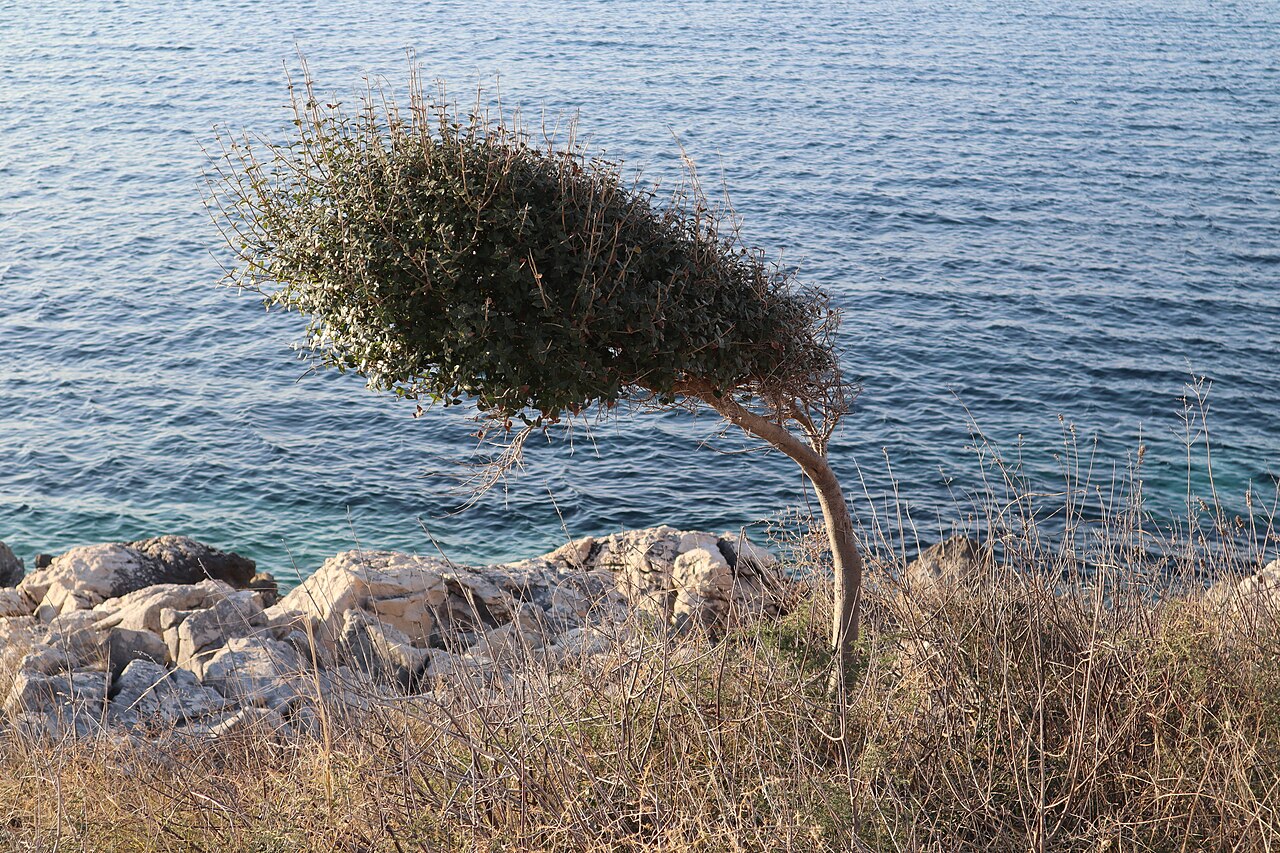
Olive (Olea europaea), the parent species; not the Swan Hill selection itself. Photo: Palauenc05, via Wikimedia Commons (CC BY-SA 4.0) Olea europaea ‘Swan Hill’ is
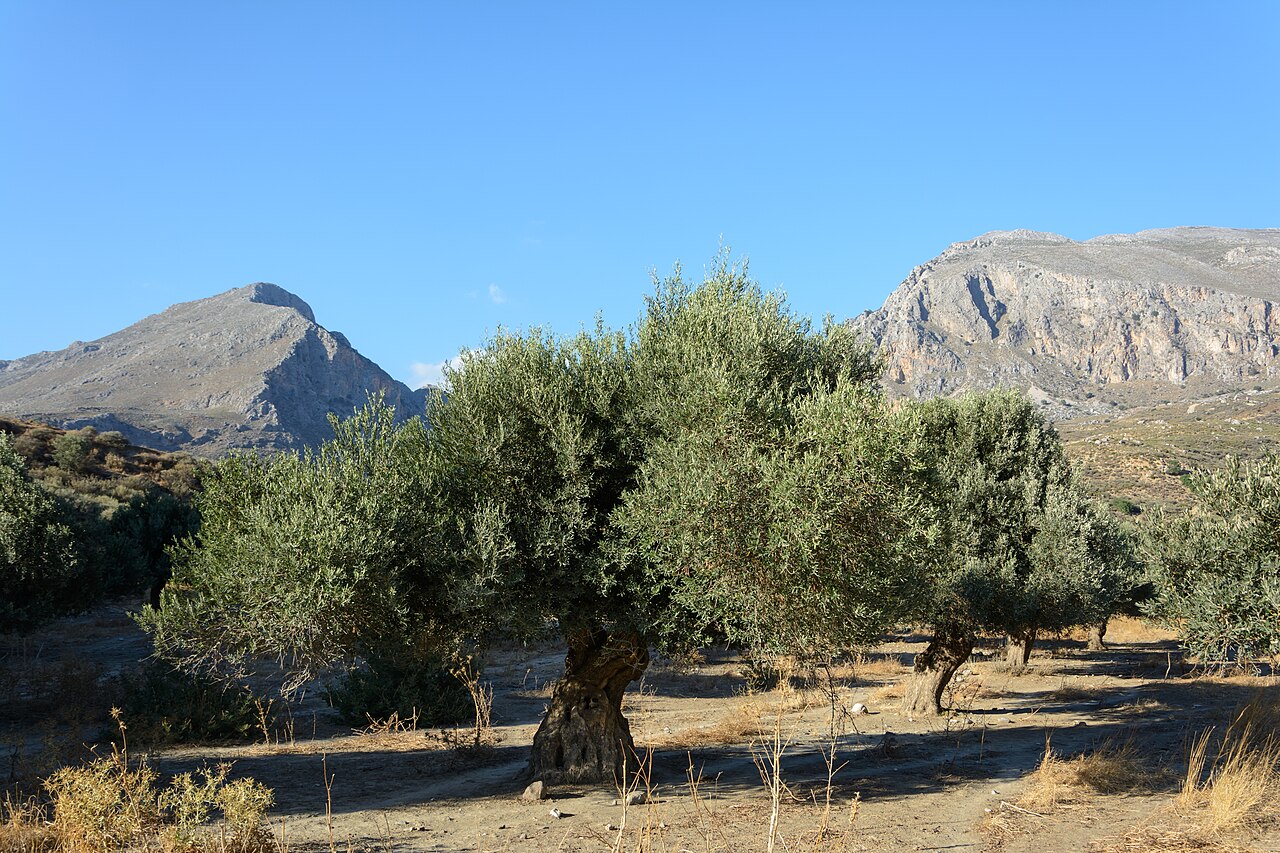
Olive (Olea europaea), the parent species; not Majestic Beauty itself. Photo: Uoaei1, via Wikimedia Commons (CC BY-SA 4.0) Olea europaea ‘Monher’, trademarked and sold as
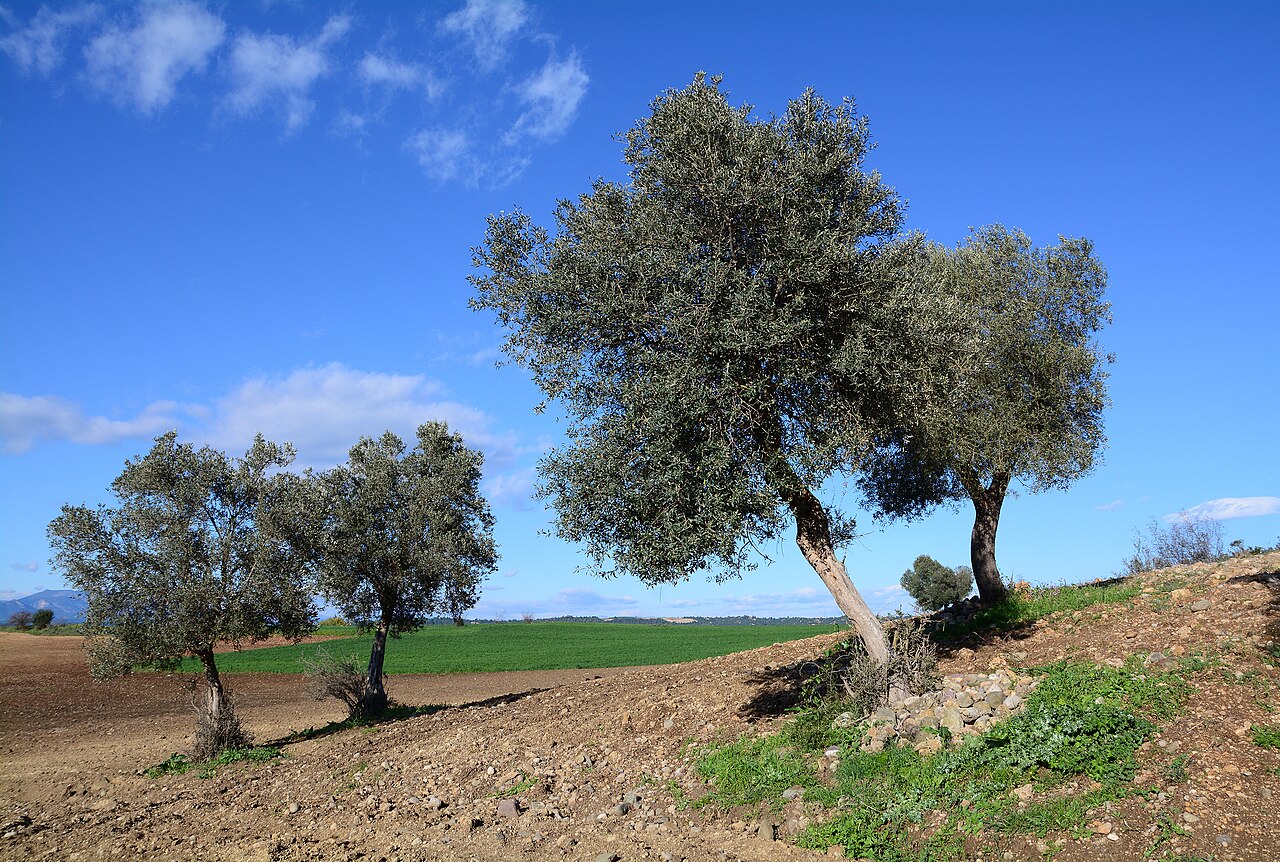
Olive (Olea europaea), the parent species; not Little Ollie itself, which stays shrub-sized. Photo: Zeynel Cebeci, via Wikimedia Commons (CC BY-SA 4.0) Olea europaea ‘Montra’,
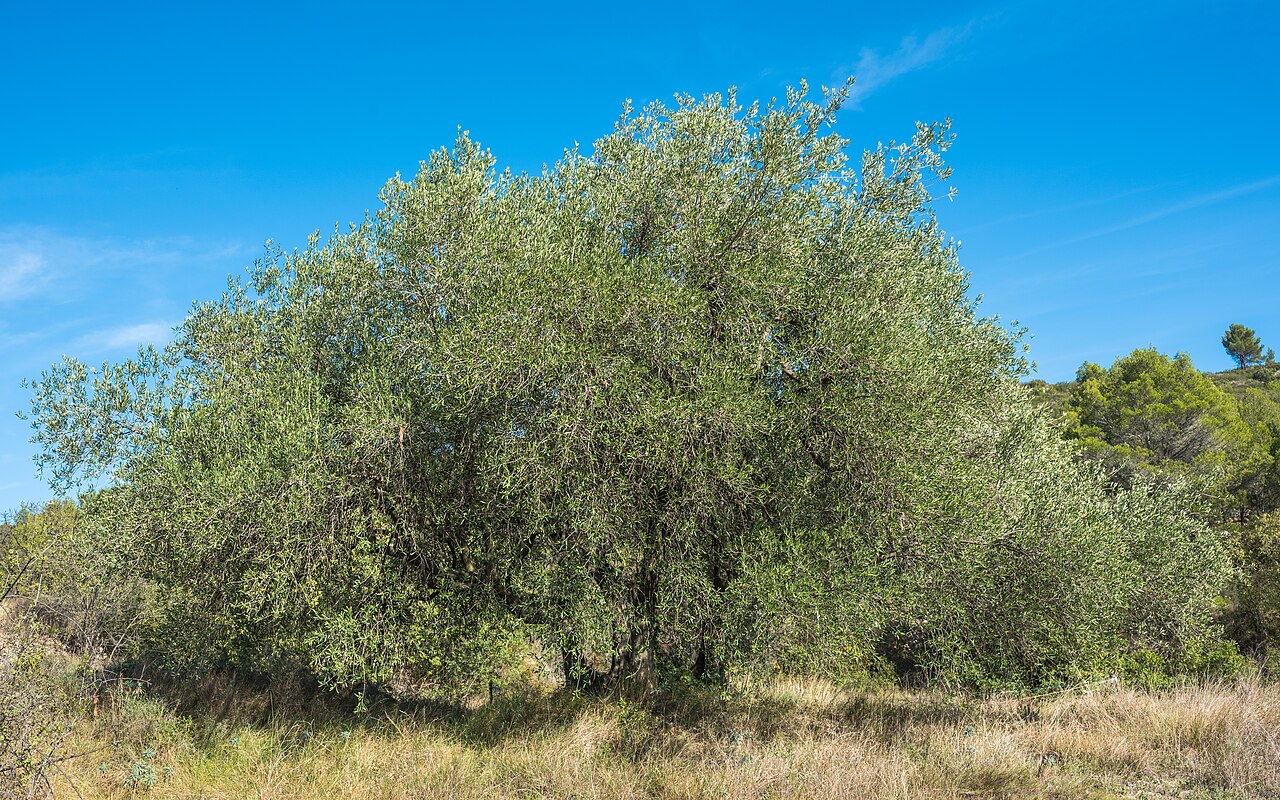
Olive (Olea europaea), the species ‘Barouni’ belongs to; not ‘Barouni’ itself. Photo: Christian Ferrer, via Wikimedia Commons (CC BY-SA 4.0) Olea europaea ‘Barouni’ is a

Twombly’s Red Sentinel grows as a dense, narrow column, with foliage that shifts between red and green tones through the season. Photo: David J. Stang,
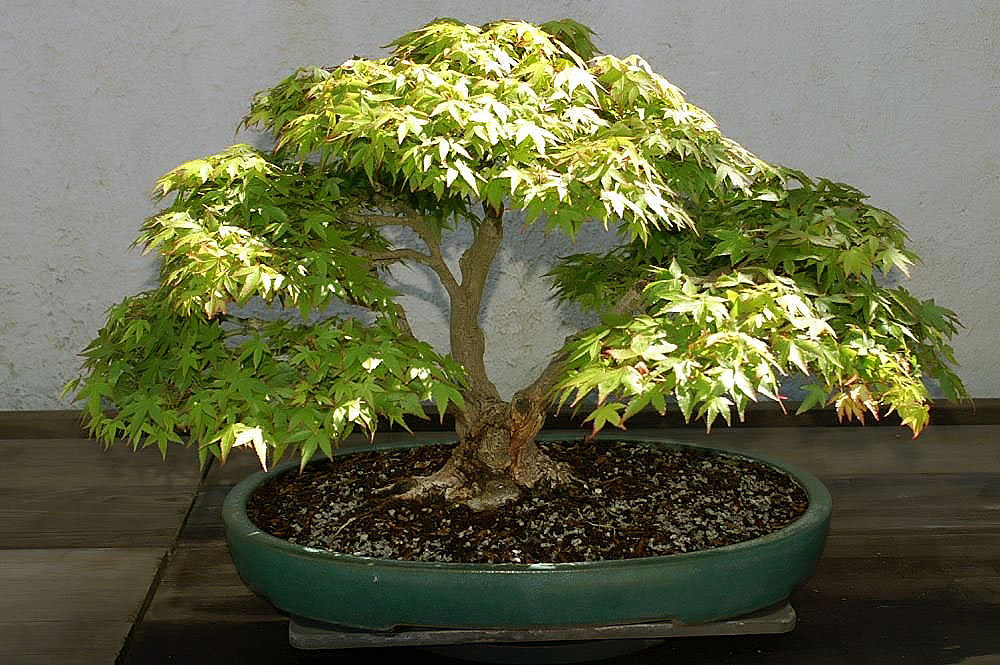
‘Mikawa-yatsubusa’ grown in a container, showing its naturally dense, tiered mounding habit even without heavy pruning. Photo: David J. Stang, via Wikimedia Commons (CC BY-SA
View More