
Northern Prairie Dropseed (Sporobolus heterolepis)
Last updated: August 21, 2026
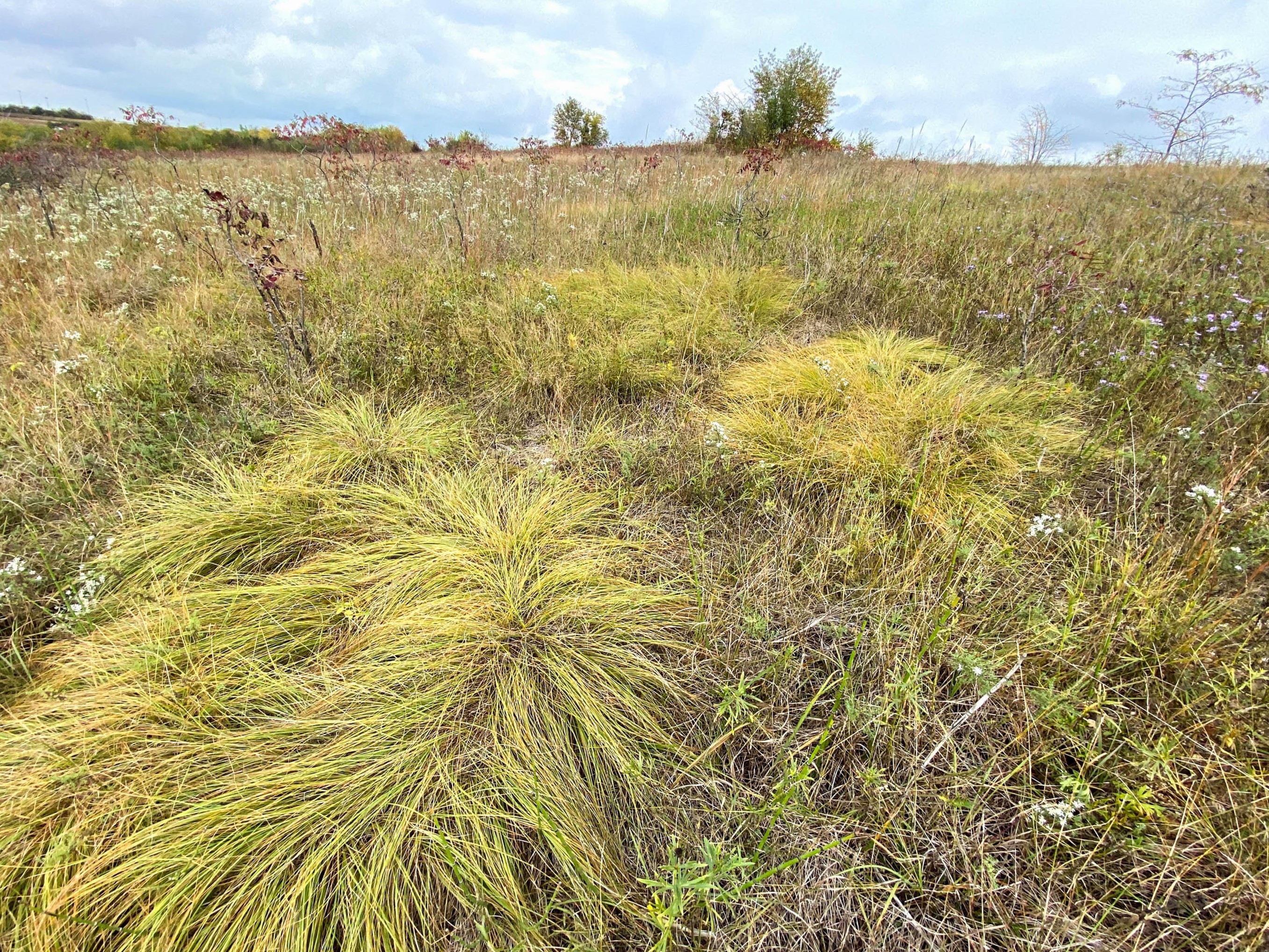
Sporobolus heterolepis, commonly known as Northern Prairie Dropseed or Prairie Dropseed, is a magnificent native perennial grass that epitomizes the beauty and resilience of North America’s tallgrass prairie. This member of the Poaceae (grass) family forms distinctive circular clumps of fine-textured foliage crowned by delicate, almost ethereal seedheads that seem to float above the leaves like morning mist. The common name “dropseed” refers to how the tiny seeds readily drop from the plant when mature — a simple but effective seed dispersal strategy that has helped this species colonize prairie landscapes for millennia.
What truly sets Northern Prairie Dropseed apart is its remarkable drought tolerance combined with stunning ornamental appeal. In late summer and fall, the grass transforms into a spectacular display as the foliage turns brilliant shades of orange, gold, and copper while the airy seedheads catch and hold light like spun glass. The plant releases a distinctive sweet fragrance — often described as resembling freshly ground coriander seed — that adds an aromatic dimension to autumn prairie walks. This hardy grass serves as both an ecological cornerstone species and an exceptional ornamental plant, equally at home in restored prairies and carefully designed native landscapes.
Beyond its visual appeal, Northern Prairie Dropseed plays a crucial ecological role as a foundational grass species in tallgrass and mixed-grass prairie communities. Its deep, fibrous root system helps build soil structure and carbon sequestration, while the seeds provide important food for songbirds and small mammals throughout fall and winter. For gardeners and restoration practitioners, it offers the perfect combination of low maintenance, exceptional drought tolerance, and year-round interest — making it an ideal choice for sustainable landscaping, rain gardens, and prairie restoration projects across its extensive native range.
Identification
Northern Prairie Dropseed is easily recognized by its distinctive clumping growth form and fine-textured appearance. Mature plants typically reach 2 feet tall and form neat, rounded tufts 1–3 feet wide, creating an elegant fountain-like silhouette in the landscape.
Foliage
The leaves are narrow — just ⅛ to ¼ inch wide — and 8 to 20 inches long, arising from the base in dense tufts. Individual blades are flat to slightly rolled (involute), with a smooth texture and prominent parallel venation typical of grasses. The foliage color ranges from bright green in spring and summer to spectacular shades of orange, gold, and reddish-bronze in fall. The leaf tips often curl gracefully, adding to the plant’s refined appearance.
Flowers & Seeds
The flowers emerge in late July through September as open, airy panicles 6 to 20 inches long, rising well above the foliage on slender stems. The panicles have a delicate, cloud-like appearance — hence the description of “delicate seedheads” — with numerous tiny spikelets containing single seeds. Each floret is extremely small, less than ⅛ inch long, but the overall effect is ethereal and graceful. The seeds are tiny, shiny, and drop readily when ripe, giving the plant its common name.
Seasonal Changes
Northern Prairie Dropseed offers exceptional four-season interest. Spring growth begins with fresh green shoots emerging from dormant crowns. Summer finds the plant at full foliage development, creating dense, fine-textured mounds. Late summer brings the spectacular flowering display, followed by the brilliant fall colors that can persist well into winter. Even in dormancy, the tan-colored foliage provides textural interest and catches snow beautifully.
Distinguishing Features
Key identification features include the tight clumping habit (never spreading by runners), extremely narrow leaves with curled tips, the distinctive sweet fragrance released when foliage is brushed, and the delicate, open seedhead structure. The combination of fine texture, brilliant fall color, and neat growth form makes it unmistakable among native grasses.
Quick Facts
| Scientific Name | Sporobolus heterolepis |
| Family | Poaceae (Grass) |
| Plant Type | Perennial Bunchgrass |
| Mature Height | 2 ft |
| Mature Width | 1–3 ft |
| Growth Rate | Moderate |
| Sun Exposure | Full Sun |
| Water Needs | Moderate |
| Soil Type | Well-drained; adaptable to various soils |
| Soil pH | 6.0–8.0 (slightly acidic to alkaline) |
| Bloom Time | July – September |
| Flower Color | Pale green to purplish |
| Fall Color | Orange, gold, copper |
| Deer Resistant | Yes |
| USDA Hardiness Zones | 3–9 |
Native Range
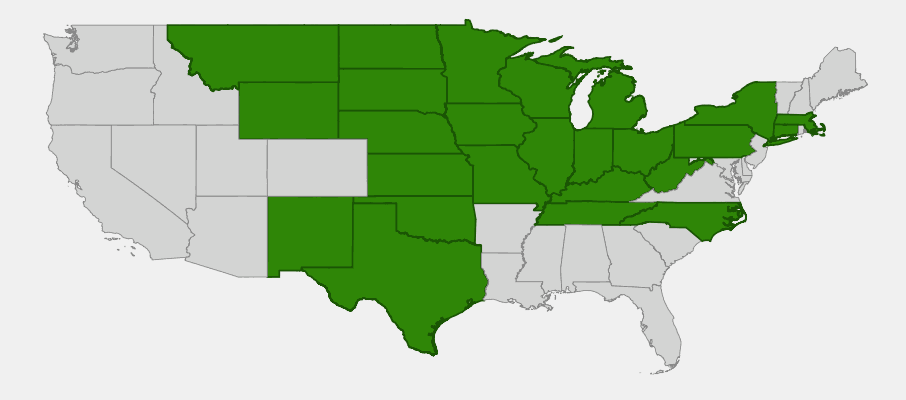
Northern Prairie Dropseed is native to a vast area of central and eastern North America, ranging from southern Canada south to Texas and from the eastern slopes of the Rocky Mountains east to Pennsylvania and North Carolina. This extensive range reflects the species’ remarkable adaptability to diverse climatic conditions and its historical importance as a dominant component of North America’s grassland ecosystems.
The species reaches its greatest abundance in the tallgrass and mixed-grass prairie regions of the Great Plains and upper Midwest, where it often forms a significant component of native plant communities. In these areas, it typically grows on well-drained uplands, prairie hillsides, and the edges of wetlands — anywhere soils are reasonably well-drained and full sun conditions prevail. Northern Prairie Dropseed is particularly common in Minnesota, Wisconsin, Iowa, Illinois, and the eastern portions of the Dakotas, where remnant and restored prairies showcase its ornamental value.
While primarily associated with prairie ecosystems, Northern Prairie Dropseed also occurs naturally in oak savannas, prairie openings within forests, and along railroad rights-of-way and roadsides where prairie-like conditions persist. Its ability to establish on disturbed sites while maintaining its refined appearance makes it valuable for both ecological restoration and ornamental applications throughout its range.
📋 Regional plant lists featuring Northern Prairie Dropseed: North Dakota, South Dakota & Western Minnesota
Growing & Care Guide
Northern Prairie Dropseed ranks among the most dependable and low-maintenance native grasses, making it an excellent choice for both novice and experienced gardeners. Once established, this drought-tolerant grass requires minimal care while providing maximum impact in the landscape.
Light Requirements
Like most prairie grasses, Northern Prairie Dropseed performs best in full sun conditions — at least 6–8 hours of direct sunlight daily. While it can tolerate light shade, plants grown in shadier locations tend to be less compact, produce fewer flowers, and display less intense fall color. For the most vigorous growth and best ornamental characteristics, plant in the sunniest location available.
Soil Preferences
One of this grass’s greatest assets is its soil adaptability. Northern Prairie Dropseed thrives in well-drained soils ranging from sandy to clay, and tolerates pH levels from slightly acidic to alkaline (6.0–8.0). It actually prefers lean soils and can struggle in overly fertile conditions, which may cause the plants to become floppy or produce excessive foliage at the expense of flowers. Drainage is more critical than soil fertility — avoid areas where water stands after rain.
Water Requirements
Exceptional drought tolerance is one of Northern Prairie Dropseed’s defining characteristics. Once established (typically after the second growing season), plants can survive entirely on natural rainfall in most areas of their range. During establishment, provide regular water during dry spells, but avoid overwatering which can promote root rot. In hot, dry summers, the grass may go semi-dormant, but it recovers quickly with fall rains and cooler temperatures.
Planting & Establishment
Plant Northern Prairie Dropseed in spring after the last frost date, or in fall at least 6–8 weeks before hard frost. Space plants 18–24 inches apart for individual specimens, or 12–18 inches apart for mass plantings. Dig holes only as deep as the root ball and twice as wide. Water thoroughly after planting and maintain consistent moisture during the first growing season. Mulch lightly around plants to retain moisture and suppress weeds.
Maintenance
This grass is virtually maintenance-free once established. Cut back to 3–4 inches in late winter or early spring before new growth begins. Many gardeners prefer to leave the attractive tan foliage and persistent seedheads standing through winter for added interest and wildlife value. No fertilization is necessary — in fact, it may be detrimental. Divide clumps every 4–6 years in spring if they become too large or begin to die out in the center.
Landscape Uses
Northern Prairie Dropseed’s refined appearance and reliable performance make it suitable for numerous landscape applications:
- Mixed borders — provides fine texture contrast to bold perennials
- Mass plantings — creates sweeping displays in larger landscapes
- Rock gardens — drought tolerance suits xeriscaping applications
- Rain gardens — tolerates temporary moisture fluctuations
- Foundation plantings — adds four-season interest near buildings
- Prairie restoration — essential component of authentic grassland communities
- Erosion control — deep roots stabilize slopes and banks
Wildlife & Ecological Value
As a foundational prairie species, Northern Prairie Dropseed provides exceptional ecological value that extends far beyond its ornamental appeal. This grass serves as both a habitat creator and food source for numerous wildlife species throughout its range.
For Birds
The small, nutritious seeds are highly valued by granivorous songbirds including sparrows, finches, and buntings. Species such as Clay-colored Sparrows, Bobolinks, and Dickcissels regularly feed on the seeds, while the dense clumping habit provides ideal nesting sites for ground-nesting birds. The persistent seedheads continue to provide food throughout fall and into winter when other food sources become scarce.
For Small Mammals
Mice, voles, and chipmunks collect and cache the seeds for winter food stores. The dense foliage clumps provide shelter and nesting sites for small rodents, while the tunnel-like spaces between clumps create wildlife corridors that allow safe movement through the landscape.
For Insects & Pollinators
While Northern Prairie Dropseed is wind-pollinated and doesn’t attract pollinators with showy flowers, it supports numerous beneficial insects in other ways. The foliage provides habitat for various grass-feeding insects, while the complex structure created by multiple clumps offers overwintering sites for beneficial predatory insects. Prairie grasshoppers and other specialist herbivores depend on native grasses like Northern Prairie Dropseed for their complete life cycles.
Soil Building & Carbon Storage
Perhaps most importantly, Northern Prairie Dropseed is a champion soil builder. Its extensive, fibrous root system can extend 4–6 feet deep, far deeper than most lawn grasses. These roots continuously deposit organic matter as they grow and die back, building soil organic matter and creating channels for water infiltration. Prairie grasses like Northern Prairie Dropseed are among the most effective plants for carbon sequestration, storing significant amounts of atmospheric carbon in their root systems and the soil.
Fire Ecology
Northern Prairie Dropseed evolved with periodic fire and actually benefits from occasional burning. Fire removes accumulated dead material, stimulates new growth, and helps maintain the open conditions this species prefers. In restoration settings, prescribed burns every 3–5 years can help maintain vigorous Northern Prairie Dropseed populations.
Cultural & Historical Uses
Northern Prairie Dropseed holds significant cultural importance among Indigenous peoples of the Great Plains and has played a role in European-American settlement and agriculture as well.
Native American tribes, including the Lakota, Dakota, and Ojibwe peoples, traditionally used Northern Prairie Dropseed seeds as a food source. The small seeds were gathered in late summer and fall, then ground into flour or meal for winter food stores. While labor-intensive to harvest due to their tiny size, the seeds were valued for their nutritional content and sweet flavor. Some tribes also used the grass for basketry and thatching materials.
Early European settlers recognized Northern Prairie Dropseed as an indicator of high-quality prairie soils. Areas dominated by this species were often the first to be converted to agriculture, as farmers understood that the presence of healthy Northern Prairie Dropseed populations indicated fertile, well-drained ground ideal for crops. This recognition, unfortunately, also contributed to the widespread loss of prairie habitat as settlement expanded westward.
In modern times, Northern Prairie Dropseed has gained recognition as both an ornamental plant and a key species for prairie restoration efforts. The grass has been commercially propagated since the 1980s and is now widely available from native plant nurseries. Its use in designed landscapes has helped introduce urban and suburban audiences to the beauty and ecological value of native prairie plants, contributing to broader conservation awareness.
The distinctive sweet fragrance released when the foliage is brushed has made Northern Prairie Dropseed a favorite among prairie enthusiasts and restoration practitioners. This aromatic quality, reminiscent of freshly ground coriander or cilantro seed, adds a sensory dimension to prairie experiences and helps create lasting memories of time spent in grassland landscapes.
Frequently Asked Questions
Why is it called “dropseed”?
The common name refers to how the tiny seeds readily drop or fall from the plant when mature. This is actually an effective seed dispersal strategy — the seeds drop near the parent plant where conditions are known to be suitable for growth, helping establish new clumps over time.
How long does it take Northern Prairie Dropseed to establish?
Like most prairie plants, Northern Prairie Dropseed follows the adage “first year sleeps, second year creeps, third year leaps.” Expect modest growth the first year as the plant focuses on root development, more visible top growth the second year, and full maturity by the third year. Patience is rewarded with decades of reliable performance.
Can Northern Prairie Dropseed be grown from seed?
Yes, but the tiny seeds require specific conditions to germinate successfully. Fresh seed sown in fall often gives the best results, as it experiences natural cold stratification over winter. Spring-sown seed may need 30–60 days of cold moist stratification in the refrigerator before planting. Germination rates are typically modest, so sow thickly.
Does Northern Prairie Dropseed spread aggressively?
No, this is a well-behaved clumping grass that stays where planted. Individual clumps expand slowly over time but never send out runners or spread by underground stems. This makes it ideal for formal gardens where invasive spreading would be problematic.
What’s that sweet smell from Northern Prairie Dropseed?
The distinctive fragrance, often described as resembling ground coriander seed, is released when the foliage is disturbed. This aromatic quality is most noticeable on warm days in late summer and fall. The exact chemical compounds responsible haven’t been extensively studied, but the scent is considered one of the plant’s most charming characteristics.

Looking for a nursery that carries Northern Prairie Dropseed?
Browse our native plant nursery directory: North Dakota · South Dakota · Minnesota
Wish I’d found this before I made some mistakes last season. Live and learn I guess!
We appreciate that, Scott! Happy gardening! 🌿 -Plant Native Team
Not bad. I’d add that soil prep matters way more than most people think.