Florida Tree with White Flowers: A Guide to Identifying and Growing
Last updated: August 23, 2026
Florida is home to a diverse range of trees, many of which produce beautiful white flowers. These flowering trees can be found throughout the state, adding color and fragrance to gardens, parks, and natural areas. Some of the most common white-flowering trees in Florida include the flowering dogwood, southern magnolia, and chickasaw plum.
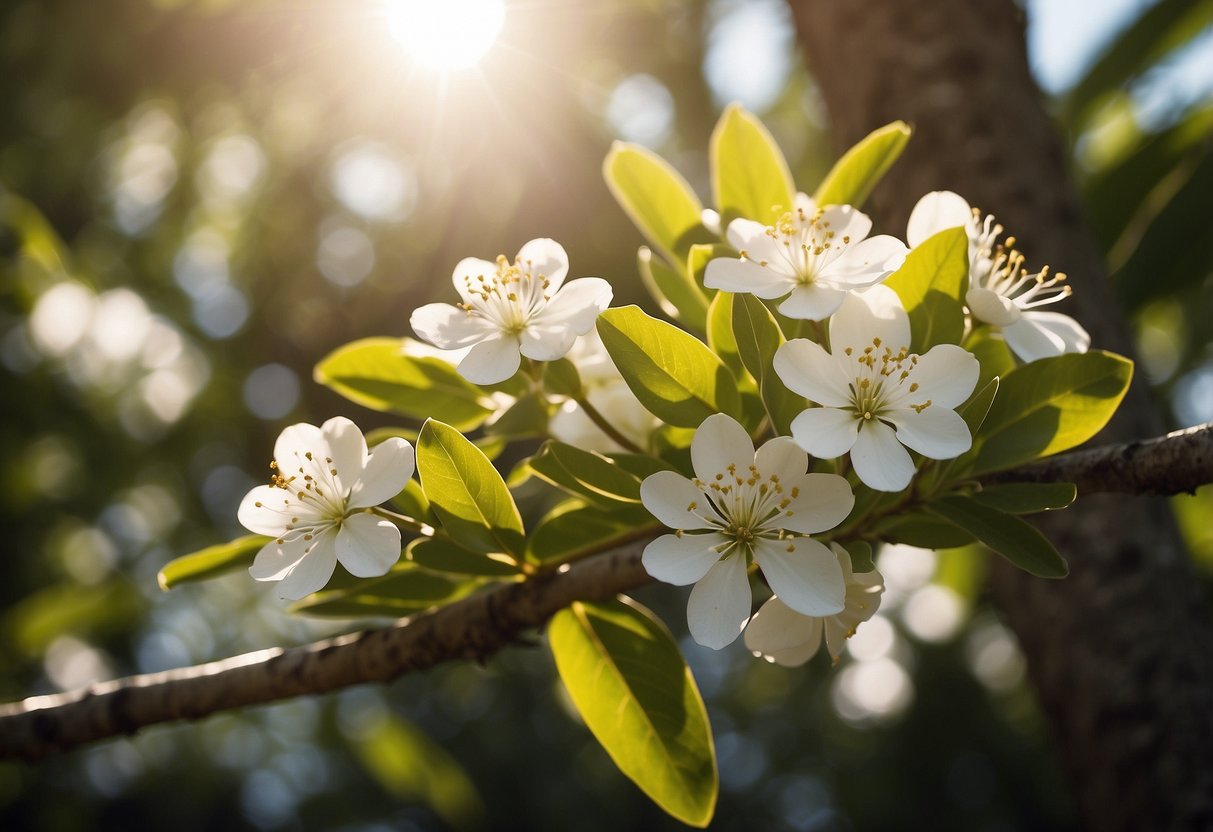
The flowering dogwood is a deciduous tree that produces showy white flowers in the spring and colorful foliage in the fall. It is a popular choice for smaller landscapes due to its compact size, reaching up to 30 feet tall and wide. The southern magnolia, on the other hand, is an evergreen tree that can grow up to 80 feet tall. It produces fragrant white flowers in the spring and summer and is commonly used as a shade tree or specimen tree in larger landscapes. The chickasaw plum, which is native to Florida, produces white flowers in the spring and can grow up to 30 feet tall. Its fruit can be eaten directly off the tree or used to make jam or jelly.
Whether you are a homeowner looking to add some color to your yard or a nature enthusiast interested in the flora of Florida, these white-flowering trees are sure to impress. With their beauty and versatility, they are a great addition to any landscape.
Flowering Trees Native to Florida
Florida is home to a variety of beautiful flowering trees that can add color and interest to any landscape. In this section, we will explore some of the most popular flowering trees native to Florida, including Magnolia Grandiflora, Cornus Florida, and Cercis Canadensis.
Magnolia Grandiflora Characteristics
Magnolia Grandiflora, also known as the Southern Magnolia or Magnolia Tree, is a large evergreen tree that is native to the southeastern United States, including Florida. This tree is known for its dark green leaves and large, fragrant white flowers that bloom in the summer. Magnolia Grandiflora prefers full sun to partial shade and moist, well-drained soil. It can grow up to 80 feet tall and is a popular choice for landscaping in Central and South Florida.
Cornus Florida Attributes
Cornus Florida, also known as the Flowering Dogwood, is a deciduous tree that produces showy white flowers in the spring. This tree is a popular choice for smaller landscapes due to its compact size, reaching up to 30 feet tall and wide. The Flowering Dogwood also provides fall interest with its colorful foliage. Cornus Florida prefers partial shade and moist soil, and it is commonly found in North and Central Florida.
Cercis Canadensis Varieties
Cercis Canadensis, also known as the Eastern Redbud, is a deciduous tree that produces clusters of pinkish-purple flowers in the spring. There is also a white-flowering variety known as Cercis Canadensis f. alba. This tree prefers full sun to partial shade and well-drained soil. It can grow up to 35 feet tall and is commonly found in North and Central Florida.
In conclusion, these three flowering trees native to Florida are excellent choices for adding color and interest to any landscape. Whether you prefer the large, fragrant flowers of the Magnolia Grandiflora, the compact size and colorful foliage of the Cornus Florida, or the pinkish-purple flowers of the Cercis Canadensis, there is a native Florida tree with white flowers that is perfect for your needs.
Cultivation and Care for White-Flowering Trees
White-flowering trees are a popular choice for Florida landscapes due to their visual appeal and ecological benefits. However, to ensure that they thrive and provide optimal benefits, it is important to cultivate and care for them properly.
Optimal Growing Conditions
White-flowering trees prefer full sun or partial shade and moist soil. Some species, such as the Southern Magnolia, are drought-tolerant, while others, such as the Flowering Dogwood, prefer wet soil. When planting, it is important to choose a location that provides the optimal growing conditions for the specific species.
Maintenance and Pruning
White-flowering trees require regular maintenance to ensure their health and longevity. This includes watering during periods of drought and pruning to maintain their shape and promote healthy growth. Pruning should be done in late winter or early spring before new growth starts. It is also important to remove any dead or diseased branches to prevent the spread of disease.
Wildlife and Ecological Benefits
White-flowering trees provide ecological benefits by attracting pollinators, such as butterflies and bees, and providing habitat for birds. They also provide shade, which can help reduce energy costs and provide a comfortable outdoor environment. When selecting a white-flowering tree, it is important to consider its potential ecological benefits and choose a species that is suitable for the local ecosystem.
Overall, white-flowering trees are a beautiful and beneficial addition to any Florida landscape. With proper cultivation and care, they can thrive and provide years of enjoyment and ecological benefits.