
Louisiana Sage (Artemisia ludoviciana)
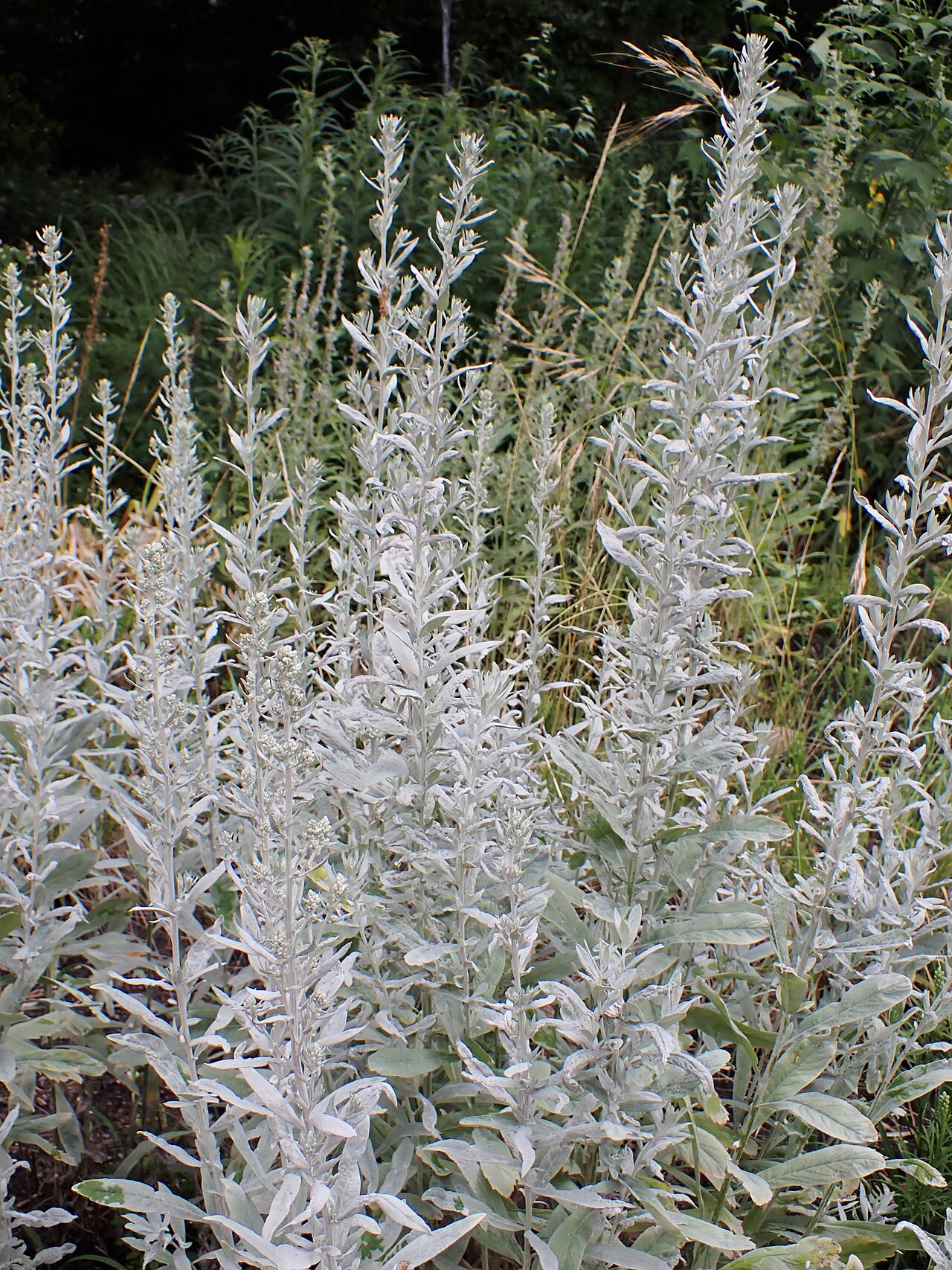
Louisiana sage is a silver-leaved North American perennial that can brighten a dry planting long after a short-lived flower display has passed. Upright stems carry aromatic foliage ranging from pale gray-green to nearly white. Its flowers are small and understated; the main garden effect comes from the contrast between those leaves and the greens, browns, and warm flower colors around them.
The scientific name is Artemisia ludoviciana. Prairie sage, white sagewort, silver wormwood, and western mugwort are other common names, but none should replace the scientific name on a nursery label. It is not culinary sage, Salvia officinalis, and it is not the California white sage, Salvia apiana. It also differs from introduced common mugwort, Artemisia vulgaris. Those distinctions matter for gardeners seeking a particular native species.
Although listed historically among shrubs in our inland Northwest table, this plant is usually an herbaceous perennial in cold climates, sometimes with a more woody base in mild conditions. It commonly grows around 2–3 feet tall, with shorter forms also occurring. Its rhizomes can create an assertive colony. Give it sun, drainage, and space, rather than treating it as a small, permanently fixed edging plant.
Identification
Stems and Habit
Stems are generally upright and often only lightly branched until the flowering portion. Shoots arise from a spreading underground system, so what looks like a single loose clump may be part of a larger connected colony. In a cold winter garden, much of the top growth dies back. Do not identify it as a woody sagebrush merely because the foliage smells similar or the common name includes sage.
Leaves
Leaves are alternate and vary from narrow and nearly entire to lobed or toothed, especially lower on the stems. Pale hairs are conspicuous, particularly on the undersides, and many forms look silvery on both surfaces. The amount of hair and the shape of the leaves vary among populations and subspecies. A cultivar chosen for broad silver leaves will not look identical to every wild inland Northwest plant.
Flowers
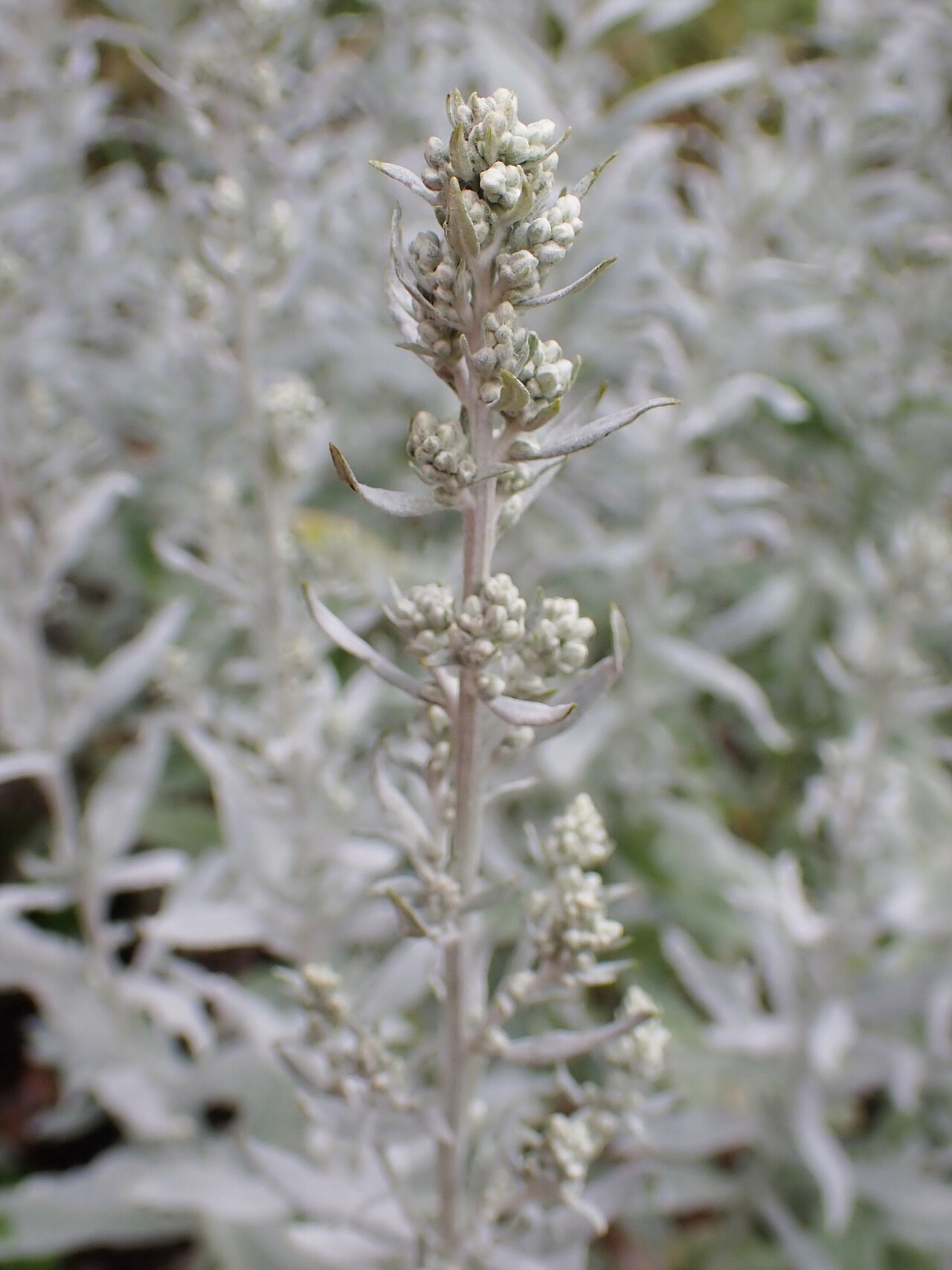
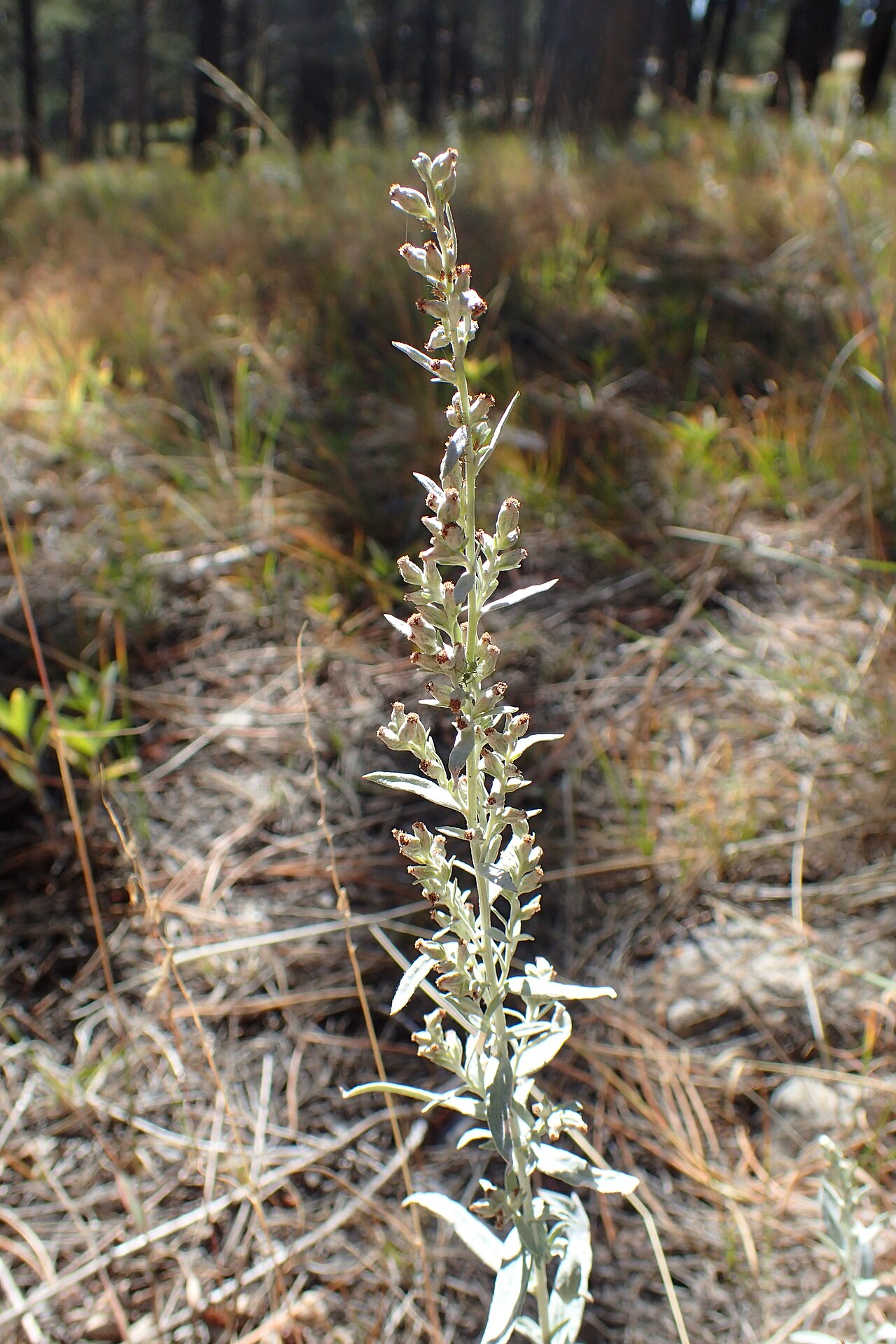
Small yellowish flower heads appear in branching or narrow clusters toward the upper stems. Each head contains tiny disc florets rather than the large ray petals of a daisy. The hairy outer bracts contribute to the pale appearance. Blooming dates vary across the wide range; summer into fall is a useful general expectation, not a fixed calendar for every region.
Fruit and Identification Limits
The fruits are tiny, dry, one-seeded structures typical of the aster family. Flowering material and a regional flora can help resolve difficult Artemisia identifications. The smell of a crushed leaf is not enough, and a photograph of silver foliage alone should not be used to authorize harvest or consumption. Keep nursery labels and provenance notes when selecting among species and subspecies.
Quick Facts
| Scientific Name | Artemisia ludoviciana |
| Family | Asteraceae — aster family |
| Plant Type | Rhizomatous perennial herb; sometimes somewhat woody in mild climates |
| Mature Height | Commonly 2–3 ft; shorter local forms can be 6–18 inches |
| Mature Spread | Initially about 2–3 ft; rhizomes can form larger colonies |
| Growth Rate | Moderate to vigorous where conditions suit it |
| Sun Exposure | Full sun |
| Water Needs | Dry to average; drought tolerant once established |
| Soil Type | Well-drained, often poor or gravelly soil; avoid persistent saturation |
| Soil pH | Adaptable with suitable drainage; use locally appropriate material |
| Bloom Time | Summer to fall; timing varies with region and form |
| Flower Color | Small yellowish heads with pale hairy bracts |
| Fall Color | Silver-gray foliage followed by tan dormant stems |
| Fruit | Tiny dry, one-seeded fruits |
| Deer Resistant | Often resists browsing, but not a guarantee |
| USDA Hardiness Zones | Often hardy to zone 3; provenance and winter drainage remain important |
Native Range
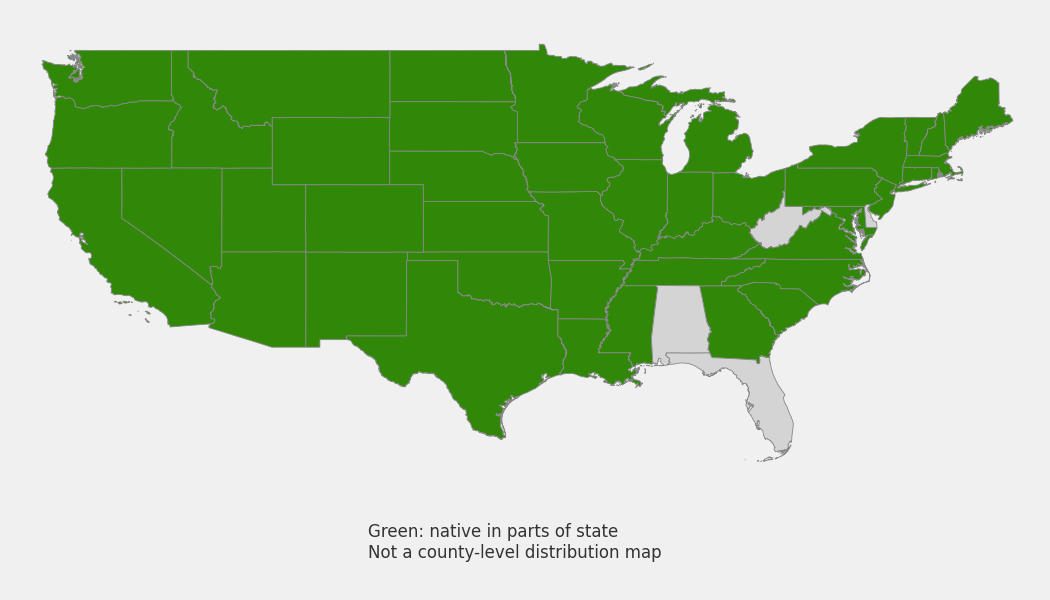
Louisiana sage has a broad native North American range, especially across western and central regions, and extends into Mexico and parts of Central America in Kew’s treatment. Oregon State explicitly recognizes its native Oregon occurrence. Idaho, eastern Oregon, and eastern Washington contain suitable regional populations, but the species does not belong in every habitat within those large areas.
Its preferred settings include open, relatively dry places such as prairies, slopes, canyons, and open woodland margins. Different subspecies occupy different parts of the range, so a generic species label cannot substitute for local origin in restoration work. A silver garden cultivar may be attractive without being the best genetic match for a nearby wildland project.
Eastern nativity is treated differently by some references. In particular, Forest Service literature calls Delaware populations adventive, while Kew includes Delaware in its broad native list; Alabama also differs between these summaries. The map therefore omits these disputed states rather than implying agreement. It is a conservative state-level overview, not a county map, and it excludes Alaska, Hawaii, Florida, and West Virginia. Consult local botanical records before using the plant outside its well-established western and central range.
📋 Regional plant list: Idaho, Eastern Oregon and Eastern Washington
Growing & Care Guide
Light
Plant in full sun for compact, well-colored growth. A spot beside a shrub may look open when planted but become shaded as that shrub matures. Watch the whole planting rather than judging light from a single spring afternoon. If stems stretch and lean strongly toward the sun, improving placement is more useful than repeatedly cutting back a plant in an unsuitable location.
Soil and Water
Good drainage matters more than rich soil. Poor to moderately fertile soil can produce sturdy growth, while repeated irrigation and excessive fertility may encourage soft, floppy stems. Water new plants enough to establish roots, then adjust to rainfall and soil moisture. Do not keep the crown in a permanently wet basin. Winter saturation can be particularly troublesome even where the air temperature is within the plant’s apparent hardiness range.
Planting Tips
Use a nursery-grown plant identified to species, and ask whether it is a cultivar or locally sourced stock. Allow for a colony rather than spacing it as a tiny annual. Set the crown at its existing depth and keep dense mulch from pressing against it. A trial plant at the edge of a larger dry bed lets you observe its vigor before committing a narrow border to a spreading stand.
Pruning and Maintenance
Remove dead stems when new growth begins or when seasonal garden care makes sense locally. Where midsummer stems become untidy, selective trimming can improve the appearance, but avoid assuming frequent clipping will solve excessive shade or moisture. Retain some cover where appropriate for habitat. Wear gloves if you are sensitive to aromatic foliage, and keep cut material out of food-preparation areas.
Propagation
Division is a straightforward way to increase an established garden colony. Retain rooted shoots, replant promptly, and water until the divisions resume growth. Seed is another option for species plants, but named cultivars may not reproduce their selected traits reliably from seed. For restoration, prioritize a documented regional seed source over an ornamental cultivar selected primarily for foliage color.
Managing Rhizomes
Monitor the outer edge of the patch. Remove unwanted rooted shoots while the colony is still manageable rather than waiting until it has threaded through a delicate neighboring perennial. A physical boundary can help in some designs, but it should be inspected; no small border should be assumed permanently root-proof. Native status does not mean a plant will remain politely within the space assigned to it.
Choosing Companions
Pair its silver foliage with plants that also prefer sun and well-drained soil. Use enough open space that the pale leaves remain visible. Avoid placing moisture-loving plants so close that their irrigation keeps the sage’s crown wet. In an inland Northwest garden, choose locally native companions for the same elevation and soil setting rather than combining unrelated species solely because their flower colors look attractive.
Landscape Uses
- A silver foliage colony in a sunny, well-drained native planting
- Contrast among locally appropriate grasses and flowering dryland perennials
- A managed naturalistic patch where rhizome spread is acceptable
- A labeled educational planting comparing Artemisia with unrelated Salvia sages
Wildlife & Ecological Value
Pollinators
The small flowers are not equivalent to a broad, nectar-rich daisy display. A garden designed for pollinator food should also contain a succession of locally native flowering species. Louisiana sage adds foliage and structure, and some native-plant accounts note use of plant fibers by bees. Avoid presenting it as a complete pollinator garden on its own.
Birds
Dryland birds use plant communities rather than isolated nursery labels. Native Plant Society of Texas describes food use by sage grouse in the broader species account, but that does not mean a garden patch outside grouse habitat will attract them. Provide suitable regional habitat and avoid extrapolating a wildlife association to every state or every cultivar.
Mammals
The aromatic foliage is often resistant to deer and rabbit damage in horticultural accounts, while wild herbivores can still use the plant. These statements are not contradictory: browsing depends on animal, season, available food, and local plant form. Protect new plugs if local pressure is severe and do not rely on the word resistant as an absolute exclusion.
Ground Cover and Competition
Rhizomes and repeated shoots can cover open soil, but vigorous growth can also compete with small neighbors. Use that trait deliberately in a large enough planting. It is not a reason to introduce the species into an intact community where it does not belong. Preserve existing native ground cover and use restoration advice for disturbed wildland sites.
Cultural & Historical Uses
The name ludoviciana refers to Louisiana, but the species is much more widespread than that name suggests. Its many common names reflect the pale color, aromatic foliage, and regional familiarity of the plant. Scientific naming is especially useful here because white sage and mugwort can refer to several unrelated or differently distributed plants.
Ethnobotanical literature documents ceremonial and medicinal use by multiple Indigenous peoples. Those are distinct cultural traditions, not a single universal practice, and historical use does not establish safety for a home remedy. This garden guide does not provide harvesting rituals, medicinal doses, or instructions for burning plant material. Learn cultural context from the communities concerned rather than treating a nursery plant as a generic substitute.
Modern horticulture has selected cultivars for leaf color, form, and compactness. Such selections can serve an ornamental purpose, but a restoration project has different goals. Keeping the cultivar name and source with the planting helps future gardeners understand what they have and avoids confusing a cultivated selection with a local wild population.
Frequently Asked Questions
Is Louisiana sage edible like kitchen sage?
It is not the same plant as culinary sage, Salvia officinalis. Do not substitute it in cooking on the strength of the common name. This page concerns identification and garden care, not food or medicinal preparation.
Is it the same as California white sage?
No. California white sage is Salvia apiana, in a different family. Both can have pale aromatic leaves, which is why a full scientific name is important when ordering plants or interpreting a photograph.
Will it stay in a small clump?
Not necessarily. Rhizomes can enlarge the colony beyond its initial footprint. Give it room, inspect the boundary, and remove unwanted rooted shoots before they become entwined with delicate companions.
Why is it taller than the old 12–18 inch table entry?
Short forms exist, but extension sources describe commonly grown plants around 2–3 feet and botanical accounts include substantial variation. The revised table acknowledges both the usual mature size and shorter forms instead of treating one short measurement as universal.
Can it grow in a wet rain garden?
A persistently wet basin is generally a poor fit. This plant is valued for sunny, well-drained, relatively dry conditions. Choose a native wetland species for a saturated site rather than trying to force Louisiana sage into it.
Sources & Further Reading
- NC State Extension — Artemisia ludoviciana
- Oregon State University — Prairie sage
- US Forest Service FEIS — White sagebrush
- Kew Plants of the World Online — Artemisia ludoviciana
- National Park Service — Louisiana wormwood
- Native Plant Society of Texas — White sage
Find Native Plants
Ask growers about nursery propagation and regional provenance. Browse our ID native plant nurseries, OR native plant nurseries, WA native plant nurseries directory for suppliers. Explore the native nursery finder.