Twistleaf Yucca (Yucca rupicola)
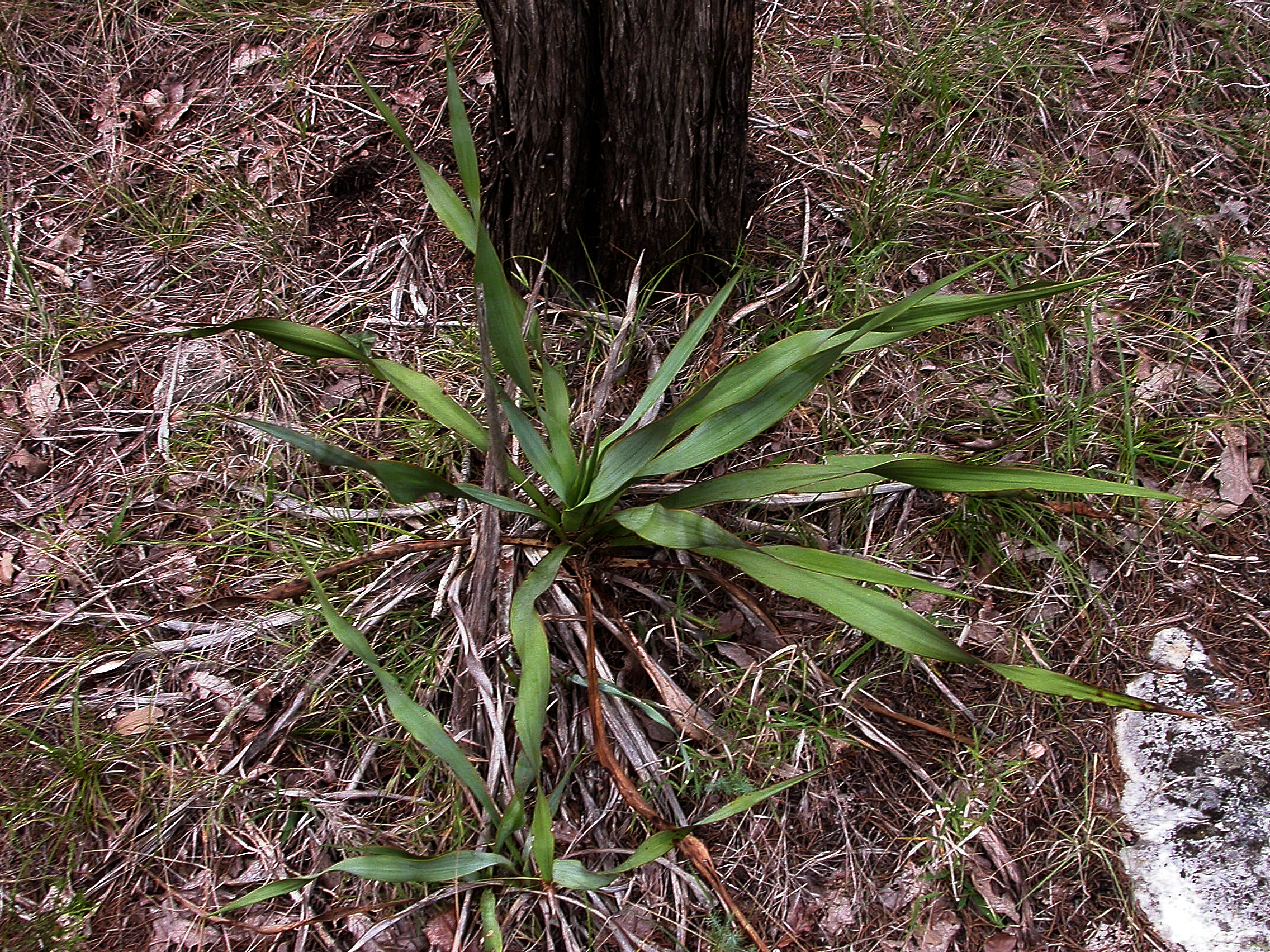
Yucca rupicola, commonly called Twistleaf Yucca, Twisted-Leaf Yucca or Texas Yucca, is a small, trunkless yucca found nowhere on Earth except the Texas Hill Country. A member of the Asparagaceae (century plant family), it forms a low rosette of flexible, ribbon-like leaves that curl, twist and ripple along their length — a trait unique enough among North American yuccas that the species’ common and scientific names both describe it directly.
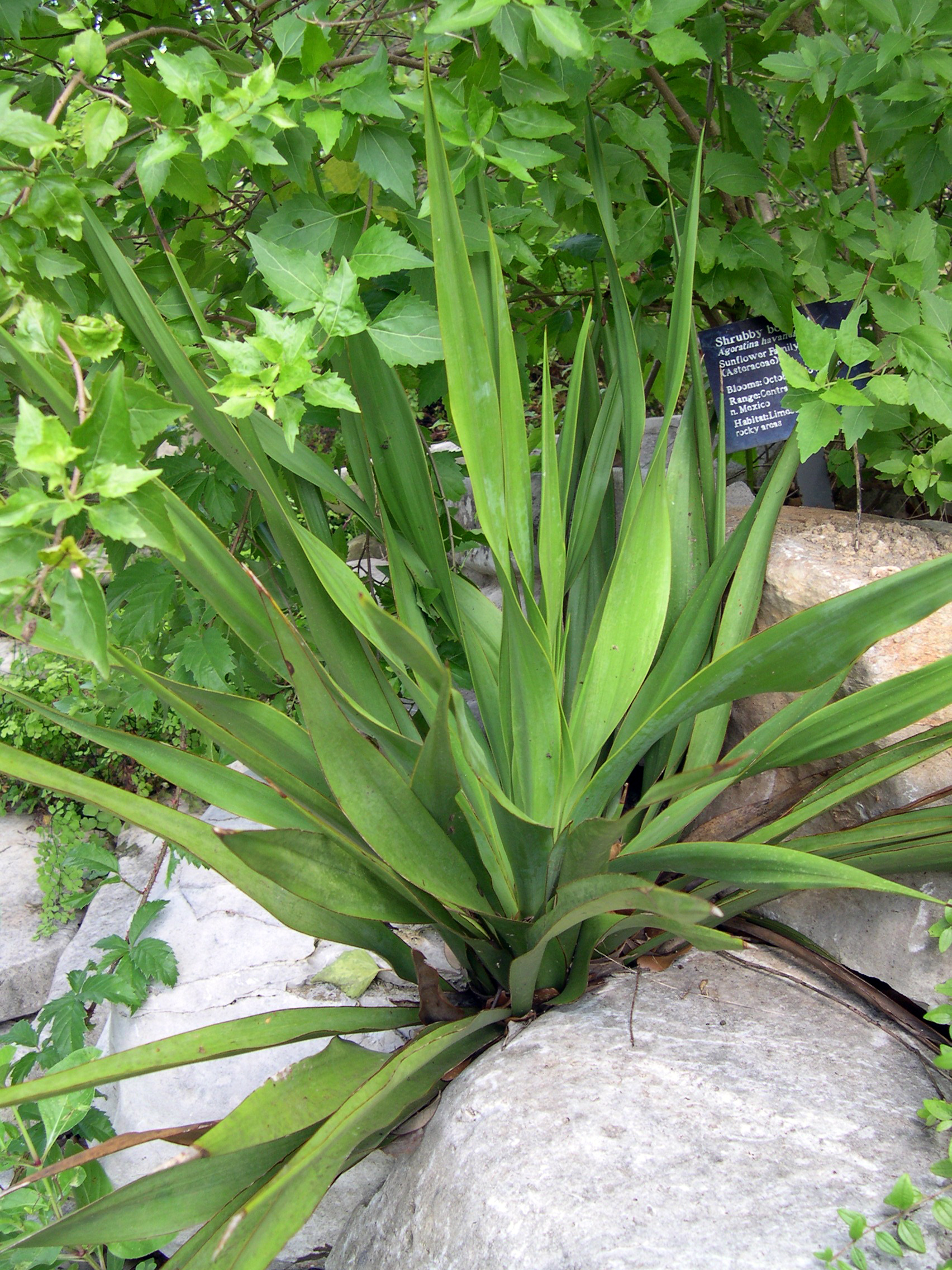
Unlike the stiff, dagger-like yuccas more familiar from Southwestern gardens, Twistleaf Yucca has a softer, almost sculptural presence. Its pale blue-green leaves, each edged with fine curling threads, spiral outward from a short underground stem, rarely developing any visible trunk. In late spring the rosette sends up a tall flower stalk crowned with creamy white, bell-shaped blossoms that stand out dramatically against the surrounding limestone and juniper-oak woodland of its native Edwards Plateau home.
Endemic to the Edwards Plateau ecoregion of central Texas, Twistleaf Yucca is a signature plant of the Hill Country’s thin, rocky limestone soils, where it tolerates drought, heat and poor soil that would challenge most garden perennials. Its combination of striking form, low water needs and genuine regional rarity has made it one of the most sought-after native accent plants for xeriscape and rock gardens across Texas.
Identification
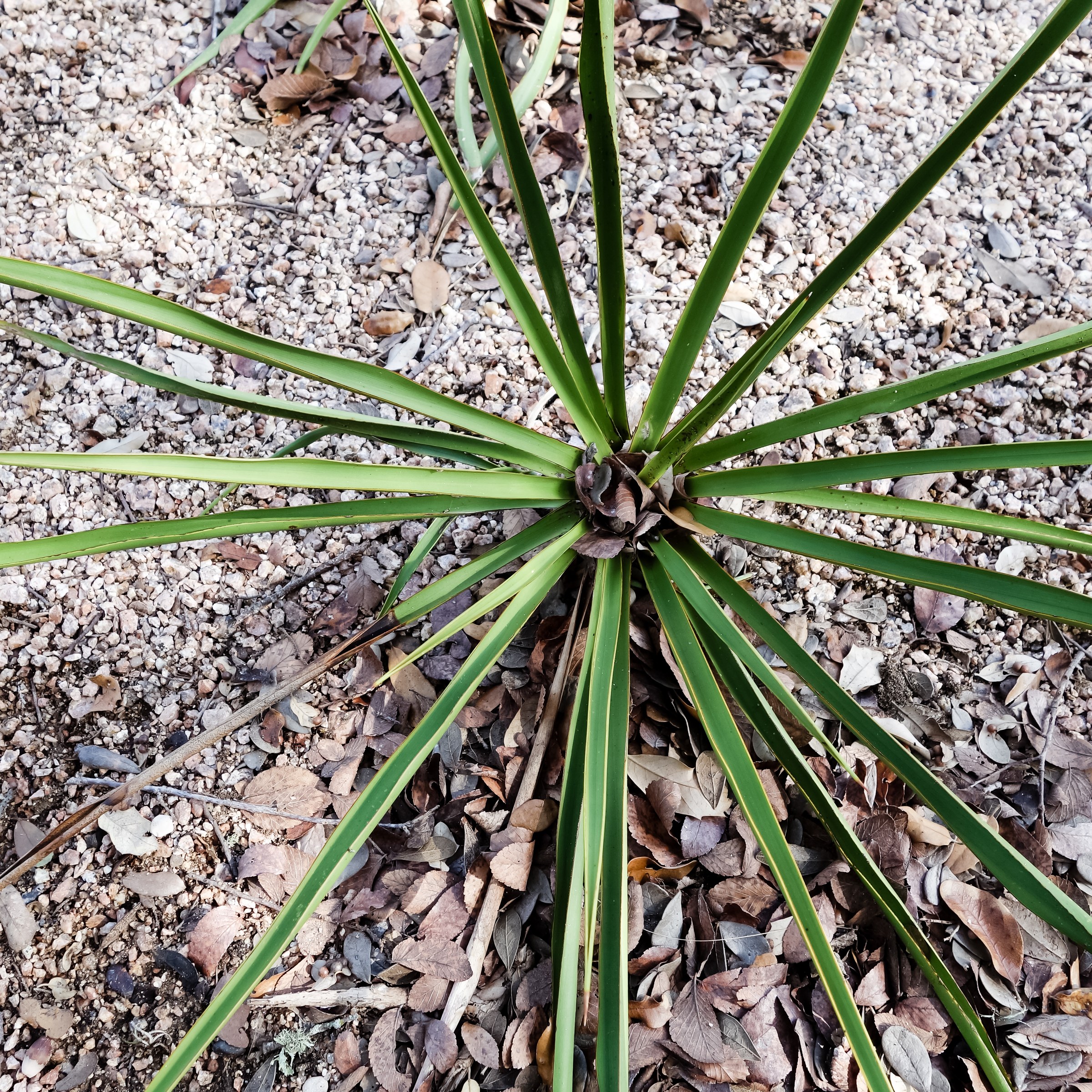
Twistleaf Yucca is a stemless or very short-stemmed perennial that forms a tight basal rosette of leaves, typically 18 to 24 inches across, without the tall woody trunk seen in tree-form yuccas. Clumps slowly spread by underground rhizomes, eventually forming small colonies of several rosettes.
Leaves
The leaves are the plant’s defining feature: flat, flexible, blue-green to yellow-green blades 12 to 24 inches long and about an inch wide, each one curving, twisting or rippling along its length rather than growing straight, as in most other yuccas. Leaf margins carry fine, pale, curling threads (filaments) that peel away from the edge, and each leaf tapers to a soft-pointed, only mildly sharp tip — far less dangerous to brush against than the rigid spines of many related species.
Flowers
In April and May, a sturdy flower stalk rises 3 to 6 feet above the rosette, carrying a loose, branched cluster of nodding, bell-shaped flowers roughly 2 inches across. The waxy petals are creamy white, sometimes tinged with purple or green at the base, and open mostly in the evening to greet their nocturnal pollinator.
Fruit & Seeds
Pollinated flowers develop into dry, three-chambered capsules that split open at maturity to release flat, black seeds. Fruit set in the wild depends entirely on the presence of the yucca moth, discussed further below, so isolated garden plants without a resident moth population may flower reliably but rarely set seed.
Quick Facts
| Scientific Name | Yucca rupicola |
| Family | Asparagaceae (Century Plant/Agave) |
| Plant Type | Evergreen Perennial Succulent |
| Mature Height | 1–2 ft (rosette); 3–6 ft in bloom |
| Mature Spread | 18–24 in, slowly colonizing by rhizomes |
| Growth Rate | Slow |
| Sun Exposure | Full Sun to Part Shade |
| Water Needs | Low |
| Soil Type | Thin, rocky, well-drained limestone soils |
| Soil pH | 7.0–8.5 (neutral to alkaline) |
| Bloom Time | April – May |
| Flower Color | Creamy white, sometimes purple-tinged |
| Fall Color | Evergreen; no fall color change |
| Fruit | Dry three-chambered seed capsule |
| Deer Resistant | Excellent |
| USDA Hardiness Zones | 7–10 |
Native Range
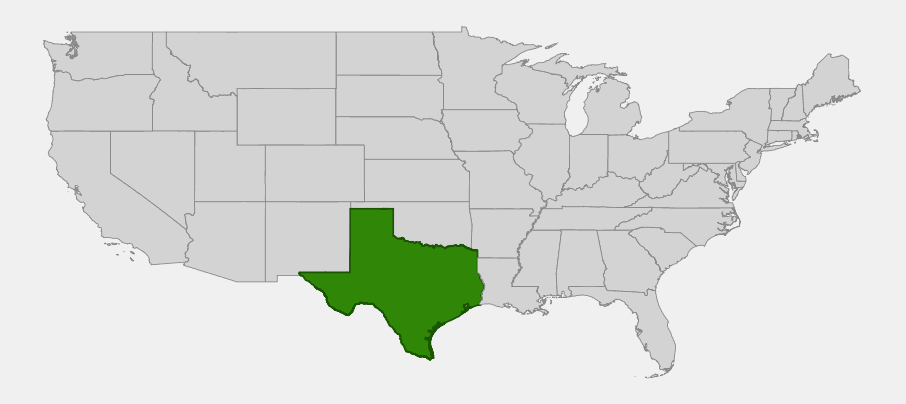
Twistleaf Yucca is endemic to Texas, found nowhere else in the world. Its native range is tightly confined to the Edwards Plateau ecoregion of central Texas — the Hill Country stretching roughly from Austin and San Antonio west toward the Balcones Escarpment and north toward the Llano Uplift.
Within the Edwards Plateau, the species grows on thin, rocky, often shallow limestone soils in open woodlands, grassy savannas, and on exposed limestone ledges and outcrops, frequently alongside Ashe juniper and live oak. Its tolerance for shallow, drought-prone caliche soils that support little else makes it a defining understory and edge species of Hill Country oak-juniper woodlands.
Because Twistleaf Yucca’s entire natural distribution sits within this one limestone region, it is considered a true Texas Hill Country endemic rather than a widespread species. Plants found growing well outside the Edwards Plateau, including in gardens elsewhere in Texas and beyond, are cultivated specimens rather than wild populations.
📋 Regional plant lists featuring Twistleaf Yucca: South and West Texas
Growing & Care Guide
Twistleaf Yucca is an easy, nearly indestructible plant once sited correctly, asking only for the sharp drainage and full sun that mimic its native limestone habitat.
Light
Full sun produces the tightest, most compact rosettes and the heaviest bloom. The plant also tolerates part shade, especially beneath an open oak canopy as it experiences in the wild, where it grows a slightly looser, more relaxed rosette.
Soil & Water
Sharp drainage is essential — this species evolved on thin, rocky limestone soils and will rot in heavy, poorly drained clay or in sites that stay consistently wet. Rock gardens, raised beds and slopes amended with crushed limestone gravel replicate its native conditions well. Once established, Twistleaf Yucca needs no supplemental irrigation and is one of the most drought-tolerant perennials available for Texas gardens.
Planting Tips
Plant container-grown specimens in fall or early spring, setting the crown slightly above grade so water drains away from it rather than pooling at the base. Space plants 2 to 3 feet apart to allow for the slow rhizome spread that eventually forms a colony. Avoid mulching directly against the crown, which can trap moisture and encourage rot.
Pruning & Maintenance
Maintenance is minimal: remove the spent flower stalk after bloom and trim any leaves damaged by frost or old age back to the base. Because the leaf tips are only mildly sharp, Twistleaf Yucca is far more forgiving to work around than stiff-leaved yucca species, making routine garden cleanup easy.
Landscape Uses
Its compact size and sculptural form suit a wide range of dry-garden designs:
- Xeriscape and rock gardens paired with other Hill Country limestone natives
- Accent planting for its distinctive twisting leaf texture
- Slope and caliche-soil plantings where little else will thrive
- Native plant and pollinator gardens as a low-water anchor plant
- Container culture on patios and in raised limestone planters
Wildlife & Ecological Value
Twistleaf Yucca’s most important ecological relationship is its tightly coevolved partnership with a single group of insects, but it supports a range of other Hill Country wildlife as well.
For Pollinators
Like all yuccas, this species depends almost entirely on yucca moths (Tegeticula species) for pollination; the moths deliberately pack pollen onto the flower’s stigma while laying their eggs in the ovary, and in return their larvae feed on a portion of the developing seeds. Without a resident yucca moth, flowers may bloom beautifully but set little to no seed, making the relationship a textbook example of obligate mutualism in Texas ecosystems.
For Birds
The tall flower stalks, standing well above the surrounding grasses and brush, offer songbirds an elevated, open perch from which to hunt insects across the Hill Country’s rocky savannas.
For Mammals
The mildly pointed, fibrous leaves are rarely browsed, which is part of why deer leave Twistleaf Yucca alone even in heavily grazed Hill Country pastures; this makes it a reliable structural plant in landscapes where deer pressure limits other choices.
Ecosystem Role
As a low, evergreen rosette scattered through thin-soiled oak-juniper woodlands, Twistleaf Yucca adds structural diversity and year-round cover close to the ground, while its deep, fibrous root system helps stabilize the shallow limestone soils typical of its native range.
Cultural & Historical Uses
Like many yuccas of the southern Plains and Texas Hill Country, Twistleaf Yucca’s leaf fibers were historically useful to Indigenous peoples of the region for cordage, basketry and weaving, taking advantage of the strong, flexible fibers running the length of each leaf blade. The plant’s soft-pointed leaf tips made it more comfortable to process by hand than stiffer-leaved yucca relatives.
In more recent Texas horticultural history, Twistleaf Yucca has become a signature plant of the native and xeriscape gardening movement that grew alongside Austin’s expansion through the twentieth century, prized by Hill Country landscapers and institutions such as the Lady Bird Johnson Wildflower Center for its combination of sculptural form, extreme drought tolerance and status as a true regional endemic found nowhere else on Earth.
The species has no significant history of food or medicinal use, unlike some larger yuccas whose flowers, fruit or roots were historically eaten or used as soap; Twistleaf Yucca’s value has always been primarily structural, ornamental and ecological rather than culinary.
Frequently Asked Questions
Is Twistleaf Yucca the same as Texas Red Yucca?
No. Texas Red Yucca (Hesperaloe parviflora) is a different, unrelated species with narrow grass-like leaves and tall spikes of coral-red flowers. Twistleaf Yucca has broader, twisting blue-green leaves and creamy white blooms. Both are Texas natives often grown together in Hill Country gardens.
Why didn’t my Twistleaf Yucca set any seed pods?
Seed set depends on pollination by yucca moths, which may not be present in every garden setting, especially in urban areas far from the plant’s native range. Flowering is unaffected, but without the moth, few or no seed capsules will form.
Is Twistleaf Yucca dangerous to touch?
Not especially. Its leaf tips are only mildly pointed compared to the rigid, needle-sharp spines of many other yuccas, making it noticeably easier and safer to work around in the garden.
Can Twistleaf Yucca grow outside Texas?
It can be cultivated in similarly hot, dry, well-drained gardens outside its native range, but it is naturally found only on the Edwards Plateau of central Texas and is not native anywhere else.
How long does Twistleaf Yucca take to bloom?
A young, container-grown plant may take two to three years to reach blooming size, after which an established clump typically flowers reliably every spring from April into May.

Looking for a nursery that carries Twistleaf Yucca?
Browse our native plant nursery directory: Texas