Horse Crippler (Echinocactus texensis)
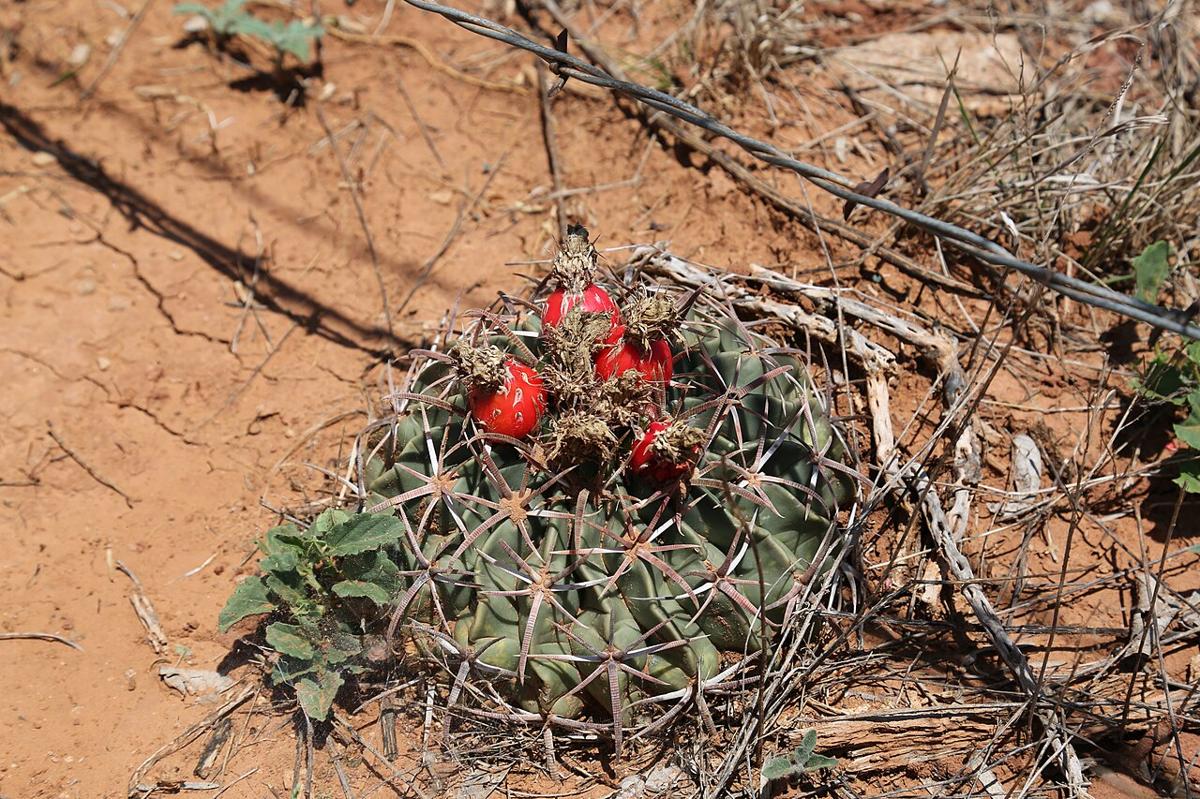
Echinocactus texensis, commonly called Horse Crippler (also devil’s pincushion or devil’s head cactus), is a low, flattened, disc-shaped barrel cactus of the Texas plains and brush country that earns its blunt name honestly. The plant hugs the ground so closely, often sitting nearly flush with the soil surface, that its crown of stout, curved spines is easy to step on or for a horse’s hoof to strike, with painful results for the unwary. It is one of the toughest and most distinctive native cacti of the southern Great Plains, instantly recognizable once you know to watch for it.
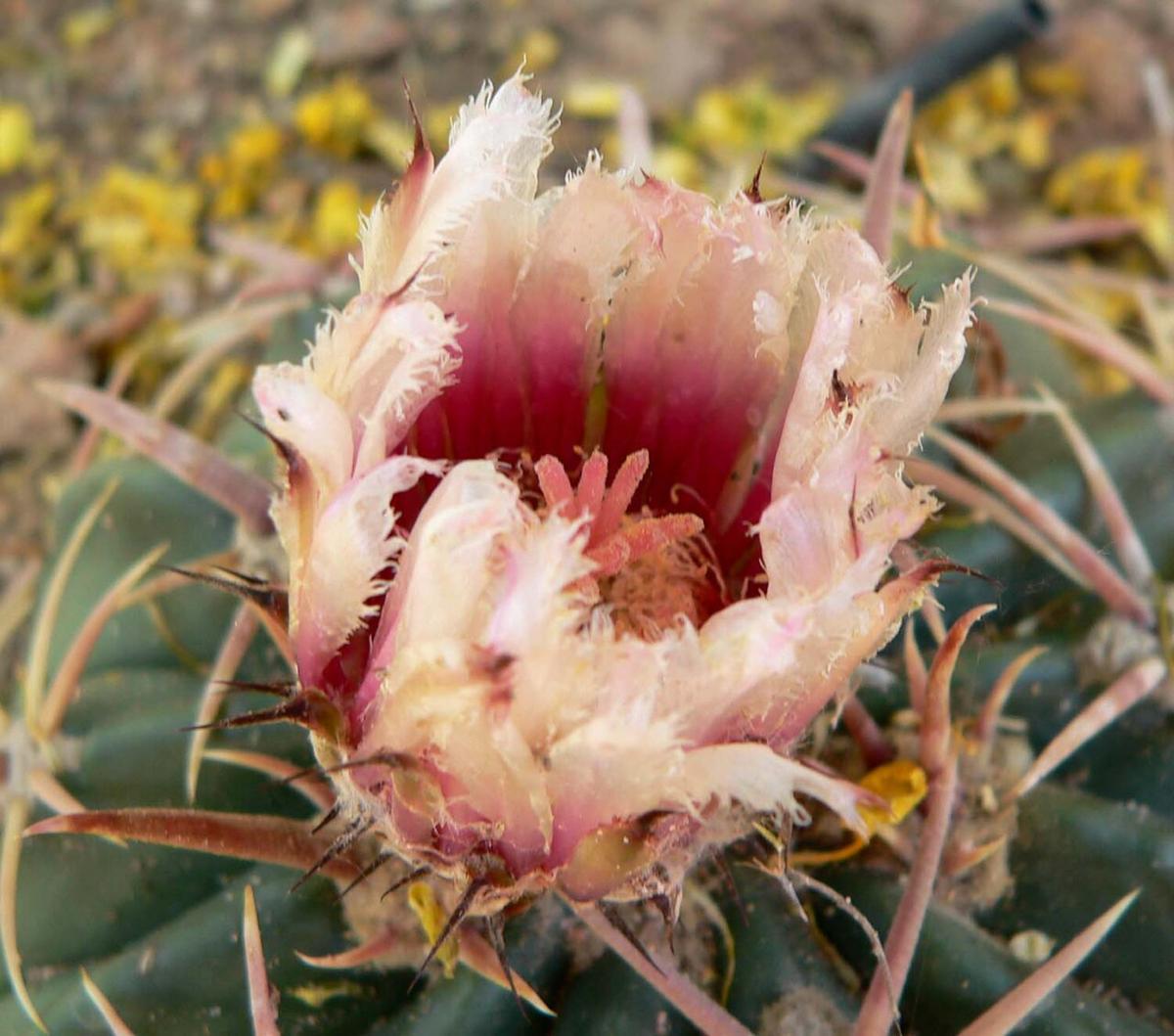
Mature plants form a flattened, ribbed dome, usually 4 to 12 inches across and only 2 to 6 inches tall, armed with heavy, downward-curving reddish spines that radiate from each areole like small grappling hooks. In spring the plant produces striking pink to magenta flowers with a dark red throat, and by summer it carries bright red, fleshy, spineless fruit that are relished by wildlife and were historically eaten by people too.
For gardeners within its native range, horse crippler is an exceptionally low-maintenance, long-lived rock garden and xeriscape plant: cold-hardier than many people expect, drought tolerant to an extreme degree, and a reliable, colorful bloomer. Because it sits at ground level and the spines are genuinely hazardous underfoot, it is best planted in raised beds, rock gardens, or areas clearly separated from foot traffic.
Identification
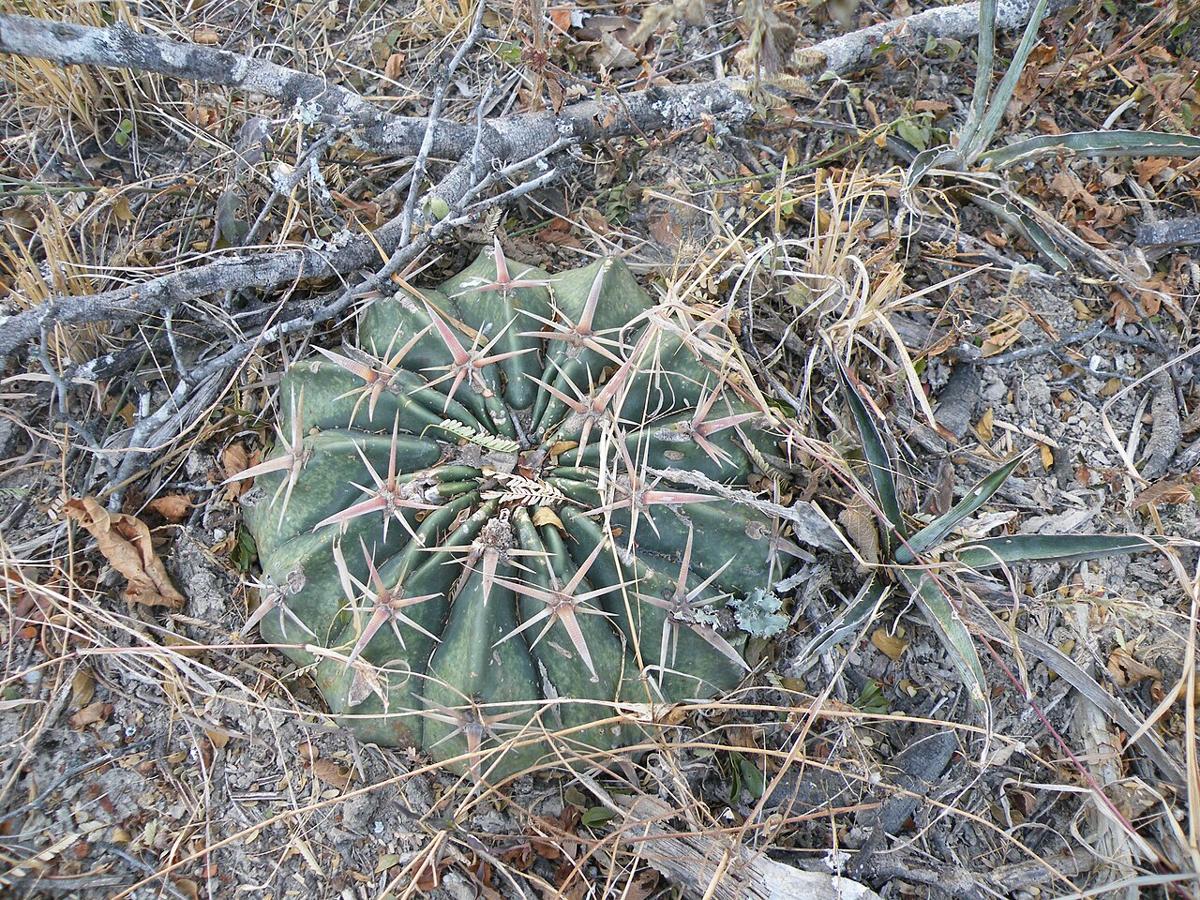
Horse crippler is unmistakable for its flattened, nearly hemispherical shape and heavy, hooked spines. Unlike many barrel cacti that grow tall and cylindrical with age, this species stays low and wide throughout its life, rarely exceeding about 6 inches in height even when a foot or more across.
Stem
The stem is a flattened, globose to disc-shaped dome with 13 to 27 pronounced vertical ribs, blue-green to gray-green in color. Older plants can become somewhat egg-shaped or slightly elongated but never develop the tall columnar form typical of many other barrel cacti.
Spines
Each areole bears 1 to 3 stout central spines, flattened and strongly curved or hooked, reddish to grayish-pink, and 1½ to 2½ inches long, along with several shorter, straighter radial spines. The heavy, curved central spines are what cause the injuries behind the plant’s common name, capable of penetrating boot soles and hooves alike.
Flowers
Flowers appear from April through June (sometimes again after summer rain) at the crown of the plant, 2 to 3 inches across, with pink to magenta petals surrounding a conspicuous dark red to maroon throat and center. Each flower lasts only a few days, but a well-established plant can bloom repeatedly through the season.
Fruit & Seeds
The fruit is a fleshy, spineless, bright red berry about 1 to 1½ inches long, covered in papery scales, that ripens from late spring into summer and stands out sharply against the plant’s dull green body. The small black seeds inside are dispersed largely by animals that eat the fruit.
Quick Facts
| Scientific Name | Echinocactus texensis |
| Family | Cactaceae (Cactus) |
| Plant Type | Low, flattened barrel cactus |
| Mature Height | 2–6 in |
| Mature Spread | 4–12 in |
| Growth Rate | Very slow |
| Sun Exposure | Full Sun |
| Water Needs | Very low; extremely drought tolerant |
| Soil Type | Rocky, caliche or sandy loam; sharply drained |
| Soil pH | Neutral to alkaline (about 7.0–8.5) |
| Bloom Time | April – June (may repeat after rain) |
| Flower Color | Pink to magenta with a dark red throat |
| Fall Color | None (evergreen) |
| Fruit | Bright red, fleshy, spineless berry, late spring–summer |
| Deer Resistant | Yes |
| USDA Hardiness Zones | 6–10 |
Native Range
Horse crippler is concentrated almost entirely in Texas, occurring across most of the state from the Trans-Pecos and Rolling Plains through the Edwards Plateau, Blackland Prairie and South Texas brush country, with a confirmed outlying population across the Red River in southwestern Oklahoma. It also extends into adjoining northern Mexico.
Across this range, horse crippler typically grows in open grassland, limestone prairie, and thorny brushland on rocky or caliche-rich soils, generally at low to moderate elevations. It is often found in the thin, gravelly soils at the edges of trails and open ground, sometimes in surprising abundance where overgrazing has thinned the competing grass cover, since it tolerates disturbance far better than most prairie plants.
Although it is frequently cited as ranging into New Mexico, confirmed county-level native records are concentrated in Texas and the adjoining strip of southwestern Oklahoma; gardeners elsewhere in the Southwest should verify local sourcing before planting rather than assuming a broader native range.
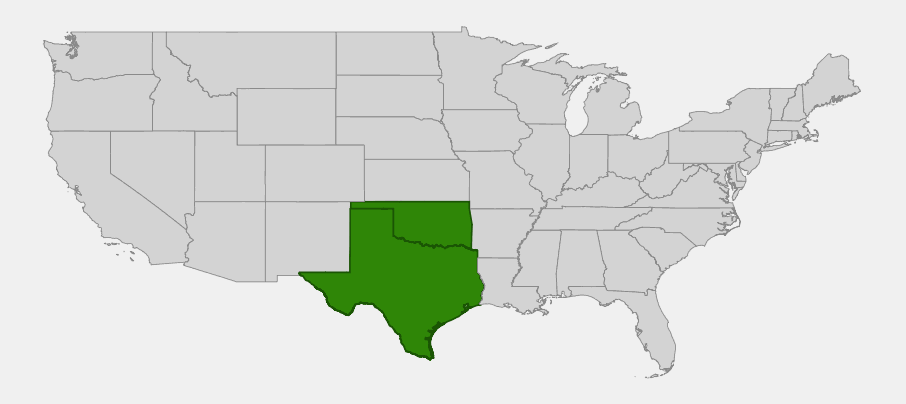
📋 Regional plant lists featuring Horse Crippler: Texas
Growing & Care Guide
Horse crippler rewards gardeners who give it heat, sun and poor, fast-draining soil, and it is one of the longest-lived, most trouble-free native cacti for a Texas rock garden.
Light
Full sun is essential for compact growth, strong spination and reliable flowering. In shade the plant stretches, becomes pale, and rarely blooms well.
Soil & Water
Plant in rocky, caliche or sandy soil with excellent drainage; standing water or heavy clay that stays wet is the fastest way to rot the root crown. Water sparingly to establish new plants, then essentially stop; mature horse cripplers are exceptionally drought tolerant and need no irrigation once settled into well-drained native soil.
Planting Tips
Because the plant sits low to the ground and its spines can injure feet, paws and hooves, site it in a raised bed, rock garden, or clearly bordered area away from lawns, play spaces and walking paths. Mark its location with a small stone border so it isn’t accidentally mowed or stepped on, since the low profile makes it easy to overlook until it flowers.
Pruning & Maintenance
No pruning is needed or recommended; the plant’s form is entirely natural and should not be altered. It has essentially no pest or disease problems in well-drained soil and needs no fertilizer. If old, blackened areoles or spine clusters become unsightly, leave them; they are a normal part of the plant’s aging.
Propagation
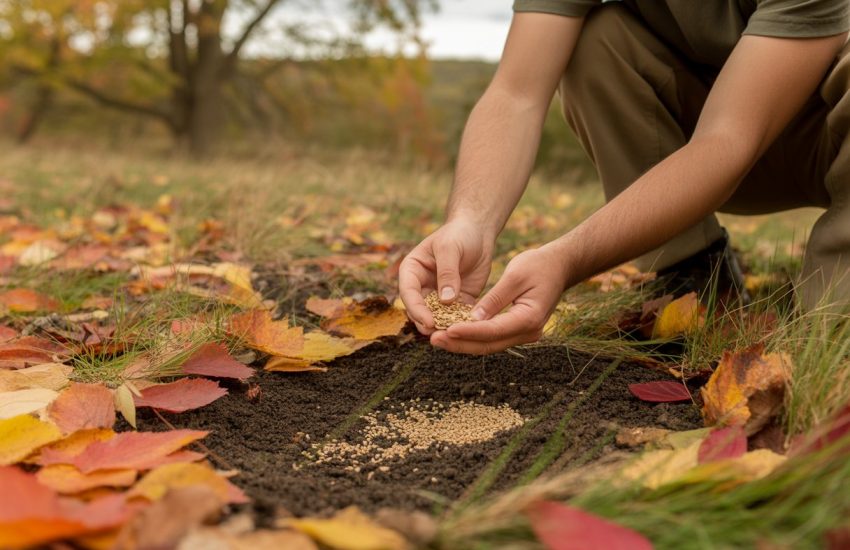
Seed is the primary method: collect ripe red fruit, extract and clean the black seeds, and sow them in a very well-drained, sandy cactus mix; germination can be slow and uneven. Horse crippler does not readily produce offsets or cuttings, since it grows as a solitary individual rather than clumping, so division is generally not an option.
Landscape Uses
- Rock gardens and gravel beds, where its flattened, ribbed form reads as a natural sculptural accent
- Raised xeriscape borders paired with honey mesquite and native bunchgrasses
- Prairie and grassland restoration plantings within its native Texas and Oklahoma range
- Container and trough culture for collectors who want to display its distinctive form up close
- Caliche and poor-soil sites where few other flowering natives will establish
Wildlife & Ecological Value
Despite its fearsome spines, horse crippler plays a genuinely useful role for wildlife across the Texas plains and brush country.
For Pollinators
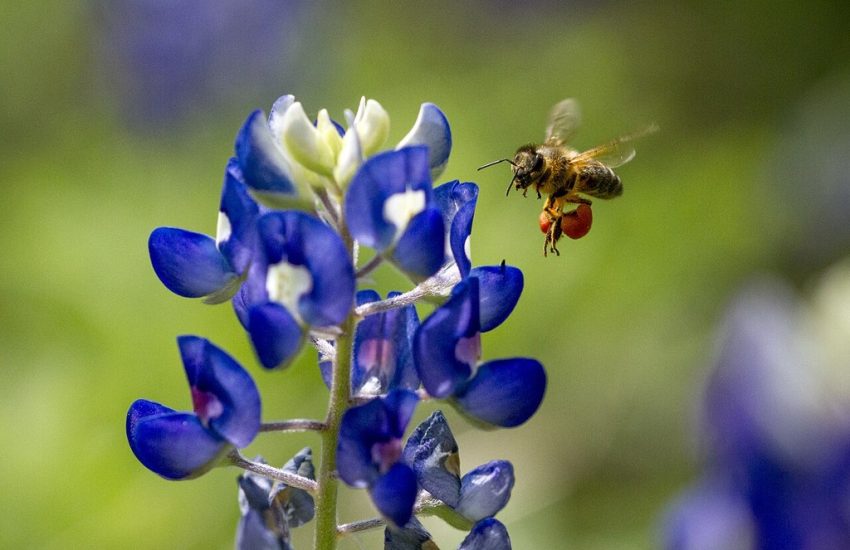
The spring flowers attract native bees, which are the primary pollinators, along with occasional beetles and other insects drawn to the large, colorful blooms.
For Birds
Ground-foraging birds such as roadrunners, bobwhite quail and various sparrows eat the ripe red fruit, and the dense spine cluster occasionally offers a small measure of nest protection for ground-nesting species in open prairie.
For Mammals
Rodents and other small mammals eat the fleshy fruit and help disperse the seeds in their droppings. Historically, free-ranging livestock avoided the plant itself (for obvious reasons related to its common name), which allowed it to persist and sometimes increase in overgrazed pastures where competing grasses were reduced.
Ecosystem Role
As a long-lived, slow-growing component of short-grass and mixed-grass prairie, horse crippler adds structural and seasonal diversity to open grassland plant communities and tolerates the grazing pressure and soil disturbance that many native prairie plants cannot.
Cultural & Historical Uses
The common name “horse crippler” reflects a long history of real encounters on the open range: horses, cattle and people alike have been injured by stepping on the low, hard-to-see plant, and the name (along with “devil’s head” and “devil’s pincushion”) has been in regional use since at least the 19th century among Texas ranchers and settlers.
Indigenous peoples and early settlers in Texas gathered and ate the ripe red fruit, which is mild and pleasant once the surrounding spines are avoided, and it remains a minor but recognized wild food within the plant’s range. The tough, globose body of the cactus has also occasionally been hollowed and used in folk crafts, though this is far less documented than uses of other regional cacti.
Today horse crippler’s main cultural role is as a well-known, somewhat infamous fixture of Texas rangeland lore, a plant every rural Texan learns to watch for underfoot, and a popular collector’s cactus prized by rock-garden and native-plant enthusiasts for its toughness and striking flowers.
Frequently Asked Questions
Why is it called horse crippler?
Because the plant grows flush with the ground and is easy to miss, and its heavy, curved spines can injure the feet of horses, livestock, pets and people who step on it unknowingly. The name has been in regional use for well over a century.
Is horse crippler dangerous to grow in a home garden?
It can be, if planted where people or pets walk. Site it in a raised bed, rock garden, or an area with a clear border so no one steps on it by accident; once established in the right spot, it is otherwise completely safe to have in the landscape.
How fast does horse crippler grow?
Very slowly. A plant may take many years to reach 6 to 8 inches across, and larger specimens seen in the wild are often decades old. This slow growth is part of why wild-collected plants should never be purchased; always buy nursery-propagated stock.
Is the fruit edible?
Yes, the ripe red fruit has historically been eaten fresh and is considered a minor wild food within the plant’s native range. As with any wild fruit, be certain of identification before eating it.
Can horse crippler survive cold winters?
Yes, it is hardy to about USDA zone 6 and tolerates the cold snaps common across its Texas and Oklahoma range, including occasional hard freezes, as long as the soil stays dry through winter.