Oregon Checkerbloom (Sidalcea oregana)
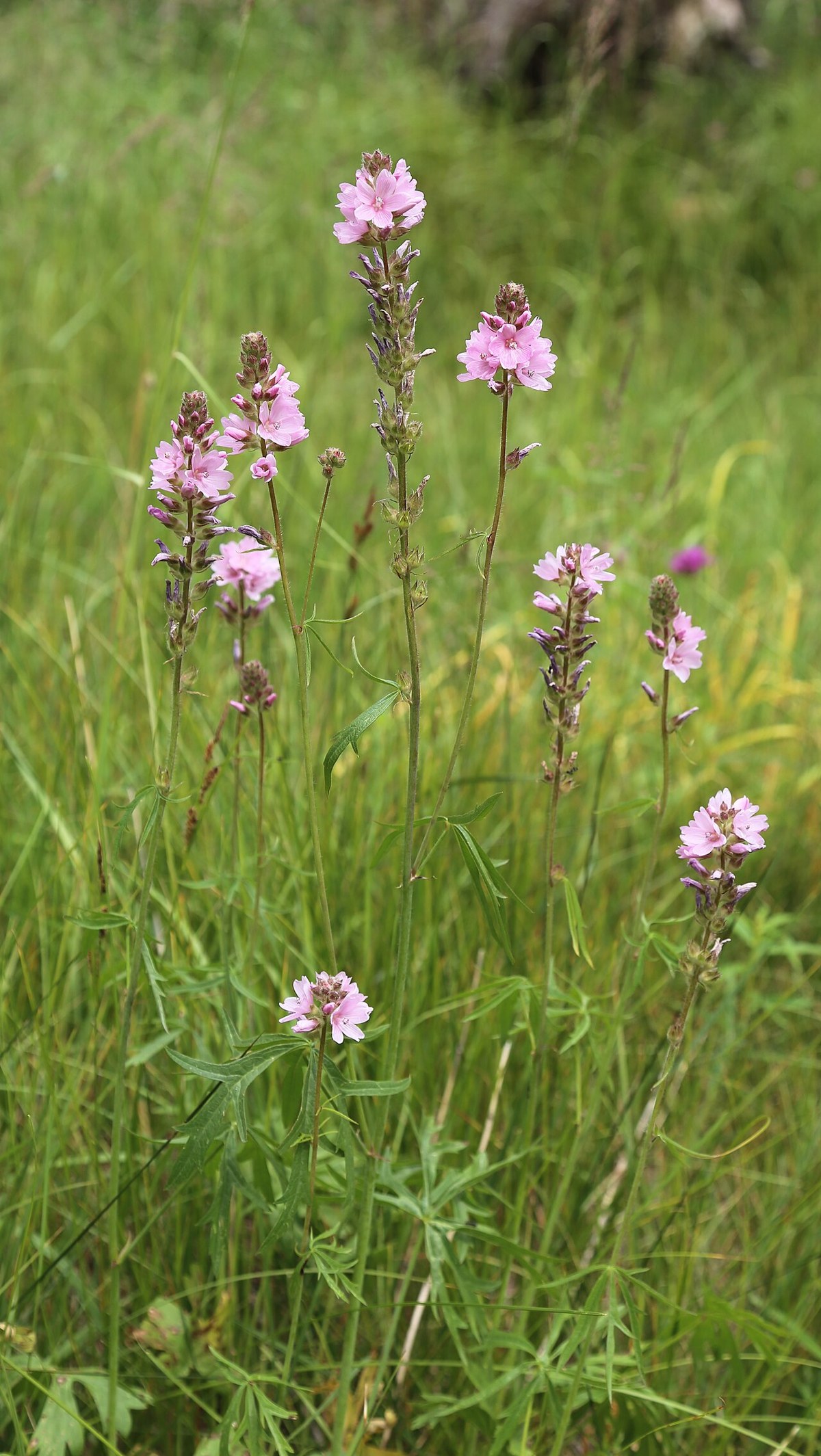
Sidalcea oregana, commonly known as Oregon checkerbloom or Oregon checkermallow, is a tall, clump-forming perennial wildflower in the mallow family that lights up wet meadows across the mountain West with spires of pink, saucer-shaped flowers. From June through August, its flowering stalks rise well above the surrounding sedges and grasses, drawing bumblebees and other pollinators to a habitat that can otherwise look like a solid sheet of green.
This checkerbloom is a plant of damp ground: wet meadows, streambanks, marsh edges, and seasonally moist swales from the Sierra Nevada and southern Cascades north through the Pacific Northwest and east into the Rocky Mountain foothills. It is taprooted and long-lived, returning from the same crown year after year, and it tolerates occasional summer drydown once its roots are established, provided the soil stays consistently moist through spring.
For gardeners restoring a wet meadow, pond margin, or rain garden in the West, Oregon checkerbloom offers months of color, reliable reseeding, and genuine wildlife value without becoming weedy. It combines well with native sedges, rushes, and other moisture-loving wildflowers, and it is one of the more dependable tall perennials for a native wet-meadow planting.
Identification
Oregon checkerbloom grows as an upright, clump-forming herbaceous perennial, typically 2 to 4.5 feet (60–135 cm) tall, with one to several flowering stems rising from a woody taproot and basal rosette of leaves. The plant has a somewhat coarse, rangy habit, with stems that are sparsely hairy to nearly hairless depending on the subspecies.
Leaves
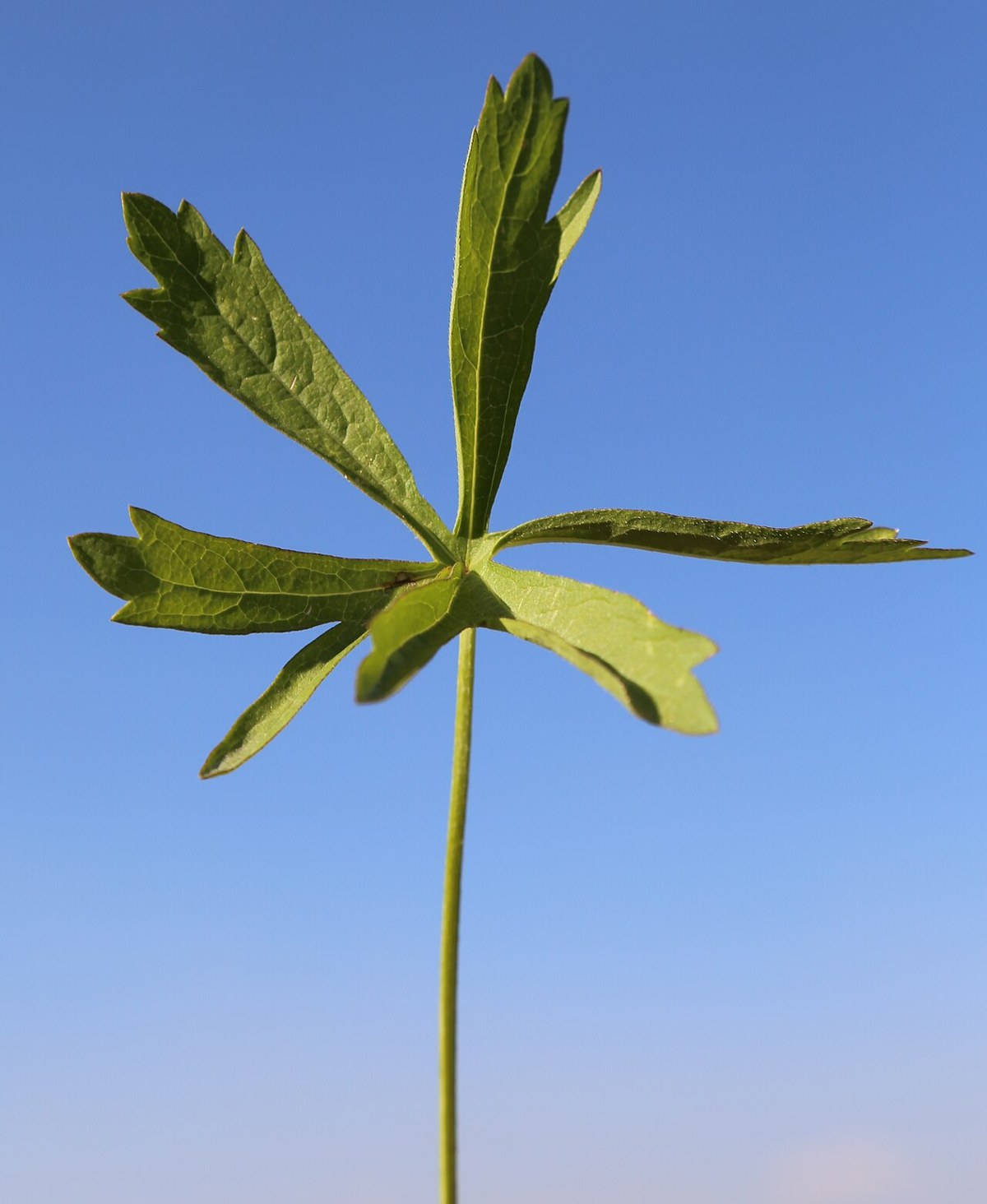
Leaves are palmately lobed, resembling a spread hand, with the lower, basal leaves more rounded and shallowly lobed and the upper stem leaves more deeply cut into narrow, finger-like segments. Leaf size decreases up the stem. The foliage is a medium green, slightly rough to the touch, and dies back to the ground each winter, regrowing from the taproot in spring.
Flowers
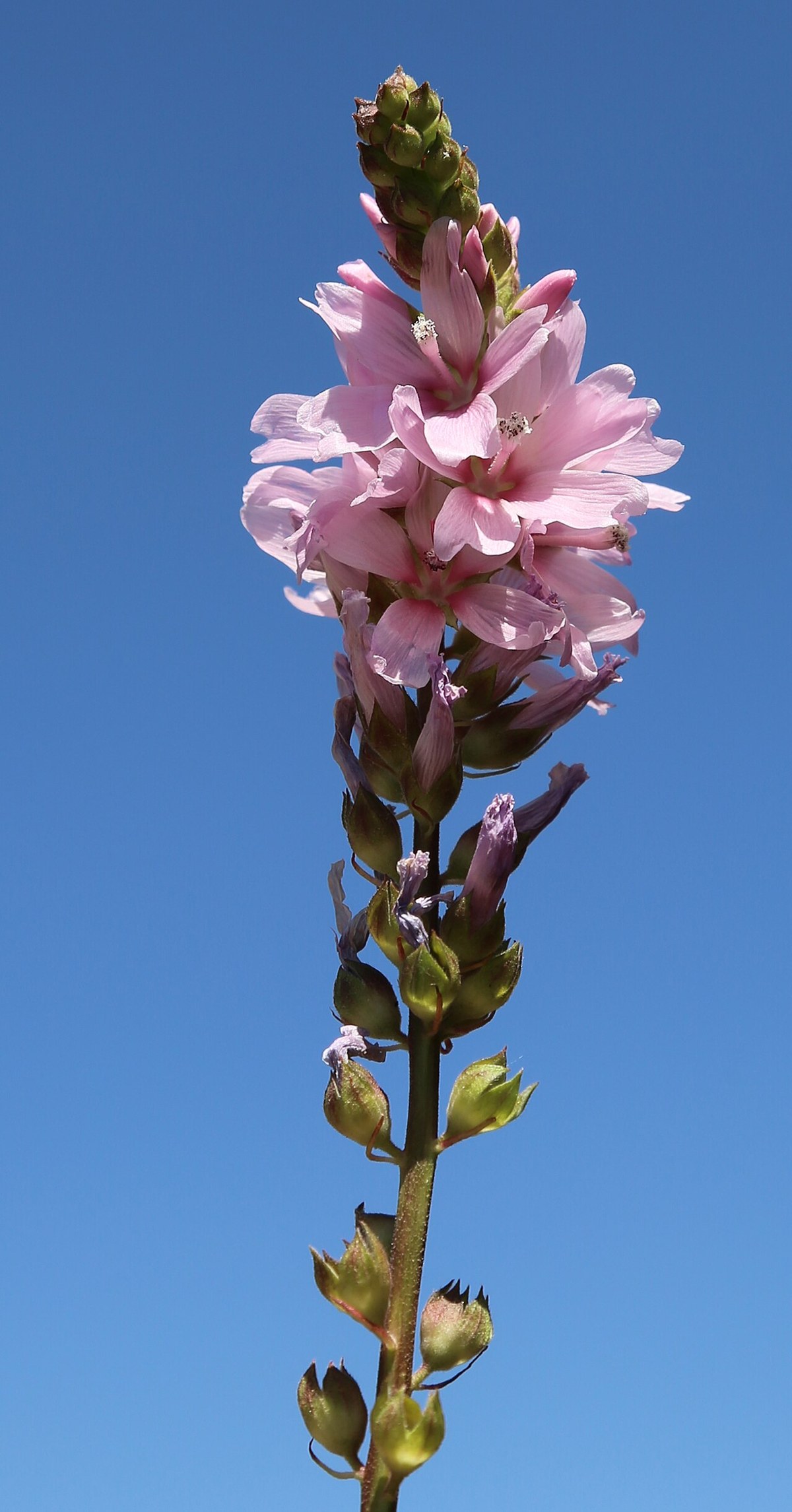
The flowers are the plant’s signature feature: five broad, overlapping, rose-pink to lavender-pink petals arranged in a shallow cup, each about ¾ to 1¼ inches (2–3 cm) across, clustered in dense, spike-like racemes at the top of each stem. Buds open from the bottom of the spike upward over several weeks, so a single plant can bloom from early June into August. A ring of fused stamens forms a small central column typical of the mallow family, and the flowers are visited heavily by bumblebees, which are the plant’s primary pollinators.
Fruit & Seeds
After flowering, each flower forms a small disc-shaped fruit called a schizocarp that splits into several single-seeded segments arranged like orange slices around a central axis, a structure typical of mallows. The seeds are small, kidney-shaped, and ripen in late summer, dropping close to the parent plant.
Quick Facts
| Scientific Name | Sidalcea oregana |
| Family | Malvaceae (Mallow) |
| Plant Type | Herbaceous Perennial Wildflower |
| Mature Height | 2–4.5 ft (60–135 cm) |
| Mature Spread | 1–2 ft (30–60 cm) |
| Growth Rate | Moderate |
| Sun Exposure | Full Sun to Partial Shade |
| Water Needs | Moderate to High |
| Soil Type | Moist to wet; loamy or clay-loam meadow soil |
| Soil pH | 6.0–7.5 (neutral) |
| Bloom Time | June – August |
| Flower Color | Rose-pink to lavender-pink |
| Fall Color | None; foliage dies back |
| Fruit | Small dry segmented schizocarp |
| Deer Resistant | Moderate (occasionally browsed) |
| USDA Hardiness Zones | 4–8 |
Native Range
Oregon checkerbloom is native to the western United States, ranging from the Sierra Nevada and southern Cascades of California north through Oregon and Washington, and east across Idaho into western Montana, western Wyoming, Utah, and the mountains of Nevada. It occurs on both sides of the Cascade crest in Oregon and Washington, from wet lowland meadows near the coast to subalpine seeps in the Rockies, generally between about 1,600 and 8,200 feet (490–2,500 m) in elevation.
Across this range, the species is a plant of consistently moist ground: wet mountain meadows, marsh and pond margins, streambanks, seeps, and roadside ditches that hold water into summer. It is often found growing with sedges, rushes, and other wet-meadow wildflowers in openings within montane coniferous forest, and it tolerates periodic flooding during snowmelt far better than it tolerates prolonged summer drought.
Several botanical varieties and subspecies are recognized across this broad range, varying in leaf shape, hairiness, and flower size; one rare coastal subspecies, Sidalcea oregana ssp. eximia, is restricted to a handful of sites in northwestern California and is considered critically imperiled. The widespread inland forms described here, however, remain common and secure throughout the Sierra, Cascades, and Rocky Mountain portions of the range.
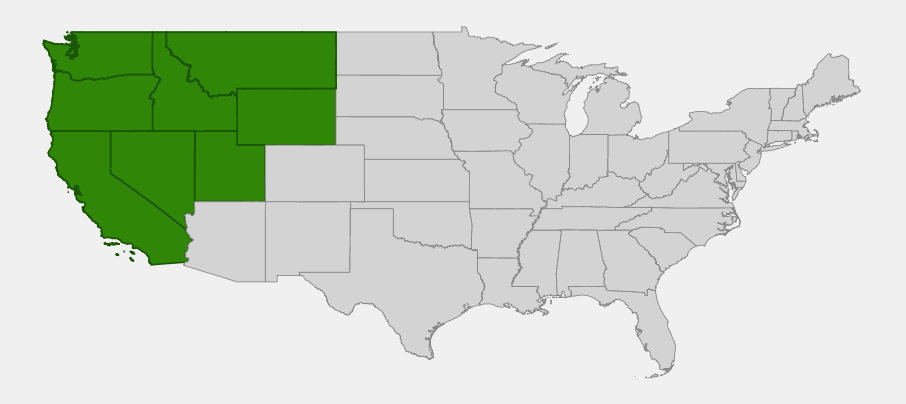
📋 Regional plant lists featuring Oregon checkerbloom: California & Nevada · Western Oregon & Western Washington · Idaho, Eastern Oregon & Eastern Washington · Utah & Western Colorado · Montana & Wyoming
Growing & Care Guide
Oregon checkerbloom is a satisfying plant for gardeners who have — or are willing to create — a consistently moist to wet planting area. It is not a plant for average garden borders; give it the damp ground it asks for and it rewards you with months of tall pink bloom and heavy pollinator traffic.
Light
Full sun produces the sturdiest stems and the heaviest bloom, which is how the species grows in open mountain meadows. It also tolerates light to partial shade, especially in hotter, lower-elevation gardens, where some afternoon shade can reduce moisture stress and prevent the tall flowering stems from scorching.
Soil & Water
This checkerbloom wants soil that stays moist through spring and into summer — think streambank, pond margin, or the low point of a rain garden where water collects briefly after storms. It grows well in loamy or clay-loam soils with a neutral pH and performs best with regular water through its growing season. Established plants can handle a drier late summer once they have gone dormant below ground, but they do not thrive in soils that dry out completely during active growth.
Planting Tips
Plant from containers in fall or early spring so the taproot can establish before summer. Site it in a low spot, swale, or streamside bed rather than a raised or well-drained border. Space plants 12 to 18 inches apart to let the clumps fill in without crowding; they will slowly expand from the crown and self-sow modestly into surrounding damp ground.
Pruning & Maintenance
Deadhead spent flower spikes to tidy the planting and to limit self-seeding if a more controlled look is wanted; leave some seed heads if you want the plant to spread naturally into a meadow planting. Cut the dead stems back to the basal rosette in late fall or early spring. The plant is otherwise low-maintenance and rarely needs staking, even at its full height, when grown with adequate moisture.
Landscape Uses
Oregon checkerbloom fits naturally into several garden settings:
- Wet meadow restoration and naturalized moist grassland plantings
- Rain garden low points and bioswales that hold seasonal moisture
- Pond and stream margins where soil stays consistently damp
- Pollinator gardens — the tall spikes are a magnet for bumblebees
- Mixed wildflower plantings with sedges, rushes, and camas
- Vertical accent among lower-growing wet-meadow perennials
Wildlife & Ecological Value
In its wet-meadow habitat, Oregon checkerbloom is an important nectar and pollen source during the heart of summer, when many spring wildflowers have already finished blooming.
For Pollinators
Bumblebees are the checkerbloom’s primary pollinators, working the flower spikes methodically from bottom to top, and the long bloom period makes the plant a reliable summer-long nectar source. Other native bees, syrphid flies, and butterflies also visit the open, saucer-shaped flowers, which offer easy landing platforms and accessible pollen.
For Birds & Mammals
Seed-eating songbirds glean the small seeds from the dry schizocarps in late summer and fall. Deer and elk browse the foliage and flowering stems occasionally, particularly in meadows with limited other forage, though the plant is not a preferred food source and established clumps generally recover from light browsing.
Ecosystem Role
As one of the taller forbs in a wet mountain meadow, Oregon checkerbloom adds structural diversity to a plant community otherwise dominated by sedges and grasses, creating perches and shelter for insects and small wildlife. Its deep taproot helps stabilize damp meadow soils and streambanks, and the plant’s tolerance of seasonal flooding makes it a useful, resilient component of riparian and wet-meadow restoration plantings.
Cultural & Historical Uses
Oregon checkerbloom belongs to the genus Sidalcea, a group of mallows found almost entirely in western North America and sometimes called “checkermallows” or “prairie mallows.” Like many members of the mallow family, the plant has a long history of informal recognition among botanists and naturalists for its reliable presence in mountain meadows, though it has not been documented as a significant food, fiber, or craft plant among Indigenous peoples of the region in the way some of its showier relatives have.
The species name honors its association with Oregon, where it was first described from meadow habitat typical of the Cascades and the state’s wetter mountain country. Botanists have long used Oregon checkerbloom and its relatives as indicator species for intact wet-meadow habitat, since the group is sensitive to drainage changes, grazing pressure, and competition from introduced pasture grasses.
Today, the plant’s chief cultural value is horticultural and ecological: native plant nurseries across the West propagate Oregon checkerbloom for wet-meadow and pollinator garden restoration, and conservation groups monitor populations of its rarer coastal relatives as indicators of wetland health.
Frequently Asked Questions
Is Oregon checkerbloom the same as Oregon checkermallow?
Yes. “Checkerbloom” and “checkermallow” are both common names used for Sidalcea species, and you will see Sidalcea oregana called either name depending on the source. Both refer to the same plant.
Does Oregon checkerbloom need standing water to grow?
No, but it does need consistently moist soil through spring and summer. It grows naturally in wet meadows that may flood briefly during snowmelt but are not permanently underwater. A garden spot that stays damp — a low swale, rain garden basin, or streamside bed — suits it well.
How long does Oregon checkerbloom bloom?
Individual flower spikes open from the bottom upward over several weeks, and a healthy clump can bloom from June into August, making it one of the longer-flowering native wildflowers for a wet meadow planting.
Will Oregon checkerbloom spread in my garden?
It spreads modestly by self-seeding into surrounding damp ground and by slowly expanding from its taproot crown, but it is not aggressive or weedy. Deadheading before seed drop will keep a planting more contained if desired.
What pairs well with Oregon checkerbloom in a native planting?
Wet-meadow companions such as sedges, rushes, camas, and Western Spirea (Spiraea douglasii) make good companions, echoing the mixed wet-meadow plant communities where checkerbloom grows naturally in the wild.

Looking for a nursery that carries Oregon checkerbloom?
Browse our native plant nursery directory: California · Nevada · Oregon · Washington · Idaho · Utah · Montana · Wyoming