Miniature Lupine (Lupinus bicolor)
Lupinus bicolor, commonly called miniature lupine or two-colored lupine, is a diminutive annual wildflower in the pea family (Fabaceae) that is one of the first lupines to bloom each spring across the West Coast. Despite its small stature — rarely more than a few inches to about a foot tall — it makes up for its size with abundance, often carpeting open grasslands, prairies, and roadside slopes in cheerful drifts of blue and white in March and April.
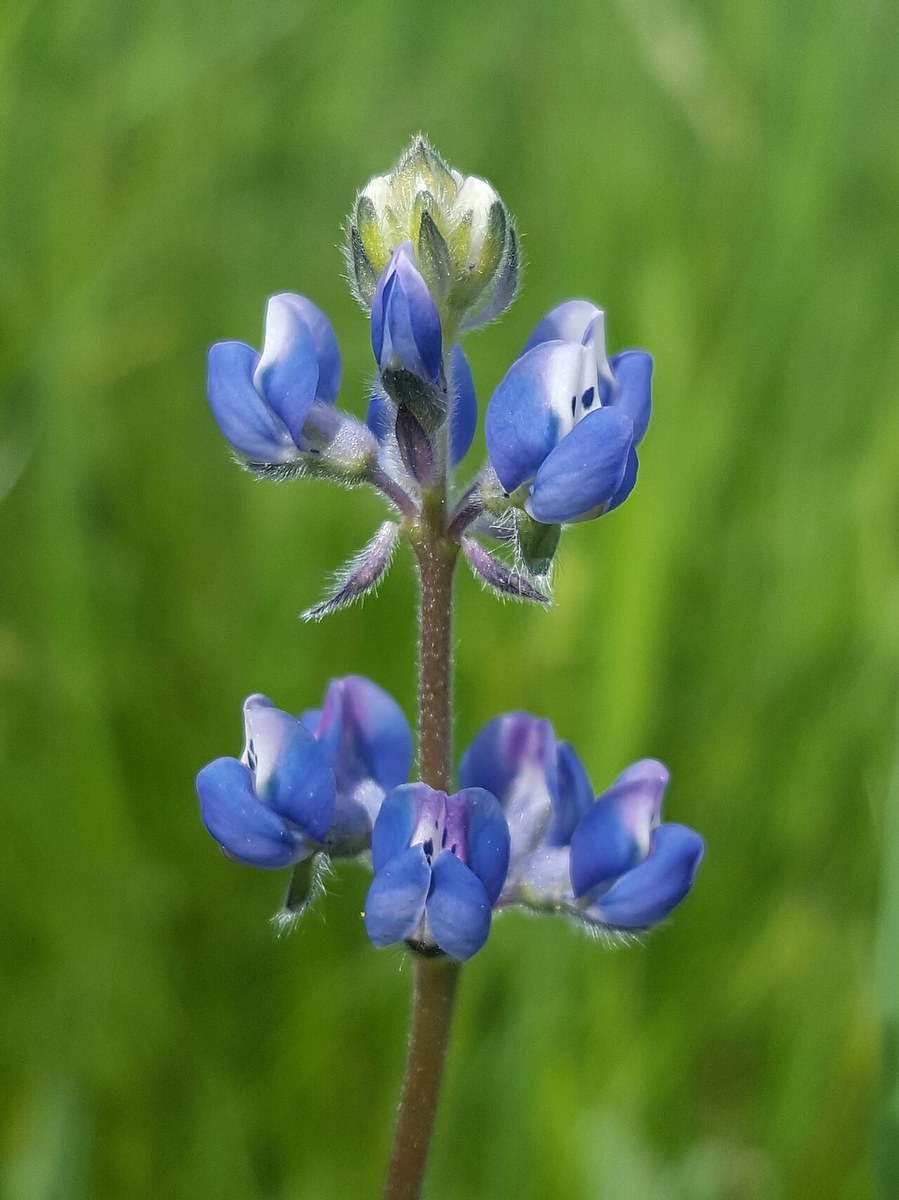
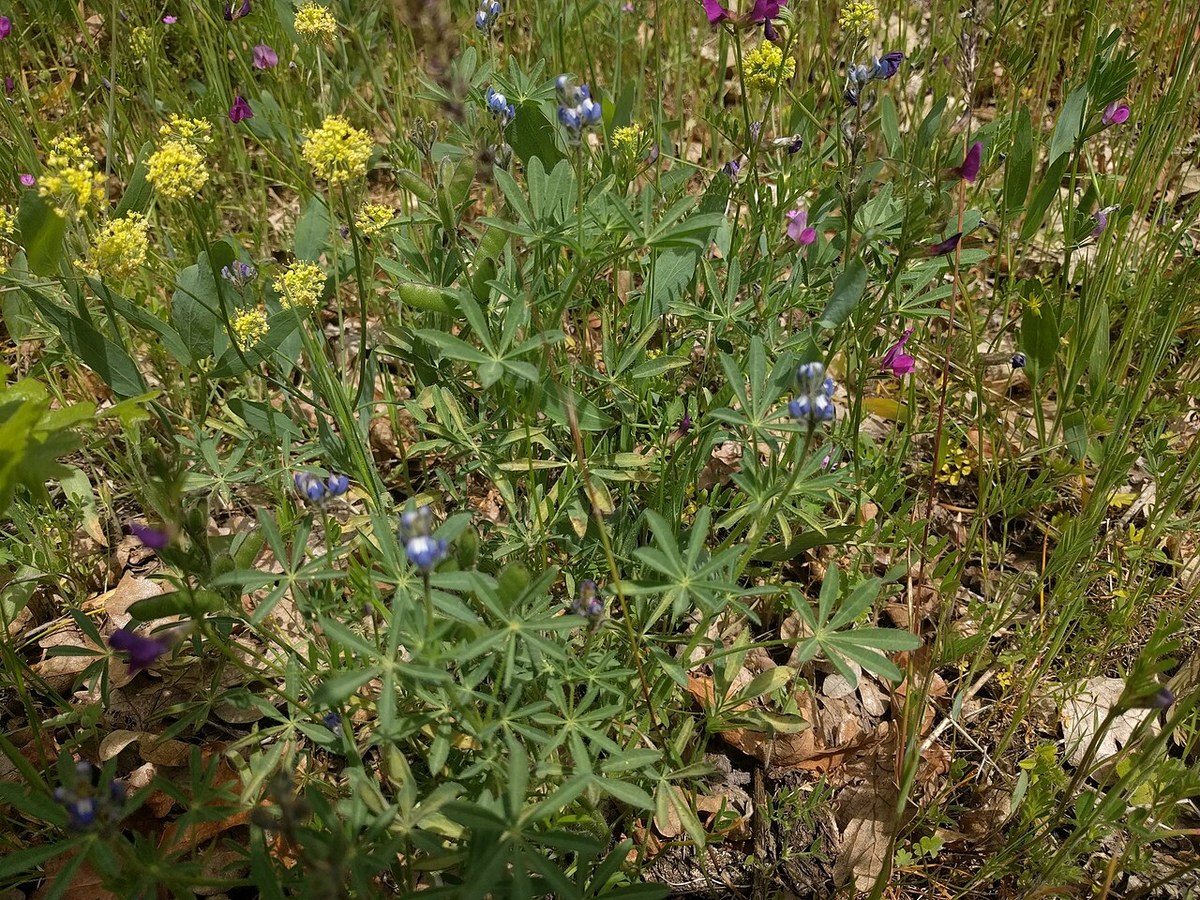
True to its common name, each flower shows two colors: a deep blue-purple keel and wings paired with a banner petal that is white or pale at the base and flushes blue-violet toward the edge, giving the whole raceme a two-toned, almost pixelated look when viewed from a distance. The plant’s small palmate leaves and slender, hairy stems are easy to overlook until the flowers open, at which point entire meadows can turn soft blue with its blooms.
Miniature lupine is a fast, easy annual for a native wildflower garden, meadow mix, or pollinator strip in its home range along the Pacific Coast and into the desert Southwest. As a self-seeding nitrogen-fixer, it is especially valuable in restoration seeding and in low-input gardens where a bit of informal, reseeding color is welcome each spring.
Identification
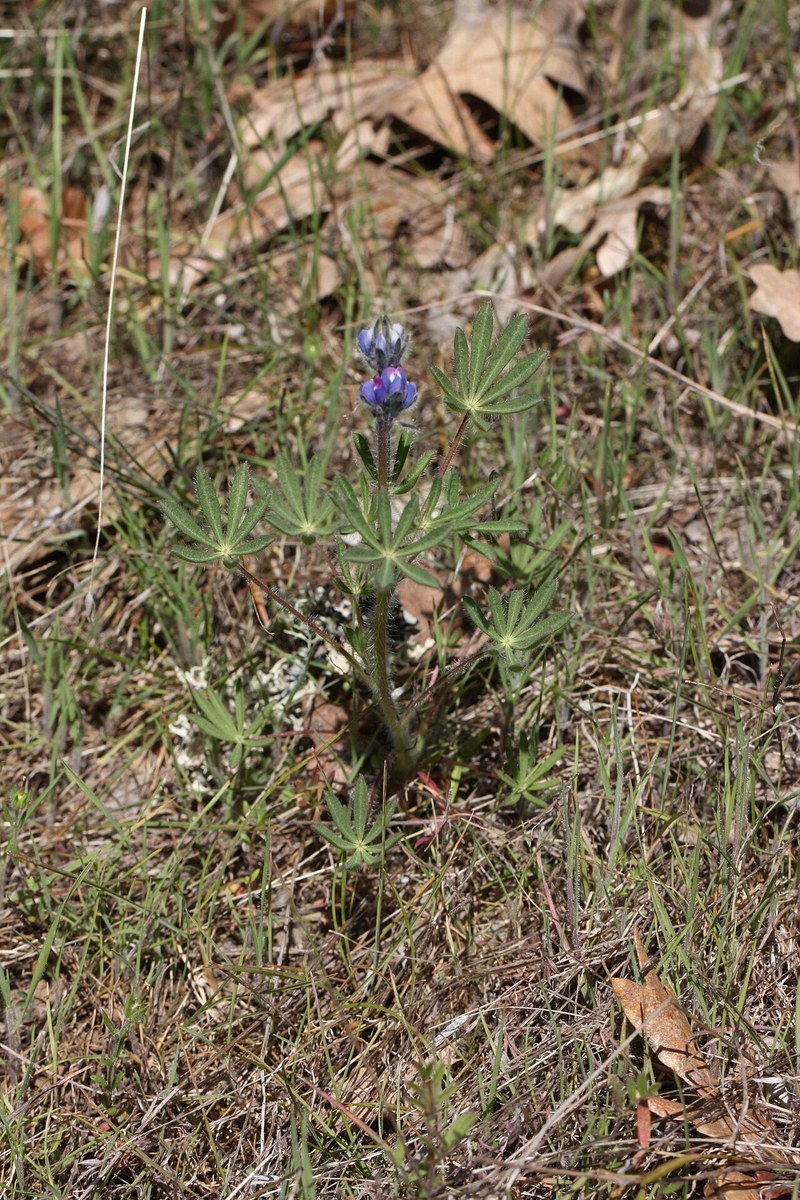
Miniature lupine is a small, low-growing annual, typically 2 to 12 inches tall, occasionally reaching slightly taller in rich soil. Stems are slender, often branching from the base, and covered in fine, soft hairs that can give the whole plant a silvery cast in bright light.
Leaves
Leaves are palmately compound with 5 to 7 narrow, oblong leaflets radiating from the tip of a slender petiole, each leaflet typically ½ to 1 inch long. The foliage is soft-hairy on both surfaces, and like other lupines, water often beads attractively on the leaf surface after rain or dew.
Flowers
Flowers are borne in short, loose racemes 1 to 3 inches long, with just a handful of flowers per spike. Each flower is small, about ¼ to ½ inch long, with the classic pea-flower shape of a broad banner, two wing petals, and a keel. The banner is pale blue to whitish at the center with a yellow or whitish patch, while the wings and keel are a richer blue to violet, creating the distinctive bicolor effect. Bloom time runs from March through May or June at higher elevations, among the earliest lupines to flower each year.
Fruit & Seeds
Flowers give way to small, hairy, flattened seed pods about ½ to 1 inch long, each holding a few mottled seeds. Pods dry and split open to release seed in early summer as the whole plant completes its short annual life cycle and dies back.
Quick Facts
| Scientific Name | Lupinus bicolor |
| Family | Fabaceae (Pea/Legume) |
| Plant Type | Annual Wildflower |
| Mature Height | 2–12 in |
| Mature Spread | 4–8 in |
| Growth Rate | Fast (annual) |
| Sun Exposure | Full Sun to Part Sun |
| Water Needs | Low |
| Soil Type | Well-drained; tolerates poor, rocky, or sandy soils |
| Soil pH | 5.5–7.5 (slightly acidic to neutral) |
| Bloom Time | March – June |
| Flower Color | Blue-violet and white (bicolor) |
| Fall Color | None (completes life cycle by early summer) |
| Fruit | Small hairy seed pods, ½–1 in |
| Deer Resistant | Yes (bitter alkaloids deter browsing) |
| USDA Hardiness Zones | 7–10 (grown as a cool-season annual) |
Native Range
Miniature lupine is native along the Pacific Coast from Washington south through Oregon and California, with disjunct populations extending east into Arizona. In Washington it occurs chiefly west of the Cascade crest, in the Columbia River Gorge, and in scattered sites in the southeastern part of the state; in California it is common and widespread across most of the state, from coastal bluffs to inland valleys and foothills. In Arizona, it is found in the southeastern mountains, well removed from the main Pacific Coast population.
Across this range, miniature lupine favors open, sunny habitats with well-drained soils: grasslands, coastal prairies, oak woodland openings, sandy riverbanks, and dry rocky slopes at low to moderate elevations. It is often one of the most abundant annual wildflowers in these habitats, germinating with fall and winter rains and completing its life cycle before the dry summer sets in.
Because it is a fast-cycling annual that depends on winter and spring moisture, miniature lupine’s abundance can vary considerably from year to year with rainfall, appearing in spectacular numbers after a wet winter and more sparsely in drought years. It readily colonizes disturbed ground, including roadcuts and old fields, as part of its ecological role as an early successional species.
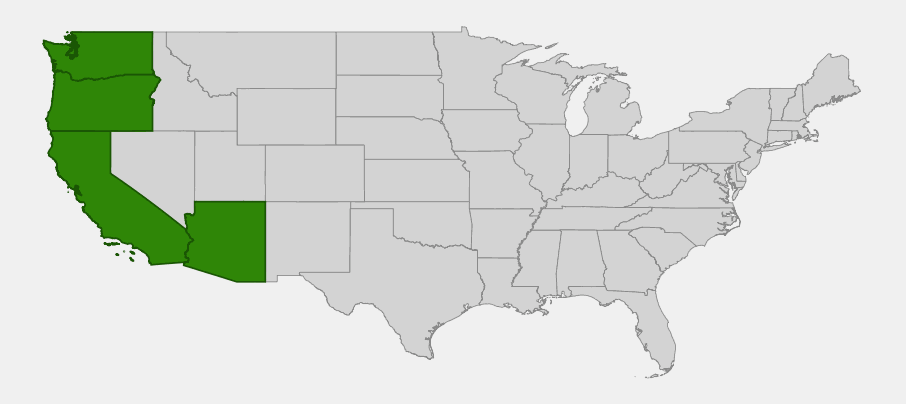
📋 Regional plant lists featuring miniature lupine: California & Nevada · Western Oregon & Western Washington · Idaho, Eastern Oregon & Eastern Washington · Arizona & New Mexico
Growing & Care Guide
Miniature lupine is one of the easiest native annuals to grow from seed, and once established in a garden it typically reseeds itself reliably year after year with minimal care.
Light
Full sun to light part shade produces the best bloom. In hotter interior gardens, a little afternoon shade can extend the flowering period before summer heat shuts the plant down for the season.
Soil & Water
This species thrives in lean, well-drained soils and actually performs poorly in rich, heavily fertilized garden beds, where plants tend to grow leggy with fewer flowers. It needs regular moisture during germination and early growth in fall and winter, but established plants are drought tolerant and should be allowed to dry out as they finish flowering and set seed in late spring. Avoid summer irrigation once the plant has gone to seed.
Planting Tips
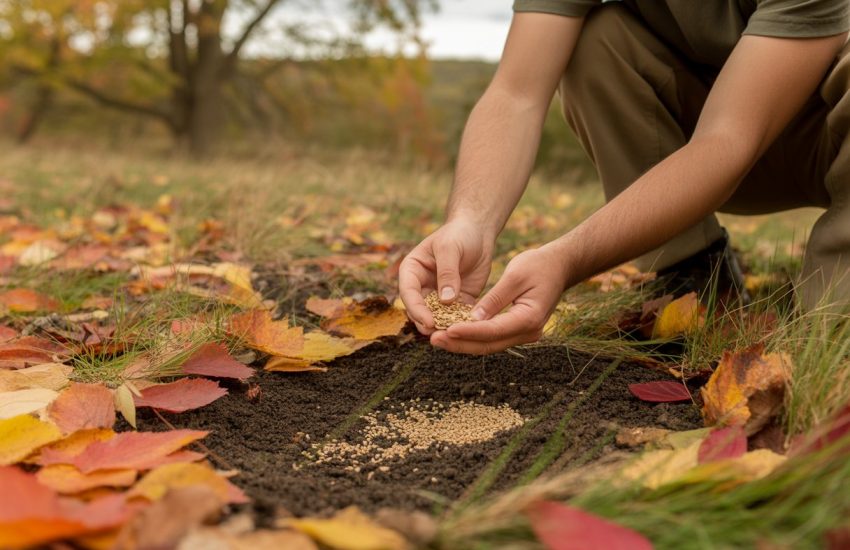
Sow seed directly in fall, timed with the onset of seasonal rains, for the most natural germination cues. Scarifying the seed coat lightly and a brief overnight soak improves germination rates. Because it resents transplanting once its taproot develops, direct seeding is strongly preferred over nursery starts. Scatter seed at a light to moderate rate in a wildflower mix rather than planting as isolated specimens, since it looks best in drifts.
Pruning & Maintenance
No pruning is needed. Allow at least some plants to set and drop seed each year to maintain a self-sustaining population; deadheading limited areas is fine if a tidier look is wanted elsewhere in the bed. Once the plant yellows and dries in early summer, it can be left in place to finish dropping seed or cleared away as part of normal seasonal bed cleanup.
Propagation
Propagate exclusively from seed. Collect pods as they begin to dry and split, then finish drying them indoors before storing seed in a cool, dry place for fall sowing.
Landscape Uses
- Wildflower meadows and seed mixes for spring color
- Pollinator gardens paired with other early-blooming annuals
- Restoration and erosion-control seeding on disturbed slopes
- Informal borders and naturalized lawn alternatives
- Rock gardens and gravel plantings with sharp drainage
Wildlife & Ecological Value
Despite its small size, miniature lupine is a valuable early-season resource for pollinators and plays a useful role in soil building wherever it grows.
For Pollinators
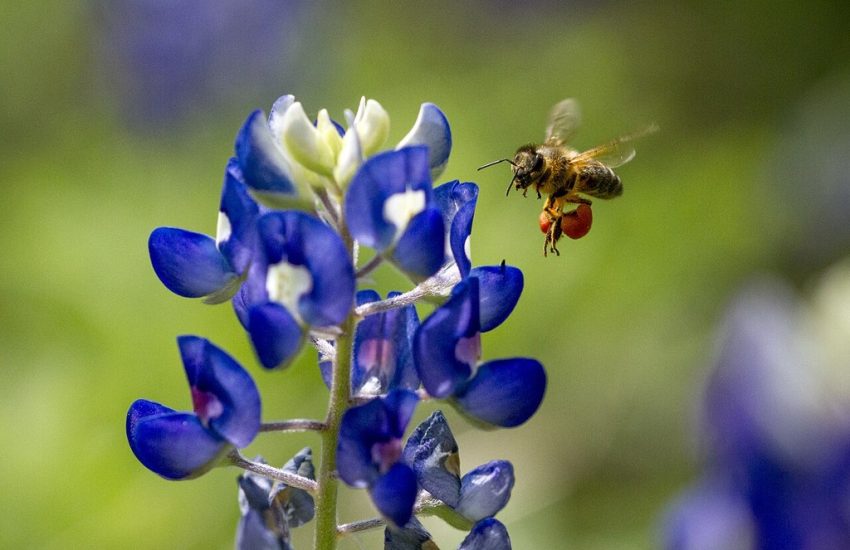
The flowers are visited by small native bees and occasionally bumblebees, which are able to trip the keel to access pollen. Because it blooms so early in spring, miniature lupine provides nectar and pollen at a time when few other wildflowers are yet in bloom, making it disproportionately important for early-emerging pollinators.
For Birds
Seed-eating birds forage on the small seeds once pods split open in late spring, and the dense low growth habit offers some ground cover for small birds foraging in open grassland.
For Mammals
Like other lupines, the foliage and seeds contain bitter alkaloids that discourage browsing by deer and most grazing mammals, making miniature lupine a reliable, low-maintenance choice in gardens visited by deer.
Ecosystem Role
As a nitrogen-fixing annual legume, miniature lupine contributes to soil fertility in the grasslands and oak woodlands where it grows, and its rapid germination after disturbance makes it an effective early colonizer in restoration seeding. Its predictable, weather-driven boom-and-bust abundance is itself part of the natural rhythm of West Coast grassland ecosystems.
Cultural & Historical Uses
Miniature lupine was among the many small spring annuals documented by 19th-century botanical collectors exploring California and the Pacific Northwest, whose herbarium specimens and field notes helped establish the species’ range and its place among the dozens of lupine species native to the West. Its two-toned flowers made it a frequently illustrated subject in early California wildflower guides and seed catalogs from the period.
Like other lupines, miniature lupine contains bitter quinolizidine alkaloids in its foliage and seeds, and it was not used historically as a food plant by Indigenous peoples of the region, in contrast to some other native legumes. Its primary historical significance has been ornamental and ecological rather than utilitarian — valued for the carpets of blue it produces each spring across open grassland and prairie remnants.
Today, miniature lupine is a staple of California and Pacific Northwest native wildflower seed mixes, prized for its reliability, fast establishment, and soil-building nitrogen fixation in habitat restoration projects.
Frequently Asked Questions
Is miniature lupine the same plant as Texas bluebonnets?
No, though both are annual lupine species in the same genus. Texas bluebonnets (Lupinus texensis and relatives) are native to Texas, while miniature lupine is native to the Pacific Coast states and parts of Arizona. They are not interchangeable in a garden outside their respective native ranges.
Can I eat miniature lupine seeds?
No. Like most wild lupines, the seeds and foliage contain bitter alkaloids that are not safe to eat and can be toxic in quantity. Grow it strictly as an ornamental and wildlife plant.
Why didn’t my miniature lupine come back this year?
Miniature lupine is a true annual that completes its life cycle in one season, dying back after setting seed in late spring. A patch that doesn’t reappear may simply need fresh seed broadcast in fall, or may have had poor germination due to a dry autumn — leaving some seed pods in place each year helps maintain a self-sustaining population.
Does miniature lupine need fertilizer?
No. As a nitrogen-fixing legume it generates much of its own fertility, and rich or heavily fertilized soil tends to produce weak, overly leafy plants with fewer flowers.
When is the best time to sow miniature lupine seed?
Sow in fall, ahead of the first seasonal rains in its native range, so germination follows the same natural cues the plant relies on in the wild. Spring sowing is possible but generally produces smaller, later-blooming plants.

Looking for a nursery that carries miniature lupine?
Browse our native plant nursery directory: California · Oregon · Washington · Arizona