
Mastic (Sideroxylon foetidissimum)
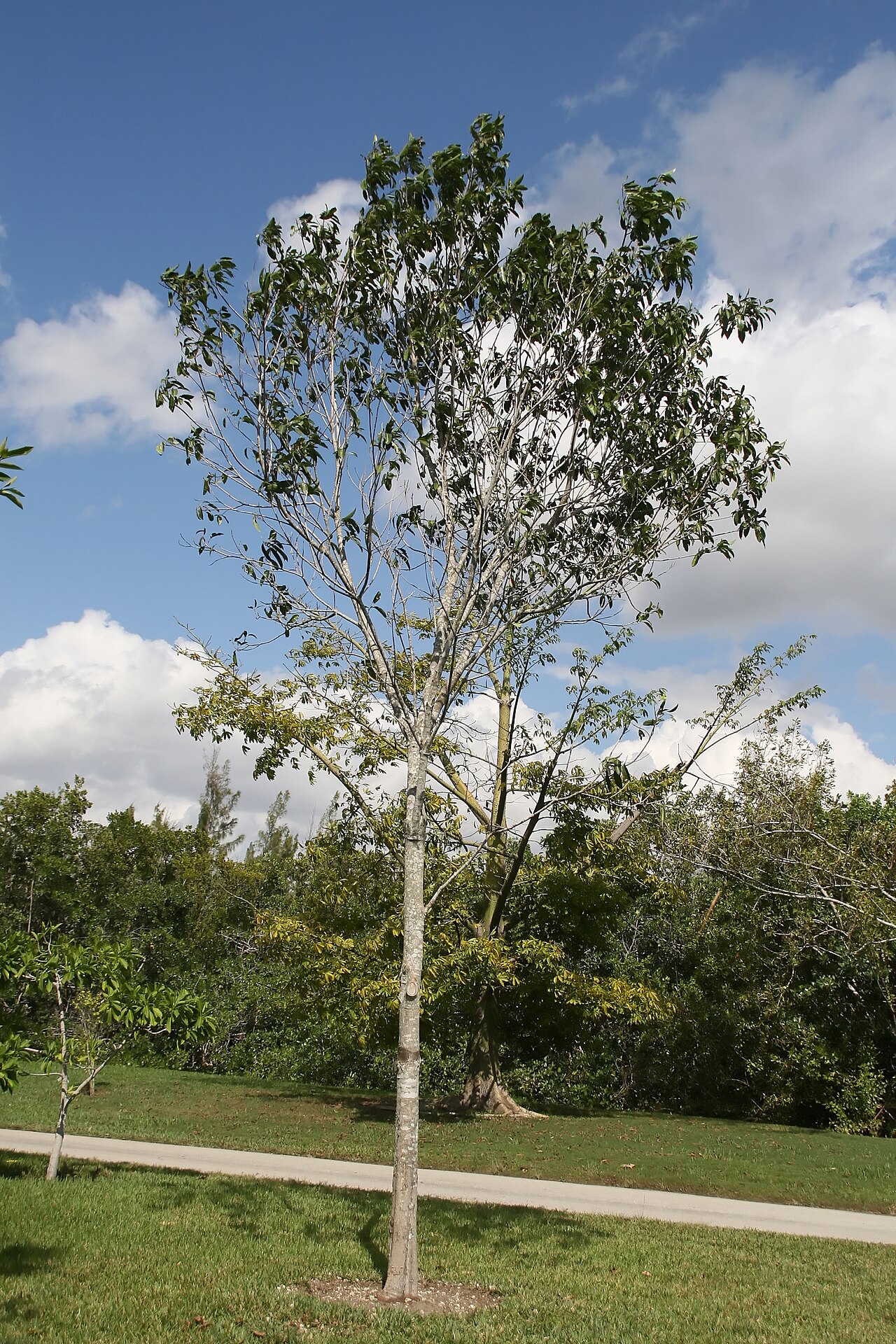
Sideroxylon foetidissimum, commonly called Mastic or false mastic, is one of the largest and longest-lived native trees of South Florida’s tropical hardwood hammocks. A member of the mostly tropical Sapotaceae (sapodilla) family, it can live a century or more and grow into a massive, buttressed canopy tree, making old specimens some of the most impressive native trees anywhere in the state.
The species name foetidissimum means “most fetid” or “very foul-smelling,” a reference to the strong, unpleasant odor of its small flowers — a trait shared with several of its Sapotaceae relatives and detectable mainly up close during bloom. Despite that one quirk, mastic is otherwise a thoroughly garden-worthy tree: wind-resistant, drought-tolerant once established, and valued for dense shade and wildlife-friendly fruit.
For South Florida homeowners, parks and street-tree programs looking for a long-lived native shade tree that can handle hurricanes and heat, mastic is an excellent, underused choice, especially where there is room for its eventual large size.
Identification
Mastic is a medium to large evergreen tree, typically 30 to 60 feet tall in cultivation with a spread of 30 to 50 feet, though old-growth specimens in protected hammocks can reach 70 feet or more. Young trees have a fairly straight, upright trunk and narrow crown; with age the crown broadens and the base often develops shallow buttressing.
Bark
Bark on young trees is smooth and pale gray to tan, becoming furrowed, checkered or scaly with an orange-brown to reddish cast on older trunks. The contrast between pale young bark and the rougher, warmer-toned bark of a mature trunk is a useful identification clue.
Leaves
Leaves are simple, alternate, and often clustered toward the branch tips. They are elliptical to oblong, glossy dark green above and paler beneath, typically 2 to 5 inches long, with smooth margins and a leathery texture typical of hammock canopy trees.
Flowers & Fruit
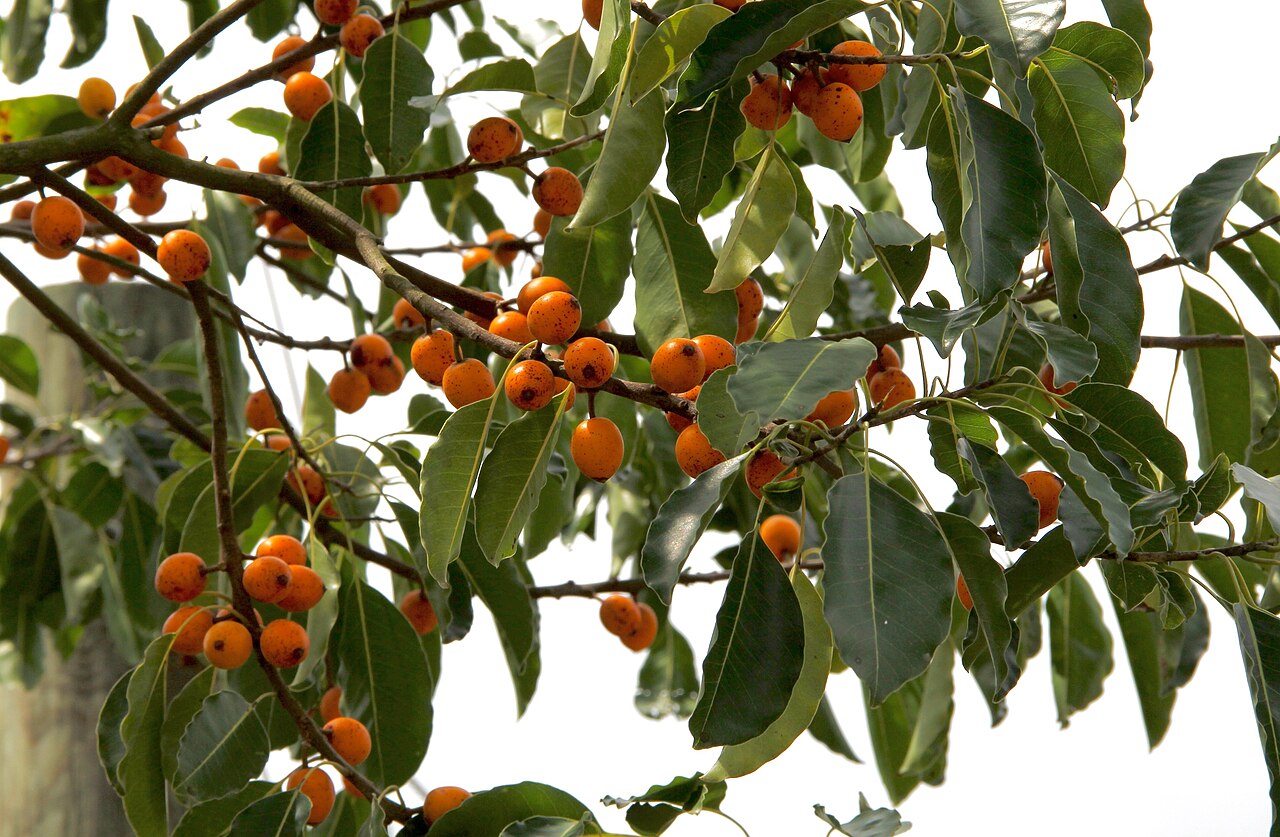
Small, inconspicuous, yellowish-green flowers are borne in clusters along the twigs, usually in late fall and winter, and are notable mainly for their strong, unpleasant smell rather than any showy display. They develop into oval fruits about an inch long that ripen from green to yellow or orange in late winter and spring. The ripe fruit has a sweet, sticky pulp around a single large seed; the tree also exudes a sticky white latex from broken twigs and leaves, consistent with its mastic/sapodilla family relatives.
Quick Facts
| Scientific Name | Sideroxylon foetidissimum (syn. Mastichodendron foetidissimum) |
| Family | Sapotaceae (Sapodilla) |
| Plant Type | Evergreen Tree |
| Mature Height | 30–60 ft (to 70+ ft in old hammocks) |
| Mature Spread | 30–50 ft |
| Growth Rate | Moderate; very long-lived (100+ years) |
| Sun Exposure | Full Sun to Part Shade |
| Water Needs | Average to moist; drought tolerant once established |
| Soil Type | Well-drained limestone, sandy or loamy soil |
| Soil pH | Neutral to alkaline |
| Bloom Time | Late fall–winter |
| Flower Color | Yellowish-green (strongly scented) |
| Fall Color | None (evergreen) |
| Fruit | Yellow-orange, about 1 in, late winter–spring |
| Salt Tolerance | Some tolerance to salty wind, not direct spray or flooding |
| USDA Hardiness Zones | 10b–11 |
Native Range
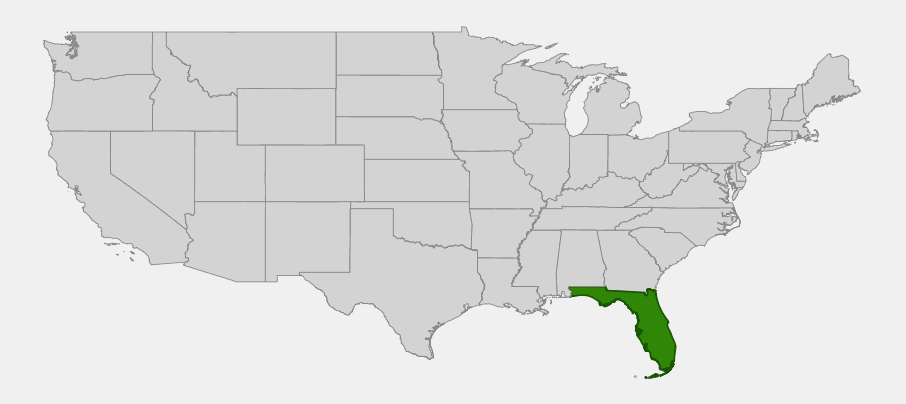
In the United States, mastic is native to Florida, found from the central peninsula south through Miami-Dade County and into the Florida Keys, with its largest and most numerous specimens concentrated in South Florida’s remaining tropical hardwood hammocks, including well-known stands protected within Everglades National Park.
Beyond Florida, mastic ranges through the Bahamas, Cuba and other Caribbean islands and into parts of northern Central America, always in frost-free tropical and subtropical settings.
Typical habitat is tropical hardwood hammock, where mastic grows as a canopy or emergent tree alongside gumbo limbo, live oak and other hammock hardwoods, usually on limestone-based soils. Because so much of South Florida’s hammock has been cleared for development, large old mastic trees are now relatively uncommon outside protected natural areas, making mature specimens especially valuable to conserve.
📋 Regional plant lists featuring Mastic: No Florida regional plant list currently covers this species; browse all Native Plant Profiles. See also the hammock associate Lignum Vitae.
Growing & Care Guide
Mastic is a tough, long-lived shade tree for South Florida landscapes once established, though its eventual size calls for planning ahead.
Light
Grow in full sun to light part shade. Young trees tolerate some shade as they establish, as they would in the hammock understory, but full sun produces the fullest, most vigorous crown over time.
Soil & Water
Mastic adapts to a range of well-drained soils, including thin limestone rock and sandy soils, and prefers neutral to alkaline pH. Water regularly through the first one to two years after planting. Established trees are drought tolerant, though they perform best with periodic deep watering during long dry spells rather than complete neglect.
Planting Tips
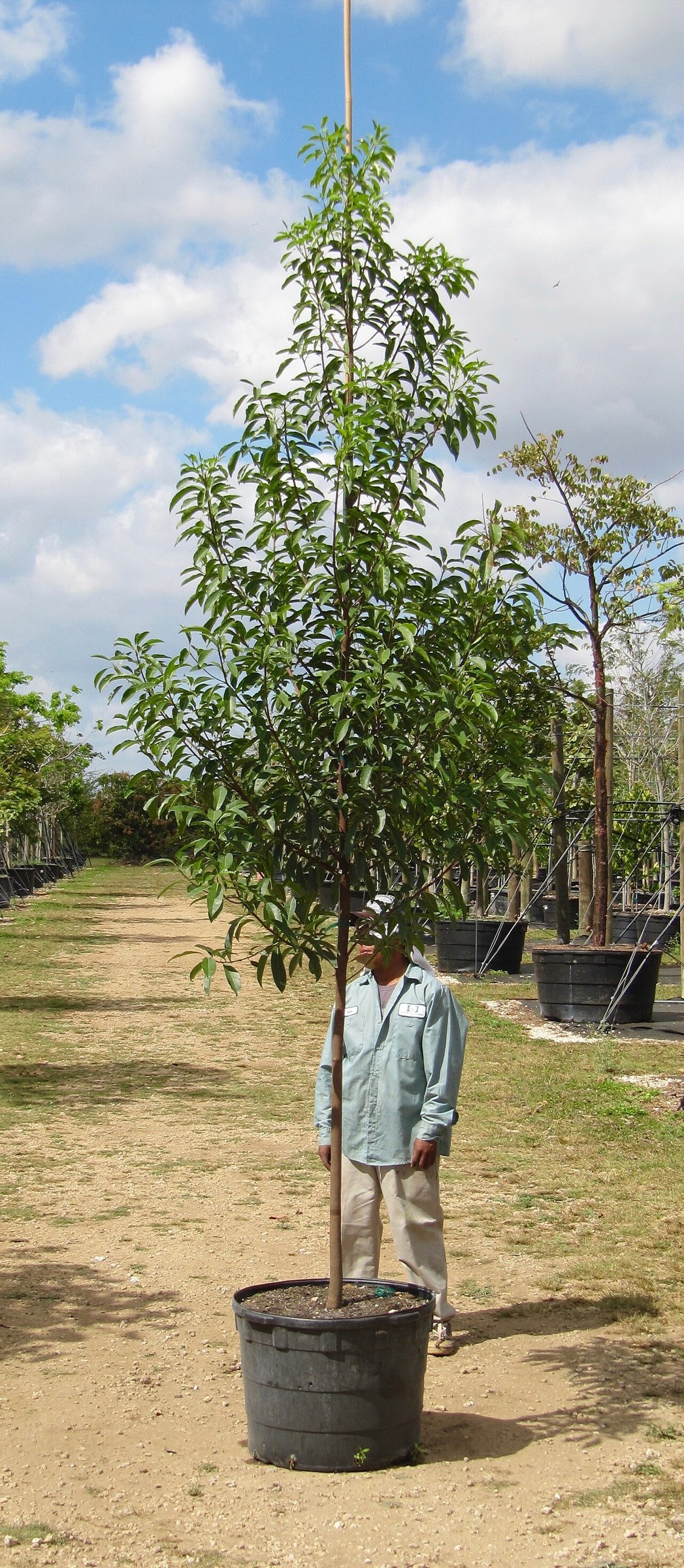
Because mature mastic trees can reach 50 to 70 feet with a wide canopy, site them well away from buildings and power lines, ideally as a specimen, shade or street tree with ample room to develop. The species has a strong reputation for hurricane wind resistance, making it a good long-term investment for parks, large yards and street tree programs in hurricane-prone South Florida.
Pruning & Maintenance
Mastic generally needs only routine structural pruning while young to establish a strong central leader and well-spaced scaffold branches. Mature trees need little upkeep beyond removing dead or damaged wood. The species is relatively free of serious pest and disease problems in cultivation.
Propagation
Propagate from seed. Collect ripe, yellow-to-orange fruit, clean away the sticky pulp (gloves help, given the latex), and sow fresh seed promptly, as viability drops with storage. Germination can be slow and uneven, and seedlings grow at a moderate pace, so container-grown nursery stock is the most practical route for most gardeners.
Landscape Uses
- Large shade and specimen tree for parks, campuses and spacious yards
- Street tree and parking lot edges, valued for hurricane wind resistance
- Hammock restoration and reforestation plantings alongside lignum vitae and other native hardwoods
- Wildlife gardens, for its late-winter fruit crop
- Long-term legacy tree plantings, given its century-plus lifespan
- Companion planting in broader South Florida shade-tree designs; see our guide to shade trees for South Florida
Wildlife & Ecological Value
As one of the largest canopy trees of South Florida’s tropical hardwood hammocks, mastic supports a wide range of wildlife across its long lifespan.
For Pollinators
The small, strongly scented flowers attract bees and other insect pollinators, which are drawn to the same odor that people find unpleasant; that smell is thought to help lure specific pollinating insects rather than deter them.
For Birds & Mammals
Ripe yellow-orange fruit is readily eaten by birds and small mammals, which also help disperse the large seeds away from the parent tree. The dense, high canopy of a mature mastic provides valuable nesting and roosting habitat, particularly important as old hammock canopy becomes scarcer in developed parts of South Florida.
Ecosystem Role
Mastic is among the largest and longest-lived trees of the tropical hardwood hammock community, and old specimens function almost as keystone structures, anchoring canopy habitat that smaller, shorter-lived species cannot replace. Protecting remaining old-growth mastic trees, and planting new ones, supports the long-term recovery of this increasingly rare Florida ecosystem.
Cultural & Historical Uses
Mastic’s dense, strong wood was historically valued by early Florida settlers and Caribbean communities for shipbuilding, furniture and tool handles, prized for its durability. The common name “mastic” references the sticky latex the tree exudes, similar in character to the true Mediterranean mastic tree, though the two are unrelated; the Florida species belongs instead to the same family as the sapodilla and star apple.
Large, ancient mastic trees have long been noted as landmarks within Florida’s hammocks, some documented at well over a century old, and they remain popular stops for hikers in protected natural areas such as Everglades National Park’s Mastic Trail, named for the species.
Frequently Asked Questions
Why do mastic flowers smell bad?
The species name foetidissimum means “most foul-smelling,” referring to the strong odor of the small flowers, which is typical of several Sapotaceae relatives and is thought to help attract the specific insects that pollinate them. The smell is noticeable mainly up close during bloom and does not linger on the tree otherwise.
How big does a mastic tree get?
In cultivation, expect 30 to 60 feet with a similar spread, but old-growth trees in protected hammocks can exceed 70 feet with substantially buttressed trunks, since the species is capable of living a century or more.
Is mastic fruit edible?
The ripe fruit has sweet, sticky pulp and is eaten by wildlife and has been eaten by people historically, though it is sticky with latex and not widely grown as a food crop; treat it as a wildlife tree first.
Is mastic a good hurricane tree?
Yes. Mastic has a strong reputation for wind resistance in South Florida and is commonly recommended for street tree and parking lot plantings partly for that reason, making it a sound long-term choice in hurricane-prone areas.
How fast does mastic grow?
Growth is moderate rather than fast, consistent with a tree built to live a very long time. Regular watering while young helps establishment, after which the tree settles into slow, steady growth for decades.

Looking for a nursery that carries Mastic?
Browse our native plant nursery directory: Florida & Georgia

