
Carolina Holly (Ilex ambigua)
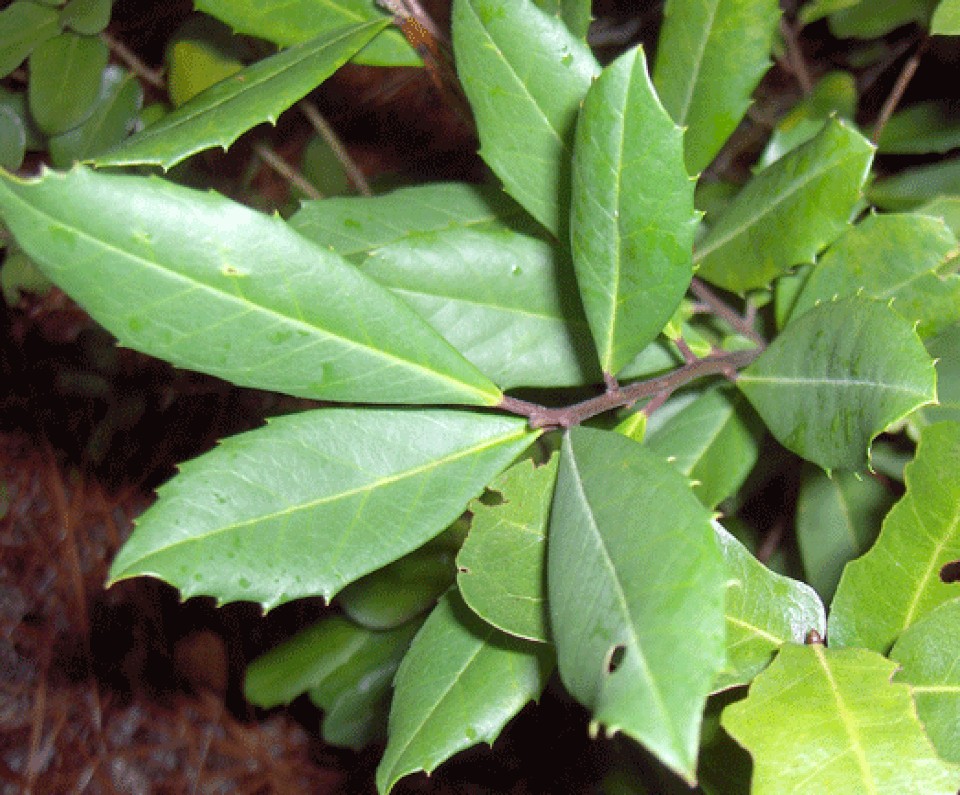
Ilex ambigua, commonly known as Carolina Holly or Sand Holly, is a large deciduous shrub or small tree native to sandy upland forests and scrub habitats across the southeastern and south-central United States. Unlike the familiar broadleaf evergreen hollies such as American holly, Carolina holly drops its leaves for winter and has a more open, understory presence in the dry, sandy woodlands and pine-oak communities where it grows.
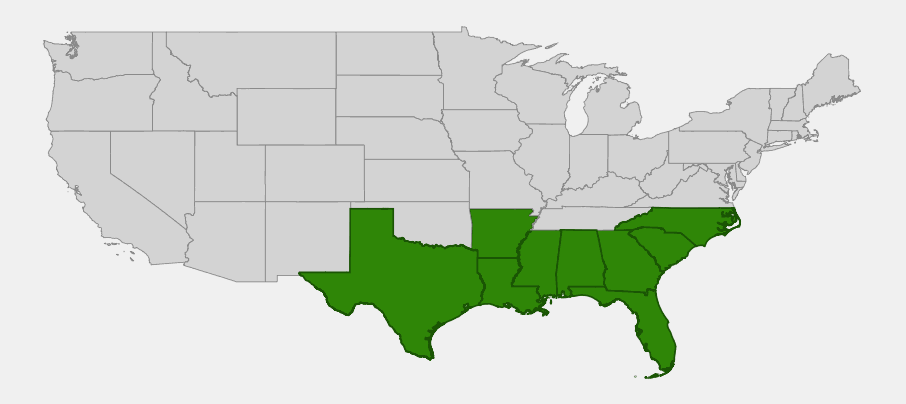
Found from the North Carolina coastal plain west to central Texas and inland into Arkansas, Carolina holly occupies sand scrub, hammocks, and hardwood forests, often growing alongside loblolly, slash, and shortleaf pine, various oaks, and sometimes its evergreen relative American holly. Its shiny, dark, flaking bark, purple twigs, and large leaves — some of the biggest in the native holly genus — make it a distinctive, if often overlooked, component of southern sandy woodlands.
For native gardeners on sandy, well-drained soil, Carolina holly offers an easy-care deciduous shrub with attractive bark, bold foliage, and red berries that draw wildlife — a good alternative to evergreen hollies where a lighter, more open winter silhouette is wanted.
Identification
Carolina holly grows as a large shrub or small tree up to about 20 feet tall. It is generally deciduous, losing its leaves in winter, which sets it apart from look-alike evergreen hollies sharing its range.
Bark & Stems
The bark is shiny dark brown to nearly black, becoming flaky and rougher with age. Young twigs are distinctively purple, and some branches carry a noticeable coat of fine hairs — both useful identification clues in the field.
Leaves
Leaves are among the largest of any native holly, reaching up to about 7 inches long and nearly 3 inches wide — considerably larger than the small, spiny leaves of American holly. The margins are partially or entirely toothed or wavy, with scattered sharp points rather than the evenly spaced spines of American holly, giving the foliage a softer, less armored look.
Flowers & Fruit
Like other hollies, Carolina holly is dioecious, with male and female flowers on separate plants; only female plants bear fruit, and they need a nearby male for pollination. The fruit is a round red drupe, eaten and dispersed by birds and other wildlife that help spread the seeds through the understory.
Quick Facts
| Scientific Name | Ilex ambigua |
| Family | Aquifoliaceae (Holly) |
| Plant Type | Deciduous shrub / small tree |
| Mature Height | Up to 20 ft |
| Growth Rate | Slow to moderate |
| Sun Exposure | Full Sun to Part Shade |
| Water Needs | Low to moderate; drought tolerant once established |
| Soil Type | Sandy, well-drained soils |
| Soil pH | Acidic |
| Leaf Size | To 7 in long — among the largest of native hollies |
| Fruit | Round red drupes (female plants only) |
| USDA Hardiness Zones | 7–9 |
Native Range
Carolina holly ranges along the coastal plain from North Carolina south through South Carolina, Georgia, and Florida, west across Alabama, Mississippi, and Louisiana to eastern and central Texas, with populations extending inland into Arkansas. It occupies a variety of sandy habitats, including Florida scrub, coastal hammocks, and hardwood and pine-oak forests and woodlands.
Within these habitats Carolina holly commonly grows alongside loblolly pine, slash pine, and shortleaf pine, as well as various oak species, and it is sometimes found growing near its evergreen relative, American holly. Well-drained, sandy, acidic soils are the common thread across its range, from dry upland scrub to the understory of open pine-oak woodlands.
📋 Regional plant lists featuring Carolina Holly: North Carolina & South Carolina · Georgia, Alabama & Mississippi · Arkansas, Louisiana, Eastern Oklahoma & Eastern Texas
Growing & Care Guide
Carolina holly is an easy, adaptable shrub for sandy, well-drained sites, asking little beyond acidic soil and reasonable sun.
Light
Carolina holly grows well in full sun to part shade, mirroring the open scrub and semi-open woodland conditions where it naturally occurs. More sun generally produces denser growth and better fruiting on female plants.
Soil & Water
This species is adapted to sandy, well-drained, acidic soils and does not need rich garden loam. It has good drought tolerance once established, reflecting its native habitat in dry sand scrub and upland pine-oak woods, though it also appreciates occasional deep watering during extended dry spells, especially while young.
Planting Tips
Plant in well-drained, sandy soil; heavy clay or poorly drained sites are not a good match. Since Carolina holly is dioecious, include both a male and a female plant if berries are the goal — a lone female will not fruit without a nearby male pollinator.
Pruning & Maintenance
Carolina holly needs only minimal pruning to remove dead or crossing branches. It has no major documented pest or disease issues, making it a low-maintenance choice once established in a suitable sandy site.
Landscape Uses
- Naturalized woodland and scrub gardens on sandy soil
- Understory plantings beneath pines and oaks
- Wildlife gardens, for its red fruit and cover value
- Companion planting with evergreen hollies like American holly or yaupon holly for mixed evergreen-deciduous texture
- Restoration plantings in sandhill, scrub, and dry pine-oak habitats
Wildlife & Ecological Value
Carolina holly adds food and structural diversity to the dry, sandy woodlands and scrub habitats where it grows.
For Birds & Mammals
The round red fruits are eaten by birds and other wildlife, which disperse the seeds across the landscape as they move through the understory and scrub habitats where the shrub grows.
For Pollinators
The small flowers, though not showy, provide nectar and pollen for native bees and other pollinating insects active in spring, contributing to the pollinator community of sandy woodland and scrub habitats.
Ecosystem Role
As a deciduous understory shrub in fire-adapted pine-oak and scrub communities, Carolina holly adds structural and seasonal diversity alongside the area’s dominant evergreen pines and oaks, contributing berries and cover in habitats that can otherwise be relatively open and food-poor for wildlife outside the growing season. Because it occurs in fire-prone sandhill and scrub ecosystems, established plants generally resprout from the base after low-intensity fire passes through, helping the species persist in landscapes that depend on periodic burning to stay healthy.
Cultural & Historical Uses
Carolina holly has little documented history of traditional use compared to some of its more prominent native holly relatives, such as yaupon holly, which was brewed into a ceremonial tea by Indigenous peoples of the Southeast. Carolina holly’s role has remained primarily ecological, as an understory component of sandy pine-oak and scrub woodlands, with modern interest centered on its value as an easy-care native landscape shrub.
Frequently Asked Questions
Is Carolina holly evergreen like American holly?
No. Carolina holly is generally deciduous, dropping its leaves for winter, while American holly keeps its spiny evergreen leaves year-round. The two sometimes grow near each other in the wild.
How can I tell Carolina holly from American holly?
Carolina holly has much larger leaves (up to 7 inches), with scattered, less rigid teeth rather than the sharp, evenly spaced spines of American holly, and it loses its leaves in winter rather than staying evergreen.
Does Carolina holly need wet or dry soil?
Dry to average. Unlike some wetland native hollies, Carolina holly is adapted to sandy, well-drained soils and has good drought tolerance once established — it is not a wet-site plant.
Will Carolina holly produce berries without another plant nearby?
No. Like other hollies, it is dioecious with separate male and female plants; only females produce berries, and only if a male plant is flowering nearby at the same time.
How big does Carolina holly get?
It can reach up to about 20 feet tall as a large shrub or small tree, though many garden specimens stay smaller, especially where pruned or grown in less favorable conditions.
Is Carolina holly the same plant as the sand holly sold by some nurseries?
Yes, “Sand Holly” is simply another common name for the same species, Ilex ambigua, reflecting its preference for sandy, well-drained soils. You may see it offered under either name at native plant nurseries within its range.

Looking for a nursery that carries Carolina Holly?
Browse our native plant nursery directory: North Carolina · South Carolina & Texas · Georgia & Florida · Alabama & Arkansas · Mississippi & Louisiana
Related reading: Native Hedgerows for Birds

