
Redberry Stopper (Eugenia confusa)
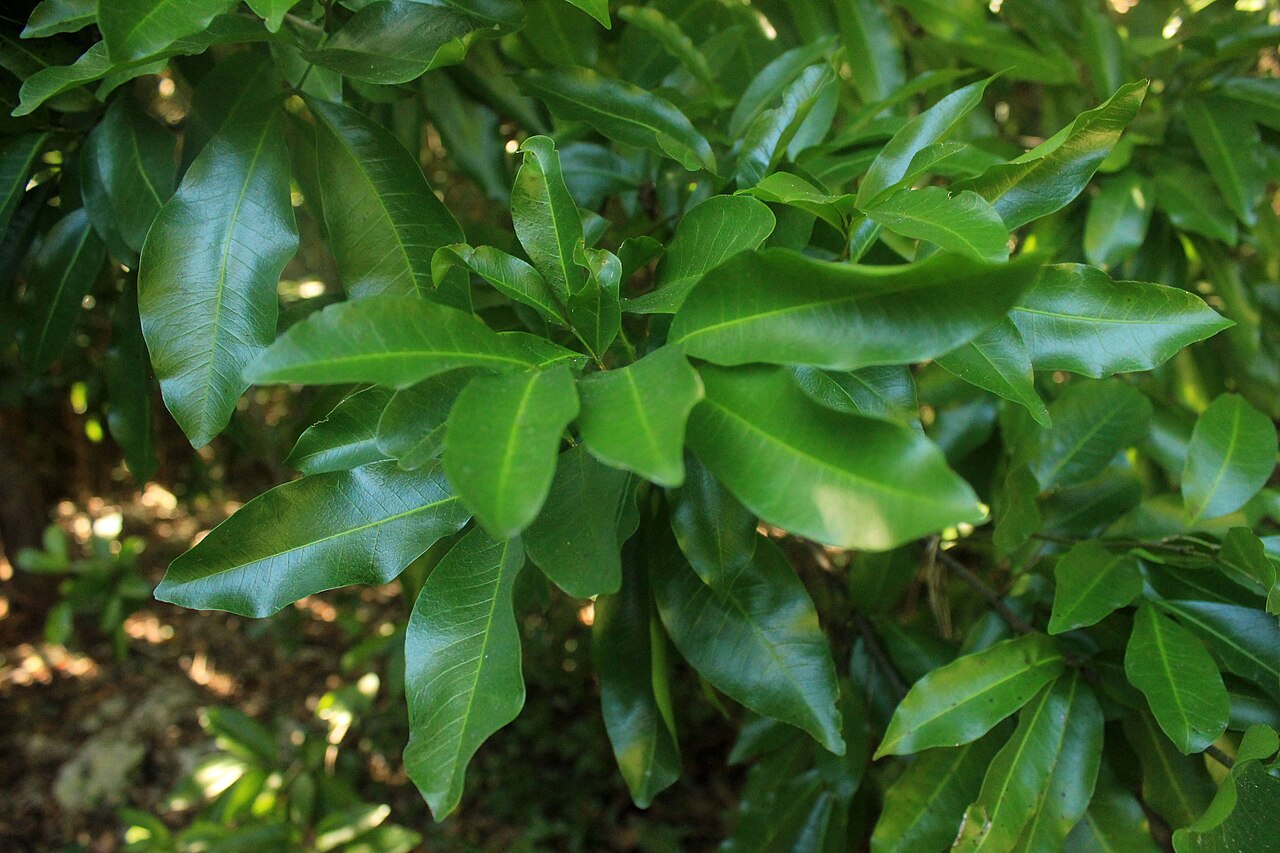
Eugenia confusa, known as Redberry Stopper (also called ironwood or redberry eugenia), is one of the handsomest canopy trees of South Florida’s tropical hardwood hammocks — a slow-growing, long-lived species prized for its dense, dark, glossy foliage and extremely hard, heavy wood. It belongs to the “stopper” group of native Florida myrtles, a cluster of related Eugenia and allied species whose common name reportedly comes from historical use of their astringent fruit or bark to “stop” digestive upset.
In the wild, redberry stopper grows as a large shrub or small-to-medium tree, typically 15 to 35 feet tall, with a dense, rounded crown of thick, leathery, dark green leaves that have a distinctive long, tapering drip tip. New growth often flushes a striking bronze-red before hardening to deep green, and the tree’s wood is so dense and heavy that it reportedly sinks in water — a trait behind the “ironwood” nickname shared with several unrelated hammock hardwoods.
Redberry stopper is listed as endangered by the State of Florida, reflecting both its naturally narrow native range and the historical loss of the rockland hammock habitat it depends on. Despite its rarity in the wild, it is valued in cultivation as a dense, low-maintenance, wind- and drought-tolerant small tree or large screening shrub for South Florida landscapes, and it is increasingly available from nurseries specializing in Florida native plants.
Identification
Redberry stopper can be distinguished from Florida’s other native stoppers by its combination of glossy, dark green leaves with a long, slender drip-tip, fine reddish-brown twigs, and small, bright to dark red fruit, all typical of dense, undisturbed hammock understory and canopy gaps.
Bark & Stems
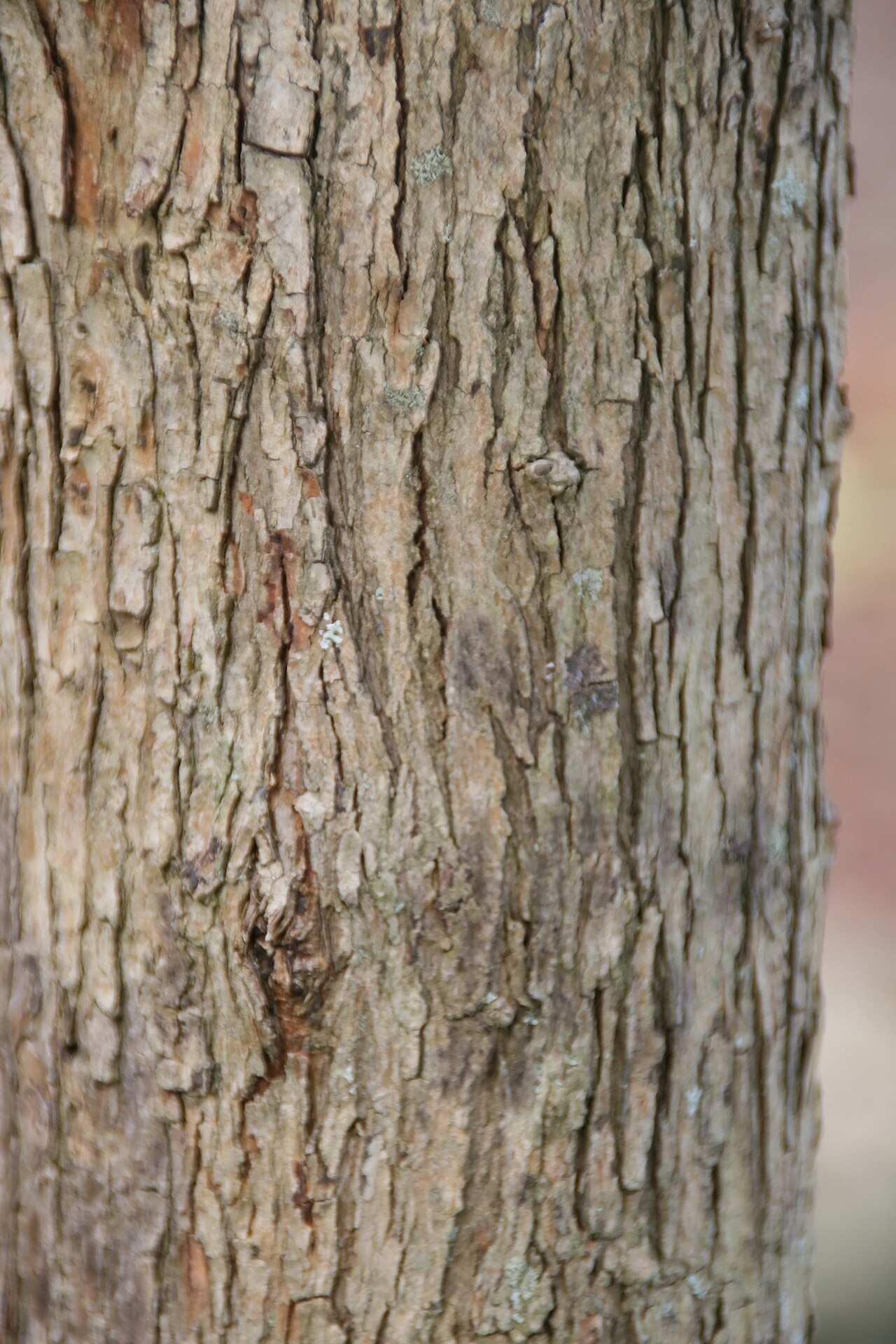
Bark on young stems and branches is smooth and reddish-brown, maturing to a rougher, grayish-brown, finely fissured surface on older trunks. The wood beneath is exceptionally dense and hard, among the heaviest of Florida’s native hardwoods, which historically made it useful for tool handles and other items requiring a tough, durable wood.
Leaves
Leaves are opposite, leathery, glossy dark green above and paler below, elliptical to lance-shaped, typically 2 to 4 inches long, and tapering to a distinctive narrow, elongated drip tip. New leaves commonly emerge bronze to reddish before maturing to the deep green of older foliage, giving actively growing trees a two-toned look.
Flowers
Small, white, four-petaled flowers with a prominent cluster of stamens appear in short axillary clusters, typical of the myrtle family, and are fragrant but not especially showy against the dense foliage.
Fruit & Seeds
The fruit is a small, rounded berry roughly 1/4 to 1/2 inch across that ripens from green through orange to a bright to dark red, giving the species its common name. Each fruit typically contains one or two seeds and is readily eaten by birds once ripe.
Quick Facts
| Scientific Name | Eugenia confusa |
| Family | Myrtaceae (Myrtle) |
| Plant Type | Evergreen large shrub or small tree |
| Mature Height | 15–35 ft |
| Mature Spread | 10–20 ft |
| Growth Rate | Slow |
| Sun Exposure | Full Sun to Part Shade |
| Water Needs | Low to moderate once established |
| Soil Type | Shallow, rocky, limestone-based soils |
| Soil pH | Alkaline |
| Bloom Time | Spring–summer |
| Flower Color | White |
| Fall Color | Evergreen; no fall color (red fruit display) |
| Fruit | Small round berries, ripening orange to bright red |
| Deer Resistant | Yes, generally |
| USDA Hardiness Zones | 10 – 11 |
Native Range
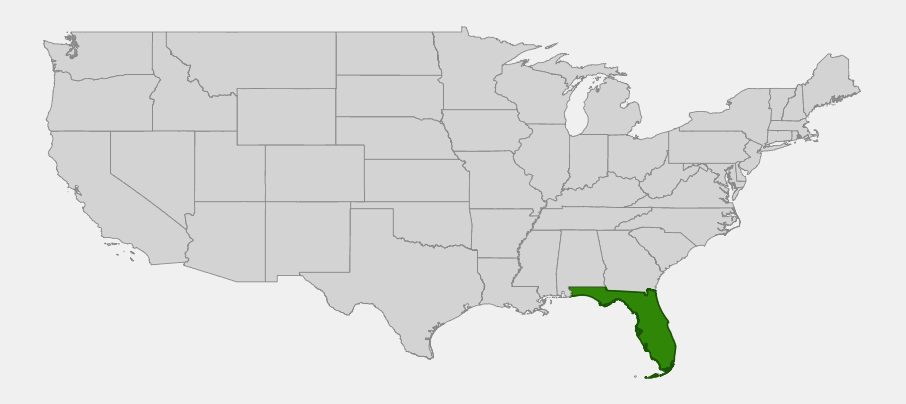
In the United States, redberry stopper is native only to extreme South Florida, with its core range running through the Florida Keys from North Key Largo in Monroe County to the nearby keys of Miami-Dade County, plus a mainland presence along the Miami Rock Ridge from the Snapper Creek area through the historic Brickell Hammock. A disjunct historical population has also been documented as far north as Martin County on Florida’s southeastern coast. The State of Florida lists the species as endangered, reflecting both this naturally narrow range and significant historical loss of the rockland and coastal hammock habitat it depends on.
Redberry stopper grows in tropical hardwood hammock — the dense, broadleaf forest that develops on slightly elevated, well-drained limestone or coastal ridges above the surrounding low wetlands — typically as a canopy or sub-canopy tree alongside other hammock hardwoods. It tolerates both the sunnier hammock edge and the shadier interior, though it reaches its largest size in mature, undisturbed hammock.
Outside the United States, redberry stopper is more widely distributed through the Bahamas, Cuba, and other parts of the Caribbean, where it occupies similar limestone-based coastal and hammock habitats.
📋 Regional plant lists featuring Redberry Stopper: none yet — no plantnative.org regional list currently covers South Florida; see our full native plant directory for other Florida-native species.
Growing & Care Guide
Redberry stopper is a tough, low-maintenance choice for South Florida gardeners who want a genuinely native hammock tree with year-round glossy foliage and good wind tolerance for hurricane-prone areas.
Light
It grows well in full sun to partial shade, developing a denser, more compact form in sunnier spots and a somewhat more open habit in shadier hammock-like conditions.
Soil & Water
Redberry stopper is well adapted to the shallow, rocky, alkaline limestone soils typical of South Florida and tolerates drought well once established, needing only occasional supplemental water during extended dry spells. It also shows reasonably good tolerance of wind and brief salt exposure, though it is not a true coastal dune or tidal species.
Planting Tips
Choose a well-drained site; while tolerant of poor, rocky soil, redberry stopper does not do well in constantly wet or poorly drained ground. As a slow grower, young plants benefit from consistent watering during their first year or two to establish a strong root system before drought tolerance kicks in fully.
Pruning & Maintenance
This species naturally forms a dense, well-shaped crown and generally needs little pruning beyond removing dead or crossing branches; because of its slow growth, heavy pruning can set a specimen back considerably, so light, infrequent maintenance pruning is best.
Landscape Uses
Dense foliage and a naturally tidy form make redberry stopper versatile in South Florida landscapes:
- Screening and privacy hedges thanks to its dense evergreen canopy
- Specimen or small shade tree for residential and commercial landscapes
- Hammock-style native plantings alongside other hardwood hammock species
- Street tree or parking-lot planting in suitable urban settings, given its tolerance of heat and rocky soils
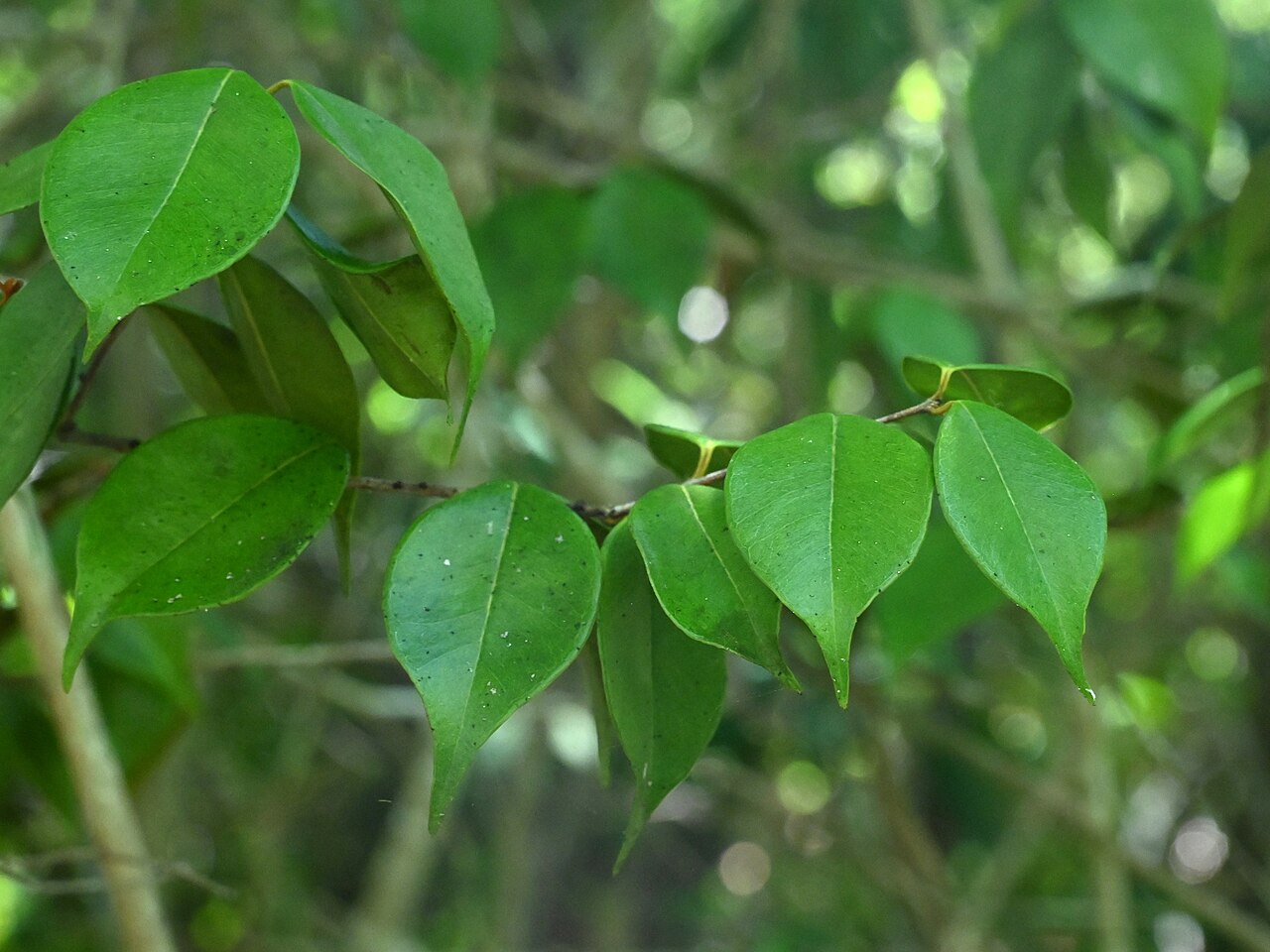
Wildlife & Ecological Value
As a fruiting hammock tree, redberry stopper contributes meaningfully to the food web of South Florida’s tropical hardwood hammocks, particularly for birds.
For Birds
The small red fruits are a reliable food source for a range of fruit-eating hammock birds, including mockingbirds, thrushes, and migratory songbirds passing through South Florida, which also help disperse the tree’s seeds.
For Mammals
Small mammals native to hammock habitat occasionally feed on fallen fruit, and the dense, tangled canopy of mature trees provides cover for a variety of hammock wildlife.
For Pollinators
The small white flowers, typical of the myrtle family, attract bees and other small pollinating insects during the spring and summer bloom period.
Ecosystem Role
Redberry stopper is a structural component of mature tropical hardwood hammock, contributing to the dense, multi-layered canopy that moderates temperature and humidity within the hammock interior and supports the broader community of hammock-dependent plants and animals. Because the species is uncommon and state-listed as endangered, surviving wild populations are an important part of South Florida’s remaining hammock biodiversity.
Cultural & Historical Uses
The exceptionally dense, heavy wood of redberry stopper — reportedly dense enough to sink in water — gave rise to its “ironwood” nickname, shared with several other unrelated hard-wooded Florida hammock trees, and historically made it useful in South Florida for tool handles and other applications calling for a tough, durable wood. The “stopper” name applied to this and related native Eugenia species is generally attributed to historical use of their astringent fruit or bark as a folk remedy for digestive upset, a traditional use recorded in regional accounts rather than a currently recommended practice.
Because of its rarity and attractive, dense evergreen form, redberry stopper has become increasingly valued in South Florida horticulture over recent decades, promoted by native-plant nurseries and conservation groups as an alternative to non-native hedging and screening species. Its presence in cultivation today also plays a small role in maintaining genetic stock of a species whose wild populations remain limited and state-protected.
Indigenous and early settler communities throughout South Florida and the wider Caribbean made general use of the dense wood of hammock hardwoods like redberry stopper for small tools and construction, though detailed historical records specific to this species in Florida are limited compared to some of its more extensively documented hammock neighbors.
Frequently Asked Questions
Is redberry stopper endangered?
Yes. The State of Florida lists redberry stopper as an endangered species, reflecting its naturally narrow native range in the Florida Keys and coastal Miami-Dade County and the historical loss of the hammock habitat it depends on.
How can I identify redberry stopper?
Look for glossy, dark green, leathery leaves with a distinctive long, tapering drip tip, bronze-red new growth, reddish-brown twigs, and small round fruit that ripens from green through orange to bright red.
Why is it called “ironwood”?
The name refers to its exceptionally dense, heavy wood, reportedly dense enough to sink in water — a trait shared informally with several other unrelated hard-wooded hammock trees in South Florida that also carry the “ironwood” nickname.
How big does redberry stopper get, and how fast does it grow?
It is a slow-growing species that typically reaches 15 to 35 feet tall at maturity, forming a dense, rounded crown over many years rather than quickly, which is part of why mature specimens are valued.
Is redberry stopper good for screening or hedges?
Yes. Its naturally dense, evergreen canopy makes it a strong native alternative to non-native screening shrubs in South Florida, though its slow growth rate means it takes patience to fill in compared to faster-growing hedge plants.

Looking for a nursery that carries Redberry Stopper?
Browse our native plant nursery directory: Florida
For other South Florida hammock trees, see our pages on Mastic and Pigeon Plum. For more screening options, see our guide to privacy trees for Florida.

