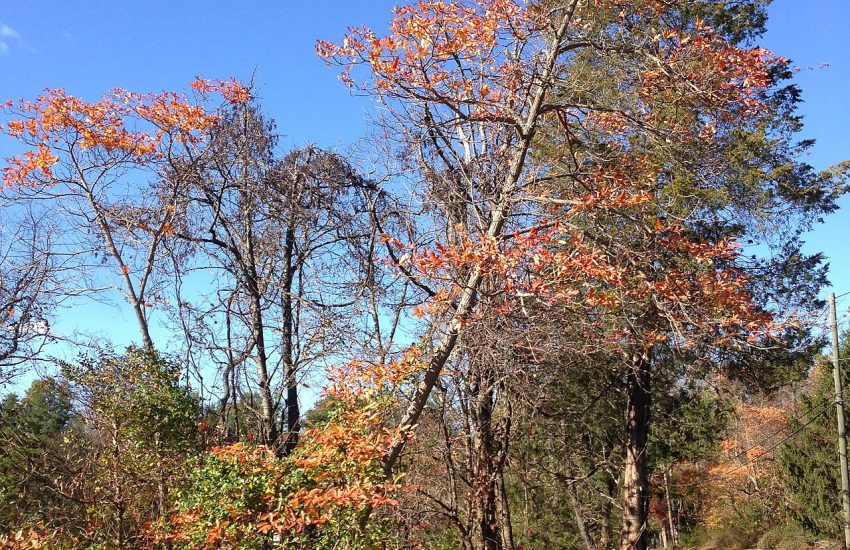
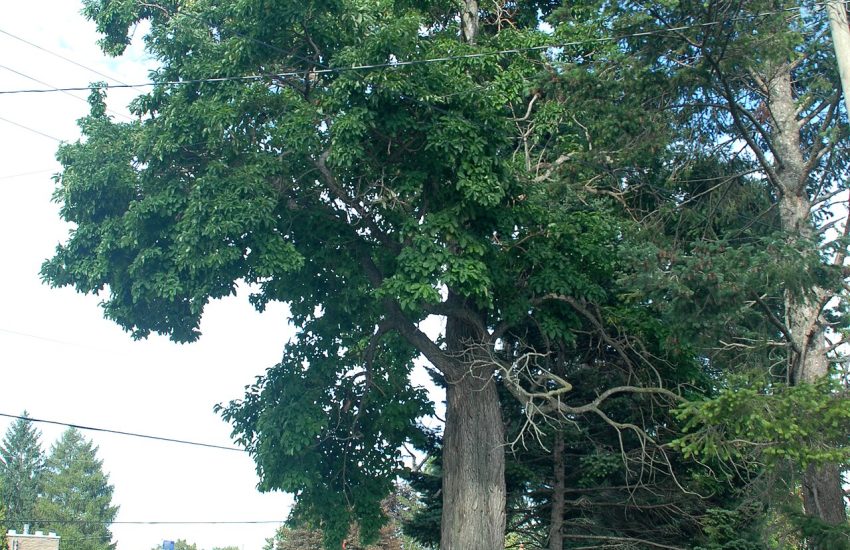
Gregg Hawthorn (Crataegus greggiana)
Crataegus greggiana, the Gregg Hawthorn, is a scarce, little-known native hawthorn confined to the limestone canyons and hill country of the Edwards Plateau in central Texas, with a small extension of its range across the border into the states of Coahuila and Nuevo León in northeastern Mexico. It is named for Josiah Gregg (1806–1850), the Santa Fe Trail trader and naturalist whose travels and plant collections through Texas and the southern Plains in the 1840s documented much of the region’s then-unfamiliar flora to Eastern botanists.
Like other members of its genus, Gregg Hawthorn is a thorny, many-branched shrub or small tree with toothed leaves, clusters of small white spring flowers, and red hawthorn fruit valued by wildlife. What sets it apart is its rarity: it is known from a genuinely limited number of sites on the limestone hills of the Hill Country and adjacent Mexico, and conservation organizations such as the Center for Plant Conservation track it as a scarce regional endemic.
Because of its limited distribution and the ongoing difficulty of correctly identifying hawthorn species in the field — Crataegus is widely considered one of the most taxonomically challenging genera in North American botany — Gregg Hawthorn is essentially unknown in cultivation. It belongs in native-habitat restoration and conservation plantings within its narrow Edwards Plateau range rather than in general garden use, and wild plants should never be collected or disturbed.
Identification
Gregg Hawthorn grows as a many-stemmed shrub or small tree, typically 13 to 26 feet (4–8 m) tall, with the dense, twiggy, thorn-armed branching structure characteristic of the genus. It is closely allied to, and has sometimes been treated under, the related name Crataegus uvaldensis, reflecting the historical difficulty of drawing firm species lines within this part of the hawthorn family.
Bark & Stems
New twig growth is densely covered in fine, pressed hairs, aging to gray and eventually dull gray with maturity. Numerous slightly recurved thorns, shiny black by their second year and roughly 1 to 2 inches (2.5–5 cm) long, arm the branches — a heavier thorn coverage than many other regional hawthorns, giving older plants an especially dense, defensive branching structure.
Leaves
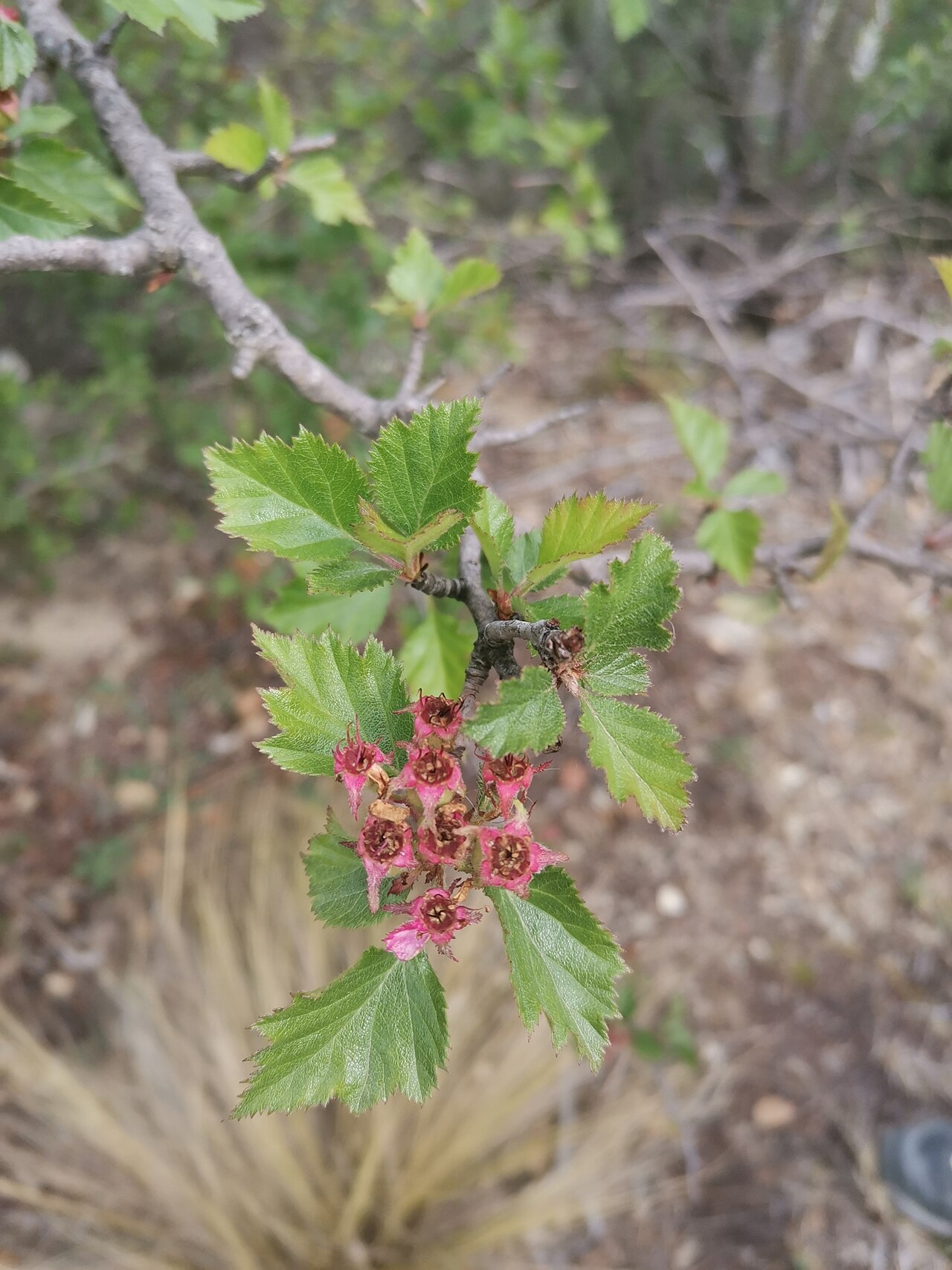
Leaves are simple, alternate, and sharply, doubly toothed along the margins, broadly ovate to diamond-shaped with a short petiole, typical of the hawthorns native to the limestone soils of the Edwards Plateau. New leaves emerge with fine hairs that are largely shed as the leaf matures.
Flowers
Small white, five-petaled flowers open in flat-topped spring clusters, following the standard Rosaceae floral plan shared by all hawthorns, apples, and their relatives. As the flowers fade, the petals often take on a pink flush before dropping, a detail visible in fresh collections from the wild.
Fruit & Seeds
The fruit is a small red pome (“haw”), maturing in late summer to fall, consistent with the edible fruit typical of the genus. Like most wild hawthorn fruit, it is mealy and seedy rather than a substantial foraging crop for people, but it is an important food source for birds and small mammals in its limited native range.
Quick Facts
| Scientific Name | Crataegus greggiana (syn. Crataegus uvaldensis) |
| Family | Rosaceae (Rose) |
| Plant Type | Deciduous Shrub / Small Tree |
| Mature Height | 13–26 ft |
| Growth Rate | Slow |
| Sun Exposure | Full Sun to Part Shade |
| Water Needs | Low to Moderate |
| Soil Type | Shallow, rocky limestone soils |
| Soil pH | Alkaline |
| Bloom Time | Spring (March – April) |
| Flower Color | White, aging pink |
| Fall Color | Not notable |
| Fruit | Small red pome (“haw”) |
| Deer Resistant | Yes (dense thorns) |
| Conservation Status | Scarce regional endemic; tracked by the Center for Plant Conservation. Not legally protected federally, but never collect wild plants or seed without landowner permission and a conservation purpose. |
Native Range
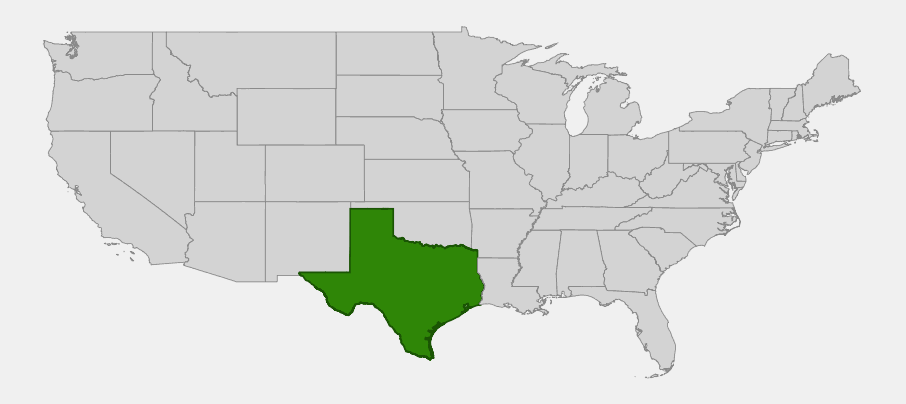
Gregg Hawthorn is native to the Edwards Plateau of central Texas — the limestone Hill Country west and northwest of San Antonio and Austin — and reaches south across the border into the Mexican states of Coahuila and Nuevo León. Within the United States it is known only from Texas, and even there its occurrences are scattered and genuinely scarce rather than common within its mapped range.
It grows on the thin, rocky, alkaline limestone soils typical of the Edwards Plateau, often in canyon country and on hillsides alongside the mix of oaks, junipers, and other hawthorns characteristic of this distinctive Texas ecoregion.
Because the species is uncommon and because Crataegus identification is difficult even for experienced botanists, records of this species should be treated with some caution; some plants mapped under this name in the past have since been reassigned to closely related species as taxonomists have refined their understanding of the Edwards Plateau hawthorns. This page follows the treatment recognized by Flora of North America and Plants of the World Online.
📋 Regional plant lists featuring Gregg Hawthorn: South and West Texas
Growing & Care Guide
Gregg Hawthorn is not available in the nursery trade and has no meaningful history of garden cultivation. The guidance below reflects the conditions it needs in habitat-restoration and conservation plantings within its native Edwards Plateau range, not general landscape advice.
Light
Like other hawthorns of the Hill Country, it would be expected to perform best in full sun to light shade, mirroring the open, rocky slopes and canyon edges where it is found in the wild.
Soil & Water
Requires the shallow, well-drained, distinctly alkaline limestone soils typical of the Edwards Plateau. As with most Hill Country woody plants, established specimens would be expected to tolerate significant summer drought once rooted, reflecting the thin, fast-draining soils of their native canyons.
Conservation Priority
Because this species is scarce and its populations are limited, the priority for anyone encountering it in the wild is documentation and protection rather than collection. If you are undertaking habitat restoration within the Edwards Plateau and believe this species may be appropriate for your project, work with a regional native-plant conservation organization or Texas Parks and Wildlife botanist rather than attempting to source or propagate it independently.
Landscape Uses
- Habitat restoration within its native Edwards Plateau range only
- Conservation collections maintained by botanical gardens and seed banks
- Wildlife value as part of a diverse native Hill Country plant community, the same role played by the thornier, more common hawthorns covered in our guide to growing hawthorn trees
For gardeners outside its narrow native range who still want Hill Country character, see our list of the best Texas native plants for landscaping, and our guide to native hedgerows for birds for widely available hawthorn relatives that fill a similar wildlife role.
Wildlife & Ecological Value
As with other native hawthorns, Gregg Hawthorn’s spring flowers and fall fruit support a web of Hill Country wildlife, even though its overall scarcity means its contribution is necessarily local and limited in extent.
For Pollinators
The white spring flowers, typical of the rose family, attract native bees and other insect pollinators active in the Edwards Plateau canyon country during the bloom period.
For Birds
The small red fruit is consumed by fruit-eating birds in fall, and the dense, thorny branching offers secure nesting cover, the same ecological role played by hawthorns throughout their range.
For Mammals
Small mammals likely take fallen fruit opportunistically, and the thorny structure provides protective cover, though specific wildlife-use studies for this particular rare species are limited.
Ecosystem Role
As a scarce regional endemic, Gregg Hawthorn is part of the broader biological richness of the Edwards Plateau, one of the most botanically distinctive regions in Texas. Protecting the limestone canyon habitat it depends on also protects a wide community of other specialized Hill Country plants and animals.
Cultural & Historical Uses
The species carries the name of Josiah Gregg, a trader, writer, and naturalist best known for his 1844 book Commerce of the Prairies, chronicling his years traveling the Santa Fe Trail and the southern Plains. Gregg’s botanical collections from Texas and the surrounding region in the 1840s contributed specimens that later botanists used to describe several previously unrecorded southwestern plants, though the formal description of this particular species came later, from the Crataegus specialist William Eggleston.
There is no significant documented history of use of this specific, scarce species by Indigenous peoples or early settlers, distinct from the general historical use of hawthorn wood and fruit across the genus. Given its rarity, this species should be treated as a conservation subject rather than a resource plant, and no part of it should be gathered from the wild.
Frequently Asked Questions
Is Gregg Hawthorn endangered?
It is not formally listed under the federal Endangered Species Act, but it is recognized as a scarce, range-restricted species by conservation organizations including the Center for Plant Conservation. Treat any wild population you encounter as a conservation priority rather than a collection opportunity.
Can I buy Gregg Hawthorn from a nursery?
No. It has essentially no presence in the nursery trade due to its rarity and the general difficulty of propagating and correctly identifying Crataegus species. It is not an appropriate choice for a typical home garden.
How is it different from other Edwards Plateau hawthorns?
It is distinguished by botanical details of its thorns, leaves, and flowers that require careful, expert examination to confirm — a common challenge throughout the hawthorn genus. In the field, assume any hawthorn found on Edwards Plateau limestone could be one of several closely related species, and avoid relying on casual identification alone.
Is the fruit edible?
In the general sense shared by hawthorn fruit, yes, the small red haws are not toxic, but given the species’ rarity, fruit and plant material should be left undisturbed for wildlife and future conservation rather than gathered.
What is being done to protect this species?
Organizations such as the Center for Plant Conservation track scarce plants like Gregg Hawthorn as part of national rare-plant collections, working with botanical gardens and regional partners to document populations and, where appropriate, maintain conservation seed or living collections.

Looking for a nursery that carries Hill Country native hawthorns?
Browse our native plant nursery directory for related Edwards Plateau natives: Texas