Pruning Sassafras Near Structures: When the Job Needs an Arborist
Last updated: November 6, 2026
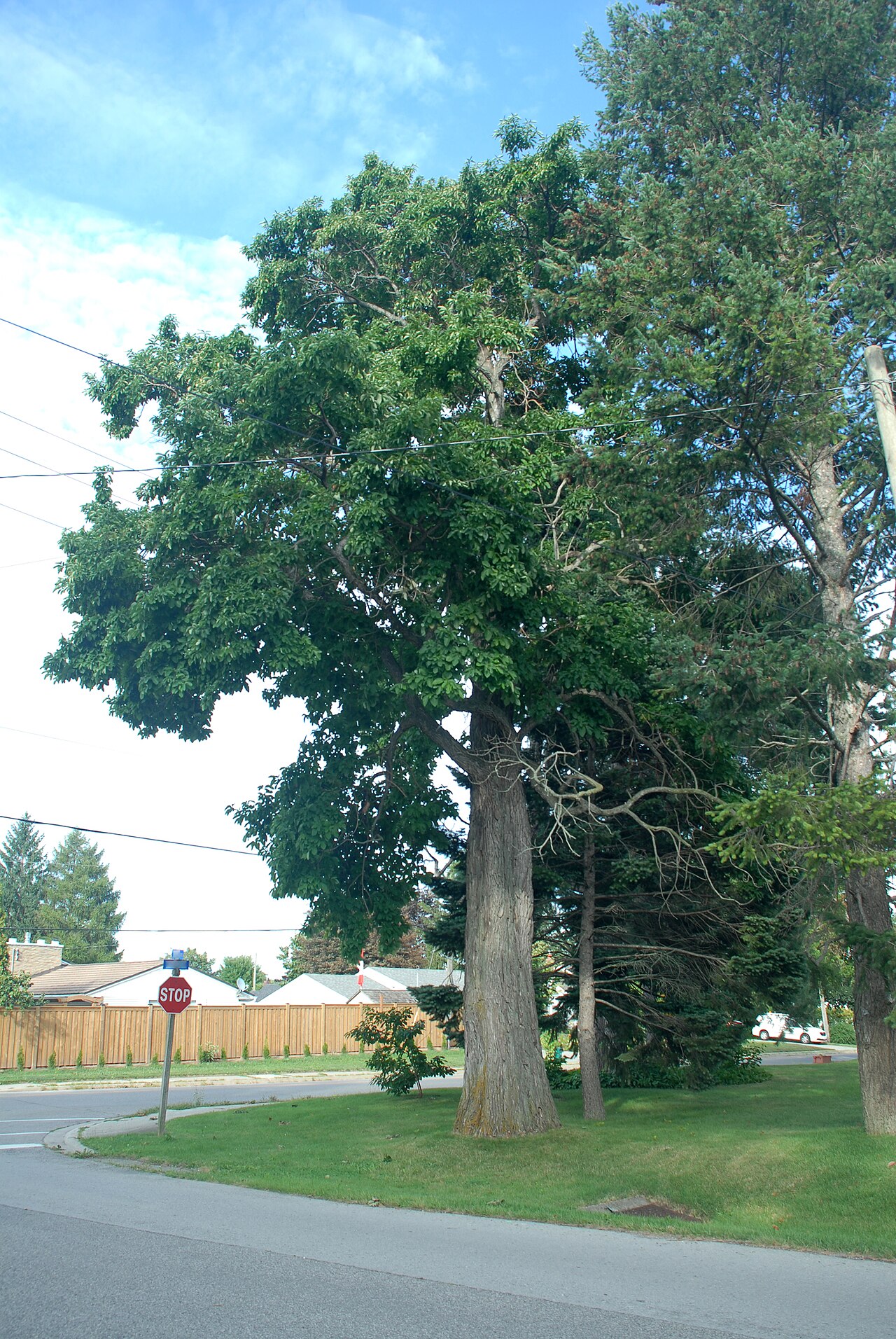
Your sassafras has grown into the space around it. Branches brush the roof, hang over the driveway, lean on the fence, or reach toward the wires.
Some of that you can fix yourself on a Saturday morning. Some of it is dangerous work that belongs to a trained arborist or the utility company.
This guide helps you sort out which is which. It covers how sassafras grows, what to check before any cut, and the clear signs that a job needs a professional.
The Short Answer
You can usually handle small, low cuts on a young sassafras from the ground. Call a professional when:
- Any branch is near a power line. Contact your utility first.
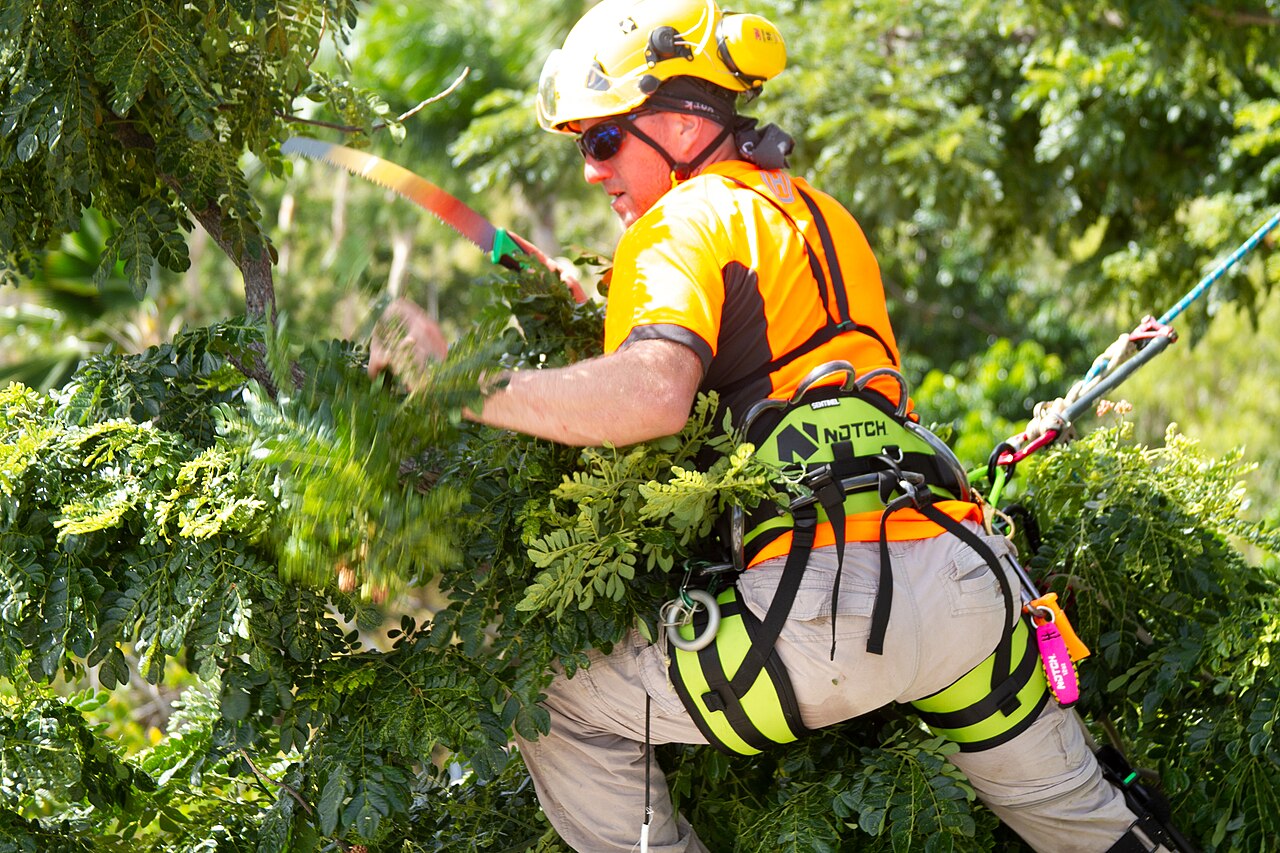
- The work needs climbing, a ladder, or a chainsaw overhead.
- A limb could hit the house, a car, or a person if it fell the wrong way.
- The tree is large, or has dead wood, cracks, or decay.
- You’re thinking of cutting the top off. That’s topping, and it makes things worse.
How Sassafras Responds to Pruning
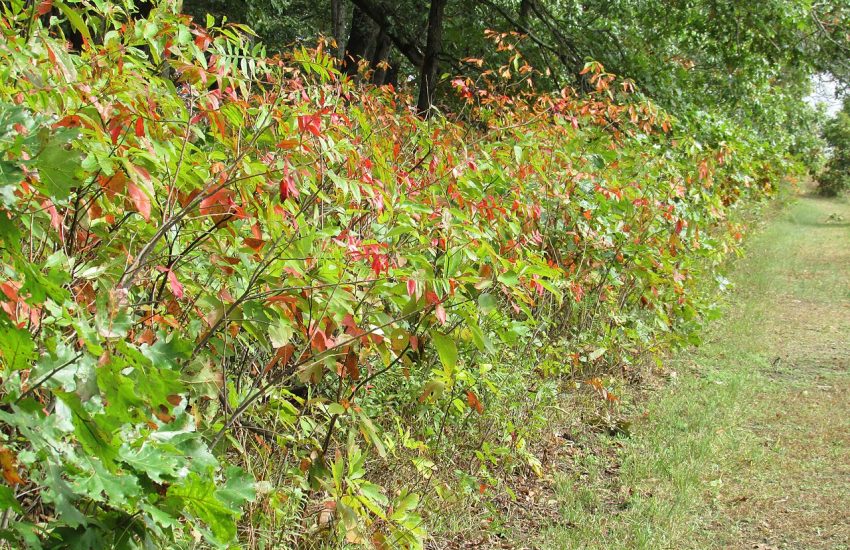
Sassafras (Sassafras albidum) can grow larger than many people expect. NC State Extension lists mature trees at 30 to 60 feet tall and 25 to 40 feet wide. The Morton Arboretum gives 20 to 30 feet for typical landscape trees. Either way, a sapling planted near a house can reach the roofline surprisingly fast.
Sassafras also reacts strongly to heavy cuts. A USDA Forest Service review notes that it sprouts vigorously after its top is killed. University of Georgia Extension explains that sprouts are a tree’s response to wounding or stress, and that stress to the canopy can wake dormant buds into long water sprouts.
That means hard pruning near a house can backfire. Cut too much, and you may get a flush of fast, crowded sprouts from the trunk and roots. Our guide to sassafras suckers in the lawn covers what that looks like at ground level.
Who Should Do the Job?
| Small twigs and branches you can reach from the ground | Homeowner, with hand pruners or a pruning saw. |
| Structural pruning on a young tree | Homeowner, if done gradually and from the ground. |
| Branches over the roof, driveway, or a neighbor’s yard | ISA Certified Arborist. |
| Anything requiring climbing or a ladder in the tree | ISA Certified Arborist. |
| Dead, cracked, or storm-damaged limbs on a large tree | Arborist, ideally one qualified in tree risk assessment. |
| Branches near or touching power lines | Your electric utility or a line-clearance crew. Never DIY. |
Check 1: Look Up for Wires First
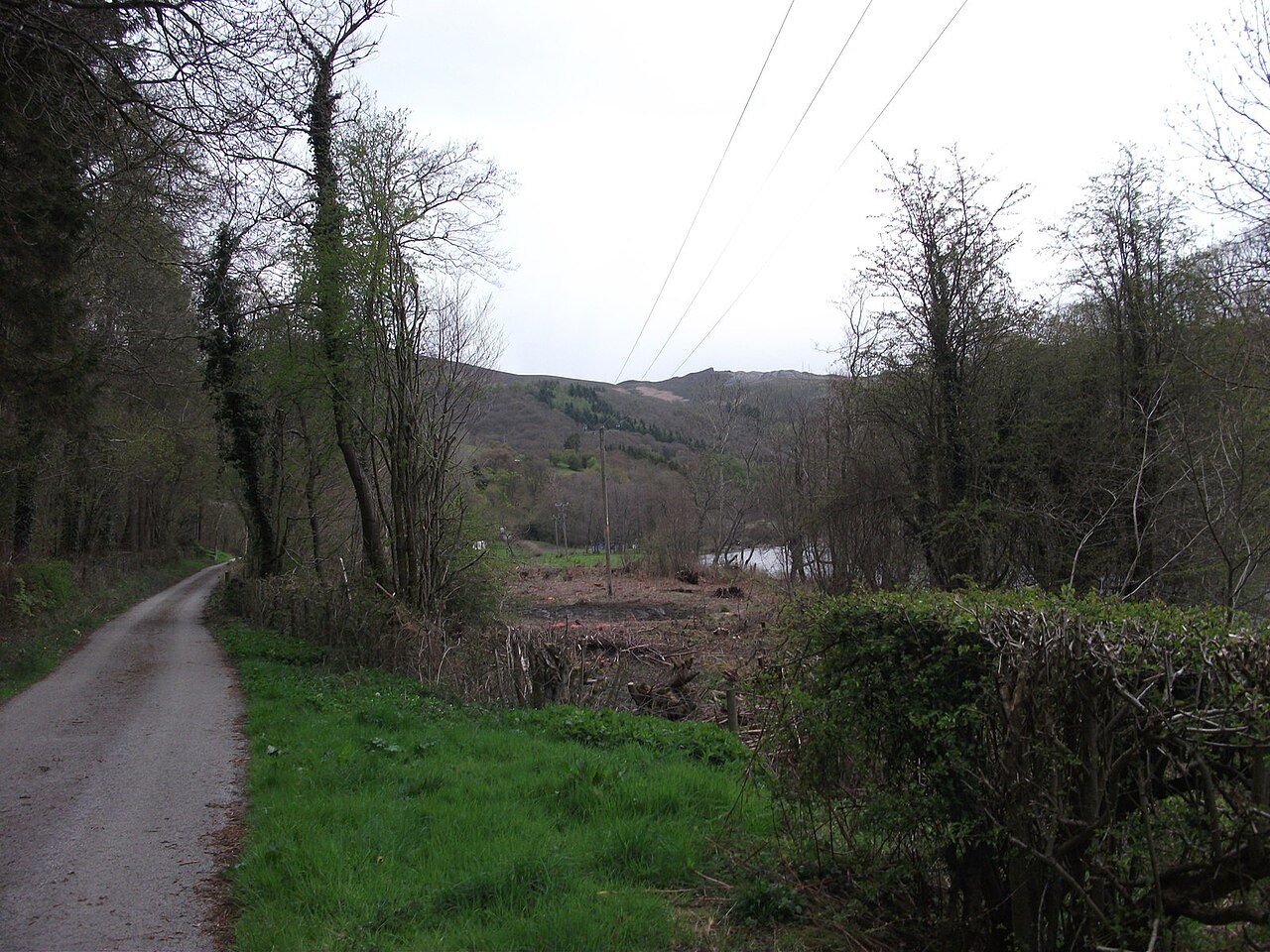
Before anything else, look above and through the crown for overhead lines. That includes the service drop running from the pole to your house.
This is the one check that overrides everything else. University of Maryland Extension says pruning large trees and any tree work near power lines is dangerous and should be done by a licensed tree expert or certified arborist.
The Sacramento Municipal Utility District, for example, asks customers to observe a 10-foot rule. If a tree you want to prune is within 10 feet of a high-voltage line, call the utility before you start. Rules vary by utility and state, so check with yours.
Don’t touch a branch that’s resting on a wire, and don’t use a pole saw or ladder anywhere near one. Electricity can arc through branches and tools.
Check 2: Map What’s Under the Branch
Stand under each branch you want to remove and look at what it would hit if it fell. This is the “target” in arborist terms.
The International Society of Arboriculture (ISA) points out that you can’t move a house or a power line. You can move picnic tables, cars, and other targets out of the way. If the target can’t move and the limb is heavy, the job needs controlled rigging, which is professional work.
- Lawn or open bed below: lower risk for small limbs.
- Fence, shed, or deck below: moderate risk. Small limbs only.
- Roof, gutters, car, or street below: hire an arborist.
Check 3: Measure the Branches
Branch size changes the job. University of Maryland Extension says branches over about 1½ inches in diameter need a three-cut method. It prevents the weight of the branch from tearing it off partway through the cut and ripping bark down the trunk.
A branch of that size held above your head is heavy and unpredictable. If you can’t cut it from the ground with the limb falling into open space, it’s time to call someone.
For the three-cut method and good cut placement in general, see our guide to pruning trees and shrubs.
Check 4: Inspect the Tree’s Health
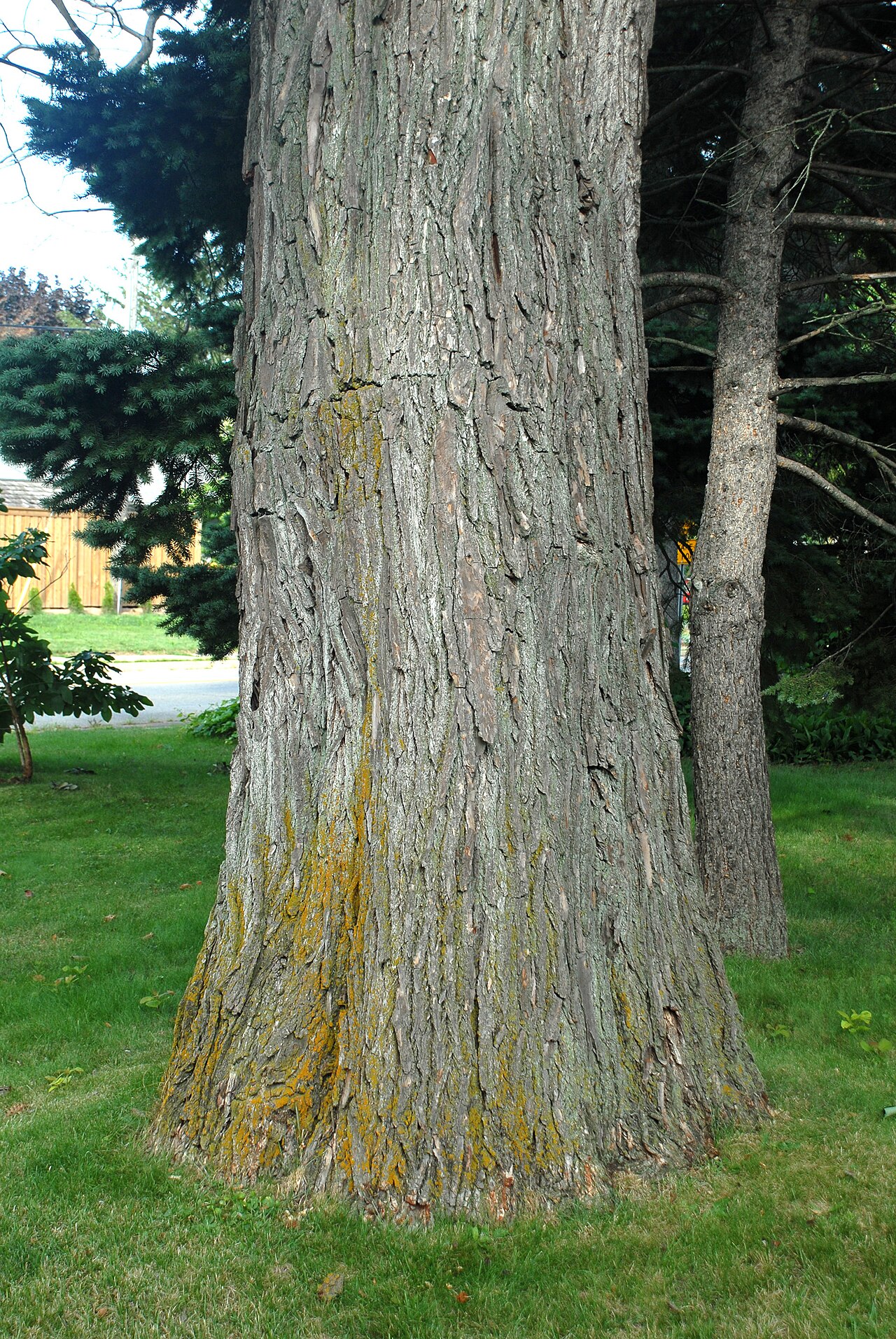
Walk around the trunk and look up into the crown. Note dead branches, cracks, cavities, fungal growth, and sections of loose bark.
The ISA notes that older, larger trees are more likely to drop branches. It recommends a certified arborist for pruning defective branches, because inappropriate pruning can weaken a tree. For a tree near a house, an arborist qualified in tree risk assessment can tell you whether pruning, cabling, or removal makes the most sense.
In parts of the eastern US, sudden dieback on sassafras can also signal laurel wilt, a fatal disease spread by an invasive beetle. University of Kentucky Extension notes that infected sassafras typically die within months. A dead or dying tree next to a house is a job for a professional. Don’t move its wood, and contact your county Extension office if you suspect the disease.
Check 5: Decide What You’re Trying to Achieve
The ISA says no branch should be cut without a reason. Pin down your goal before you start, because it decides the technique.
- Clearance over a driveway or path: crown raising, removing lower limbs. UMD gives eight feet of clearance for foot traffic under lawn trees and 16 feet for trucks over streets. It advises keeping live branches on at least two-thirds of the tree’s height.
- Branches off the roof or siding: reduction cuts back to a side branch, not stubbing.
- Less shade or wind resistance: thinning. UMD advises removing no more than one-fourth of the living crown at one time.
- A smaller tree overall: reduction by an arborist, or replacing the tree. UMD suggests removal is often better than trying to shrink a tree that’s simply too big for the spot.
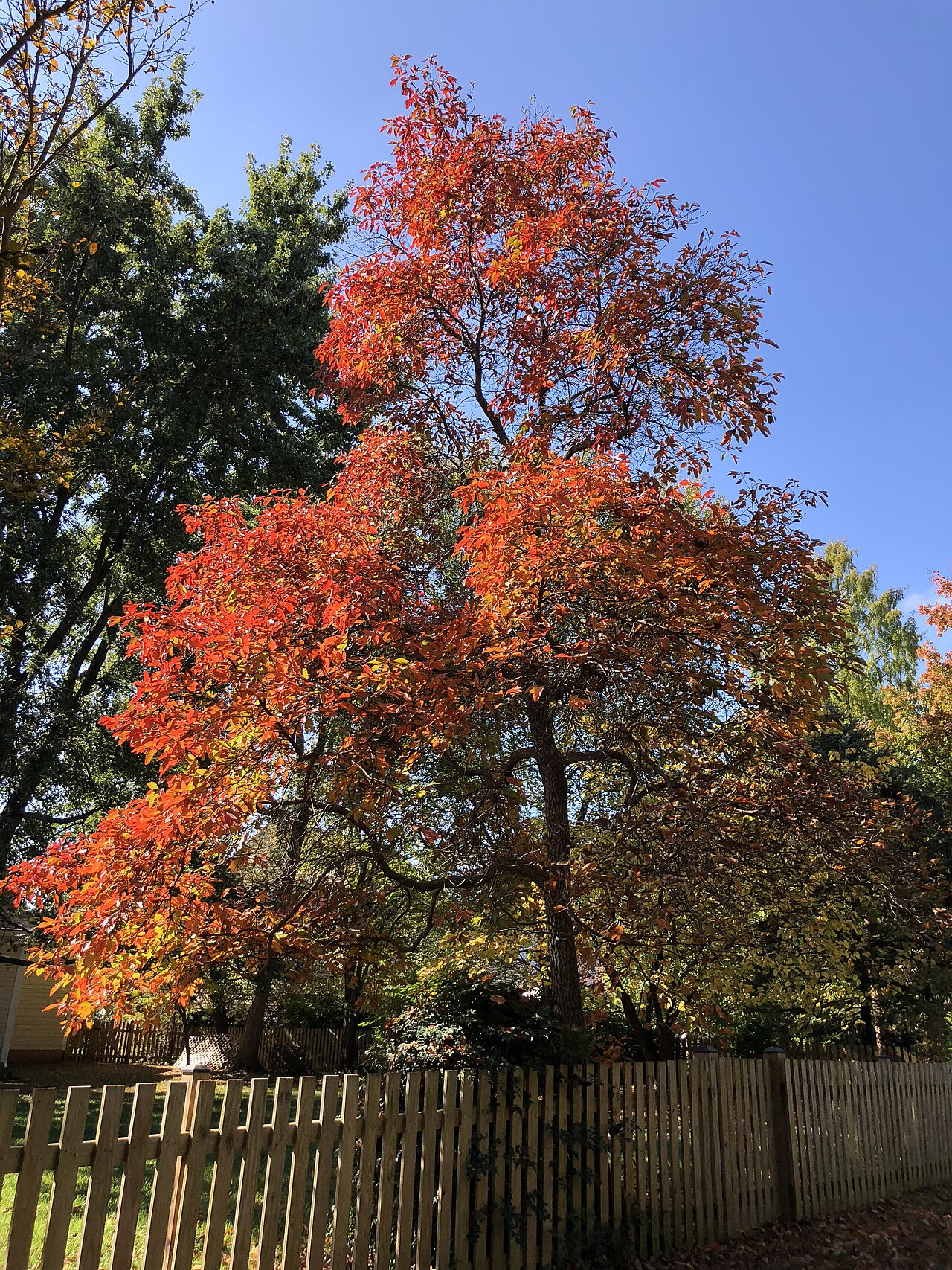
Never Top a Sassafras
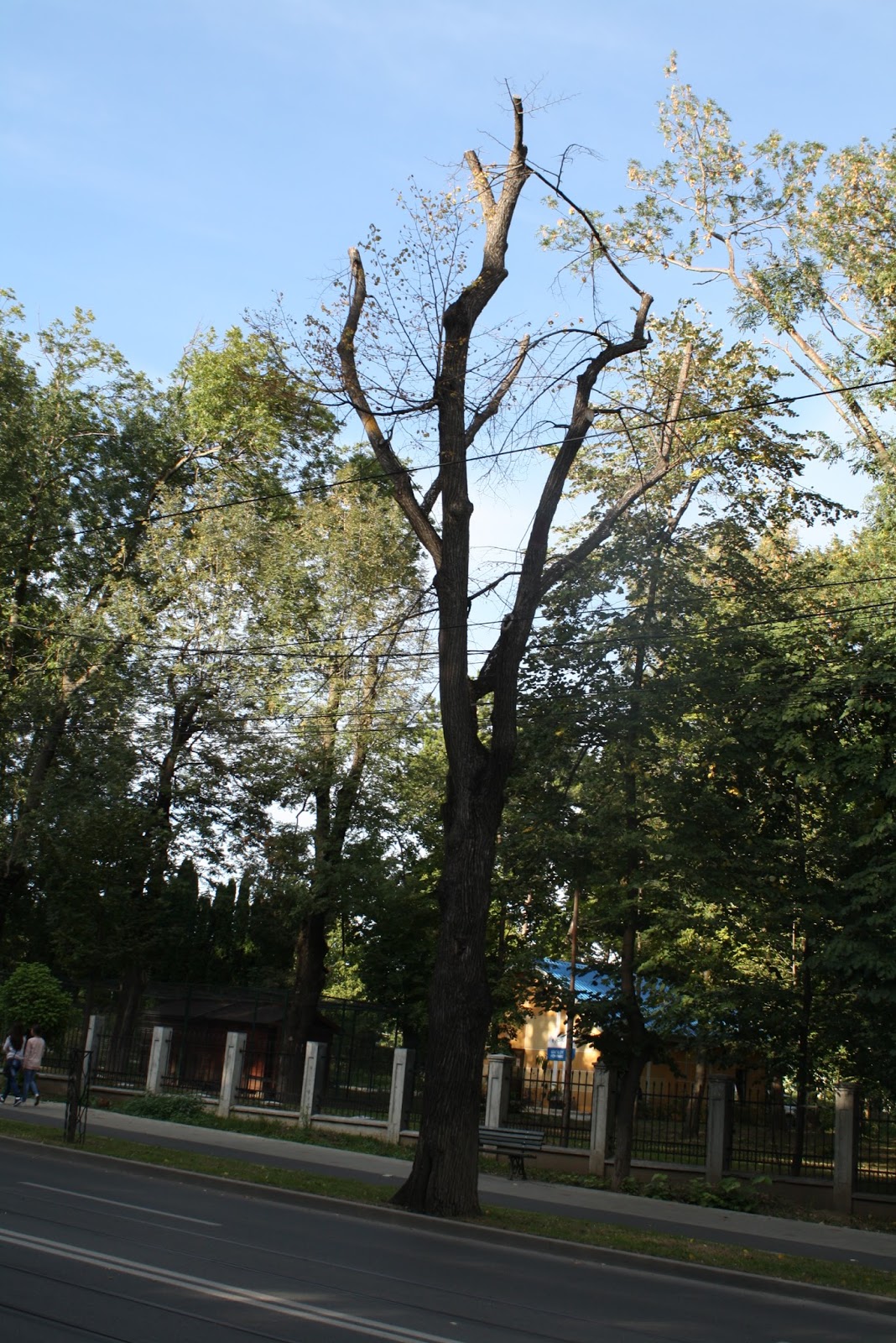
Cutting the top off a tree to make it shorter is called topping. The ISA calls it perhaps the most harmful tree pruning practice known. It leads to stress, decay, and unacceptable risk, and it destroys the tree’s natural form.
UMD adds that topping causes the growth of many weak shoots. These can break off as they get heavy, creating a new hazard. On a sassafras, which already sprouts readily after being cut back, topping is especially likely to produce a dense, weakly attached regrowth.
If a tree must be smaller, the ISA recommends reduction instead. That means cutting back to side branches at least one-third the diameter of the removed stem, so they can take over as leaders.
Troubleshooting at a Glance
| Branch touching or near a wire | Call the utility. Don’t approach it. |
| Limbs rubbing the roof or gutters | Arborist, using reduction cuts and rigging. |
| Low branches over a path | DIY if small. Raise the crown gradually over several years. |
| Sprouts after last year’s heavy cut | Thin them out slowly. Avoid another hard cut. |
| Dead wood over a structure | Arborist soon. Dead limbs can fall without warning. |
| Tree simply too big for the spot | Get an arborist’s opinion on removal and replacement. |
What You Can Safely Do Yourself
On a young sassafras, early pruning prevents most of the big problems later. The ISA notes that trees pruned for good structure while young need less corrective pruning as they mature.
- Remove dead, broken, and rubbing twigs any time, from the ground.
- Keep one main leader if you want a single-trunk tree. UMD advises removing one of two competing leaders to avoid weak structure.
- Raise the crown gradually. UMD suggests removing low temporary branches over several years, before they reach an inch in diameter.
- Cut just outside the branch collar, the swollen ring at the branch base. Don’t cut flush, and skip wound paint. UMD says dressings can slow wound closure.
- Remove suckers at the base if you want a single trunk. NC State notes they’ll need to be removed regularly.
For more on working with young trees, see pruning basics for small trees. Sassafras’s laurel-family relative gets the same selective treatment in our guide to pruning spicebush near a walkway.
Hiring the Right Arborist
The ISA’s consumer guide suggests these steps:
- Check for an ISA credential, such as ISA Certified Arborist. The ISA’s website has a tool to verify credentials.
- Ask for proof of insurance, and call the insurer to confirm it.
- Check local permits and licenses.
- Get more than one estimate and ask for references. Don’t automatically take the lowest bid.
- Be wary of door-to-door offers of cheap tree work.
- Get it in writing. Most reputable arborists use a written contract.
Tell the arborist your goal, that it’s a sassafras, and that you don’t want it topped. If you want to avoid a flush of sprouts, ask about spreading the work over more than one season.
A Season-by-Season Plan
- Late winter: the main pruning window. The ISA notes that growth and wound closure are maximized when pruning happens before the spring growth flush. Branch structure is also easiest to see without leaves.
- Spring: avoid heavy pruning of live wood just after leaf-out, which the ISA advises against, especially on weak trees.
- Summer: light cleanup of dead or broken twigs only. Watch for sudden wilting or early red leaves, which can signal stress or disease.
- Fall: note which branches touch the house when the leaves are off and the wind picks up. Book an arborist for winter work.
- After storms: stay away from broken limbs near wires or hanging over the roof. Call the utility or an arborist.
Planting a new sassafras instead? Give it room. Our guide to moving a young sassafras covers siting away from wires and foundations, and what to check if it droops after planting.
📋 More on this plant: read the full Sassafras (Sassafras albidum) profile, or see it in our native plant lists for New York, Pennsylvania & Northern New Jersey, Delaware, Southern New Jersey & Long Island, Maryland, Virginia & West Virginia, North Carolina & South Carolina, and Arkansas, Louisiana, Eastern Oklahoma & Eastern Texas.
Frequently Asked Questions
When is the best time to prune sassafras?
Late winter, before spring growth begins, for most work. The ISA notes that light removal of dead or broken branches can be done any time of year.
Can I cut back a sassafras that’s too tall?
Don’t top it. Topping causes weak, crowded regrowth and decay. An arborist can reduce height by cutting back to suitable side branches, or advise whether removal and replanting is the better option.
Will pruning make my sassafras sucker more?
It can. The USDA Forest Service notes that sassafras sprouts vigorously after its top is killed, and sprouting is a common stress response. Light, gradual pruning is the safer approach near lawns and patios.
Can I trim branches near the power line myself?
No. Contact your electric utility. Utilities such as SMUD ask customers to call before pruning any tree within 10 feet of a high-voltage line.
How do I know if an arborist is qualified?
Look for an ISA credential you can verify online, proof of insurance, local licenses where required, references, and a written contract.
Sources
- University of Maryland Extension, Pruning Trees in the Home Landscape: when to hire a professional, three-cut method, crown raising clearances, one-fourth rule, topping, branch collar and wound dressings.
- International Society of Arboriculture, Pruning Your Trees, Managing Hazards and Risk and Why Hire an Arborist: timing, reduction vs. topping, targets, and selecting an arborist.
- Sacramento Municipal Utility District, Protecting trees and power lines: the 10-foot rule for pruning near high-voltage lines.
- North Carolina Extension Gardener Plant Toolbox, Sassafras albidum: mature size and sucker removal.
- The Morton Arboretum, Sassafras: typical landscape size.
- USDA Forest Service, Fire Effects Information System, Sassafras albidum: vigorous sprouting after top-kill.
- University of Georgia CAES, Prevent root suckers: sprouting as a response to wounding and stress.
- University of Kentucky Entomology, Laurel Wilt Disease & Redbay Ambrosia Beetle: rapid decline of infected sassafras.