Milkweed Seedlings Stretching Indoors: Light and Transplant Readiness
Last updated: November 6, 2026
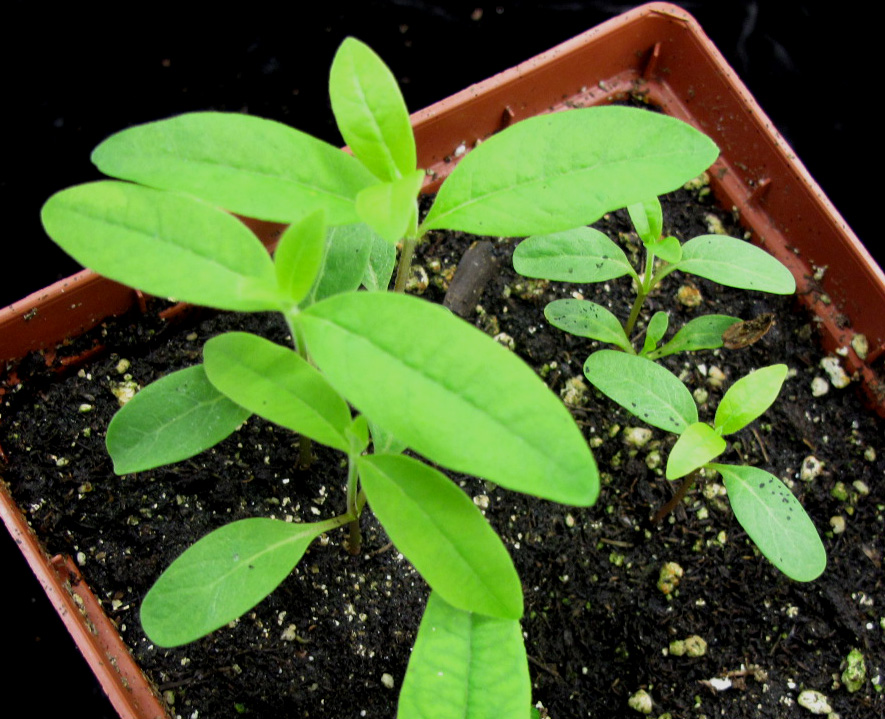
Your milkweed seeds came up, which is a win on its own. But a week or two later, the seedlings are tall, pale, and thin, and some are starting to flop over the edge of the tray.
Stretched seedlings are one of the most common problems with indoor seed starting, and milkweed is no exception. The good news is that the cause is usually simple, and many stretched seedlings can still become healthy garden plants.
This guide explains why milkweed seedlings stretch, how to fix your setup, and how to tell when they’re actually ready to go outside.
The Short Answer
Milkweed seedlings stretch mainly because they don’t get enough light. Common contributing factors:
- A windowsill instead of a light fixture.
- Lights hung too high above the seedlings.
- Too few hours of light per day.
- Crowded seedlings shading each other.
- Seedlings kept indoors too long in small cells.
Fix the light first, give them more room, and harden them off gradually before planting.
Why Milkweed Seedlings Stretch
A seedling that doesn’t get enough light puts its energy into growing taller, reaching toward whatever light it can find. The stem lengthens, gets thinner, and turns pale, while the leaves stay small.
University of Minnesota Extension puts it plainly: lack of light is the major cause of elongated, skinny stems. It also warns that windowsill-grown seedlings tend to be too tall, with thin, bent stems.
Even a bright window delivers far less light than you’d think, especially on cloudy late-winter days. Light from a fixture kept close to the plants is much stronger.
Indoor Setup at a Glance
| Light source | Fluorescent or LED fixtures, not a windowsill alone. |
| Light height | No more than about 4 inches above the seedlings, 2 inches is ideal (for typical fluorescent setups). |
| Day length | 12 to 16 hours on a timer, with a dark period each night. |
| Temperature | Around 65–75°F for milkweed seedling trays. |
| Moisture | Moist, but not wet. Drain standing water from trays. |
The light and day-length figures come from University of Minnesota Extension’s general seed-starting guidance. The temperature range and the “moist, but not wet” rule come from a USDA Forest Service paper on propagating native milkweeds.
Check 1: Measure the Distance to Your Lights
Take a ruler to the tray. Measure from the tops of the seedlings to the bulbs or LED panel.
For standard fluorescent shop lights, UMN Extension recommends keeping lights no more than 4 inches above seedlings, with 2 inches as ideal. Hanging fixtures from chains makes it easy to raise them as plants grow.
LED grow lights vary a lot in strength, so follow the maker’s recommended hanging height. If your seedlings are stretching under an LED, though, that’s a strong hint that it’s too far away or too weak for the job. Our roundup of grow lights for seed starting compares options if you need an upgrade.
Check 2: Count the Hours of Light
Seedlings need a long day. UMN Extension recommends 12 to 16 hours of light daily, but not around the clock, since many plants need a dark period each night.
Plug your lights into an inexpensive timer so the schedule stays consistent. If you’ve been switching lights on and off by hand, your seedlings may be getting far fewer hours than you think.
Check 3: Look at Spacing and Crowding
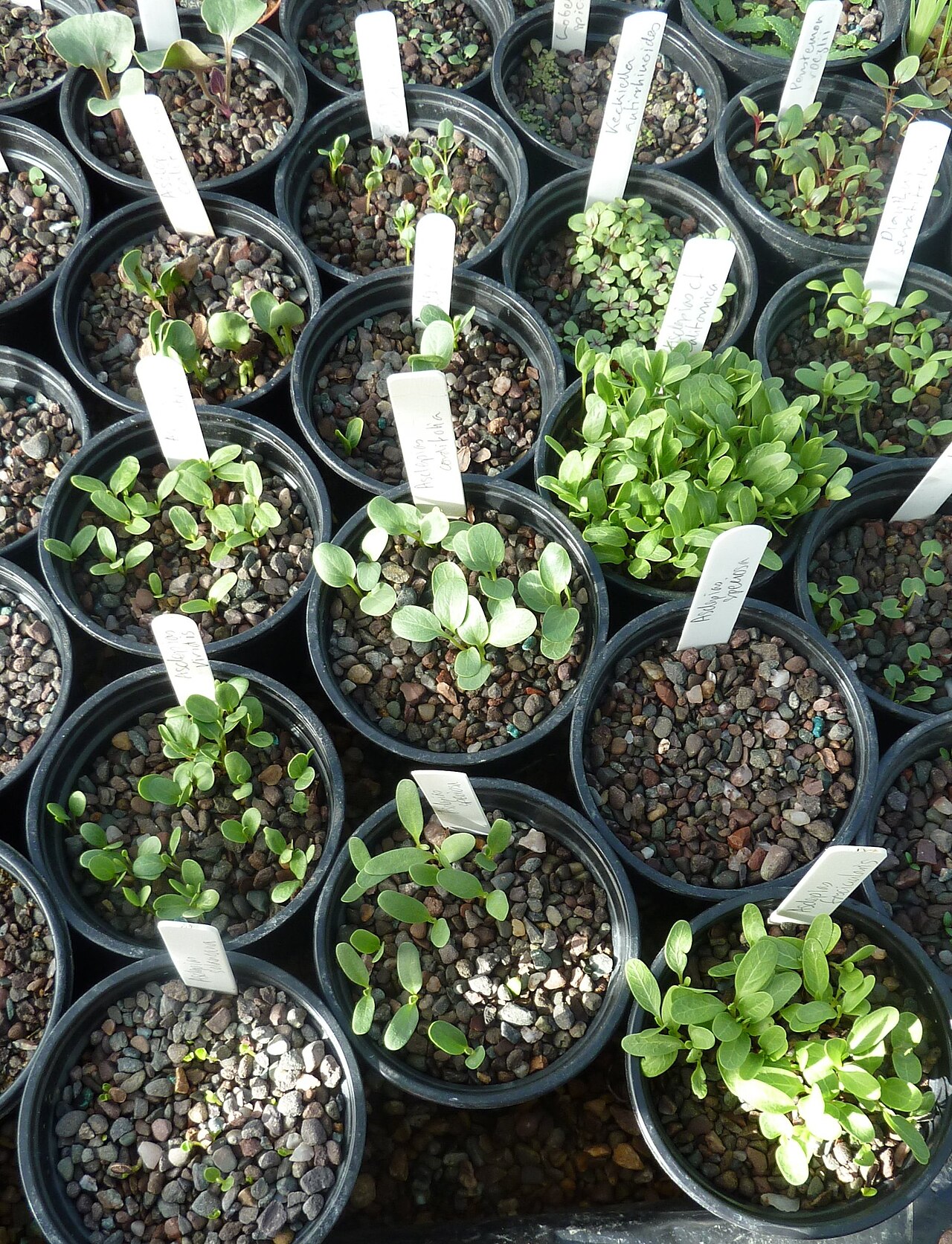
Milkweed seeds are often sown thickly to make up for patchy germination. When too many come up together, they shade each other and compete for light, which makes stretching worse.
- Several seedlings per cell: snip the extras at soil level with small scissors. Pulling them can damage the roots of the one you keep.
- Seedlings in a shared tray: move them into individual containers once they have true leaves (see Check 5).
- Trays packed edge to edge: spread them out so light reaches the outer rows too.
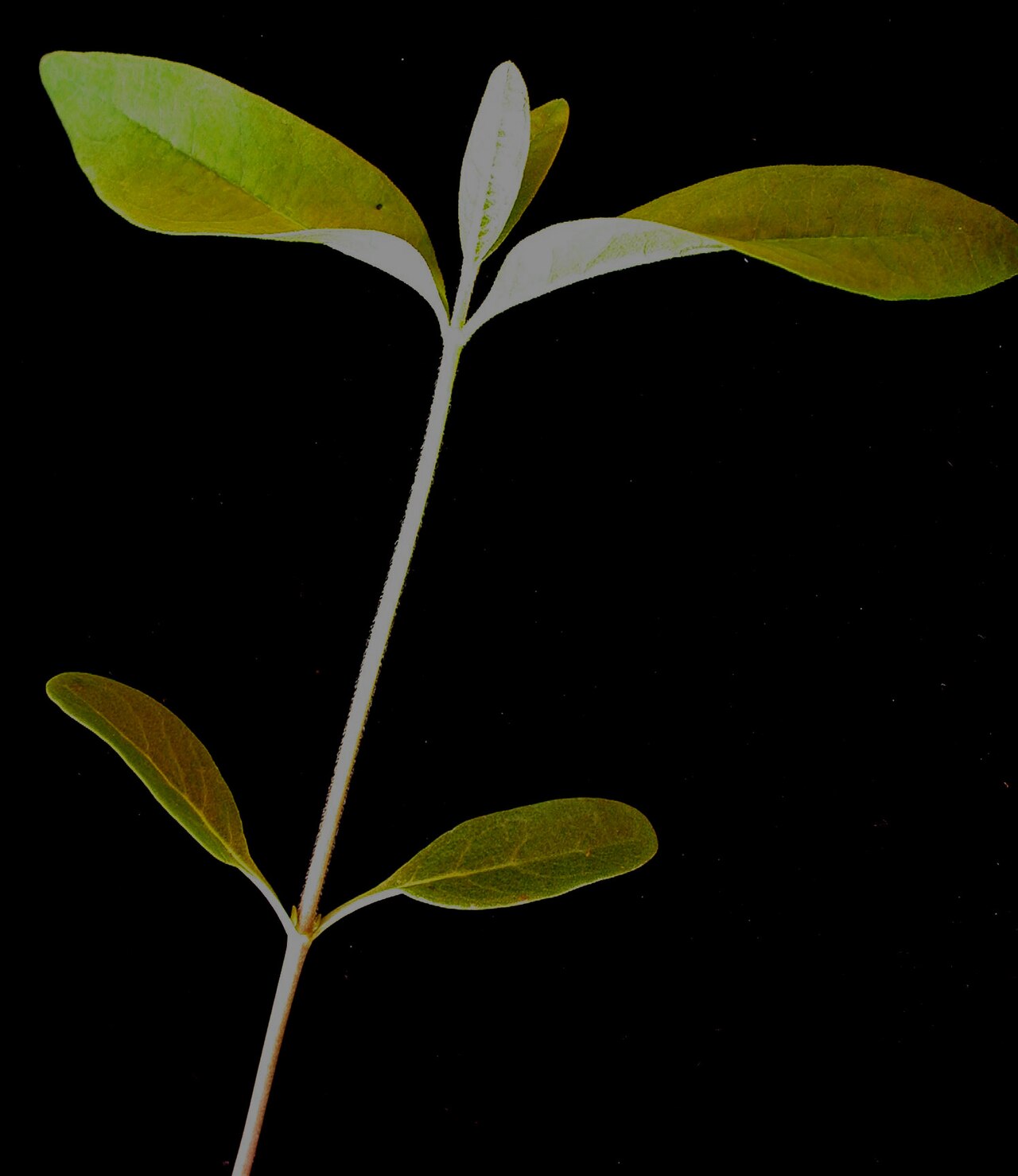
Check 4: Judge How Bad the Stretch Is
Not every tall seedling is a lost cause. Look at each one and sort them into three groups.
- Mild stretch: a bit tall, but the stem holds the plant upright and the leaves are green. Fix the light and these usually firm up.
- Moderate stretch: the stem leans or bends, but the plant is green and putting out true leaves. Fix the light, give it room, and handle it carefully when potting up.
- Severe stretch: a long, pale, thread-thin stem that can’t hold the seed leaves up. These rarely recover well. If you have healthier seedlings, compost these and keep the best.
Stretched stems don’t shrink back. What changes after you fix the light is the new growth above them, which comes in shorter and sturdier.
Check 5: Decide Whether to Pot Up
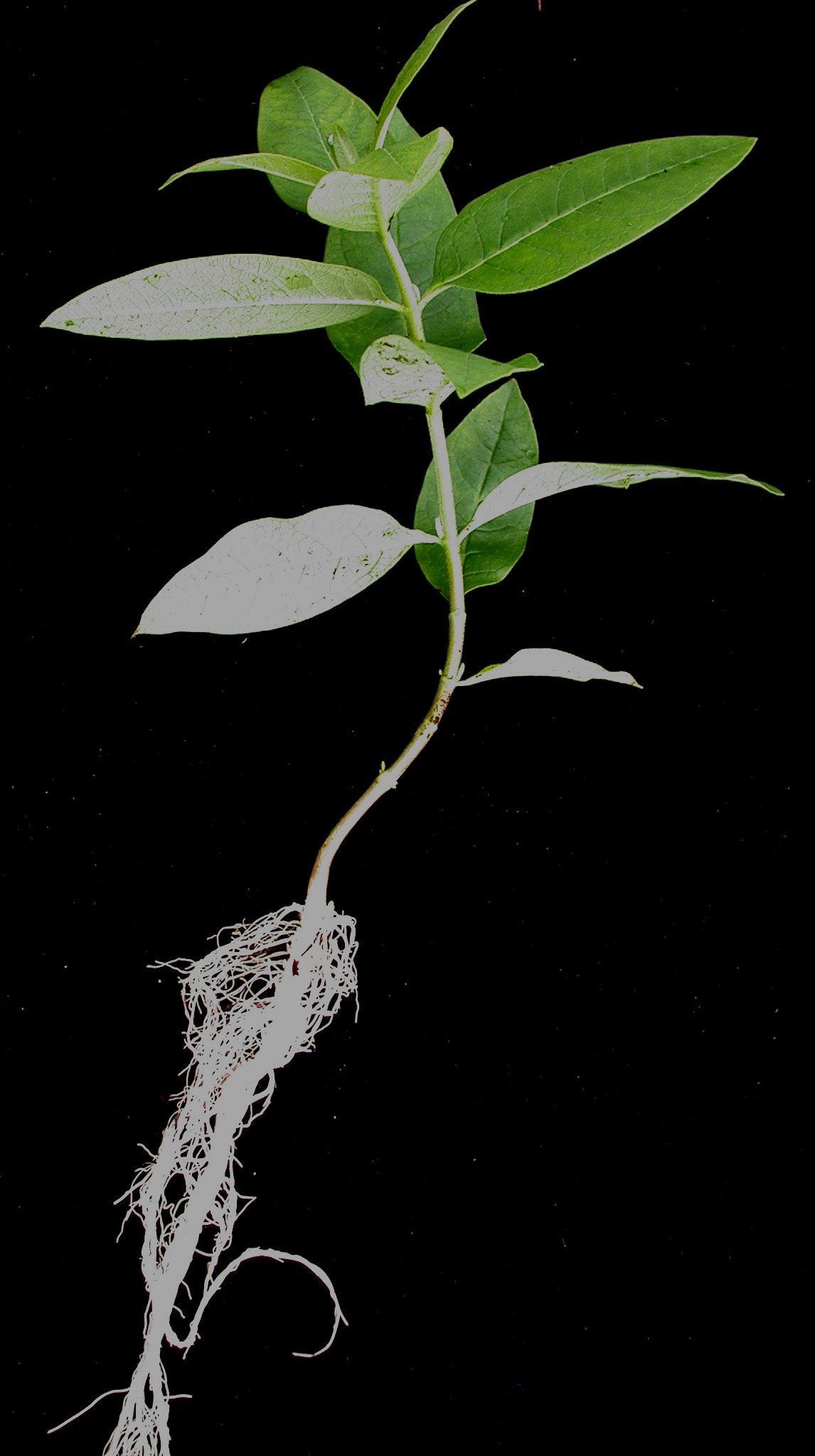
Milkweed seedlings shouldn’t sit in tiny cells for long. Milkweeds tend to form a main root with relatively few fine roots, and a USDA Forest Service paper on milkweed propagation notes that their root plugs often fall apart during transplanting.
That paper recommends moving seedlings from germination trays into larger containers once they have at least one set of true leaves. UMN Extension suggests containers 1 to 2 inches wider than the cell packs.
When you pot up, hold each seedling by a leaf, never the stem. A stretched stem is easy to crush. Keep as much of the root ball together as you can, and firm the mix gently around it.
Check 6: Review Water and Fertilizer
Too little light is the main driver of stretching, but care habits matter too.
Keep the mix evenly moist and drain any water left sitting in the tray. Soggy mix favors damping off, the seedling-killing disease that strikes at the soil line.
Go easy on fertilizer. UMN Extension notes seedlings don’t need it until they have several sets of true leaves. After that, a weak general-purpose fertilizer at quarter strength once a week is plenty for seedlings in soilless mix.
Troubleshooting at a Glance
| Seedlings lean toward a window | Not enough light. Move them under a fixture. |
| Tall and pale under lights | Lights too high or too weak. Lower them toward 2–4 inches. |
| Fine at first, stretched later | Lights weren’t raised with the plants, or seedlings are crowding. Adjust and space out. |
| Several seedlings per cell | Thin to one by snipping at soil level. |
| Stems collapse at the soil line | Likely damping off. Reduce watering and improve drainage. |
| Roots circling a small cell | Pot up now, or plant out if the weather and hardening off allow. |
Are They Ready to Transplant Outside?
Run through this checklist before any seedling leaves the house.
- True leaves: at least one or two pairs, not just the oval seed leaves.
- A root ball that holds together when you ease it out of the pot. If it crumbles, give it more time in a larger container.
- Sturdy new growth since you fixed the lights.
- Weather: past your last frost date, with warm days ahead.
- Hardening off: completed over about two weeks.
Hardening off is the step most people skip. UMN Extension explains that seedlings raised indoors have never felt full sun, wind, or temperature swings, and can scorch, wilt, or die if moved out abruptly.
Start about two weeks before planting. Set seedlings outside for a few hours in afternoon shade, sheltered from wind, and bring them in before temperatures drop at night. Each day, leave them out a little longer and give them a little more direct sun.
Plant out on a cloudy day or in late afternoon. Set each plant at the same depth it grew in its pot, water it in well, and expect a little wilting in the first day or two of full sun. Young plants can attract egg-laying monarchs quickly, and our guide to identifying what’s eating milkweed leaves helps you tell caterpillars apart.
Choose the site for the species. Butterfly weed wants sun and well-drained soil. Swamp milkweed wants sun and moist ground. Common milkweed needs full sun and room to spread, so read our common milkweed boundary guide before planting it near other beds.
A Week-by-Week Plan for Next Time
- Before sowing: cold-stratify seeds of species that need it. Our guide on planting milkweed seeds explains how.
- Sowing day: set lights on a timer for 12 to 16 hours and hang them low before the first sprout appears.
- First week after germination: raise lights as seedlings grow, keeping the gap small. Thin to one seedling per cell.
- First true leaves: pot up into larger containers with a stable root ball.
- Two weeks before planting: start hardening off.
- After last frost: plant out on a mild, cloudy day and keep the soil moist while roots establish.
Some gardeners skip indoor starts entirely and sow outdoors in fall so winter handles stratification. Our overview of propagating milkweed covers that method, and if a planted-out seedling later wilts in a damp bed, see swamp milkweed wilting in damp soil. If one doesn’t reappear the following spring, our guide to milkweed not returning in spring explains what to check.
📋 Find a milkweed for your region: see milkweeds in our native plant lists for Illinois, Iowa & Missouri and New Hampshire, Maine & Vermont, or browse the profiles linked above.
Frequently Asked Questions
Can leggy milkweed seedlings recover?
Mildly and moderately stretched seedlings often do once they get enough light. The stretched part of the stem stays long, but new growth comes in sturdier. Very thin, pale seedlings that can’t hold themselves up rarely recover well.
How far should grow lights be from milkweed seedlings?
For standard fluorescent fixtures, UMN Extension recommends no more than 4 inches above the seedlings, with 2 inches ideal. For LED fixtures, follow the manufacturer’s guidance and lower them if seedlings stretch.
How many hours of light do milkweed seedlings need?
General seed-starting guidance calls for 12 to 16 hours a day, with a dark period at night. A timer makes this easy.
When should I transplant milkweed seedlings outdoors?
After your last frost, once they have true leaves, a root ball that holds together, and about two weeks of hardening off.
Why do my milkweed seedlings fall over at the base?
Seedlings that collapse at the soil line may have damping off, a disease favored by soggy mix. Severely stretched stems can also simply be too weak to stand. Check moisture first, then light.
Sources
- University of Minnesota Extension, Starting seeds indoors: light distance and hours, windowsill seedlings, damping off, fertilizing, potting up, and hardening off.
- Landis, T.D. and Dumroese, R.K., USDA Forest Service, Propagating Native Milkweeds for Restoring Monarch Butterfly Habitat: tray temperature and moisture, pricking out at the first true leaves, and fragile root plugs.
- North Carolina Extension Gardener Plant Toolbox, Asclepias tuberosa: taproot and site needs.
- Wikipedia, Asclepias syriaca: growth habit and propagation.