Swamp Milkweed Wilting in Damp Soil: Checking Drainage and Roots
Last updated: November 6, 2026
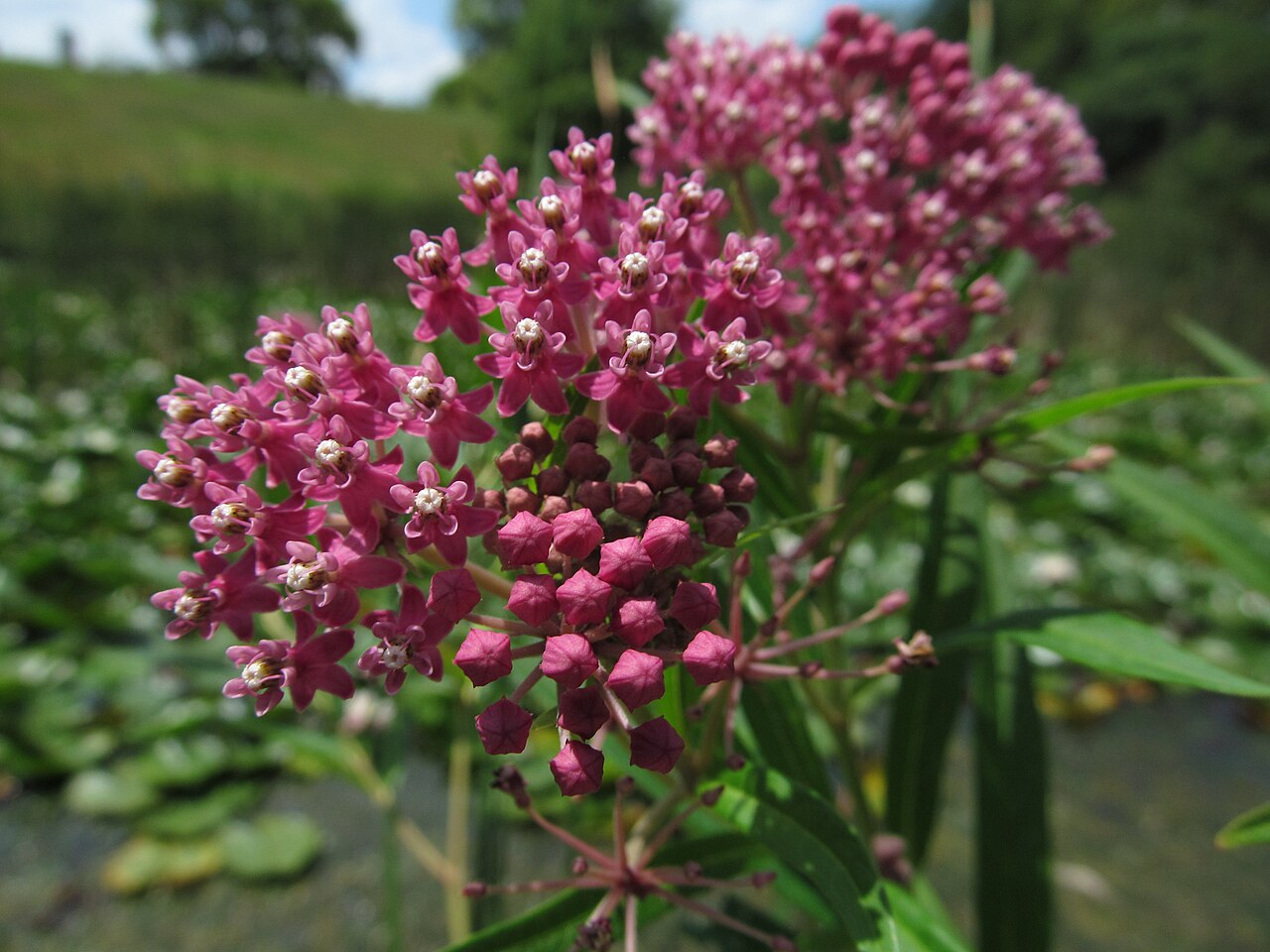
You chose swamp milkweed because your yard has a damp spot. Now the plant is drooping, even though the soil never seems to dry out.
That feels backwards. A plant with “swamp” in its name shouldn’t wilt in wet ground, and in many cases the wet ground isn’t the real cause.
This guide walks you through what to check, starting with the easy look-and-feel tests and ending at the roots. Most of the checks take a trowel and a few minutes.
The Short Answer
Swamp milkweed (Asclepias incarnata) tolerates wet soil well. When it wilts in a damp bed, the usual causes are:
- Normal midday heat wilt that recovers by evening.
- Soil that is wet on top but dry where the roots are, or the reverse.
- Stagnant, airless soil where water sits for long stretches, which favors root rot.
- Root or crown rot, shown by soft, brown roots and a darkened stem base.
- A recent transplant, a plant buried under deep mulch, or simply an older plant reaching the end of its run.
Why a Wetland Plant Can Still Wilt
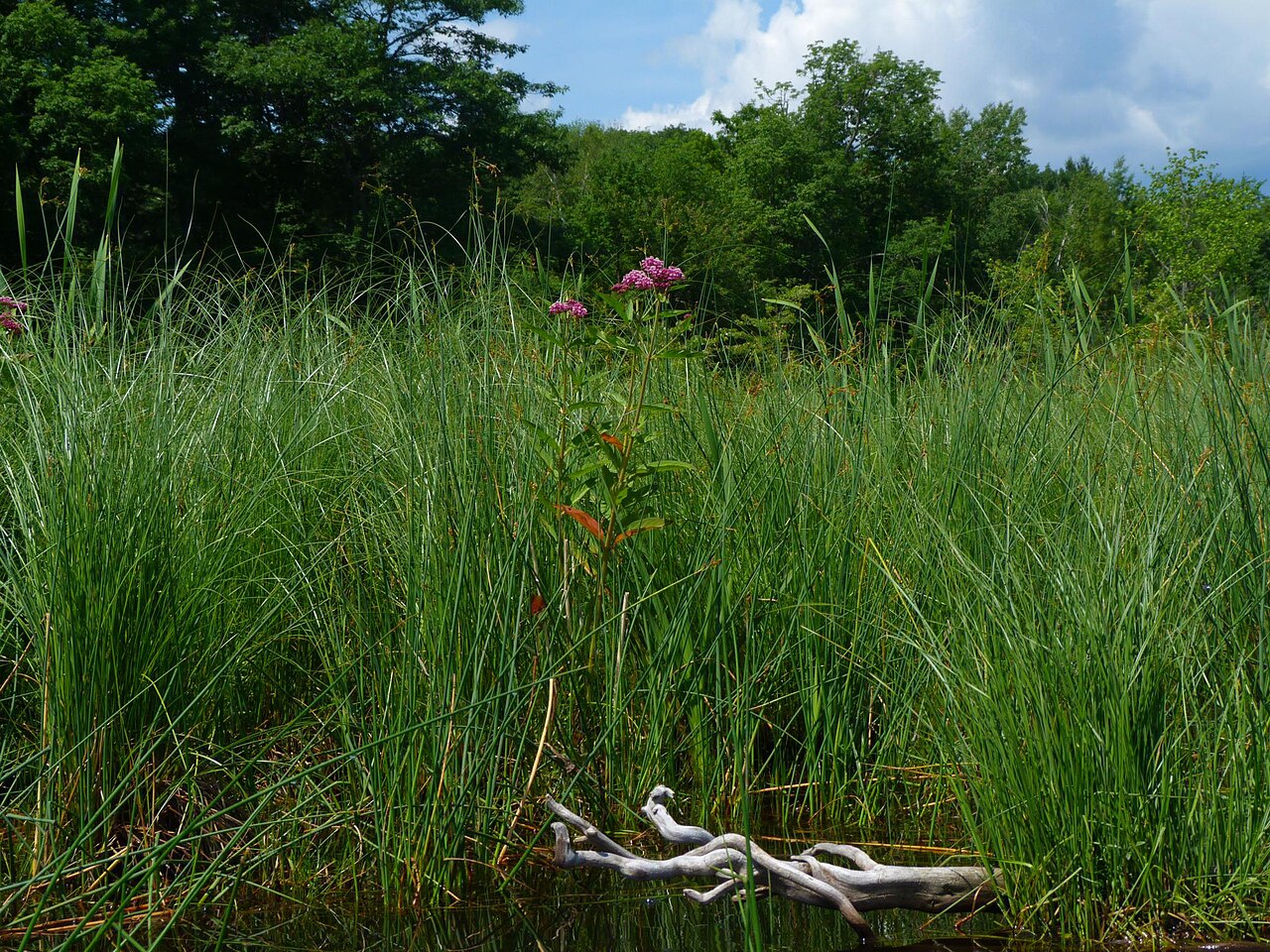
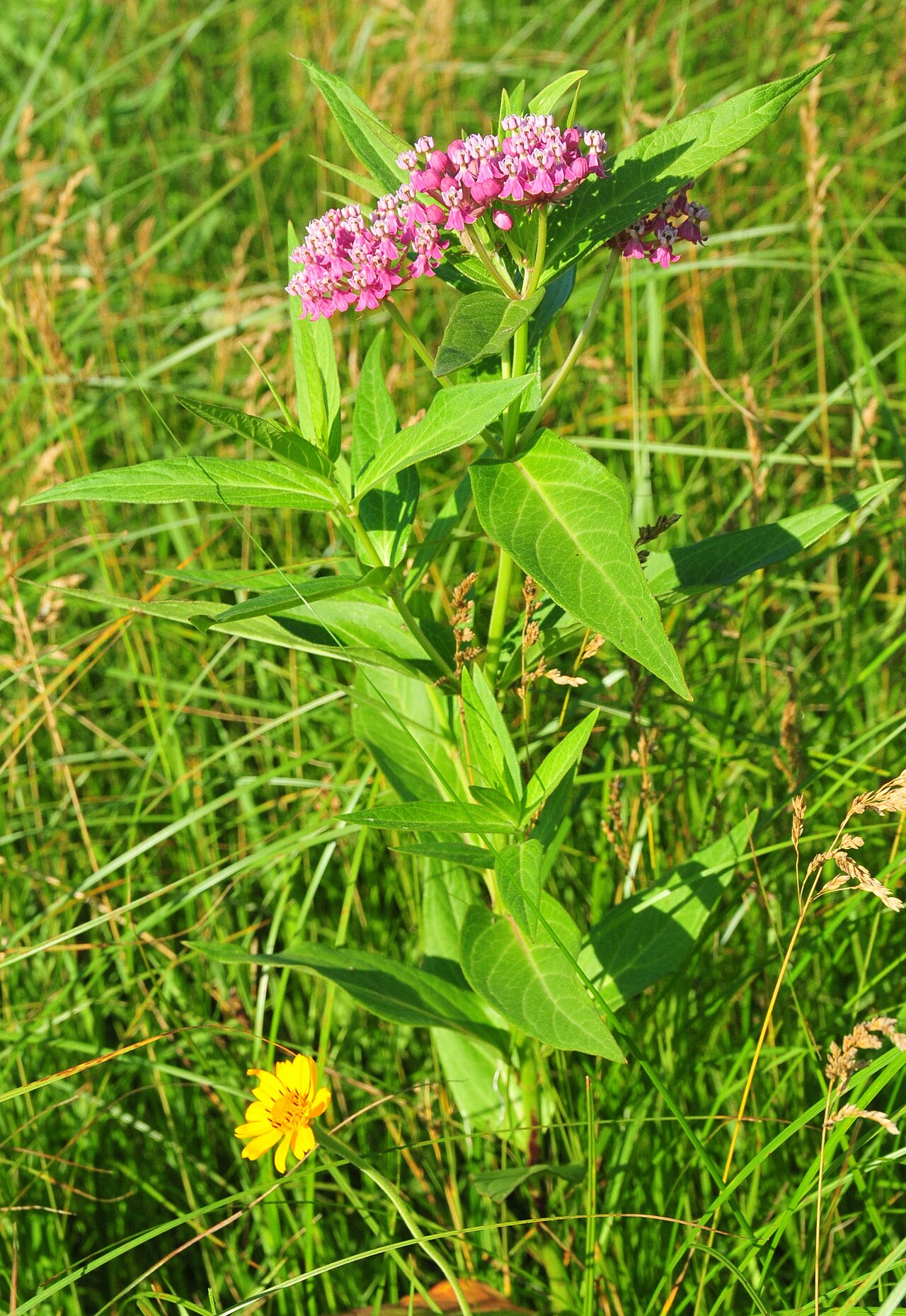
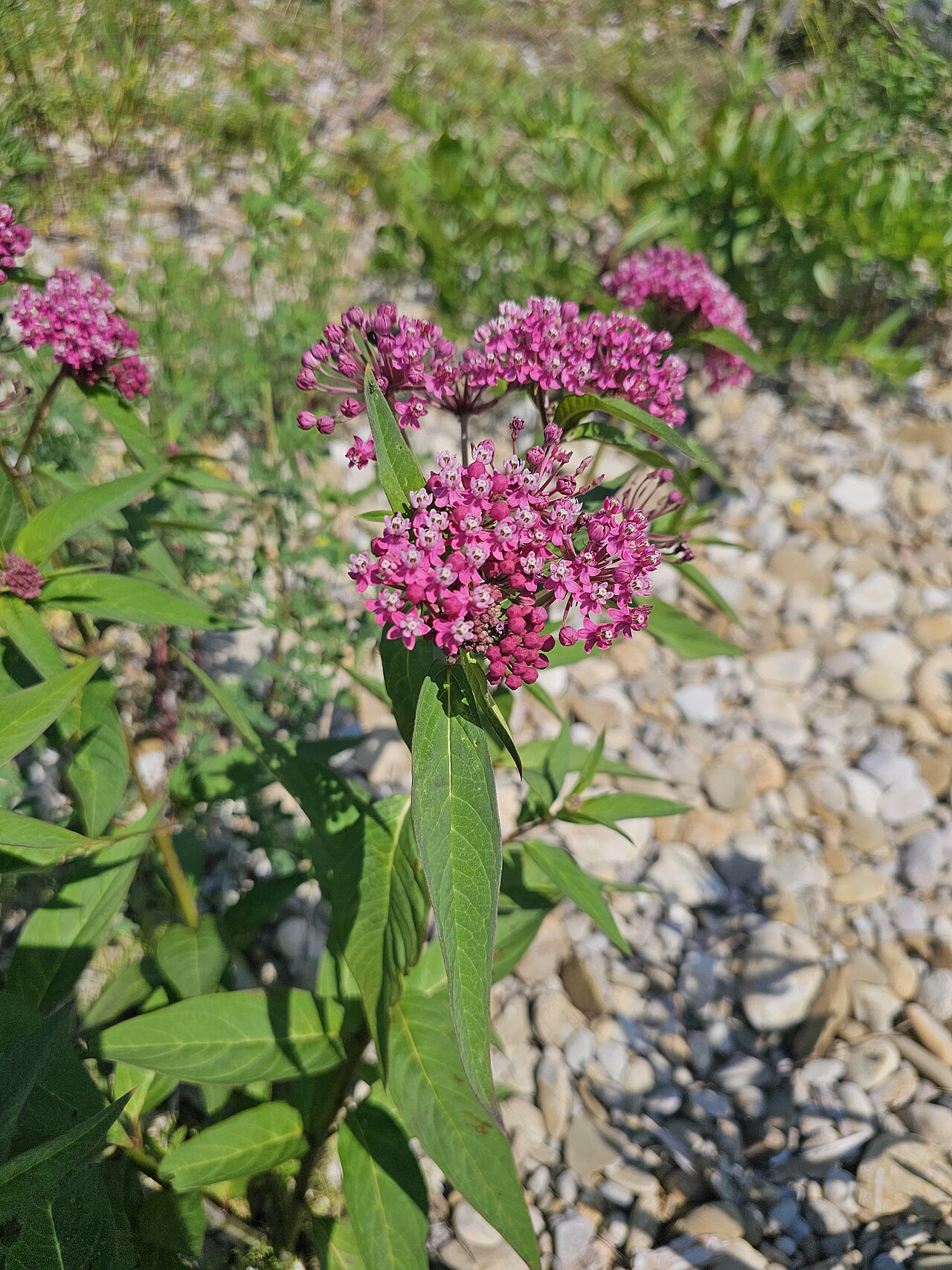
In the wild, swamp milkweed grows on the margins of ponds, lakes, streams, marshes, and floodplains. The Lady Bird Johnson Wildflower Center calls it one of the few ornamentals that thrives in mucky clay.
Its secret is underground. The plant grows from thick, fleshy white roots that are specialized to keep working in heavy, wet soils that are low in oxygen.
Low oxygen is not the same as no oxygen, though. Shorelines and wet meadows rise and fall with the seasons, and water moves through them. A clay pocket where runoff collects and sits, with no outlet, can stay saturated and airless far longer than the plant’s native margins do.
Those conditions also suit the water molds and fungi that cause root rot. University of Wisconsin plant pathologists note that the most common culprits, Phytophthora and Pythium, prefer wet soils and can persist in the ground for years.
Damp vs. Waterlogged: A Quick Guide
| Moist to wet, drains slowly | Ideal. This is the pond-edge and wet-meadow soil the species is known for. |
| Seasonally flooded, then drains | Usually fine. It matches the floodplains and margins where the plant grows wild. |
| Stagnant, sour-smelling, never drains | Risky. Roots can suffocate and rot organisms thrive. |
| Wet surface, dry below | A drought problem in disguise. Common under mulch or after brief showers. |
Check 1: Note When the Wilting Happens
Before you dig anything, watch the plant at three times of day: early morning, mid-afternoon, and evening.
Many perennials droop on hot, bright afternoons because their leaves lose water faster than the roots can replace it. If the stems stand up again by evening and look fresh the next morning, that’s ordinary heat wilt.
- Droops at midday, recovers by evening: normal. Keep the soil moist and keep watching.
- Droops all day, even in the morning: the roots aren’t supplying water. Go to Checks 2 through 4.
- Only one or two stems wilt: look at those stems closely for damage at the base (Check 4).
Check 2: Feel the Soil Where the Roots Are
The surface can fool you. A shower or a sprinkler wets the top inch, while the root zone a few inches down stays dry.
Push a trowel in about 6 inches deep, a short distance from the stems so you don’t slice the crown. Pull the soil back and squeeze a handful.
- Dry and crumbly below a damp surface: the plant is thirsty. The USDA Forest Service notes swamp milkweed does well in average garden soil as long as it doesn’t dry out completely, especially in spring.
- Cool, moist, and holds together loosely: moisture is fine. Move on.
- Dripping, gray or blue-gray, with a sour or rotten-egg smell: the soil is waterlogged and short on oxygen. Go to Check 3.
While you’re down there, measure the mulch. Wisconsin Extension recommends no more than about three inches in flower beds, because deeper layers can keep soil overly wet and favor root rot. Pull back anything piled against the stems.
Check 3: Watch How Water Moves
Swamp milkweed tolerates wet. What you’re looking for is water that arrives and never leaves.
After a soaking rain, walk out and look. Note where puddles form, how long they last, and whether a downspout, patio, or driveway is sending runoff into the bed.
For a closer look, dig a hole about a foot deep near the plant, fill it with water, and check it over the next day. Water that disappears steadily means the soil drains, even if slowly. Water still standing a day later points to compacted soil, a hardpan layer, or a low spot with no outlet.
Heavy clay isn’t automatically a problem for this plant, but compacted clay with no outlet can be. Our guide to improving clay soil covers ways to open it up over time.
Check 4: Look at the Stem Base and Roots
If the plant stays wilted around the clock, it’s time to look below ground. You don’t need to lift the whole clump.
Start at the soil line. A healthy stem base is firm and green to reddish. A stem that is dark, soft, or collapsing where it meets the soil suggests crown rot.
Then dig gently down one side of the clump and expose a few roots. Healthy swamp milkweed roots are thick, firm, and white. Wisconsin Extension describes rotted roots as soft and brown, and notes that affected plants are often stunted or wilted, sometimes with yellow or reddish leaves or dieback from the top down.
Root rots are hard to identify by eye, and several different organisms cause them. If you see soft brown roots, treat it as a drainage problem first. Leave fungicides alone unless a diagnostic lab or your county Extension office has identified the cause.
Check 5: Think About Age and History
A plant moved or planted this season is still growing new roots. Wilting during its first hot spell is common, and it usually improves as the root system catches up.
Age matters too. Monarch Watch notes that most swamp milkweed plants live two to five years in gardens, though some last much longer. It’s also an early-successional plant that tends to fade as surrounding vegetation thickens.
So a clump that thrived for four summers and is now declining may be reaching the end of a normal life. Crowding by taller, denser neighbors can speed that along.
Check 6: Rule Out Insects
Insects rarely cause true wilting on swamp milkweed, but they’re easy to spot and worth ruling out.
The Wildflower Center says swamp milkweed will inevitably have aphids, and that they aren’t a problem unless the plant looks sick. NC State Extension lists aphids, milkweed beetles, monarch caterpillars, and milkweed tussock moth caterpillars as common visitors that aren’t usually problematic.
Heavy colonies of bright yellow aphids on drooping shoot tips are worth a closer look. Caterpillars chew leaves rather than causing wilt. Before you treat anything, read our guide to organic pest control for milkweed, and keep in mind that any spray can harm monarch eggs and caterpillars on the same plant. To work out who’s actually on your plant, see our guide to identifying what’s eating milkweed leaves.
Troubleshooting at a Glance
| Droops in afternoon, fine by evening | Heat wilt. No action beyond keeping soil moist. |
| Damp surface, dry root zone | Underwatering. Soak deeply and thin heavy mulch. |
| Sour, gray, dripping soil | Stagnant water. Redirect runoff and improve the outlet. |
| Soft brown roots, dark stem base | Root or crown rot. Reduce soil moisture, remove dead stems, get a diagnosis before using any product. |
| Planted or moved this year | Transplant stress. Keep moist and wait. |
| Older clump, crowded by neighbors | Natural decline. Start replacement plants nearby. |
| Yellow aphids on drooping tips | Check plant vigor first. Rinse off heavy colonies if needed. |
What to Do Now
If the soil is dry at root depth: water slowly and deeply until the root zone is moist, then check again in a few days. Swamp milkweed isn’t drought tolerant, so in a dry summer a damp-looking bed may still need help.
If water is pooling and going stale: fix the water before you fix the plant. Redirect downspouts, break up compacted soil around the bed rather than right at the roots, and pull mulch back from the stems. If you’re starting over, our step-by-step guide to building a rain garden explains how to shape a depression that collects water and then drains.
If you found rot: cut out collapsed stems at the base and bag them. Wisconsin Extension advises against moving soil or plants out of an area with root rot, and suggests cleaning tools and boots afterward with a 10% bleach solution or 70% alcohol.
If you’re replanting: set the new plant at the edge of the wet zone, not in the lowest point. A spot that stays moist but doesn’t hold standing water through the growing season is ideal.
For a spot that holds water most of the summer, consider a plant that is more at home in standing water, such as northern blue flag iris, and move the milkweed upslope.
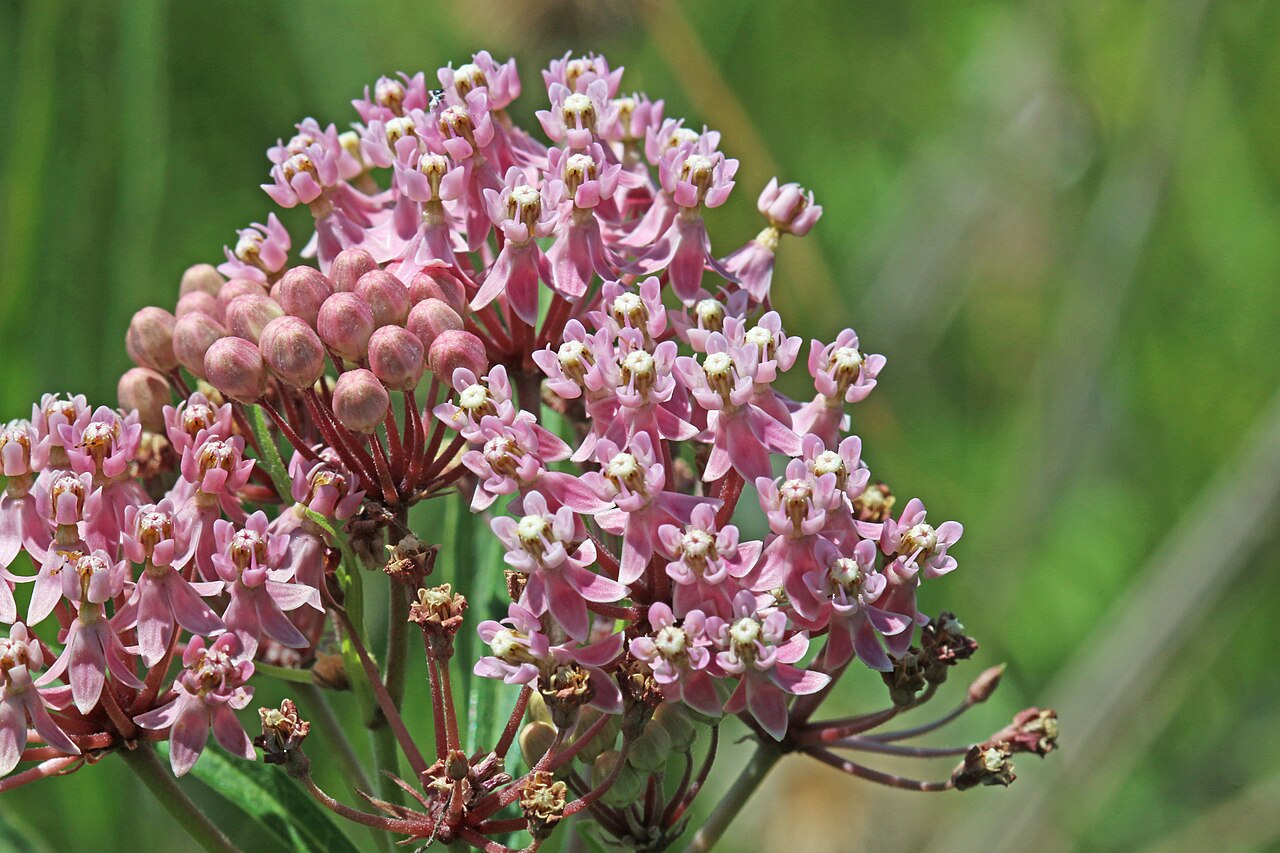
Because individual plants are fairly short-lived in gardens, it helps to keep a few young plants coming along nearby. Then the loss of one clump doesn’t leave a gap in your monarch habitat. Our guide to raising sturdy milkweed seedlings indoors covers starting replacements from seed.
If your “damp” spot turns out to be only seasonally moist and dries hard in late summer, a milkweed suited to well-drained soil may be a better fit. Butterfly weed prefers well-drained sites and full sun. Common milkweed also tolerates drier ground, but it spreads widely by roots, so read our common milkweed boundary guide before planting it in a small bed.
A Season-by-Season Plan
- Spring: be patient. Swamp milkweed emerges in late spring, after most other plants. Keep the soil from drying out while new shoots grow, and see milkweed not returning in spring before assuming a plant is lost.
- Early summer: check the root zone with a trowel after dry spells, and keep mulch at three inches or less.
- Midsummer: watch wilting across the day. Recovery by evening is normal, all-day drooping is not.
- After heavy rain: note where water stands and for how long. Plan drainage fixes for fall.
- Fall: regrade, redirect downspouts, or move plants once they go dormant. Leave some seed pods so new plants can replace aging ones.
Planting companions with similar needs helps too. Spotted Joe-Pye weed also likes moist, sunny ground, but give the milkweed enough elbow room that it isn’t shaded out.
📋 More on this plant: read the full Swamp Milkweed (Asclepias incarnata) profile, or find it in our native plant lists for Connecticut, Massachusetts & Rhode Island, Michigan, Wisconsin & Eastern Minnesota, the Dakotas & Western Minnesota, Nebraska, Kansas & Eastern Colorado, and Arkansas, Louisiana, Eastern Oklahoma & Eastern Texas.
Frequently Asked Questions
Can you overwater swamp milkweed?
It’s hard to overwater in the usual sense, because the plant thrives in moist to wet soil. Trouble comes when water sits stagnant with no drainage for long periods, which starves roots of oxygen and favors root rot.
Why is my swamp milkweed drooping after I planted it?
New plants often wilt in their first hot weather while the roots establish. Keep the root zone evenly moist, avoid heavy mulch against the stems, and give it a few weeks before assuming something is wrong.
Will a wilted swamp milkweed come back next year?
If the crown and roots are firm and white, it very likely will. If the roots are soft and brown throughout, recovery is less likely, and it’s better to fix the drainage and replant.
Does swamp milkweed need to grow in standing water?
No. Despite its name, it grows well in average garden soil as long as the soil doesn’t dry out completely. It’s most at home on moist margins rather than permanently flooded ground.
Do aphids make swamp milkweed wilt?
Aphids are nearly always present on swamp milkweed and usually do little harm. A very heavy colony can stress tender shoot tips, but all-day wilting is more often a root or water problem.
Sources
- Lady Bird Johnson Wildflower Center, Asclepias incarnata: native habitat, tolerance of mucky clay, and aphid guidance.
- North Carolina Extension Gardener Plant Toolbox, Asclepias incarnata: wet-site adaptability, height, and common pests.
- Wikipedia, Asclepias incarnata: thickened white roots suited to low-oxygen soils, late-spring emergence, and habitat.
- Monarch Watch, Asclepias incarnata profile: garden lifespan, shade intolerance, and drought intolerance.
- USDA Forest Service, Plant of the Week: Swamp Milkweed: habitat and garden moisture needs.
- University of Wisconsin–Madison Extension, Root Rots in the Garden: symptoms, causal organisms, mulch depth, and sanitation.