Onion Sets Bolting Early: What to Do With the Crop You Have
Last updated: November 6, 2026
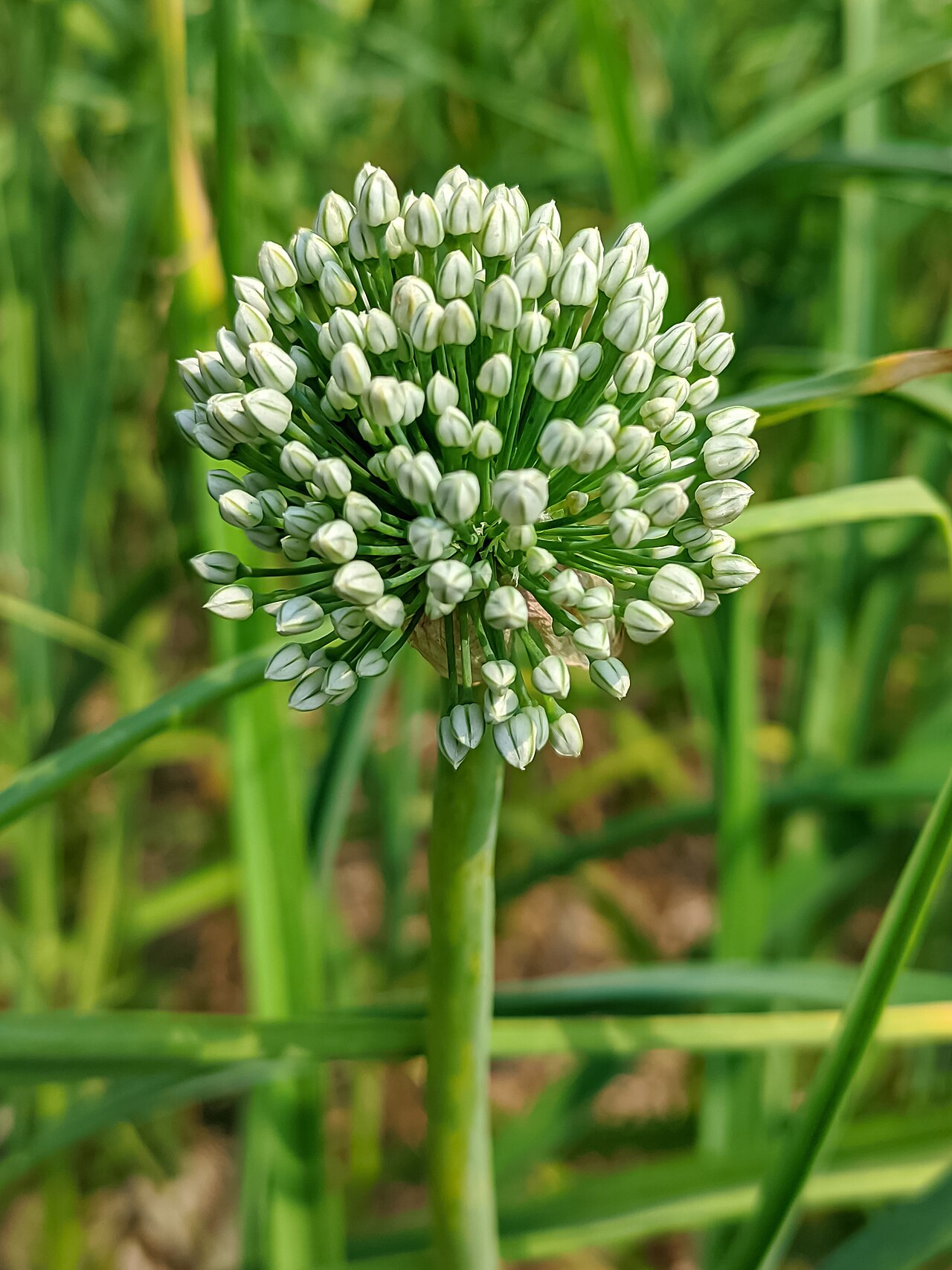
You planted a bag of onion sets in spring. Now, well before harvest, some plants have pushed up stiff round stalks with a pointed bud on top.
Those onions have bolted. They are trying to flower and set seed instead of finishing a bulb, and you cannot reverse it once the stalk is up.
The good news is that the crop is still food. This guide covers what to do with the bolted plants, how to protect the rest of the bed, and how to choose and plant sets so it happens less next year.
The Short Answer
Onion sets bolt because they are already in their second year of life, and cold spells or stress push them to flower. For the crop you have now:
- Snap or cut off flower stalks as soon as you see them, so less energy goes into seed.
- Harvest bolted onions first and use them fresh. They will not store well.
- Leave the non-bolted onions to finish normally, with steady water.
- Cure and store only the onions that never bolted.
- Next year, plant small sets (or transplants and seed) for bulbs, and avoid planting into a long cold spell.
Why Onion Sets Bolt
Onions are biennials. In their first season they make leaves and a bulb; in the second they use that bulb to send up a flower stalk.
An onion set is a small bulb grown the previous season, dried and sold for spring planting. South Dakota State University Extension points out that sets are effectively starting their second season when you plant them, which gives them a built-in tendency to bolt.
Cold is the usual trigger. University of Maryland Extension states that planting too early, with exposure to cold temperatures, can cause seed stalk development, and that onion seed stalks form if the weather is cool early in the growth cycle.
What Raises the Bolting Risk
| Large sets | Utah State University Extension notes sets or transplants over 5/8 inch across bolt more readily. |
| Early planting into cold | Prolonged cool weather after planting is the classic trigger (University of Maryland Extension). |
| Heat and drought stress | SDSU Extension lists hot, dry weather as another cause. |
| Warm soil before bulbing | University of Maryland Extension’s Maryland Grows notes soil above 75°F can push onions to bolt if they have not started bulbing. |
| Wrong day-length type | A variety that bulbs late for your latitude spends longer exposed to weather swings before it bulbs. |
Step 1: Spot Bolting Early
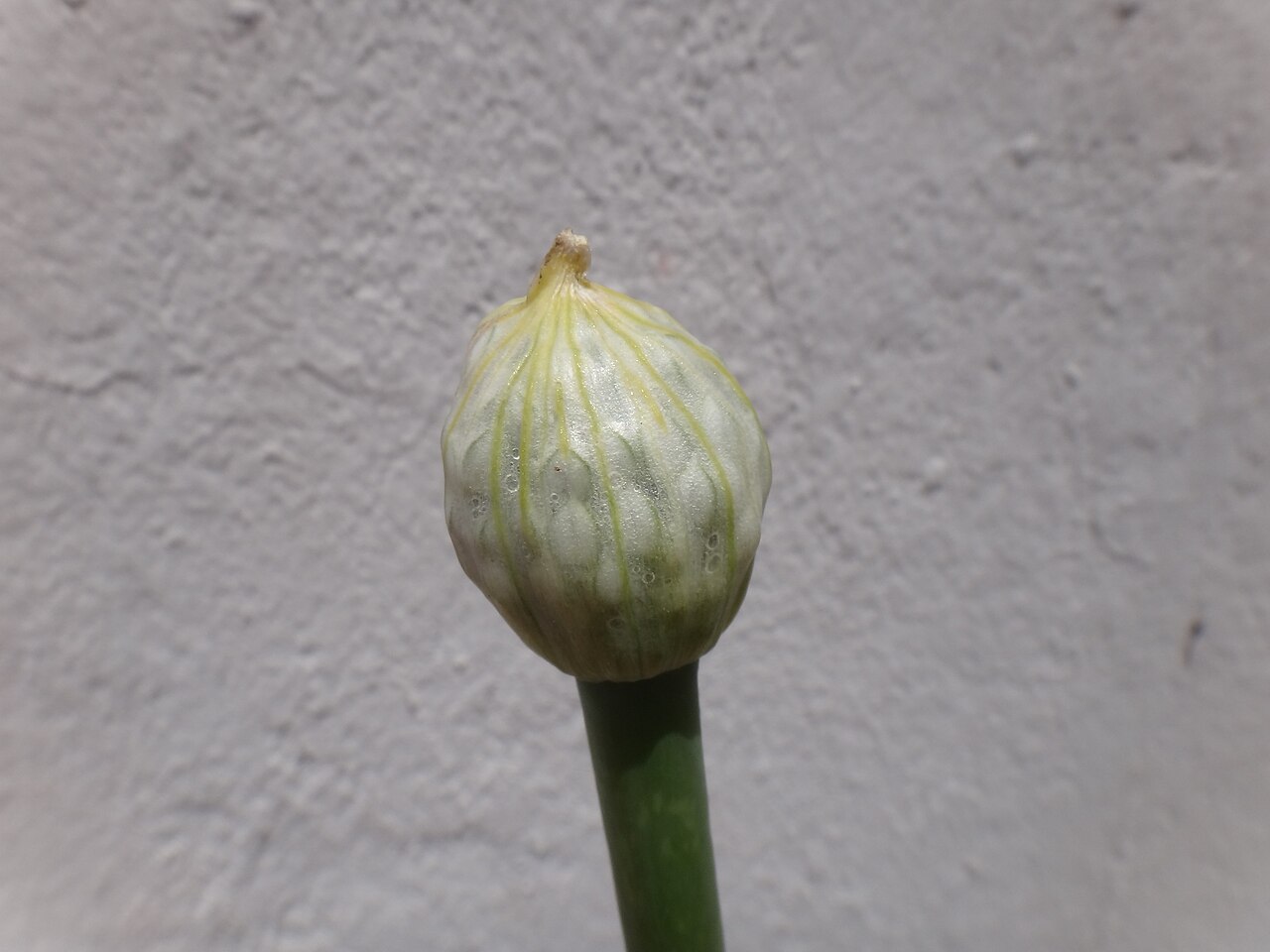
Walk the bed every few days from mid-spring. A bolting onion produces a stalk that is rounder, thicker and stiffer than the flat-sided leaves, and it grows straight up from the center of the plant.
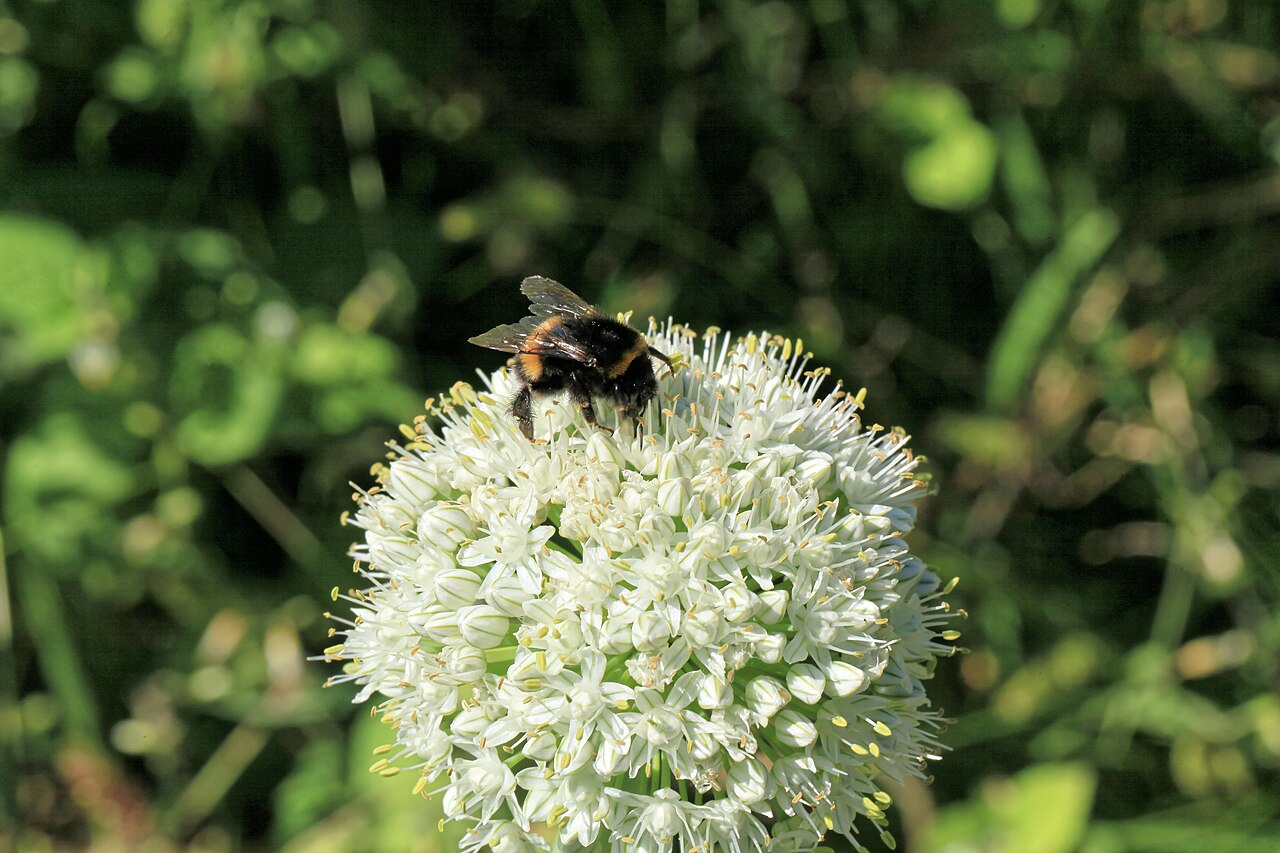
At the top, look for a pointed bud wrapped in a papery sheath. Wikipedia’s onion entry describes this as a bract protecting the developing flower head.
Mark bolted plants with a stake or a twist tie. That way you can pull them first at harvest, even after the stalk is gone.
Step 2: Remove the Flower Stalk
Once you see a stalk, cut or snap it off low. South Dakota State Extension recommends cutting off the hollow flower stalk to help stop the onion from spending its stored food on flowers and seed.
University of Maryland Extension says removing the flower stalk of onion, rhubarb and hardneck garlic redirects energy into the edible part. Garlic growers do the same with scapes; see our guide to growing garlic for that relative.
Be realistic about what this achieves. It limits the loss; it does not turn a bolted onion back into a storage onion. The stalk’s base remains inside the bulb.
Step 3: Keep the Rest of the Bed on Track
Plants that have not bolted can still make good bulbs. Keep the soil evenly moist; Oregon State University Extension recommends steady irrigation and mulching to prevent heat-stress bolting in warm regions.
A light layer of straw or shredded leaves helps hold moisture and keep soil temperature steadier. Our mulch guide covers the options.
Hold off on extra fertilizer now. More nitrogen late in the season tends to produce leaves and thick necks rather than better bulbs. Keep watering until the tops start to fall; our guide on when to stop watering bulbing onions explains how to read that signal.
Step 4: Harvest and Use Bolted Onions First
SDSU Extension’s advice is direct: harvest onions that have bolted first, because they will not store well after bolting.
You do not need to wait for the tops to fall. Pull bolted plants once you have removed the stalk and the bulb is a usable size, or sooner if you want them as large green onions.
Cut out the hard central core where the stalk ran through the bulb. The rest of the onion cooks and eats normally.
Plan to use them within a few weeks. Keep them somewhere cool and dry, and check them often.
Step 5: Cure and Store Only the Unbolted Onions
At harvest, keep bolted and unbolted onions in separate piles. Even a bolted onion with its stalk removed has a thick neck that is slow to dry.
That matters because storage rots enter through the neck. Colorado State University Extension notes that neck rot pathogens get into bulbs through succulent or improperly dried necks.
Cure the good onions with their tops on in a warm, airy, shaded spot until the necks are tight and the skins rustle. Utah State Extension advises checking stored onions regularly and using any that soften or sprout first. If harvest weather is damp, follow our steps for curing onions in humid weather.
Step 6: Turn Big Leftover Sets Into Green Onions
If you still have sets in the bag, sort them by size before they go in the ground. The large ones are the likeliest to bolt, so give them a job where bolting matters less.
Oregon State University Extension’s spacing for green onions from sets is to plant them 1½ to 2 inches deep and about 1 inch apart, then harvest when the tops are 8 to 10 inches tall.
A short row or a corner of a raised bed is enough. You pull them young, long before a flower stalk has much chance to form, and the small sets get the main bed to themselves.
University of Maryland Extension makes a similar point about thinning: onions thinned to about 2 inches apart are for green onions, while 4 to 8 inches gives room for bulbs.
Troubleshooting at a Glance
| One or two stalks in a row of sets | Normal set behavior. Snap stalks, use those onions first. |
| Half the bed bolted after a cold snap | Early planting or large sets. Harvest bolters early; plant smaller sets later next year. |
| Bolting in a hot, dry spell | Water and mulch the remaining plants. |
| Bolted onion rotting in storage | Bolted bulbs were stored. Keep them out of storage. |
| Stalk removed, bulb still small | Expected. Use as a fresh or green onion. |
How to Prevent Bolting Next Season
Choose small sets for bulbs. Oregon State University Extension recommends using larger sets for green onions and smaller sets for bulbing onions. Utah State flags sets over 5/8 inch as the bolting risk.
Buy firm, dormant sets. Oregon State advises buying sets while they are firm and dormant. Skip soft or sprouting bags.
Time planting with the weather. Utah State notes later plantings are less likely to produce seed stalks. Weigh that against bulb size: onions still need time to grow leaves before bulbing. Avoid planting just ahead of a long cold, wet spell.
Grow from transplants or seed. Plants that are truly in their first year have less built-in drive to flower. If you raise your own, our onion seedling checks help keep them sturdy. Our guides to starting onions from seed and the step-by-step onion planting guide walk through the options.
Match the day-length type to your latitude. If your onions also struggle to bulb, see onions growing leaves but no bulbs.
A Season-by-Season Plan
- Late winter: buy small, firm sets (or order transplants) of a day-length type suited to your area. Store sets cool and dry until planting.
- Planting: plant when the soil is workable. Set larger sets aside to grow as green onions. Our onion set planting guide covers depth and spacing.
- Spring: check every few days for stalks and snap them early. Water evenly and mulch.
- Early summer: pull and use bolted onions first. Keep the rest growing.
- Harvest: cure only unbolted bulbs for storage and keep checking them through fall.
Enjoy onion flowers and want them on purpose? A native perennial such as nodding wild onion gives you that look in a sunny border without sacrificing a kitchen crop.
Frequently Asked Questions
Can you eat an onion that has bolted?
Yes. Remove the flower stalk, cut out the tough center where it ran through the bulb, and use the rest fresh. It just will not keep.
Does cutting the flower stalk make the bulb grow bigger?
It can limit the loss, because less energy goes to flowers and seed. It will not restore a normal storage bulb.
Why did only some of my onion sets bolt?
Bolting varies with set size and each plant’s exposure to cold. Utah State Extension notes larger sets, over 5/8 inch, bolt more readily.
Should I plant onion sets later to stop bolting?
Somewhat later plantings bolt less, according to Utah State Extension, but onions also need time to grow leaves before bulbing. Plant once the soil is workable but avoid going in just before a long cold spell.
Can I save seed from bolted onions?
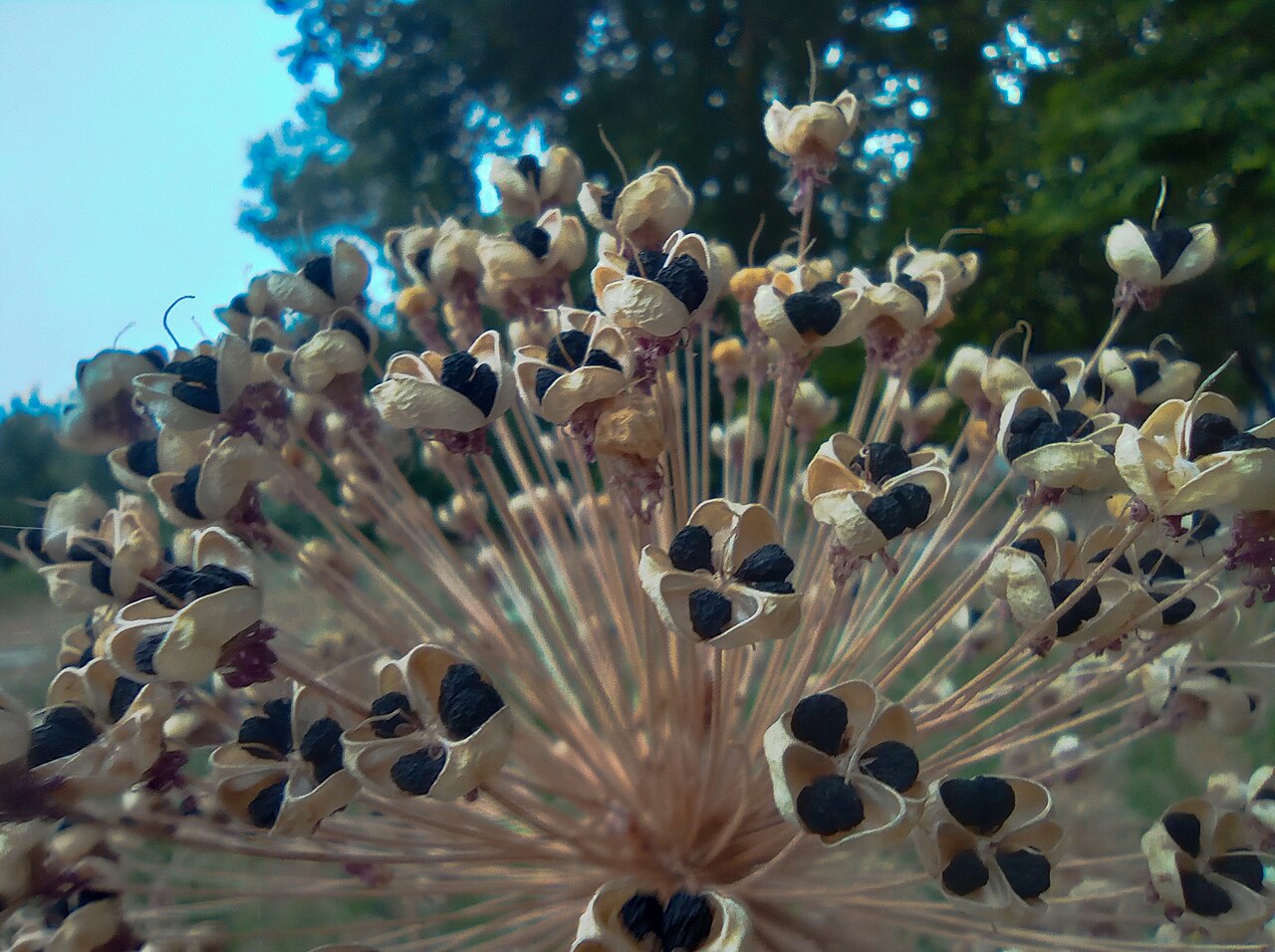
You can let a plant flower and ripen seed, but seed from bolted sets is a gamble for next year’s crop, especially from hybrids. For reliable bulbs, buy fresh seed or sets.
Sources
- South Dakota State University Extension, Growing Onions: sets as second-season plants, heat and drought, cutting stalks, harvest bolted onions first.
- University of Maryland Extension, Growing Onions in a Home Garden and Flower Stalks Form or Bolting of Vegetables: cold exposure and seed stalks, removing stalks.
- University of Maryland Extension, Maryland Grows, Onions and day length: warm soil and bolting before bulbing.
- Utah State University Extension, How to Grow Onions in Your Garden: set size, planting date, storage checks.
- Oregon State University Extension, Plant onions early for bigger summer bulbs: set size and use, dormant sets, heat-stress bolting.
- Colorado State University Extension, Botrytis, Downy Mildew, and Purple Blotch of Onion: neck infection.
- Wikipedia, Onion: biennial life cycle, flower stalk and bract.