Air Plants Under Grow Lights: Positioning and Signs to Monitor
Last updated: November 6, 2026
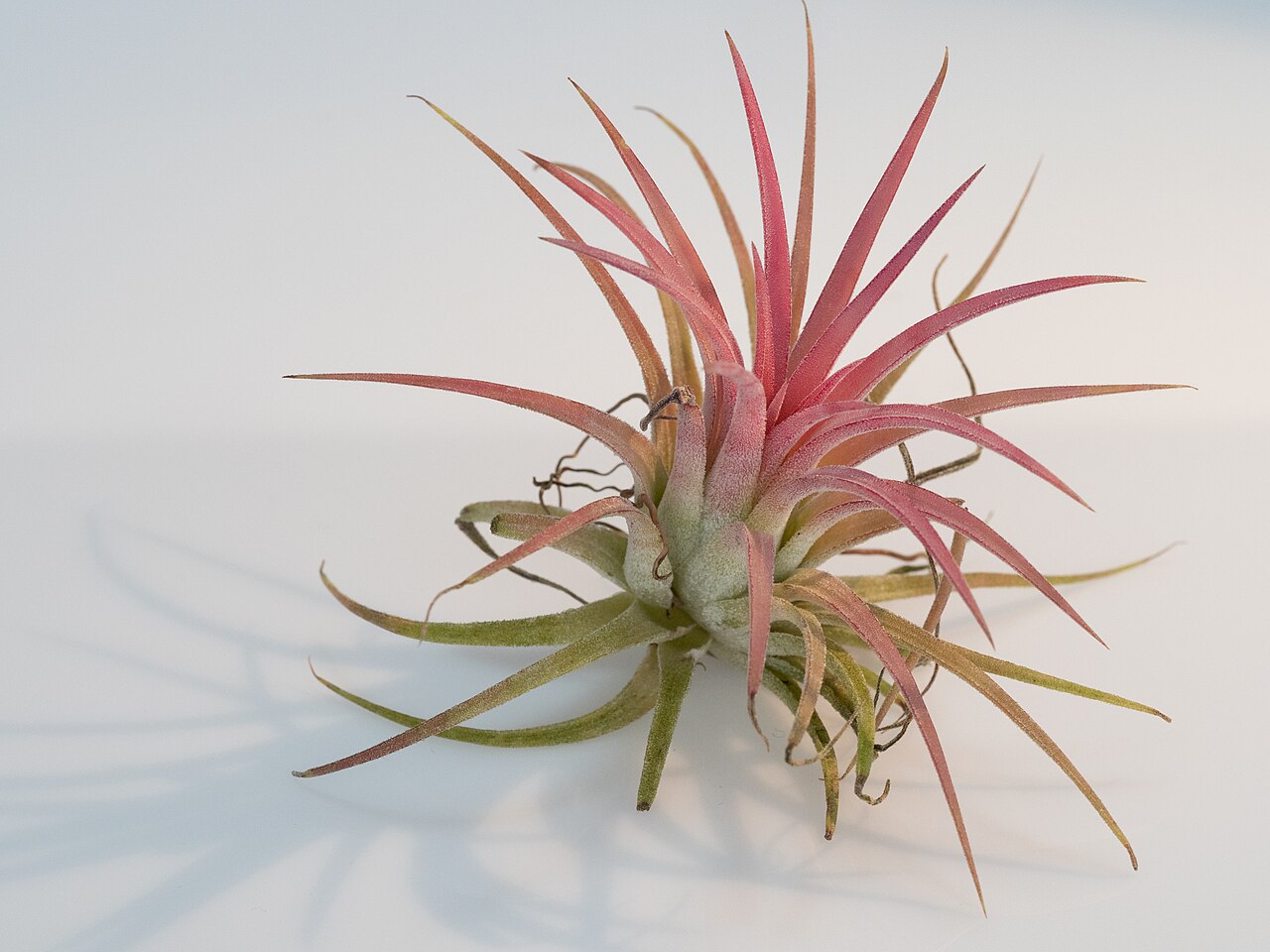
Air plants are often sold as low-light houseplants, but most of them want a lot of light. If your windows are dim or your plants live on a shelf away from the glass, a grow light can make a real difference.
The tricky part is getting the setup right. Too far away, and the plant slowly stretches and fades. Too close, and it bleaches or dries out faster than you expect.
This guide covers where to put the light, how long to run it, and the signs that tell you whether to move it closer or farther away.
The Short Answer
- Light type: a white or full-spectrum LED works for most setups.
- Distance: start around 8 to 12 inches above the plants, then adjust based on what you see.
- Hours: about 12 to 14 hours a day on a timer, up to 16 if you’re chasing blooms. Always give a dark period.
- Watch for stretching and fading (too little light) or bleaching and fast drying (too much).
- Water a little more under strong light, and keep air moving.
How Much Light Do Air Plants Really Need?
More than most people think. NC State’s Plant Toolbox says most air plants demand high light levels if they are to flower, and that most species tolerate full sun in nature. It notes that LED grow lights can supplement indoor light.
The University of Wisconsin’s horticulture program says bromeliads grow best with 12 to 16 hours of relatively bright light a day. Most need around 2,000 foot-candles, with more compact growth and better color at 3,000 to 4,000. The general rule is to give a plant as much light as it can tolerate without burning or bleaching.
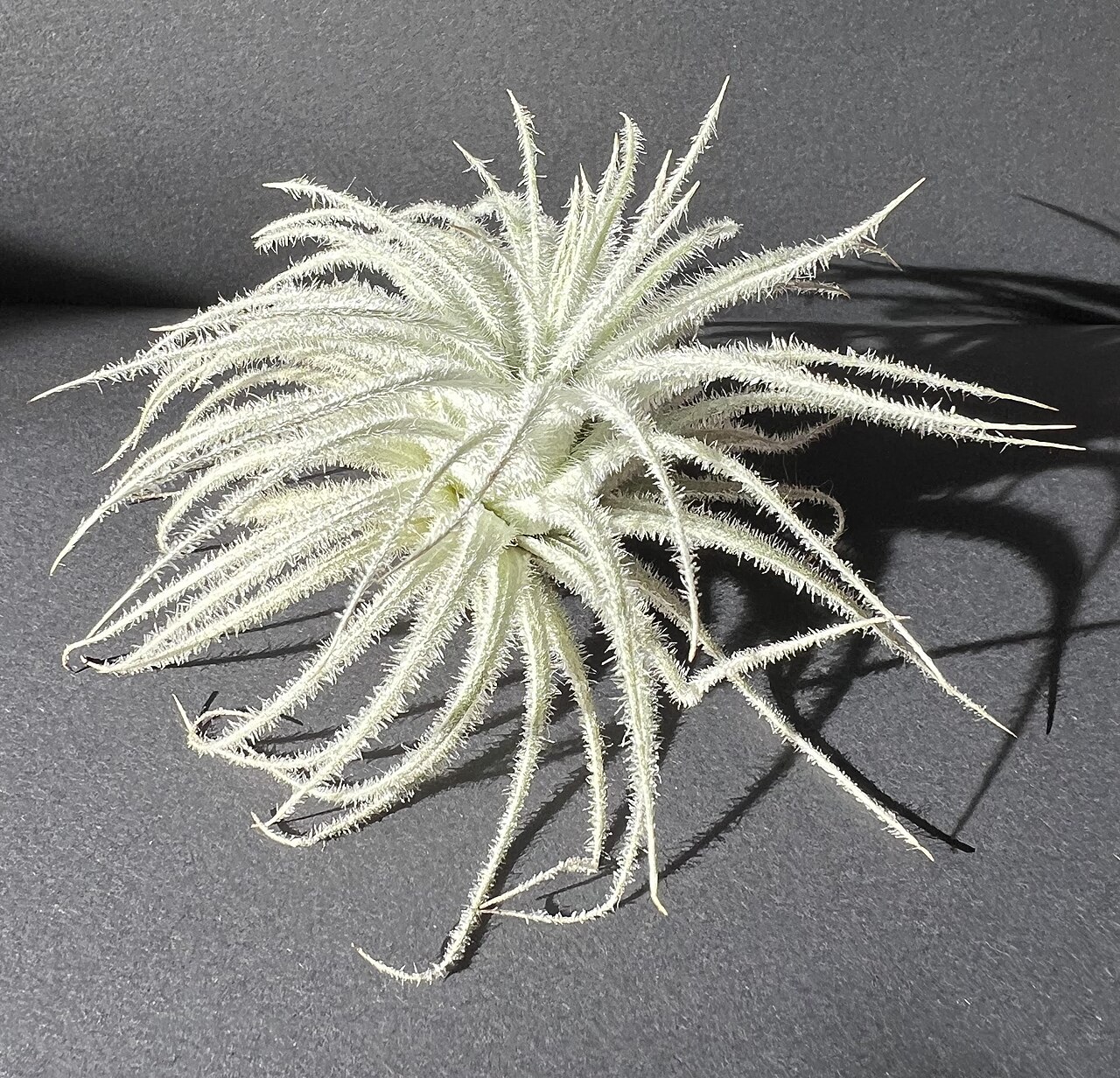
Leaf type is your first clue. Wikipedia’s Tillandsia article notes that air plants with silver dusting and stiff foliage need more light than those with softer leaves. Clemson’s bromeliad factsheet agrees: soft green tillandsias want less light, while silvery ones want more light and less water.
Light Needs by Leaf Type
| Silvery, fuzzy, stiff leaves | Highest light. Place directly under the center of the lamp. |
| Gray-green, medium leaves | Bright light. Most common species fit here, including T. ionantha. |
| Soft, smooth, green leaves | Less light. Place toward the edges of the lit area. |
Step 1: Choose the Right Kind of Light
The University of Minnesota Extension compares the main options. LEDs are very energy efficient, long-lasting, offer a wide spectrum and don’t produce much heat. Fluorescent tubes are cheaper up front but use more energy and don’t last as long.
Skip incandescent bulbs. UMN notes they waste energy, create heat and give off a lot of far-red light, which makes plants stretch.
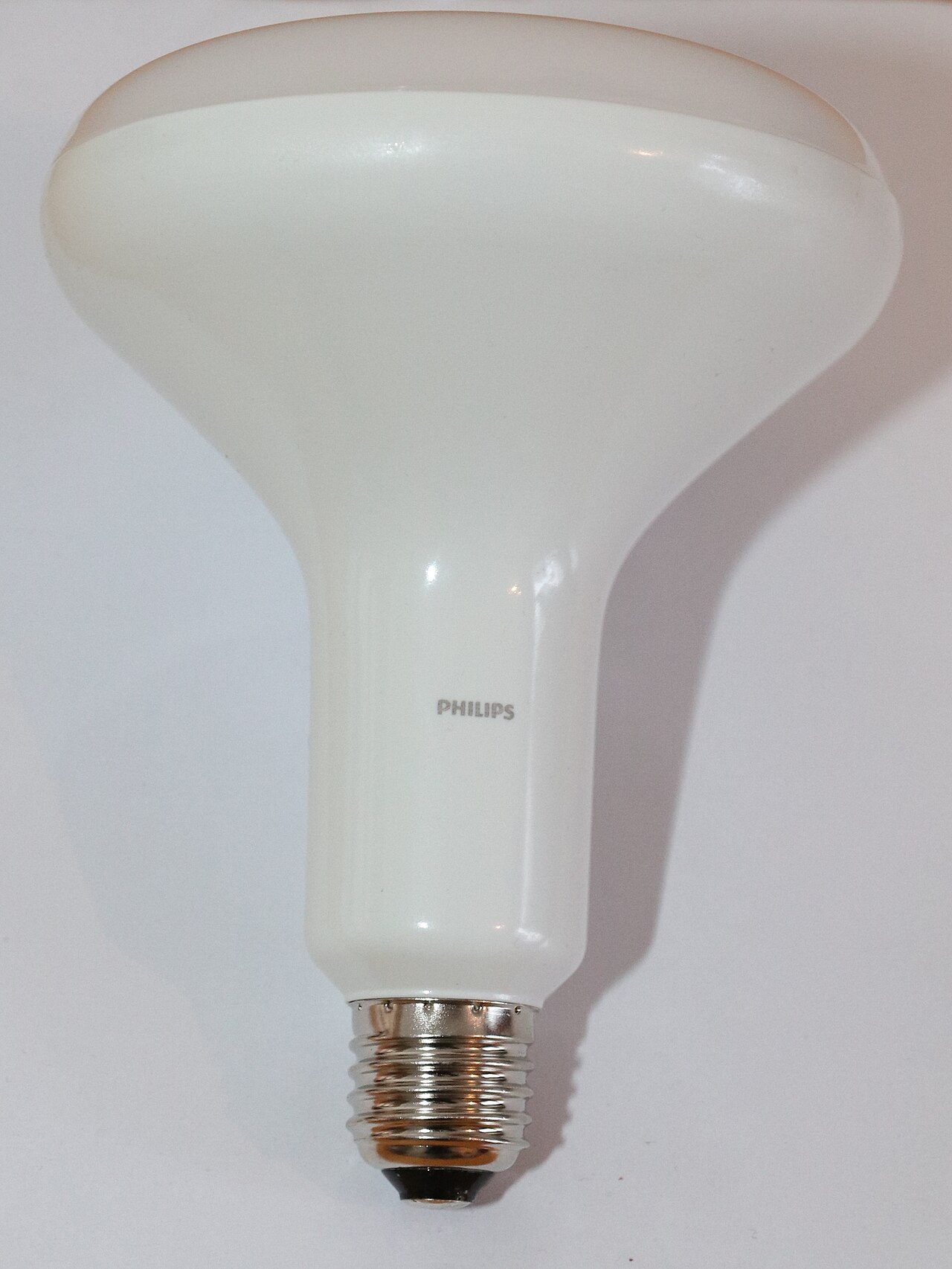
For color, UMN says white or mixed, balanced lights suit most plants at any growth stage. They also look better in a living room than the purple glow of red-and-blue panels. Our guide to choosing an LED grow light explains what to compare on the label.
Step 2: Set the Distance
Distance controls intensity. UMN explains that the light reaching a leaf drops as the plant moves farther from the source. That makes height your main adjustment.
Wisconsin suggests hanging fluorescent or other horticultural lights about 8 inches above the tops of bromeliads. UMN’s general guidance for flowering houseplants is 6 to 12 inches, and 12 to 24 inches for foliage plants.
For most air plant setups, start about 8 to 12 inches above the plants. Lights vary a lot in strength, so check the maker’s guidance and then let the plants tell you whether to adjust.
Step 3: Arrange Plants by Light Need
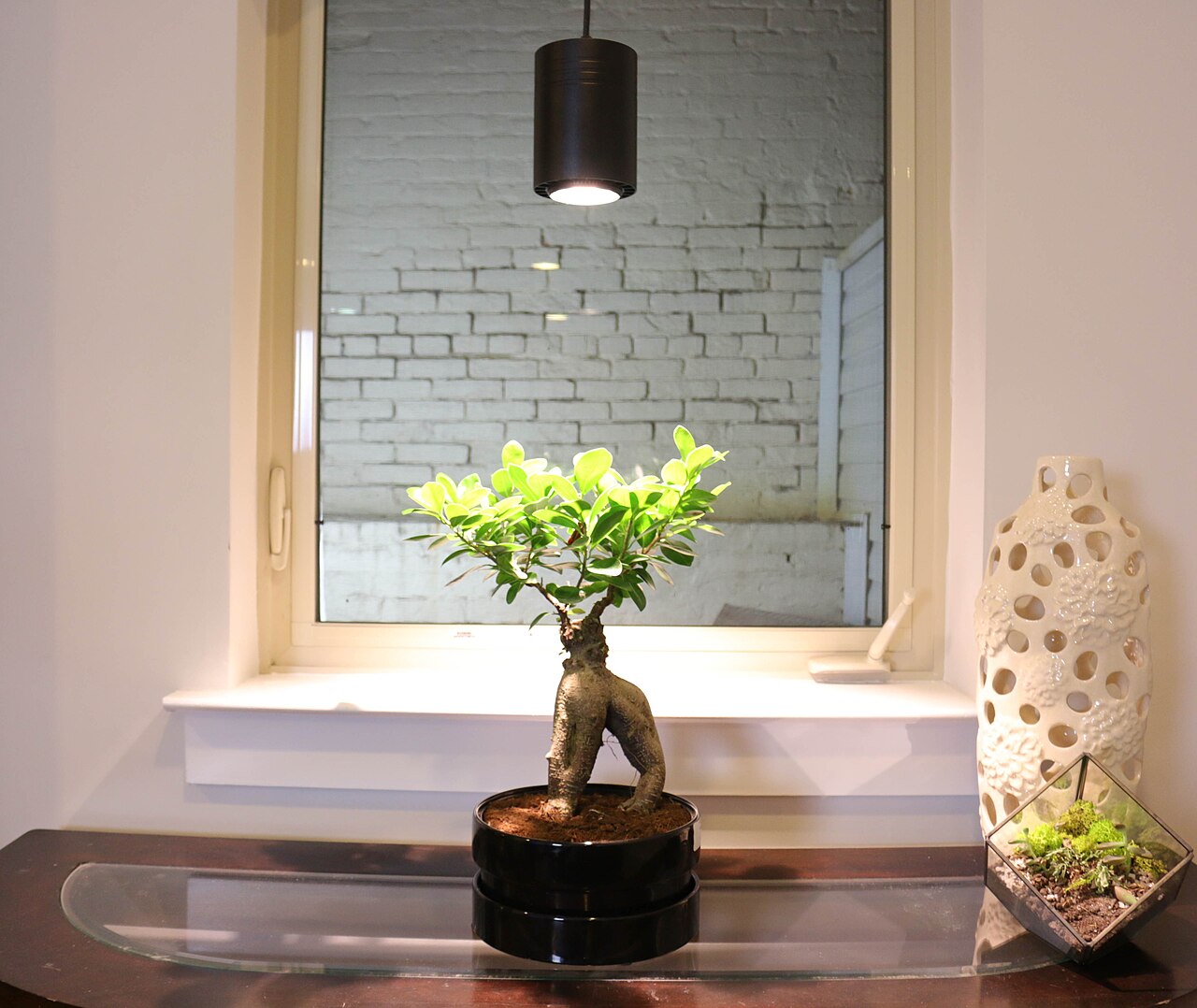
Light is strongest directly under the lamp and weaker toward the edges. Use that to your advantage.
Put silvery, fuzzy plants in the center. Place green, soft-leaved plants toward the outer edges. If you have a tall plant and a short one, raise the short one on a block or stand so both sit at a similar distance.
Keep plants in the open, not inside closed globes. A light over a closed container heats the air inside and keeps it humid, which is a poor mix for air plants.
Step 4: Put It on a Timer
A timer makes grow lights consistent and easy. UMN suggests 12 to 14 hours of light a day for foliage houseplants and 14 to 16 hours for flowering plants. Wisconsin’s range for bromeliads is 12 to 16 hours.
Don’t leave lights on around the clock. Air plants use CAM photosynthesis, opening their pores at night, and Wisconsin notes that most bromeliads need a clear day-night temperature difference. A regular dark period fits how they work.
If you’re shopping, our roundup of grow lights with built-in timers covers simple options.
Step 5: Ramp Up Gradually
A plant that came from a dim corner can scorch if you suddenly put it under a strong light. Wisconsin advises acclimating bromeliads to brighter conditions gradually over several weeks.
Start with the light higher or for fewer hours. Over two to four weeks, lower it or extend the timer in steps while you watch the leaves.
Step 6: Adjust Watering Under the Lights
Strong light speeds up drying. Wisconsin notes that at higher light levels, bromeliads need higher humidity and more air circulation to prevent drying and burning. UMN adds that high-light spots can be warm and plants dry out faster there.
Under grow lights, you may need to water more often than you did on a dim shelf. Watch for curling or dull leaves. Clemson lists those, along with brown tips, as signs an air plant isn’t getting enough water.
Keep drying habits the same, though. Shake each plant and dry it upside down after watering, and don’t put it back under the light until it’s dry. Our guide to drying air plants after watering walks through the routine.
Signs to Monitor Under Grow Lights
Check plants weekly for the first month after any change, then every couple of weeks. Here’s what to look for.
Too little light: UF’s Gardening Solutions says low light makes bromeliad leaves grow longer, thinner and greener. UMN adds that light-starved plants turn pale and stretch toward the light. Plants that never flower are another hint. Move the light closer or extend the hours.
Too much light: UF notes that too much light makes leaves shorter, thicker and lighter in color. UMN and Wisconsin both warn of scorched or bleached leaves. Pale tan patches on the top of the plant, facing the lamp, are the giveaway. Raise the light or shorten the hours.
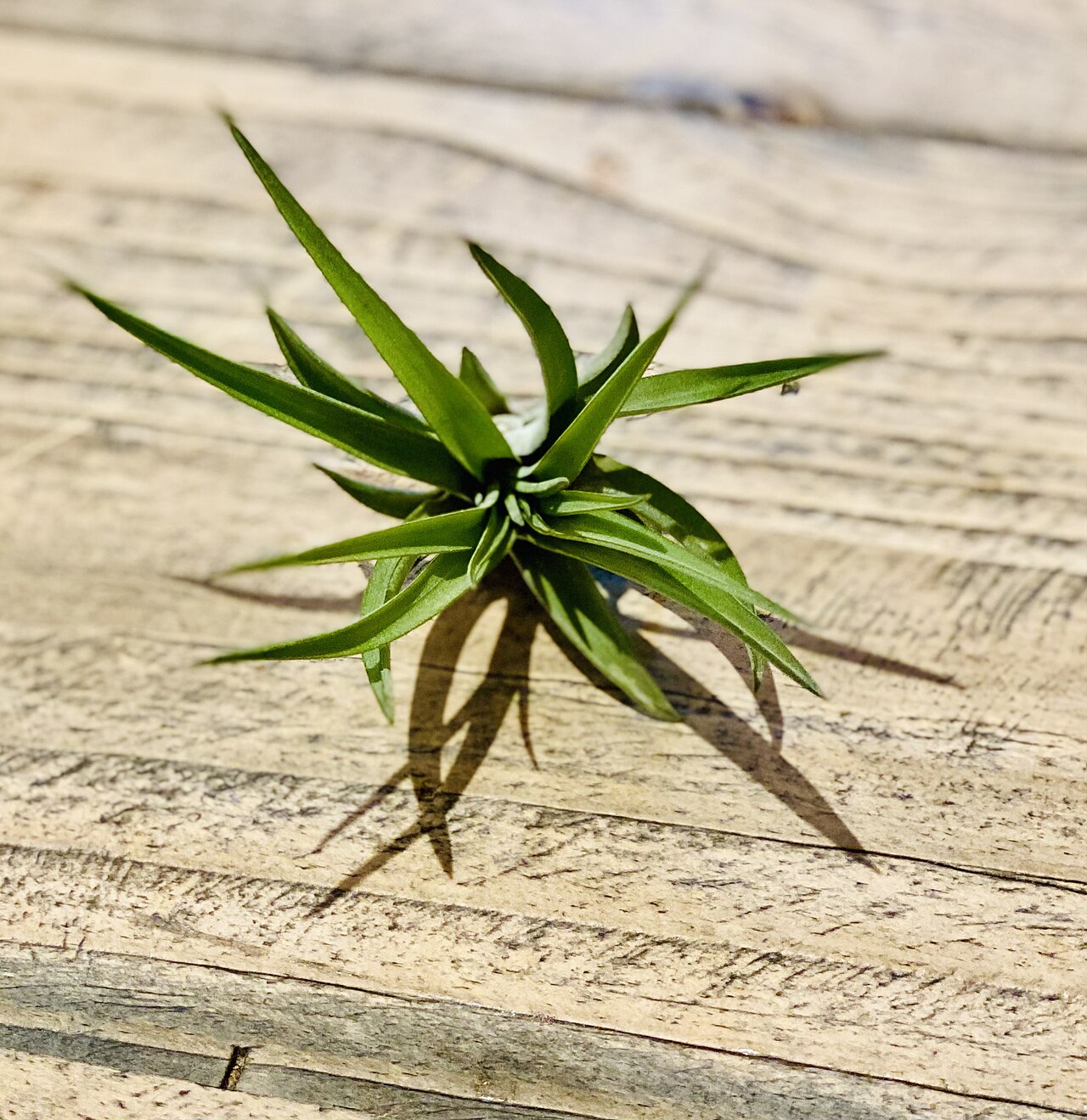
Just right: compact, firm rosettes with good color. Many species blush red or pink in strong light. NC State notes that T. ionantha ‘Fuego’ develops its fiery red color with plenty of sun, and that the inner leaves of T. ionantha turn bright red before blooming.
Drying too fast: curling or dull leaves and brown tips mean the light, warmth and airflow are drying the plant faster than you water it. Water more often before you change the light. If tips are already crisp, see our guide to air plant brown tips vs. base rot.
Troubleshooting at a Glance
| Long, thin, greener leaves | Too little light. Lower the light or add hours. |
| Plant leaning toward the lamp | Light is off to one side or too weak. Center it. |
| Bleached or tan patches on top | Too much light. Raise the lamp or shorten hours. |
| Curling, dull, crisp tips | Drying too fast. Water more often and check airflow. |
| Healthy but never blooms | Likely needs more light. Move toward 14 to 16 hours. |
| Compact, colorful, firm | Setup is working. Keep it steady. |
Should You Use a Grow Light at All?
If your plants sit near a bright east, west or south window and look compact and colorful, you probably don’t need one. Clemson and UF both recommend bright, filtered window light.
A grow light earns its place when plants are far from windows, when winter days are short, or when you want blooms. Blooming matters for the long run, because most air plants make pups after flowering. Our guide to air plant pups explains what happens next. For the basics of watering and feeding, see our complete air plant care guide.
A Season-by-Season Light Plan
- Spring: as days lengthen, plants near windows may need fewer hours of grow light. Watch for bleaching if they also get afternoon sun.
- Summer: check that lamps and nearby windows aren’t overheating the display. Water a little more often. Leaving on a trip? See our air plant travel checklist for how to set lights and plants before you go.
- Fall: as natural light drops, extend the timer back toward 12 to 14 hours.
- Winter: grow lights do the most work now. Keep plants out of heater drafts, which dry them even faster under lights.
Interested in a native air plant? Spanish moss (Tillandsia usneoides) grows in the Southeast’s trees, and our bromeliad guide introduces its wider family.
Frequently Asked Questions
How far should a grow light be from air plants?
Start around 8 to 12 inches above the plants. Wisconsin suggests about 8 inches for bromeliads under fluorescent or horticultural lights. Adjust closer if plants stretch and fade, farther if they bleach.
How many hours of grow light do air plants need?
About 12 to 14 hours a day works for most. Go up to 16 hours if you want blooms. Always include a dark period at night.
Can air plants live under office lights alone?
Ordinary ceiling lights are usually too weak and too far away. A dedicated LED placed close to the plants works much better.
Do air plants need a special red-and-blue grow light?
No. UMN notes that white or balanced lights suit most plants at any stage. A white LED is fine and looks better indoors.
Why are my air plants drying out faster under grow lights?
More light means more warmth and faster evaporation. Wisconsin notes that plants under higher light need more humidity and air circulation. Water more often, but still dry plants fully afterward.
Sources
- University of Minnesota Extension, Lighting for indoor plants: light types, distance and intensity, white vs. colored lights, timer hours, signs of too little and too much light.
- University of Wisconsin–Madison Extension, Wisconsin Horticulture, Bromeliads: 12–16 hours of bright light, foot-candle levels, lights about 8 inches above plants, acclimation, humidity and air movement under high light.
- University of Florida IFAS Gardening Solutions, Bromeliads and Air Plant – Tillandsia: leaf changes under too little or too much light, bright indirect light.
- North Carolina Extension Gardener Plant Toolbox, Tillandsia and Tillandsia ionantha: high light for flowering, LED supplementation, red color in strong light.
- Clemson Cooperative Extension Home & Garden Information Center, Bromeliads and Air Plants: light needs by leaf type, signs of underwatering.
- Wikipedia, Tillandsia: silver vs. soft foliage and light needs, CAM photosynthesis.