
Cliff Aster (Malacothrix saxatilis)
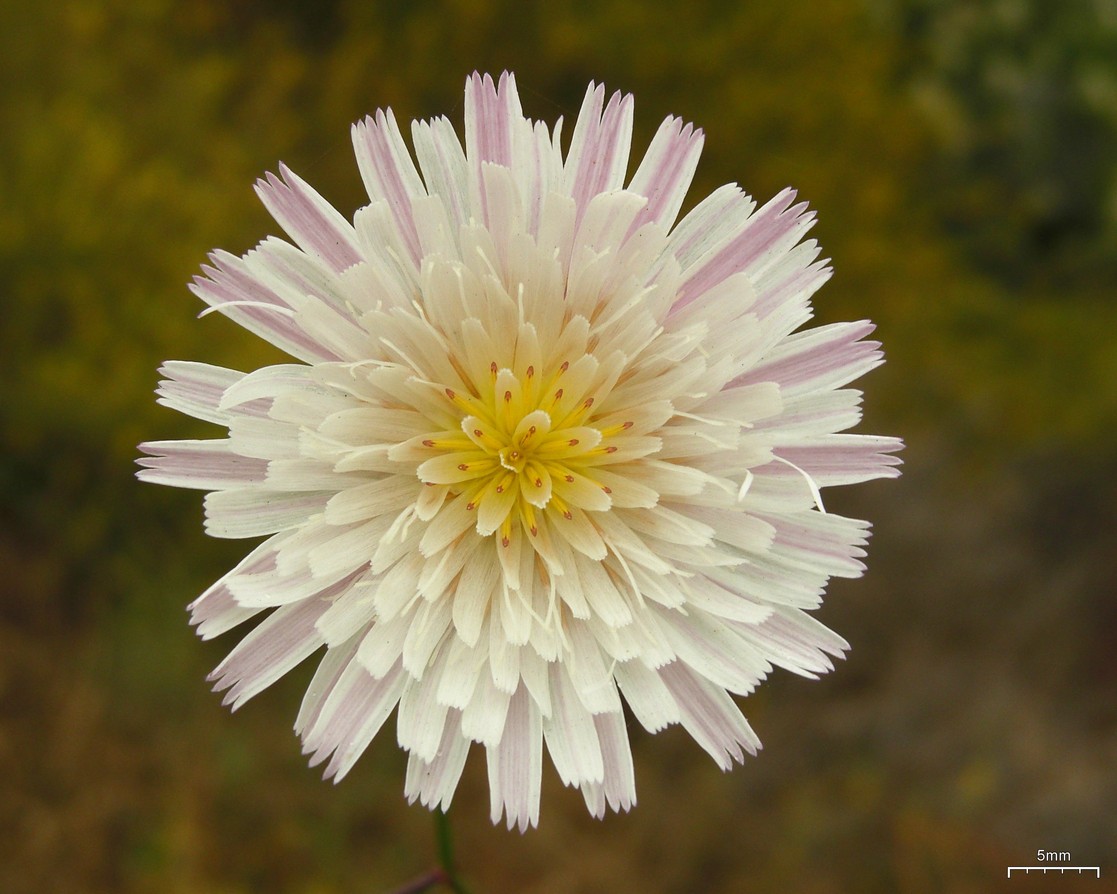
Malacothrix saxatilis, commonly called Cliff Aster (USDA: cliff desertdandelion; also cliff malacothrix), is a long-blooming perennial wildflower endemic to the coastal hills and mountains of central and Southern California. Despite the common name, it is not a true aster. It belongs to the chicory tribe (Cichorieae) of the aster family (Asteraceae), the same group as dandelions and chicory: its flower heads are made entirely of strap-shaped ray florets, and its stems have milky sap.
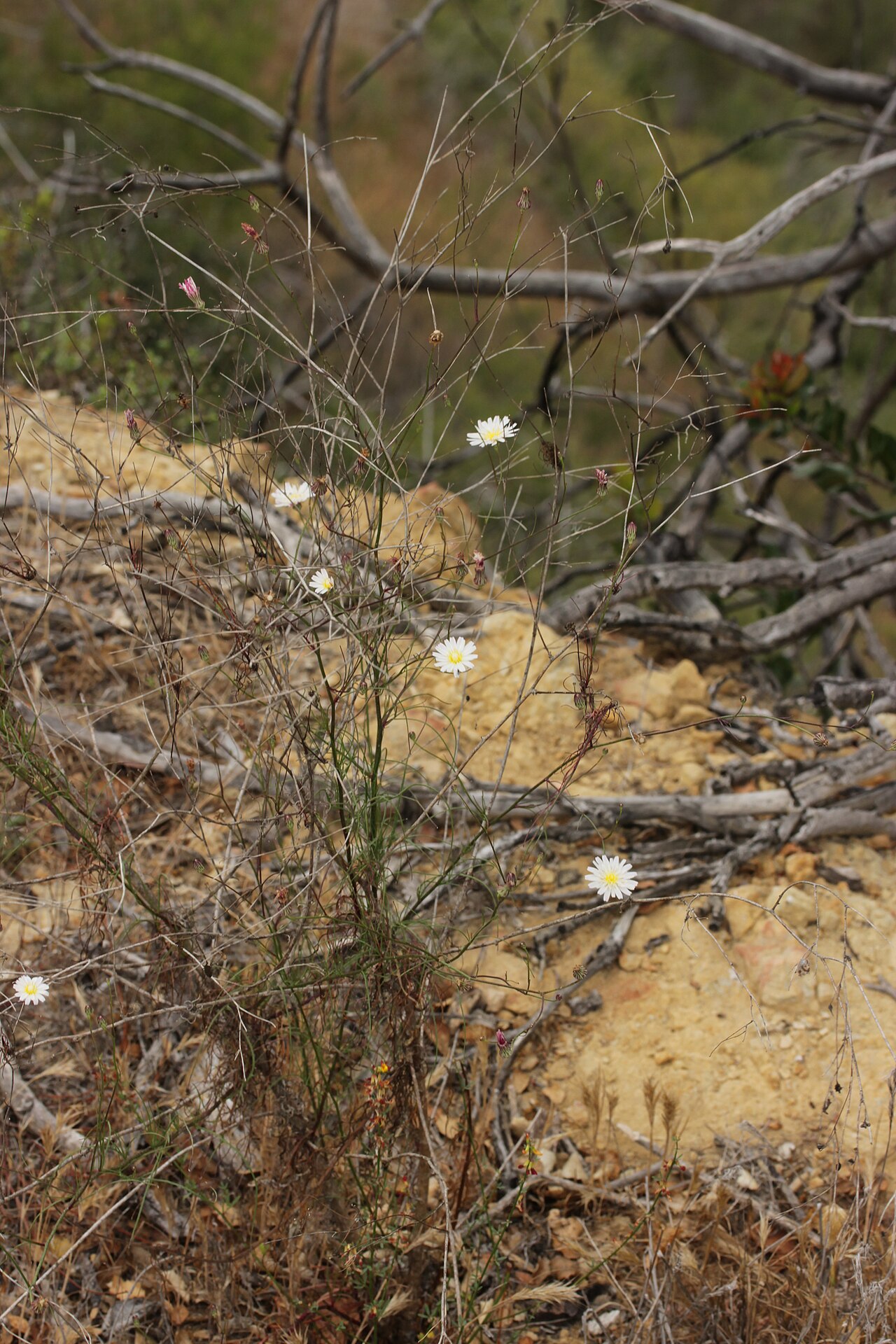
It grows as a loose, wiry, often somewhat woody-based plant 1 to 3 feet tall (occasionally taller), spreading by rhizomes. From spring through late summer and fall it produces white flower heads about 1 to 1 1/2 inches across, with rays that are striped rose-pink to purple on the back. It is a familiar sight on coastal bluffs, canyon walls, road cuts and burned slopes from the Central Coast to San Diego County.
Cliff aster is a tough, drought-tolerant plant for sunny, dry native gardens in coastal California, where it gives a long season of flowers for bees and other insects with little care. It is common and not of conservation concern overall, although some of its varieties are local.
Identification
Look for a loose, wiry perennial on dry slopes, bluffs or road cuts with narrow to lobed leaves and many white, dandelion-like flower heads whose outer rays are striped pink on the back.
Stems & Habit
Cliff aster is a perennial from a woody caudex and spreading rhizomes, typically 12 to 36 inches (30 to 90 cm) tall and sometimes much taller in sheltered sites. It has many slender, branching, mostly hairless stems that are often woody near the base, giving it a loose, open, shrubby look. Broken stems exude milky sap.
Leaves
The leaves vary greatly between varieties and populations: from narrow and thread-like to broader and lance-shaped, either entire or pinnately lobed. Lower leaves are 1 to 4 inches (2.5 to 10 cm) long, and leaves become smaller and fewer up the stems, so flowering plants often look sparse.
Flowers
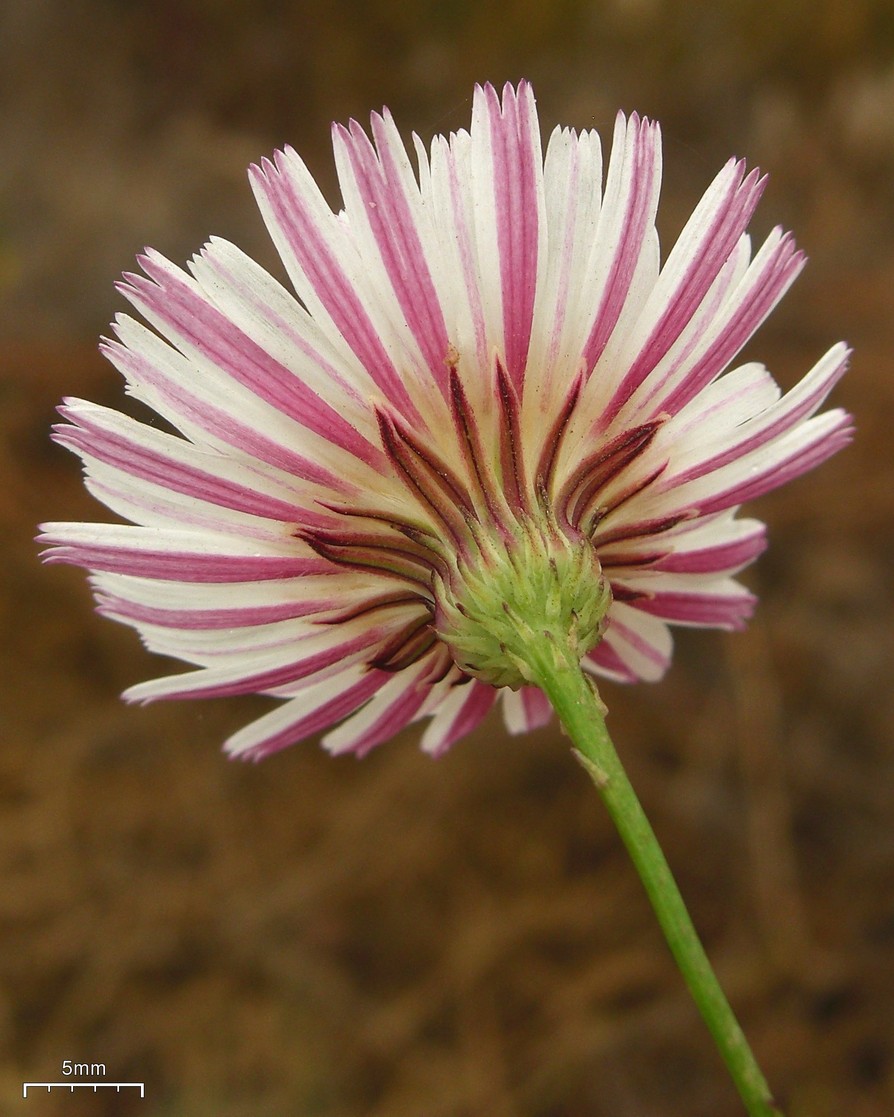
The flower heads are about 1 to 1 1/2 inches (2.5 to 4 cm) across and are made entirely of ligulate (strap-shaped) florets, like a dandelion’s, with no central disk florets. The florets are white, often pale yellow at the center, and the outer ones are striped rose-pink to purple on the underside. The heads sit above narrow, lance-shaped phyllaries. Flowering is long, mainly spring through summer and into fall, with scattered blooms in other months near the coast.
Fruit & Seeds
Each floret produces a small, ribbed cypsela (achene) with a pappus of soft white bristles that carries it on the wind, like a small dandelion seed.
Look-alikes
True asters and fleabanes such as Seaside Daisy have a yellow central disk of tiny tubular florets surrounded by rays; cliff aster has only strap-shaped florets. Desert Chicory is a white-flowered chicory-tribe annual of the deserts. Wirelettuce (Stephanomeria) species have smaller pink heads with few florets. Other Malacothrix species, such as the yellow desertdandelion (M. glabrata), are mostly yellow-flowered annuals.
Safety & Conservation
No significant toxicity is reported. The species is common across its range, and it recovers well after fire. Botanists recognize several intergrading varieties, such as var. saxatilis, var. tenuifolia, var. implicata and var. altissima, some of which have small ranges.
Quick Facts
| Scientific Name | Malacothrix saxatilis |
| Family | Asteraceae (aster family), chicory tribe (Cichorieae) |
| Plant Type | Perennial subshrub or herb, woody at the base |
| Mature Height | 12–36 in (occasionally taller) |
| Mature Spread | 12–36 in; spreads by rhizomes |
| Growth Rate | Moderate to fast |
| Sun Exposure | Full sun to light shade |
| Water Needs | Low; drought tolerant once established |
| Soil Type | Rocky, sandy or clay well-drained soils; bluffs and slopes |
| Soil pH | About 6.0–8.0 |
| Bloom Time | Spring to fall (mainly April–September) |
| Flower Color | White, rays striped rose-pink beneath |
| Fall Color | None notable |
| Fruit | Small cypsela with white pappus bristles |
| Deer Resistant | Moderate |
| USDA Hardiness Zones | 8–10 |
Native Range
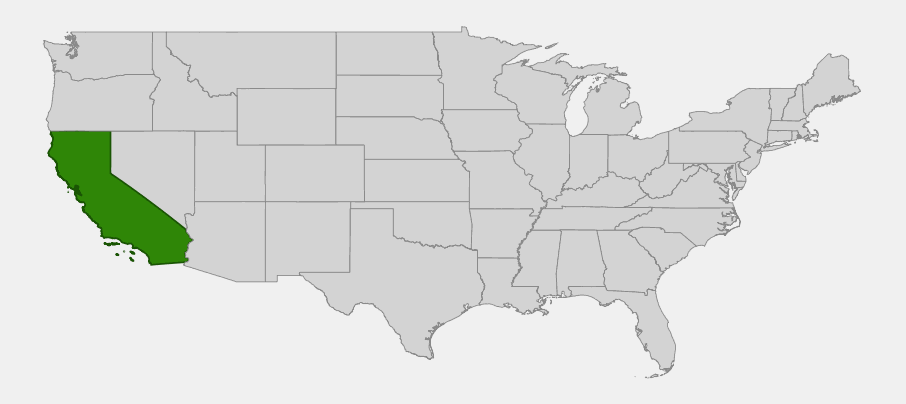
Cliff aster is endemic to California. USDA PLANTS lists it as native only in California, and it grows in the central and southern coastal hills and mountains.
Its range runs from the South Coast Ranges of the Central Coast south through Santa Barbara and Ventura counties, the Santa Monica, San Gabriel and San Bernardino mountains, the Los Angeles Basin hills and the Peninsular Ranges into San Diego County, with some populations on the Channel Islands.
It grows on dry, open, often steep and rocky ground: coastal bluffs, canyon walls, sandstone outcrops, road cuts, stream terraces, burns and openings in coastal sage scrub, chaparral and oak woodland. It is also common on burned slopes in the years after a fire.
📋 Regional plant lists featuring Cliff Aster: California & Nevada
Growing & Care Guide
Cliff aster is a low-care, drought-tolerant perennial for dry, sunny native gardens in coastal and Southern California. Its long flowering season and airy form make it a good filler among native shrubs.
Light
Full sun to light shade. It flowers most heavily in sun.
Soil & Water
Plant in well-drained soil; it tolerates rocky, sandy and even clay soils on slopes. Water to establish, then only occasionally in summer. Too much water makes it floppy and short-lived.
Planting Tips
Use it on slopes, in rock gardens, along dry walls and among coastal sage scrub plants such as California sagebrush, buckwheat and sages. Its rhizomes help hold soil on banks. Plant in fall or winter to take advantage of rain.
Pruning & Maintenance
Cut stems back by about half in late fall or winter to tidy the plant and encourage fresh growth. Remove dead stems as needed.
Propagation
Grow from fresh seed sown in fall or winter, or divide rhizomes in winter. Seed germinates readily without special treatment.
Landscape Uses
- Slope and bank plantings: rhizomes help stabilize dry slopes
- Native sage scrub gardens: long-blooming white flowers
- Rock gardens and walls: thrives in rocky, well-drained spots
- Pollinator gardens: long season of flowers for bees and flies
- Post-fire restoration: a quick-recovering native perennial
Wildlife & Ecological Value
Cliff aster provides a long season of flowers in dry coastal habitats, often when few other plants are blooming.
For Pollinators
Native bees, including small sweat bees and other solitary bees, along with syrphid flies and butterflies, visit the flower heads for pollen and nectar. Its long bloom season makes it valuable in late summer and fall.
For Birds
Finches and other seed-eating birds eat the small seeds.
For Mammals
Rabbits and deer may browse it. Small mammals shelter among its stems on rocky slopes.
Ecosystem Role
It resprouts from rhizomes after fire and colonizes road cuts and bluffs, helping stabilize soil on steep, eroding ground in coastal sage scrub and chaparral.
Cultural & Historical Uses
The genus name Malacothrix comes from the Greek malakos, “soft,” and thrix, “hair,” for the soft hairs on some species. The species name saxatilis means “growing among rocks,” a good description of its cliff and bluff habitat.
The name cliff aster is widely used in Southern California, but botanists note that it is really a member of the chicory tribe, closer to dandelions than to true asters. USDA calls it cliff desertdandelion.
It is a familiar wildflower on trails in the Santa Monica Mountains, where it blooms through the dry summer. Other chicory-tribe natives on this site include Desert Chicory and Silverpuffs.
Frequently Asked Questions
Is cliff aster a true aster?
No. It belongs to the chicory tribe of the aster family, like dandelions and chicory. Its flower heads have only strap-shaped florets and no central disk.
Where does cliff aster grow?
Only in California, in the coastal hills and mountains from the Central Coast south to San Diego County, on bluffs, cliffs, canyons and dry slopes.
When does cliff aster bloom?
Mainly from spring through summer and into fall, with scattered flowers in other months near the coast.
Is it good for gardens?
Yes, in dry, sunny native gardens in coastal and Southern California. It is drought tolerant and blooms for a long season.
Why are the buds pink?
The outer florets are striped rose-pink to purple on the back, so buds and closing flower heads look pink while open flowers look white.

Looking for a nursery that carries Cliff Aster?
Browse our native plant nursery directory: California