
Heart-leaf Milkweed (Asclepias cordifolia)
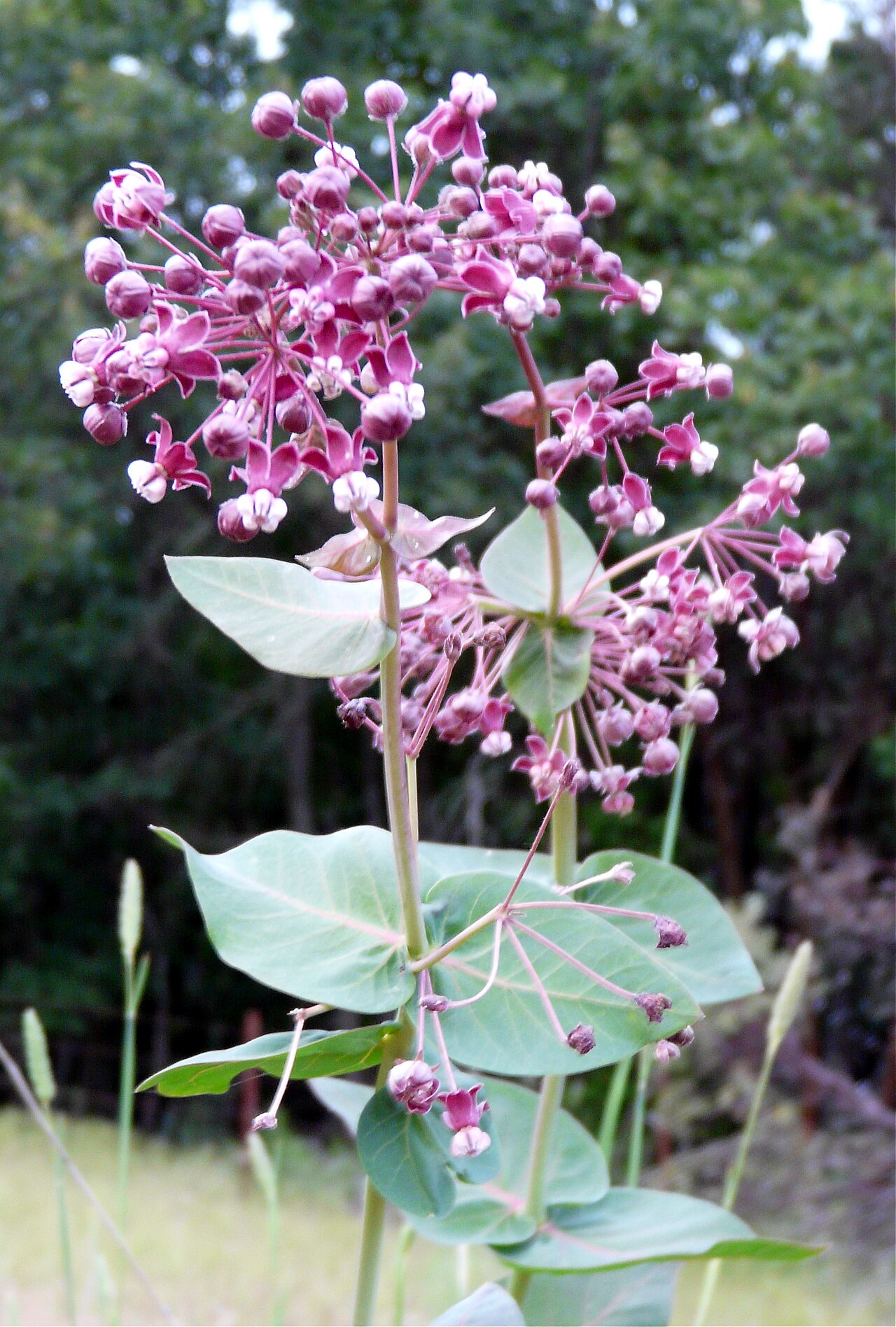
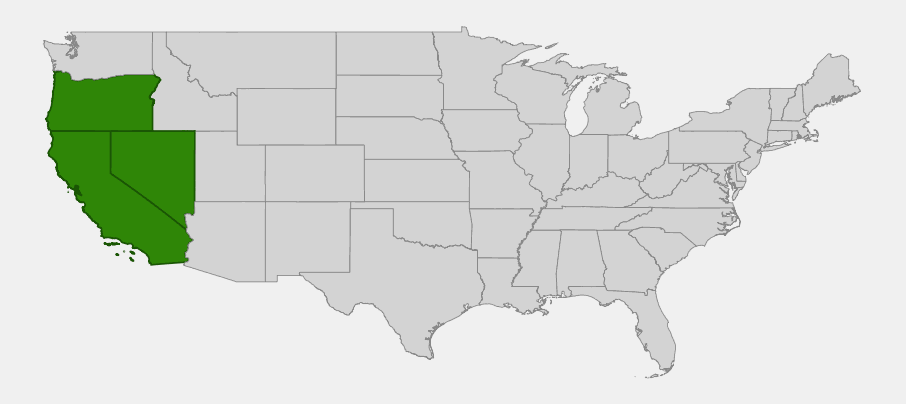
Asclepias cordifolia, known as Heart-leaf Milkweed (USDA: heartleaf milkweed), is a native perennial milkweed of the far western United States. It belongs to the dogbane family (Apocynaceae), which now includes the milkweeds. It grows on rocky slopes and in open oak woodlands and pine forests, mostly in northern California, with smaller ranges in southwestern Oregon and western Nevada. It is also called purple milkweed.
This is one of the most striking western milkweeds. Its smooth, purplish stems carry pairs of broad, heart-shaped, blue-green leaves that clasp the stem, and from spring into early summer it bears loose, rounded clusters of deep wine-red to reddish-purple flowers with pale, pinkish-white hoods. The name cordifolia means “heart-shaped leaves.”
Heart-leaf milkweed is a host plant for monarch butterfly caterpillars and a strong nectar source for bees and butterflies. It is drought tolerant once established and well suited to dry, rocky gardens in its native region. Like all milkweeds, it is poisonous: its milky sap and leaves contain cardiac glycosides that are toxic to people, pets and livestock if eaten.
Identification
Look for a hairless, blue-green milkweed with purplish stems, broad heart-shaped leaves clasping the stem in pairs, and dark reddish-purple flowers, usually on a dry, rocky slope or in open woods.
Stems & Roots
Plants grow 1 to 2 1/2 feet tall from a deep, woody root, usually as a clump of several unbranched or sparingly branched stems. The stems are smooth, often reddish-purple and covered with a waxy bloom. Like other milkweeds, broken stems and leaves leak a white, milky sap. The tops die back in late summer or fall.
Leaves
The leaves are opposite, 2 to 5 inches long, broadly oval to heart-shaped, with a heart-shaped base that clasps the stem and no leaf stalk. They are smooth, thick and blue-green, often tinged or veined with purple.
Flowers
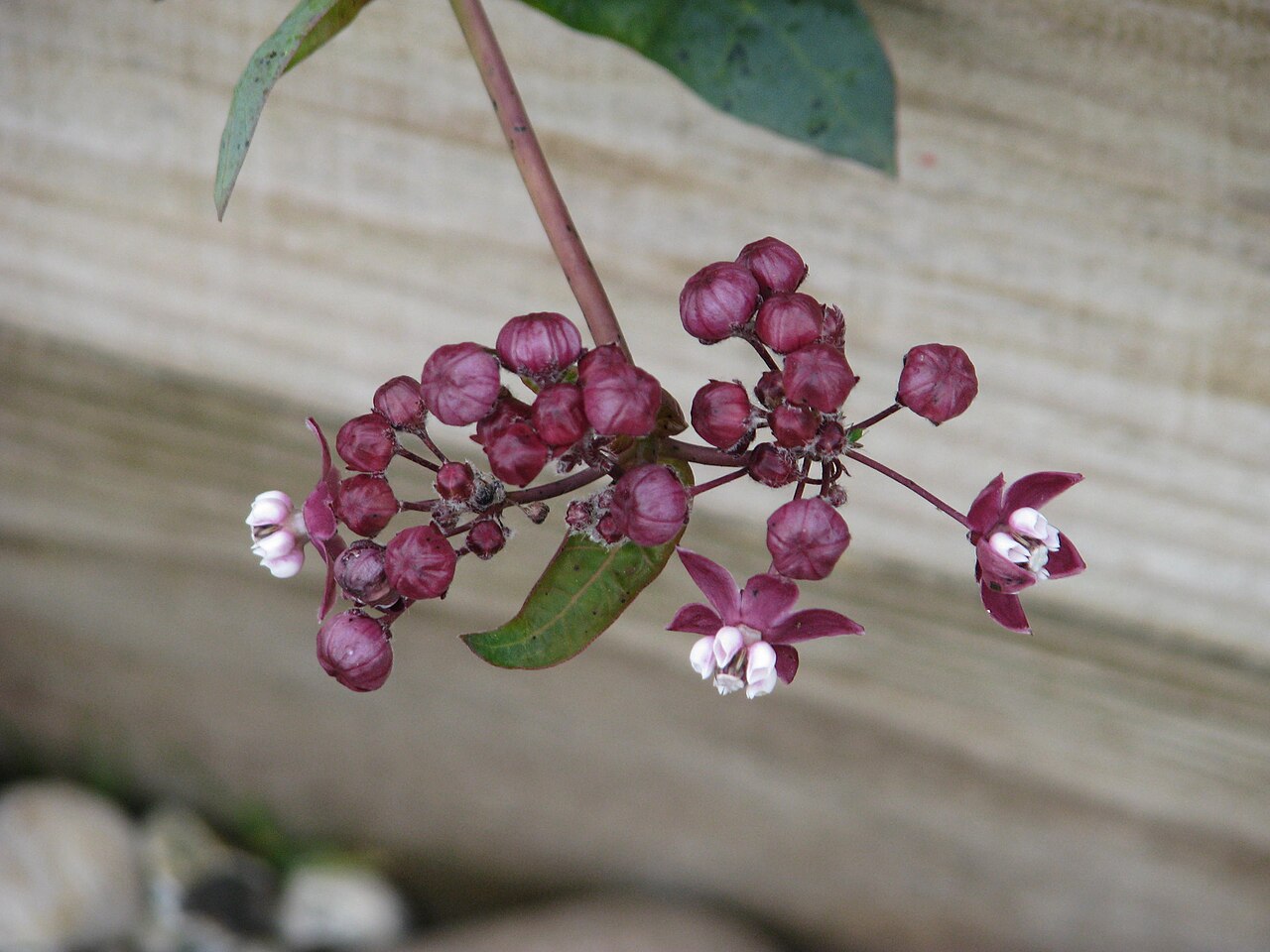
Flowers appear from April to July in loose, rounded umbels at the stem tips and in the upper leaf axils. Each flower is about 1/2 inch across, with five deep reddish-purple to wine-colored petals that are bent sharply backward and a central crown of five hoods that are white to pale pink or lavender. The hoods are open at the top and lack the horn-like structures found in many milkweeds.
Fruit & Seeds
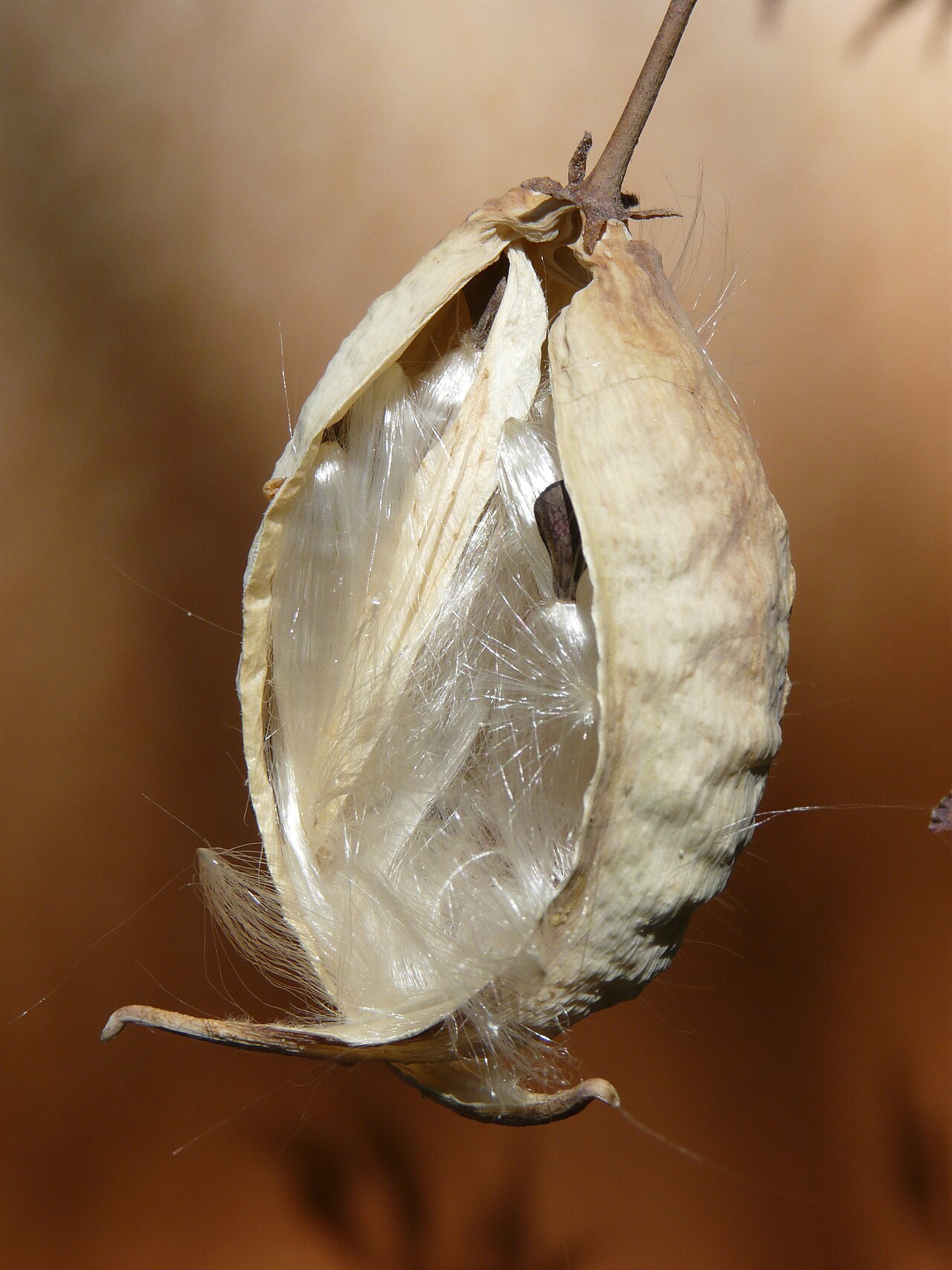
After flowering, slender, smooth, upright seed pods 3 to 5 inches long develop. They split in late summer or fall to release flat brown seeds, each with a tuft of silky white hairs (floss) that carries it on the wind.
Look-alikes
Showy Milkweed has softly hairy, grayish leaves with short stalks and pink, star-shaped flowers with long, pointed hoods. Woollypod Milkweed is densely woolly and has cream flowers. Narrowleaf Milkweed has narrow, whorled leaves. The combination of smooth heart-shaped leaves and dark purple flowers makes heart-leaf milkweed easy to identify.
Safety
Safety note: all parts of heart-leaf milkweed, especially the milky sap, contain cardiac glycosides (cardenolides). They are poisonous to people, dogs, cats, horses, sheep, cattle and other animals if eaten, and can cause vomiting, weakness and heart rhythm problems. Livestock usually avoid milkweeds but may eat them in hay or on overgrazed land. Wear gloves when handling the plant, keep the sap out of your eyes and wash your hands afterward. Keep it away from areas where pets chew plants.
Quick Facts
| Scientific Name | Asclepias cordifolia |
| Family | Apocynaceae (dogbane family; milkweed subfamily) |
| Plant Type | Herbaceous perennial; summer-deciduous |
| Mature Height | 1–2 1/2 ft |
| Mature Spread | 1–2 ft |
| Growth Rate | Slow to moderate |
| Sun Exposure | Full sun to part shade |
| Water Needs | Low; dry, well-drained soil once established |
| Soil Type | Rocky, gravelly or sandy loam; well drained |
| Soil pH | About 6.0–7.5 |
| Bloom Time | April–July |
| Flower Color | Deep reddish-purple with white to pale pink hoods |
| Fall Color | Leaves yellow and die back in late summer–fall |
| Fruit | Smooth, upright seed pod 3–5 in long; seeds with silky floss |
| Deer Resistant | Yes; toxic and rarely browsed |
| USDA Hardiness Zones | 7–10 |
Native Range
USDA PLANTS lists heart-leaf milkweed as native to the lower 48 states, in California, Nevada and Oregon. The Lady Bird Johnson Wildflower Center notes that it is mainly a California species, found primarily in the northern part of the state.
In California it grows in the Klamath Mountains, the North Coast Ranges and inner Coast Ranges south to the San Francisco Bay Area, the foothills of the southern Cascades, and the Sierra Nevada foothills and lower conifer belt. In Oregon it reaches the Siskiyou region of the southwest, west of the Cascades. In Nevada it occurs along the eastern foot of the Sierra Nevada and the Carson Range near Reno and Lake Tahoe.
Typical habitats are dry, rocky or gravelly slopes, open oak woodlands, chaparral edges and openings in ponderosa pine and mixed conifer forests, mostly from the foothills up to middle elevations. It is most often found in sunny clearings and on well-drained, rocky soils.
📋 Regional plant lists featuring Heart-leaf Milkweed: Western Oregon & Western Washington · California & Nevada
Growing & Care Guide
Heart-leaf milkweed is a good choice for dry, sunny or lightly shaded gardens in northern California, southern Oregon and western Nevada. It is sold by some native plant nurseries and seed suppliers in its region. Buy local, nursery-propagated plants or seed rather than digging plants from the wild.
Light
Full sun to part shade. In hot inland gardens it appreciates some afternoon shade, as it gets in open woodlands.
Soil & Water
Plant it in well-drained, rocky, gravelly or sandy soil. It is drought tolerant once established and naturally goes dormant in late summer. Water occasionally during its first year, then little or not at all in summer. Heavy clay and soggy soil can rot the roots.
Planting Tips
Plant small container plants in fall or early spring so roots can establish before summer drought. It develops a deep root, so choose a permanent spot; established plants resent being moved. Group several plants together to make them easier for monarchs and pollinators to find. Wear gloves when handling plants.
Pruning & Maintenance
Leave the stems standing until the pods open, then cut them back in fall or winter. Expect some leaf damage from monarch caterpillars and other milkweed insects; that is a sign the plant is doing its job. Aphids sometimes cluster on stems and can be hosed off. Avoid pesticides, which also kill monarch caterpillars.
Propagation
Grow from seed collected from ripe pods just before they split. Sow in fall outdoors or give seeds about 30 days of cold, moist stratification before spring sowing. Grow seedlings in deep pots to protect the taproot and plant them out while still small.
Landscape Uses
- Monarch and pollinator gardens: a host plant for monarch caterpillars and a nectar source
- Dry rock gardens: striking blue-green foliage and dark flowers on rocky soil
- Woodland edges: under open oaks and pines within its native range
- Habitat restoration: foothill woodland and chaparral plantings in northern California and southern Oregon
- Low-water gardens: summer-dormant perennial that needs no summer irrigation
Wildlife & Ecological Value
Heart-leaf milkweed is an important early-season milkweed in the range of the western monarch and supports many other insects.
For Pollinators
Monarch butterflies lay eggs on the young leaves, and the caterpillars store the plant’s toxins to protect themselves from predators. Its spring flowers come early compared with many other western milkweeds, providing host plants for the first monarch generation moving inland in spring. The flowers attract bumble bees, other native bees, wasps and butterflies, which carry milkweed pollen in small paired sacs (pollinia).
For Birds
Birds rarely eat milkweed leaves or seeds, but some use the silky floss to line nests, and insect-eating birds hunt the many insects that visit the plants.
For Mammals
Deer and other mammals generally avoid it because of its toxicity. Livestock can be poisoned if they eat it in hay or on overgrazed range.
Ecosystem Role
Heart-leaf milkweed supports a community of milkweed specialists, including milkweed bugs, milkweed beetles and milkweed aphids, as well as monarchs. Its deep roots and summer dormancy fit it to dry, rocky foothill habitats where many other plants struggle.
Cultural & Historical Uses
Native peoples of California used the stem fibers of milkweeds, including heart-leaf milkweed, to make cordage. The Lady Bird Johnson Wildflower Center notes that its fibers were used for ropes and nets, including a deer net about 40 feet long. The fibers were separated from the dry stems in fall and twisted into strong string.
The genus name Asclepias honors Asklepios, the Greek god of medicine, a reference to the medicinal uses of milkweeds. Because of their toxicity, milkweeds should not be used as home remedies or eaten.
Today heart-leaf milkweed is part of efforts to restore habitat for the western monarch, whose overwintering population has fallen sharply. Native plant societies and monarch conservation groups recommend planting milkweeds native to each region, and heart-leaf milkweed is one of the recommended species for northern California and nearby areas.
Frequently Asked Questions
Is heart-leaf milkweed poisonous?
Yes. Its sap and leaves contain cardiac glycosides that are toxic to people, pets and livestock if eaten. Wear gloves when handling it, keep the sap out of your eyes and do not plant it where pets or children are likely to chew plants.
Do monarchs use heart-leaf milkweed?
Yes. It is a host plant for monarch caterpillars and an early-blooming milkweed in the range of the western monarch.
Why does my heart-leaf milkweed disappear in summer?
It is summer-dormant. In dry climates the stems turn yellow and die back after flowering and seed set, and the plant regrows from its deep root the next spring.
Can I grow it outside California?
It is best within its native range and similar dry, mild-winter climates. It needs excellent drainage and dislikes wet winters in heavy soil.
How do I tell it from showy milkweed?
Heart-leaf milkweed has smooth, blue-green, heart-shaped leaves that clasp the stem and dark reddish-purple flowers. Showy milkweed has fuzzy, gray-green leaves on short stalks and pink flowers with long, pointed hoods.

Looking for a nursery that carries Heart-leaf Milkweed?
Browse our native plant nursery directory: California · Nevada · Oregon