
Living Rock Cactus (Ariocarpus fissuratus)
Ariocarpus fissuratus, known as Living Rock Cactus (USDA name chautle livingrock; also star rock or false peyote), is one of the most remarkable cacti in the United States. It is a small, spineless cactus that grows nearly flat with the ground, usually 2 to 6 inches across, with a rosette of hard, gray, triangular tubercles whose cracked, warty surface looks exactly like weathered limestone. For most of the year it is almost invisible among the stones of its desert home.
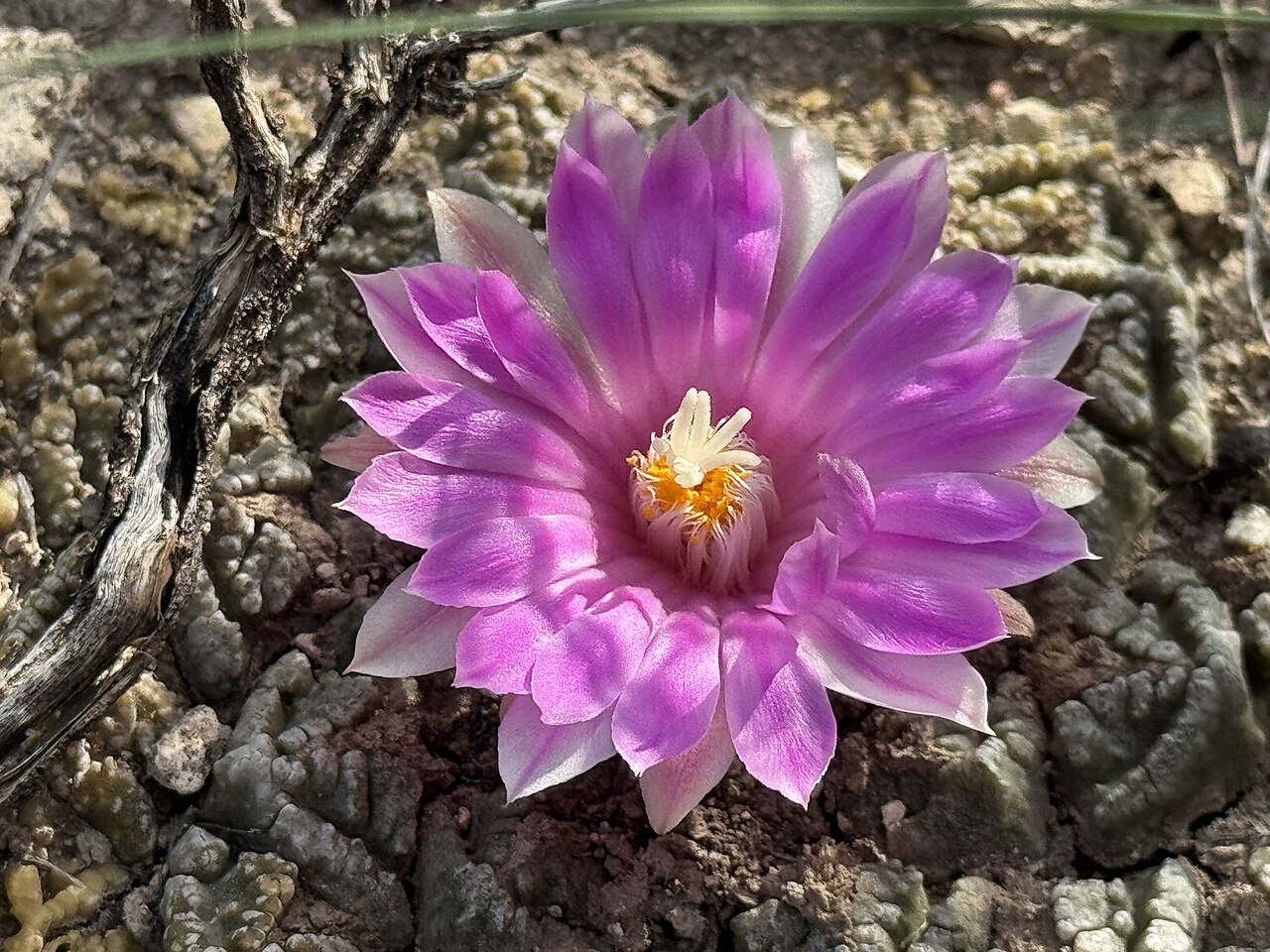
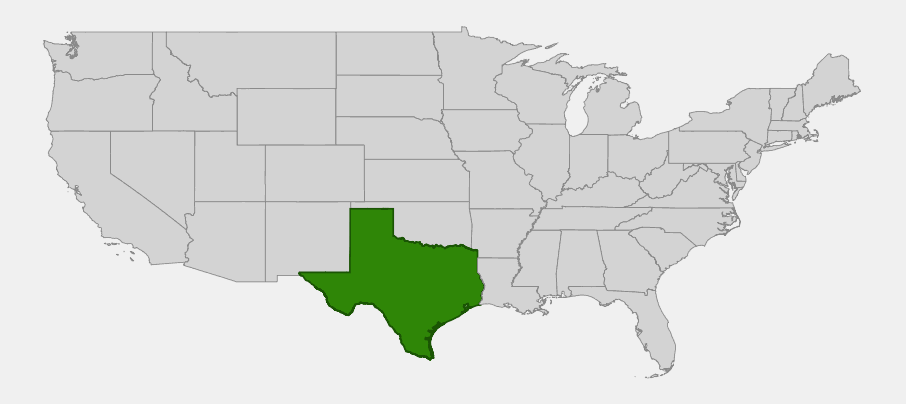
In fall, from about September to November, it gives itself away with large, satiny, magenta to pink flowers 1 to 1 1/2 inches across that open from the woolly center of the plant. In the United States it is found only in the Chihuahuan Desert of the Trans-Pecos in West Texas, mainly in the Big Bend region, and it continues south into northern Mexico.
Living rock cactus grows extremely slowly and is prized by cactus collectors, and illegal collection is a serious threat to wild plants. All Ariocarpus species are listed on CITES Appendix I, the highest level of protection in international trade. Never dig living rock cactus from the wild, and buy only plants that have been legally propagated from seed by a reputable nursery.
Identification
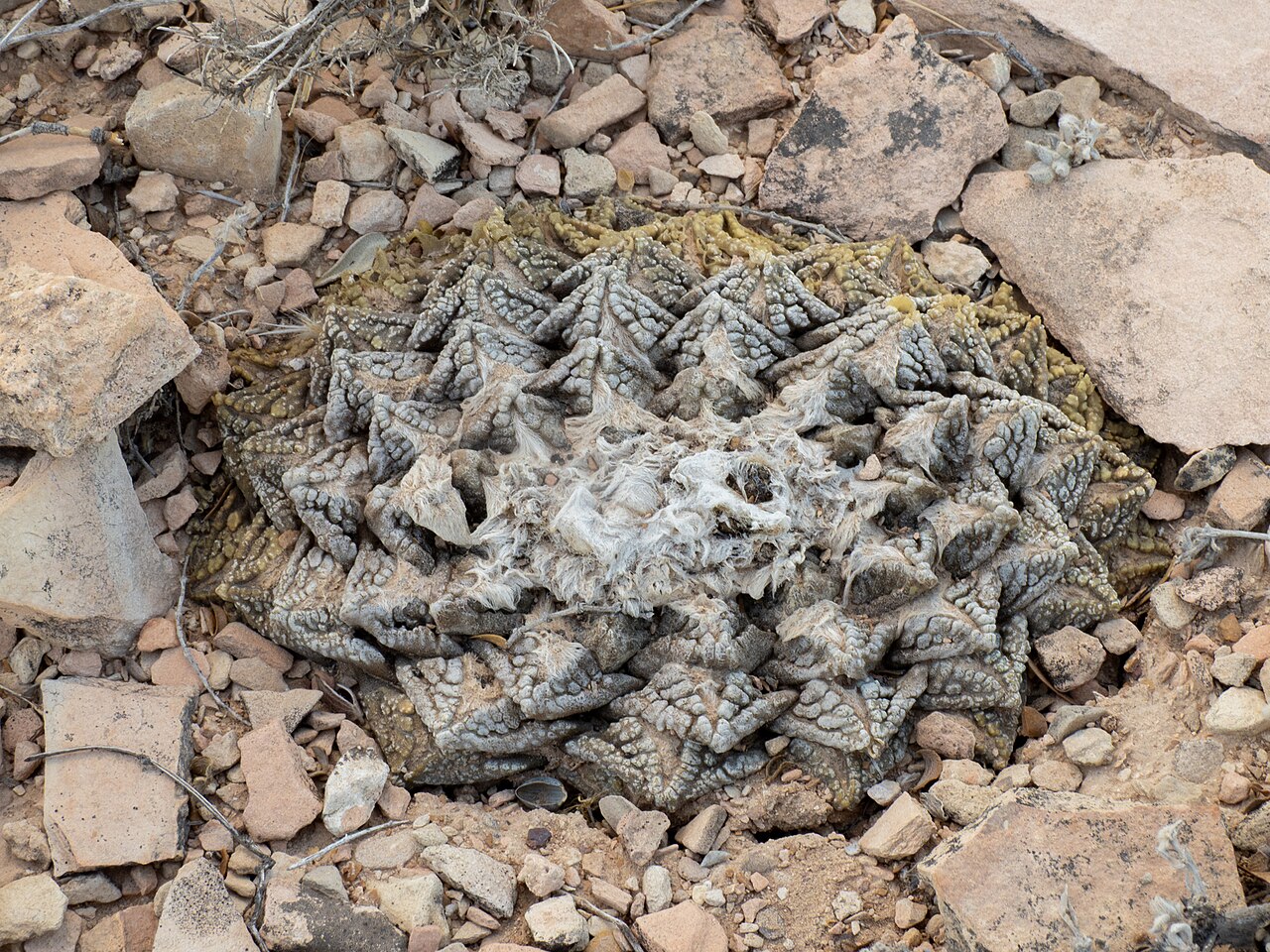
Look for a flat, gray to gray-green, star-shaped rosette barely raised above the ground on limestone hills, made of hard, triangular, spineless tubercles with deeply fissured, warty tops and a band of white wool down the middle, and magenta flowers in fall.
Growth Habit
Living rock cactus is a solitary (rarely clustering) perennial cactus with a single flattened stem, usually 2 to 6 inches wide and rising only about 1 inch above the soil. Most of the plant is underground: a thick, carrot-like taproot stores water and allows the plant to shrink down into the soil during drought. It grows extremely slowly and can live for many decades.
Tubercles
Instead of ribs and leaves, the stem is made of overlapping, triangular, flat-topped tubercles arranged in a tight spiral. Their upper surfaces are gray to gray-green, hard and deeply cracked and warty, like the skin of an old lizard or a lichen-covered stone. A groove filled with white or tan wool runs down the center of each tubercle. There are no spines.
Flowers
The flowers open from the woolly center of the plant in fall, usually September to November, after summer rains. They are 1 to 1 1/2 inches across, with many satiny, pale pink to deep magenta petals, white to yellow stamens and a white stigma. Each flower lasts a few days, and many plants in an area often bloom at the same time.
Fruit & Seeds
The fruit is small, greenish-white to pinkish and hidden in the wool of the plant’s center. It dries and breaks apart, releasing small black seeds that are spread by rain runoff and ants.
Look-alikes
Peyote (Lophophora williamsii) is also spineless and grows in the same region, but it is blue-green and soft, with rounded ribs and tufts of hair instead of hard, cracked tubercles, and it has pale pink flowers in spring and summer. Cob cactus and little nipple cactus have spiny, rounded tubercles. Other species of Ariocarpus grow only in Mexico.
Quick Facts
| Scientific Name | Ariocarpus fissuratus |
| Family | Cactaceae (cactus family) |
| Plant Type | Small, flat, spineless cactus |
| Mature Height | About 1 in above ground; large taproot below |
| Mature Spread | 2–6 in |
| Growth Rate | Very slow |
| Sun Exposure | Full sun to light shade |
| Water Needs | Very low |
| Soil Type | Rocky limestone, gravel and very well-drained mineral soil |
| Soil pH | Alkaline (about 7.5–8.5) |
| Bloom Time | September–November |
| Flower Color | Pale pink to magenta |
| Fall Color | None |
| Fruit | Small whitish to pinkish fruit hidden in wool |
| Deer Resistant | Yes |
| USDA Hardiness Zones | 9–11 (to 8 if kept dry) |
Native Range
Living rock cactus is a Chihuahuan Desert species. In the United States it grows only in Texas, in the Trans-Pecos region, mostly in the Big Bend country along and north of the Rio Grande, where it is protected inside Big Bend National Park and Big Bend Ranch State Park. Its range extends east along the Rio Grande toward the lower Pecos River country.
In Mexico it is found in Coahuila and Chihuahua, and closely related forms, sometimes treated as separate varieties or species, grow farther south in Durango, Zacatecas and San Luis Potosí.
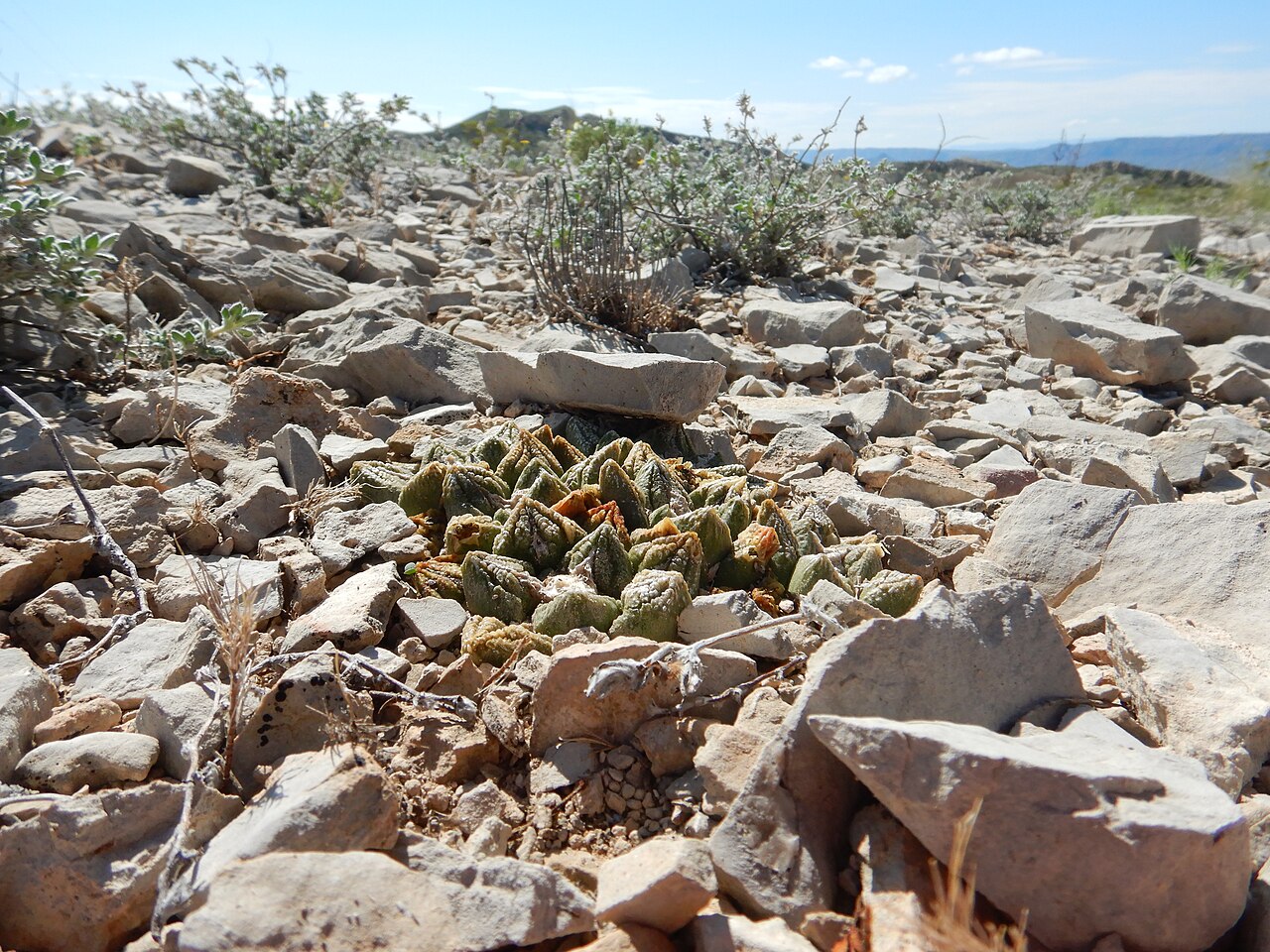
It grows on dry limestone hills, gravelly slopes and flats, and rocky ridges, usually in full sun among low desert shrubs and other small cacti, at roughly 2,000 to 3,500 feet. Plants are often half-buried, with only their flat tops showing.
📋 Regional plant lists featuring Living Rock Cactus: South & West Texas
Growing & Care Guide
Living rock cactus is grown by cactus enthusiasts in pots and dry rock gardens. Buy only plants grown from seed by a reputable nursery; never collect or buy wild-dug plants, which is illegal in Big Bend National Park and other protected areas and is a threat to wild populations.
Light
Full sun outdoors in the Southwest, with light afternoon shade for young plants. In pots, give it the brightest possible light; too little light makes it soft and pale.
Soil & Water
It needs an extremely well-drained, mostly mineral mix, such as pumice, gravel or crushed limestone with a little loam. The thick taproot rots easily, so use a deep pot and water only in the warm months, letting the soil dry completely between waterings. Keep it completely dry in winter.
Planting Tips
Set the plant so that the base sits slightly above the soil and top-dress with gravel or limestone chips to keep the crown dry. In the ground, it is best in a raised, rocky bed in hot, dry climates with mild winters. In colder or wetter areas, keep it in a pot and protect it from frost and rain.
Pruning & Maintenance
No pruning is needed. Repot only rarely, in spring, taking care not to damage the taproot. Watch for mealybugs and root rot.
Propagation
It is grown from seed sown on a gritty mix in warm conditions. Seedlings grow very slowly and take several to many years to flower. Grafting onto faster cactus rootstocks is sometimes used to speed growth. Nursery-grown seedlings are the only responsible source.
Landscape Uses
- Container culture: a slow-growing collector’s cactus for pots
- Dry rock gardens: a stone-like accent in hot, dry climates
- Desert gardens: fall flowers when little else is blooming
- Nature study: a famous example of camouflage in plants
Wildlife & Ecological Value
Living rock cactus is part of the rich small-cactus community of the Chihuahuan Desert, one of the most cactus-rich regions on Earth.
For Pollinators
The fall flowers are pollinated mainly by native bees, which visit the open flowers during the day.
For Birds
Its small fruits are hidden in the wool and are not a significant bird food.
For Mammals
Its camouflage and hard, bitter tissue protect it from most grazing animals, although rodents and rabbits occasionally damage plants in drought.
Ecosystem Role
As a slow-growing, long-lived plant of thin limestone soils, it is a sensitive indicator of undisturbed desert habitat. Illegal collection and habitat disturbance are the main threats to wild populations.
Cultural & Historical Uses
The genus name Ariocarpus refers to the resemblance of its fruit to that of whitebeam trees (Aria), and fissuratus means “fissured,” for the cracked surface of the tubercles.
Living rock cactus contains several alkaloids and has been called false peyote. It is not edible and should never be eaten.
Its camouflage is a classic example of a plant mimicking its surroundings. Many hikers in Big Bend walk past dozens of living rock cacti without noticing them, until the fall flowers make them suddenly obvious.
Frequently Asked Questions
Is it legal to dig living rock cactus?
Never dig it from the wild. Collecting is illegal in national and state parks, and all Ariocarpus species are on CITES Appendix I. Buy only seed-grown plants from reputable nurseries.
When does living rock cactus bloom?
In fall, usually September to November, after summer rains, with magenta to pink flowers.
Where does living rock cactus grow in the United States?
Only in the Trans-Pecos of West Texas, mainly in the Big Bend region, and south into Mexico.
Does living rock cactus have spines?
No. It has hard, triangular, cracked tubercles with a woolly groove but no spines.
How fast does living rock cactus grow?
Very slowly. Seedlings may take many years to reach flowering size, and wild plants can be decades old.

Looking for a nursery that carries Living Rock Cactus?
Browse our native plant nursery directory: Texas

