
Mala Mujer (Cnidoscolus angustidens)
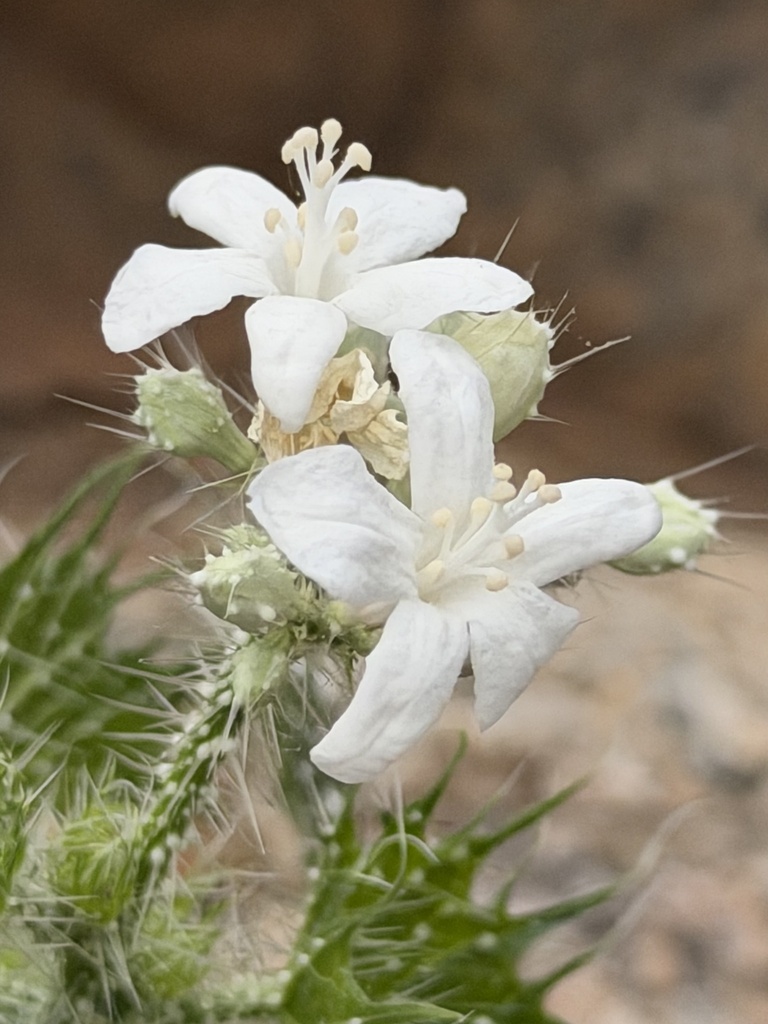
Cnidoscolus angustidens, known by its Spanish name Mala Mujer (“bad woman”), is a native perennial of the spurge family that grows in the mountains and foothills of southeastern Arizona and south through much of Mexico. It is famous, and feared, for its stinging hairs, which cause intense, burning pain on contact.
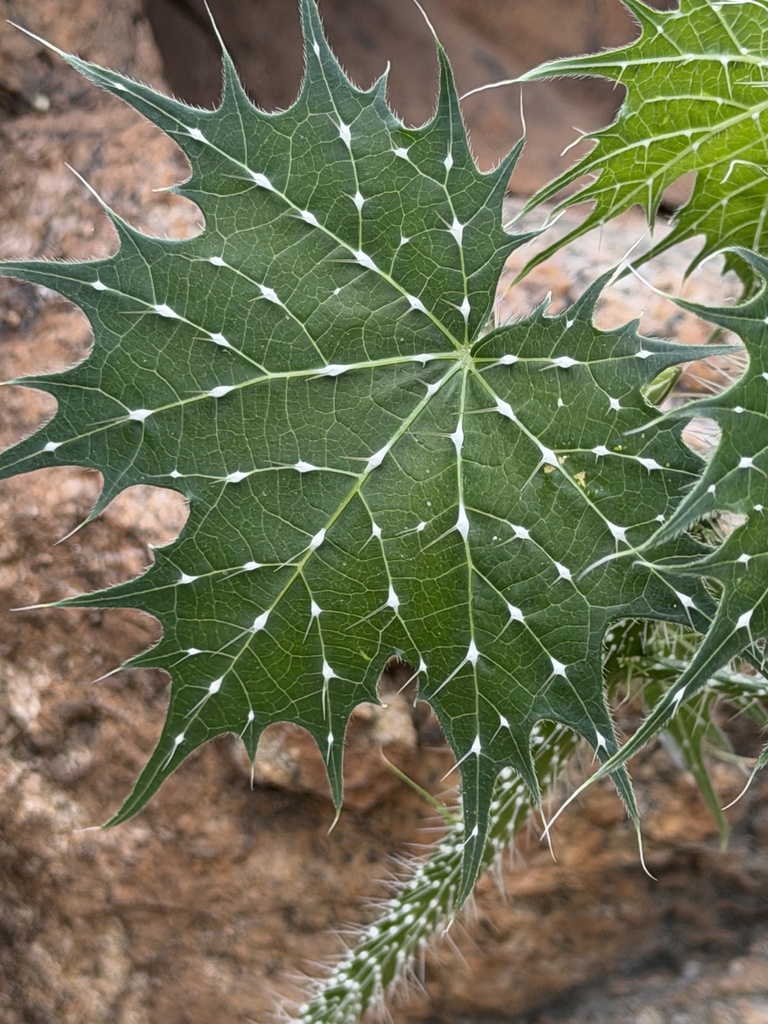
It is a striking plant, with deeply lobed, toothed leaves speckled with white dots, bristly stems and clusters of fragrant, white, star-shaped flowers that appear with the summer monsoon rains. The white dots are the bases of glassy stinging hairs, which cover the leaves, stems and seed capsules.
Safety note: do not touch mala mujer with bare skin. The sting is more painful and longer-lasting than that of stinging nettle and can cause swelling, blistering and skin rashes. This guide covers how to recognize it so you can avoid it on trails, where it grows, and its surprising value to wildlife.
Identification
Mala mujer is a low, bushy perennial with deeply lobed, toothed leaves covered with white-based stinging hairs, bristly stems, white flowers and spiny, three-parted seed capsules.
Leaves & Stems
It grows 1 to 3 feet tall from a thick, fleshy root, with one to several upright stems that die back in winter. The leaves are alternate, 3 to 8 inches across, and deeply palmately lobed into three to five sharply toothed segments, somewhat like a maple or a holly. The upper surface is dark green and dotted with conspicuous white spots, each the base of a stiff, glassy stinging hair. Stems and leaf stalks are densely bristly. The plant has milky sap.
Flowers
From about July to September, after monsoon rains begin, it bears branched clusters of white flowers at the stem tips. The flowers have no true petals; the five white, spreading, petal-like sepals form a tubular, star-shaped flower about ¾ to 1 inch across. Male and female flowers occur on the same plant, and they are fragrant.
Fruit
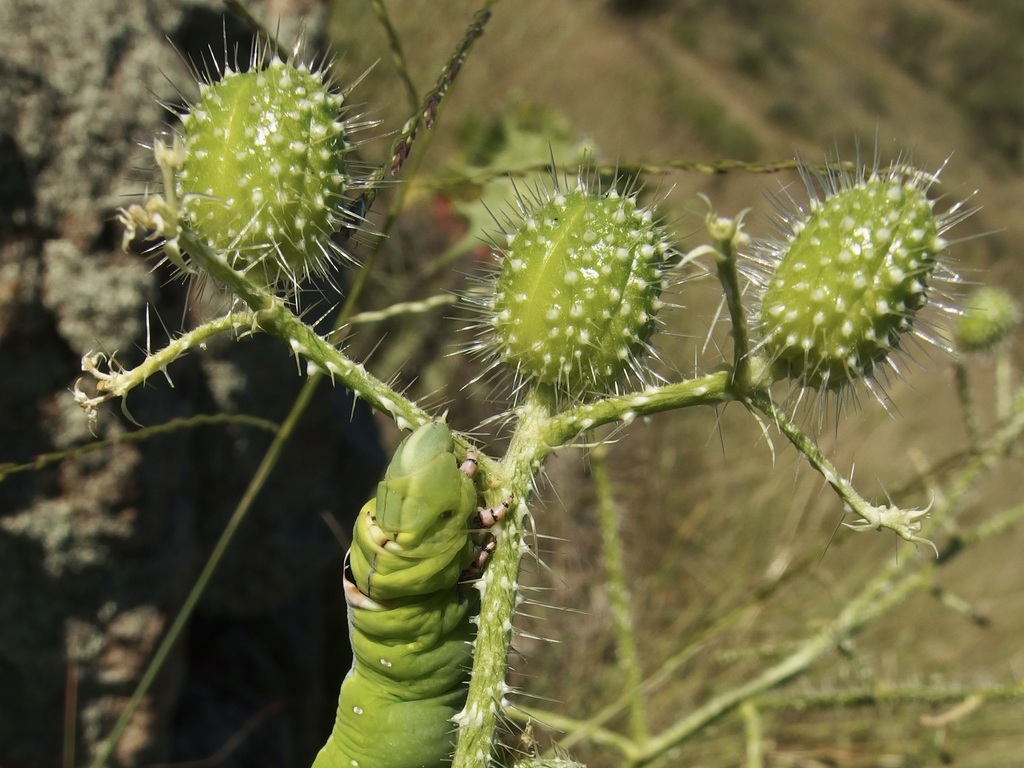
The fruit is a rounded to oblong, three-parted capsule about ¾ inch long, covered in stinging bristles. When ripe, it splits explosively and flings its three mottled seeds a short distance.
Look-alikes
Stinging nettles such as American Stinging Nettle have opposite, unlobed, toothed leaves and tiny green flowers. Related Cnidoscolus species, such as Texas bull nettle (C. texanus) and tread-softly (C. stimulosus) of the Southeast, look similar and sting as well, but they grow in sandy soils of Texas and the Southeast, not in Arizona’s mountains.
Quick Facts
| Scientific Name | Cnidoscolus angustidens Torr. |
| Family | Euphorbiaceae (spurge family) |
| Plant Type | Herbaceous perennial with stinging hairs |
| Mature Height | 1–3 ft |
| Mature Spread | 1–3 ft |
| Growth Rate | Moderate |
| Sun Exposure | Full sun to partial shade |
| Water Needs | Low; summer monsoon moisture |
| Soil Type | Rocky, gravelly, well-drained |
| Soil pH | About 6.0–8.0 |
| Bloom Time | July–September |
| Flower Color | White |
| Fall Color | None; dies back in winter |
| Fruit | Bristly three-seeded capsule |
| Deer Resistant | Yes; stinging hairs deter browsing |
| USDA Hardiness Zones | 8–10 |
Native Range
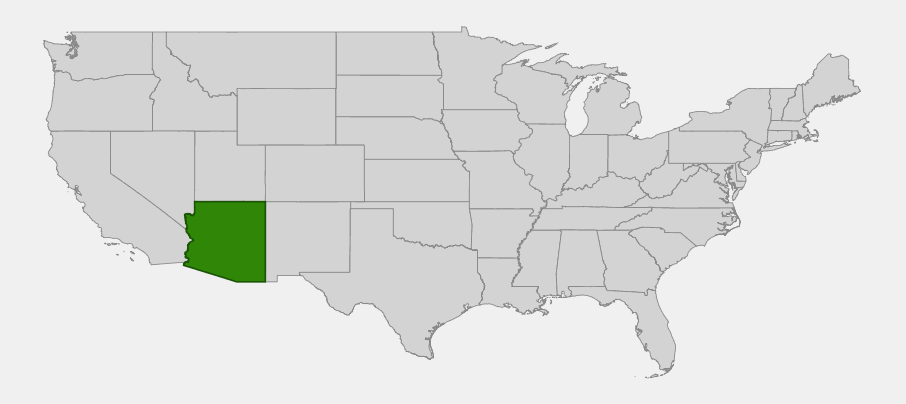
In the United States, mala mujer grows only in southern Arizona. USDA PLANTS lists it in Arizona, where it is found mainly in the mountains, canyons and foothills of Santa Cruz, Pima and Cochise counties near the Mexican border, including the Atascosa, Pajarito and Patagonia mountains.
Its range continues south through Sonora and Chihuahua and across much of western and central Mexico. Several subspecies are recognized in Mexico, while the Arizona plants belong to the typical subspecies.
It grows on rocky slopes, in canyons and along washes in desert grassland and oak woodland, roughly 3,000 to 5,500 feet in elevation. It is often found among boulders and on rocky outcrops, emerging from its fleshy root when monsoon rains arrive in early summer.
📋 Regional plant lists featuring Mala Mujer: Arizona & New Mexico
Should You Grow It?
Mala mujer is not recommended for gardens, especially where children, pets or visitors could brush against it, and it is not sold by nurseries. Appreciate it in the wild from a safe distance. If you find it on your land in southern Arizona, it can be left in an out-of-the-way rocky spot for the wildlife it supports. Wear thick gloves, long sleeves and eye protection if you ever need to handle it.
Light
In the wild it grows in full sun to light shade on rocky slopes and under open oaks.
Soil & Water
It needs rocky, very well-drained soil and depends on summer monsoon rains. Its fleshy root lets it survive long dry periods dormant underground.
Planting Tips
Planting is not advised. If kept on a property, mark its location and keep paths well away from it.
Pruning & Maintenance
The stems die back each winter. If you must remove plants, do so with heavy gloves and tools, and dig out the fleshy root, which will otherwise resprout.
Propagation
It spreads by seed flung from the exploding capsules. It is rarely propagated deliberately.
Landscape Uses
- Wildlife habitat: nectar for moths and bees; host for caterpillars
- Natural areas: part of rocky oak woodland and grassland plant communities
- Nature study: a striking example of plant defense
- Trail awareness: learn to recognize it to avoid stings
Wildlife & Ecological Value
Despite its painful defenses, mala mujer supports a variety of insects in southern Arizona’s sky island canyons.
For Pollinators
The fragrant, white flowers are visited by moths, butterflies, bees and other insects. Their scent and pale color are typical of flowers that attract moths at dusk.
For Birds
Doves, quail and other ground-feeding birds may eat seeds that are flung from the capsules.
For Mammals
The stinging hairs deter most browsing mammals, including deer and cattle.
Ecosystem Role
It is a host plant for the caterpillars of several moths, including large sphinx moth caterpillars, which feed on its leaves despite the stinging hairs. Its fleshy roots help it persist through drought and fire on rocky slopes.
Cultural & Historical Uses
The name mala mujer (“bad woman”) is used in Mexico and the Southwest for several stinging Cnidoscolus species. The genus name comes from Greek words meaning “nettle” and “thorn.”
The American botanist John Torrey described Cnidoscolus angustidens from specimens collected in the borderlands during the 19th-century U.S.–Mexico boundary surveys.
In parts of Mexico, the seeds and roots of some Cnidoscolus species are reported as traditional foods or medicines after careful preparation, and the closely related chaya (C. aconitifolius) is a cooked leaf vegetable. Mala mujer itself should not be eaten or handled.
Frequently Asked Questions
What happens if you touch mala mujer?
The stinging hairs inject irritating chemicals into the skin, causing intense burning pain, redness, swelling and sometimes blisters or a rash that can last for hours or days. Wash the area with soap and water, avoid rubbing, and seek medical care for severe reactions or eye contact.
Where does mala mujer grow?
In the U.S., only in the mountains and canyons of southern Arizona near the Mexican border, and south through much of Mexico.
Why is it called mala mujer?
The Spanish name means “bad woman,” a reference to its painful sting.
Is mala mujer related to stinging nettle?
No. It is in the spurge family (Euphorbiaceae), while stinging nettles are in the nettle family. Both evolved stinging hairs independently.
Does mala mujer have any value?
Yes. Its flowers feed moths and bees, its leaves feed caterpillars of several moths, and it is part of the native plant community of Arizona’s sky islands.

Looking for a nursery that carries Mala Mujer?
Browse our native plant nursery directory: Arizona

