Benefits of Planting Native Mayapple for Ecosystem Health and Garden Diversity
Last updated: September 18, 2026
Planting native mayapple (Podophyllum peltatum), sometimes called American mandrake, brings a bunch of ecological and gardening perks. This low-maintenance perennial naturally attracts local wildlife, offering both habitat and food for pollinators and certain bird species.
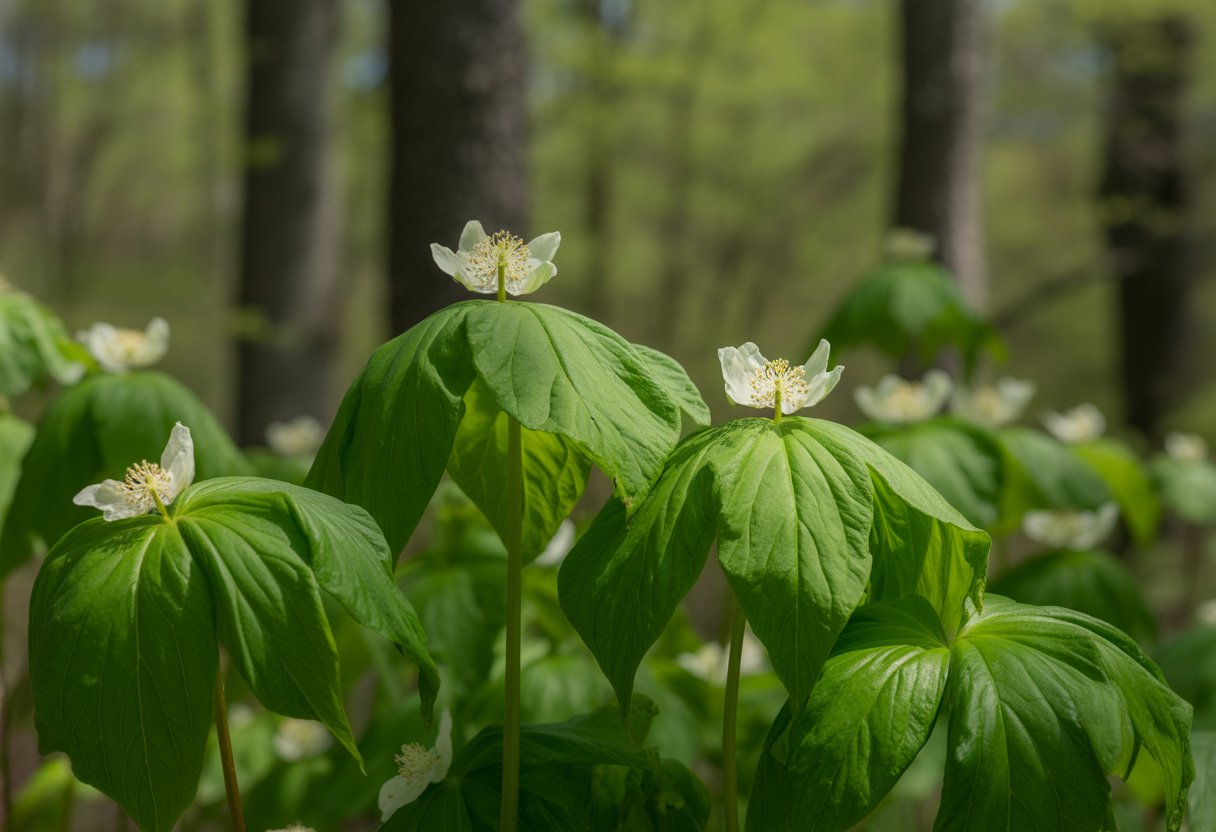
Mayapple thrives in shaded spots with almost no fuss, making it a solid pick for woodland gardens that need a little biodiversity boost. Its umbrella-like leaves and quirky fruit are fun to look at, and you don’t have to mess with fertilizers or pesticides.
When gardeners add mayapple to their landscapes, they help protect a native species that’s already adapted to the local environment. This means less watering and fewer chemicals, so your outdoor space gets more sustainable and maybe even a bit more resilient.
Ecological and Environmental Benefits of Planting Native Mayapple
Planting native mayapple really helps local ecosystems. It supports wildlife, increases woodland biodiversity, and encourages sustainable gardening practices.
Supporting Local Wildlife
Native mayapple gives woodland species some much-needed resources. Its big leaves shade and shelter small insects and amphibians, and when the fruit ripens, box turtles and raccoons come by for a snack.
Bees and other pollinators love its white spring flowers. This connection boosts pollinator populations, which are crucial for other native plants. Mayapple’s spot in the Berberidaceae family means it fits right into the local food web.
Enhancing Woodland Biodiversity
Mayapple likes shaded, moist woods and often forms thick colonies. These clusters create microhabitats, which benefit all sorts of understory critters and plants.
Its presence ramps up habitat complexity, letting more fungi, animals, and plants share the space. By growing native mayapple, gardeners help maintain the natural mix of plants, making it harder for invasives to take over.
Promoting Sustainable Gardening
Native mayapple doesn’t need much from you—skip the fertilizers and pesticides. It’s already dialed in to local soils and weather, so you can pretty much let it do its thing.
Mayapple’s return every year means less work for gardeners and steadier support for native insects and wildlife. If you’re into sustainable land management, this plant just fits.
Growth, Care, and Maintenance of Native Mayapple
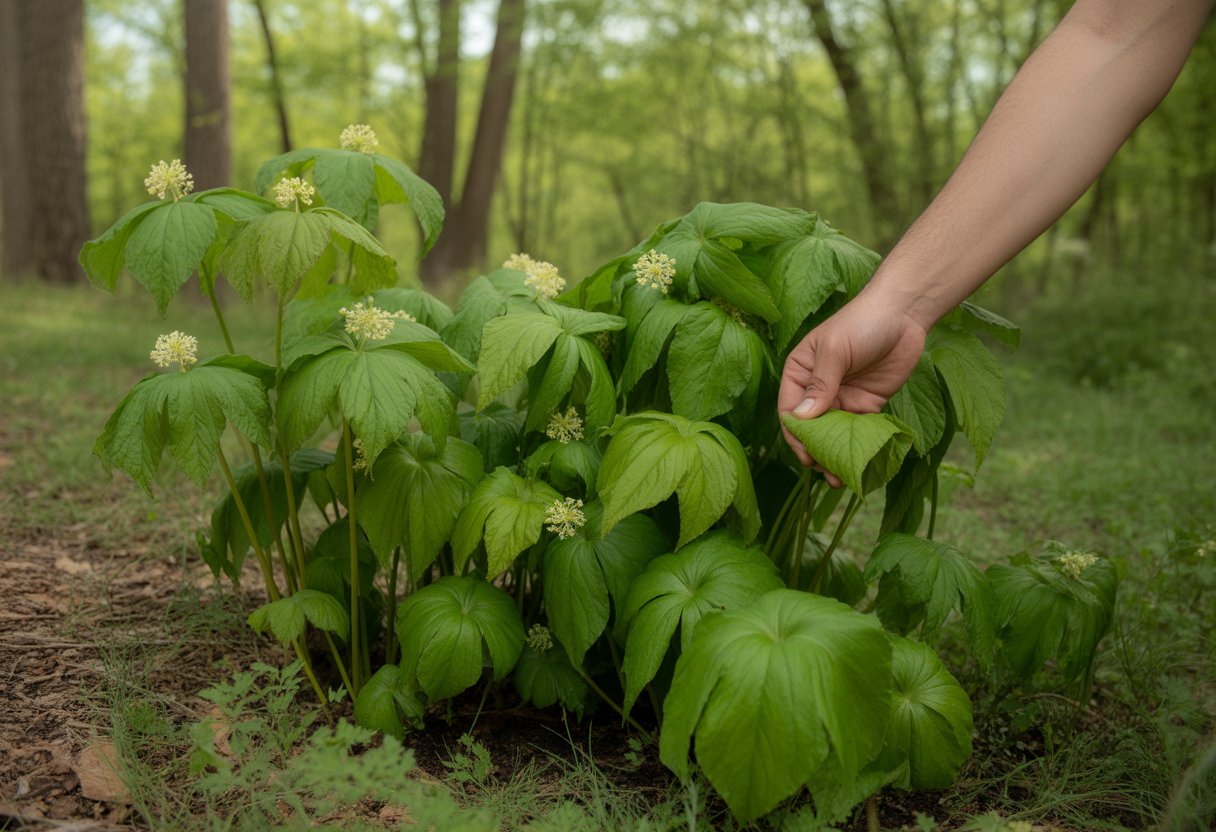
Native mayapple grows best when you pay attention to its basic needs. Sunlight, soil, watering, and feeding all play a role in keeping it healthy and spreading.
Sunlight and Shade Requirements
Mayapple prefers dappled shade or partial sun, especially in woodlands or under filtered light. Too much direct sun can scorch leaves, while deep shade might mean fewer flowers and fruit.
It grows best under trees, where light stays bright but indirect. Usually, it tops out around 12 to 24 inches tall. Consistent shade keeps the plant happy and less stressed.
Soil Preferences and Watering Schedule
Mayapple likes well-drained, loamy soil with a pH from 5.5 to 7.0. The soil should hold moisture but not get soggy, so the rhizomes can spread.
Water moderately, especially during dry spells. Try watering once or twice a week, then let the soil dry a bit in between. Too much water leads to root rot; too little stunts growth.
Fertilizing and Feeding for Healthy Growth
You usually don’t need to fertilize mayapple much, unless your soil’s really poor. If you do, a balanced, slow-release fertilizer (like 10-10-10) in early spring does the trick.
Mixing in compost or leaf mold helps the soil and gives the plant a nutrient boost. This supports healthier rhizomes and fuller leaves, without making it go overboard on leafy growth.
Propagation, Planting, and Troubleshooting
Getting native mayapple established depends on how you propagate and plant it, plus how you handle pests and diseases. Paying attention to soil, timing, and temperature helps new plants settle in.
Best Practices for Planting and Propagation
Mayapple does well in USDA zones 3 to 8. It prefers shade, rich soil, and good drainage.
Plant rhizomes about 2 inches deep in early spring or fall, spaced roughly a foot apart. Rhizome division works better than seeds since seeds need 90 days of cold stratification before they’ll sprout.
When you divide rhizomes, be gentle—buds can break off easily. After transplanting, keep the soil moist and shade the plants from strong sun for a couple weeks. Temperatures between 50°F and 70°F are best for transplanting.
Disease and Pest Management
Mayapple usually shrugs off most diseases, but it can get leaf spot and rust if conditions are too damp. Spotting symptoms early helps limit damage.
Slugs and aphids sometimes show up. You can pick them off or use organic insecticides if needed.
Better air flow and skipping overhead watering keeps problems down. Sometimes, asking an AI-powered plant doctor for advice makes sense when things get tricky.
Unique Features, Uses, and Cultural Significance
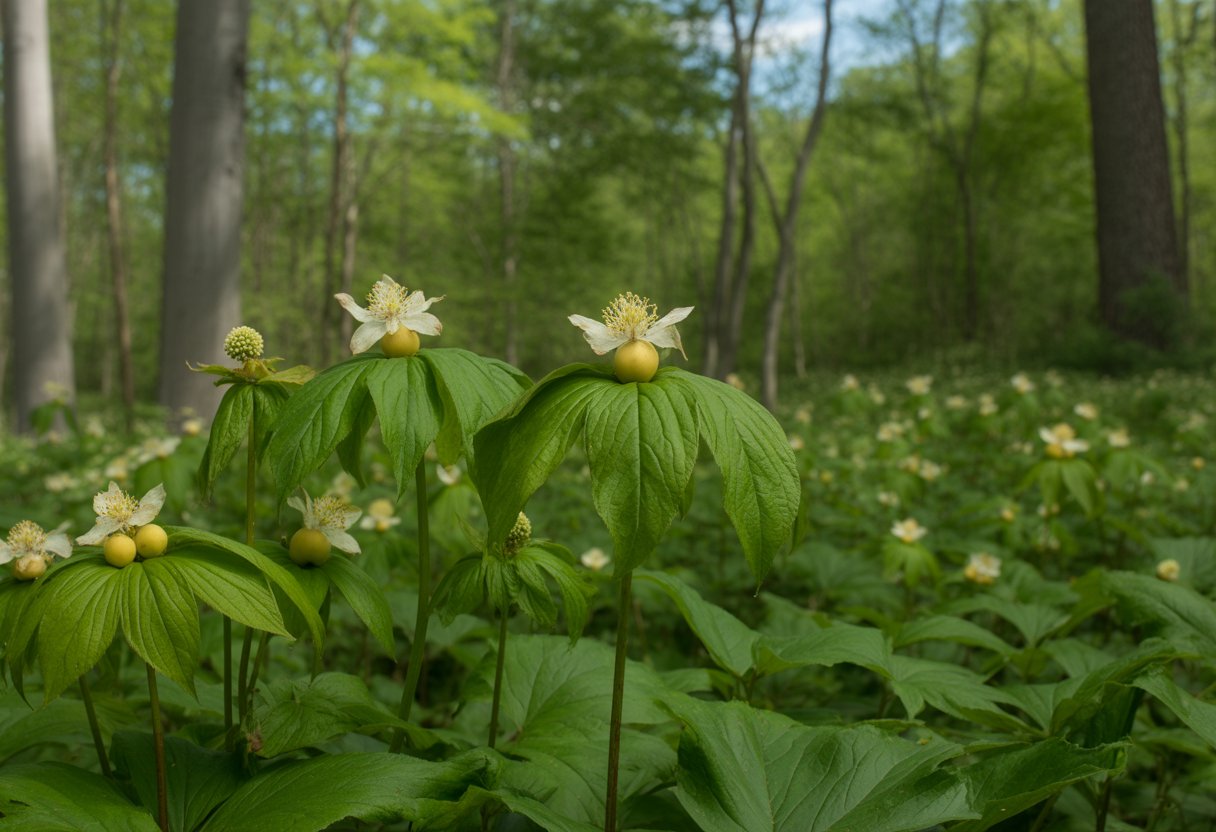
Native mayapple stands out for its funky looks, practical uses, and a bit of folklore. Its shape and chemistry have influenced both medicine and gardening.
Medicinal and Practical Uses
Mayapple, or American mandrake (some folks call it hog apple), contains podophyllotoxin. That’s a compound used in antiviral and anticancer drugs.
Native Americans once used its crushed roots and leaves as a laxative and for other medicinal purposes. Still, the plant’s toxic if you handle or eat it wrong.
The small, yellowish fruit is only edible when ripe—unripe fruit and all other parts are poisonous. Modern herbalists warn about taking it internally. Even today, podophyllotoxin from mayapple is important in pharmaceuticals.
Noteworthy Botanical Characteristics
Mayapple usually grows in colonies, with umbrella-like leaves that shade the ground. Each stem carries a single white flower with six petals, blooming in early spring before the leaves fully develop.
The plant likes partial shade and moist, well-drained soil. It makes a reliable ground cover in woodland gardens. Sometimes called wild lemon for its fruit, it goes dormant in winter and pops back up in spring.
Native Mayapple in Garden Design
Native mayapple works well in shaded or semi-shaded parts of a garden. It brings a relaxed, natural look as ground cover.
It gets along nicely with ferns and trilliums, which like similar conditions—moist, rich soil and a bit of dappled sunlight. If you’re after plants that don’t need much fuss, this trio is worth a try.
Mayapple keeps weeds down and helps the soil hold onto moisture. Since it spreads slowly through rhizomes, you won’t have to worry about it taking over, which is honestly a relief for anyone aiming for sustainable landscaping.