Best Compost Materials for New York: Top Choices for Efficient Urban Composting
Last updated: September 20, 2026
Composting in New York calls for materials that break down fast in the city’s unique climate and tight spaces. The key is balancing nitrogen-rich “greens” with carbon-rich “browns”—that’s what really keeps things moving and turns waste into nutrient-rich soil.
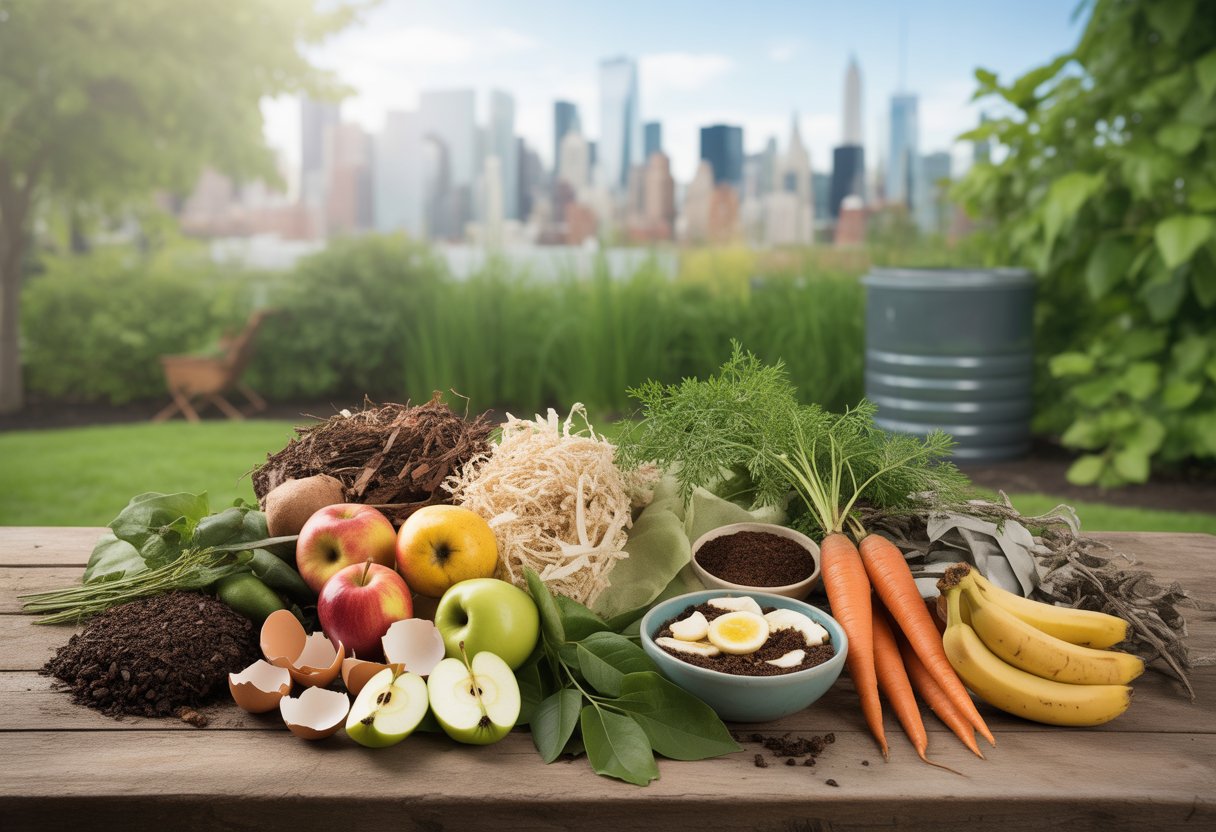
For New Yorkers, kitchen scraps like vegetable peels, coffee grounds, dry leaves, shredded newspaper, and small branches are ideal. These are easy to find whether you’re in Brooklyn or upstate, and they help keep compost bins balanced for moisture and airflow.
Using what’s local supports composting all year and cuts down on waste. Knowing which materials work best can make composting feel less like a chore and more like second nature.
Essential Compost Materials for New York
In New York, a balanced mix of organic materials is crucial for compost that breaks down well in the city’s climate. Nitrogen-rich greens, carbon-heavy browns, and a bit of seasonal yard waste all pitch in to create nutrient-rich compost.
Green Materials: Food Scraps and Kitchen Waste
Green materials bring the nitrogen microbes need to thrive. Fruit peels, veggie trimmings, coffee grounds, and eggshells are all solid choices. Just skip meat, dairy, or greasy foods—they’ll attract pests and make the pile stink.
These scraps break down fast and add moisture, keeping the compost pile lively. Tossing in a variety of kitchen greens gives microbes what they need to work quickly.
Brown Materials: Leaves and Straw
Brown materials add carbon, balancing nitrogen and keeping the pile from turning soggy or smelly. Dry leaves from city streets in fall and straw from nearby farms both work great.
Shred those leaves first—trust me, it helps them break down faster. Straw fluffs up the pile and keeps air moving. Both break down slowly, giving compost structure and helping keep things at the right temp and moisture.
Yard Scraps and Grass Clippings
Yard scraps like pruned branches and twigs add bulk and help air get in, but chop them up so they don’t slow the pile down. Grass clippings are loaded with nitrogen, but you’ve got to layer them or they’ll mat together.
Fresh grass clippings break down quickly and release moisture, so mix them with browns like leaves or straw to avoid a soggy mess. Give the pile a turn now and then—airflow is everything for composting in New York gardens.
Optimizing Compost for NYC Environments
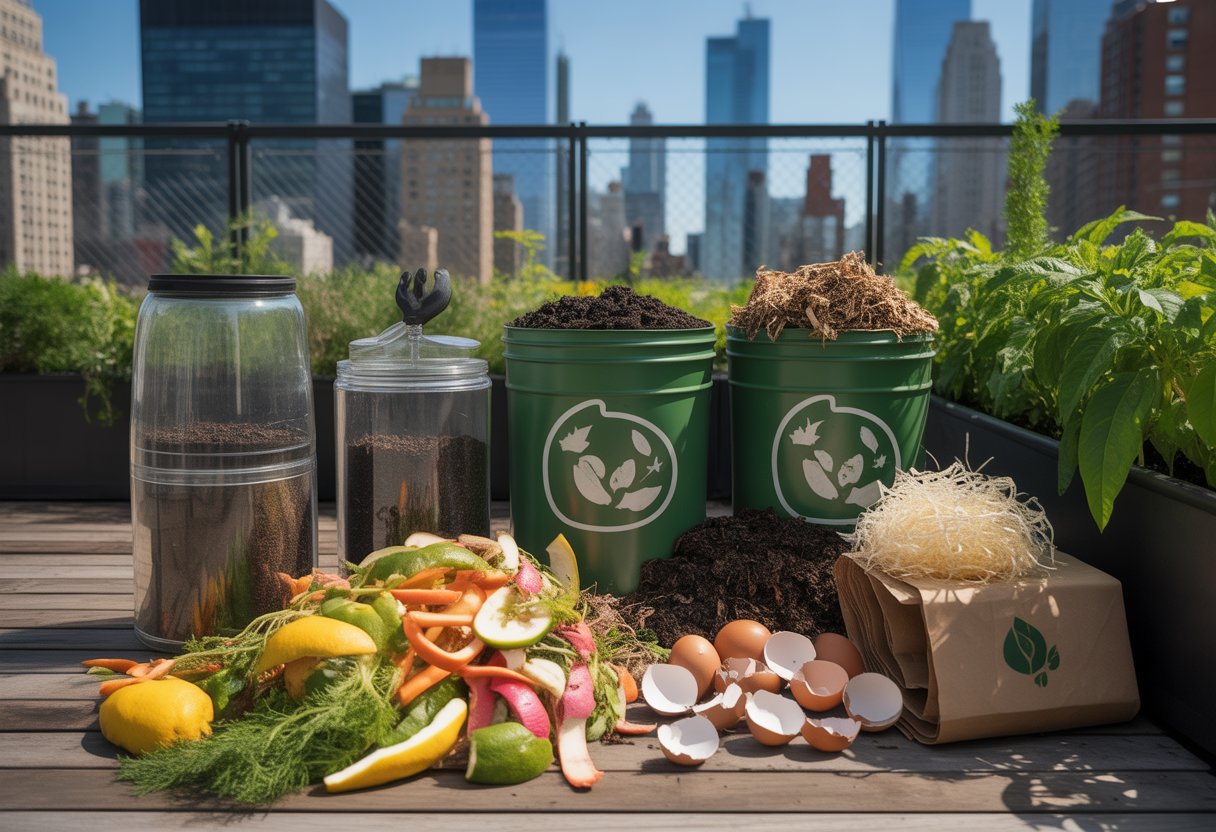
Composting in New York City means working around small spaces, city rules, and whatever resources you can get. Sometimes the city’s programs or a few handy tools make all the difference, especially when you want to keep pests and smells in check.
Compost Bins and Tumblers
Compost bins and tumblers are the go-to for managing kitchen and yard waste at home. Most NYC folks pick compact compost bins for balconies or tiny yards since they keep odors down and critters out.
Compost tumblers make it easy to turn the pile without getting your hands dirty. They’re great if you want compost faster and don’t have time for all the manual work.
Fruit scraps, coffee grounds, and shredded yard waste work well in these setups. You’ll definitely want to keep a good mix of greens and browns and avoid tossing in meat or dairy—otherwise, you’ll regret it.
Compost Drop-Off and Curbside Programs
Not everyone has space for a bin, so curbside composting is a lifesaver. The city picks up food scraps and yard waste separately, making it pretty painless.
Drop-off spots are scattered around the boroughs, and they’ll take most food scraps and compostable bags. Just check the city’s list of what’s allowed—nobody wants a contaminated pile.
Joining these programs cuts landfill waste and supports the city’s composting system. It’s especially helpful if you live in an apartment or don’t have outdoor space.
Composting in Small Urban Spaces
If you’re tight on space, try vermicomposting (worm bins) or small container composting right in your kitchen. Worm bins don’t smell much and fit under the sink or on a countertop.
Stackable bins make use of vertical space, which is a must in the city. Just remember to keep things aerated and not too wet, or you’ll run into problems.
A lot of city gardeners use their compost for container gardens, feeding potted plants and herbs. It’s a nice little loop—your scraps go straight back into your own veggies or flowers.
Maintaining Healthy Compost Piles
A healthy compost pile needs the right nutrient balance, decent airflow, and moisture control. If you keep those in check, you’ll end up with nutrient-rich soil that’s perfect for city gardens.
Balancing Nutrients and Organic Material
You’ve got to balance carbon-rich browns (think dry leaves or straw) with nitrogen-rich greens (like grass clippings or food scraps) for microbes to do their thing. Aim for a carbon-to-nitrogen ratio around 30:1.
Too many browns slow things down; too much green, and you’ll get odors or even ammonia. Mixing it up with lots of different materials helps provide plant nutrients and keeps the pile on track.
Mixing in a variety of organic materials regularly keeps microbes happy and helps waste break down faster.
Airflow, Moisture, and Oxygen
Oxygen is a must—those aerobic microbes can’t work without it. Turn or loosen the pile every week or two to keep air moving.
Keep moisture at about 40-60%—just damp, not soggy. If it dries out, microbes slow down. Too wet, and you’ll drown out the oxygen and get a stinky mess.
Pile structure matters, too. Mixing chunky stuff like wood chips with finer scraps creates air pockets, which helps everything breathe.
Managing Odors and Compost Smells
If your compost smells funky, something’s off. Sour or ammonia smells usually mean too much green or not enough air.
Add more browns to soak up the extra nitrogen and balance things out. Turning the pile brings in more oxygen, which helps a lot.
You can also cover the pile with finished compost or dry leaves to filter out smells. Keeping up with maintenance keeps pests away and makes sure your compost is good for the garden.
Using Finished Compost in New York Gardens
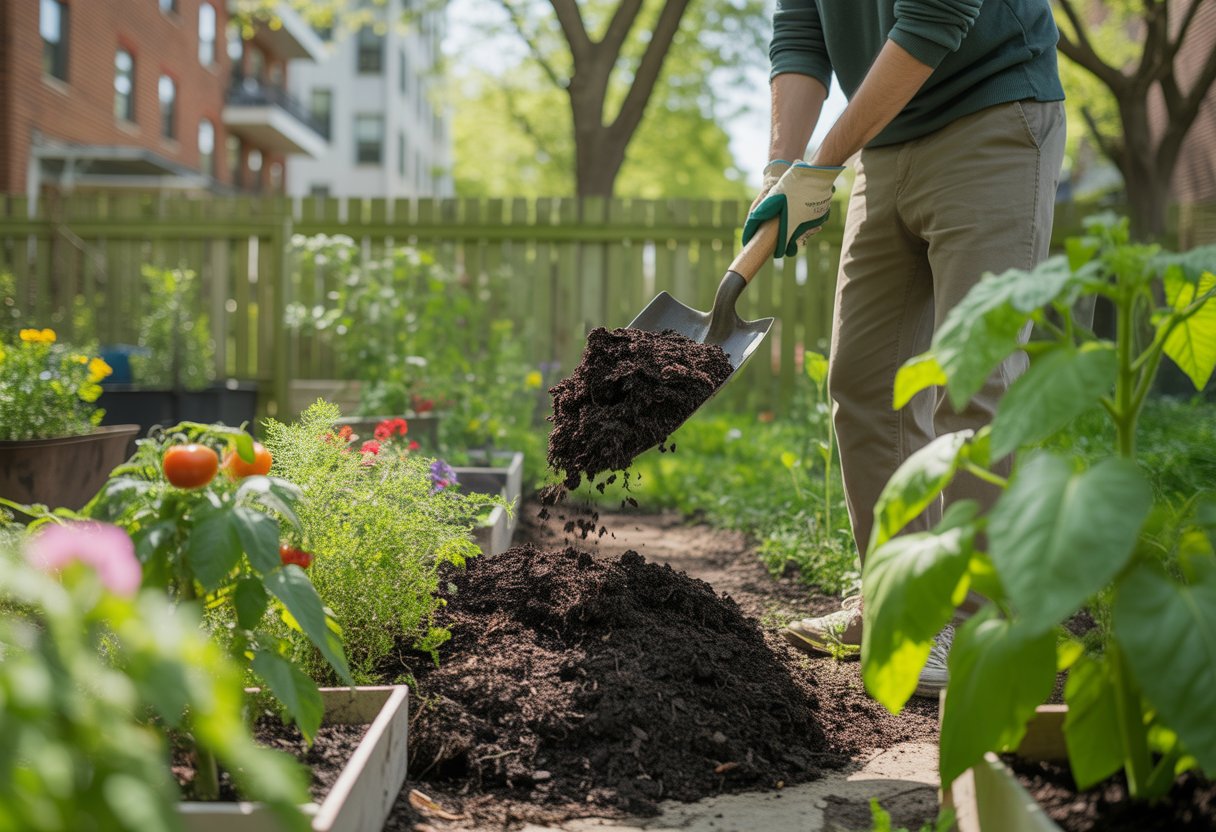
Finished compost boosts soil, helps it hold water, and gives plants the nutrients they need for real growth. It protects garden beds from erosion and encourages strong roots. How you use it makes a difference.
Garden Beds and Mulch Applications
Most gardeners mix finished compost right into their beds to improve soil texture and fertility. In New York’s climate, spreading 2–3 inches before planting helps the soil hold water and keeps weeds down.
When you use compost as mulch, it insulates roots from temperature swings and slowly feeds plants. Applying it around trees and shrubs enriches the root zone and helps them stay healthy.
Don’t pile compost against plant stems—give them space to avoid rot. Topping up with compost every season keeps soil in good shape and encourages helpful microbes to stick around.
Homemade Fertilizer and Compost Tea
Finished compost works great for making nutrient-rich compost tea. Just steep two parts compost with five parts water for about 24 to 48 hours.
This mix ends up packed with nitrogen, phosphorus, and potassium. You can spray compost tea right onto leaves or pour it around the base of your plants.
Doing that helps plants soak up nutrients and might even keep some diseases at bay. In New York, gardeners rely on this, especially when veggies and flowers are growing like crazy in the summer.
Making your own fertilizer from compost means you don’t have to use as many chemicals. Just make sure your compost is fully cured—nobody wants to deal with surprise weeds or plant diseases sneaking into the garden.