Big Bluestem in a Small Yard: When to Use It and When to Choose a Shorter Grass
Last updated: November 6, 2026
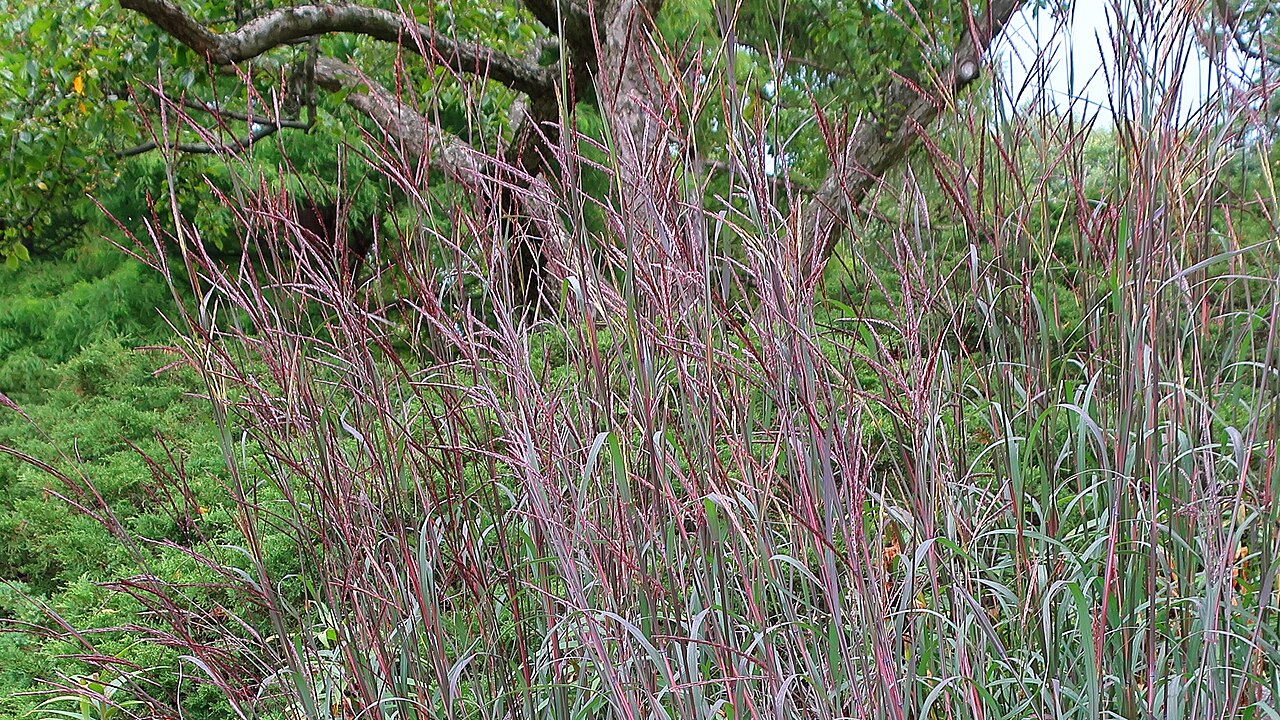
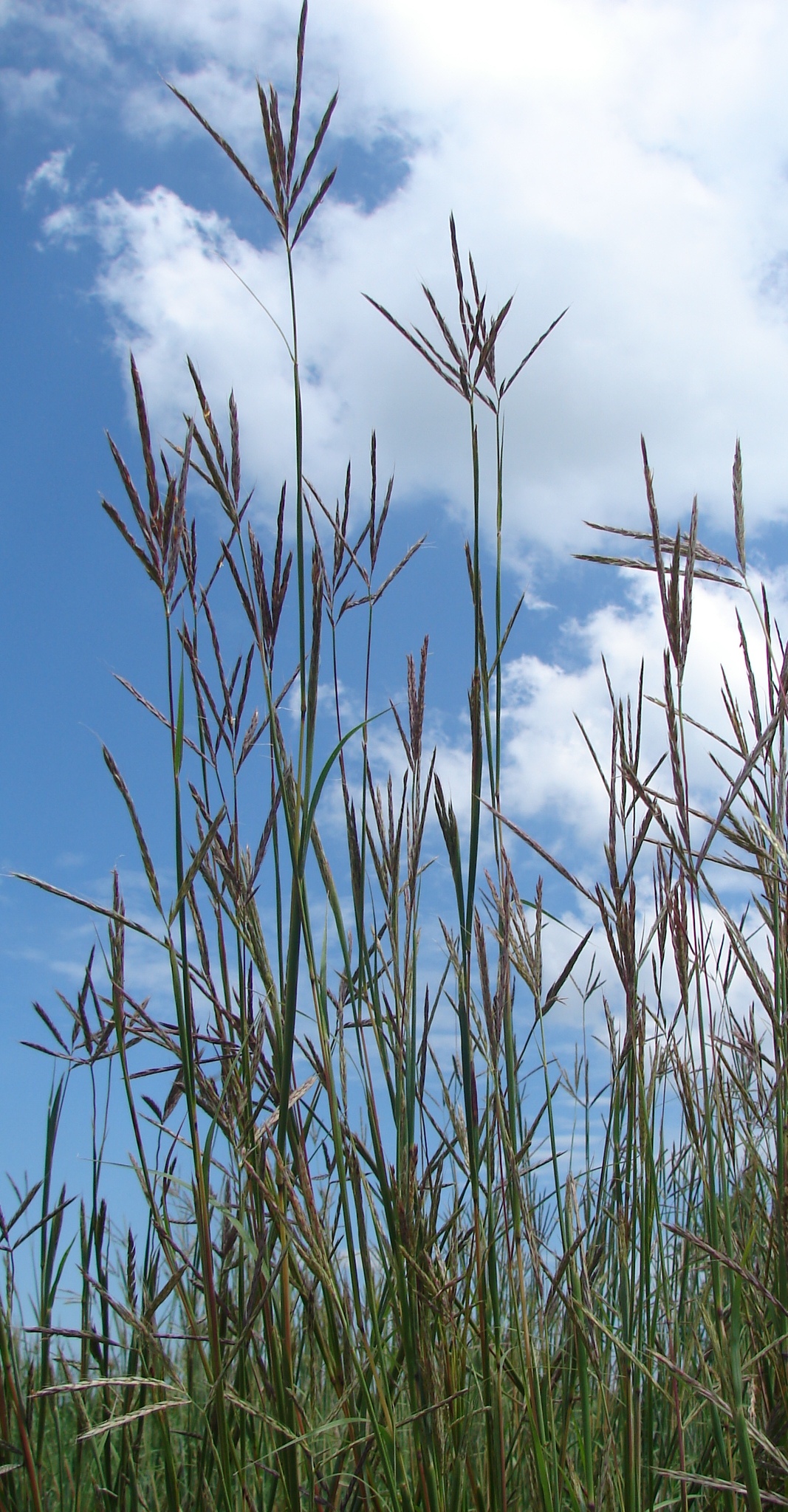
Big bluestem is the classic grass of the tallgrass prairie, and it is easy to see why gardeners want it. The stems turn blue, red and bronze, the seedheads look like a turkey’s foot, and a mature stand has real presence.
It is also big. In a small yard, a grass that reaches 6 to 8 feet can crowd a path, flop over a lawn, or simply dwarf everything around it.
This guide helps you decide when big bluestem is worth the space in a small yard, how to site it so it stays upright, and which shorter native grasses to use when it is the wrong fit.
Plan at a Glance
| Site | Small yard: back corner, fence line, rain-garden edge or deep border |
| Size | One clump to a small group; needs a bed at least as deep as the grass is tall |
| Sun | Full sun |
| Soil | Moist to average, deep soil; avoid rich, irrigated beds |
| Maintenance | Low: one late-winter cutback; watch for spread |
| Best regions | Eastern and central North America; rare in the far West |
How Big Is Big Bluestem, Really?
The Morton Arboretum says big bluestem may grow 4 to 6 feet tall before flowering and up to 8 feet once in flower. The Lady Bird Johnson Wildflower Center gives 4 to 8 feet, and Wikipedia cites 3.5 to 10 feet depending on soil and moisture.
It also widens. The Morton Arboretum notes that while it is considered a clumping grass, it does spread slowly by rhizomes and also by seed. Wikipedia describes its rhizomes as strong and tough, forming a very strong sod.
Compare that with little bluestem, which NC State Extension lists at 2 to 4 feet tall. Big bluestem is often twice the height of its smaller cousin, with the root system to match.
Assess Your Site First
Big bluestem is not fussy about soil type. The Wildflower Center lists acid or calcareous sands, loams and clays, and notes it is moderately tolerant of acidity and salinity and can withstand periodic flooding.
The conditions that cause trouble in a garden are specific. The Wildflower Center warns that too much water, shade or fertilizer can make it top-heavy so it falls over. A leaning 7-foot grass is a much bigger problem in a small yard than a leaning 3-foot one.
Check these before you plant:
- Full sun. The Morton Arboretum lists full sun, six or more hours of direct light.
- No lawn irrigation. Sprinklers set for turf will make it soft and floppy.
- Lean soil. Skip compost and fertilizer.
- Room to lean. As a rule of thumb, assume a clump can tip as far as it is tall. Keep it back from paths, driveways and windows by about that distance.
- Moisture. The Wildflower Center says big bluestem needs more moisture to look its best than little bluestem, but is quite drought tolerant in deep prairie soils. Thin, dry, rocky soil favors shorter grasses.
When Big Bluestem Is the Right Choice
Even in a small yard, big bluestem earns its space in a few situations:
- A back corner or fence line where height is welcome and nothing sits behind it.
- A screen for late summer and fall, much like switchgrass used as a seasonal screen, with the same spring gap after cutback.
- A rain-garden edge or low spot that stays moist, since it tolerates periodic flooding (Wildflower Center).
- A focal clump in a deep bed, where one dramatic grass anchors lower plants.
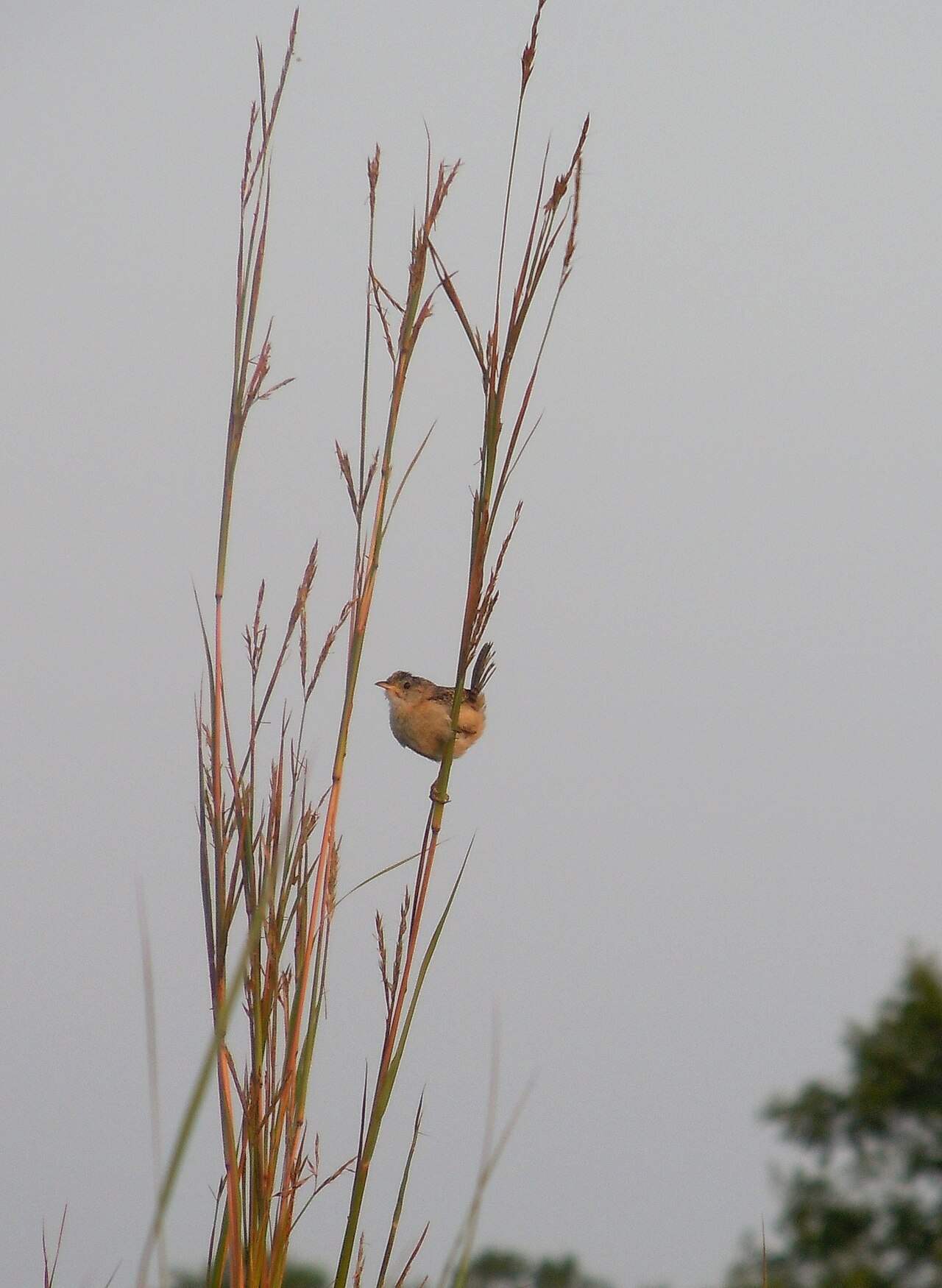
- Bird habitat. The Wildflower Center notes it provides cover for at least 24 songbird species and nesting sites or seeds for sparrows, sedge wrens and western meadowlarks.
When to Choose a Shorter Grass
Pick a shorter grass instead when any of these apply:
- The bed is a narrow strip. A 7-foot grass in a strip along a walk will lean over whatever is beside it.
- The yard is mostly part shade. Shade is one of the causes of flopping the Wildflower Center names.
- The bed borders a lawn, path or patio you do not want shaded or crowded.
- You want many grasses repeated through a small bed. Repetition works better with compact grasses.
- The soil is dry and thin. Little bluestem, sideoats grama or blue grama suit dry sites better. See blue grama in a dry-site planting for a western dry-site plan.
- You cannot manage spread. The Wildflower Center notes big bluestem can be aggressive in the central and northern tallgrass prairie region.
Plant Palette: Big Bluestem and Shorter Alternatives
Heights and ranges are from the Lady Bird Johnson Wildflower Center unless noted. Confirm each grass is native to your state.
| Grass | Height | Moisture | Small-yard role | Native range |
|---|---|---|---|---|
| Big bluestem (Andropogon gerardii) | 4–8 ft | Moist to average; drought tolerant in deep soil | Back corner, screen, wet edge | Que. and ME to Sask. and e. MT, southeast to FL, west to AZ |
| Little bluestem (Schizachyrium scoparium) | 2–4 ft (NC State) | Dry, well-drained | Repeated mid-border grass | Que. and ME to AB and ID, south through much of the U.S. east of the Rockies |
| Prairie dropseed (Sporobolus heterolepis) | Up to about 3 ft | Dry | Low edging mound | Que. to Sask., locally south to NC, KY, e. TX and CO |
| Sideoats grama (Bouteloua curtipendula) | 1–3 ft | Dry to moist | Dry-site accent | South-central Canada and much of the U.S. |
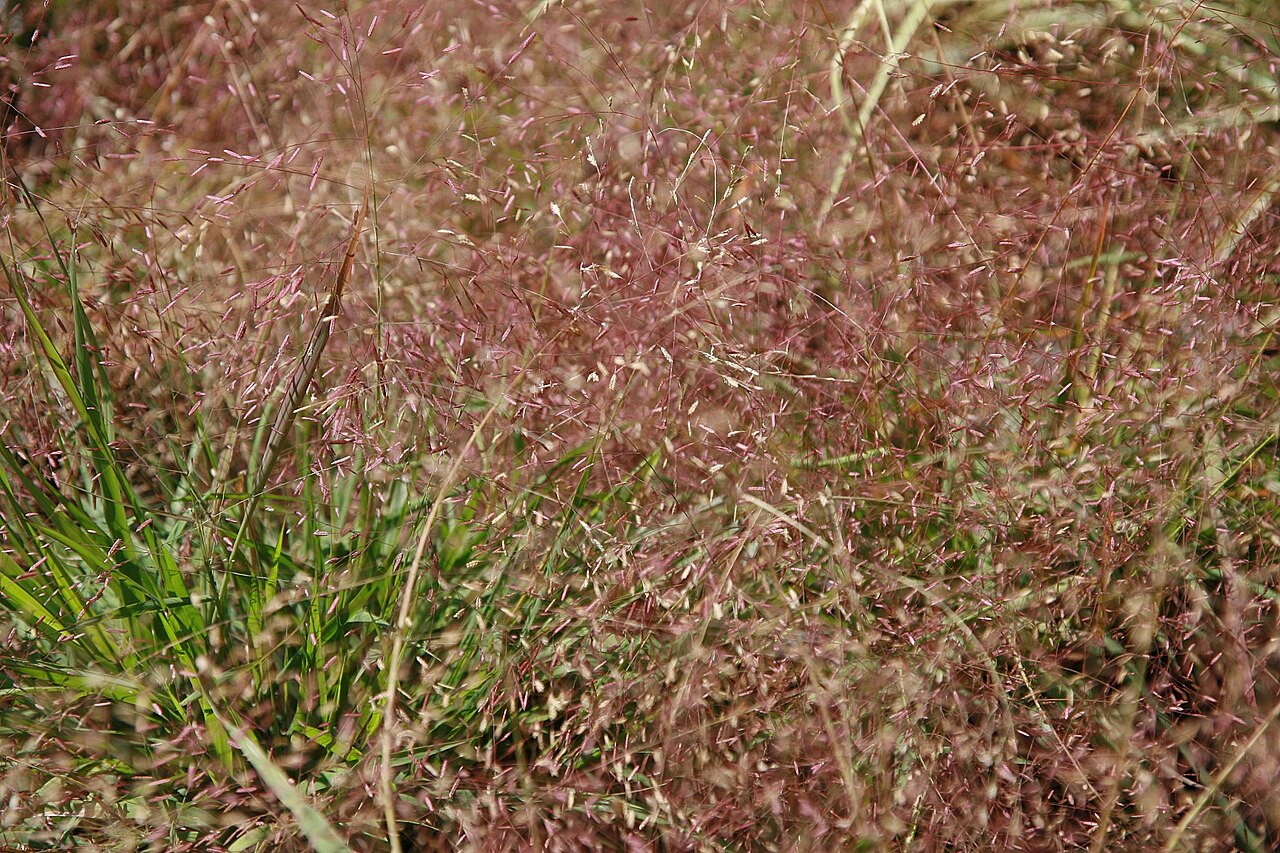
| Purple lovegrass (Eragrostis spectabilis) | 8–18 in | Sandy or disturbed sites, sun | Front-edge haze of color | ME to MN, south to FL and AZ |
For a closer look at how a mid-sized grass compares to a tall one, see our guide to little bluestem vs. switchgrass. For repeating a short grass through a front bed, see little bluestem in a front-yard border.
Designing With Big Bluestem in a Small Space
Use one, three or a small drift, not a row. In a small yard, a single clump or a group of three at the back of the bed gives the prairie effect without taking over.
Step the heights down. Put big bluestem at the back, a mid-height grass such as little bluestem in front of it, and a low grass or perennial at the edge. That layering keeps the tall grass from looking out of scale.
Use it to frame, not block. Place clumps at the corners of a view, such as either side of a gate, rather than in the middle of it.
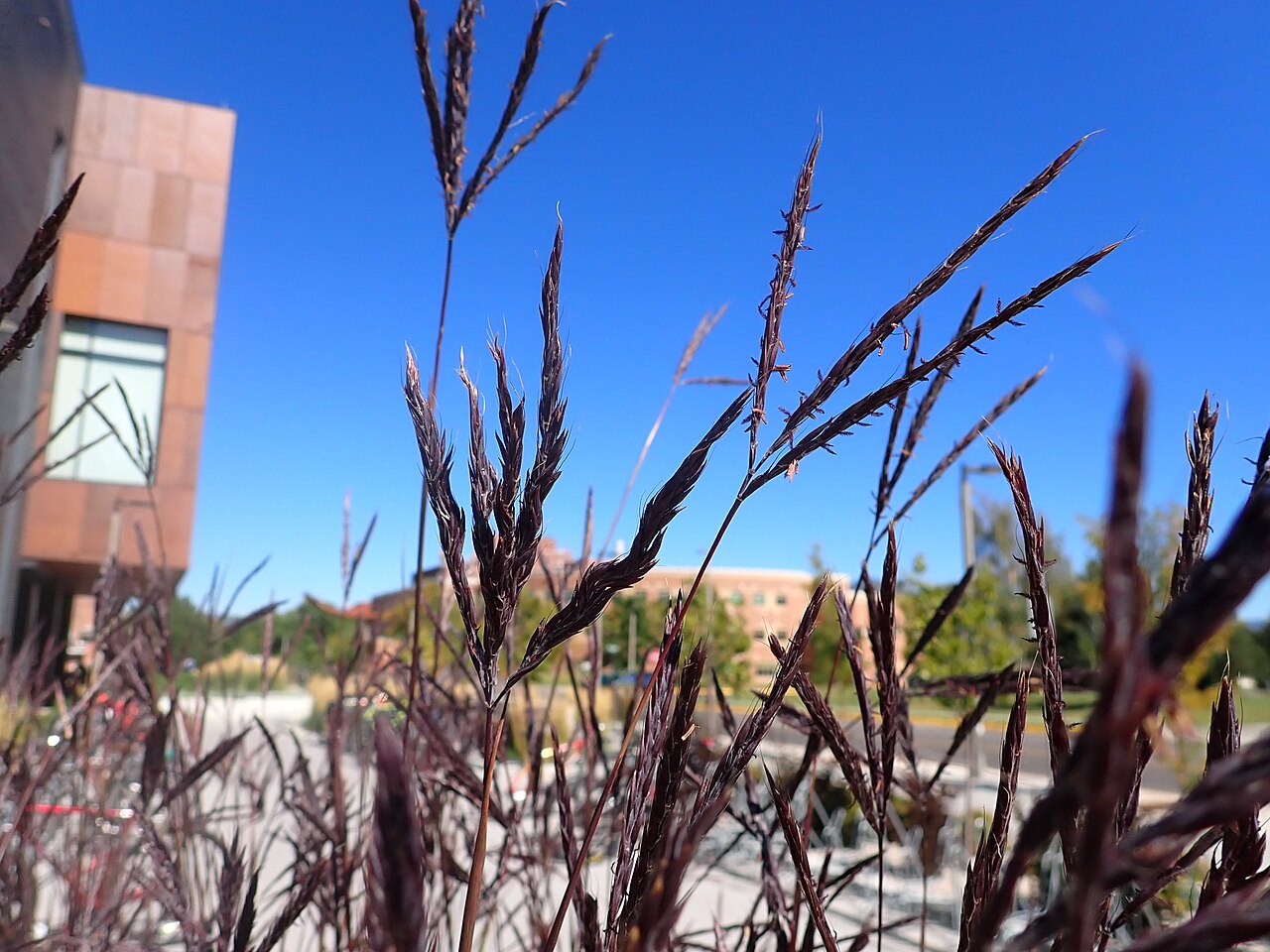
Consider color selections. The Morton Arboretum lists ‘Indian Warrior’, with red and purple tones from midsummer into fall, and ‘Red October’, with red-tipped leaves that turn burgundy and then scarlet after frost. Size data for these is limited, so plan for full species height.
Sample Plan: 6 × 12 Foot Corner Bed
- Back corner: 1 to 3 big bluestem, set well away from fences you need to reach.
- Middle: 4 little bluestem in a loose arc in front of them.
- Front edge: prairie dropseed or purple lovegrass, depending on your soil and region.
- Fill: a few sun-loving native perennials between the grasses for summer bloom.
Installation Steps
Step 1: Confirm the site. Full sun, no lawn sprinklers, and enough room for the grass to lean without blocking anything.
Step 2: Clear the area. Remove turf and weeds. Warm-season grasses establish slowly and need a clean start.
Step 3: Do not amend. Skip compost and fertilizer. The Wildflower Center names fertilizer as one cause of top-heavy growth.
Step 4: Plant in spring. Set the crown level with the soil surface once the soil warms.
Step 5: Water the first season only. Water during dry spells while roots establish, then stop. Extra water later only adds to flopping.
The First Three Years
- Year 1: growth is modest while roots develop. Keep weeds down and water in dry spells.
- Winter, every year: leave stems standing. The Morton Arboretum notes it remains standing through winter and should not be cut back until early spring.
- Late winter or early spring: cut it down to the ground before new growth begins. The Wildflower Center says it may be cut back, mowed or burned in late winter, but should not be mowed during the growing season.
- Year 2: expect a big jump in height. Note whether it stands up or leans, and adjust watering.
- Year 3: check the clump edge. If rhizomes or seedlings push into neighbors, dig out the extras in spring.
Mistakes to Avoid
- Planting it in a rich, watered perennial bed. This is the classic recipe for top-heavy, flopping clumps.
- Siting it beside a path or patio. When it leans, it leans onto them.
- Planting it in part shade. Shade is another cause of flopping.
- Mowing it during summer. The Wildflower Center warns that growing-season mowing could kill it.
- Using it where a shorter grass would do. In narrow beds and dry, thin soils, a shorter grass looks and performs better.
📋 Find plants for your region: see the full Big Bluestem (Andropogon gerardii) profile or our native plant lists for North Dakota, South Dakota & Western Minnesota, Maryland, Virginia & West Virginia, Montana & Wyoming, and South and West Texas.
Frequently Asked Questions
How tall does big bluestem get in a garden?
The Morton Arboretum says 4 to 6 feet before flowering and up to 8 feet in flower. Rich, wet soil can push it taller and make it more likely to flop.
Does big bluestem spread?
Yes, slowly. The Morton Arboretum notes it spreads by rhizomes and by seed, and the Wildflower Center says it can be aggressive in parts of the central and northern tallgrass prairie. Dig out extras each spring in small spaces.
Why is my big bluestem falling over?
The Wildflower Center lists too much water, shade or fertilizer as causes of top-heavy growth. Move it to full sun, stop extra watering, and skip fertilizer.
What is a good shorter alternative to big bluestem?
Little bluestem (2 to 4 feet) is the closest look-alike. Prairie dropseed, sideoats grama and purple lovegrass are shorter still. Choose one native to your state.
When should I cut back big bluestem?
In late winter or early spring, before new growth begins. Do not mow it during the growing season; the Wildflower Center warns this could kill it.
Sources
- Lady Bird Johnson Wildflower Center, Andropogon gerardii: height, range, moisture, causes of flopping, flooding tolerance, bird value, aggressiveness, maintenance. Alternative grass data from pages for little bluestem, prairie dropseed, sideoats grama and purple lovegrass.
- The Morton Arboretum, Big bluestem: height before and during flowering, full sun, spread by rhizomes and seed, winter interest, spring cutback, cultivars.
- Wikipedia, Andropogon gerardii: height range, rhizomes and sod, turkeyfoot seedhead.
- NC State Extension, Schizachyrium scoparium: little bluestem height for comparison.