
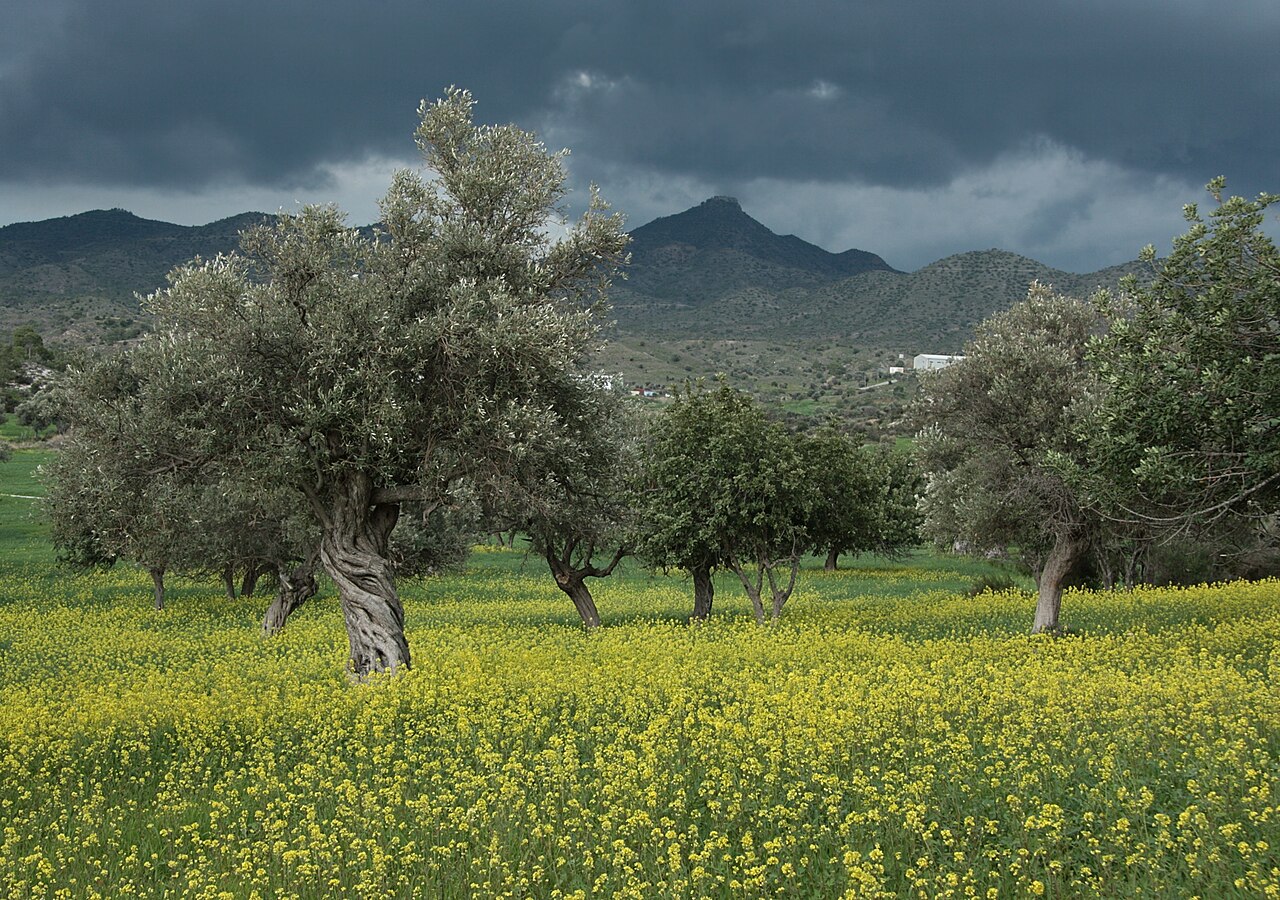
Olive trees (Olea europaea), the parent species; this photo is not ‘Pendolino’ itself, but shows the species’ typical silvery, gnarled form. Photo: Anna Anichkova, via
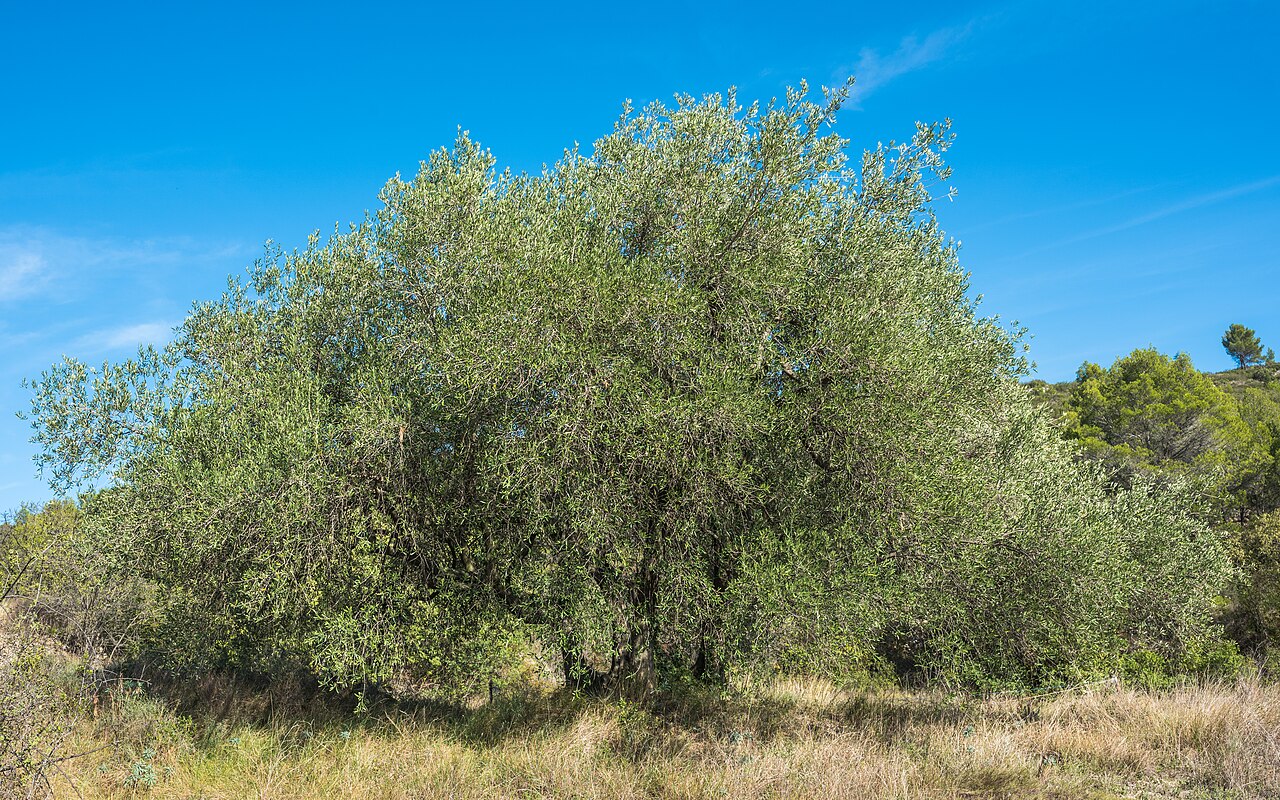
Olive trees (Olea europaea), the parent species; this photo is not ‘Maurino’ itself, but shows the typical silhouette of young to medium-aged trees. Photo: Christian
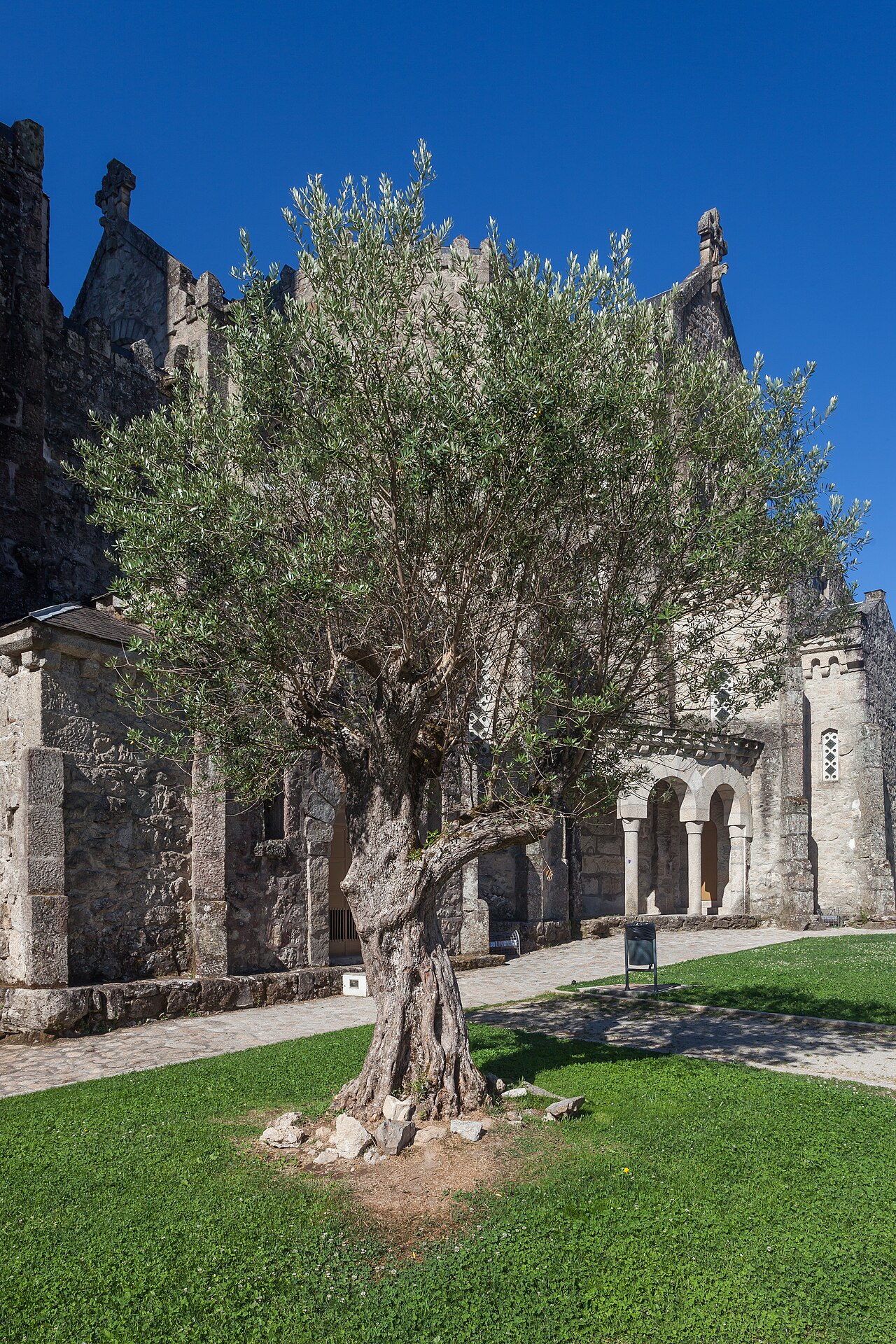
Olive tree (Olea europaea), the parent species; this photo is not ‘Lucca’ itself, but shows the gnarled form typical of mature olive wood. Photo: Luis
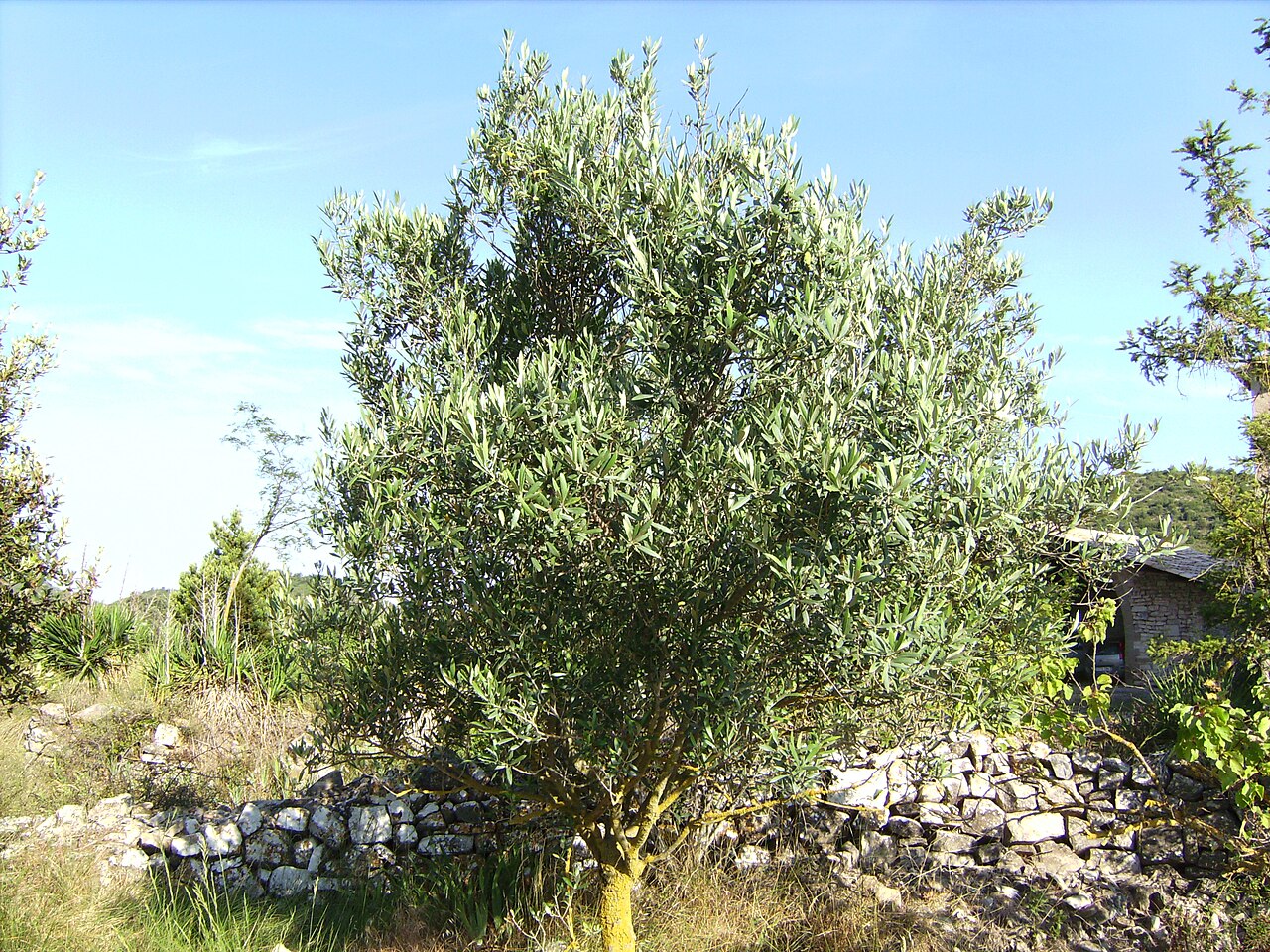
A Hojiblanca olive tree showing its upright, vigorous habit and silvery canopy. Photo: Victor M. Vicente Selvas, via Wikimedia Commons (CC0) Olea europaea ‘Hojiblanca’, the
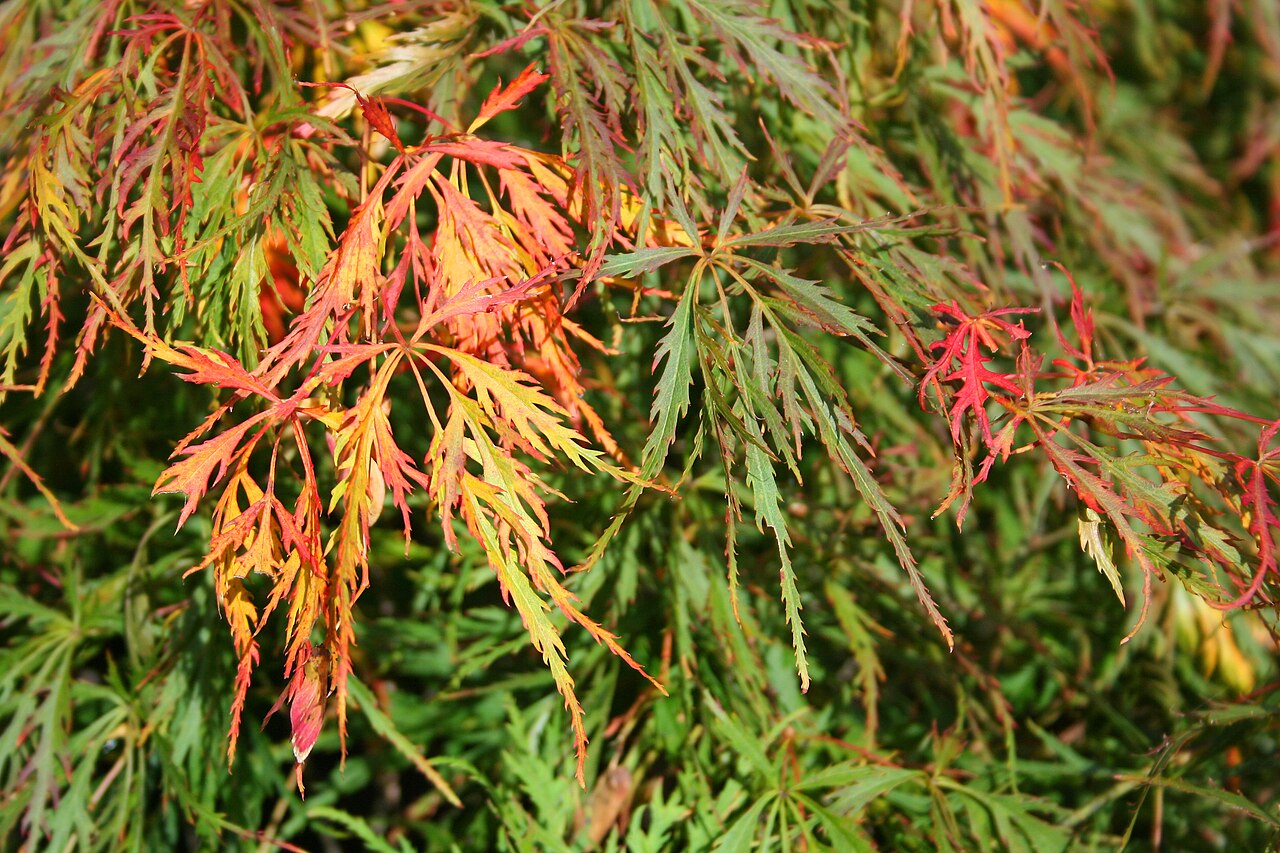
‘Waterfall’ is named for its strongly cascading branch habit, which spills foliage like falling water. Photo: Jean-Pol GRANDMONT, via Wikimedia Commons (CC BY 3.0) Acer
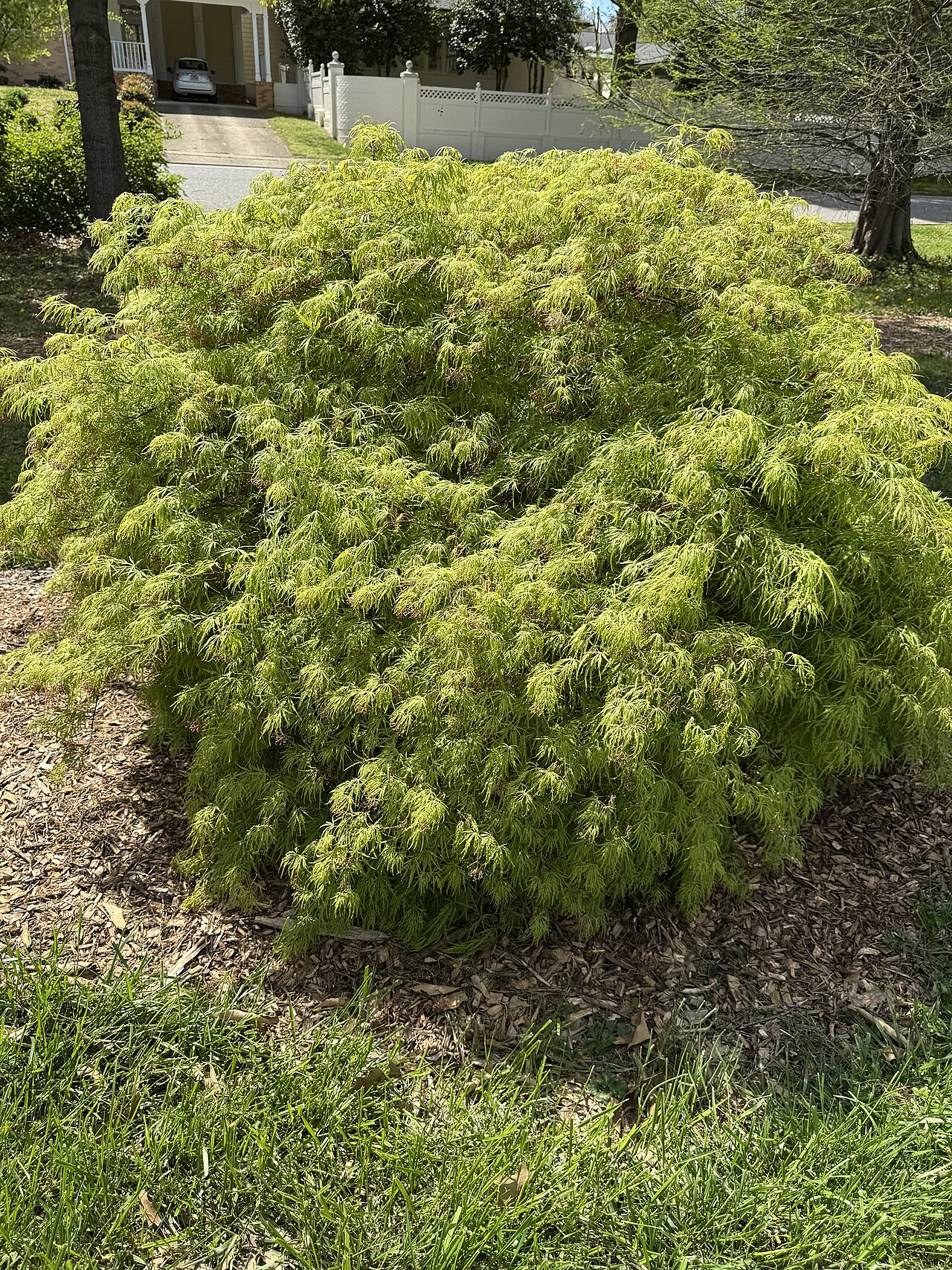
‘Viridis’ forms a dense, cascading mound of fine green foliage. Photo: Cossey25, via Wikimedia Commons (CC BY-SA 4.0) Acer palmatum var. dissectum ‘Viridis’, the Viridis
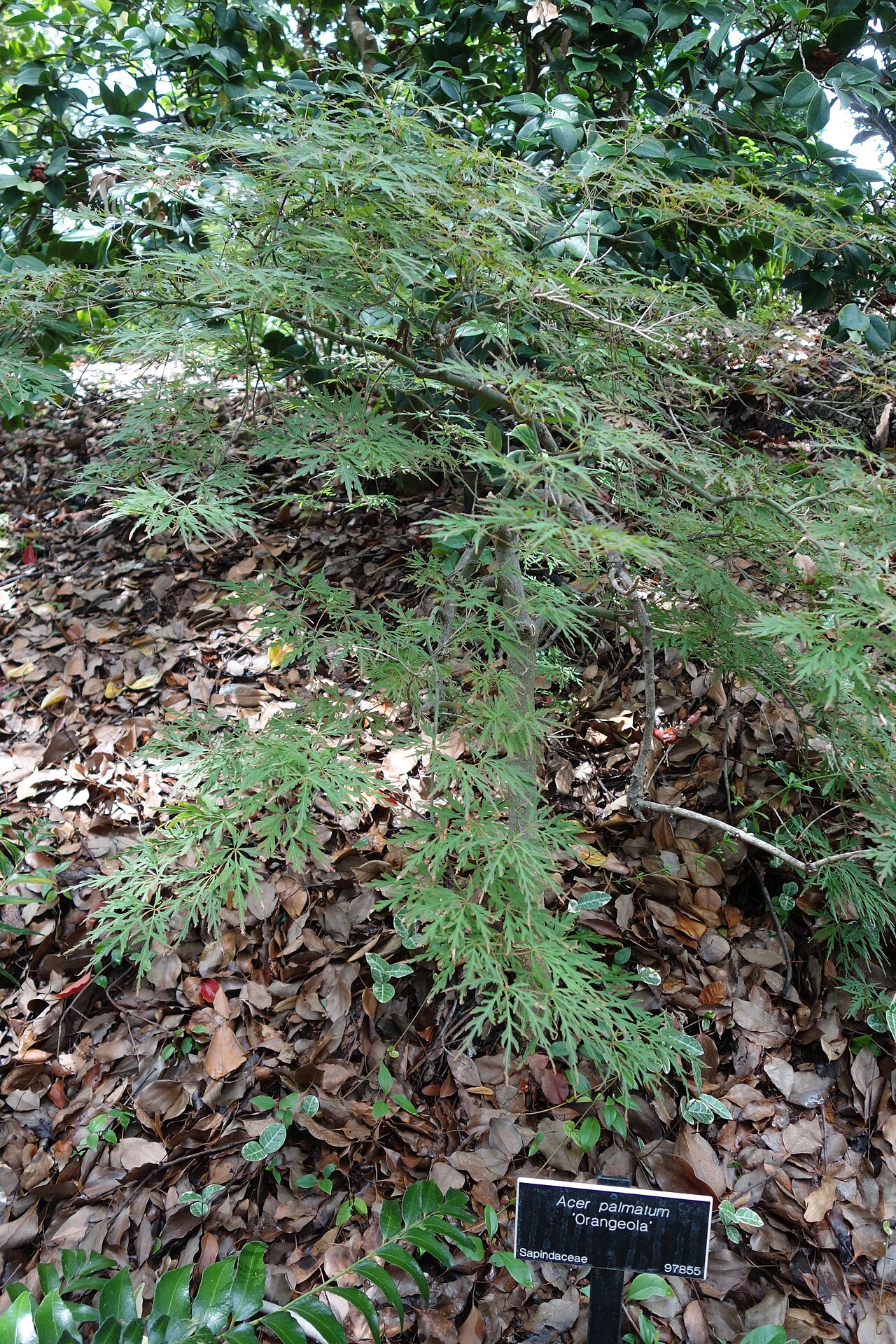
‘Orangeola’, labeled at Huntington Botanical Gardens, grows more upright than many weeping dissectum cultivars before arching outward. Photo: Daderot, via Wikimedia Commons (CC0) Acer palmatum
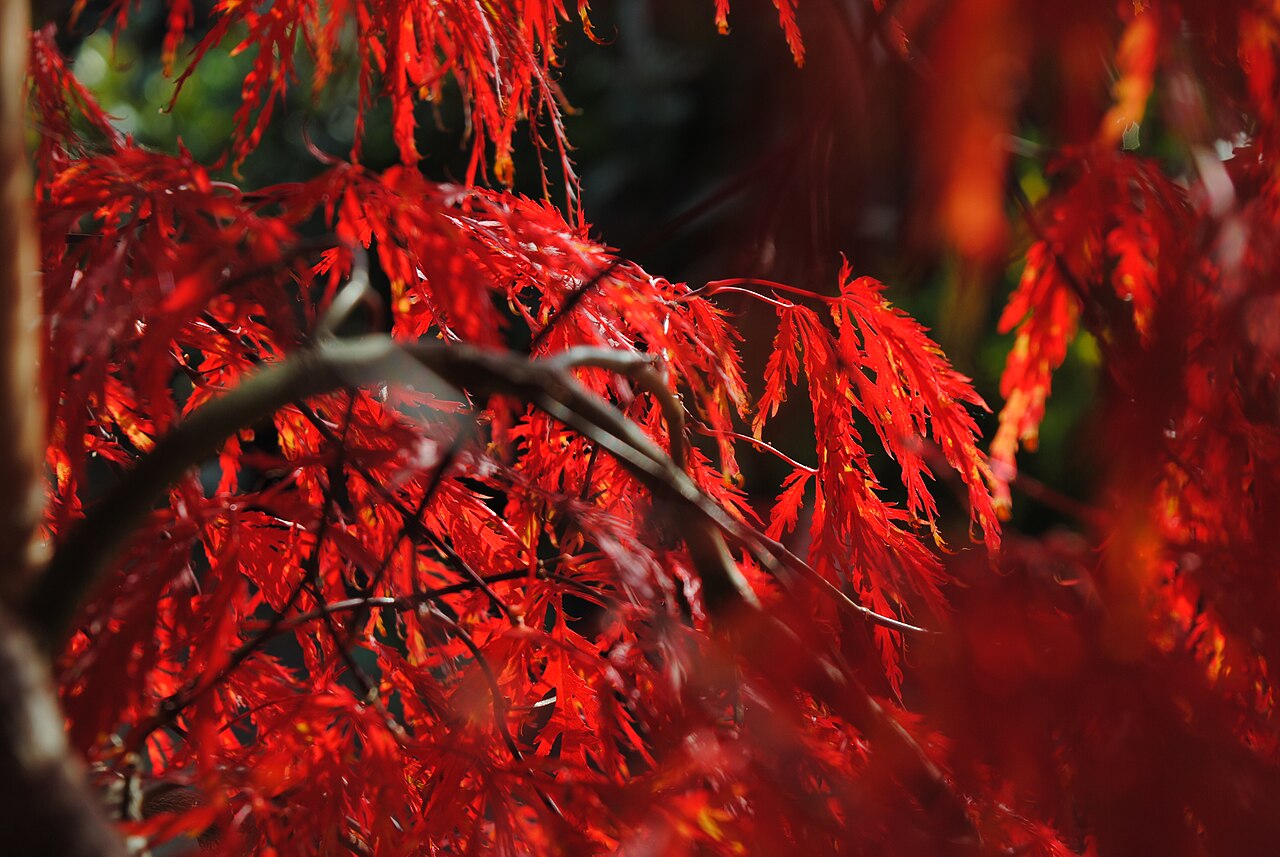
‘Inaba-shidare’ is one of the largest and most vigorous of the red weeping laceleaf maples. Photo: Andy Mabbett, via Wikimedia Commons (CC BY-SA 4.0) Acer
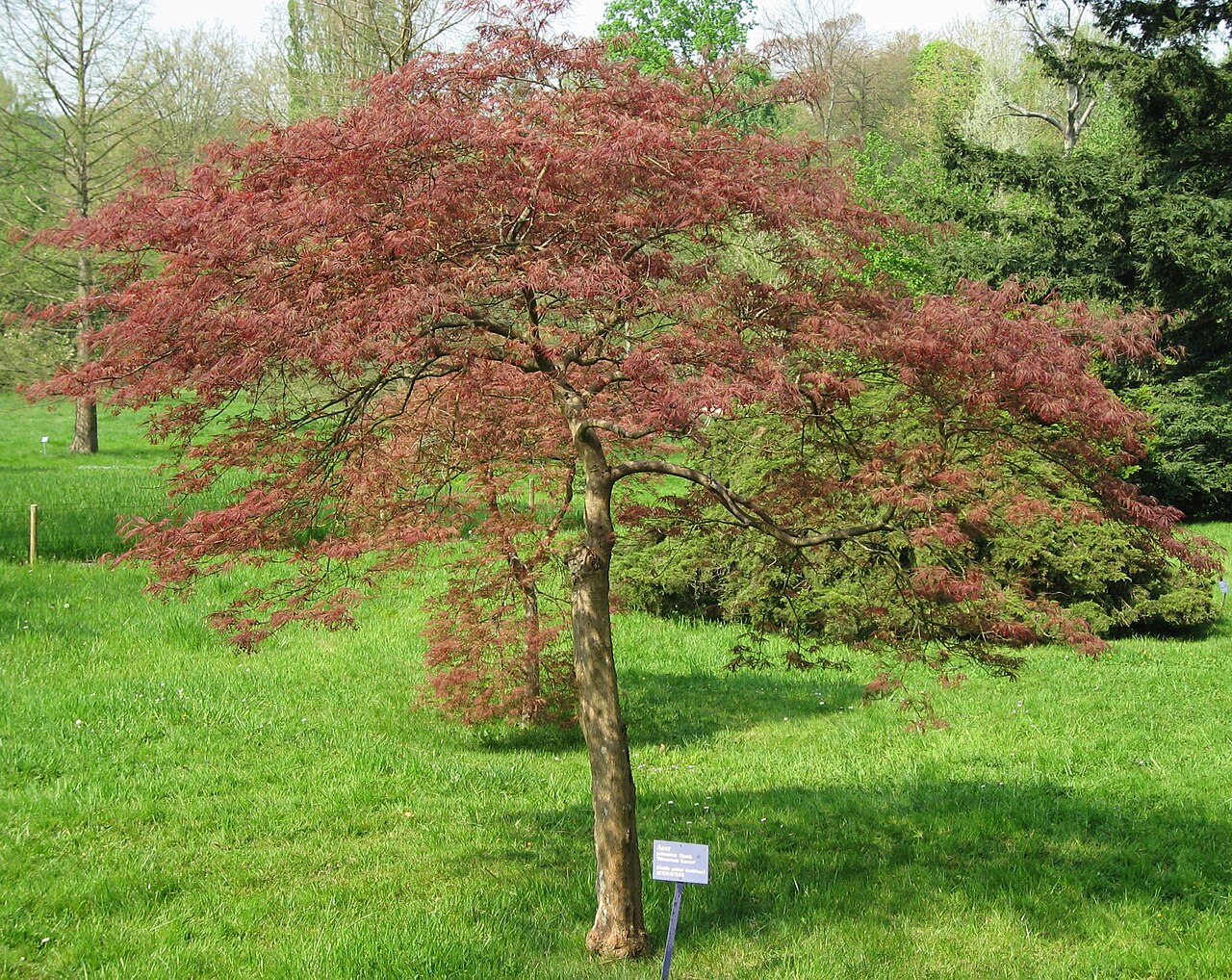
A mature ‘Garnet’ forms a wide, cascading canopy of deep garnet-red foliage. Photo: Liné1, via Wikimedia Commons (CC BY-SA 3.0) Acer palmatum var. dissectum ‘Garnet’
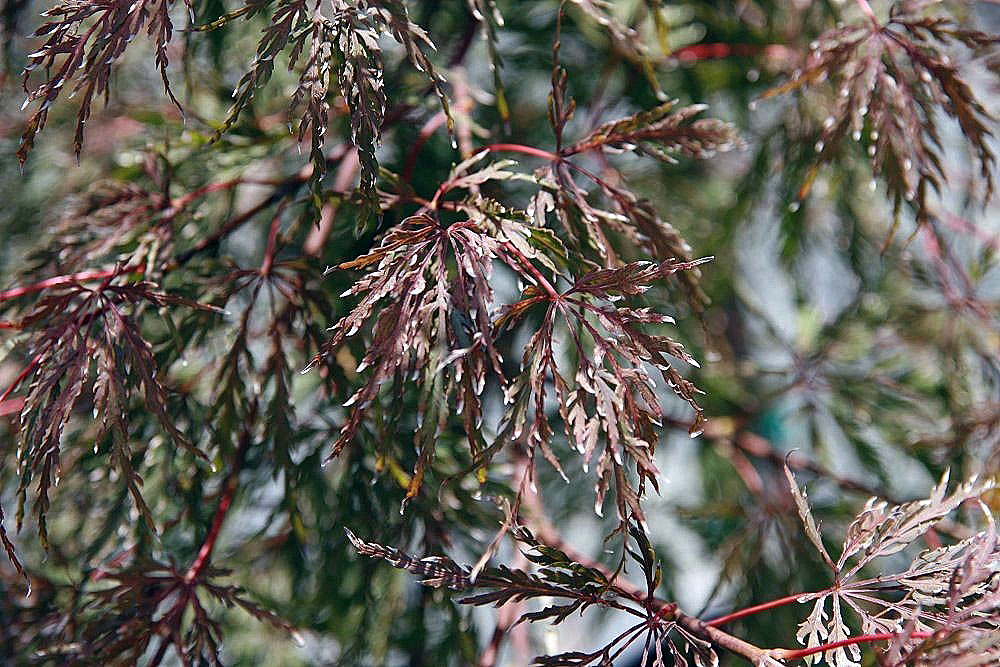
Tamukeyama’s fine, lacy red foliage cascading over its branches at a Maryland nursery. Photo: David J. Stang, via Wikimedia Commons (CC BY-SA 4.0) Acer palmatum
View More