A Spring-to-Fall Native Bloom Calendar: How to Find the Gaps in Your Garden
Last updated: November 6, 2026
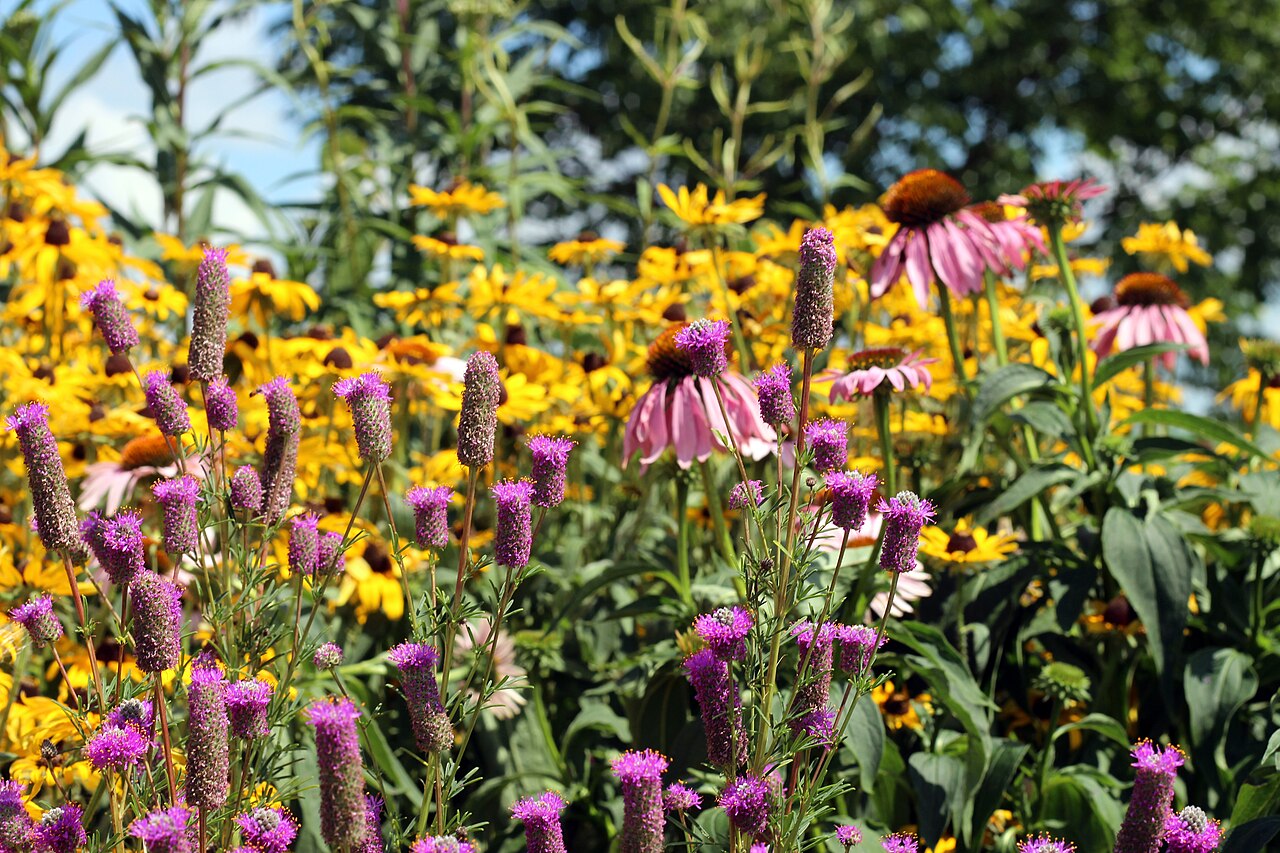
Most native gardens look their best in July. Coneflowers, bergamot and blazing star all open within a few weeks of each other, and the bed is full of color and insects.
Then you walk past in late April or early October and find bare stems. The garden is not failing. It was simply planted for one season without anyone noticing.
A bloom calendar fixes that. You record what flowers in your garden each month, mark the empty stretches, and add natives that fill them. This guide walks through the audit, a sample spring-to-fall palette for the eastern and central U.S., and how to adapt it to your own region.
Plan at a Glance
| Site | An existing bed or border, or a new one you are planning |
| Size | Any; the method works for a 4 × 8-foot bed or a whole yard |
| Sun | Mostly sun to part shade; the sample palette covers both |
| Soil | Average to moist garden soil for most of the plants named here |
| Maintenance | Low: a monthly walk-through with a notebook, then targeted planting |
| Best regions | Eastern and central U.S. for the sample plants; swap in species from your regional list elsewhere |
Why Gaps Matter
Cornell’s Tompkins Pollinator Pathway program recommends having three to five plants in bloom at all times through the growing season. It points out that early flowers feed pollinators coming out of winter, and that fall flowers support insects preparing for hibernation or migration.
That is a useful target for any garden. It is also a design goal: a bed with something in flower each month simply looks more cared for than one with a single peak.
The Pathway’s own lists show how the season splits. Its spring examples run from March to May, summer from June to August, and fall from September to November.
Step 1: Audit What Already Blooms
Before buying anything, record what you have. The gaps in your garden are specific to your yard, so the audit matters more than any generic plant list.
Walk the garden every two to three weeks
From the first warm days of spring until hard frost, note what is in flower. Write the plant name, the date and whether it is just opening, at peak or fading.
Count by month
At the end of the season, tally how many different plants flowered in each month. Any month below three is a gap worth fixing.
Note where the gaps are, not just when
A gap in the back of a border reads differently from one beside the front door. Mark which part of the bed sits empty in each month, so new plants go where they will be seen.
Use photos as a backup
A phone photo from the same spot each visit makes a quick visual record. Scrolling through them in winter shows the gaps clearly.
Step 2: Read Your Calendar
Most gardens show the same three weak spots. Knowing them makes the audit faster to interpret.
Early spring
Many gardens start with prairie plants that do not flower until June. Woodland-edge natives that bloom early, while trees are still leafing out, fill this stretch.
The early-summer handoff
In late May and June, spring flowers fade before the big summer bloomers open. A plant or two that bridges these weeks keeps the bed from looking half finished.
Fall
Summer flowers often finish in August. Without asters, goldenrods or other late plants, the garden can go quiet for the rest of the season, just when late insects are still looking for food.
Step 3: Fill the Gaps With Region-Matched Natives
The plants below are a sample palette for gardens in the eastern and central U.S. Each one has a bloom window listed by the Lady Bird Johnson Wildflower Center.
Those windows cover each plant’s whole range, from the South to the North, so they are wider than what you will see in any one garden. Expect a shorter, later season the farther north you are, and use your own audit to confirm local timing.
Spring: columbine and golden alexanders
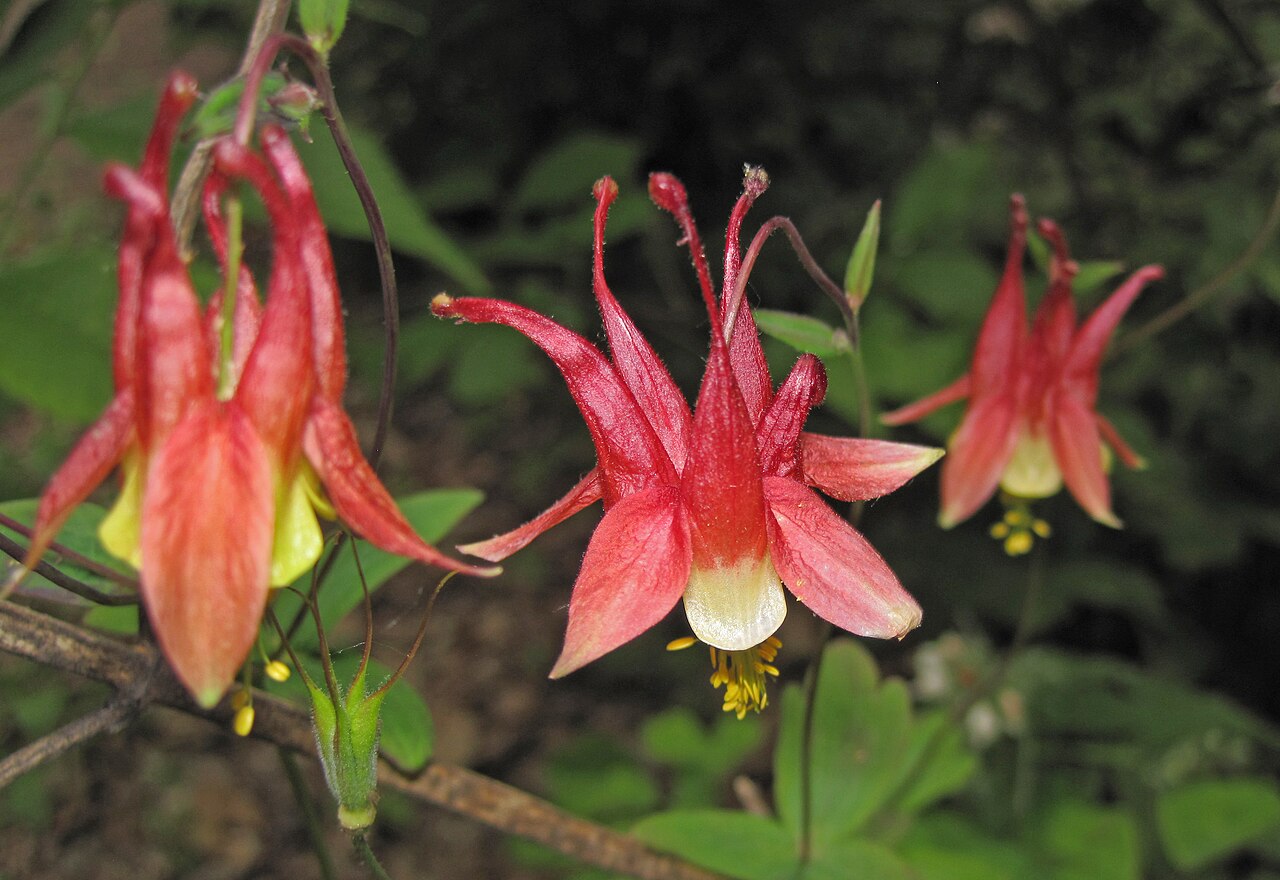
Wild columbine grows in part shade to shade and needs well-drained soil. The Wildflower Center warns that rich garden soil makes it grow rank and short-lived, so give it lean, sharp-draining ground.
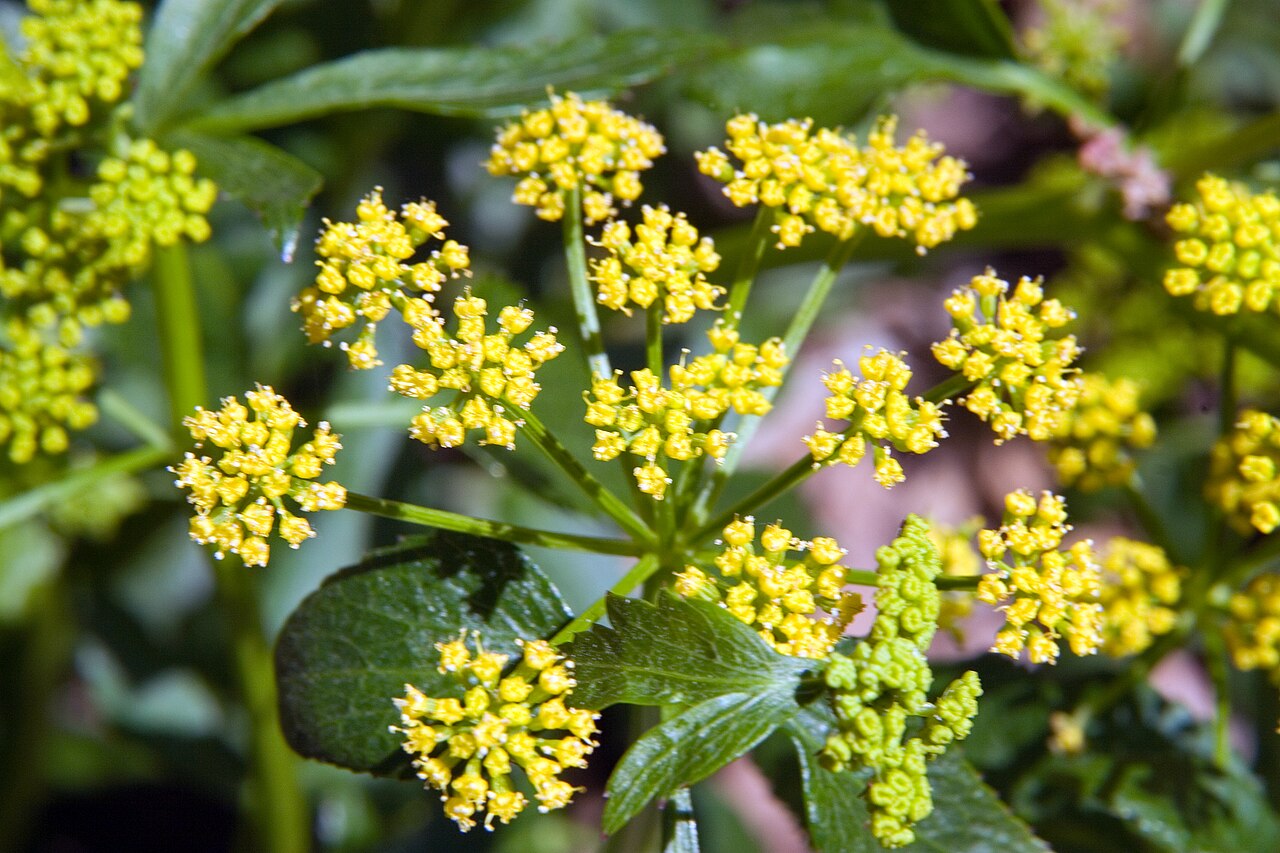
Golden alexanders carries flat yellow flower clusters on plants up to about 3 feet. It likes moist soil in sun or part shade and has one of the longest windows in this palette, from April into August across its range.
Early summer: beardtongue and butterfly weed
Foxglove beardtongue is the bridge plant many gardens are missing. Its white flowers, marked with purple lines inside, open from May to July, and it handles dry, moist and even poorly drained soils.
Butterfly weed adds orange from May into September on plants 1 to 2 feet tall. It wants sun and well-drained soil. The Wildflower Center lists its roots and sap as poisonous if eaten in large quantities.
Midsummer: wild bergamot
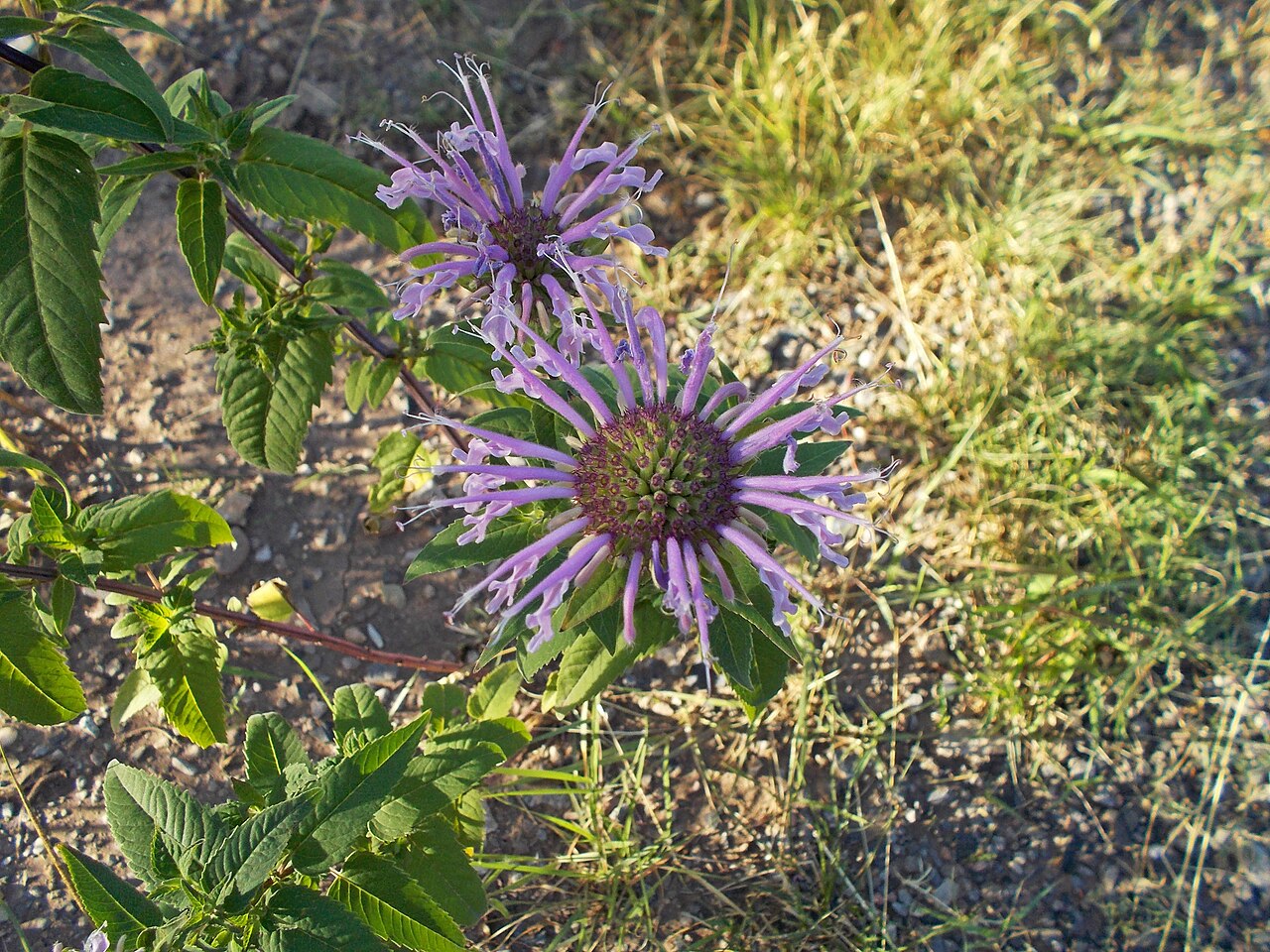
Wild bergamot is native across most of the U.S. east of the Rockies and southern Canada. It flowers in lavender to pink from May to September across its range, on plants up to about 5 feet. Good drainage and air circulation help prevent the mildew it is prone to.
Late summer: blazing star
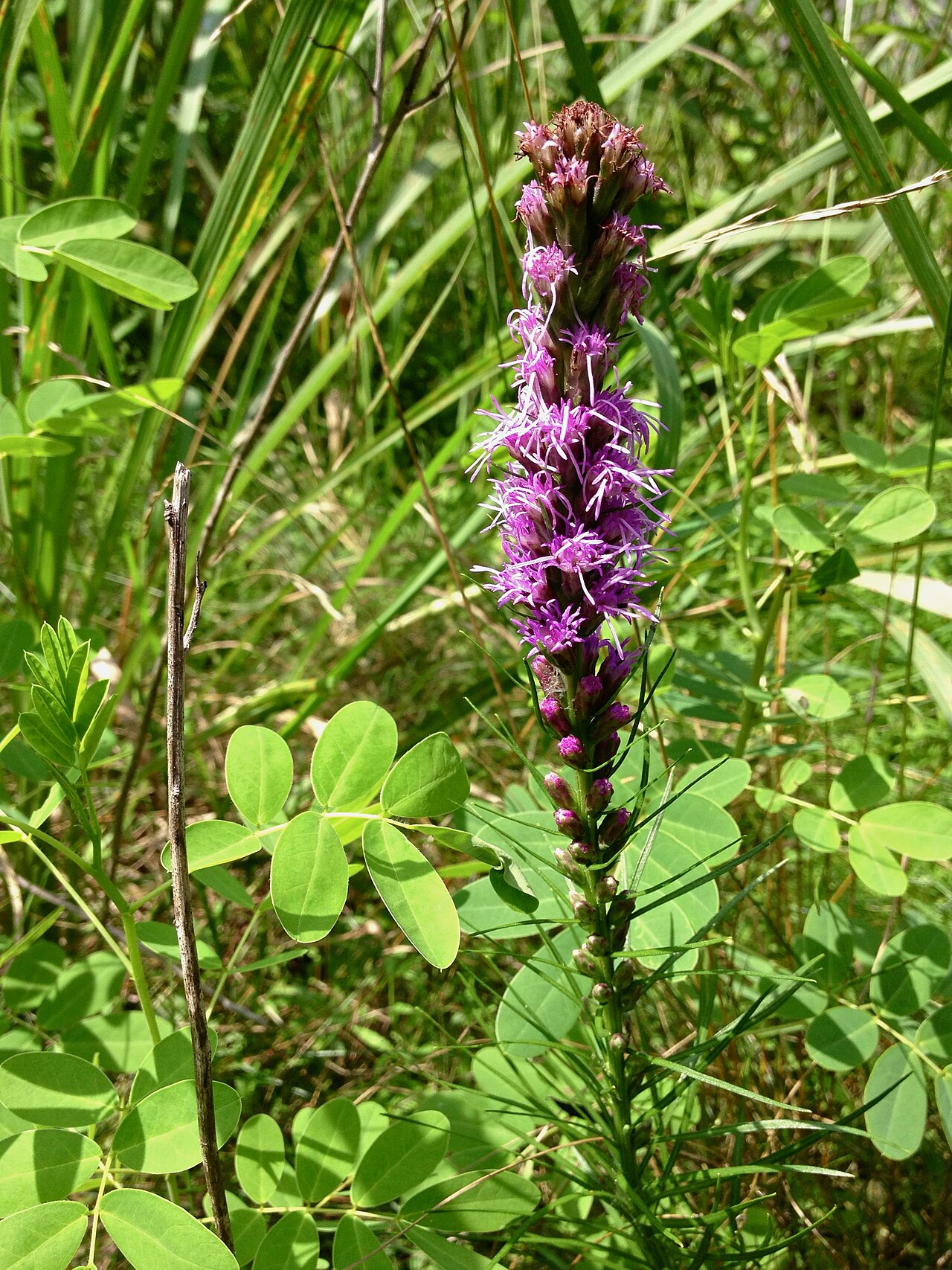
Dense blazing star sends up purple spikes from July to September and can reach about 6 feet. It wants sun and moist, average soil. For a design built around it, see our plan for blazing star and native grasses in a narrow border.
Fall: goldenrod, aster and mistflower
Showy goldenrod flowers in August and September on rocky or clay soils. The Wildflower Center notes it can become aggressive in moist soil.
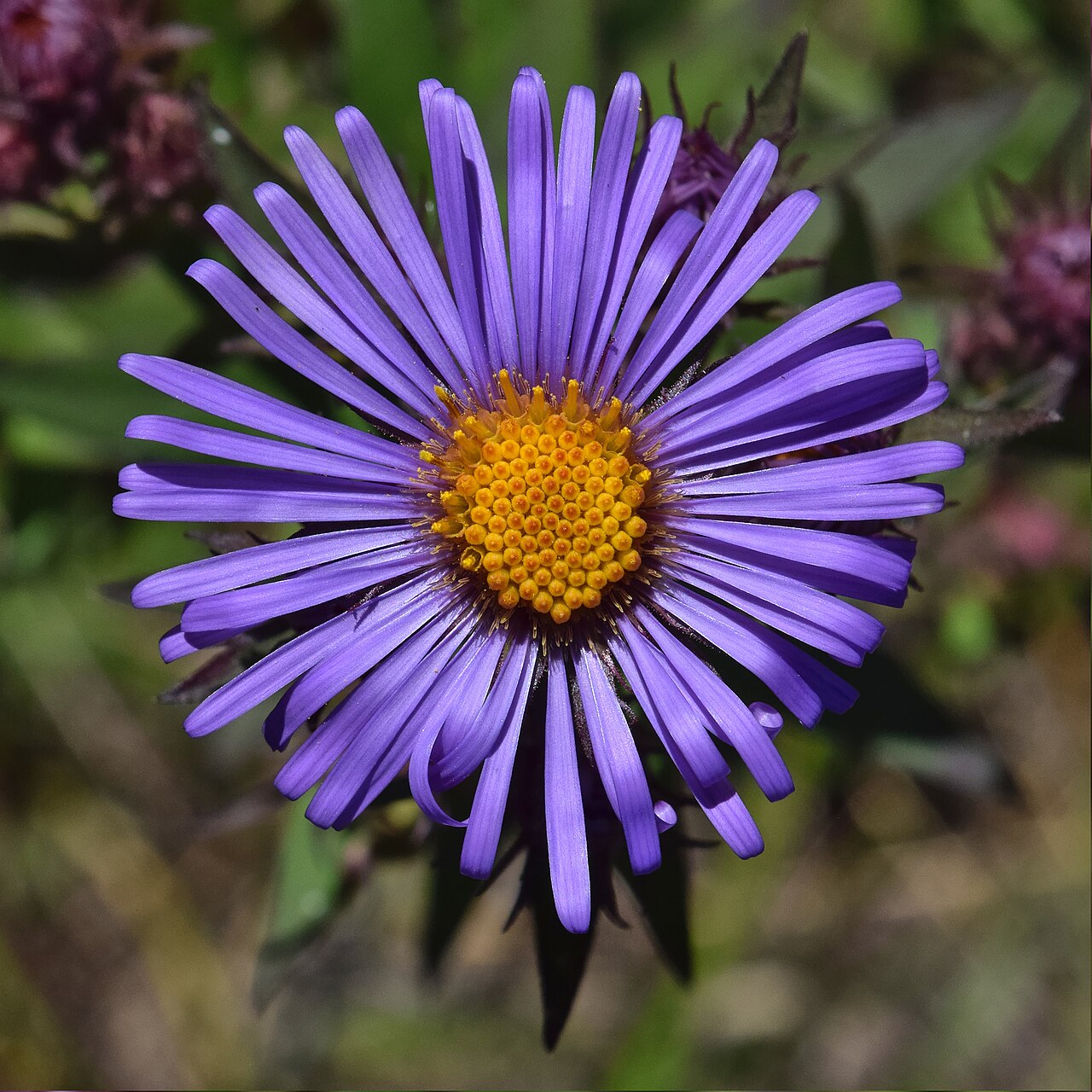
New England aster blooms from August to October and, per the Wildflower Center, keeps flowering until frost. It can also spread aggressively, and clumps benefit from dividing every several years.
Blue mistflower has the longest late window here, from July into November across its range. It spreads quickly, so give it room or an edge. Our mistflower and fall aster border shows one way to combine them.
Plant Palette
Bloom months, heights, conditions and ranges are from the Lady Bird Johnson Wildflower Center. Bloom months span each plant’s entire range; local timing is shorter. Confirm each plant is native to your state.
| Plant | Role | Height | Sun / moisture | Native range |
|---|---|---|---|---|
| Wild columbine (Aquilegia canadensis) | Early spring, shade edge | To ~3 ft | Part shade–shade; dry–moist, well-drained | N. America east of the Rockies |
| Golden alexanders (Zizia aurea) | Spring into summer | To ~3 ft | Sun–part shade; moist | Que. to Sask. & MT, south to New England, FL & TX |
| Foxglove beardtongue (Penstemon digitalis) | Early-summer bridge | To ~5 ft | Sun–part shade; dry, moist or wet | ME to MI & SD, south to VA, AL & e. TX |
| Butterfly weed (Asclepias tuberosa) | Early to late summer | 1–2 ft | Sun; dry–moist, well-drained | New England & Ontario to FL, west to TX, CO & MN |
| Wild bergamot (Monarda fistulosa) | Midsummer anchor | To ~5 ft | Sun–part shade; dry–moist | Most of the U.S. east of the Rockies and s. Canada |
| Dense blazing star (Liatris spicata) | Late summer | To ~6 ft | Sun; moist | NJ to MI & IL, south to FL & LA |
| Showy goldenrod (Solidago speciosa) | Late summer to fall | To ~6 ft | Part shade; moist, rocky or clay | MA to GA mts., west to WY, e. CO, NM & central TX |
| New England aster (Symphyotrichum novae-angliae) | Fall finale | To ~6 ft | Part shade; moist | Que. & ME to SC, west to e. Great Plains |
| Blue mistflower (Conoclinium coelestinum) | Late summer into fall | 1–3 ft, sometimes taller | Sun–part shade; moist | NJ to s. IL & e. KS, south to FL & TX |
Sample Bloom Calendar
Use this as a template. Replace the plants with your own audit results and count how many are in flower each month.
| Month | Sample plants in bloom | Typical gap? |
|---|---|---|
| March–April | Wild columbine; golden alexanders from April | Often thin in northern gardens |
| May | Columbine, golden alexanders, beardtongue, early butterfly weed | Usually adequate |
| June | Beardtongue, butterfly weed, golden alexanders, wild bergamot | The handoff: check carefully |
| July | Bergamot, butterfly weed, blazing star, mistflower | Rarely a gap |
| August | Blazing star, bergamot, goldenrod, aster, mistflower | Rarely a gap |
| September | Goldenrod, aster, mistflower, last blazing star | Often thin without fall plants |
| October–November | New England aster, mistflower | Common gap; add more late plants |
Step 4: Design the Additions
Plant in groups, not singles
A single columbine in a large bed fills the calendar on paper but barely shows. Plant three to five of each gap filler together so the color reads from a distance.
Put early bloomers where you see them in spring
Spring flowers are worth the most near doors, paths and windows. Late-season plants can sit farther back, where their height also screens summer plants that have finished.
Interleave bloom times
Mix early and late plants through the bed rather than giving each season its own zone. When the columbine fades, the bergamot beside it is coming up, so no section stays bare for long.
Mind the spreaders
Aster, showy goldenrod and mistflower all spread. In a small bed, edge them with paths or lawn, or pick a clump-forming alternative from your regional list.
Regional Alternates
The palette above suits the East and Midwest. Elsewhere, keep the method and change the plants.
- Southeast: blue mistflower and butterfly weed both reach Florida and Texas. For early color, coral honeysuckle, which the Pollinator Pathway lists as blooming from March to June, is worth checking against your state list.
- Great Plains: wild bergamot, butterfly weed and New England aster all reach the eastern Plains. Add prairie species that your state list confirms.
- West and Southwest: none of the plants above are a safe default. Use your regional list and a local native plant society’s bloom chart.
Installation Steps
- Finish one season of audit first. Planting before you know the gaps often adds more July flowers to a garden that already has plenty.
- List three gap fillers per weak month. Match each to the sun and soil of the spot where it will go.
- Plant in spring or early fall. Cooler weather lets roots settle before summer heat.
- Group each species. Three to five plants per group, spaced so mature clumps just touch.
- Water through the first season. Deep, occasional watering helps new perennials root in.
- Label new plants. Small tags make next year’s audit much easier.
First-Three-Years Maintenance Calendar
Year one
- Spring through fall: keep up your monthly bloom notes. New plants often flower lightly, so do not judge the calendar yet.
- Summer: water new plants during dry spells and weed around them.
- Fall: leave stems standing over winter.
Year two
- Late winter: cut back last year’s growth before new shoots appear.
- Spring: check the spring gap. Columbine and golden alexanders should now flower more fully.
- Fall: recount the late season and note any month still below three plants.
Year three
- Spring: divide crowded asters and thin spreading goldenrod or mistflower.
- Summer: fill any remaining gap with one more species, not five.
- Fall: update your calendar. It now reflects your garden, not a generic list.
Mistakes to Avoid
- Buying what is in flower at the nursery. Plants sell best in bloom, which tends to stack the garden in one season. Shop with your gap list.
- Trusting range-wide bloom months. Database windows cover a plant’s whole range. Your own audit is the real calendar.
- One plant per gap. A single plant rarely reads as color. Repeat it.
- Ignoring spreaders. Late-season natives that run can swamp spring plants. Plan edges first.
- Copying a plant list from another region. Confirm each plant is native to your state before buying.
📋 Find plants for your region: start with the profiles linked above, then check our native plant lists for Illinois, Iowa & Missouri, Michigan, Wisconsin & Eastern Minnesota and Kentucky & Tennessee, or the list for your own state.
Frequently Asked Questions
How many plants should be blooming at once?
Cornell’s Tompkins Pollinator Pathway program suggests three to five plants in bloom at all times. Use that as a target for each month of your calendar.
Which month is most often missing flowers?
It varies by garden, which is why the audit matters. Early spring and late fall are common gaps, along with the short handoff between spring and summer flowers.
Why does my plant bloom later than the database says?
Bloom months in plant databases cover the whole native range. A plant listed for April to June may flower only in late May in a northern garden.
Can I fill a spring gap in a sunny bed?
Yes. Golden alexanders grows in sun or part shade, and beardtongue tolerates sun. Wild columbine prefers part shade, so save it for the shadier end.
Is wild bergamot native everywhere?
No. The Wildflower Center lists it across most of southern Canada and the U.S. east of the Rockies, south into Mexico, but not in the Maritime Provinces or peninsular Florida.
Sources
- Cornell University, Tompkins Pollinator Pathway, Guides to Planting Native: three to five plants in bloom at all times, seasonal bloom periods and the role of spring and fall flowers.
- Lady Bird Johnson Wildflower Center plant database: wild columbine, golden alexanders, foxglove beardtongue, butterfly weed, wild bergamot, dense blazing star, showy goldenrod, New England aster, blue mistflower: bloom time, height, light, soil, native range and growth notes.