Before Planting a Tulip Tree: Map Its Mature Canopy in Your Yard
Last updated: November 6, 2026
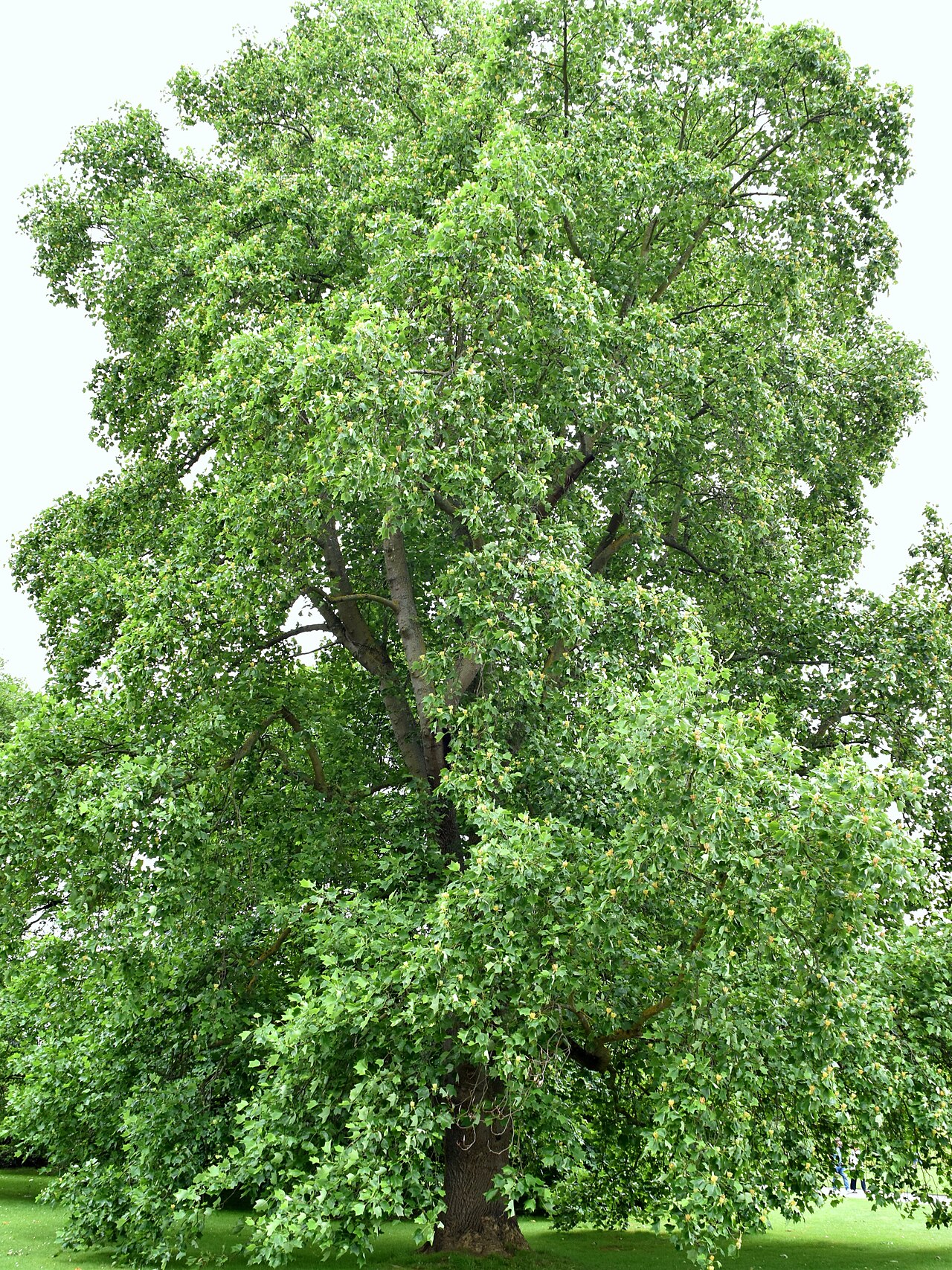
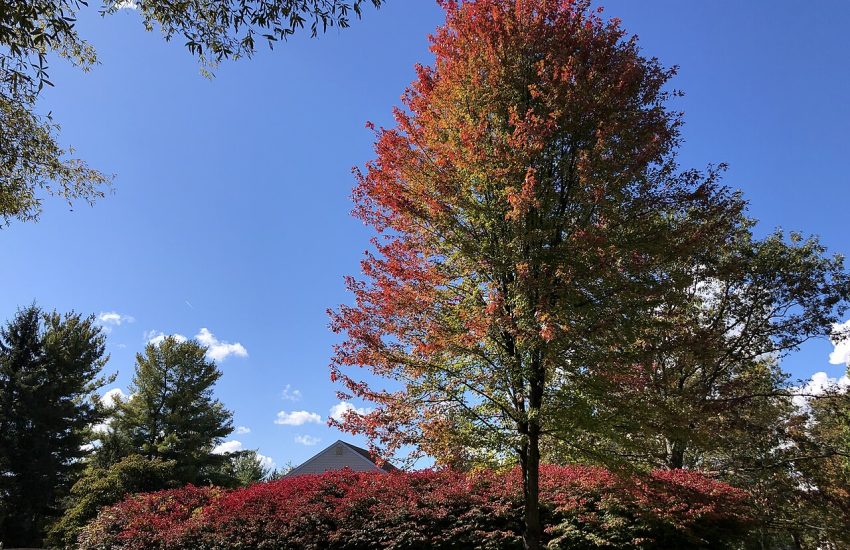
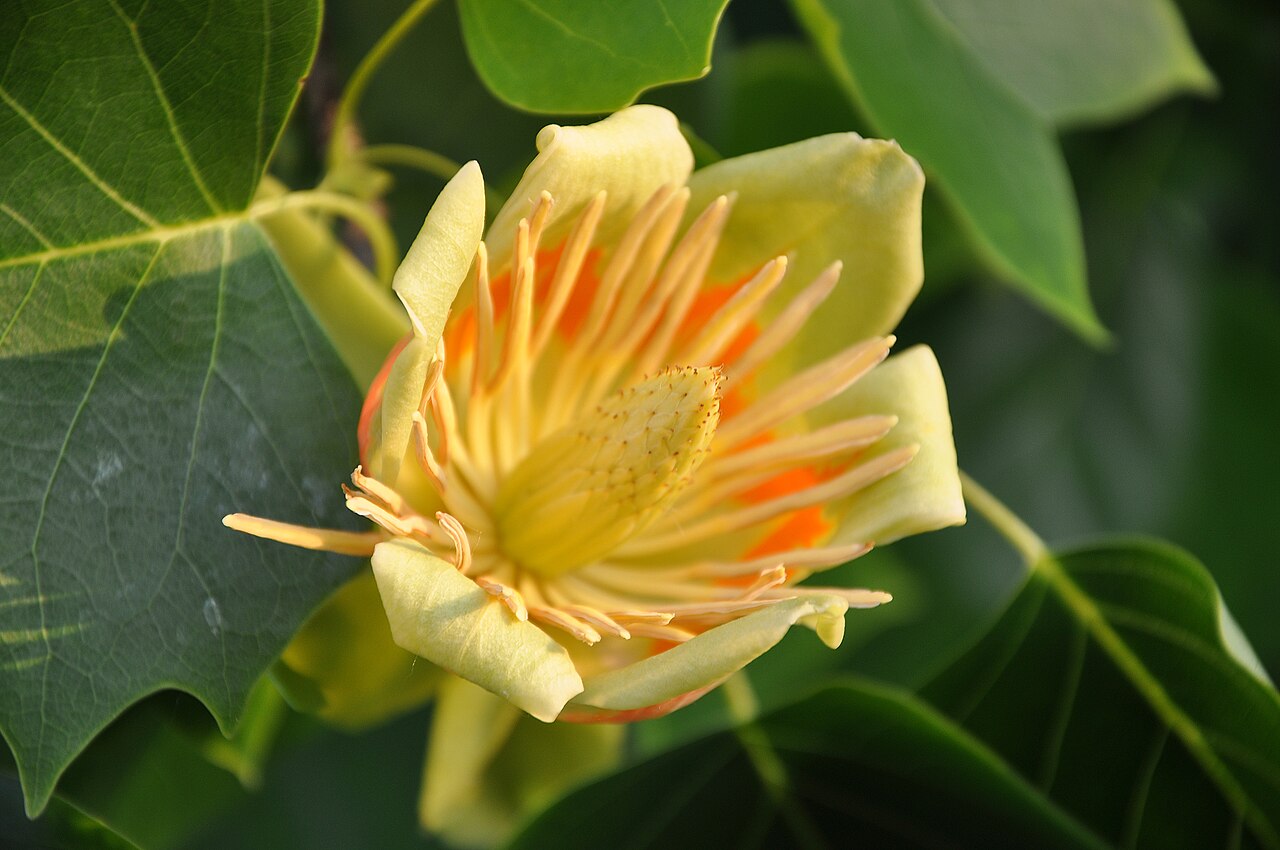
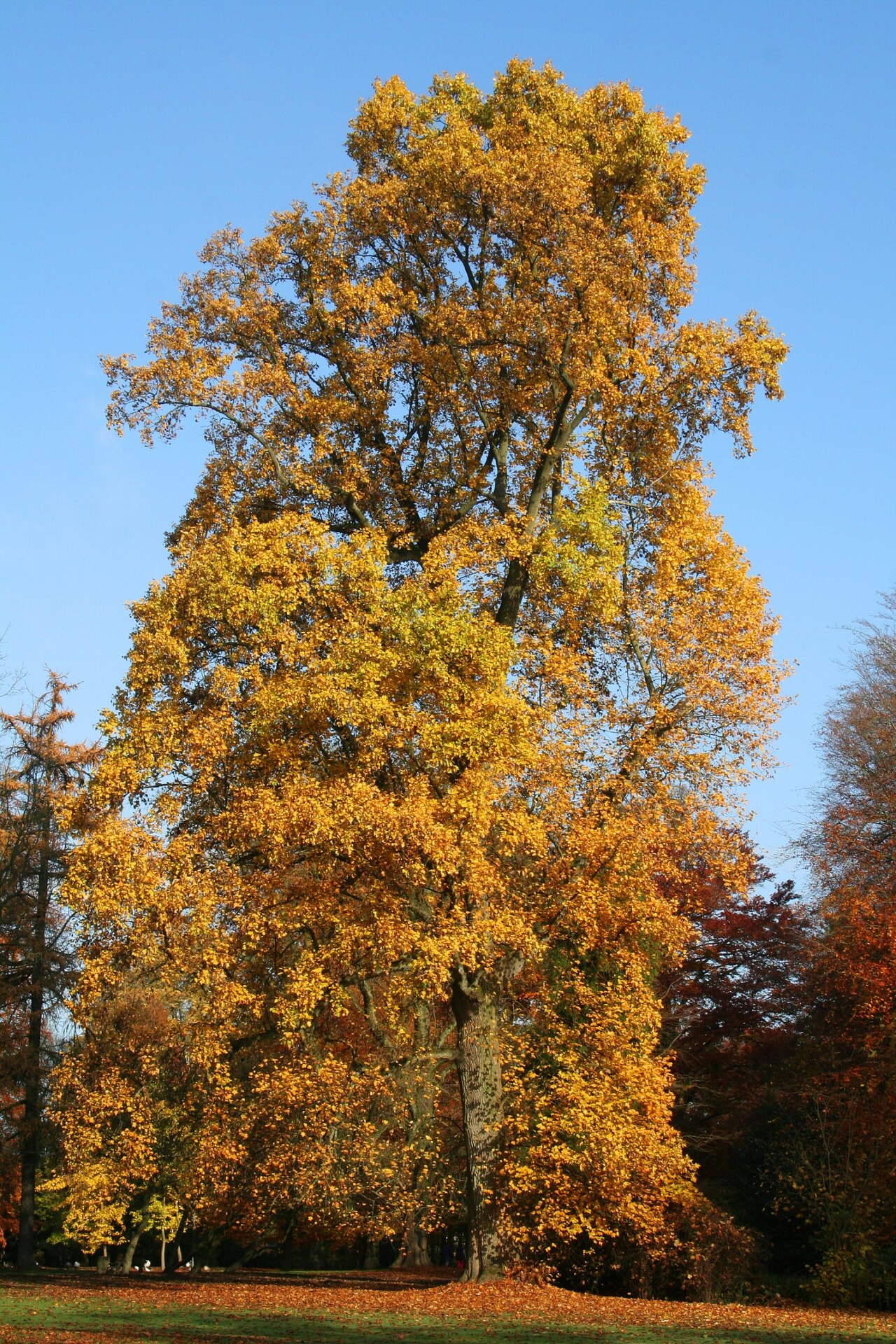
A young tulip tree is easy to love. It grows fast, has unusual four-lobed leaves and tulip-shaped flowers, and turns gold in fall.
It is also one of the largest trees in eastern North America. NC State Extension says it is not recommended for small residential areas or as a street tree, and many homeowners discover that only when the tree is already crowding the house.
This guide shows how to map a tulip tree’s mature canopy on your own lot before planting, what to check inside that footprint, and what to plant instead if it does not fit.
Plan at a Glance
| Site | Large lawn, park-like yard, or woodland edge with deep, moist soil |
| Size | 70 to 90 feet tall and 35 to 50 feet wide (Morton Arboretum); wild trees can reach 150 feet |
| Sun | Full sun preferred; tolerates part shade |
| Soil | Deep, moist, well-drained, slightly acidic soil; poor in compacted or dry ground |
| Maintenance | Low when well sited; plan for limb checks after storms |
| Best regions | Eastern U.S. from western Vermont, southern Michigan and southeastern Illinois to northern Florida and Louisiana |
Know the Numbers Before You Measure
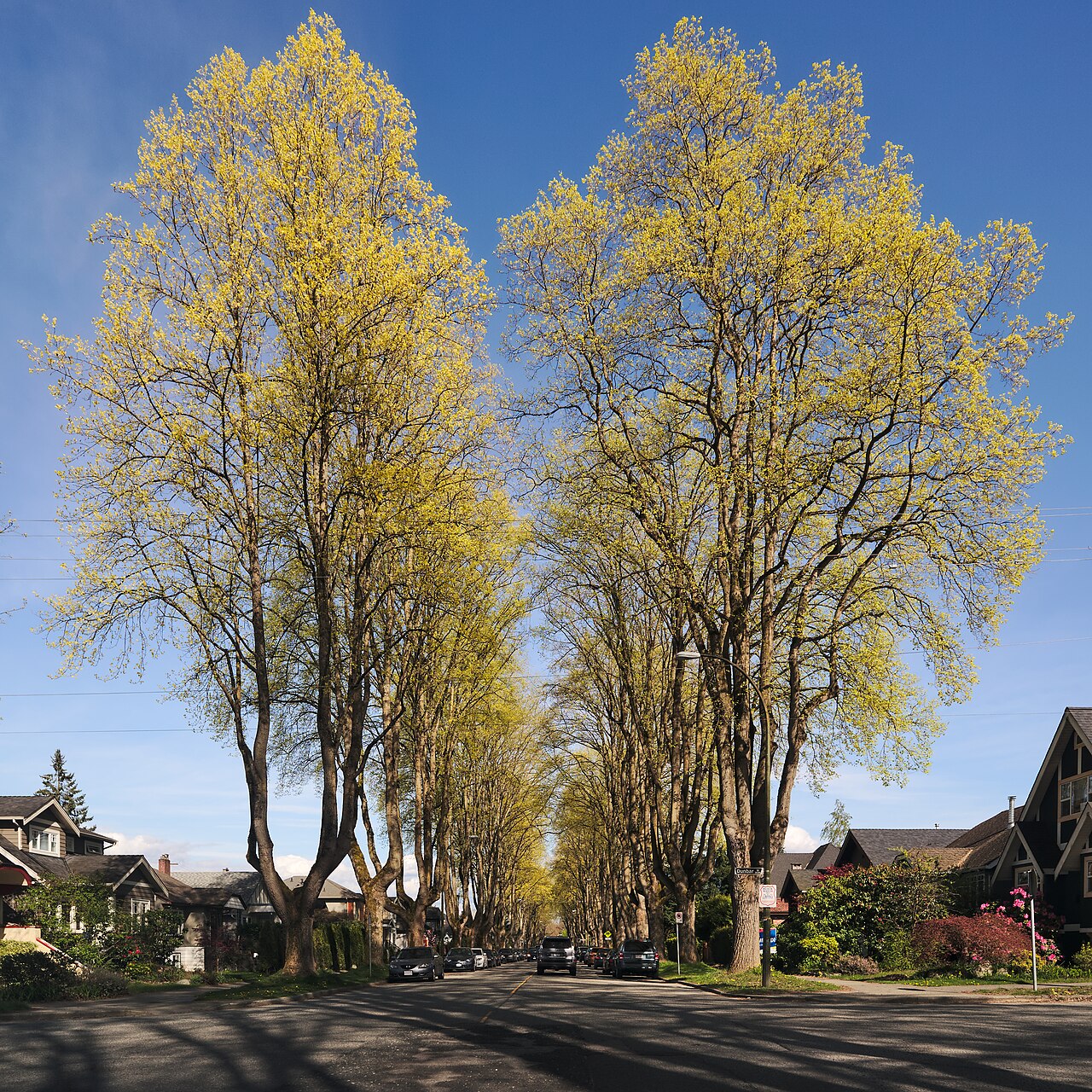
Sources agree that this is a big tree; they differ on how big. The Morton Arboretum lists a mature height of 70 to 90 feet and a width of 35 to 50 feet. The Lady Bird Johnson Wildflower Center says up to about 150 feet, and NC State notes trees have reached 200 feet in the wild.
NC State also rates its growth as rapid, and the Wildflower Center says it grows very quickly in deep, rich, well-drained soil. A tulip tree will reach a size that matters to your house far sooner than a slow grower such as black gum.
For mapping, use the Morton figures as a realistic landscape size: plan for a canopy up to 50 feet across.
Map the Mature Canopy in Five Steps
This takes an hour and a few household items: a long tape measure or string, stakes or marking flags, and a phone camera.
Step 1: Mark the trunk
Push a stake into the exact spot where you would plant. Keep in mind that the trunk itself becomes massive; NC State notes trunk diameters of 8 to 10 feet on the largest trees.
Step 2: Walk the canopy circle
Tie a 25-foot string to the stake, which is half of the 50-foot mature width, and walk a full circle, placing flags every few feet. The flags outline the future canopy edge.
Step 3: List everything inside the circle
Walk inside the flags and write down every structure, line and use you find. This list decides whether the spot works:
- The house, garage or shed: branches will overhang roofs and gutters.
- Overhead wires: the International Society of Arboriculture (ISA) warns that tall trees near lines will eventually be pruned by the utility, which can leave them misshapen and shorten their lives.
- Driveways, patios and parked cars: NC State notes that heavy aphid infestations produce sticky honeydew on leaves, which can grow sooty mold, and the drip lands on whatever is below.
- Paving and tight beds: the Wildflower Center says tulip tree does not tolerate compacted soil and should not be placed in confined beds or planters near pavement.
- Buried utilities and septic systems: ISA notes roots commonly spread well beyond the crown.
Step 4: Think about limbs, not just leaves
NC State says fast growth makes the tree weak-wooded and susceptible to limb breakage in high winds or from ice and snow. The Morton Arboretum also flags it as highly susceptible to ice damage, and the Wildflower Center calls it somewhat weak-wooded.
So beyond the canopy circle, consider where a large broken limb would land. Bedrooms, play areas and parking spots are poor places to have under a big tulip tree. When you are unsure, an ISA Certified Arborist can assess a site.
Step 5: Photograph and sketch
Take photos of the flagged circle from the house, the street and the yard. Then sketch it on a simple plan of your lot. Seeing a 50-foot circle drawn next to your house usually settles the question.
Check the Ground Under the Circle
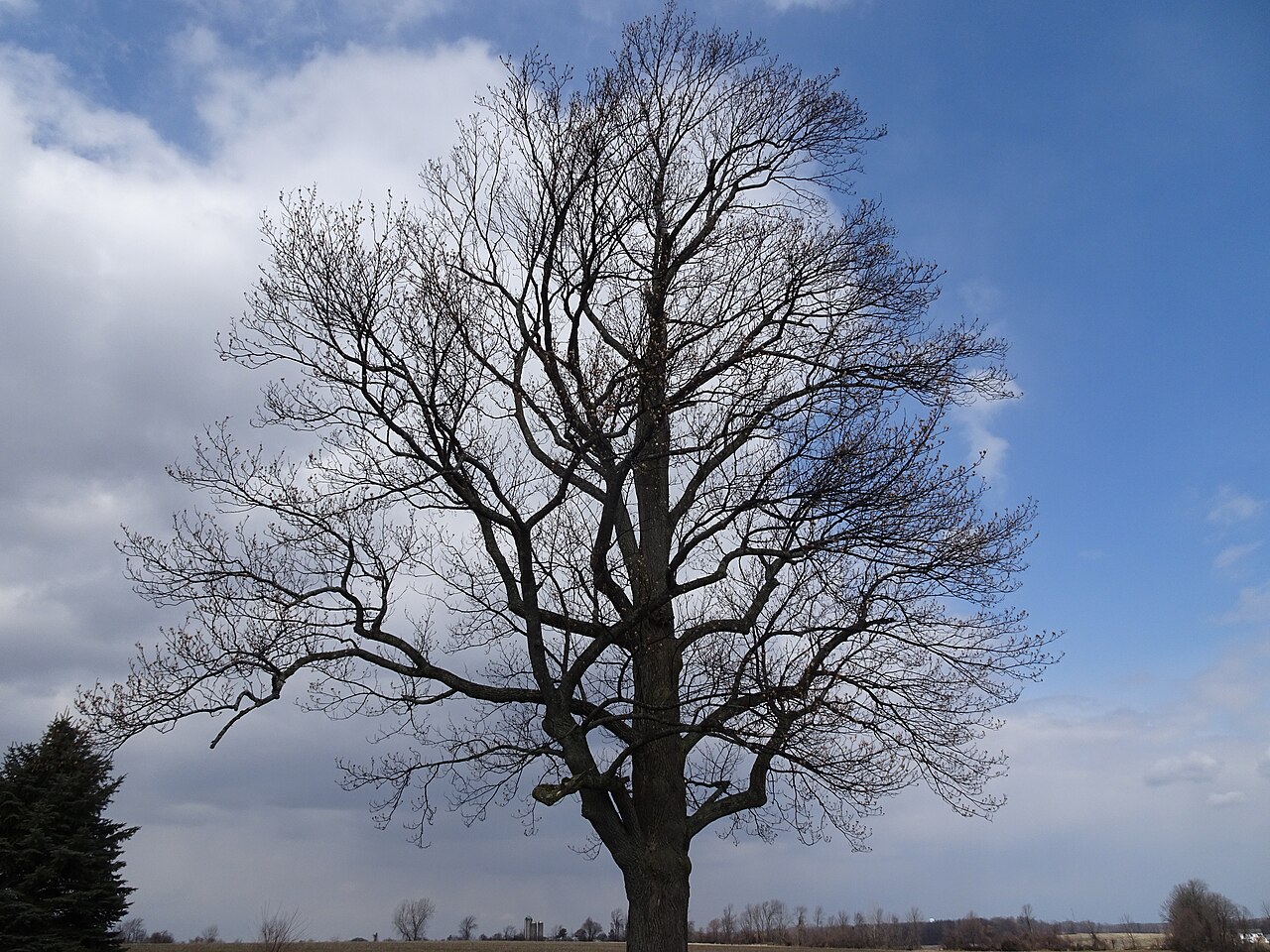
A tulip tree needs more than space. NC State says it prefers moist, well-drained, slightly acidic soil and full sun, and that it is sensitive to heat and drought with low tolerance for compaction.
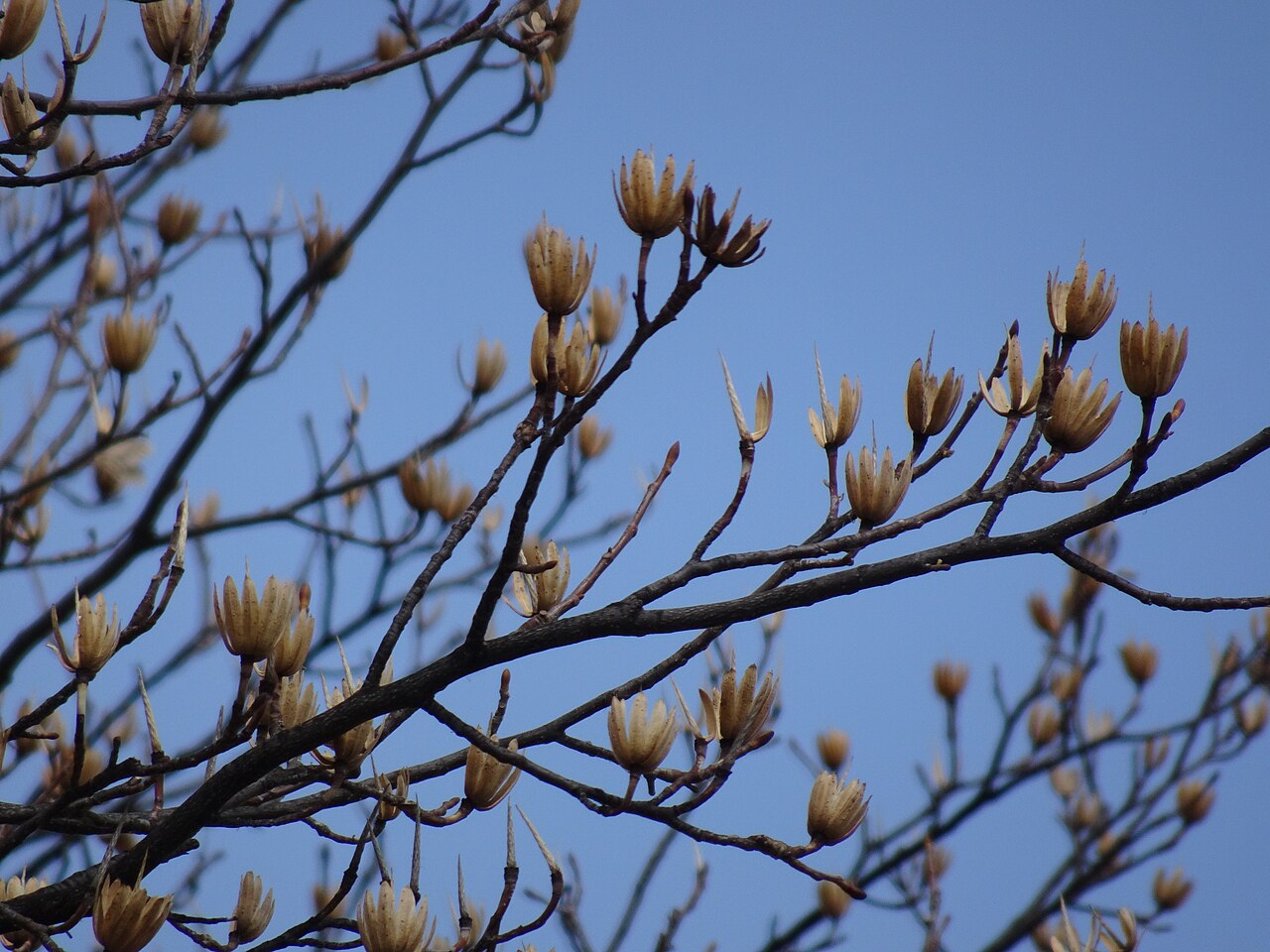
The Morton Arboretum says it needs a consistent supply of moisture and will show yellowing leaves on a dry site. The Wildflower Center adds that dry summers cause physiological problems and that the tree drops foliage in response to drought.
Look for deep soil that does not stay soggy, ideally in a lower part of the yard or near a stream, which matches its native habitat of low, rich woods and stream banks.
Plan the Space Beneath It
NC State notes that the tree’s shallow root system limits what can grow within the drip line. Plan for a simple, wide mulched ring or a low ground layer of shade-tolerant natives planted as small plugs, rather than a crowded bed that needs heavy digging.
Keep the area beneath the canopy out of foot and vehicle traffic. Given its intolerance of compaction, a mulched zone under the tree protects the roots far better than lawn that gets mown and walked on.
For ideas on layering ferns, sedges and shrubs beneath big trees, see our shady-yard layout built around American hornbeam. Under a tulip tree, keep that layering light near the trunk.
Plant Palette
Heights and ranges are from the Lady Bird Johnson Wildflower Center unless noted. Confirm each plant is native to your county before buying.
| Plant | Role | Height | Sun / moisture | Native range |
|---|---|---|---|---|
| Tulip tree (Liriodendron tulipifera) | Canopy tree for large sites | 70–90 ft in landscapes (Morton); up to about 150 ft | Sun to part shade / moist | W. VT to S. MI and S.E. IL, south to N. FL and LA |
| Christmas fern (Polystichum acrostichoides) | Evergreen ground layer in the shade of the crown | 1.5–2 ft | Part shade to shade / moist | Nova Scotia to S.E. MN, south to central FL and east TX |
| Wild ginger (Asarum canadense) | Low ground cover in moist shade | Up to about 8 in | Part shade to shade / moist | Quebec and New Brunswick to MN, south to FL and LA |
Plant choices must match your region. Both ground covers above suit most of the tulip tree’s range; use the regional lists below to confirm or swap in local woodland plants.
If the Circle Does Not Fit
Many suburban lots cannot hold a 50-foot canopy. You still have options.
Smaller Options Compared
| Species tulip tree | 70–90 ft tall, 35–50 ft wide (Morton Arboretum) |
| ‘Emerald City’ | Upright oval, about 55 ft tall and 25 ft wide (Morton) |
| ‘Arnold’ (upright) | Narrow, about 50 ft tall and 15 ft wide (Morton) |
| ‘Little Volunteer’ | Dwarf, 30–35 ft tall and 18–20 ft wide (Morton) |
| Other native trees | NC State lists sweetbay, Fraser and bigleaf magnolias, white oak and northern red oak as native alternatives |
Even the smaller cultivars share the species’ need for moist soil and its weak wood, so map their canopies too.
If you want strong fall color on a smaller footprint, see our guide to choosing a place for black gum. For another large shade tree with its own trade-offs, compare sweetgum in a residential yard.
Installation Steps
The Morton Arboretum notes that tulip tree, like other magnolia relatives, has fleshy roots and is best transplanted in early spring rather than fall. These steps follow ISA planting guidance.
- Contact 811 a few business days before digging and wait for all utility marks. Recheck the canopy circle against them.
- Dig wide and shallow. ISA recommends a hole two to three times wider than the root ball and only as deep as it, with the trunk flare partly visible.
- Correct circling roots, set the tree by lifting the root ball, and backfill firmly, watering as you go. Skip fertilizer at planting.
- Mulch 2 to 3 inches deep over a wide ring, keeping mulch off the trunk.
- Guard the trunk. NC State notes rabbits eat the buds and inner bark of young trees, so a loose trunk guard helps in rabbit country.
First-Three-Years Maintenance Calendar
- Year 1, spring to fall: water weekly in dry weather and more often in heat, tapering off by mid-fall (ISA). This tree is drought sensitive, so consistent moisture matters most now.
- Year 1, summer: yellow leaves dropping in a dry spell usually point to water stress. Water deeply rather than fertilizing.
- Year 2: keep the mulch ring wide and the soil uncompacted. Check leaves for aphids and sticky honeydew.
- Year 3: begin structural pruning in late winter if needed, keeping a single central leader and removing competing upright stems while they are small.
- After any ice or wind storm: look for cracked or hanging limbs. Have an ISA Certified Arborist handle anything you cannot reach safely from the ground.
Mistakes to Avoid
- Planting for the sapling. A fast grower reaches house scale quickly.
- Placing it over driveways or patios. Honeydew drip and falling limbs both land there.
- Using it in a tight bed or as a street tree. NC State and the Wildflower Center both advise against confined, paved sites.
- Planting in dry, compacted ground. Expect yellowing, leaf drop and poor growth.
- Doing large-limb work yourself. Big, weak-wooded limbs are a job for a professional.
📋 Find plants for your region: see the full Tulip Tree (Liriodendron tulipifera) profile or our native plant lists for New York, Pennsylvania & Northern New Jersey, Delaware, Southern New Jersey & Long Island, Maryland, Virginia & West Virginia, North & South Carolina, Georgia, Alabama & Mississippi, Arkansas, Louisiana, Eastern Oklahoma & Eastern Texas, Kentucky & Tennessee, and Michigan, Wisconsin & Eastern Minnesota.
Frequently Asked Questions
How much space does a tulip tree need?
Plan for a canopy up to 50 feet wide and a tree 70 to 90 feet tall, based on Morton Arboretum figures. NC State does not recommend it for small residential areas.
How far from a house should I plant a tulip tree?
At minimum, keep the house outside the mapped canopy circle, and keep in mind that limbs can break in storms. Because safe distances depend on your lot, ask your extension office or an ISA Certified Arborist when space is tight.
Why is my tulip tree dropping yellow leaves in summer?
Usually drought stress. The Wildflower Center and NC State both note the tree drops leaves in hot, dry weather. Deep watering helps young trees.
Is tulip tree good for wildlife?
Yes. The Wildflower Center lists it as a larval host for the eastern tiger swallowtail and tuliptree silkmoth, a favorite nesting tree for birds, and a flower source for hummingbirds and honey bees.
Is there a smaller tulip tree?
Yes. The Morton Arboretum lists ‘Little Volunteer’ at 30 to 35 feet tall and 18 to 20 feet wide, and narrow forms such as ‘Arnold’. They still need moist soil and room to grow.
Sources
- NC State Extension Gardener Plant Toolbox, Liriodendron tulipifera: residential and street-tree caution, growth rate, soil and drought sensitivity, compaction, weak wood, shallow roots, aphid honeydew, rabbits, seed shedding, native alternatives.
- Lady Bird Johnson Wildflower Center, Liriodendron tulipifera: height, range, habitat, compaction and pavement caution, drought response, weak wood, fall color, wildlife. Ground-layer data from Wildflower Center pages for Christmas fern and wild ginger.
- The Morton Arboretum, Tuliptree: mature height and width, ice-damage susceptibility, moisture needs, spring transplanting, cultivar sizes.
- International Society of Arboriculture, Planting a Tree: planting steps, watering, mulching, utility conflicts and root spread.
- 811 Before You Dig, Contact 811 before every dig.