
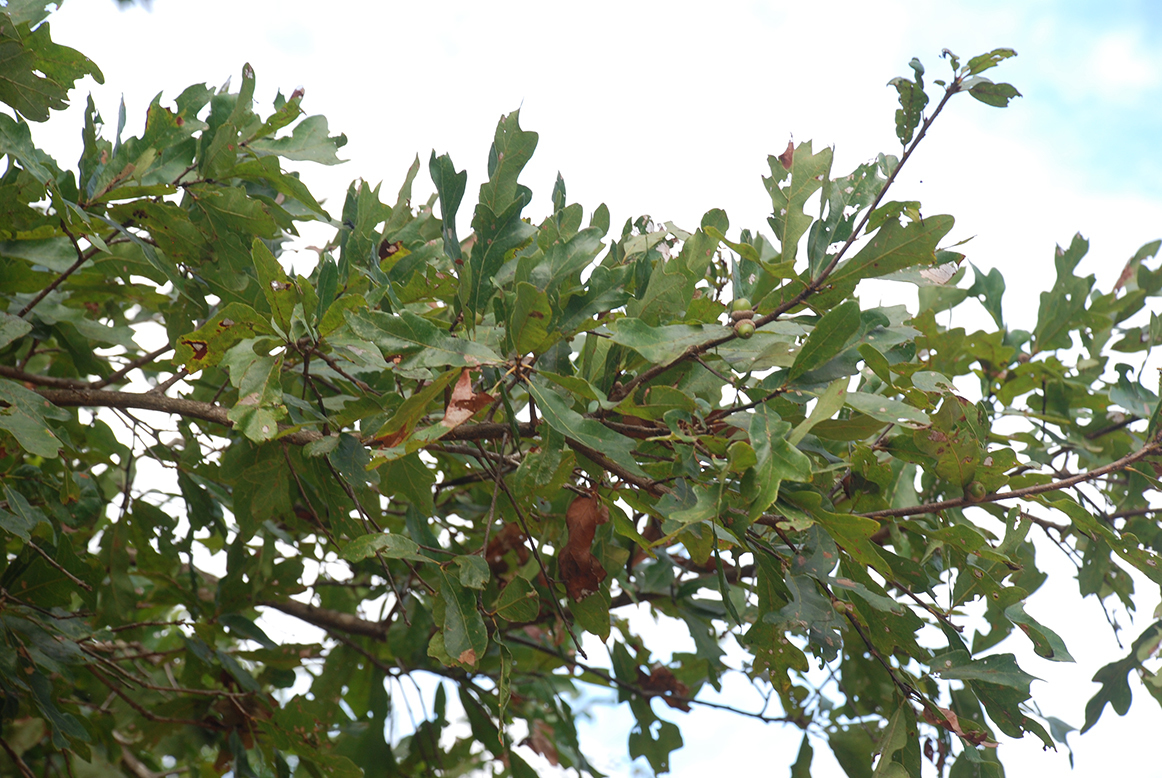
Bluff oak’s glossy, variably lobed leaves and small acorns on a mature branch. Photo: Doug Goldman, via Wikimedia Commons (CC BY 4.0) Quercus austrina, the
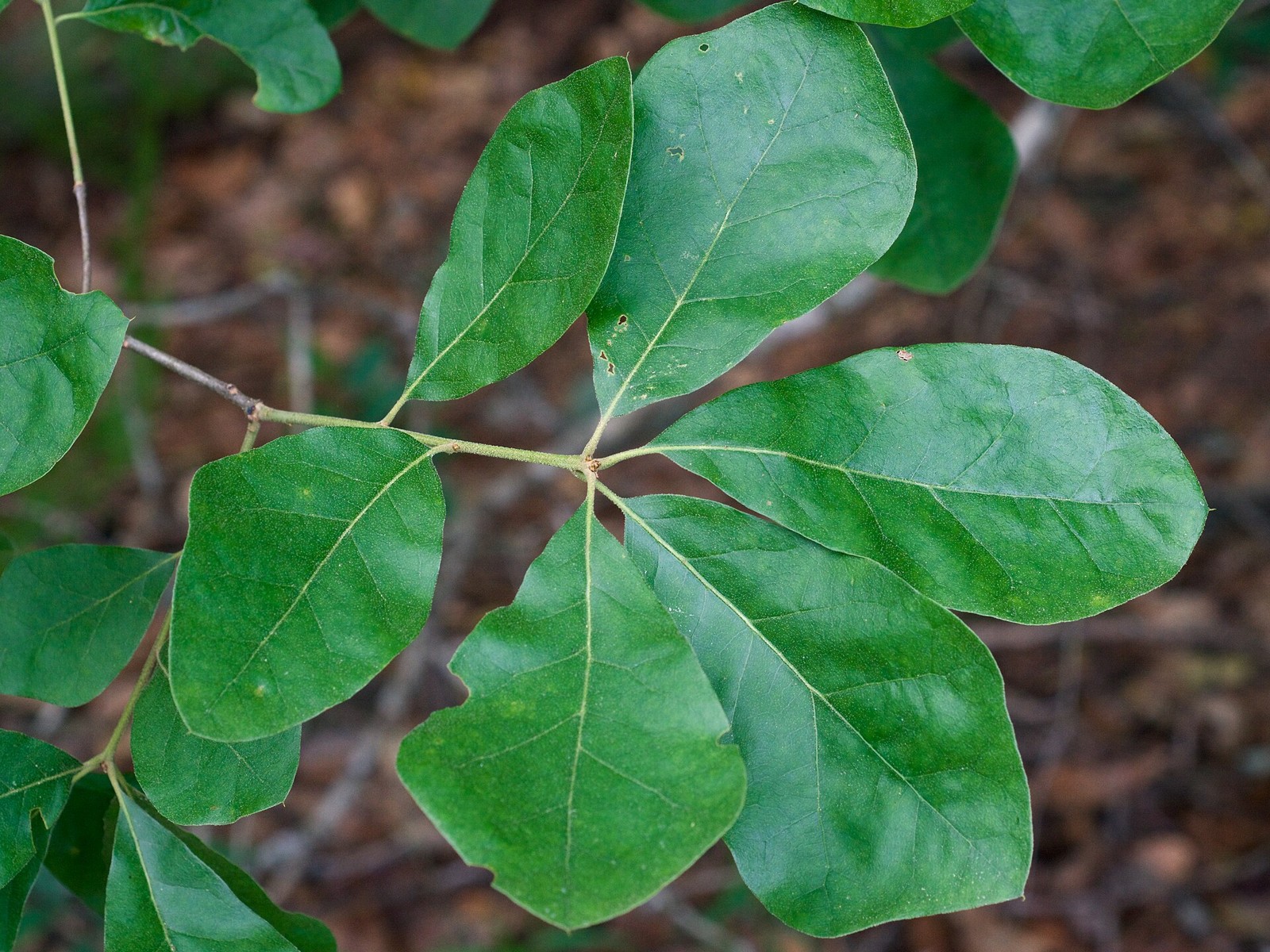
Arkansas oak leaves, glossy above with a shallow 2- to 3-lobed or unlobed shape, photographed at Poison Springs Natural Area, Ouachita County, Arkansas. Photo: Eric
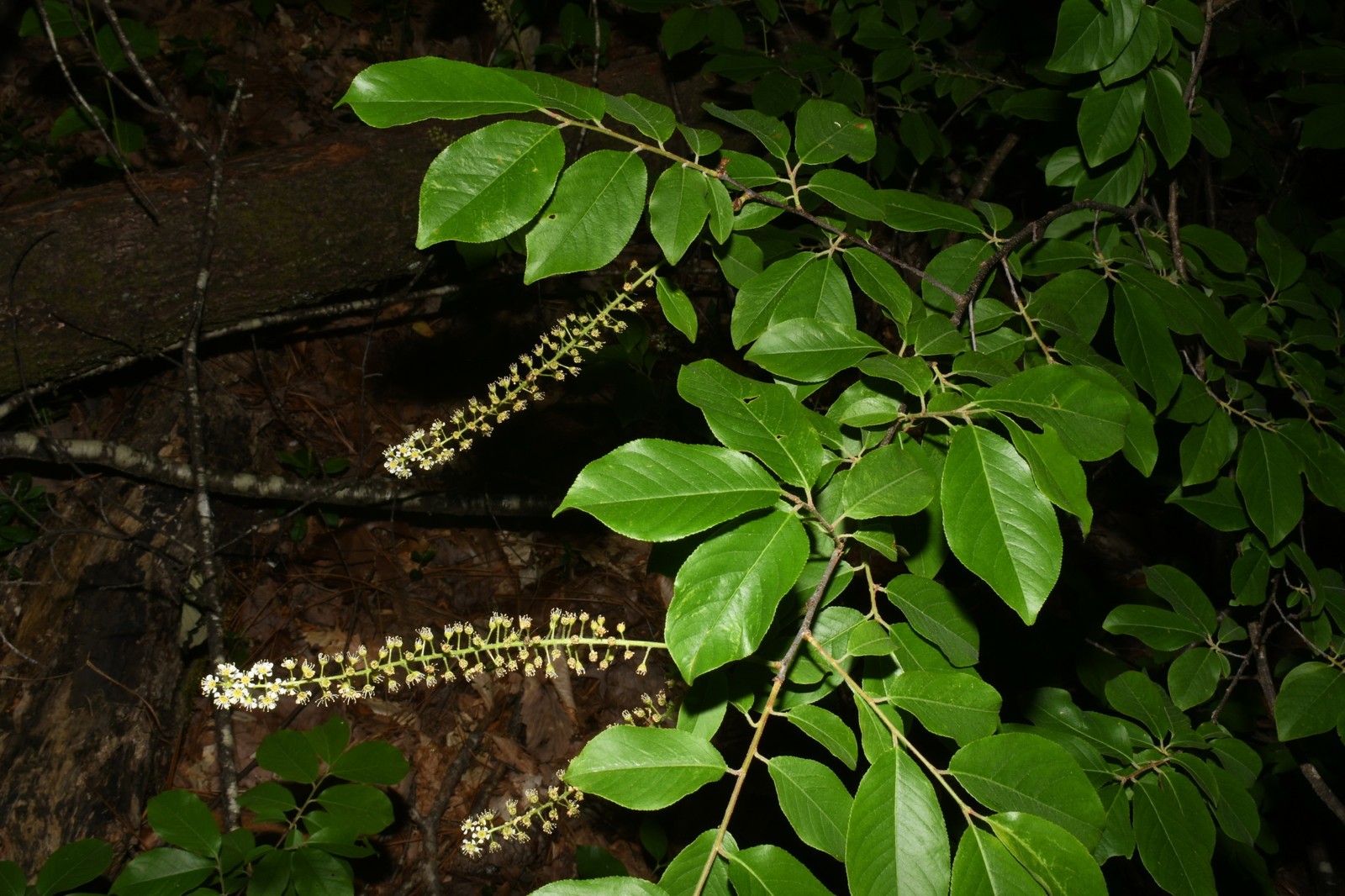
Alabama cherry in bloom, its slender flower racemes hanging among glossy, finely toothed leaves. Photo: Brian Finzel, via Wikimedia Commons (CC BY-SA 4.0) Prunus alabamensis,
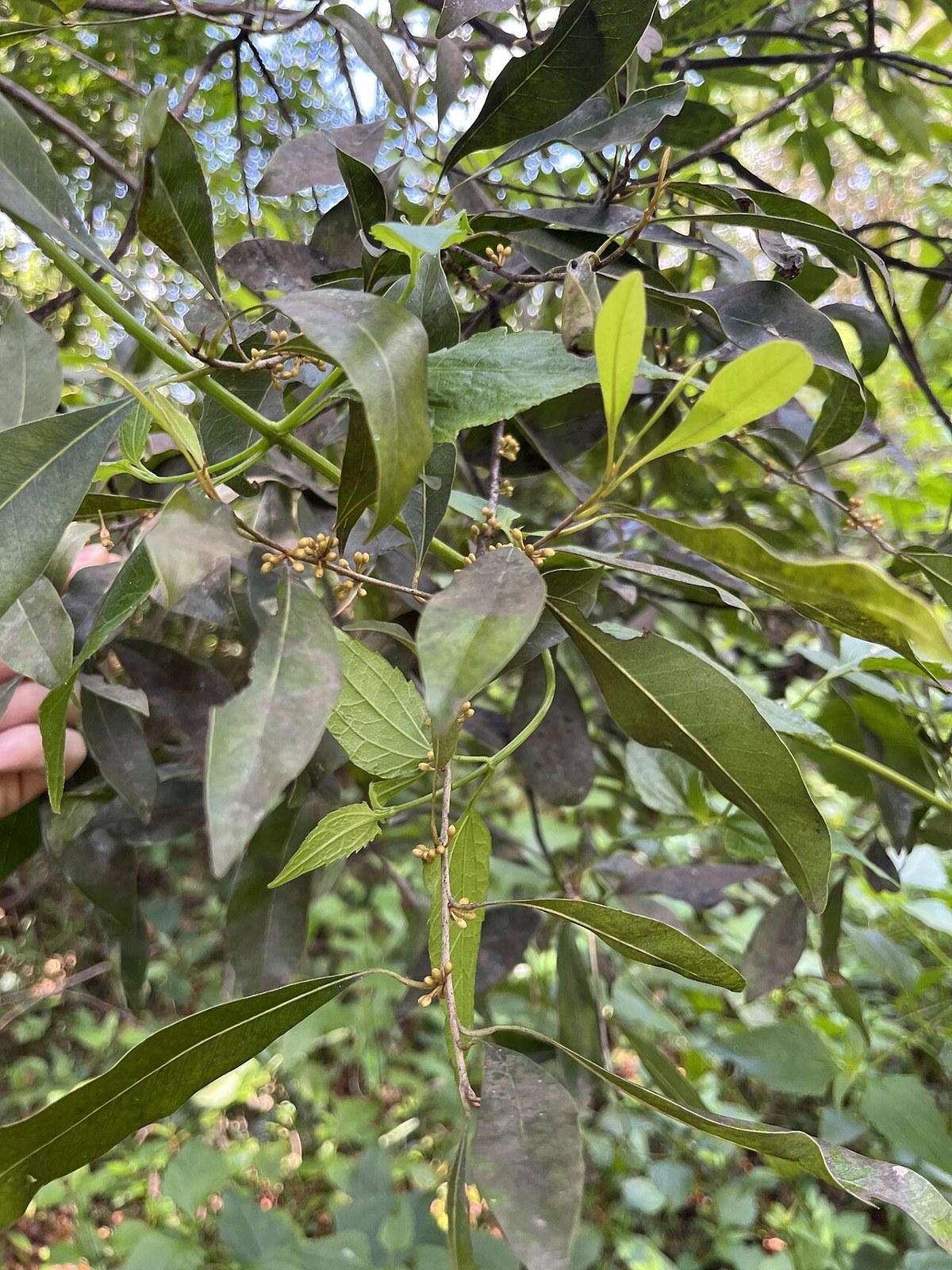
Willow bustic’s slender, willow-like leaves and upright form in a South Florida coastal hammock. Photo: Wikimedia Commons (CC BY-SA 4.0) Sideroxylon salicifolium, the Willow Bustic
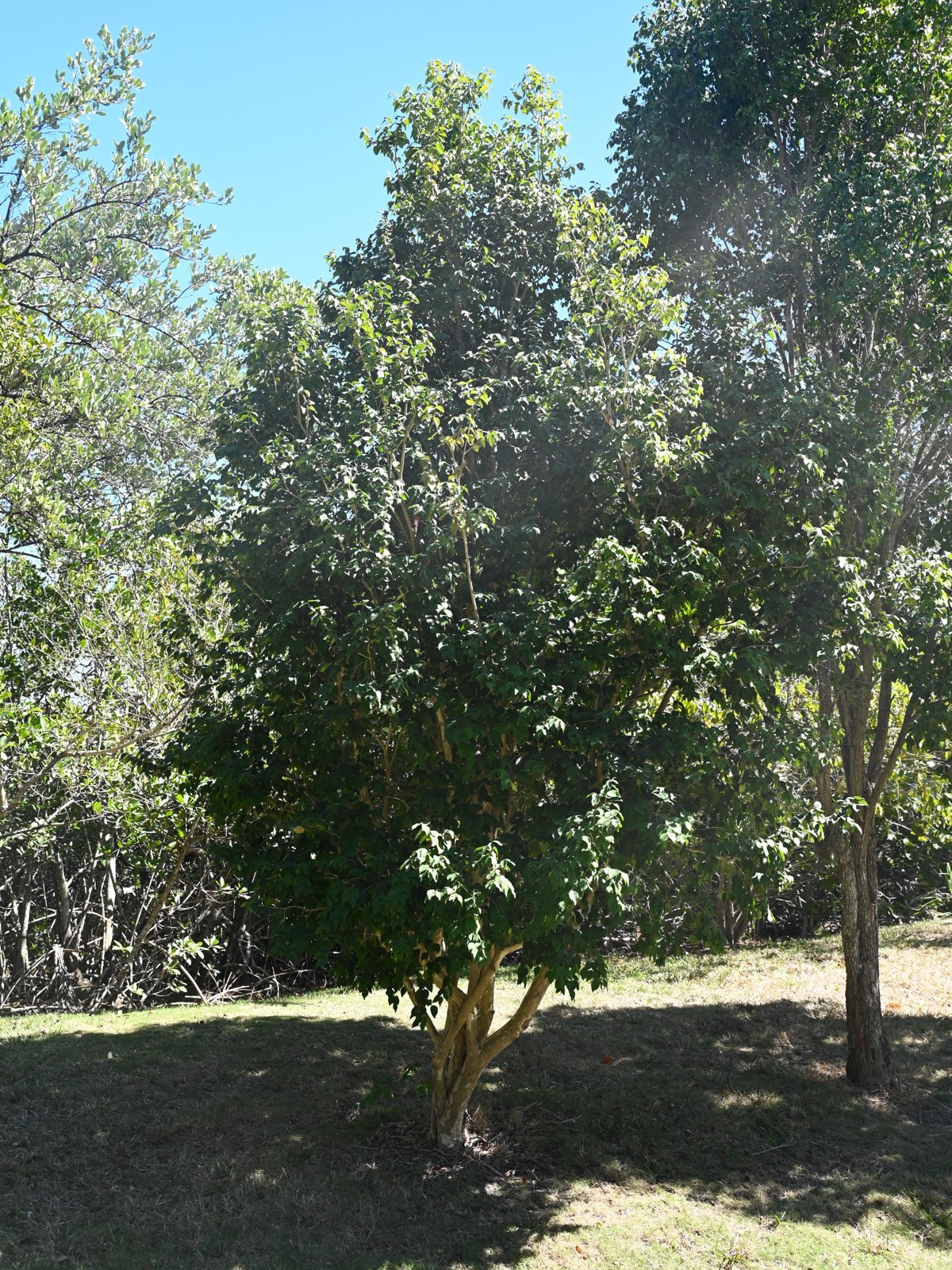
Red stopper’s dense, rounded crown at the edge of a South Florida hammock. Photo: Wikimedia Commons (CC BY-SA 4.0) Eugenia rhombea, the Red Stopper, is
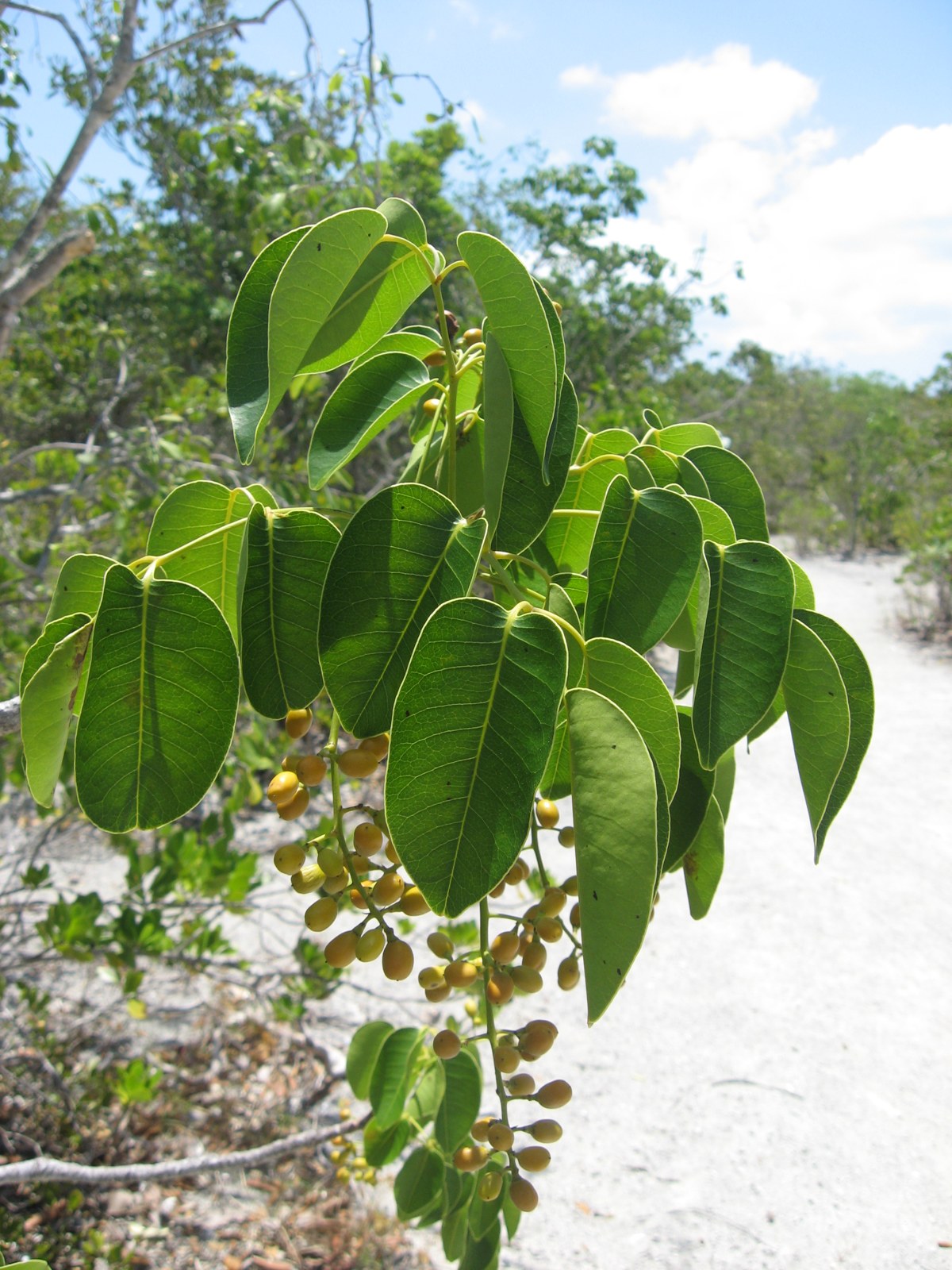
Poisonwood’s glossy leaves and hanging clusters of orange fruit, a favorite food of South Florida’s white-crowned pigeon. Photo: Wikimedia Commons (Public domain) ⚠ Identification &
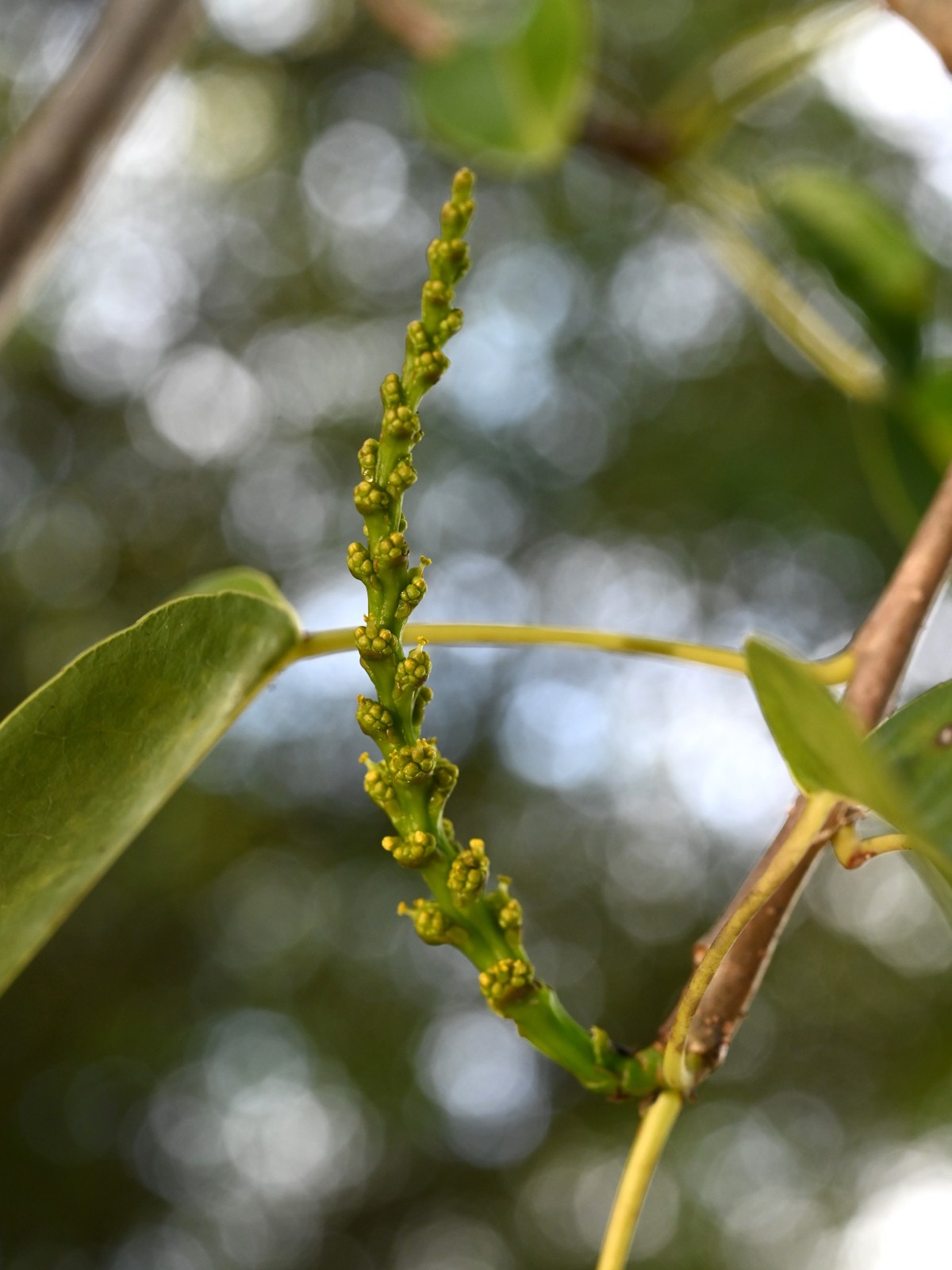
Manchineel’s slender greenish flower spike emerging among its glossy, poplar-like leaves. Photo: Wikimedia Commons (CC BY-SA 4.0) ⚠ Safety first: Hippomane mancinella, the Manchineel, is
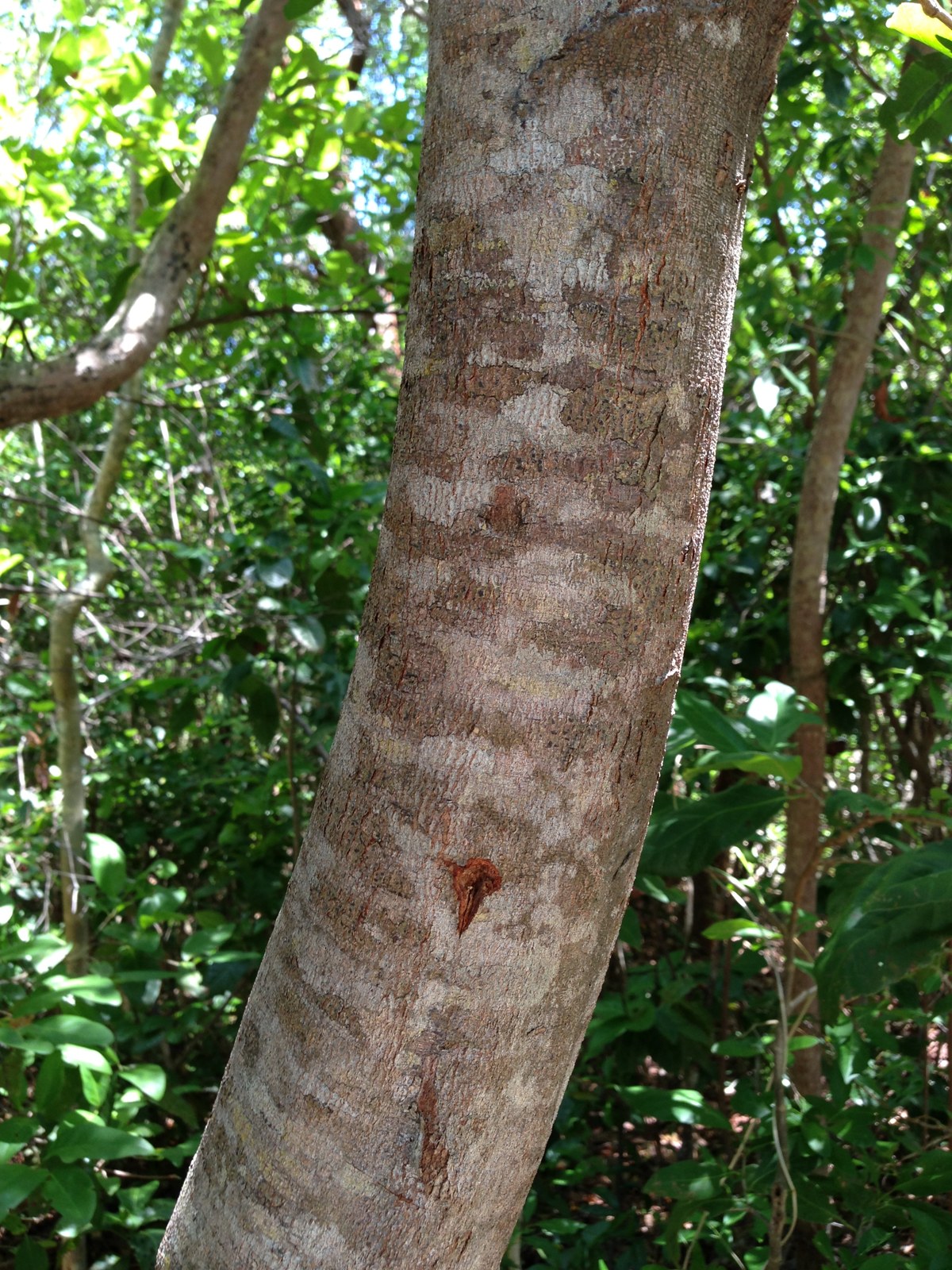
Inkwood’s smooth, mottled gray-brown trunk rising through a South Florida hammock canopy. Photo: Wikimedia Commons (CC BY 3.0) Exothea paniculata, commonly called Inkwood (and sometimes
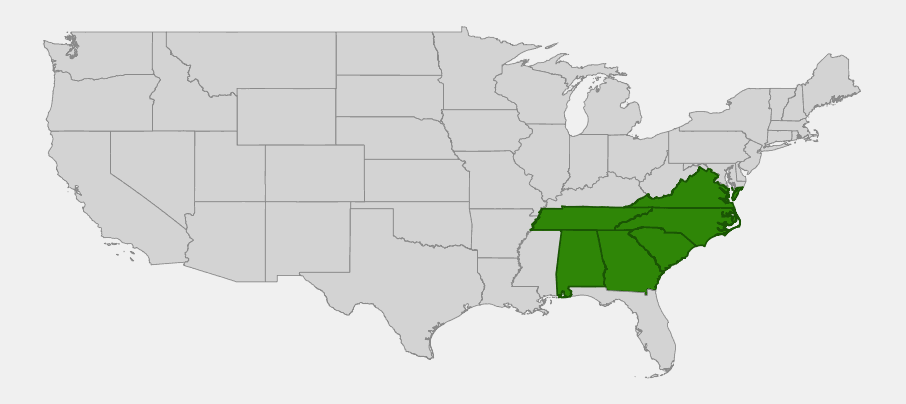
Carya carolinae-septentrionalis, the Southern Shagbark Hickory (also called Carolina Hickory), is a Deep South relative of the familiar Shagbark Hickory that most field guides and
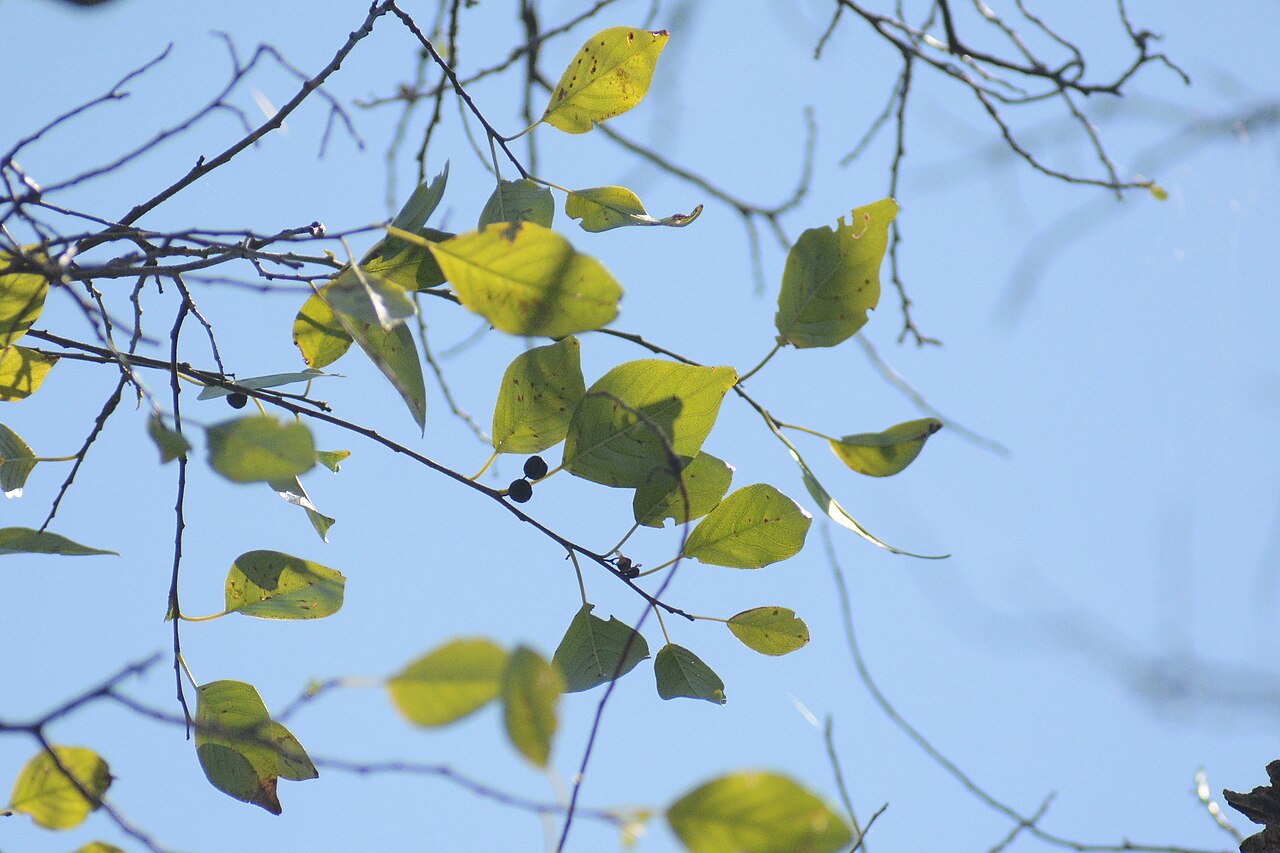
Soldierwood leaves and fruit at John Pennekamp Coral Reef State Park, Key Largo, Florida. Photo: David Jeffrey Ringer via Wikimedia Commons (CC BY-SA 4.0) Colubrina
View More