
Willow Bustic (Sideroxylon salicifolium)
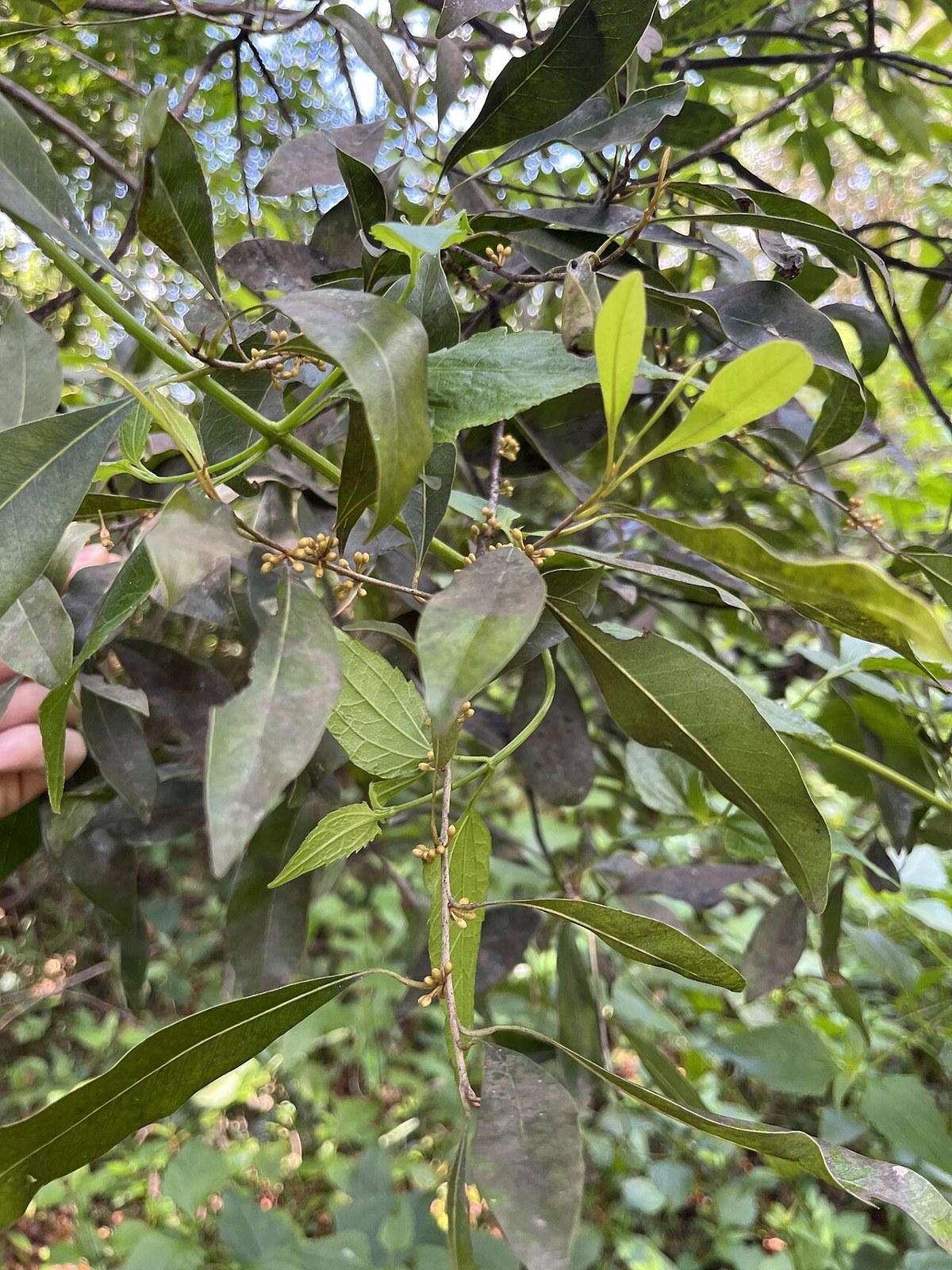
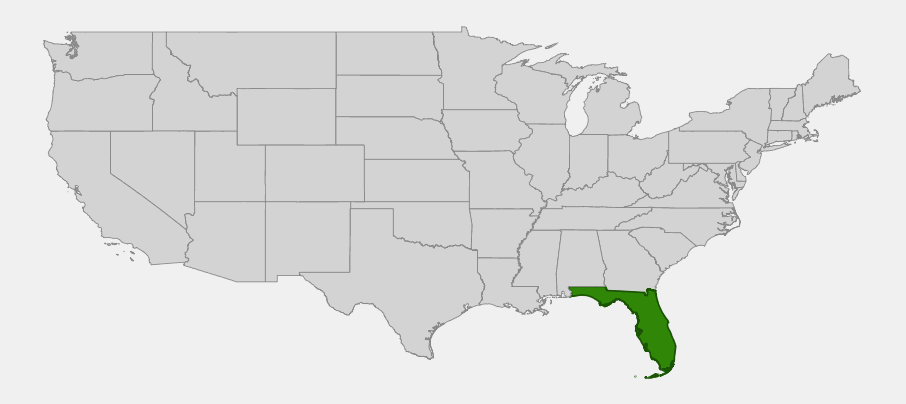
Sideroxylon salicifolium, the Willow Bustic (also called White Bully), is a handsome evergreen tree of Florida’s coastal and tropical hammocks, named for its narrow, willow-like leaves rather than any relation to true willows. In the United States it is native to the southern half of the Florida peninsula, reaching north along the Atlantic coast to around Martin County, and it remains relatively common within that range compared to some of Florida’s rarer tropical hammock trees.
Willow bustic typically grows 20 to 30 feet tall, occasionally taller in sheltered sites, with slender, pointed, glossy leaves that often show a golden or rust-colored sheen on new growth and leaf undersides — a trait shared by several of its Sideroxylon relatives. Clusters of small, fragrant white flowers appear repeatedly through the warm months, followed by small dark fruit that is an important food source for birds. Its moderate salt tolerance, attractive form, and manageable size have made it an increasingly popular choice for South Florida native landscaping.
Identification
Willow bustic is most easily recognized by its narrow, lance-shaped leaves with a glossy upper surface, its small clustered white flowers, and the characteristic golden-bronze pubescence often visible on new leaves and twigs.
Bark & Stems
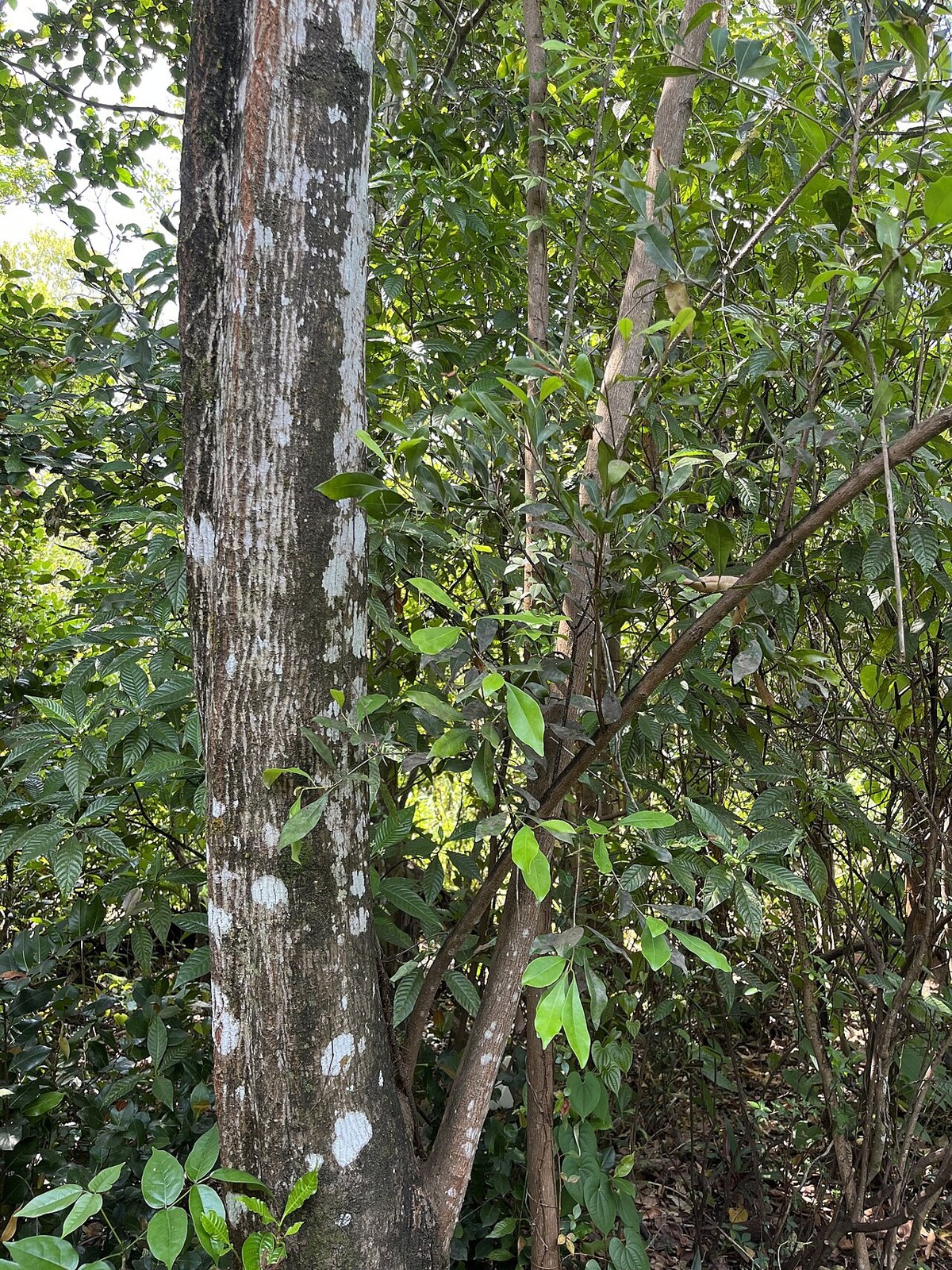
The bark is gray to grayish-brown, relatively smooth on young trees and developing shallow furrows or blocky texture with age, often mottled with patches of lichen on mature trunks in humid hammock settings. Young twigs often carry fine, rust-colored or golden hairs, a feature that becomes especially noticeable on new growth.
Leaves
Leaves are alternate, simple, narrowly lance-shaped to elliptical, 2 to 4 inches long, with a glossy dark green upper surface. New leaves and the undersides of mature leaves often show a distinctive golden to rust-colored sheen from fine hairs, a helpful identification clue that distinguishes willow bustic from other narrow-leaved hammock trees.
Flowers
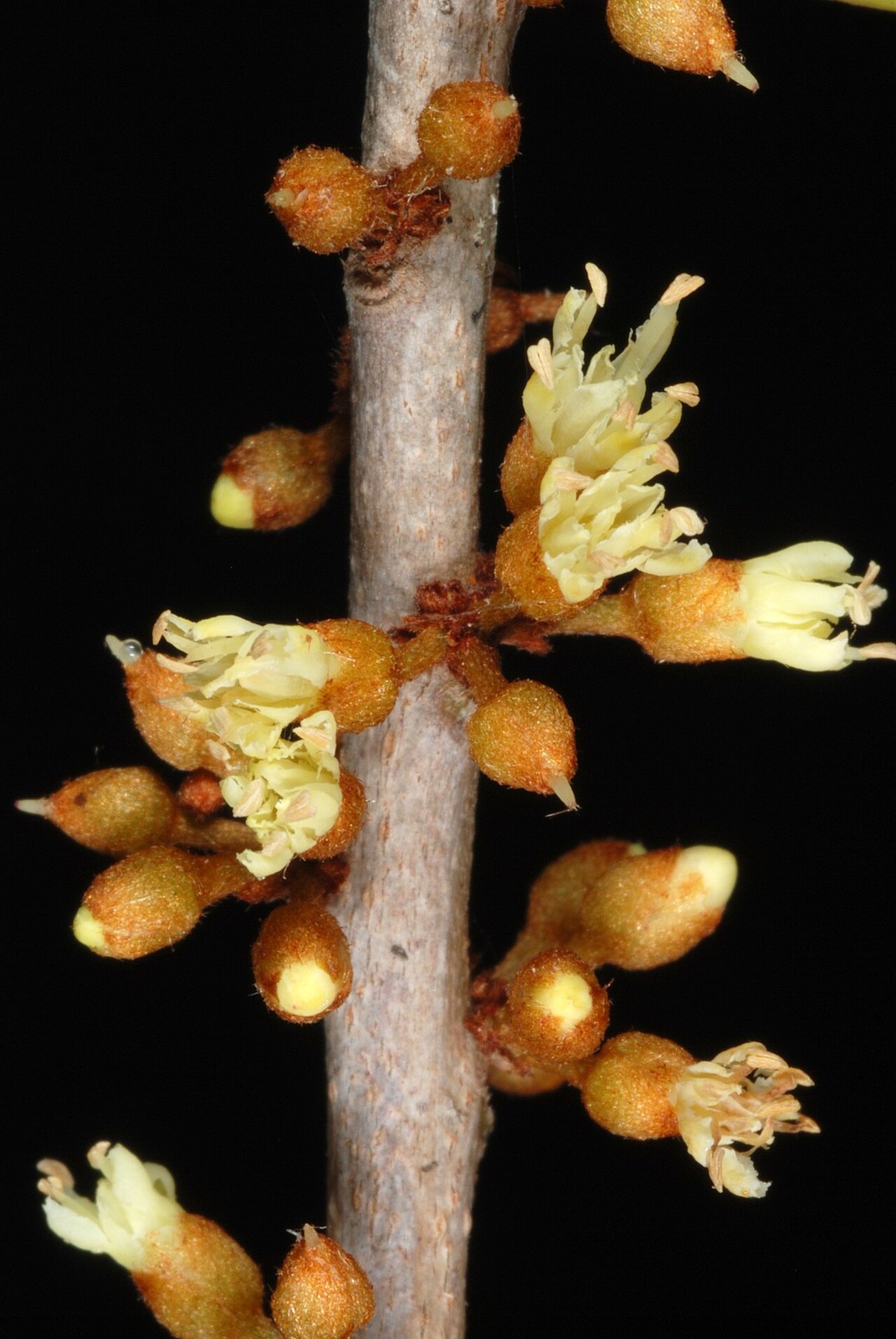
Small, fragrant, white to cream, bell-shaped flowers are borne in dense, rust-colored, fuzzy-stalked clusters at the leaf axils, blooming repeatedly through spring, summer, and into fall in Florida’s warm climate. Though individually small, the flowers can be abundant and noticeably fragrant when a tree is in full bloom, and the golden-brown hairs covering the flower stalks and buds are a useful close-up identification feature.
Fruit & Seeds
The fruit is a small, oval berry about 1/3 to 1/2 inch long that ripens from green to dark purple or black. Each fruit typically contains a single seed and is readily eaten by birds, which disperse the seeds throughout the hammock.
Quick Facts
| Scientific Name | Sideroxylon salicifolium |
| Family | Sapotaceae (Sapodilla) |
| Plant Type | Evergreen tree |
| Mature Height | 20–30 ft (occasionally to 50 ft) |
| Mature Spread | 15–25 ft |
| Growth Rate | Moderate |
| Sun Exposure | Full Sun to Partial Shade |
| Water Needs | Low to moderate once established |
| Soil Type | Well-drained sandy or limestone hammock soils |
| Soil pH | Neutral to alkaline |
| Bloom Time | Spring–fall, intermittent |
| Flower Color | White |
| Fall Color | Evergreen; no notable fall color |
| Fruit | Small dark bird-dispersed berries |
| Deer Resistant | Generally yes |
| USDA Hardiness Zones | 9b – 11 |
Native Range
In the United States, willow bustic is native to the southern Florida peninsula, reaching north along the Atlantic coast to approximately Martin County and occurring south through Miami-Dade County and the Florida Keys, with populations also along Florida’s southwestern Gulf coast. Compared to several of Florida’s rarest tropical hammock species, willow bustic remains relatively widespread within this range.
Within its range, willow bustic grows in coastal and maritime hammocks, tropical hardwood hammocks, and similar well-drained hammock habitats, often near the immediate coast where it shows useful tolerance of salt spray and occasional brackish exposure. It typically occupies the hammock mid-story to canopy, depending on the maturity of the surrounding forest.
Outside the continental United States, willow bustic occurs more broadly through the Caribbean, including the Bahamas and Cuba, reflecting the strong West Indian affinities of South Florida’s tropical hammock flora.
📋 Regional plant lists featuring Willow Bustic: none yet — no plantnative.org regional list currently covers South Florida’s coastal hammock species; see our full native plant directory for other Florida-native trees.
Growing & Care Guide
Willow bustic is a versatile, moderately salt-tolerant tree well suited to a range of South Florida landscape settings, from coastal yards to inland hammock-style gardens.
Light
Willow bustic grows well in full sun to partial shade. In the wild it often establishes under an existing hammock canopy and can tolerate more open, sunnier conditions as it matures into a free-standing tree.
Soil & Water
It prefers well-drained soils, whether sandy or limestone-based, and tolerates South Florida’s seasonal dry periods well once established, needing only occasional supplemental water during extended drought. Its moderate salt tolerance makes it a reasonable choice for coastal properties that are not directly exposed to the harshest salt spray.
Planting Tips
Choose a site with good drainage and enough room for the tree’s eventual 20- to 30-foot height and moderate spread. Willow bustic’s manageable size and attractive, glossy foliage make it a good fit for residential yards where a very large canopy tree would be impractical.
Pruning & Maintenance
Willow bustic generally needs only light, occasional pruning to remove dead or crossing branches and to maintain a tidy form; its naturally upright habit rarely requires heavy structural correction.
Landscape Uses
Willow bustic’s attractive form, repeat bloom, and wildlife value make it suitable for a range of South Florida landscape roles:
- Specimen or accent tree for residential yards
- Screening or informal hedge when planted in groups
- Coastal landscaping where moderate salt tolerance is useful
- Hammock restoration plantings alongside other native hardwoods
For more Florida-native options to round out a hammock-style landscape, see our guide to shade trees for South Florida.
Wildlife & Ecological Value
Willow bustic’s repeat bloom and reliable fruit production make it a valuable addition to South Florida wildlife gardens and a meaningful component of native hammock habitat.
For Birds
The small dark fruit attracts a range of fruit-eating hammock birds, which help disperse the seeds throughout the surrounding forest. For more ideas on choosing native trees that support resident and migratory birds, see our guide to attracting songbirds with native plants.
For Pollinators
Because willow bustic flowers intermittently across much of the warm season rather than in one short burst, it provides a comparatively long window of nectar and pollen resources for native bees and other pollinating insects, supplementing the bloom of other hammock species.
Ecosystem Role
As a moderately common component of South Florida’s coastal and tropical hammocks, willow bustic contributes to canopy and sub-canopy structure in habitats increasingly fragmented by coastal development, while its extended bloom period and fruit production add consistent food resources across the hammock wildlife community throughout much of the year.
Cultural & Historical Uses
Willow bustic does not carry a widely documented history of medicinal or culinary use in Florida; its chief historical significance lies in its role as a long-standing, characteristic component of South Florida’s coastal and tropical hardwood hammocks, ecosystems that have supported human communities in the region for centuries through timber, game, and other hammock resources.
In recent decades, willow bustic has gained growing appreciation in South Florida native landscaping circles for its attractive form, repeat bloom, and relative ease of cultivation compared to some of the region’s rarer hammock species, helping bring a genuinely native tree into wider residential use.
Frequently Asked Questions
How can I identify willow bustic?
Look for narrow, glossy, lance-shaped leaves that often show a golden or rust-colored sheen on new growth, combined with clusters of small, fragrant white flowers and small dark fruit.
Why is it called “willow” bustic if it isn’t a willow?
The common name refers only to the leaf shape, which resembles that of true willows (genus Salix); willow bustic is unrelated botanically, belonging instead to the Sapotaceae, or sapodilla, family.
Is willow bustic salt-tolerant?
Yes, moderately. It grows naturally in coastal hammocks and tolerates some salt spray, though it is not as salt-tolerant as true beachfront pioneer species like sea grape.
How big does willow bustic get?
Most cultivated and wild specimens in Florida reach 20 to 30 feet tall, occasionally growing larger in favorable, sheltered hammock conditions.
Is willow bustic good for attracting wildlife?
Yes. Its extended bloom period supports pollinators across much of the warm season, and its small dark fruit is a reliable food source for a variety of hammock birds.

Looking for a nursery that carries Willow Bustic?
Browse our native plant nursery directory: Florida
For other South Florida hammock trees, see our pages on Gumbo Limbo and Florida Strangler Fig. To learn more about why native trees matter, see planting native trees for wildlife.

