
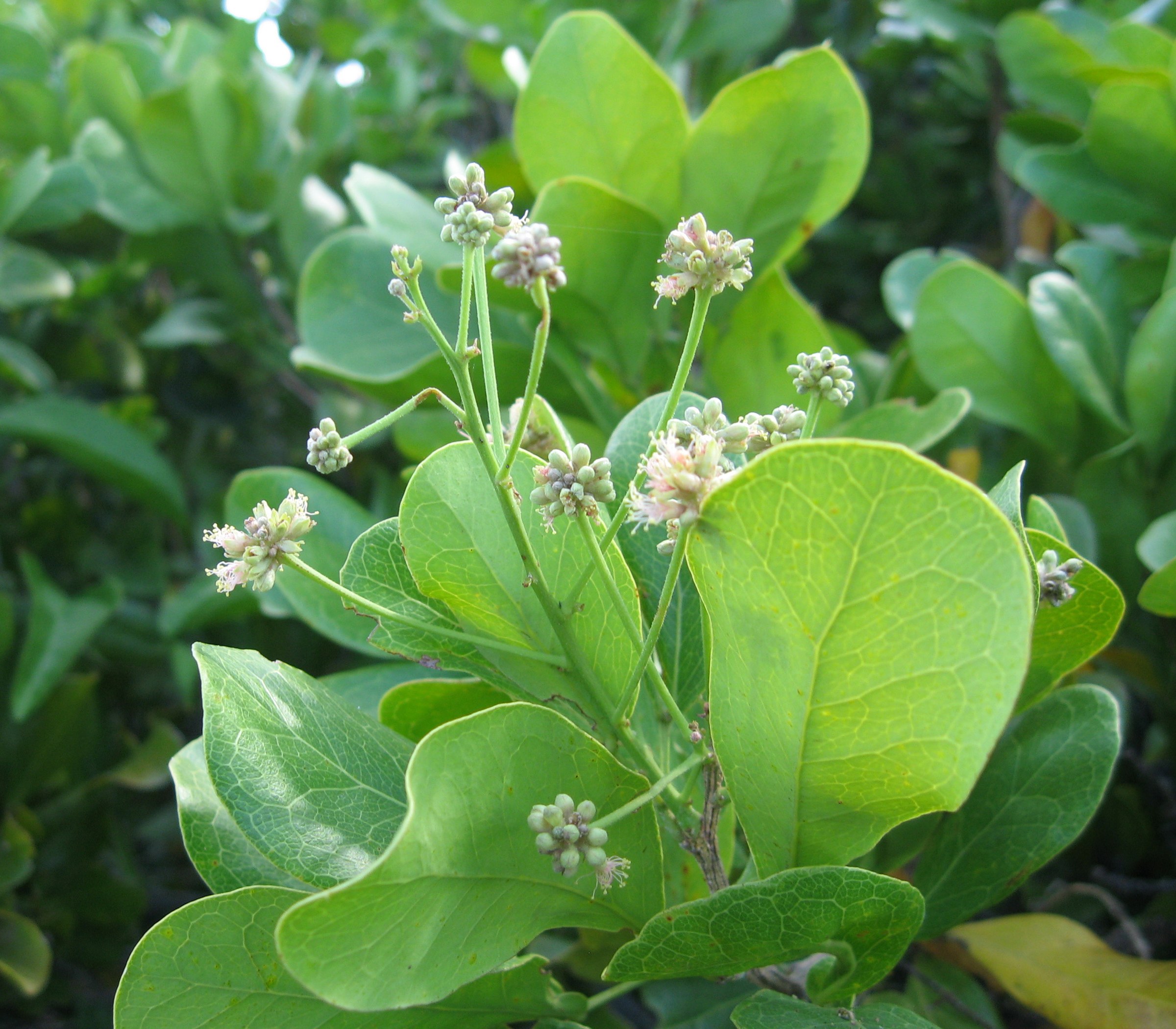
Blackbead in bloom at Bahia Honda Key, Florida, showing its rounded leathery leaflets and fragrant puffball flower heads. Photo: Mason Brock via Wikimedia Commons (Public
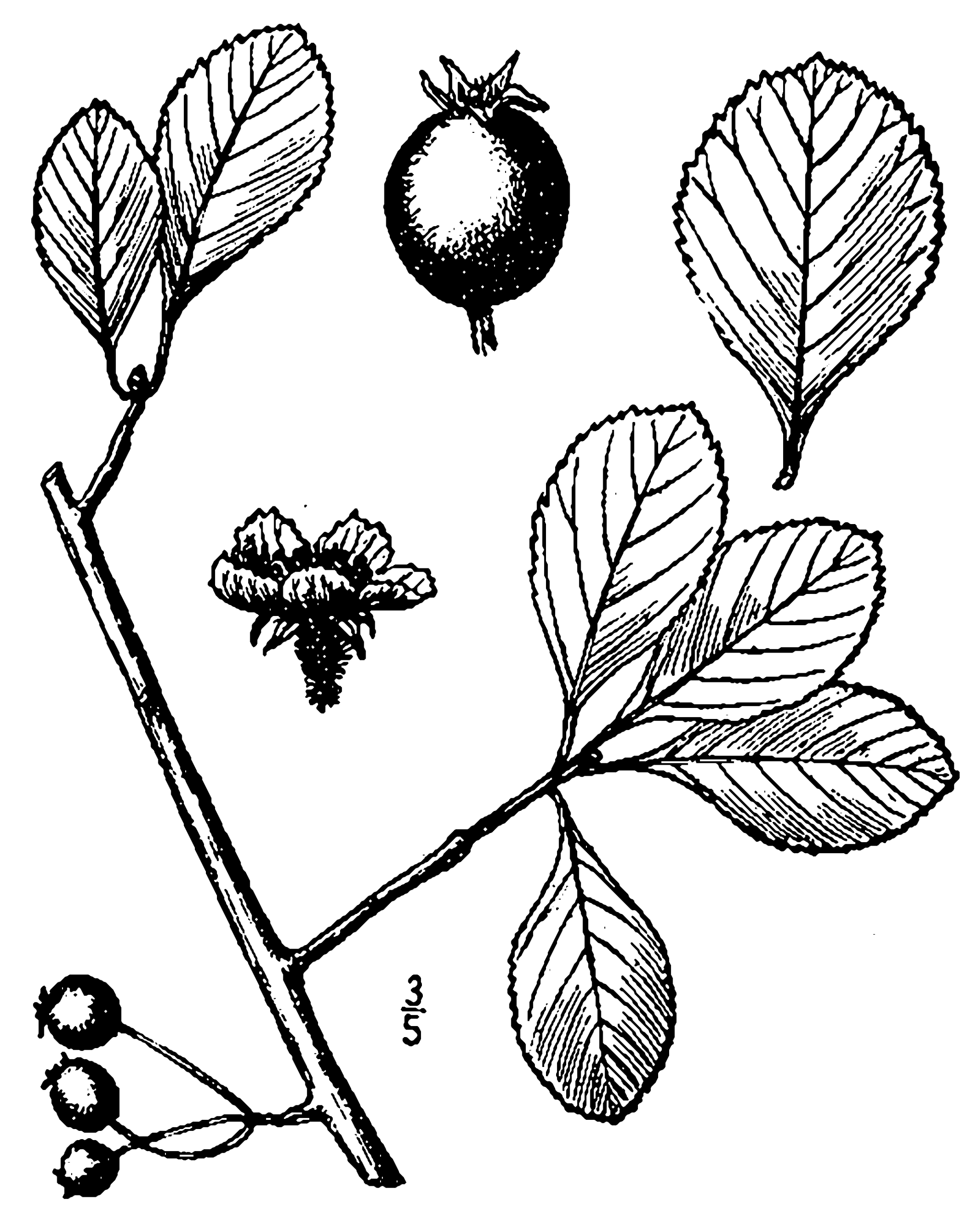
Quick Facts Scientific Name Crataegus berberifolia Family Rosaceae (Rose) Plant Type Deciduous shrub or small tree Mature Height 15–30 ft Mature Spread 15–35 ft, wide-spreading
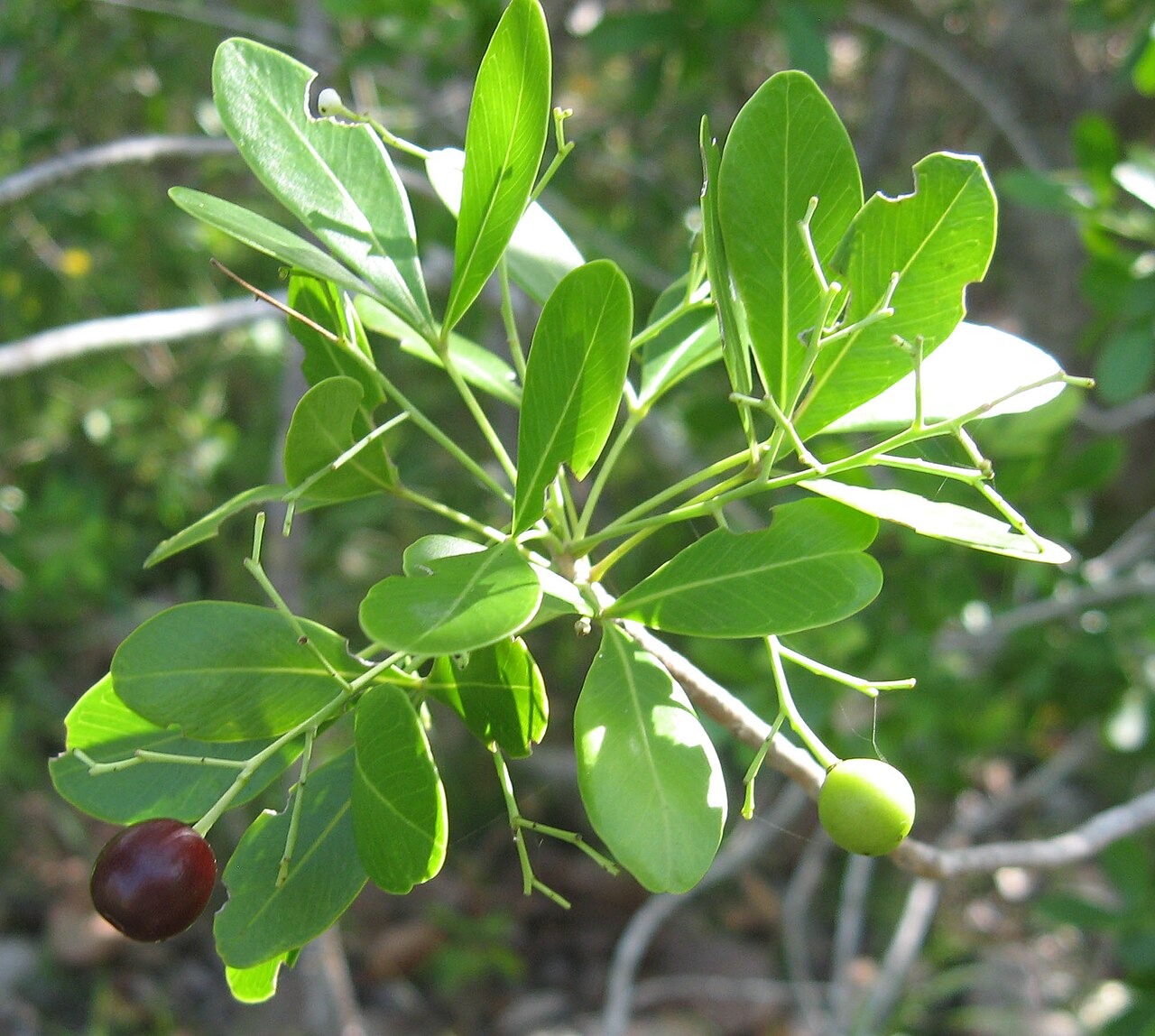
White Ironwood’s distinctive trifoliate (three-leaflet) leaves and small round fruit. Photo: Mason Brock, Wikimedia Commons (public domain) Hypelate trifoliata, commonly known as White Ironwood or
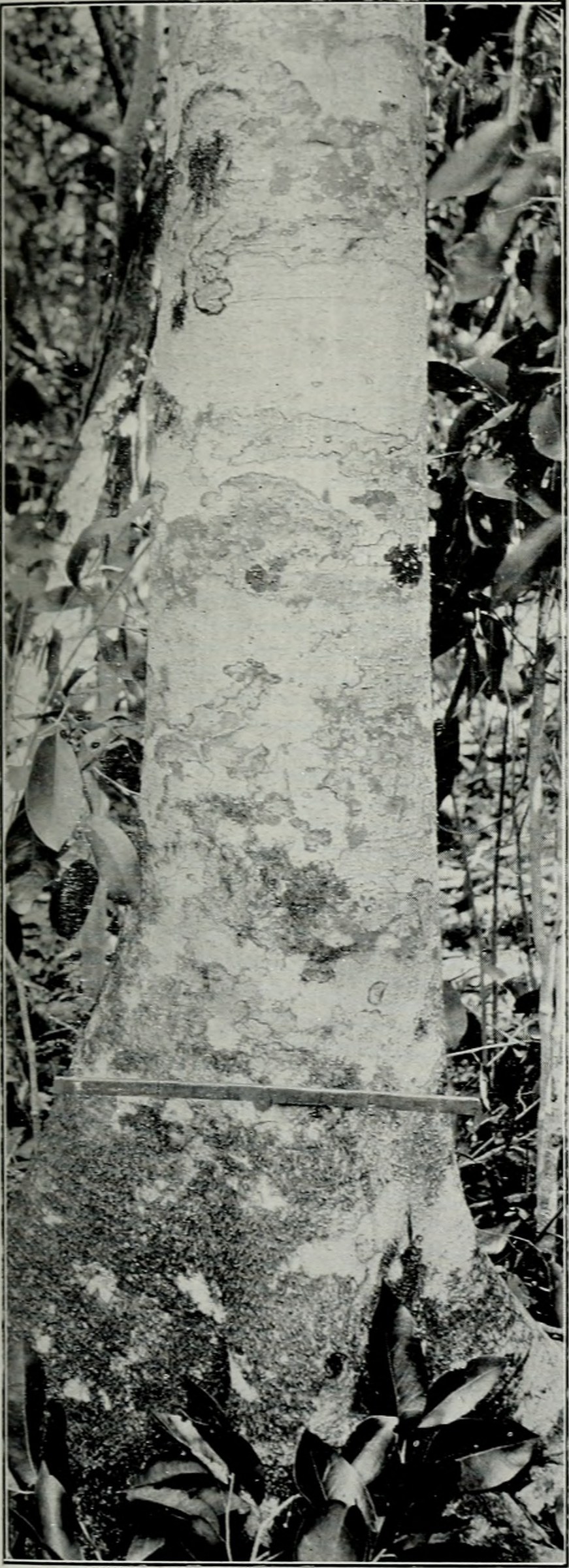
Milkbark’s smooth, pale, blotchy trunk is the easiest field mark for this rare Keys hammock tree. Photo: Internet Archive Book Images, Wikimedia Commons (no known
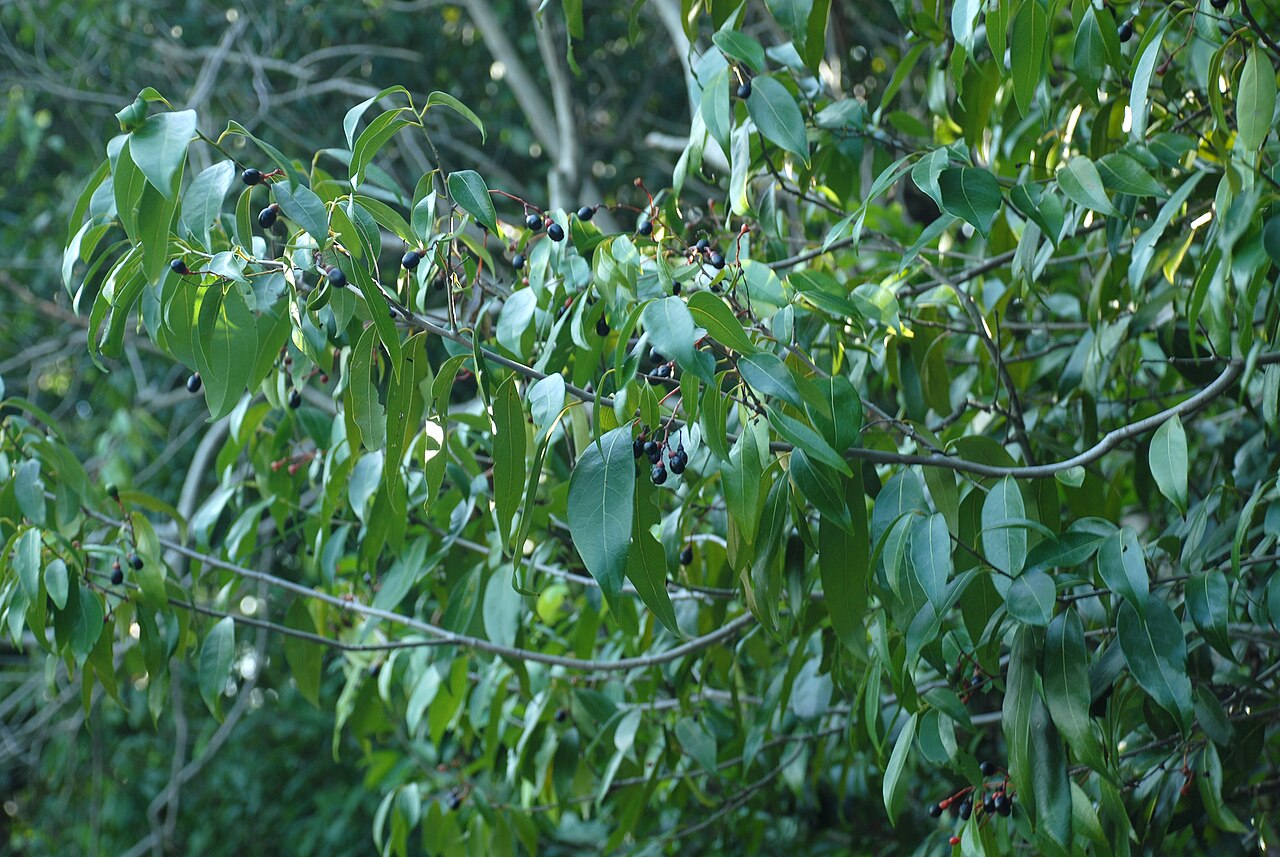
A fruiting Lancewood branch in a South Florida hammock, with ripe black and unripe green fruit together. Photo: Douglas Goldman, Wikimedia Commons (CC BY-SA 4.0)
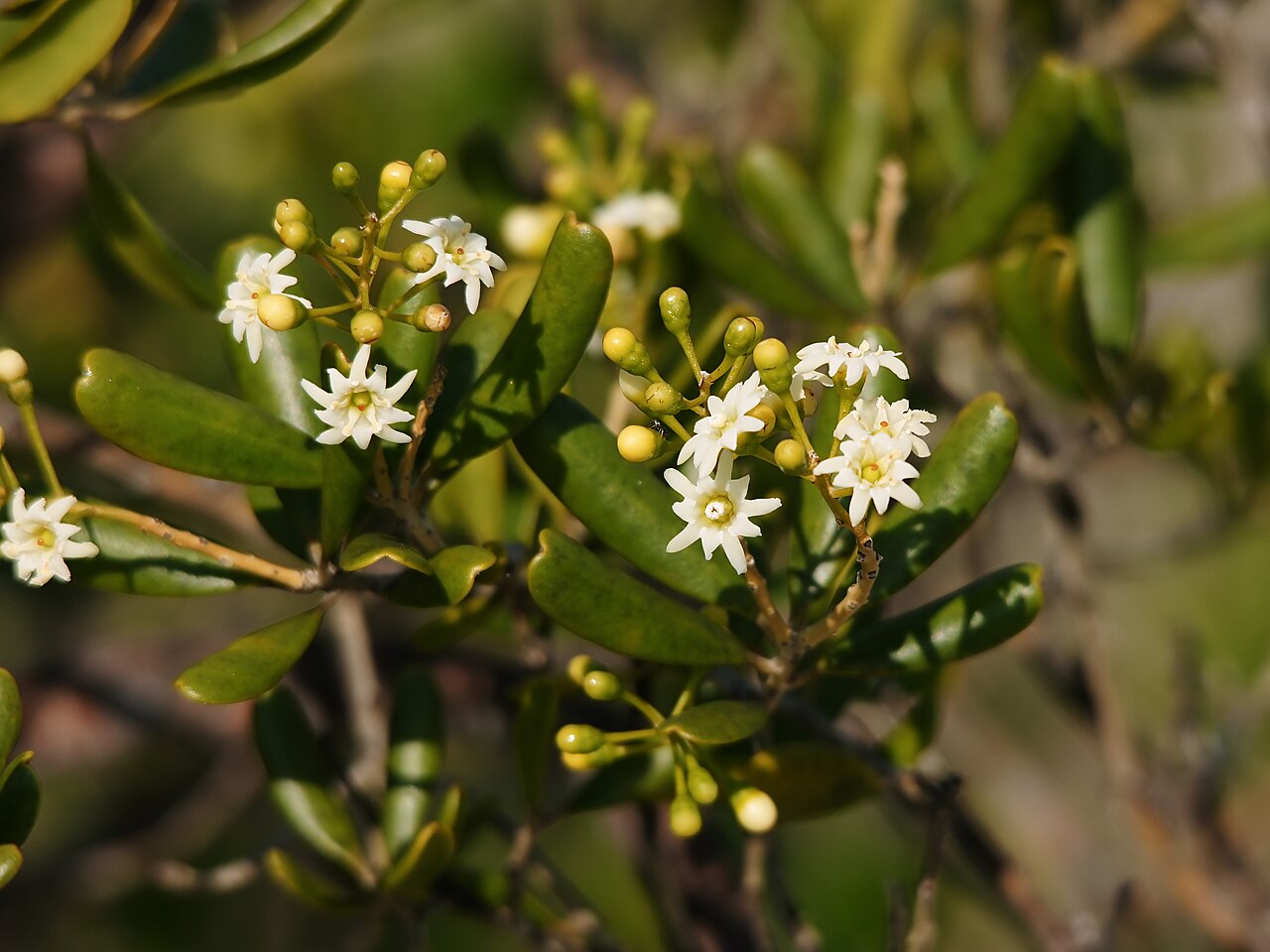
Joewood’s fragrant, star-shaped white flowers cluster along the branches of this coastal Keys shrub. Photo: Hans Hillewaert, Wikimedia Commons (CC BY-SA 3.0) Jacquinia keyensis, commonly
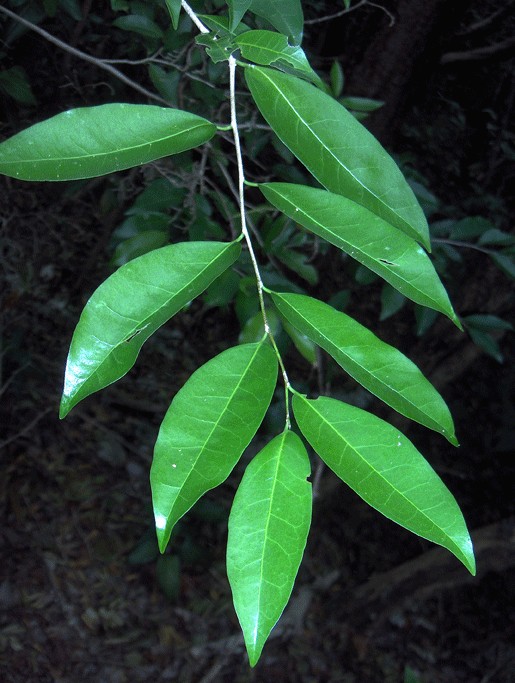
Guiana Plum’s glossy, pointed, elliptical leaves, unscented when crushed — a key difference from similar hammock trees. Photo: Homer Edward Price, Wikimedia Commons (CC BY
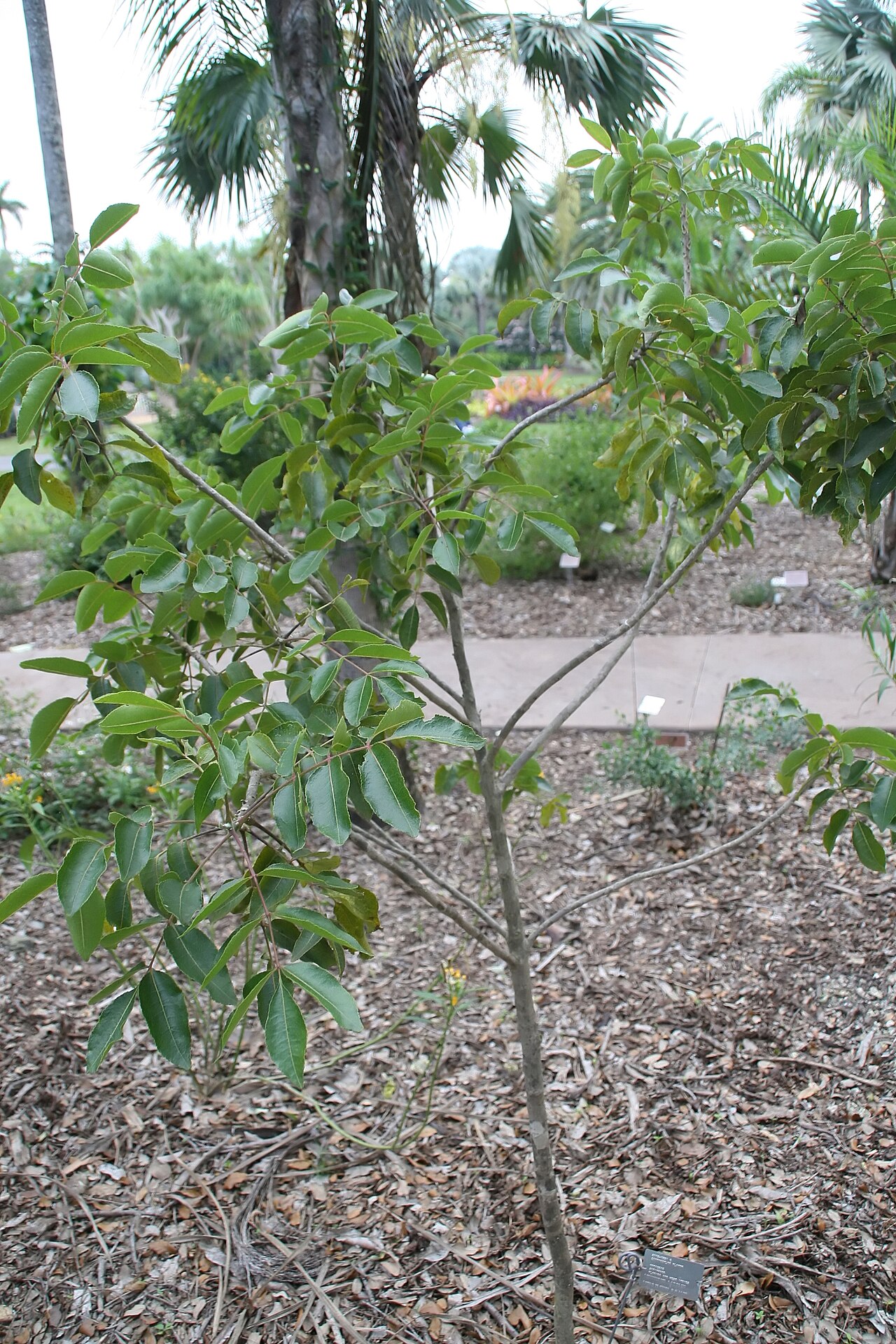
A young West Indian satinwood showing its glossy, pinnately compound foliage. Photo: David J. Stang, Wikimedia Commons (CC BY-SA 4.0) Zanthoxylum flavum, commonly called West
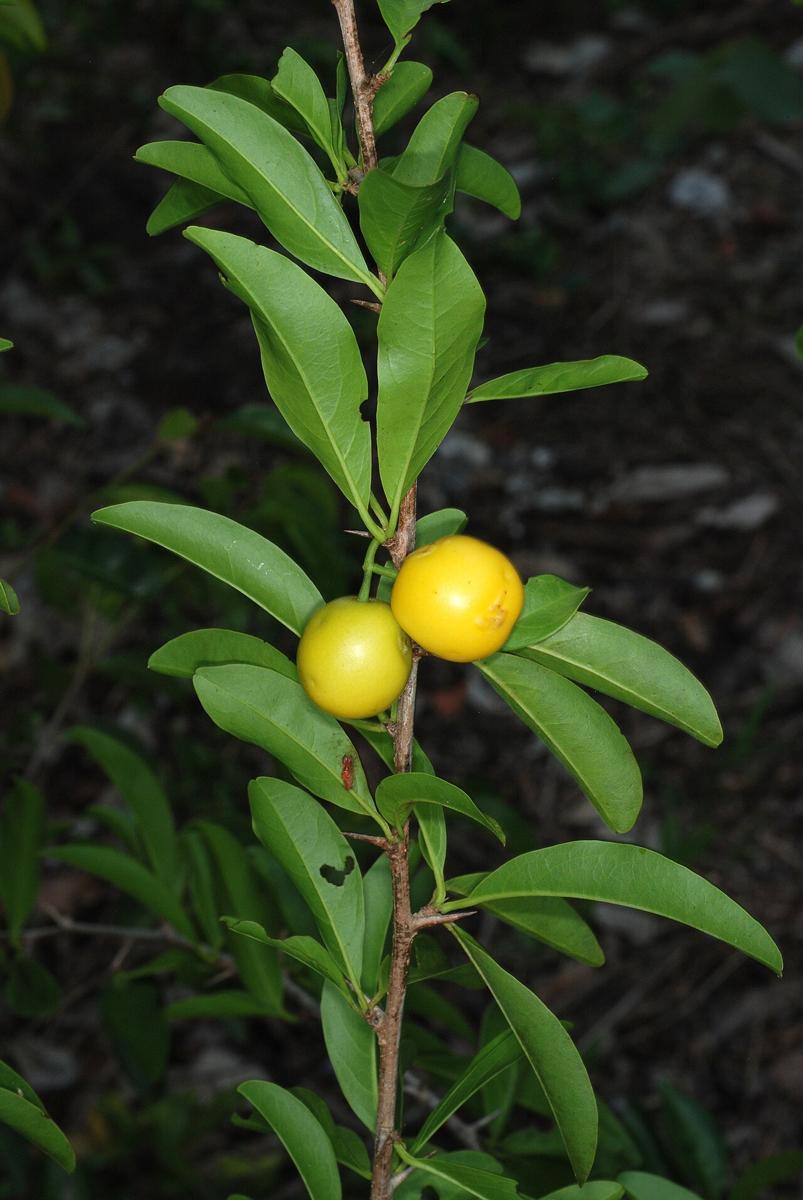
Tallowwood’s narrow, glossy leaves and small, plum-like fruit ripening from green to golden-yellow. Photo: Douglas Goldman, Wikimedia Commons (CC BY-SA 4.0) Ximenia americana, commonly known
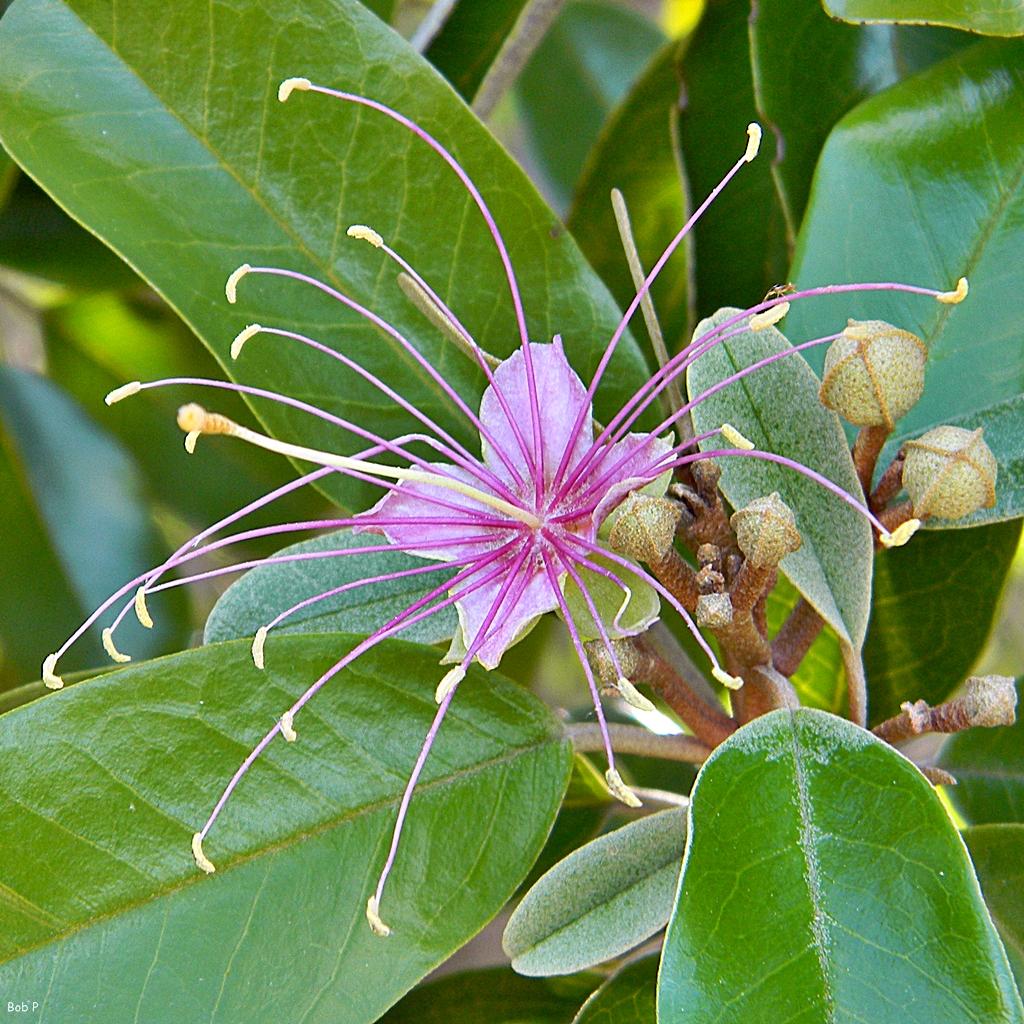
A Jamaica caper flower a couple of hours after opening, its petals shifting from white to lavender-pink. Photo: Bob Peterson, Wikimedia Commons (CC BY-SA 2.0)
View More