
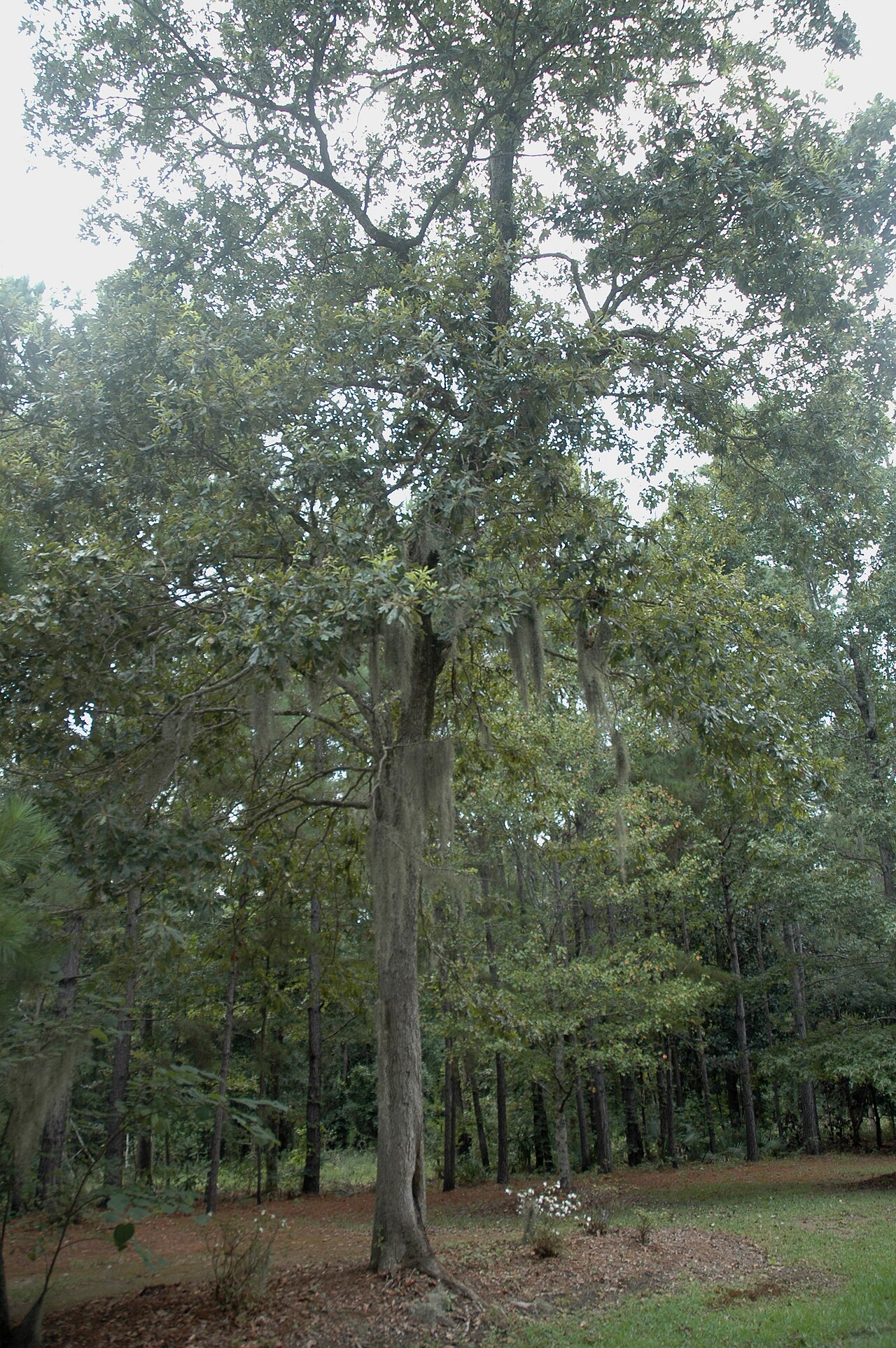
A mature swamp post oak growing with Spanish moss in a lower Coastal Plain woodland. Photo: Bruce Kirchoff, Wikimedia Commons (CC BY 2.0) Quercus similis,
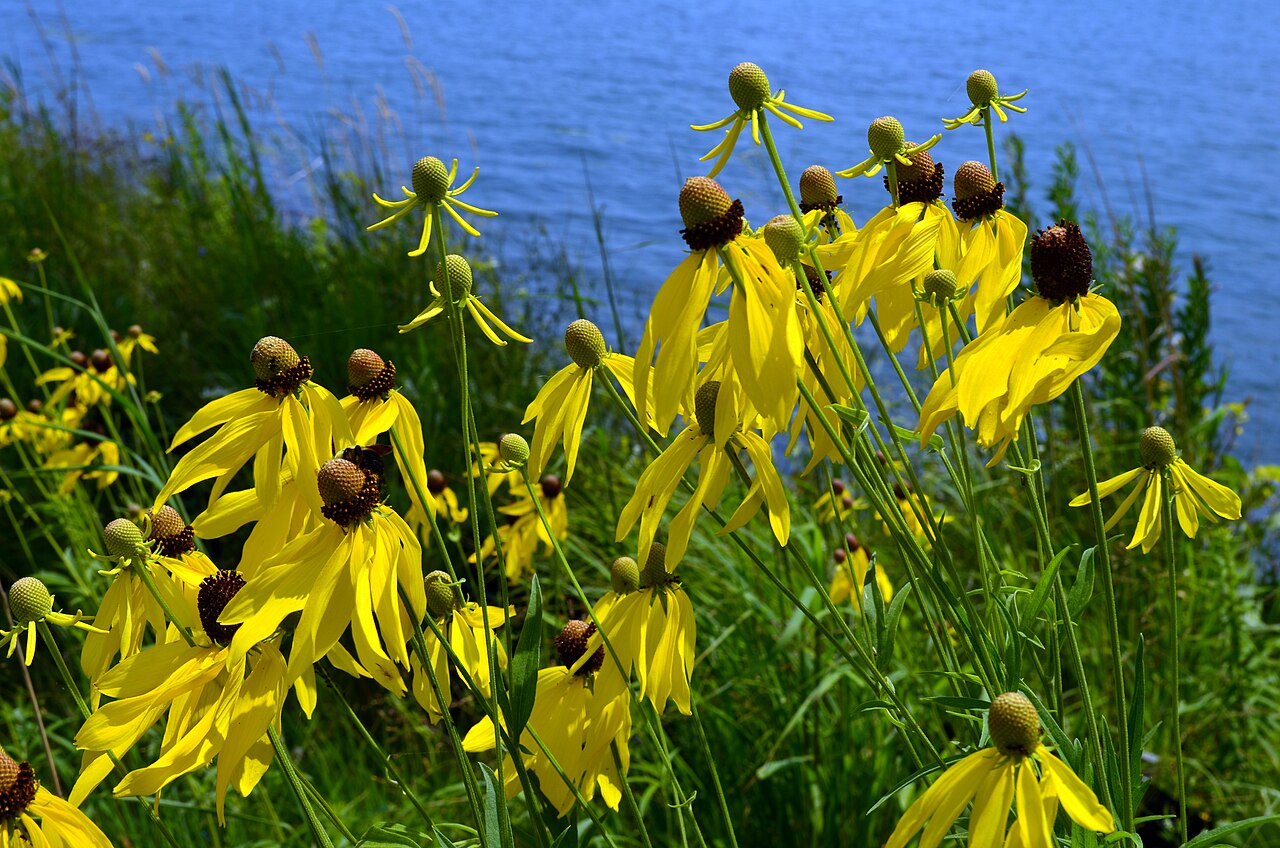
A stand of gray-headed coneflower blooming along a prairie shoreline, its tall stems swaying above the surrounding grasses. Photo: USFWS Midwest, Wikimedia Commons (Public domain)
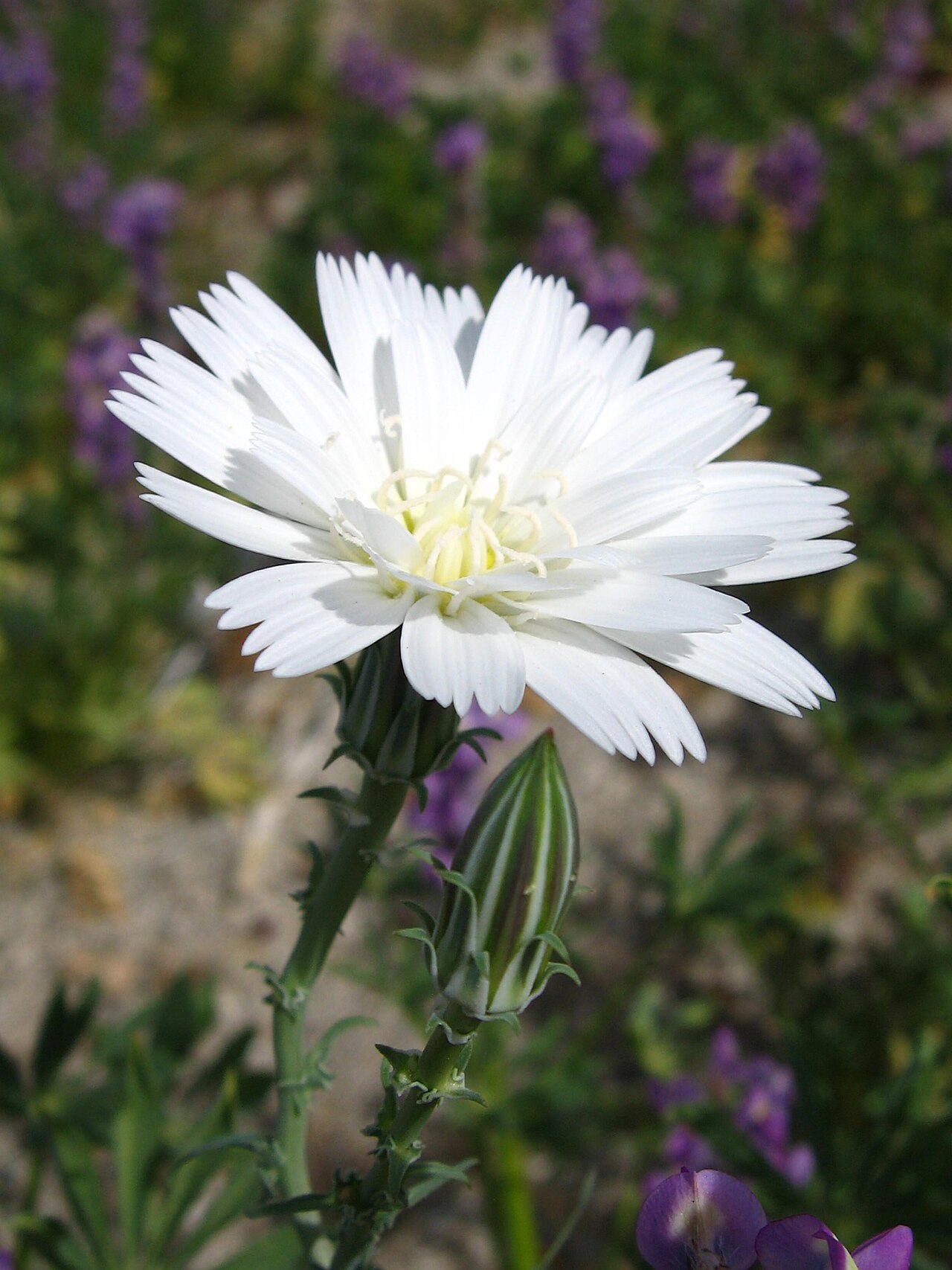
New Mexico plumeseed in bloom, its weak zigzag stem threading up among neighboring desert wildflowers. Photo: Joshua Tree National Park / NPS, Wikimedia Commons (Public
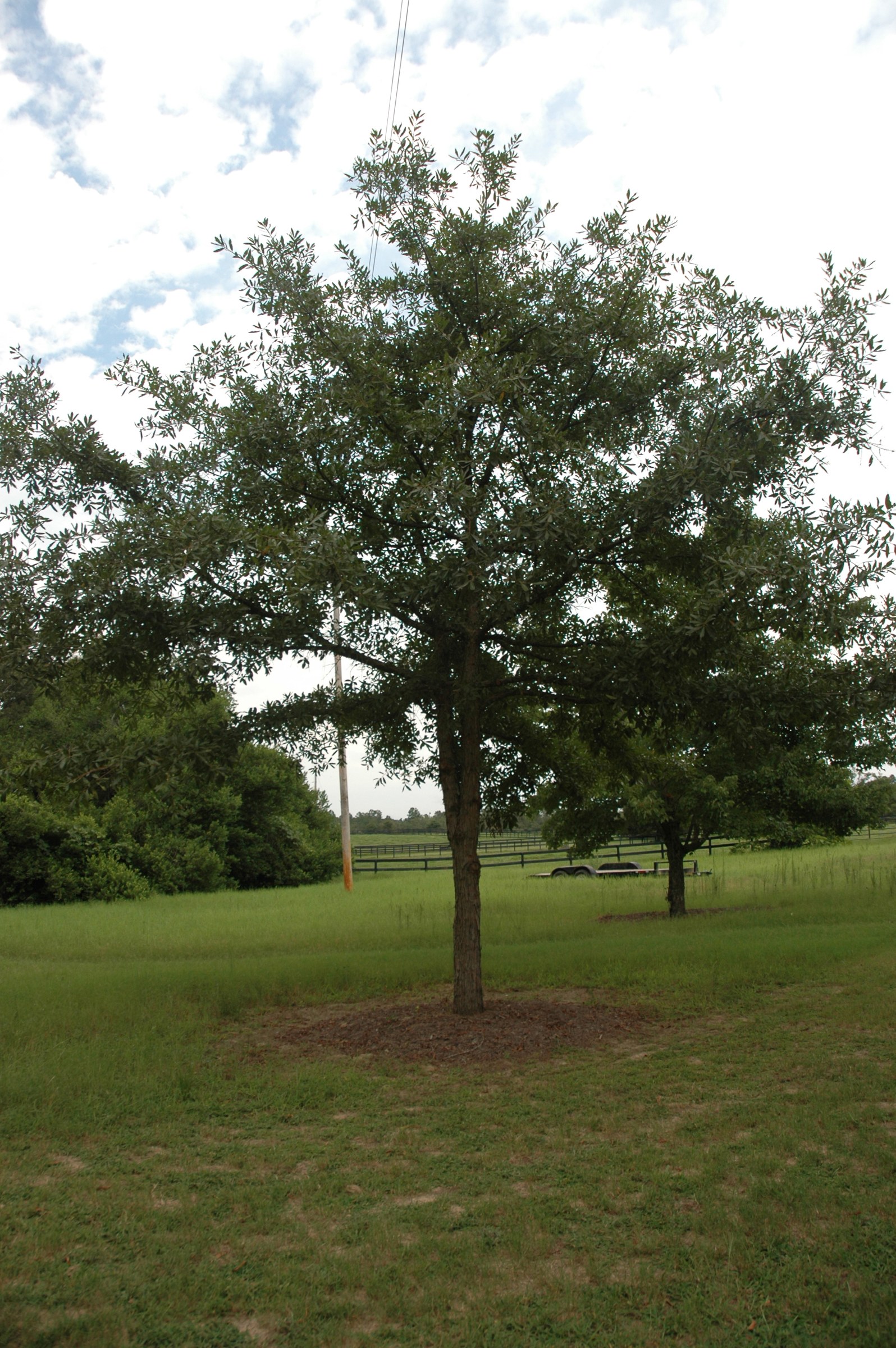
A mature Oglethorpe Oak with its characteristic rounded, densely twiggy crown. Photo: Bruce Kirchoff, Wikimedia Commons (CC BY 2.0) Quercus oglethorpensis, the Oglethorpe Oak, is
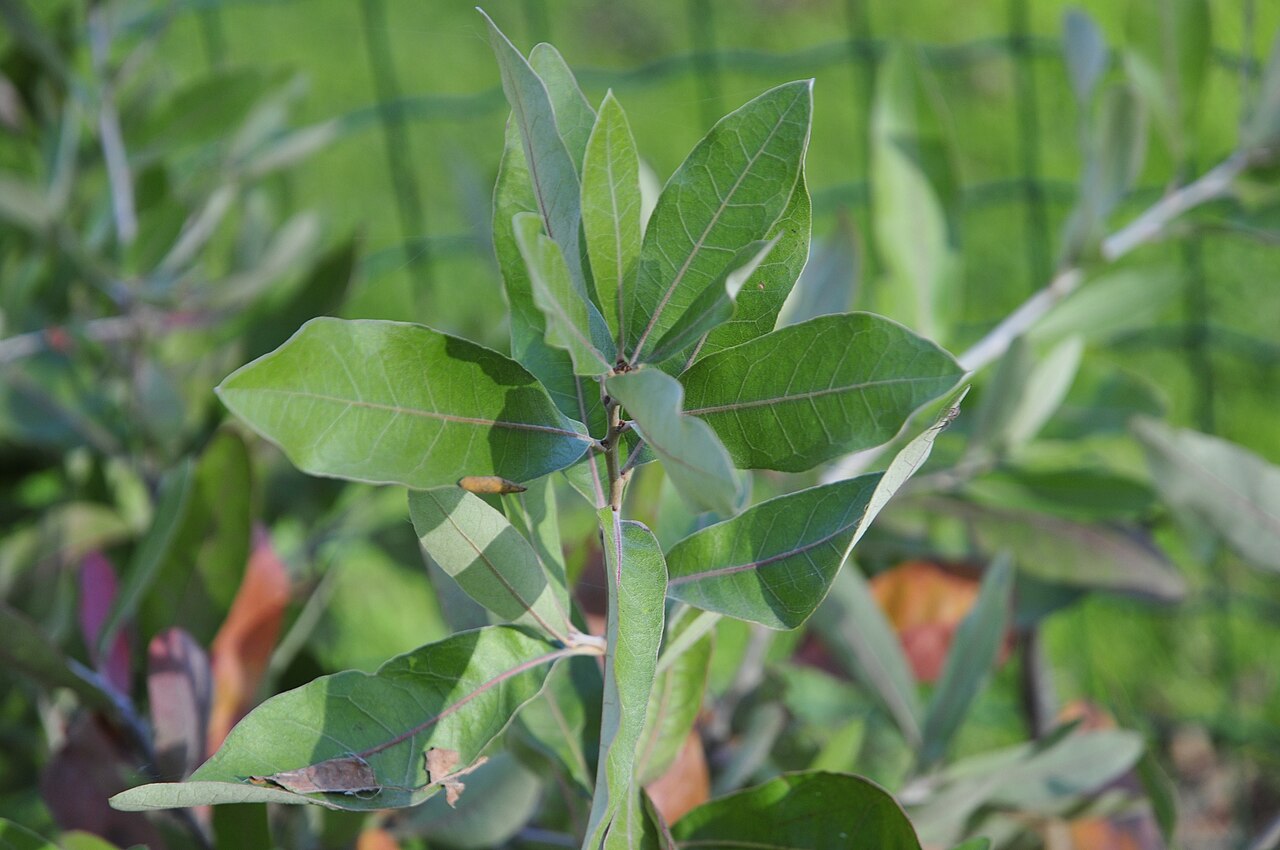
Bluejack Oak branch tip with glossy, narrow leaves. Photo: Homoarborea, Meise Botanic Garden, Wikimedia Commons (CC0) Quercus incana, known as Bluejack Oak and sometimes as
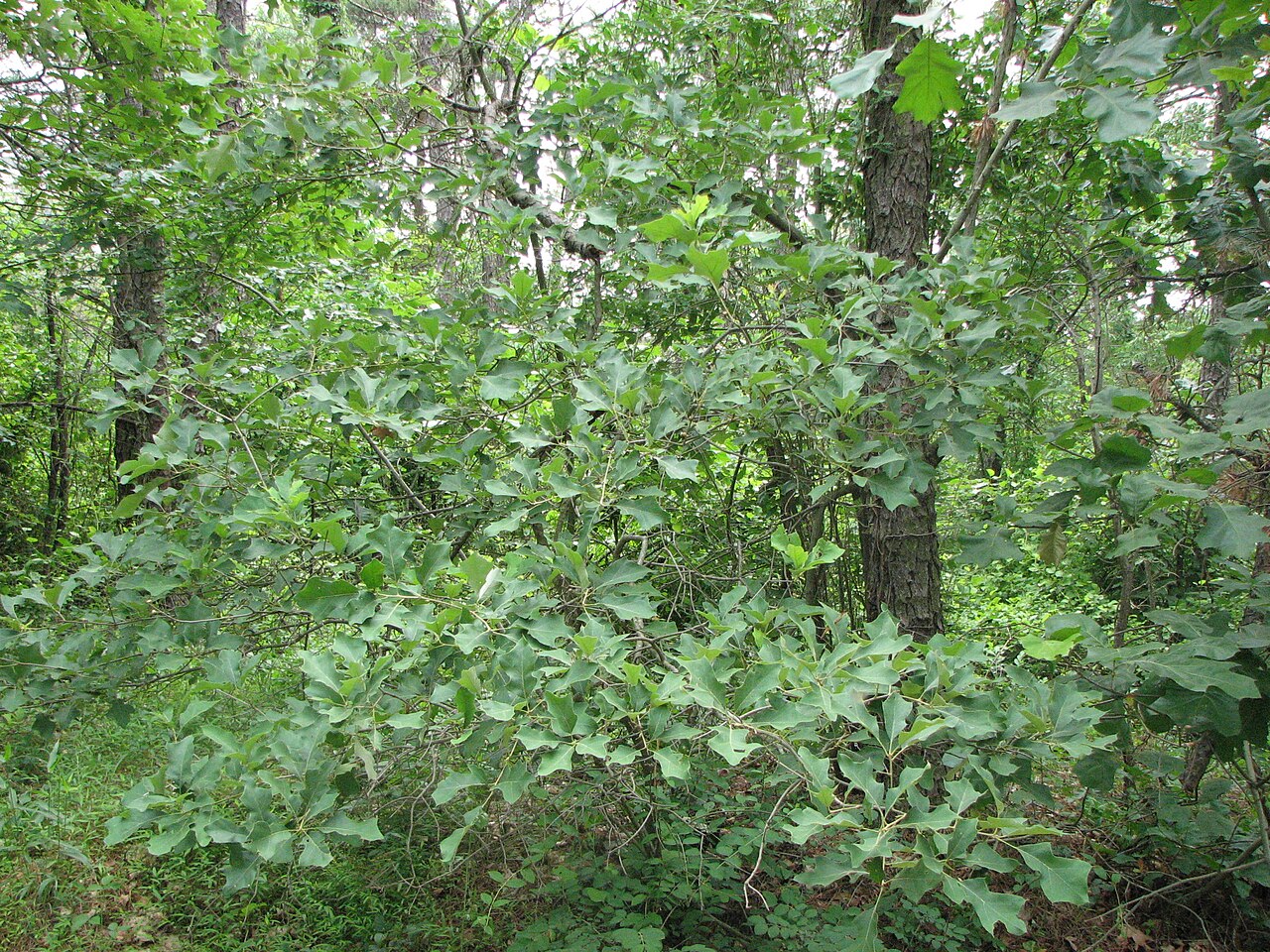
Bear Oak’s gangly, thicket-forming shrub habit on a Pennsylvania serpentine barren. Photo: Choess, Wikimedia Commons (CC BY-SA 3.0) Quercus ilicifolia, commonly called Bear Oak or
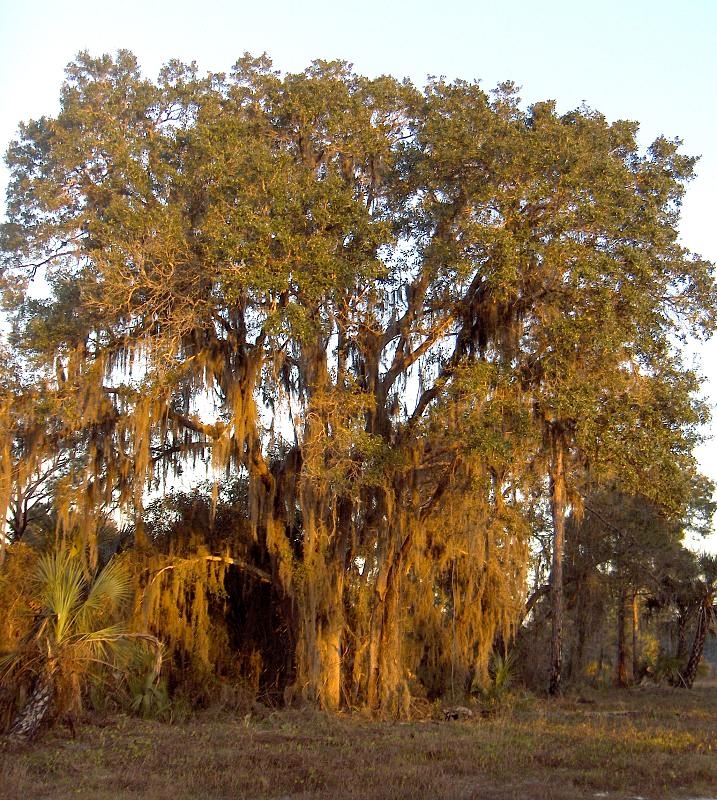
A Sand Live Oak at sunrise, its canopy heavy with Spanish moss over Florida scrub habitat. Photo: homeredwardprice / Wikimedia Commons (CC BY 2.0) Quercus
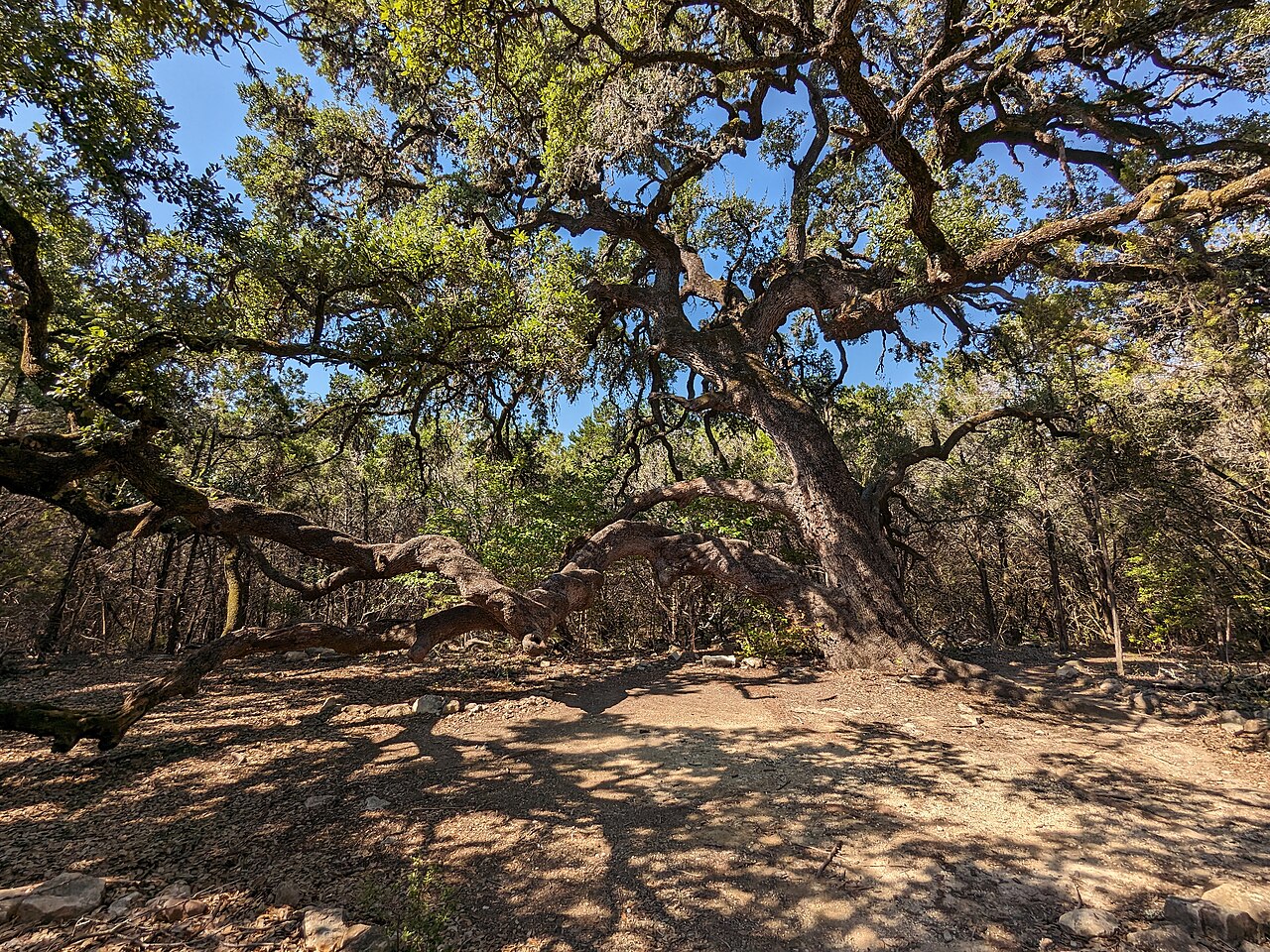
An old Plateau Live Oak with the characteristic low, sprawling limbs of a mature Hill Country tree. Photo: Citrula / Wikimedia Commons (CC BY-SA 4.0)
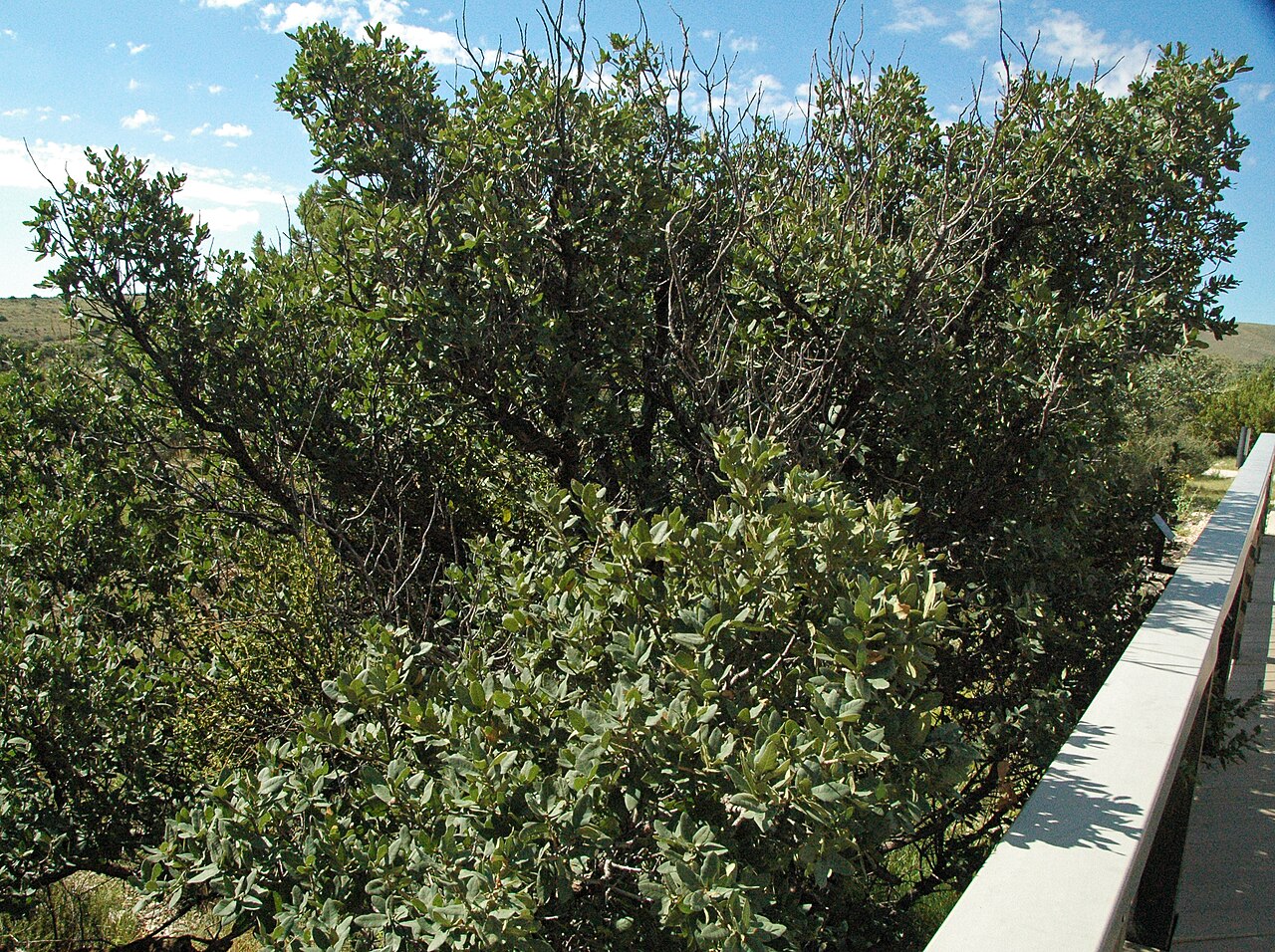
Gray Oak typically grows as a dense, rounded shrub or small multi-stemmed tree on rocky mountain slopes. Photo: James St. John / Wikimedia Commons (CC
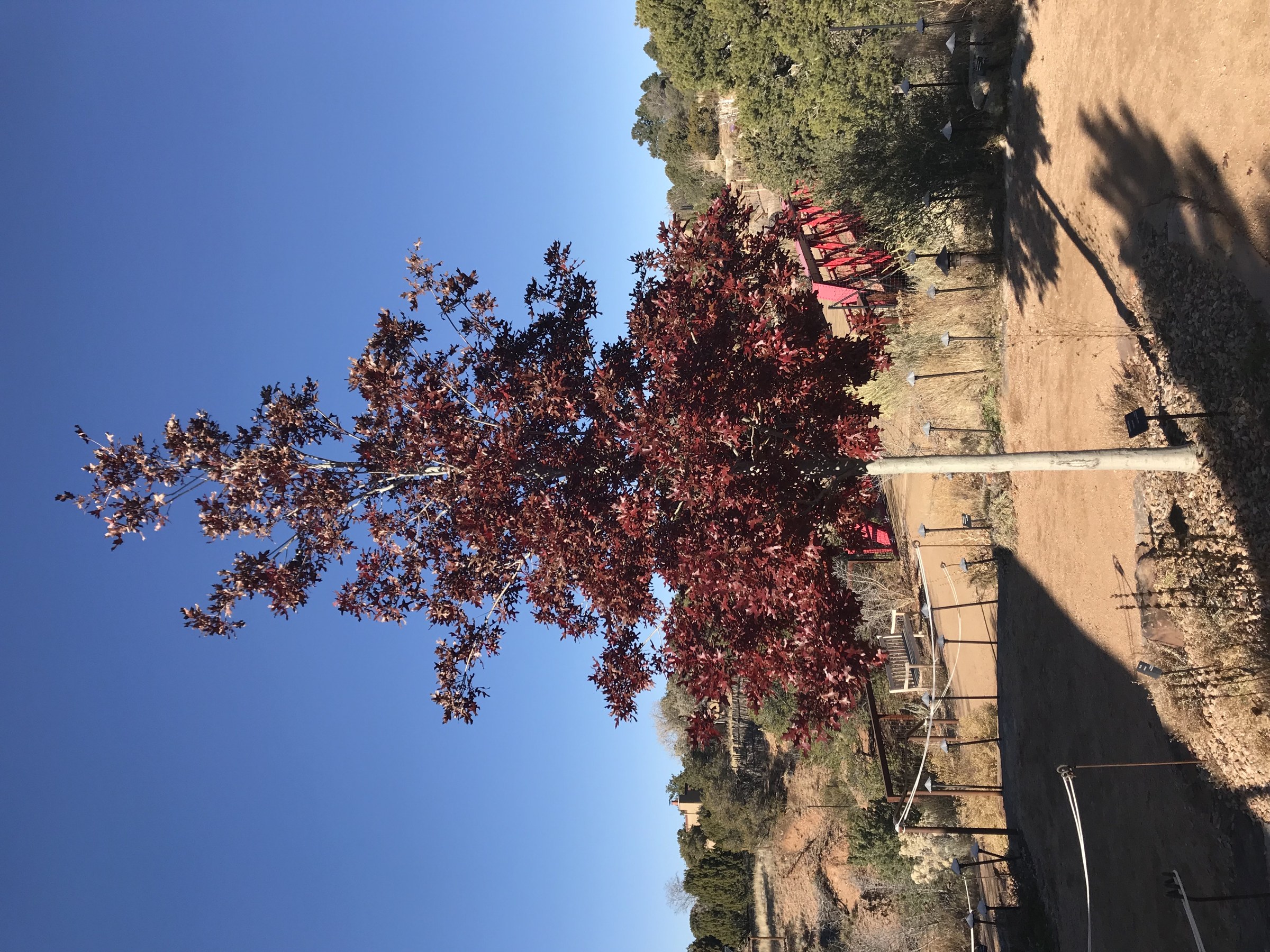
A mature Texas red oak in its November color. Photo: Katherine Wagner-Reiss, Wikimedia Commons (CC BY-SA 4.0) Quercus buckleyi, the Texas Red Oak (also called
View More