
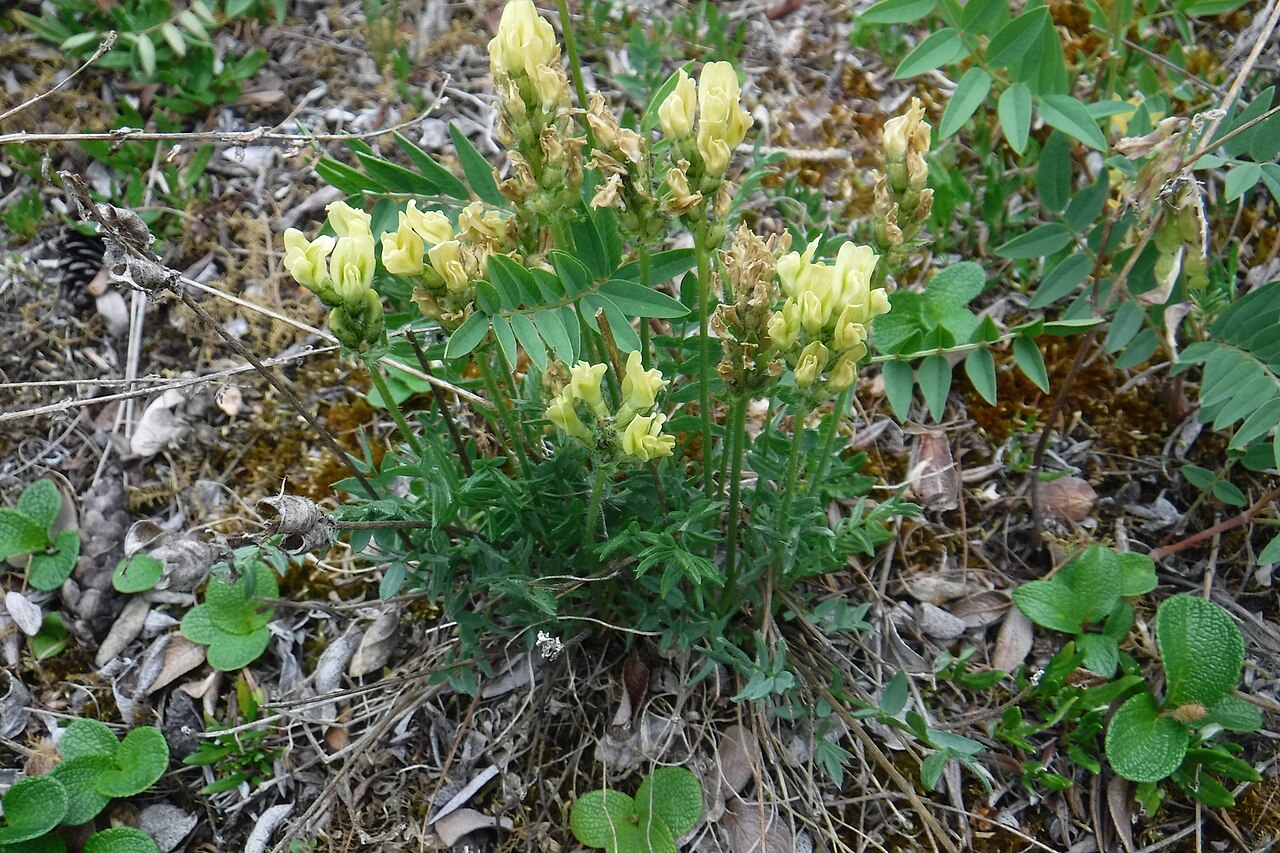
A flowering clump of Maydell’s oxytrope rooted in rocky Alaska tundra. Photo: Mathew, Wikimedia Commons (CC BY 4.0) Oxytropis maydelliana, known as Maydell’s Oxytrope (also
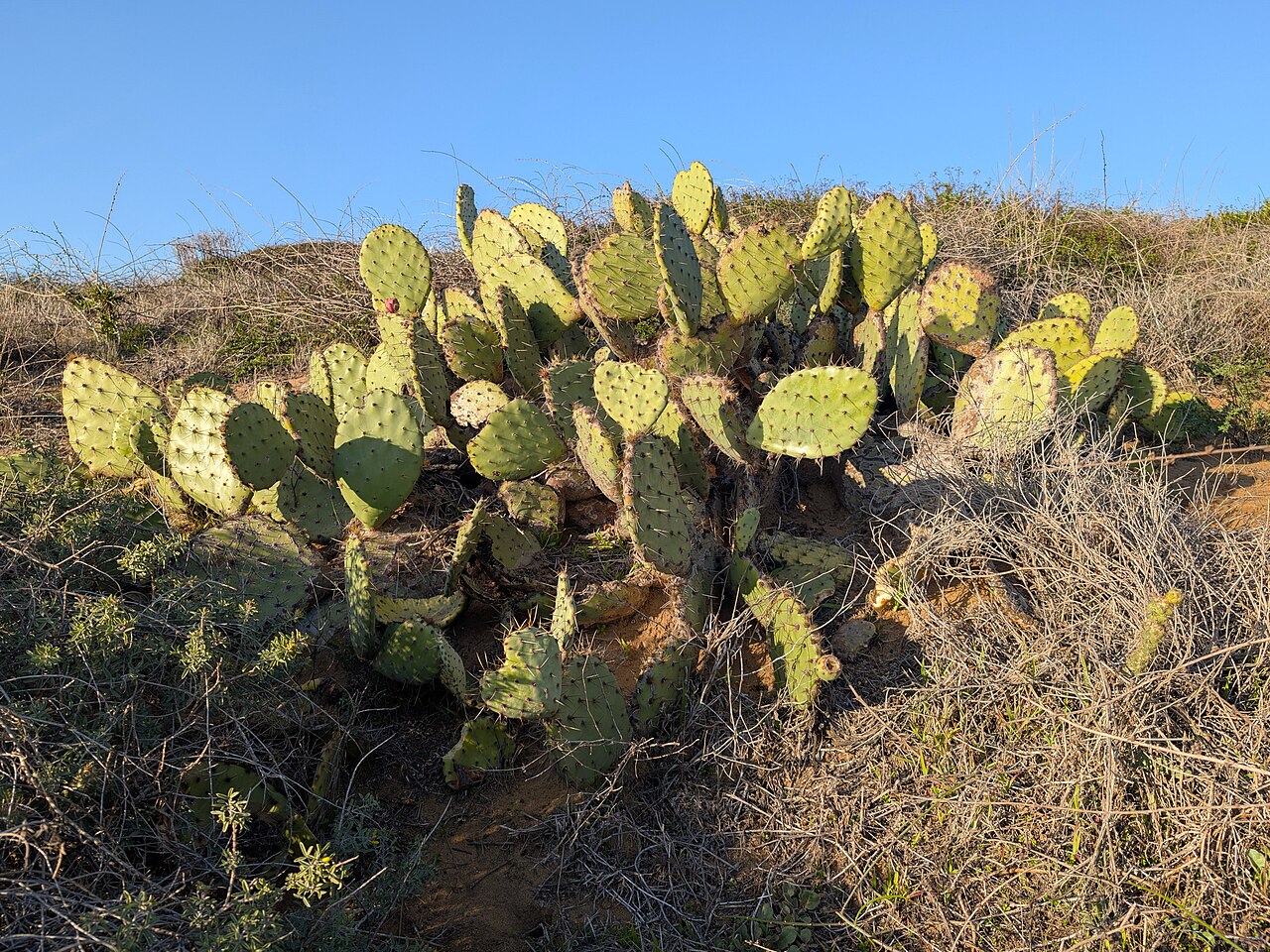
A mature coastal prickly pear clump on the bluffs at Torrey Pines State Natural Reserve, San Diego County. Photo: Krzysztof Ziarnek, Kenraiz, Wikimedia Commons (CC
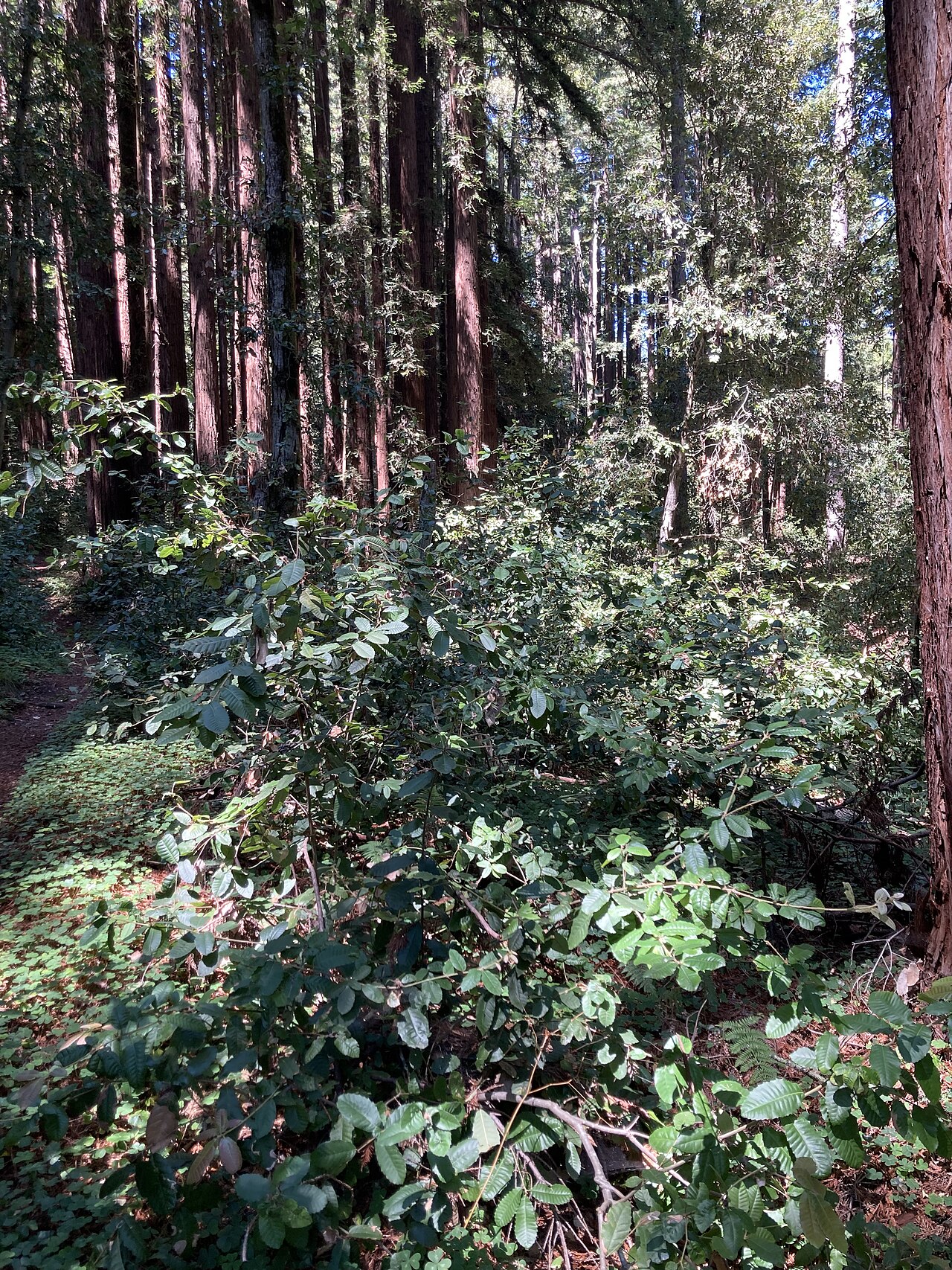
Tanoak forming a dense understory beneath coast redwoods. Photo: Awinch1001, Wikimedia Commons (CC0) Notholithocarpus densiflorus, commonly known as Tan Oak or Tanoak, is a broadleaf
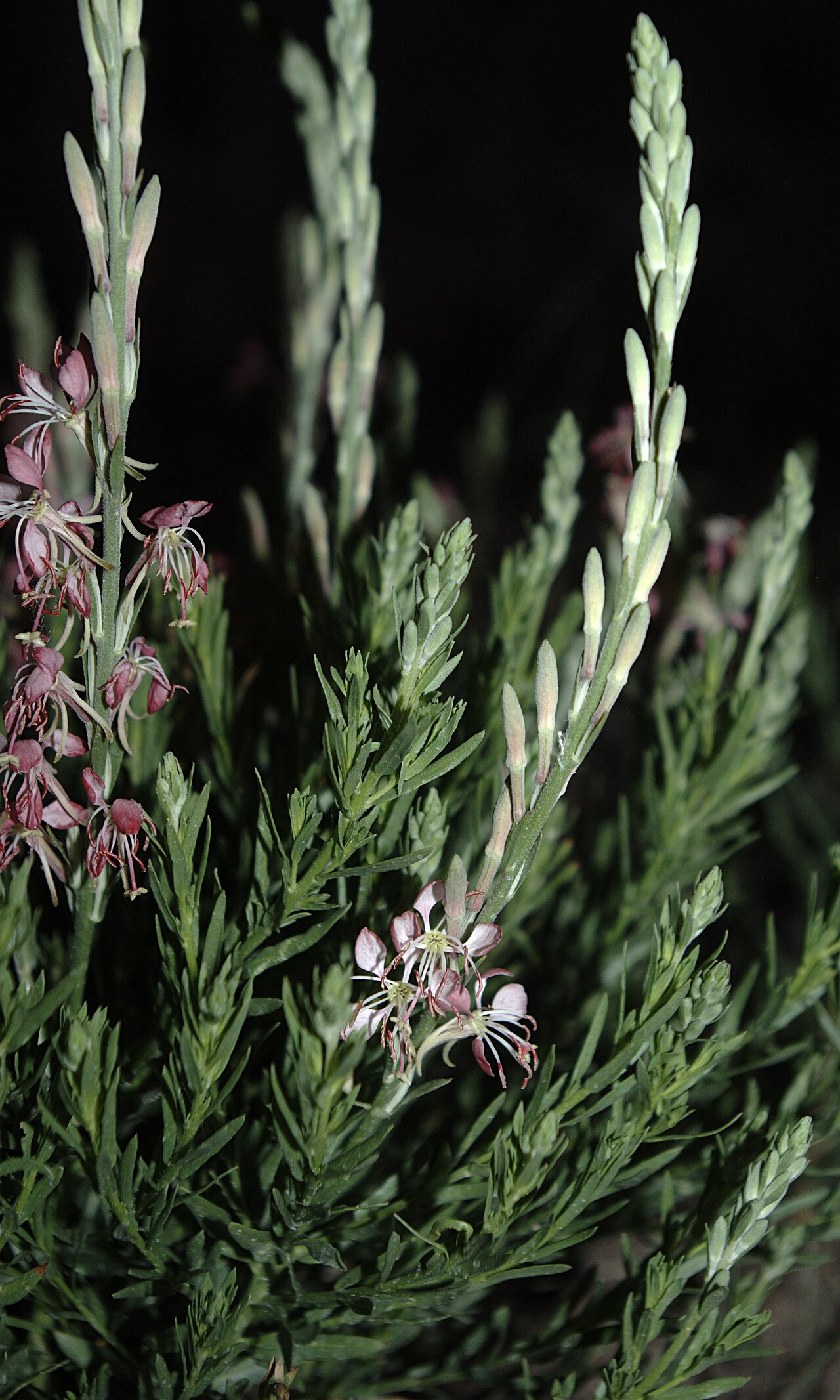
A clump of scarlet beeblossom showing its wiry, narrow-leaved growth habit. Photo: JerryFriedman, Wikimedia Commons (CC BY-SA 3.0) Oenothera suffrutescens, best known as Scarlet Beeblossom
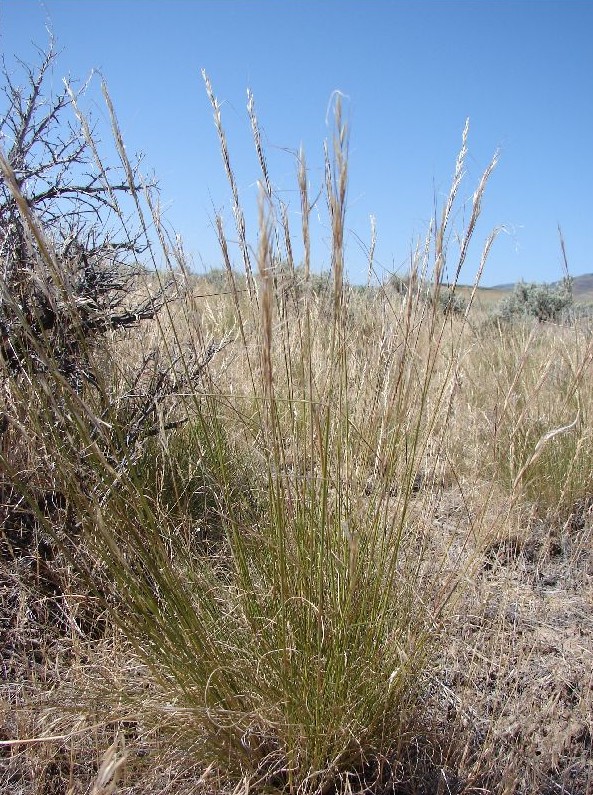
A mature bunchgrass clump of Thurber’s needlegrass in sagebrush steppe. Photo: Sheri Hagwood, Bureau of Land Management (public domain) Achnatherum thurberianum (Piper) Barkworth — Thurber’s
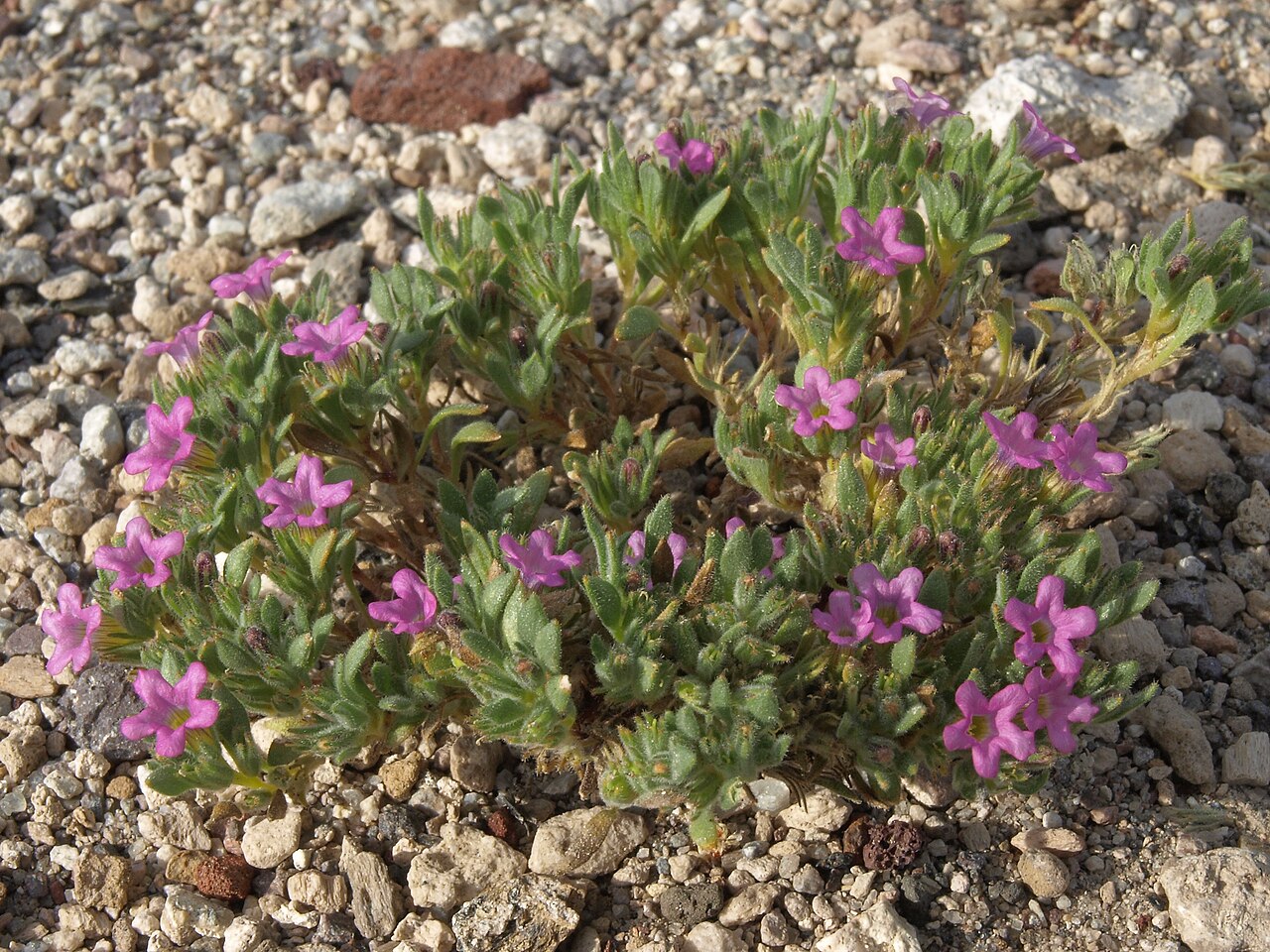
Purple mat forms dense, flat mats of magenta flowers on open desert gravel. Photo: Jim Morefield, White Mountains, via Wikimedia Commons (CC BY-SA 2.0) Nama
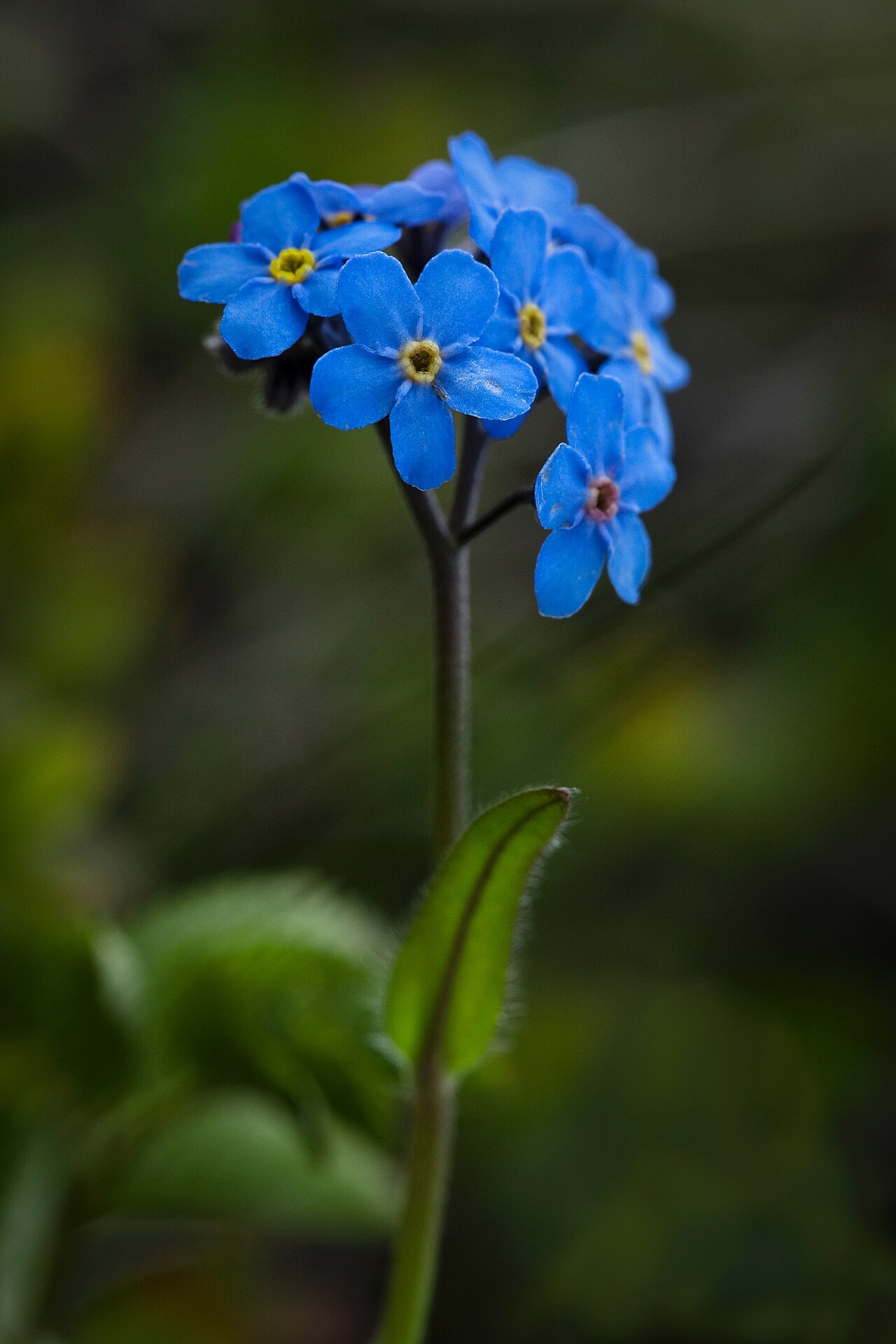
Alpine forget-me-not blooming in Denali National Park, Alaska. Photo: Jacob W. Frank, NPS (public domain) Myosotis asiatica (Vesterg.) Schischk. & Serg. — the Alpine Forget-me-not,
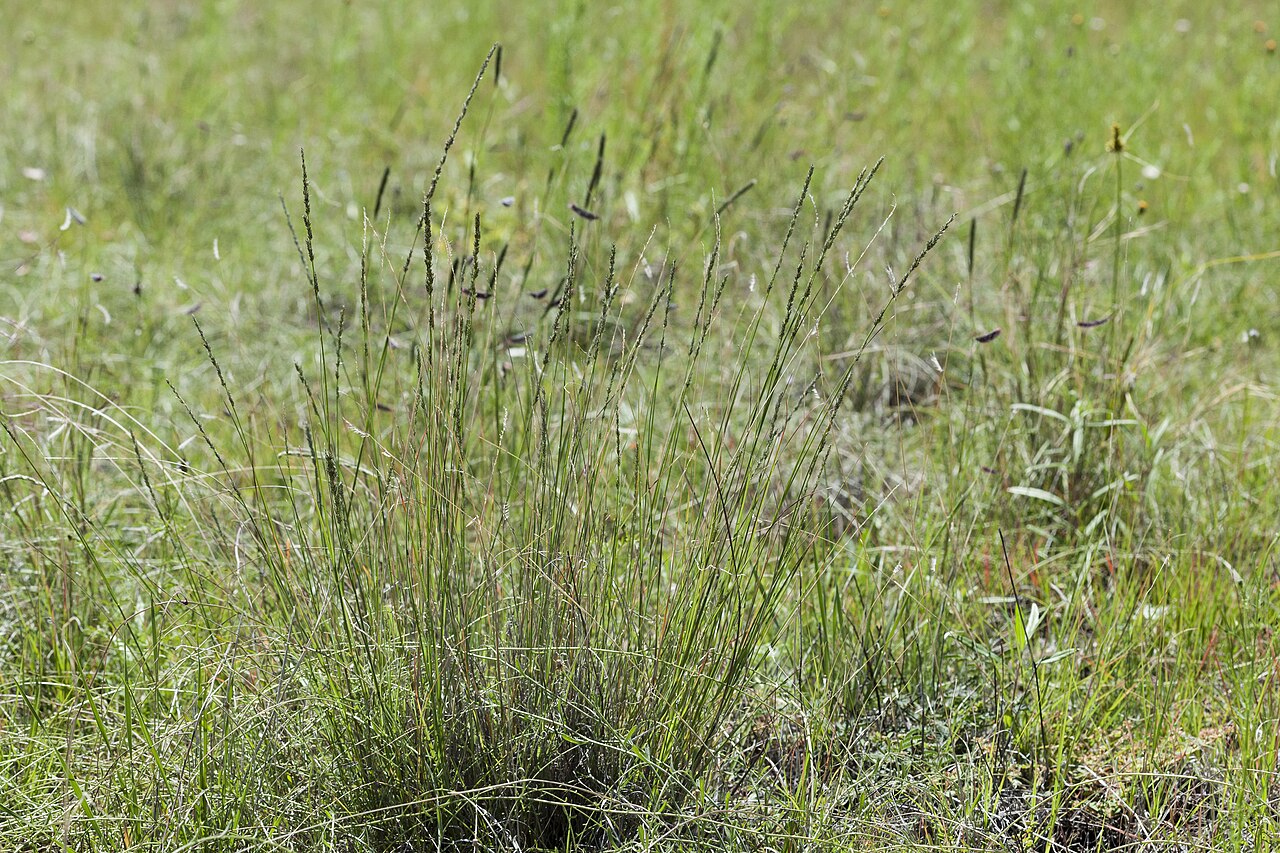
A spike muhly clump near the Black Range, New Mexico, its narrow, upright seed heads rising above a loose grassy sward. Photo: Patrick Alexander, Catron
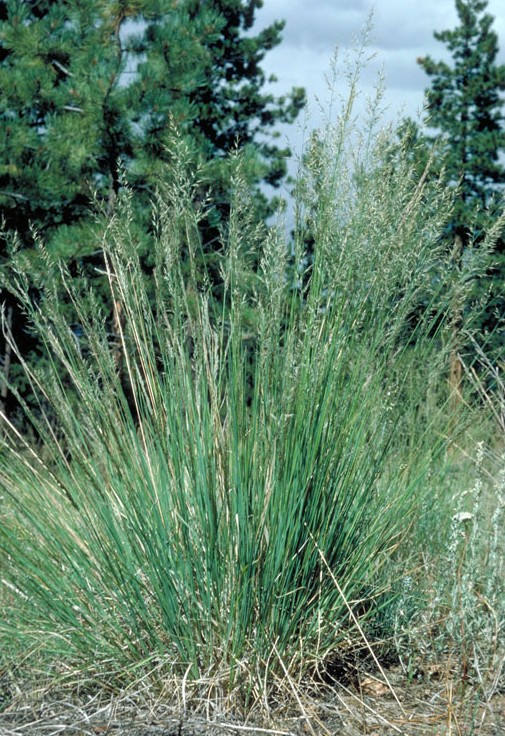
A mature mountain muhly clump in a ponderosa pine opening, its fine seed heads rising well above the basal foliage. Photo: Dave Powell, USDA Forest
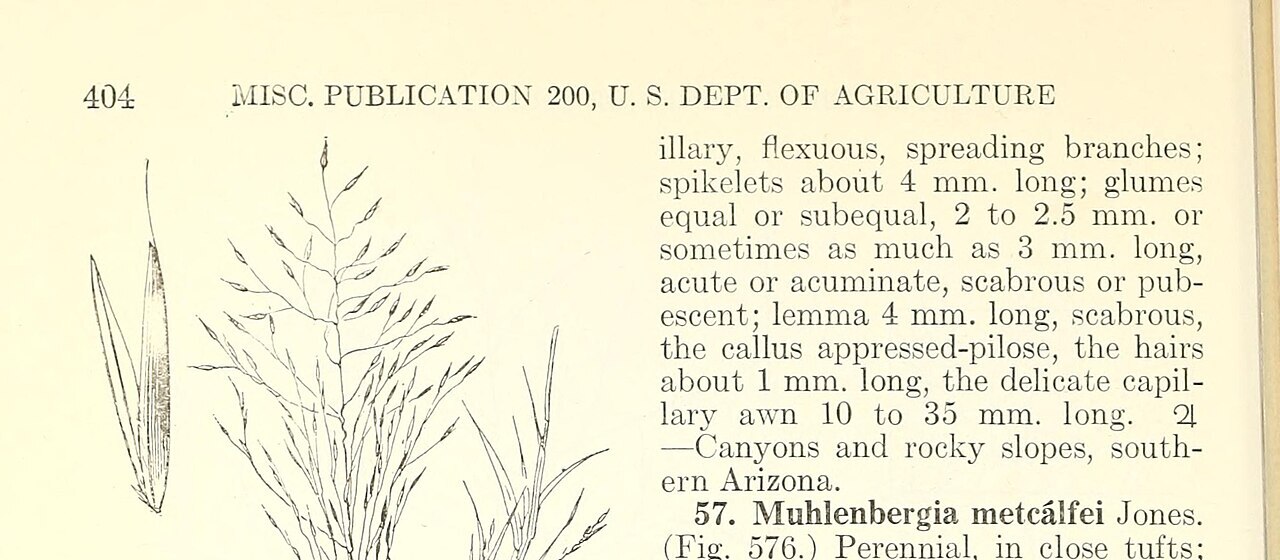
Figure 571 from Hitchcock & Chase’s Manual of the Grasses of the United States (1951), based on a specimen collected near Griffiths, Arizona. Public domain,
View More