
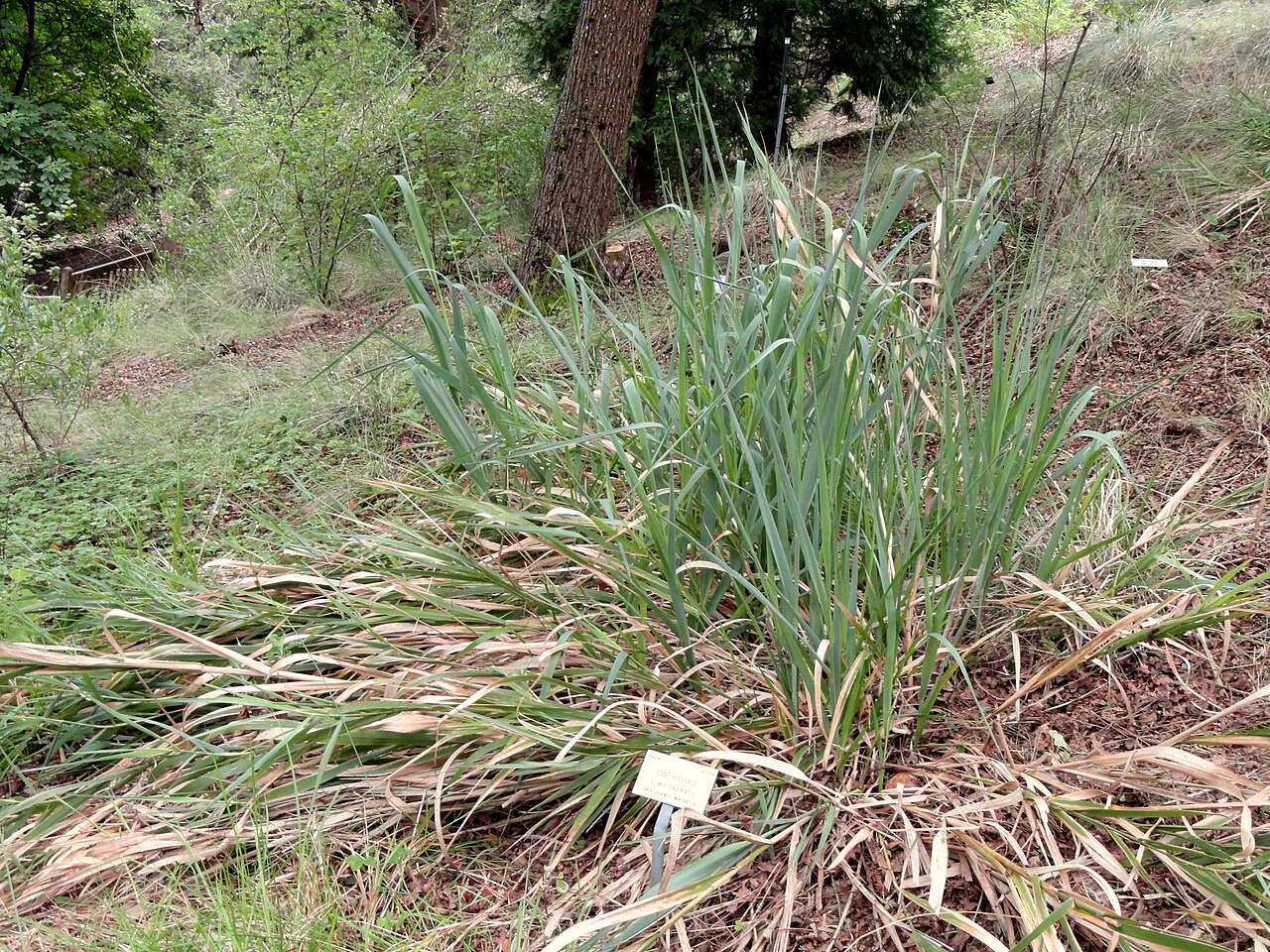
A mature giant wildrye clump on a shaded California slope. Photo: Daderot, University of California Botanical Garden (Public domain) Leymus condensatus, commonly called giant wildrye,
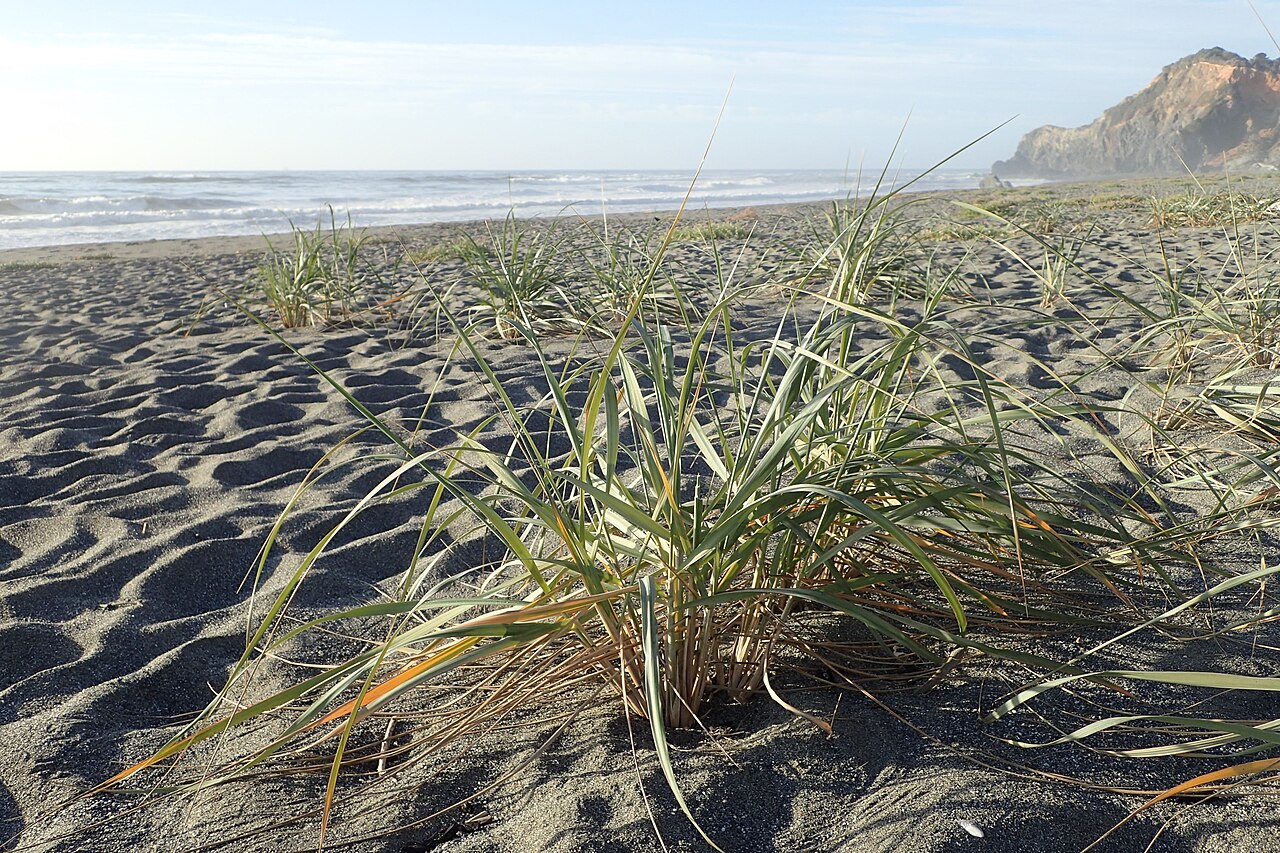
American dunegrass anchoring a foredune at Stone Lagoon on the northern California coast. Photo: Krzysztof Ziarnek, Kenraiz (CC BY 4.0) Leymus mollis (syn. Elymus mollis),
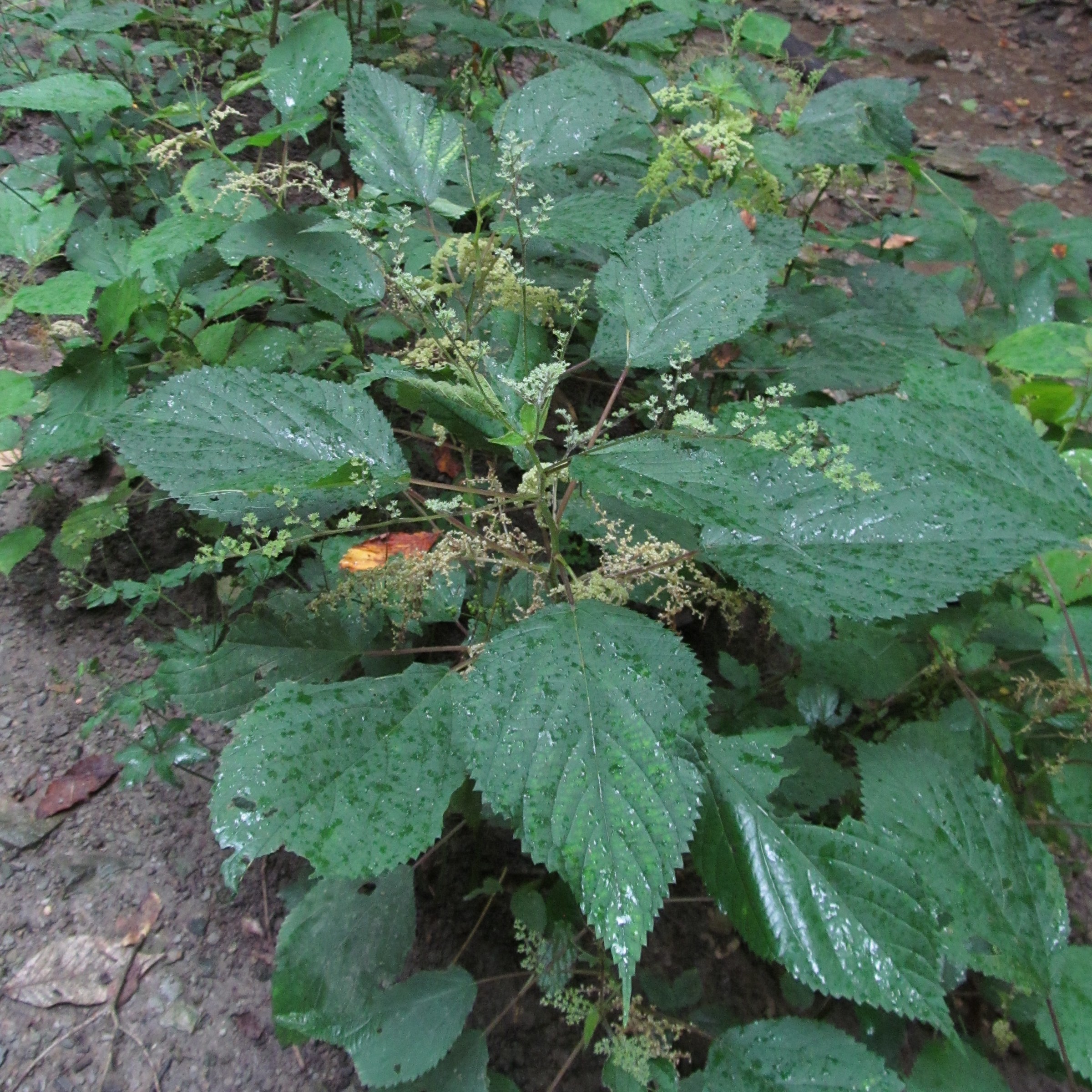
A wood nettle clump showing its broad, coarsely toothed leaves and loose, branching flower clusters. Photo: Cbaile19 via Wikimedia Commons (CC0) Laportea canadensis, commonly called
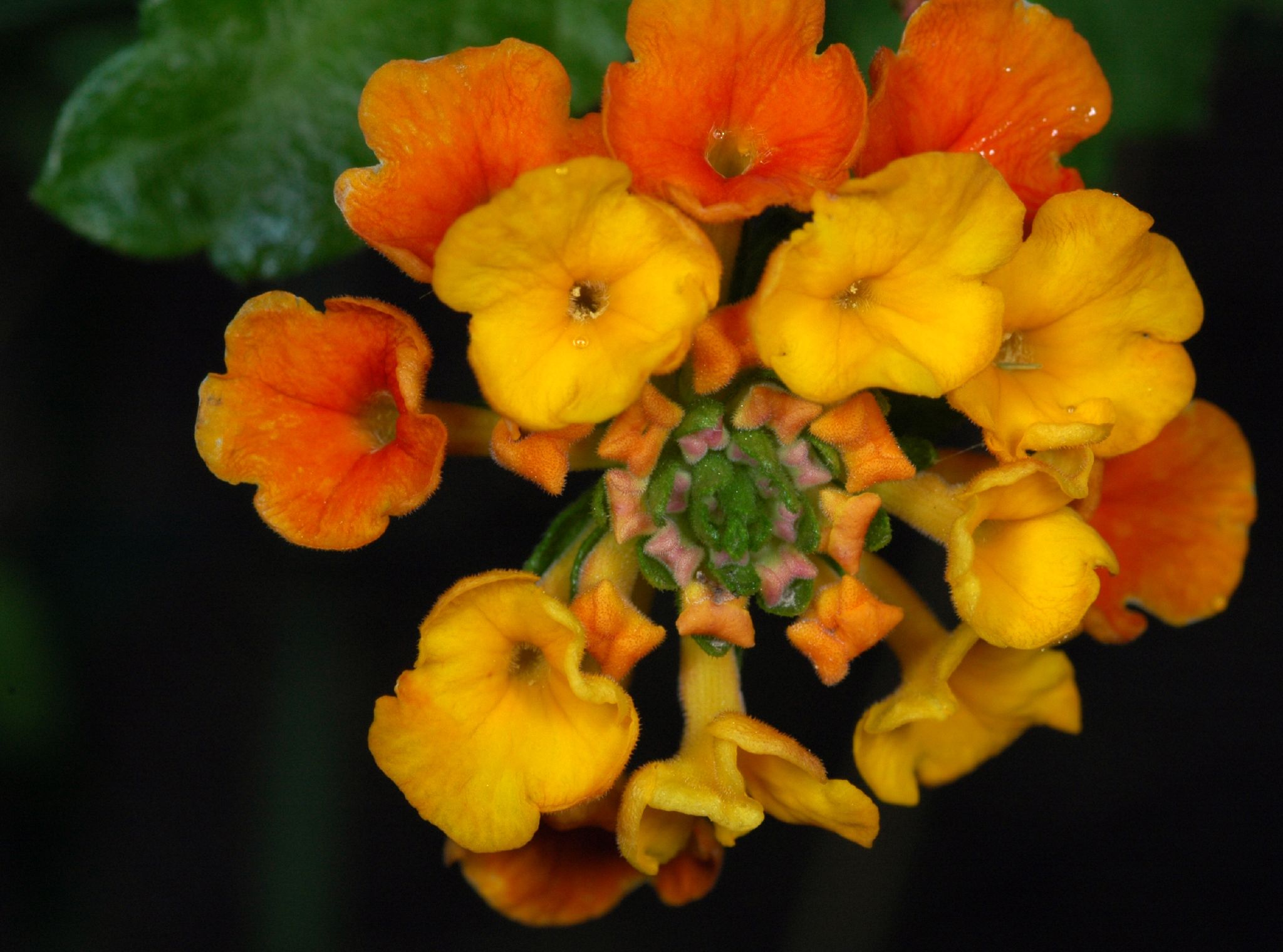
A Texas lantana flower cluster, with newly opened yellow florets at the center and older orange-red florets around the rim. Photo: Clinton & Charles Robertson
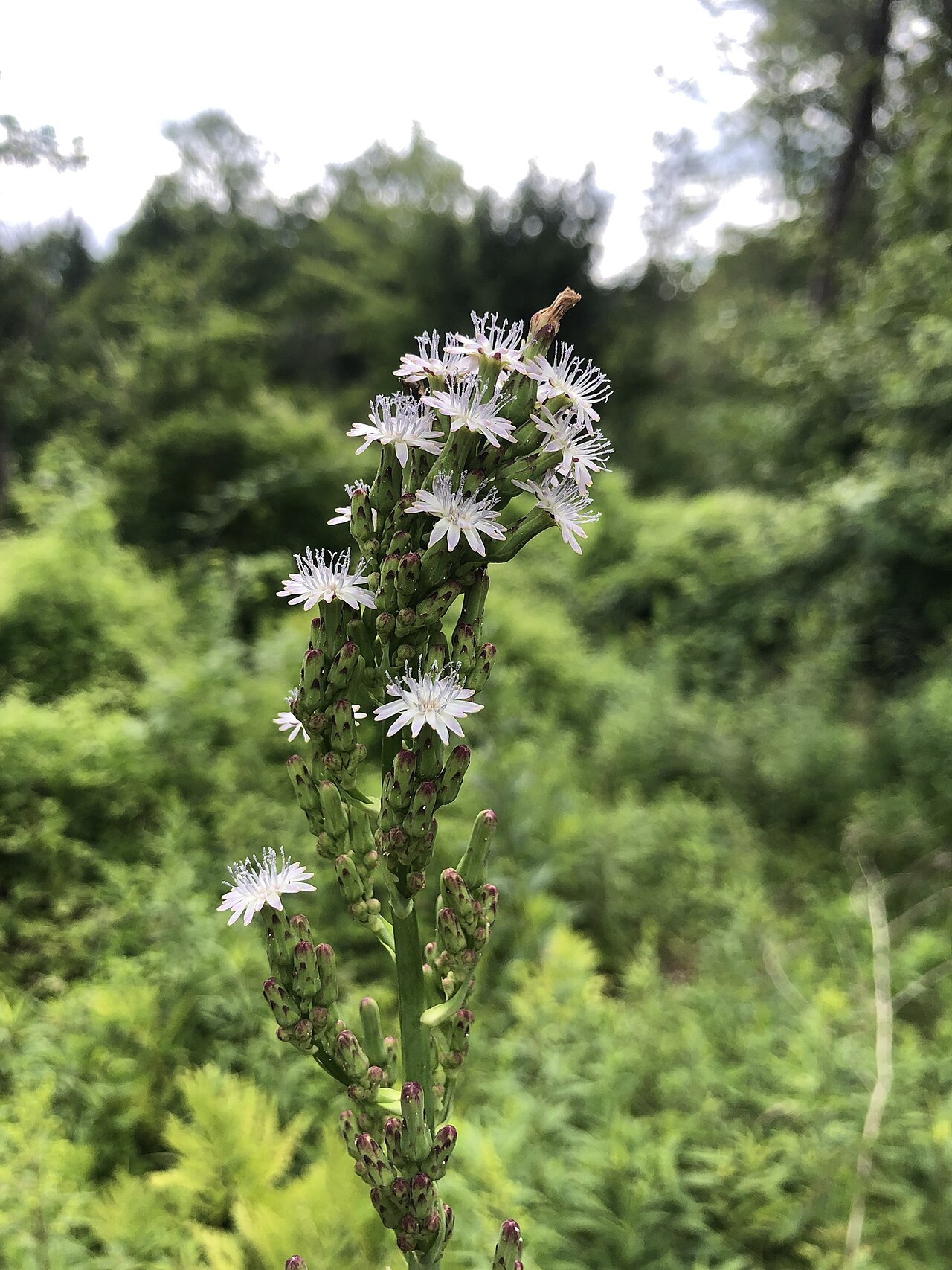
A tall blue lettuce flowering spike at a forest edge in Stowe, Vermont. Photo: Erik Erbes, Wikimedia Commons (CC BY 4.0) Lactuca biennis, commonly called
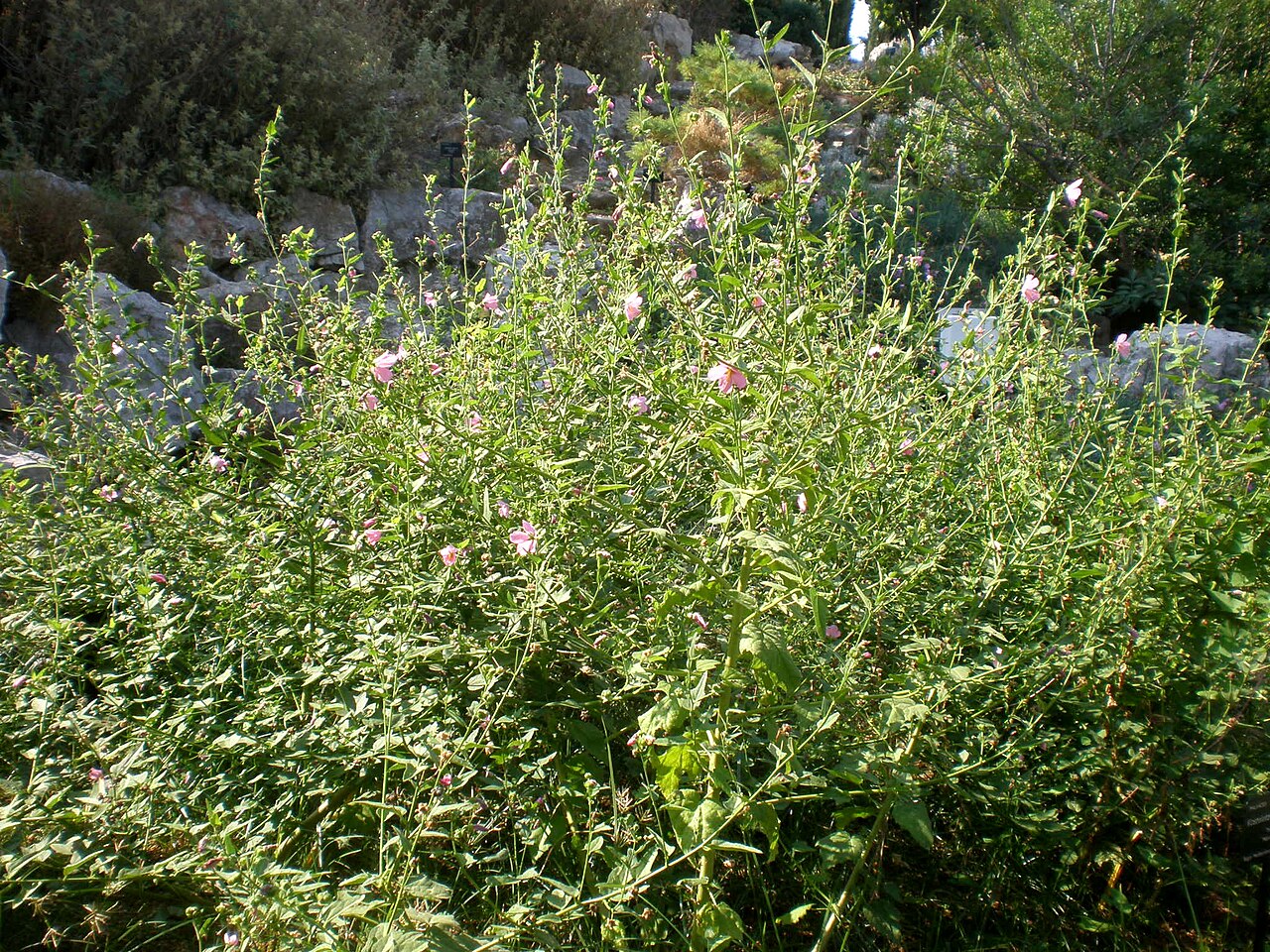
A mature seashore mallow in bloom, showing its bushy, many-branched habit. Photo: Consultaplantas, Wikimedia Commons (CC BY-SA 4.0) Kosteletzkya pentacarpos — long known in North
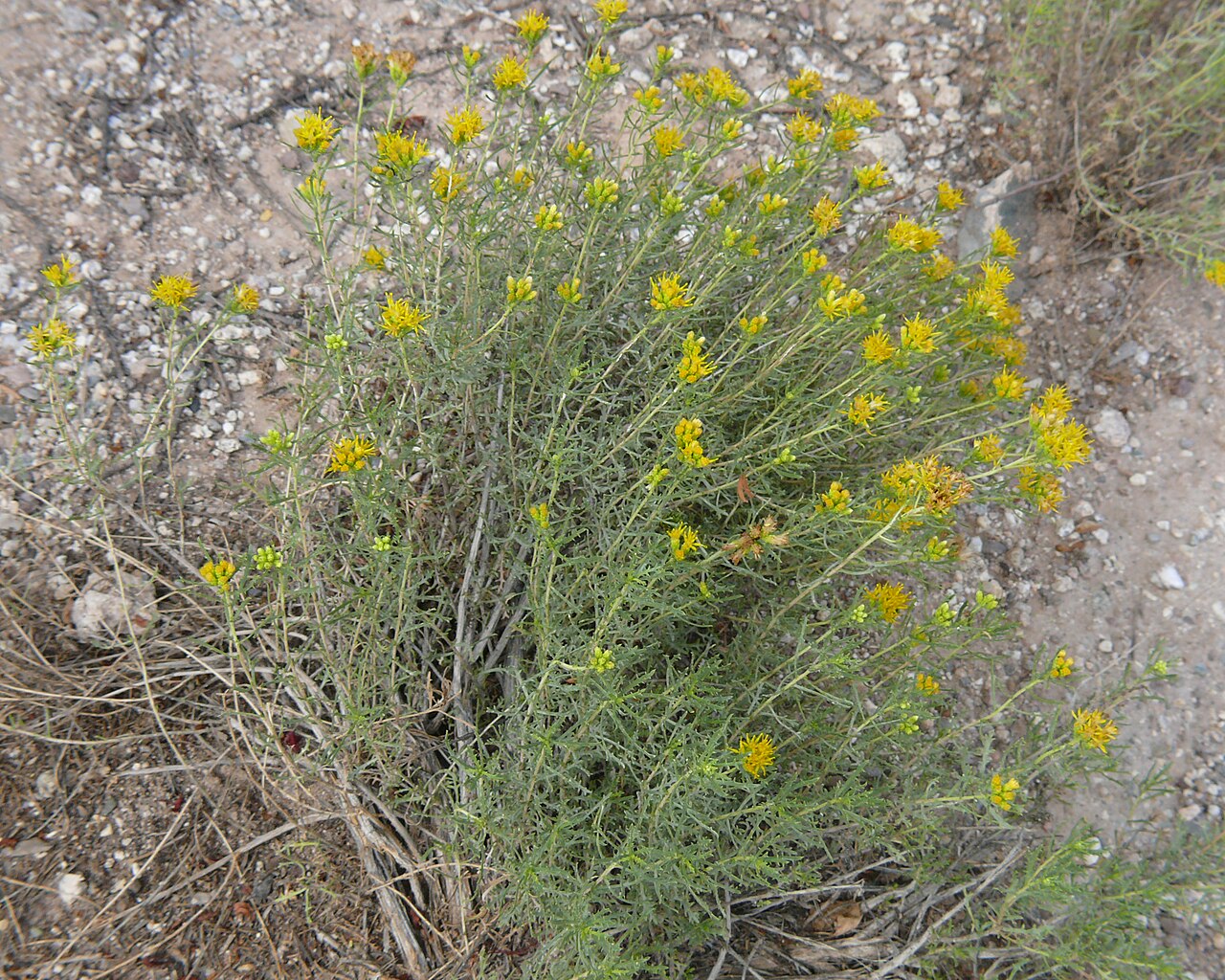
A mature burroweed clump in full fall bloom on a gravelly desert slope. Photo: Sue in az, Wikimedia Commons (Public domain) Isocoma tenuisecta, commonly called
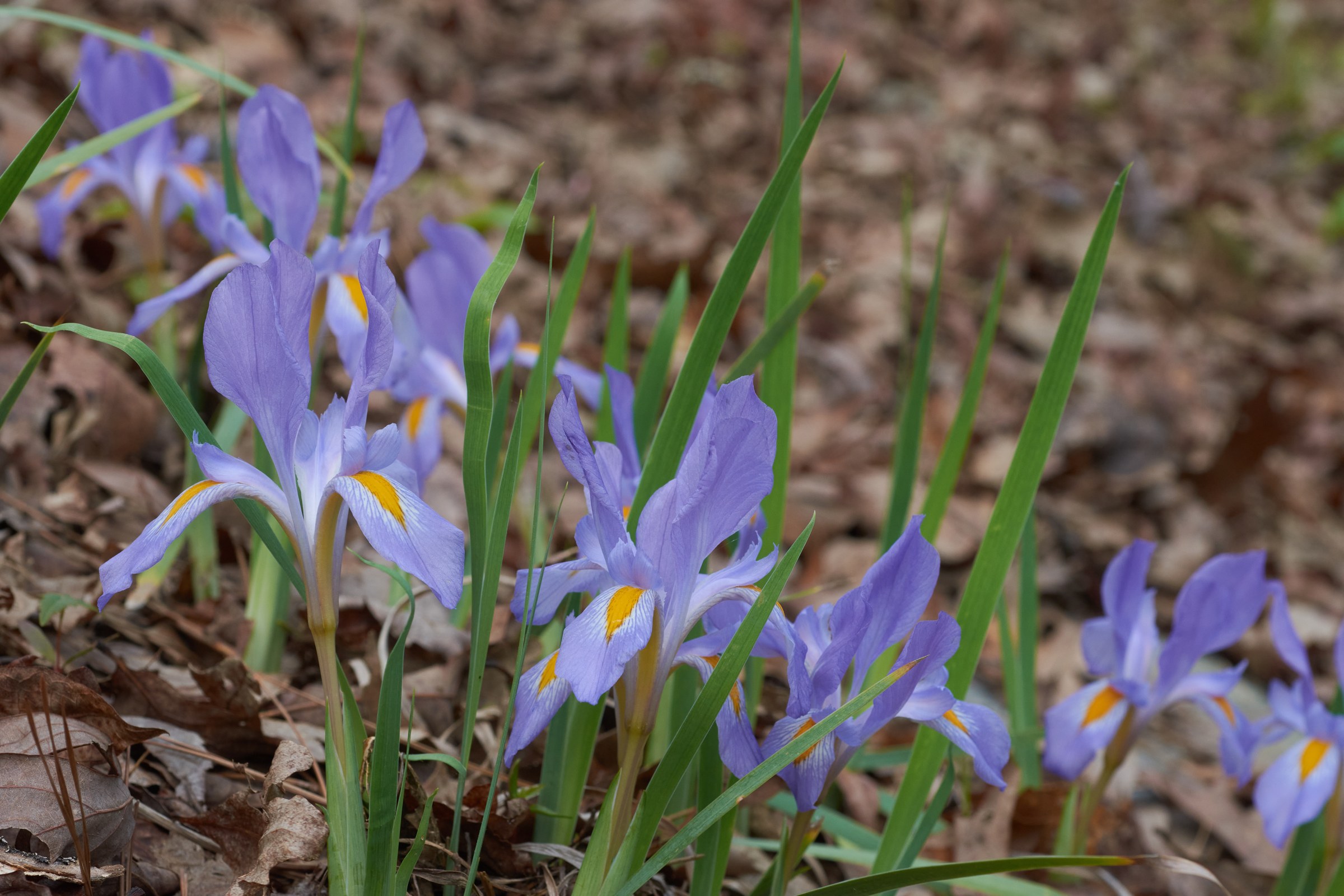
Dwarf Violet Iris blooming in open pine-oak woods, Ouachita National Forest, Polk County, Arkansas. Photo: Eric Hunt / Wikimedia Commons (CC BY-SA 4.0) Iris verna
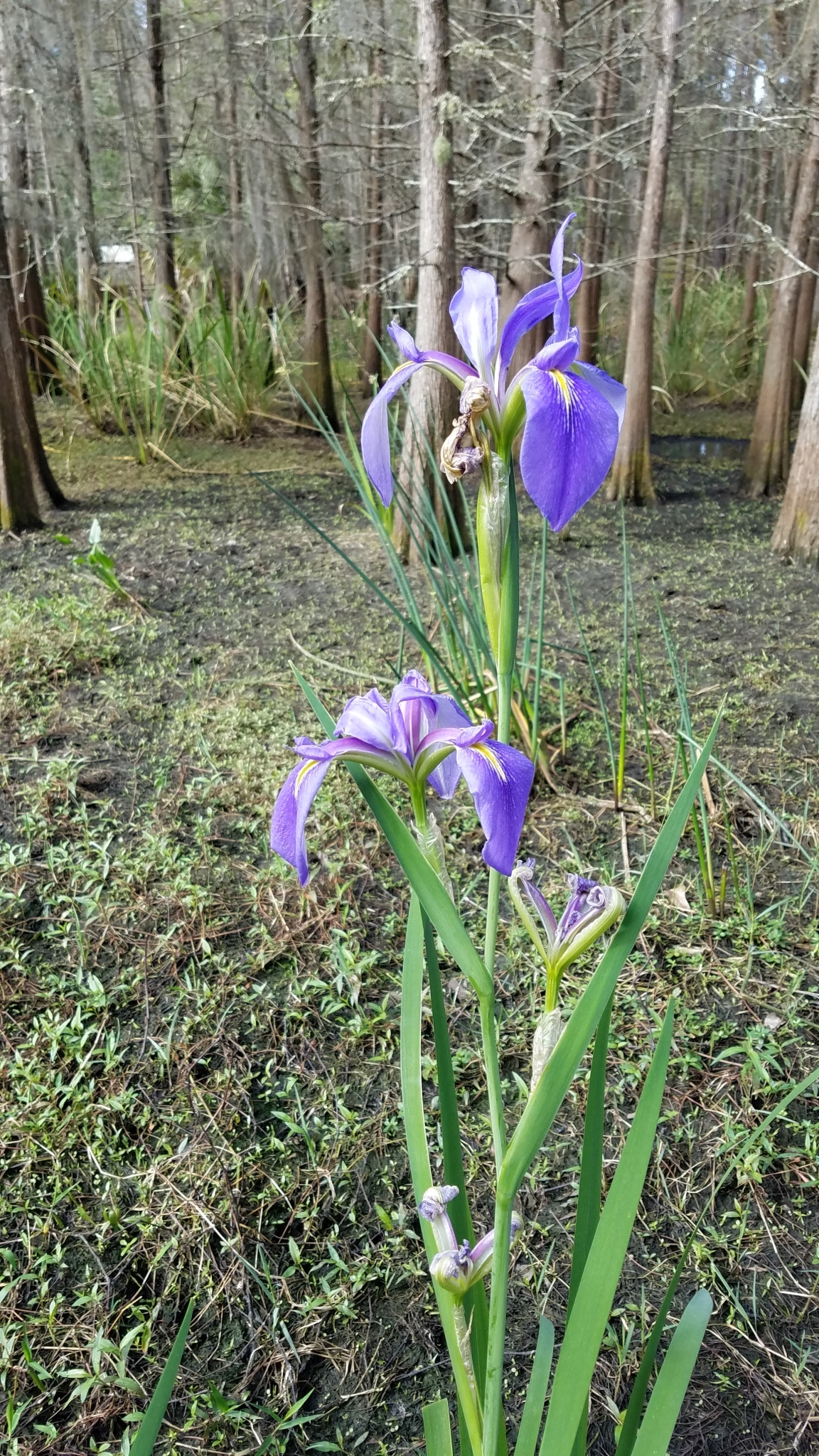
Dixie Iris flowering along a blackwater swamp at Circle B Bar Reserve, Florida. Photo: Robert Guralnick / iNaturalist (CC BY 4.0) Iris hexagona Walter, commonly
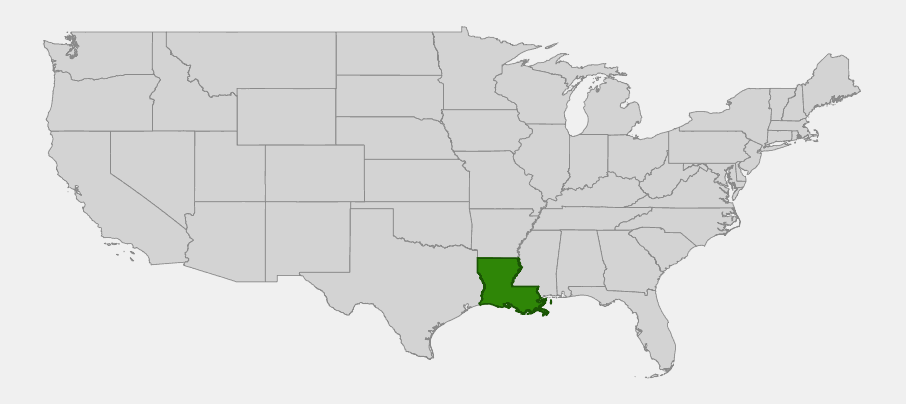
Iris nelsonii Randolph, commonly called the Abbeville Red Iris (or Abbeville Swamp Iris), is one of the rarest wildflowers in North America — a strikingly
View More