
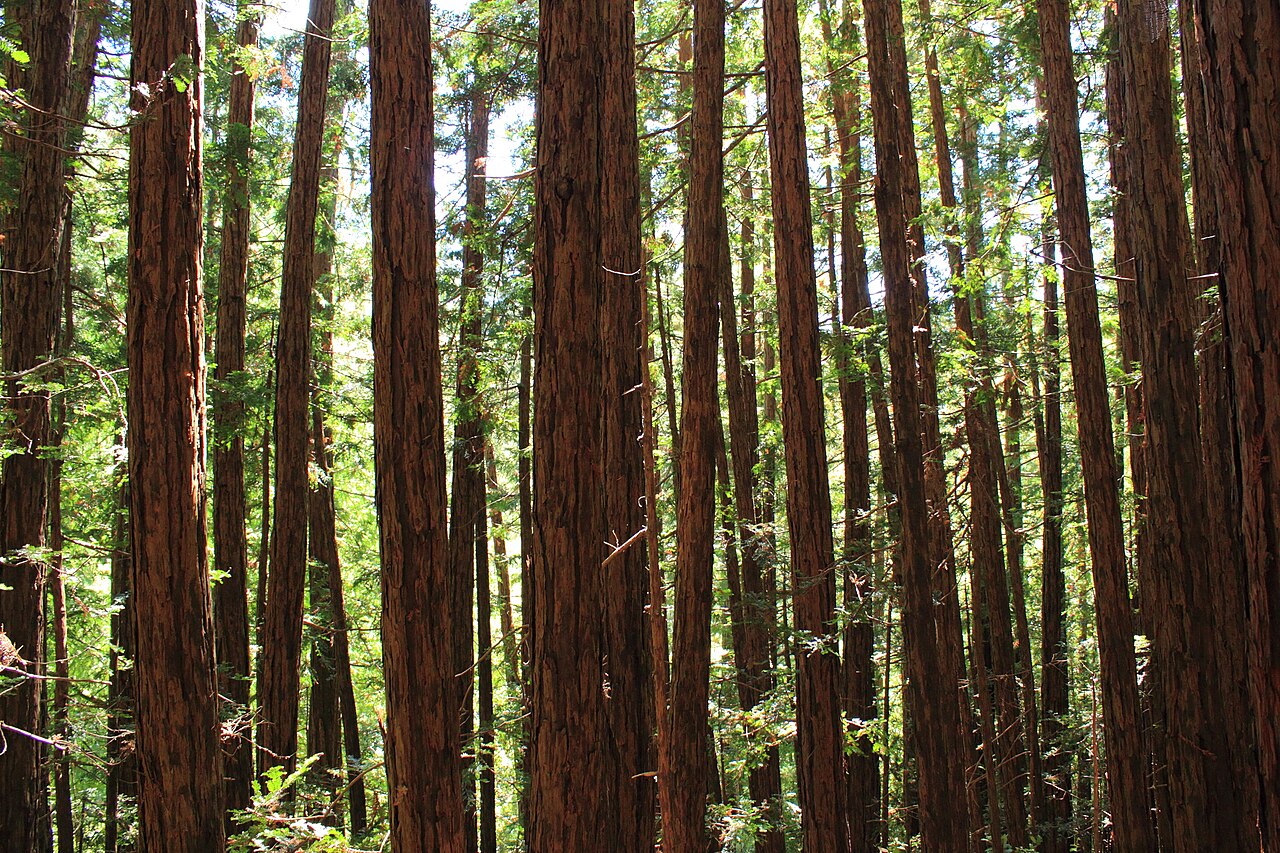
A coast redwood grove at Muir Woods National Monument, Marin County, California — straight, fire-scarred trunks rising into a dense fog-belt canopy. Photo: Andromeda2064, Wikimedia
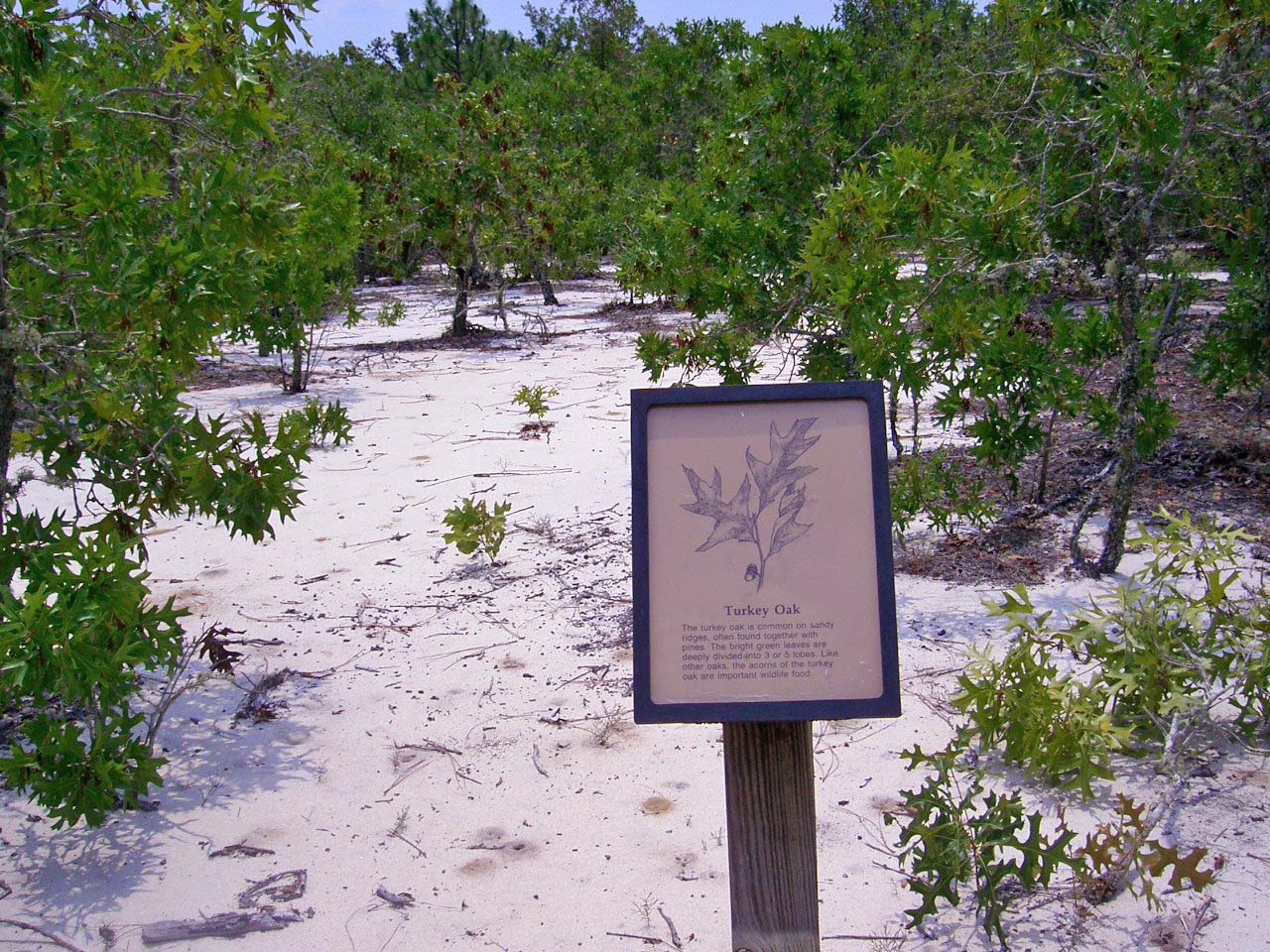
A natural stand of Turkey Oak on a deep sand ridge in Georgia — classic habitat for this drought-adapted species. Photo: Geogre, Wikimedia Commons (Public
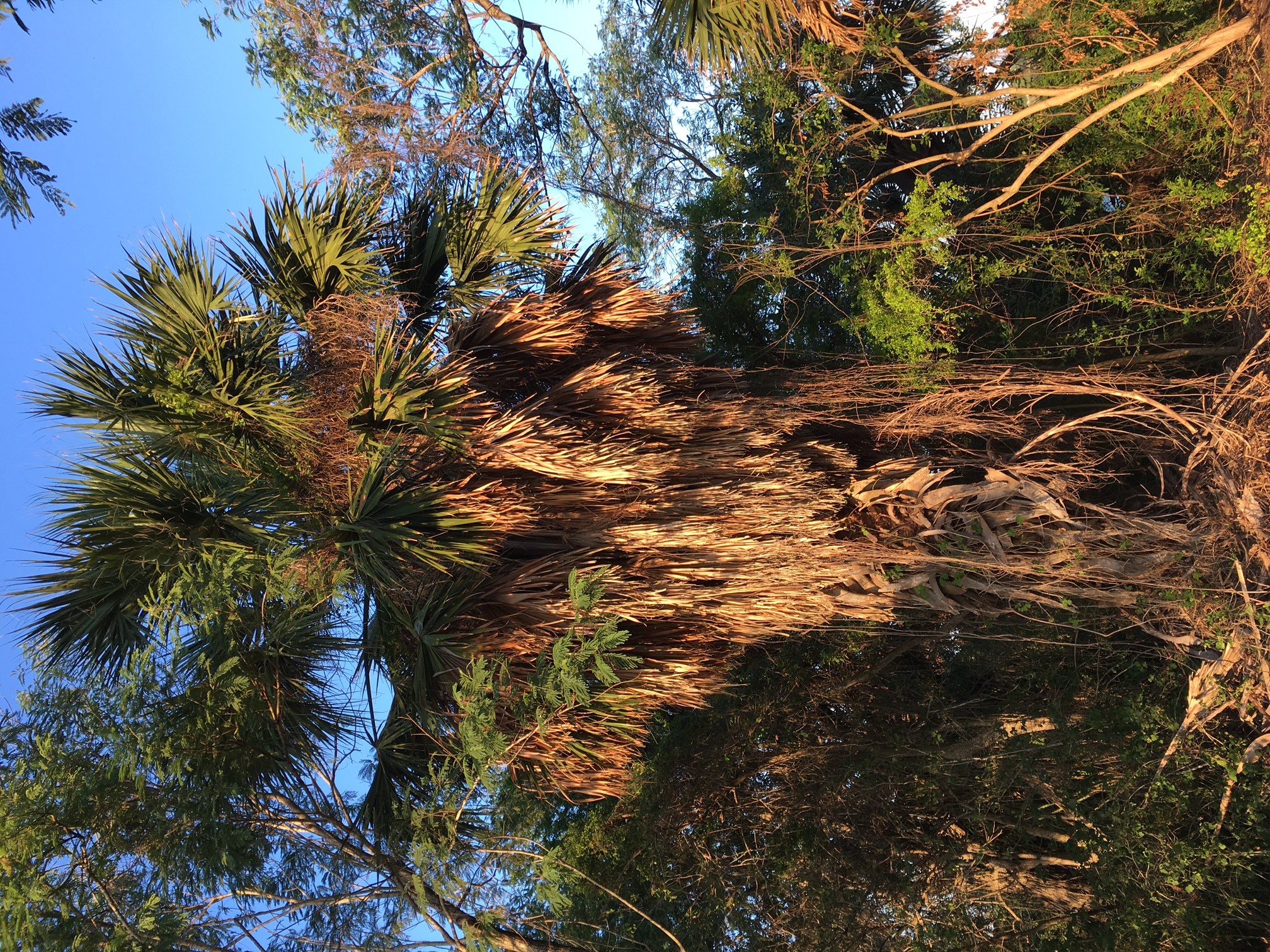
A mature, unmaintained Texas Palmetto showing its natural shaggy “skirt” of old fronds. Photo: Fythrion, Wikimedia Commons (CC0) Sabal mexicana, commonly called the Texas Palmetto
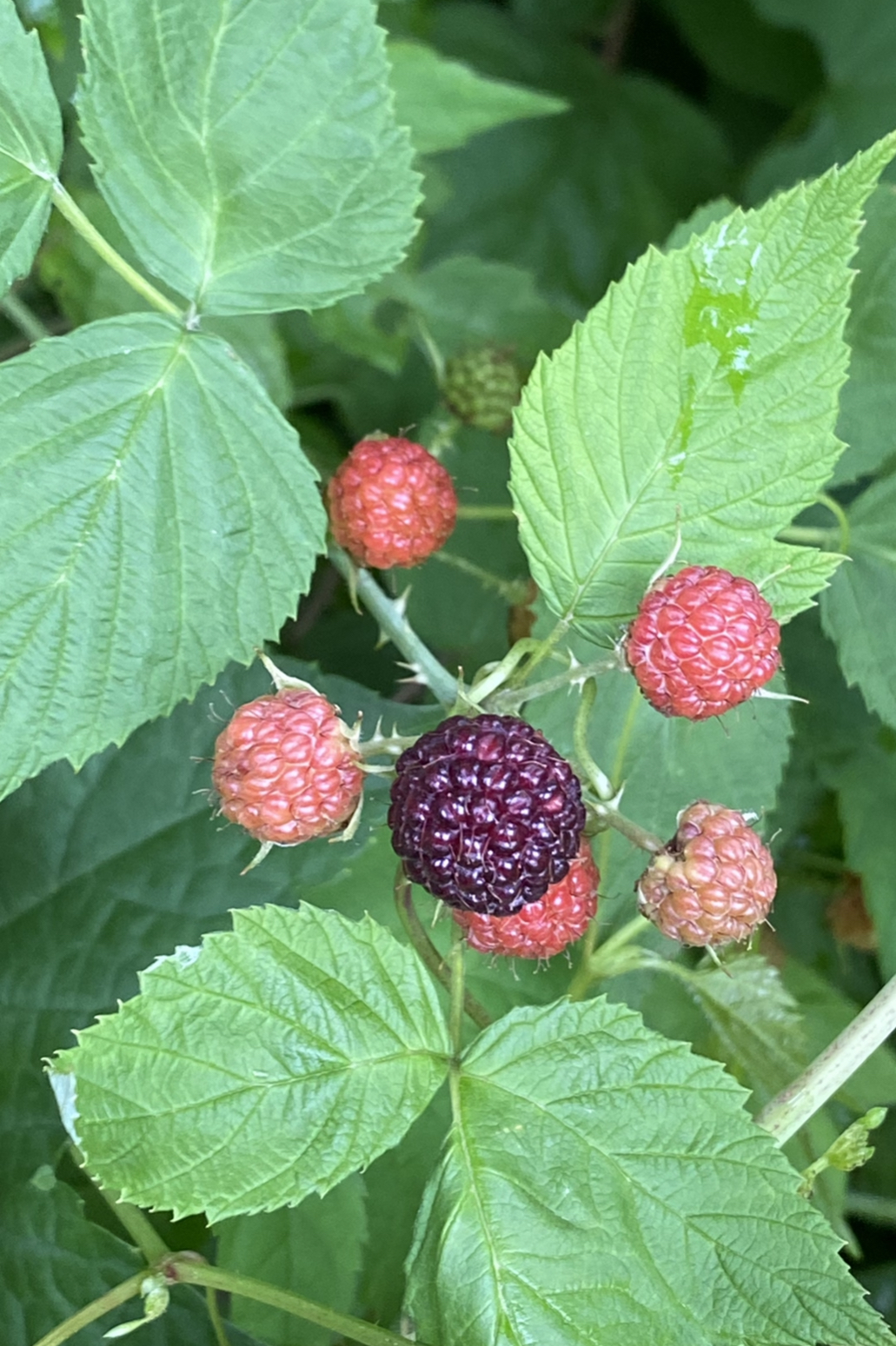
Black Raspberry fruit ripens in stages from green to red to glossy purple-black. Photo: OlgaK, Wikimedia Commons (CC BY-SA 4.0) Rubus occidentalis, commonly known as
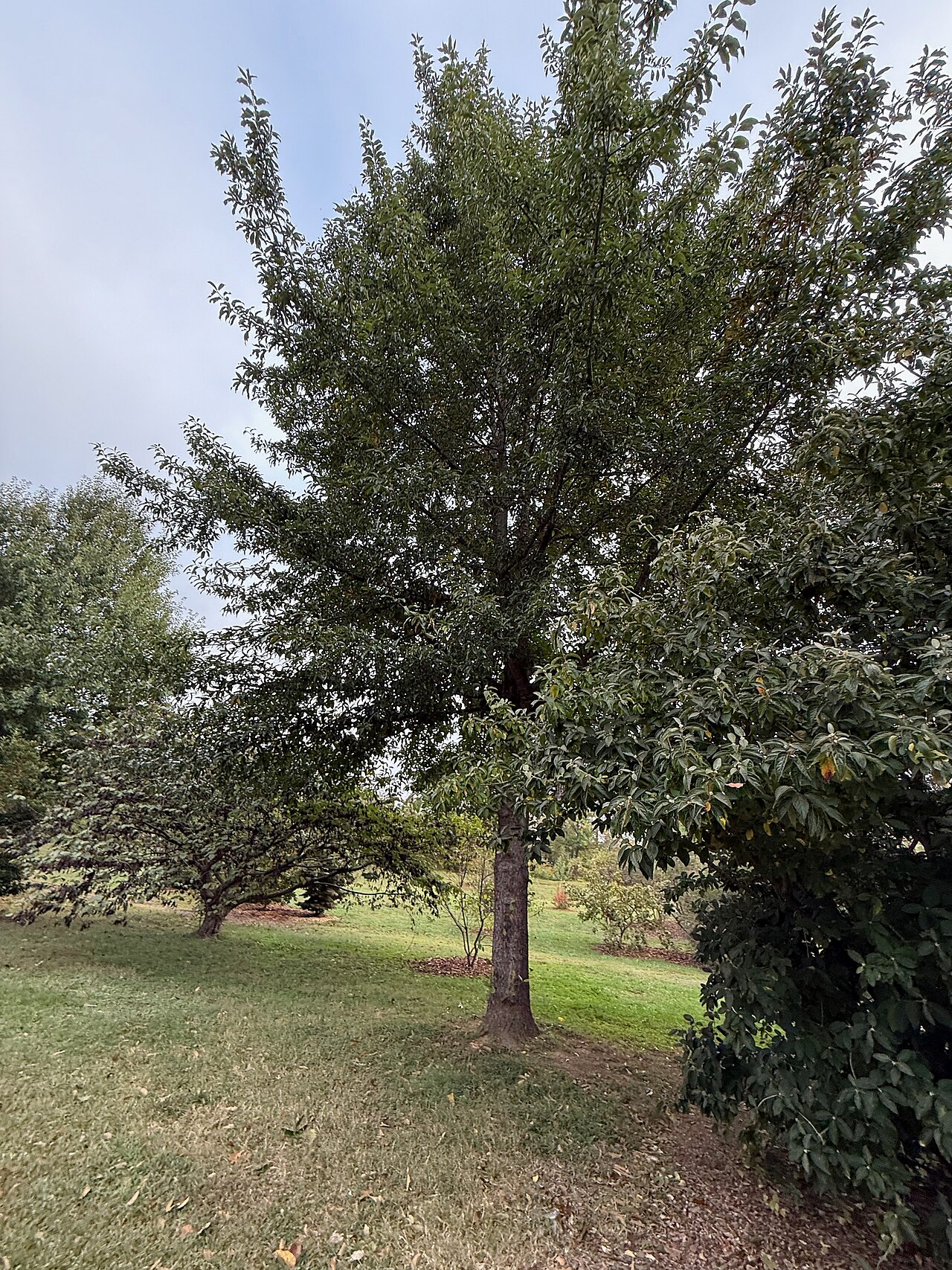
A shingle oak showing its characteristically broad, pyramidal habit in autumn. Photo: Cossey25, via Wikimedia Commons (CC BY-SA 4.0) Quercus imbricaria, commonly called Shingle Oak,
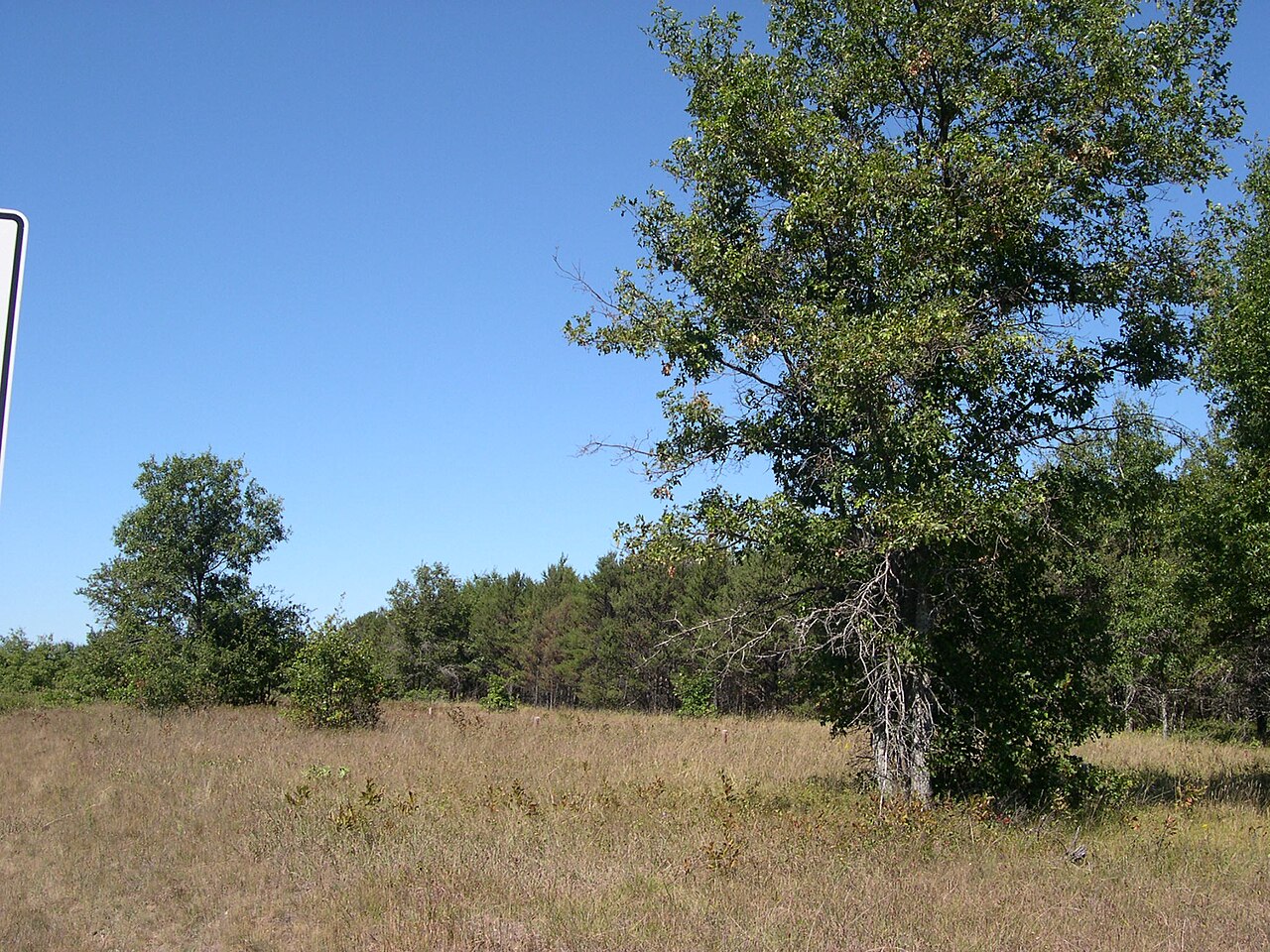
A northern pin oak growing in its typical dry, sandy opening near Mack Lake, Michigan. Photo: Jay Sturner, Flickr, via Wikimedia Commons (CC BY 2.0)
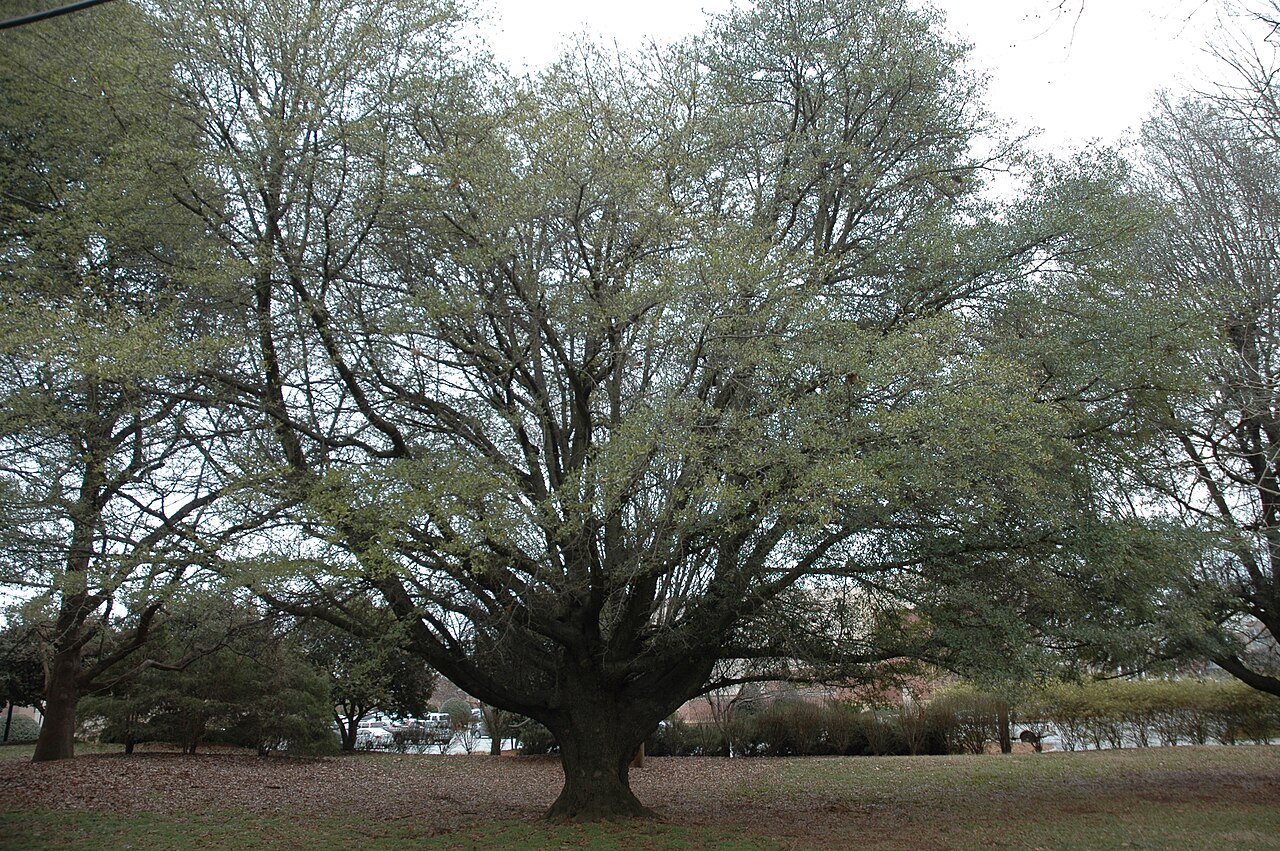
A broad, spreading Darlington oak in winter leaf. Photo: Bruce Kirchoff, via Wikimedia Commons (CC BY 2.0) Quercus hemisphaerica, commonly called Darlington Oak or Sand
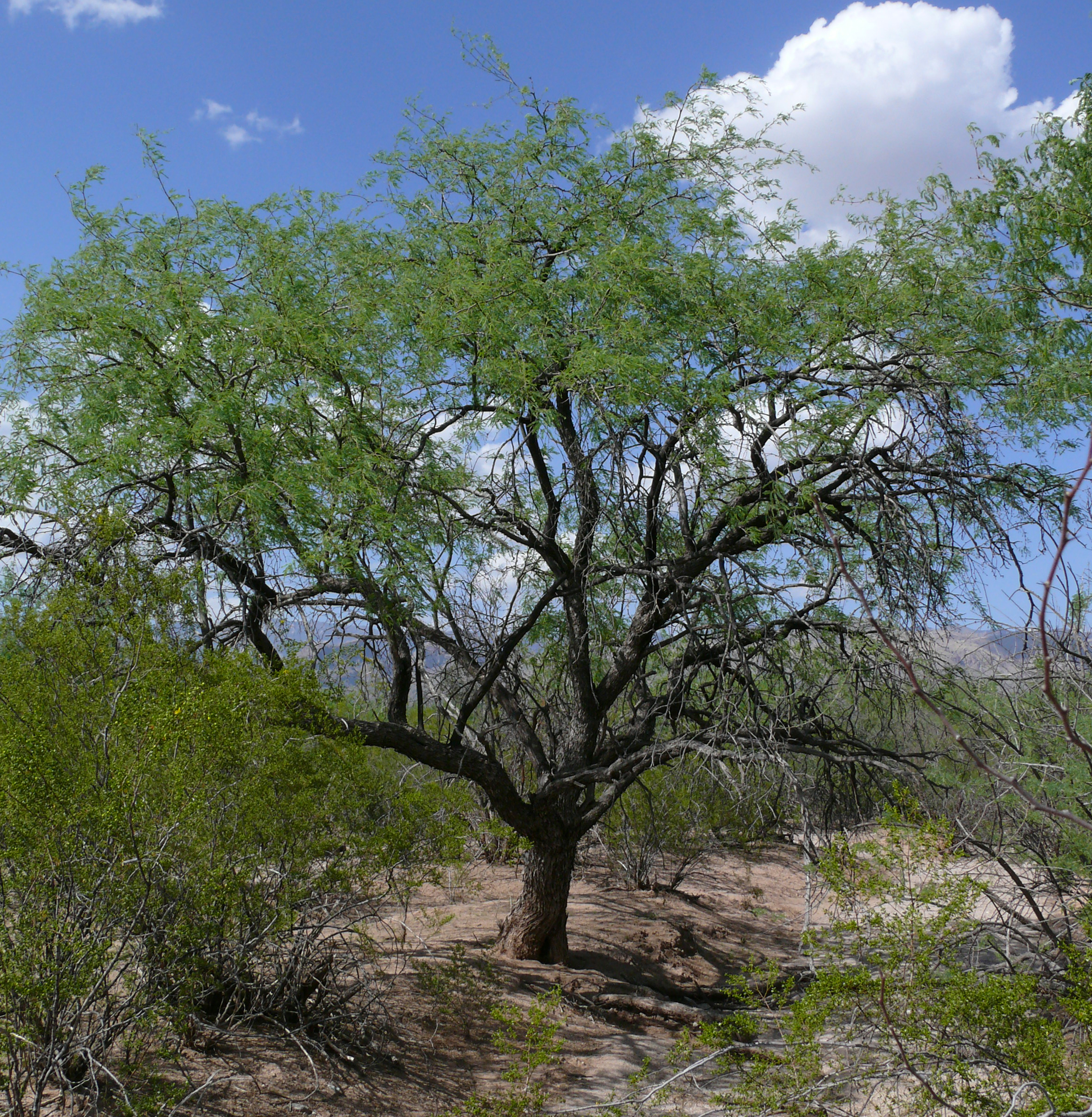
A mature velvet mesquite spreading its thorny, feathery canopy over a desert wash near Tucson. Photo: Sue in AZ, Wikimedia Commons (CC BY-SA 3.0) Prosopis
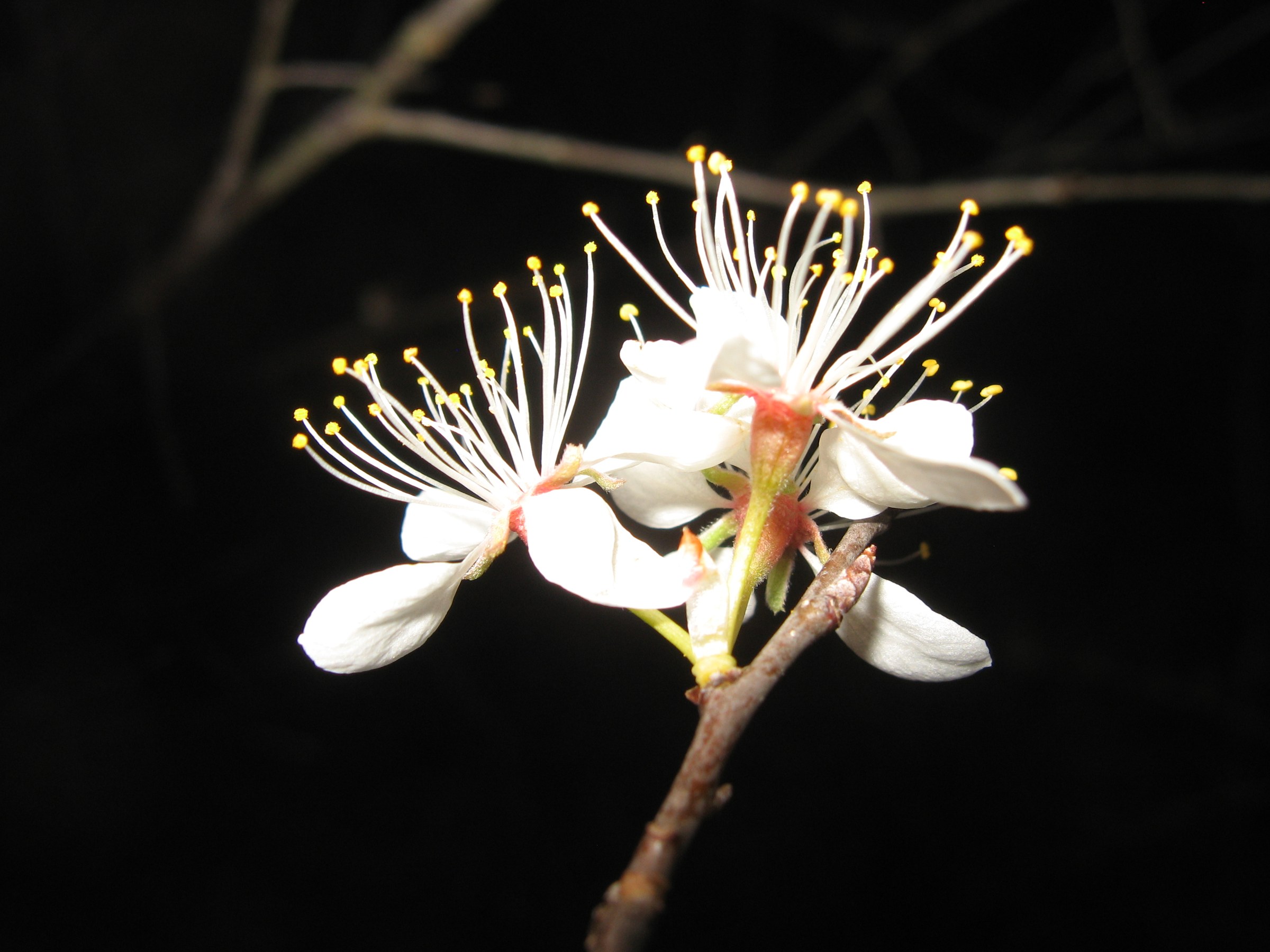
Mexican plum flowers open before the leaves in early spring, with long stamens tipped in gold. Photo: Mason Brock, Wikimedia Commons (public domain) Prunus mexicana,
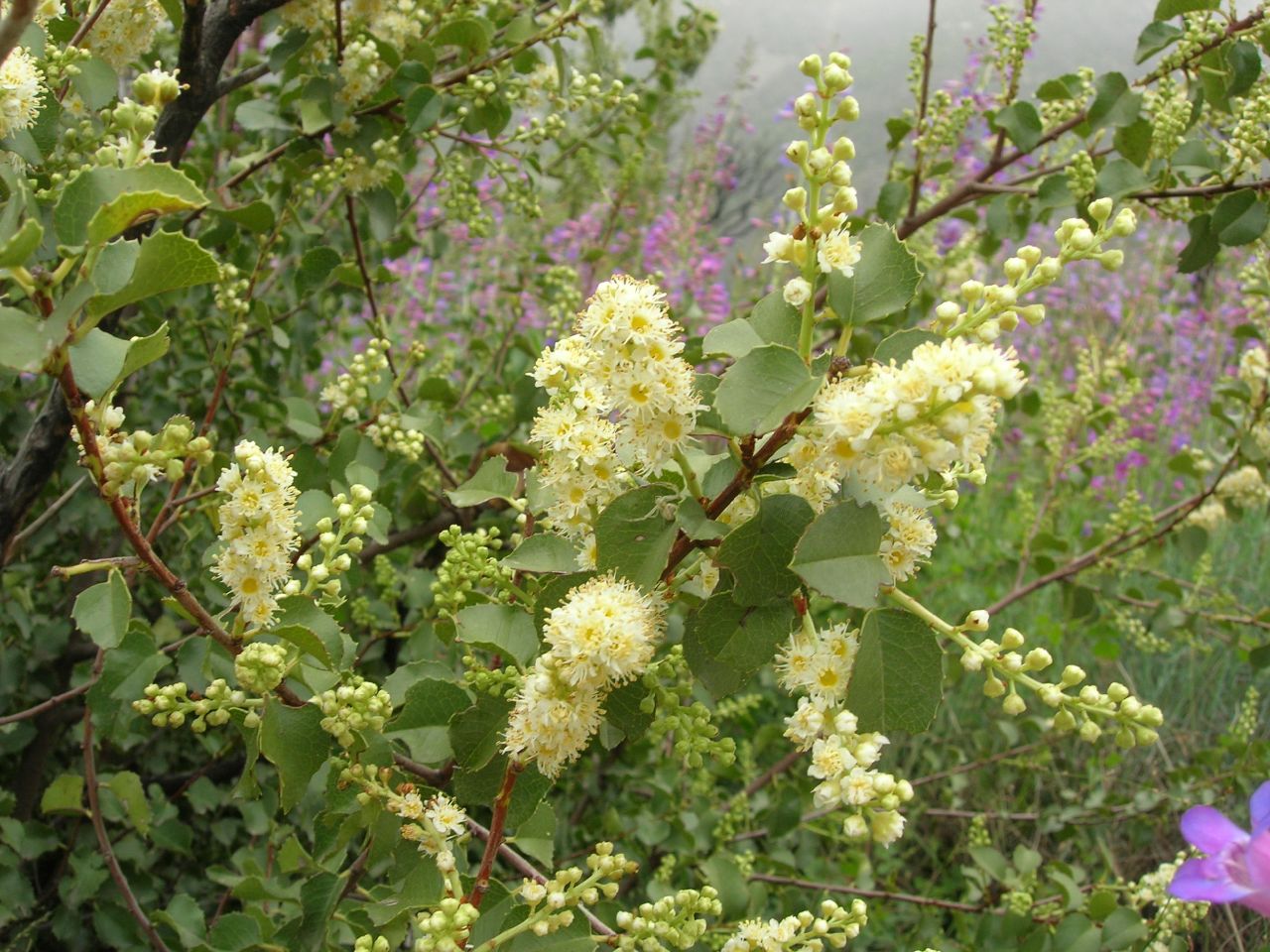
Hollyleaf cherry in spring bloom along Lytle Creek in the San Bernardino National Forest, California. Photo: joedecruyenaere, Wikimedia Commons (CC BY-SA 2.0) Prunus ilicifolia, the
View More