Barreta (Helietta parvifolia)
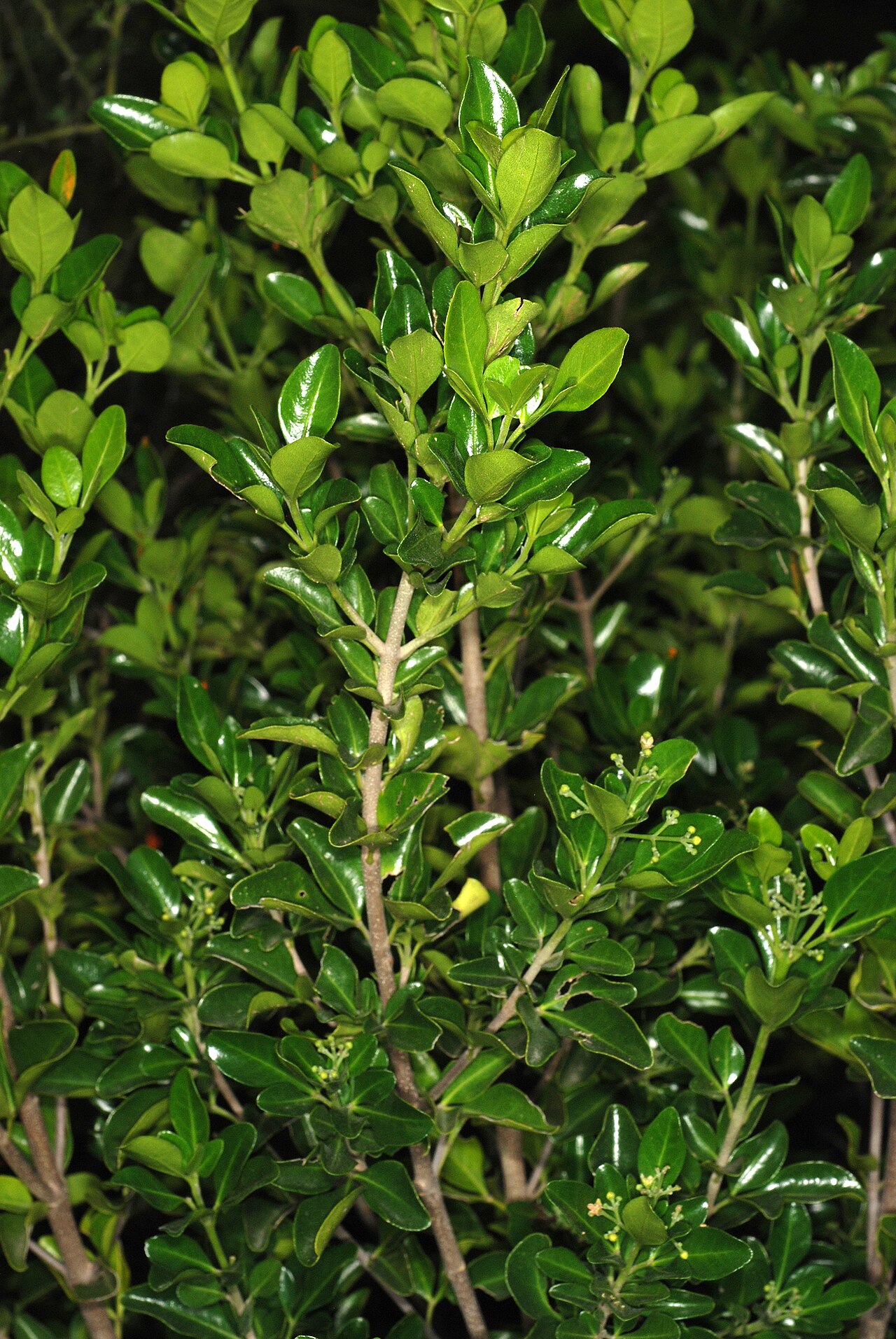
Helietta parvifolia, known as barreta (sometimes spelled baretta), is an evergreen shrub or small tree of the citrus family found at the very northern edge of its range in the thornscrub of deep South Texas. Most of its range lies south of the border in the Tamaulipan thornscrub and dry limestone hills of northeastern Mexico, and Texas populations are restricted to a handful of counties along the Rio Grande, where barreta grows as a dense, rounded shrub rather than the taller tree form it sometimes takes further south.
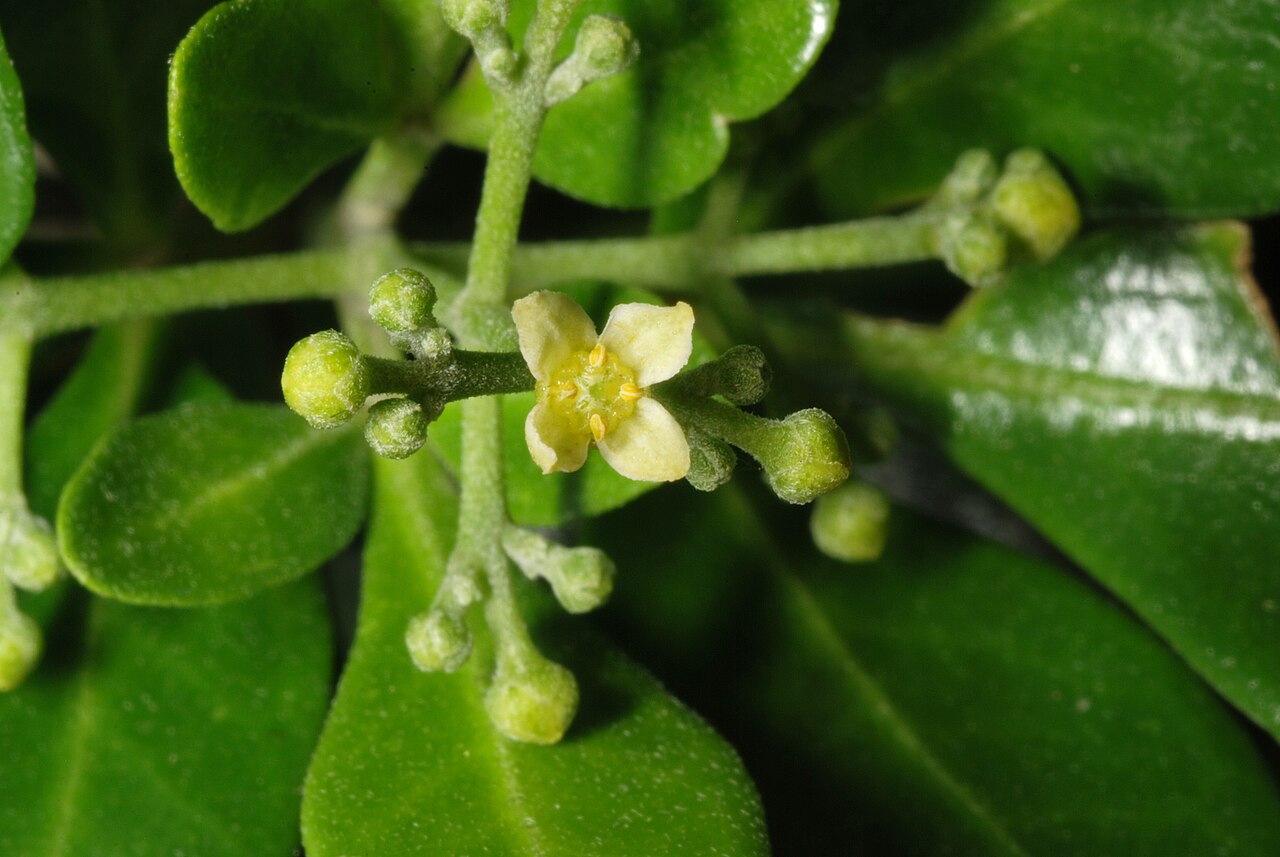
The plant is instantly recognizable up close: small, glossy, trifoliate leaves crowded on stiff twigs, and in spring, tiny cream to greenish-white four-petaled flowers held in loose clusters at the branch tips. Crush a leaf and you will notice a faint citrus-like resinous smell, a reminder that barreta belongs to the Rutaceae, the same family as oranges and lemons. The flowers are followed by small winged, samara-like fruits that split into paired segments.
Barreta is uncommon in Texas gardens simply because it is uncommon in Texas, period — it reaches the United States only in a narrow strip of brush country and is rarely offered by nurseries outside its native range. For gardeners in the Rio Grande Plains and lower South Texas who want an authentic, deer-resistant thornscrub evergreen with real regional character, it is worth seeking out from native plant sales and specialty growers rather than expecting to find it at a big-box garden center.
Identification
Barreta typically grows as a many-stemmed, rounded to upright evergreen shrub 6 to 15 feet tall in Texas, though in the warmer, wetter parts of its Mexican range it can develop into a small tree 20 to 30 feet tall with a single short trunk. Texas plants usually stay shrubby and dense, often as wide as they are tall, which makes the species useful as a thornscrub screening plant even though it lacks true thorns.
Bark & Stems
Young twigs are slender, grayish-green and finely textured, aging to gray-brown bark that stays relatively smooth and thin even on older stems. Branching is fine and twiggy, giving the whole plant a dense, tidy silhouette without any pruning.
Leaves
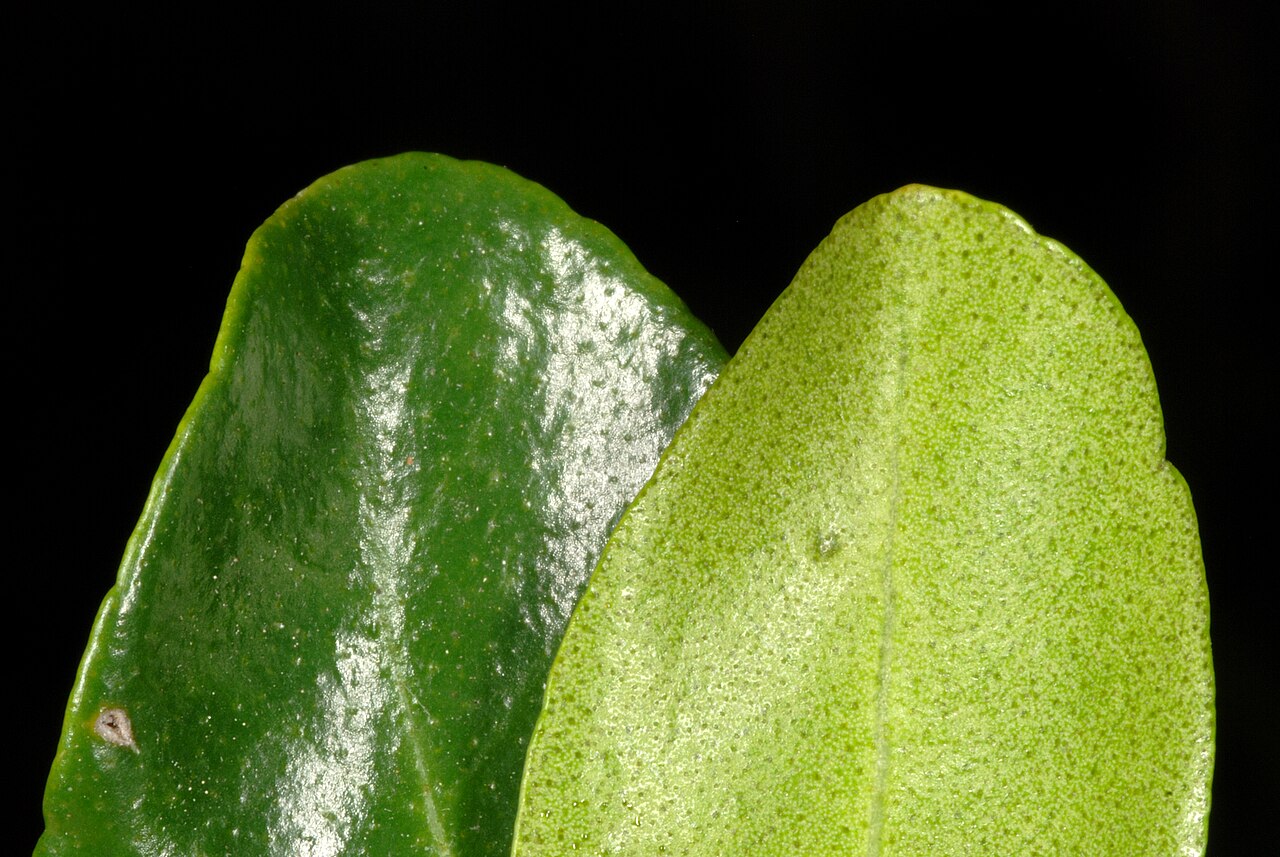
Leaves are evergreen, opposite, and trifoliate (divided into three small leaflets), each leaflet elliptic to oblong and under 2 inches long, with a leathery texture and a glossy, almost varnished sheen on the upper surface. Leaves are gland-dotted, like citrus leaves, and release a resinous, faintly citrus scent when crushed — a quick and reliable field mark.
Flowers
In spring, usually March into April, barreta produces small clusters of four-petaled flowers at the branch tips, cream to pale greenish-white and only about a quarter-inch across. They are not showy from a distance, but up close they are delicate and mildly fragrant, and they draw a steady traffic of small native bees and other pollinators.
Fruit & Seeds
Flowers give way to small, winged schizocarps — dry fruits that split into two or three papery-winged segments, each carrying a single seed, similar in general form to a maple samara but much smaller. The fruit ripens through summer and is wind-dispersed.
Quick Facts
| Scientific Name | Helietta parvifolia |
| Family | Rutaceae (Citrus) |
| Plant Type | Evergreen shrub to small tree |
| Mature Height | 6–15 ft in Texas (to 30 ft as a tree farther south) |
| Mature Spread | 6–12 ft, often as wide as tall |
| Growth Rate | Slow |
| Sun Exposure | Full Sun to Part Shade |
| Water Needs | Low; drought tolerant once established |
| Soil Type | Caliche, limestone or rocky, well-drained soils |
| Soil pH | Alkaline |
| Bloom Time | March – April |
| Flower Color | Cream to greenish-white |
| Fall Color | None (evergreen) |
| Fruit | Small winged, two- to three-part dry schizocarp |
| Deer Resistant | Yes; aromatic, resinous foliage |
| USDA Hardiness Zones | 8b – 10a |
Native Range
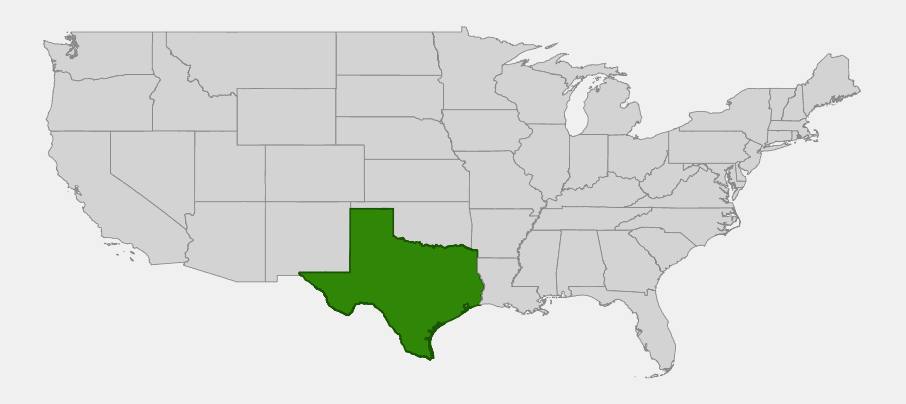
In the United States, barreta is found only in deep South Texas, in a cluster of counties along and near the Rio Grande in the Rio Grande Plains, including Webb, Zapata, Starr, Jim Hogg and Duval counties. It is at the extreme northern limit of its range here; the great majority of the species’ distribution lies well south of the border, across the Tamaulipan thornscrub and dry limestone hill country of Coahuila, Nuevo León, Tamaulipas, San Luis Potosí, Guanajuato, Querétaro and Hidalgo in Mexico.
Typical habitat is Tamaulipan thornscrub and dry, rocky limestone or caliche hillsides and ridges, often growing alongside other thorn-forest shrubs and small trees in dense, mixed stands. Because its U.S. range is so narrow, barreta is considered uncommon in Texas even where the habitat looks suitable, and it is not a species gardeners outside South Texas are likely to encounter in the wild or in general nursery trade.
Barreta is not currently federally listed as threatened or endangered, but its restricted range at the edge of South Texas means wild populations should not be disturbed or collected from. Seed-grown or nursery-propagated plants from reputable South Texas native plant growers are the right way to add it to a garden.
📋 Regional plant lists featuring Barreta: South and West Texas
Growing & Care Guide
Barreta is an easy, tough evergreen for gardeners within its narrow South Texas native range, well suited to dry, rocky, alkaline soils where many other shrubs struggle.
Light
Give barreta full sun for the densest, most compact growth, though it also tolerates part shade beneath taller thornscrub trees, which is how it often grows in the wild. In very light shade expect a slightly looser, more open habit.
Soil & Water
Plant barreta in well-drained, rocky or caliche soil; it is naturally adapted to thin limestone soils and does not want rich, moisture-retentive garden beds. Water regularly through the first year to establish a deep root system, then taper off. Established plants are genuinely drought tolerant and need no supplemental irrigation beyond rainfall in most South Texas gardens, though an occasional deep soak during extended summer drought keeps the foliage looking its best.
Planting Tips
Set out container-grown plants in fall or early spring so roots can establish before the heat of summer. Barreta’s slow growth rate means patience is part of the deal; it is not a fast screening shrub, but it is a long-lived one. Space plants 6 to 10 feet apart for a thornscrub hedge or massed planting.
Pruning & Maintenance
Barreta needs very little pruning. Remove dead or crossing twigs in late winter if desired, but the plant naturally holds a dense, tidy shape without shearing. It has no significant pest or disease problems in cultivation and needs no regular fertilizer once established in appropriate soil.
Propagation
Barreta is propagated from seed collected from the small winged fruits in summer, or from semi-hardwood cuttings taken in the growing season. Germination can be slow and uneven, consistent with its slow overall growth habit, so growers should expect to wait.
Landscape Uses
- Thornscrub and xeriscape screening in Rio Grande Plains and South Texas gardens
- Evergreen structure paired with Texas ebony and anacacho orchid tree
- Dry, rocky slopes and caliche banks where few other shrubs thrive; see our guide to rock garden plants for dry sites
- Wildlife and pollinator plantings, as part of a broader pollinator garden design
- Low-water hedges that need no shearing to stay tidy
Wildlife & Ecological Value
As a dense evergreen in otherwise deciduous or sparsely vegetated thornscrub, barreta provides year-round structure and shelter that is valuable to South Texas wildlife.
For Pollinators
The small spring flowers, though not showy, attract a range of native bees and other small pollinating insects that work the thornscrub’s early-season bloom. As a member of the citrus family, barreta’s flowers share some of the same floral chemistry that makes related plants attractive to bees.
For Birds
The dense, twiggy, evergreen growth habit gives small birds secure nesting and roosting cover in brush country that can otherwise be sparse and thorny. Birds also glean insects attracted to the flowers and foliage.
For Mammals
Barreta’s aromatic, resinous leaves make it generally unpalatable to deer and livestock, so it tends to escape heavy browsing pressure that affects many of its thornscrub neighbors, helping it persist and provide stable cover.
Ecosystem Role
In the Tamaulipan thornscrub, barreta is part of the structural backbone of the community, an evergreen anchor shrub that helps stabilize thin, rocky soils on hillsides and ridges and contributes to the dense, tangled cover that defines healthy South Texas brush country.
Cultural & Historical Uses
Barreta has a longer history of use in Mexico, where it is more common and widespread, than in Texas. Its dense, fine-grained wood has traditionally been used locally for small implements and fence posts in parts of its Mexican range, where the shrub or small tree is more abundant than at the northern edge of its distribution.
In South Texas, barreta has mostly remained a background species of the brush country rather than a plant with a documented local use history, overshadowed by better-known thornscrub species like mesquite, huisache and Texas ebony. Its citrus-family foliage and resinous scent have drawn the interest of regional naturalists more as a botanical curiosity — a Rutaceae species thriving far from the tropical citrus relatives most people associate with the family.
Today barreta’s main significance for Texans is as a marker of authentic, intact Tamaulipan thornscrub and as a candidate for regionally appropriate native landscaping in the Rio Grande Plains, where water conservation and habitat value increasingly guide planting choices.
Frequently Asked Questions
Is barreta the same as the barretta sold at some nurseries?
Spellings vary (“barreta” and “baretta” are both used), but they refer to the same plant, Helietta parvifolia. Confirm the scientific name when buying, since common names can be applied loosely.
Does barreta have thorns?
No. Despite growing in thornscrub alongside many spiny plants, barreta itself is unarmed; its defense against browsing is its resinous, aromatic foliage rather than thorns.
How cold-hardy is barreta?
Barreta is adapted to the mild winters of deep South Texas, roughly USDA zones 8b to 10a, and is not reliably cold-hardy much farther north. Hard freezes can cause significant dieback.
Why is barreta so hard to find for sale?
Its U.S. native range is limited to a few South Texas counties, so it has a small regional market and is mostly grown by specialty native plant nurseries serving the Rio Grande Plains rather than being broadly distributed.
What does barreta smell like?
Crushed leaves release a faint, resinous, citrus-like fragrance, a reminder that barreta belongs to the same plant family as oranges, lemons and limes.

Looking for a nursery that carries Barreta?
Browse our native plant nursery directory: Texas