Damiana (Turnera diffusa)
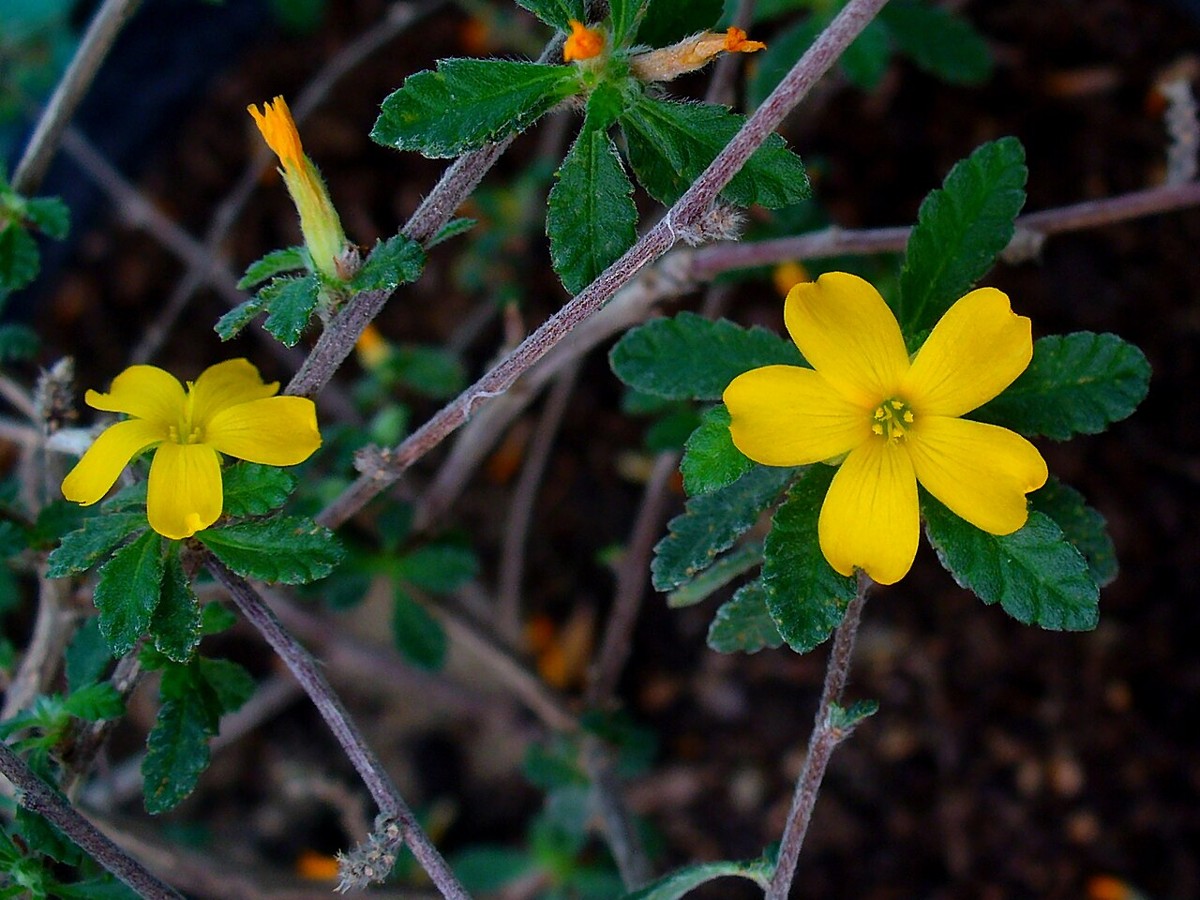
Turnera diffusa, known as Damiana, is a low, aromatic shrub native to the brushy limestone flats and canyons of extreme South Texas, continuing south through Mexico and into Central America. A member of the passionflower family (Passifloraceae, formerly placed in its own family Turneraceae), it is best recognized by its small, cheerful yellow flowers and its strongly fragrant, toothed leaves, which release a resinous, slightly musky scent when brushed or crushed.
Damiana has a long history of use among Indigenous peoples of northern Mexico and South Texas and carries notable cultural weight as an herb long associated with folk remedies and, famously, a reputed aphrodisiac reputation that persists in herbal product marketing today. This page describes that history as history — it is not medical guidance, and readers considering any herbal product should consult a qualified health professional rather than this article.
In the garden, Damiana is a compact, low-water shrub well suited to South Texas xeriscaping, where it provides small but abundant yellow blooms through much of the warm season along with genuinely low maintenance requirements. Gardeners should note that plants sold commercially as “Damiana” are sometimes actually the unrelated Turnera ulmifolia (“false damiana”), a different species with different chemistry and a much wider, non-native horticultural distribution; true Turnera diffusa is distinguishable by its smaller, more deeply lobed, strongly aromatic leaves.
Identification
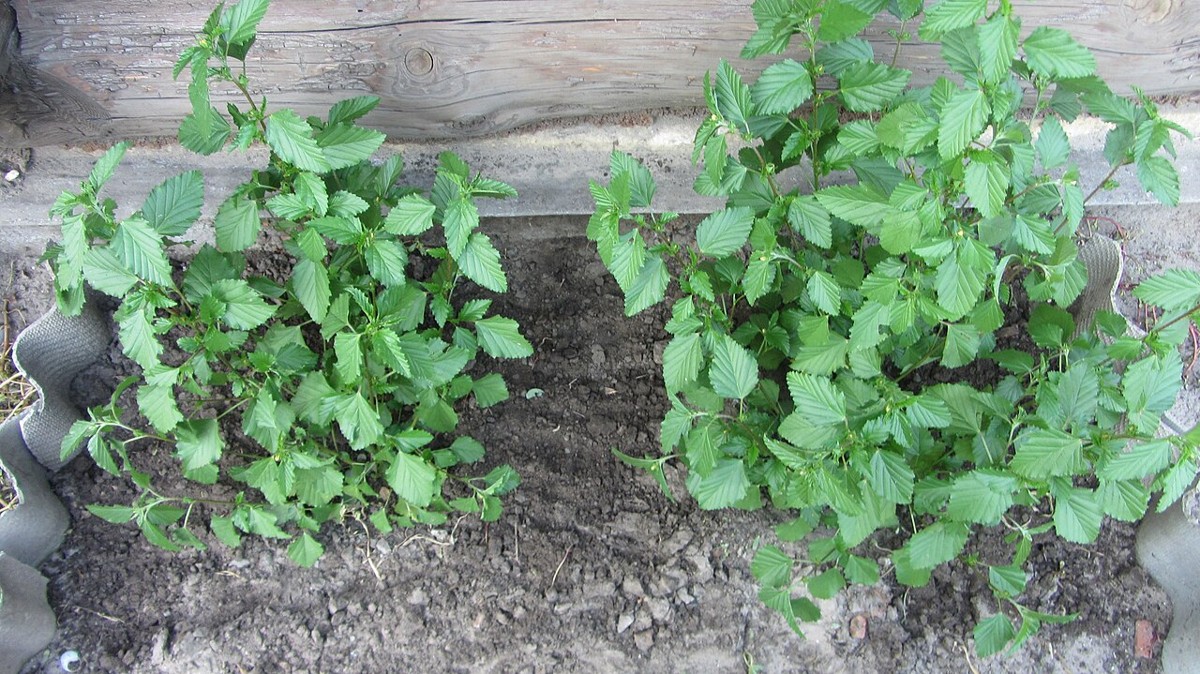
Damiana is a small, many-branched shrub, typically 1 to 3 feet tall, with slender, somewhat woody stems and an overall low, bushy habit. Its aromatic foliage is often the first identification clue, especially when compared with the larger-leaved, less fragrant Turnera ulmifolia sometimes mislabeled as Damiana in the nursery trade.
Bark & Stems
Stems are slender, light brown, and finely hairy when young, becoming slightly woody with age. The plant typically forms a dense, rounded clump from a woody base.
Leaves
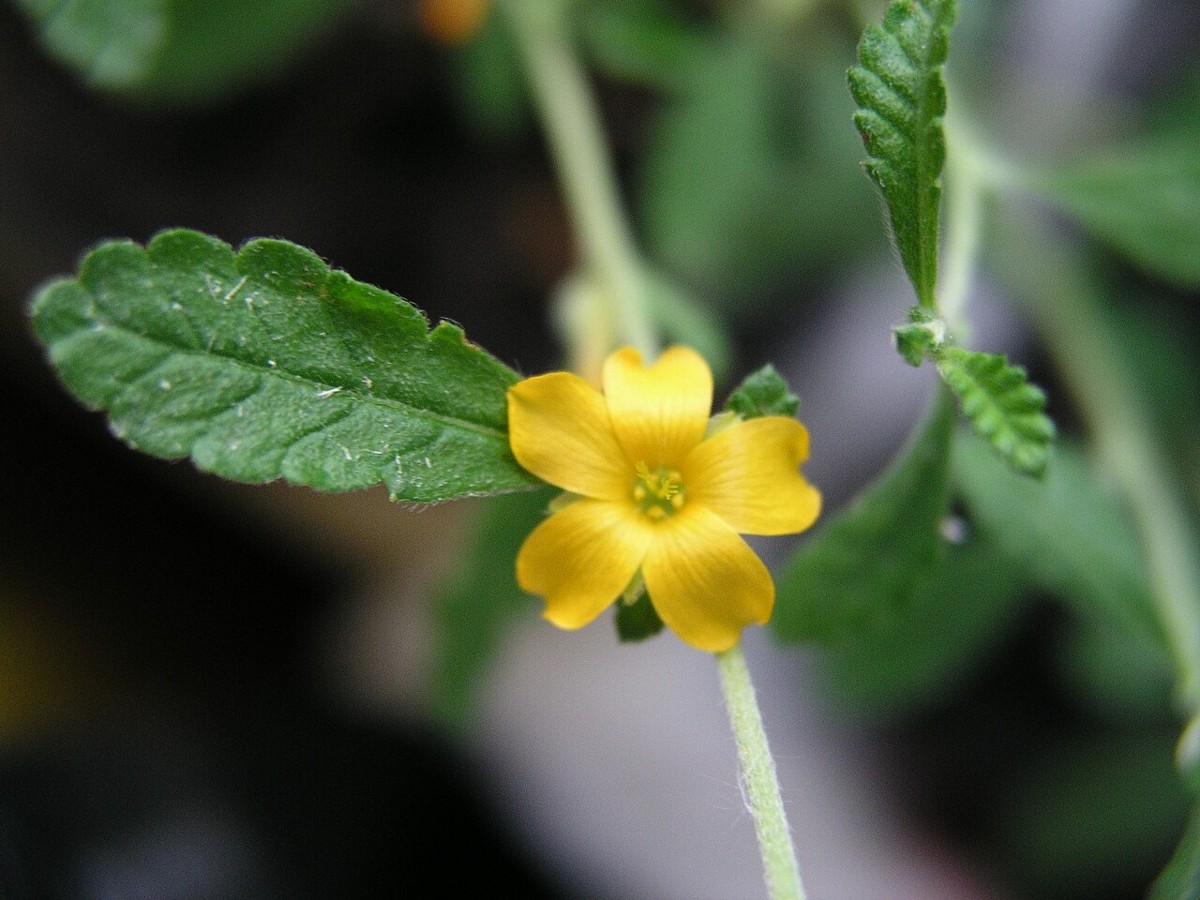
Leaves are small, alternate, wedge-shaped to oblong, about ½ to 1½ inches long, with coarsely toothed margins and a somewhat sticky, resinous texture. They are aromatic when crushed, releasing a distinctive musky, slightly camphoraceous scent that is one of the most reliable identification features of true Damiana.
Flowers
Flowers are small, five-petaled, and bright yellow, about ½ to ¾ inch across, borne singly in the leaf axils. They typically open in the morning and close by early afternoon, a trait common among many Turnera species. Bloom occurs over a long season, generally spring through fall in its native South Texas range.
Fruit & Seeds
After flowering, small, three-valved capsules form, splitting open at maturity to release numerous tiny seeds. The capsules are inconspicuous and not an ornamental feature.
Quick Facts
| Scientific Name | Turnera diffusa |
| Family | Passifloraceae (formerly Turneraceae) |
| Plant Type | Semi-evergreen Shrub |
| Mature Height | 1–3 ft |
| Mature Spread | 2–3 ft |
| Growth Rate | Moderate |
| Sun Exposure | Full Sun to Part Shade |
| Water Needs | Low |
| Soil Type | Rocky, caliche, sandy loam; well-drained |
| Soil pH | 7.0–8.0 (neutral to slightly alkaline) |
| Bloom Time | Spring – Fall |
| Flower Color | Bright yellow |
| Fall Color | None notable |
| Fruit | Small three-valved seed capsules |
| Deer Resistant | Moderate (aromatic foliage discourages browsing) |
| USDA Hardiness Zones | 9–11 |
Native Range
Damiana is native in the United States only to the southernmost tip of Texas, in the brushlands of the Rio Grande Valley and adjacent South Texas counties, where documented county-level populations extend into neighboring northern Mexico and beyond into Central America and parts of South America and the Caribbean. It is at the northern edge of its range in South Texas and does not occur naturally elsewhere in the United States.
In its native habitat, Damiana grows on dry, rocky limestone flats, caliche soils, and brushy thornscrub, often in the company of other South Texas natives such as cenizo, guayacán, and various acacias. It tolerates intense heat and generally thrives in open to lightly shaded sites with sharp drainage.
Because its native range in the United States is so limited — essentially the Lower Rio Grande Valley — Damiana is not considered reliably cold-hardy much beyond extreme South Texas, and gardeners further north should expect it to struggle or fail to overwinter outside USDA zones 9 and warmer.
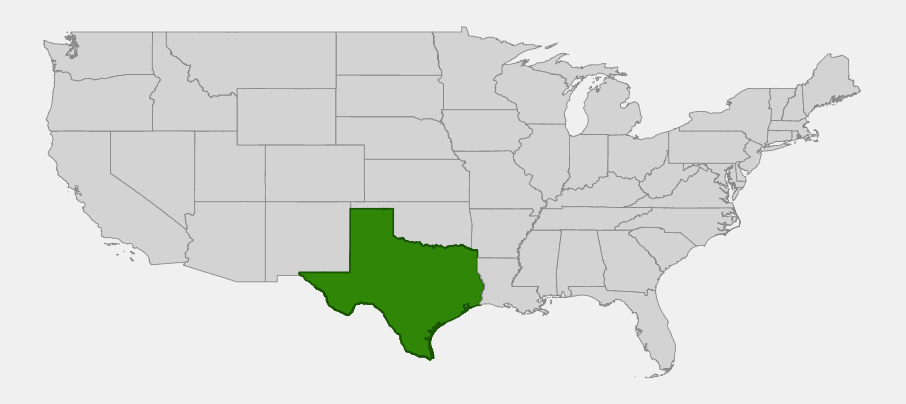
📋 Regional plant lists featuring Damiana: South and West Texas
Growing & Care Guide
Light
Damiana grows well in full sun to light part shade. In the hottest parts of its range, afternoon shade can help preserve flower quality, though it tolerates full sun readily given adequate soil moisture during establishment.
Soil & Water
Plant in well-drained, rocky, or sandy loam soil; it is not particular about fertility but does require sharp drainage. Water regularly during the first growing season to establish, then reduce to occasional deep watering; established plants are reasonably drought tolerant though not as extreme in their needs as some Chihuahuan Desert natives.
Planting Tips
Plant in spring once temperatures are reliably warm, choosing a site with full sun to light shade and good drainage. Space plants 2 to 3 feet apart for a informal massed planting or low hedge.
Pruning & Maintenance
Light trimming after a hard freeze removes cold-damaged growth, as Damiana can experience dieback at the colder edge of its hardiness range. Occasional light shaping during the growing season keeps plants compact and encourages continued bloom.
Propagation
Propagate from seed or from softwood cuttings taken during the growing season. Seed germination can be slow and uneven; cuttings are the more reliable method for producing true-to-type plants, which also helps avoid the common mislabeling issue with Turnera ulmifolia in commercial seed sources.
Landscape Uses
- Low xeriscape shrub or informal massed planting for South Texas gardens
- Pollinator planting for extended bloom season
- Aromatic-foliage accent near paths and seating areas
- Container planting in colder zones, overwintered indoors
Wildlife & Ecological Value
For Pollinators
The small yellow flowers, produced over a long bloom season, attract native bees and other small pollinating insects in South Texas thornscrub habitat, providing a useful nectar source through much of the warm season.
Birds
While not a major food plant for birds, the dense, low, brushy growth offers minor ground-level cover for small birds foraging in open thornscrub.
Mammals
The resinous, aromatic foliage generally discourages heavy browsing by deer and livestock, giving Damiana moderate natural resistance to grazing pressure.
Ecosystem Role
As a low, drought-adapted component of South Texas thornscrub, Damiana contributes to the structural diversity of its native habitat, filling a niche among taller, woodier shrubs like cenizo and acacia.
Cultural & Historical Uses
Damiana carries a long documented history of traditional use among Indigenous peoples of northern Mexico and South Texas, where the aromatic leaves were historically prepared as a tea or smoked, and the plant acquired a widespread folk reputation — particularly in 19th- and 20th-century Mexican and later U.S. herbal commerce — as a tonic and reputed aphrodisiac. This reputation is historical and cultural rather than a scientifically established medical fact, and this article does not endorse or recommend any medicinal use.
By the late 19th century, Damiana had become an ingredient in a number of patent medicines marketed in the United States, part of a broader era of herbal tonics sold with sweeping, often unverified health claims. Its bottled liqueur form, still produced in Mexico today, is sometimes poured in a bottle shaped to reference the plant’s traditional reputation.
Today, Damiana remains most significant in South Texas as a culturally meaningful native plant with deep roots in regional folk history, and increasingly as a low-maintenance native landscape shrub valued for its cheerful yellow flowers and genuine drought tolerance.
Frequently Asked Questions
Is Damiana the same plant sold in herbal tea and supplement products?
Often, though not always. Commercial “damiana” products can sometimes be derived from the unrelated species Turnera ulmifolia rather than true Turnera diffusa; this article covers the true native Texas species, not herbal product formulations, and makes no claims about the safety or efficacy of any commercial product.
Where does Damiana grow natively in the United States?
Only in the southernmost tip of Texas, in the Lower Rio Grande Valley and adjacent South Texas brushlands; it does not occur naturally elsewhere in the U.S.
How cold-hardy is Damiana?
It is reliably hardy only in USDA zones 9–11 and can experience significant dieback or fail to survive hard freezes outside its native South Texas range.
How much water does Damiana need?
Moderate water during establishment, tapering to occasional deep watering once established; it prefers well-drained soil and does not tolerate waterlogged conditions.
What does Damiana smell like?
Its leaves release a distinctive resinous, musky, slightly camphor-like aroma when crushed, a useful identification trait that distinguishes true Damiana from the larger-leaved, less aromatic Turnera ulmifolia sometimes mislabeled under the same common name.
Looking for a nursery that carries native plants for your area? Check this regional native plant nursery directory: Texas.