
Desert Cotton (Gossypium thurberi)
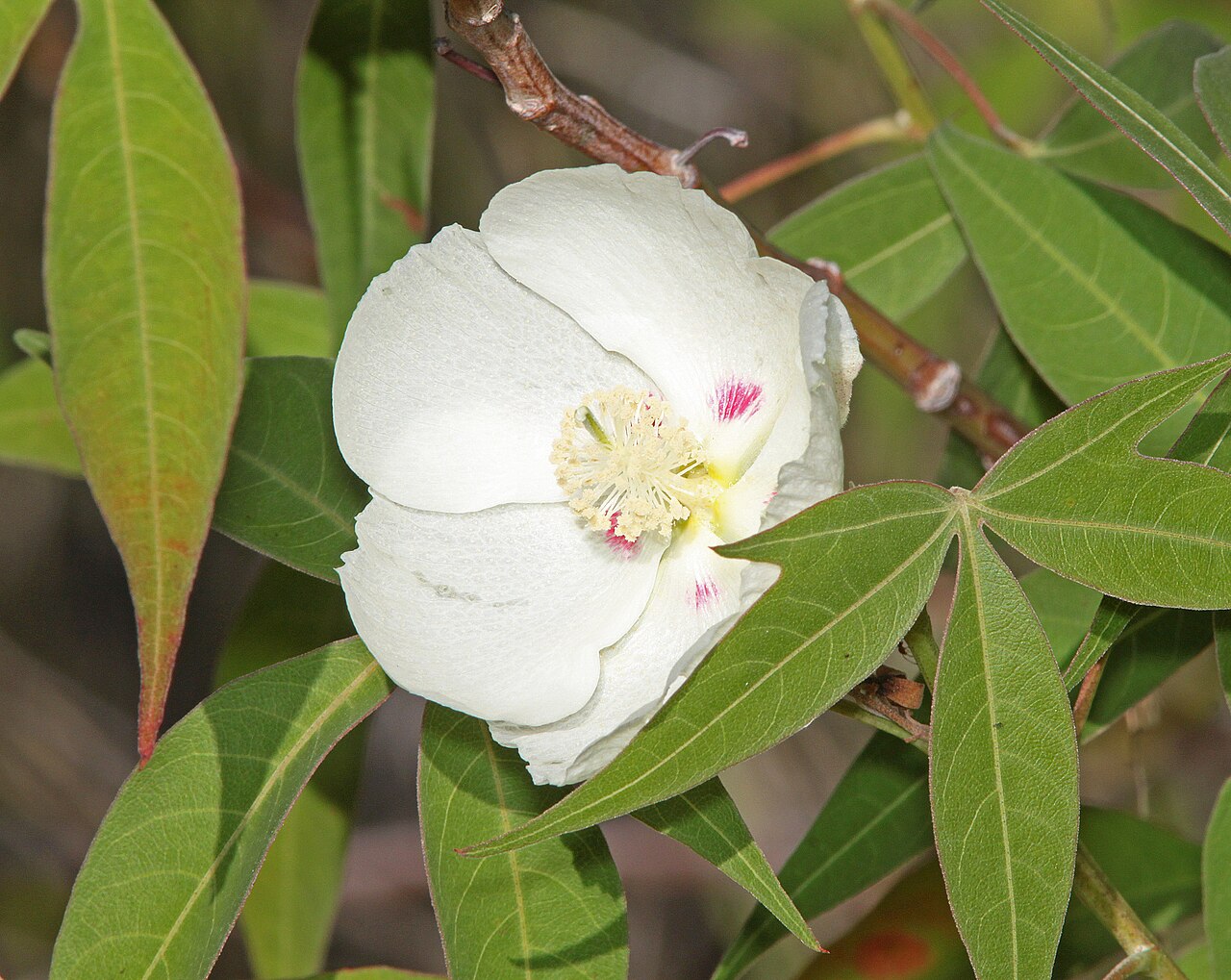
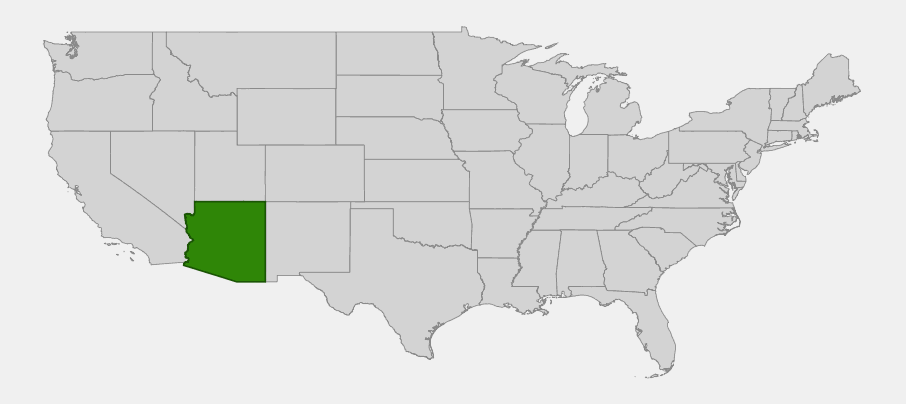
Gossypium thurberi, known as Desert Cotton, Arizona wild cotton or Thurber’s cotton, is a native wild cotton of the Sonoran Desert region. In the United States it grows only in Arizona, mostly in rocky canyons and on hillsides in the mountains of the southeastern part of the state, and it ranges south into Sonora and Chihuahua, Mexico.
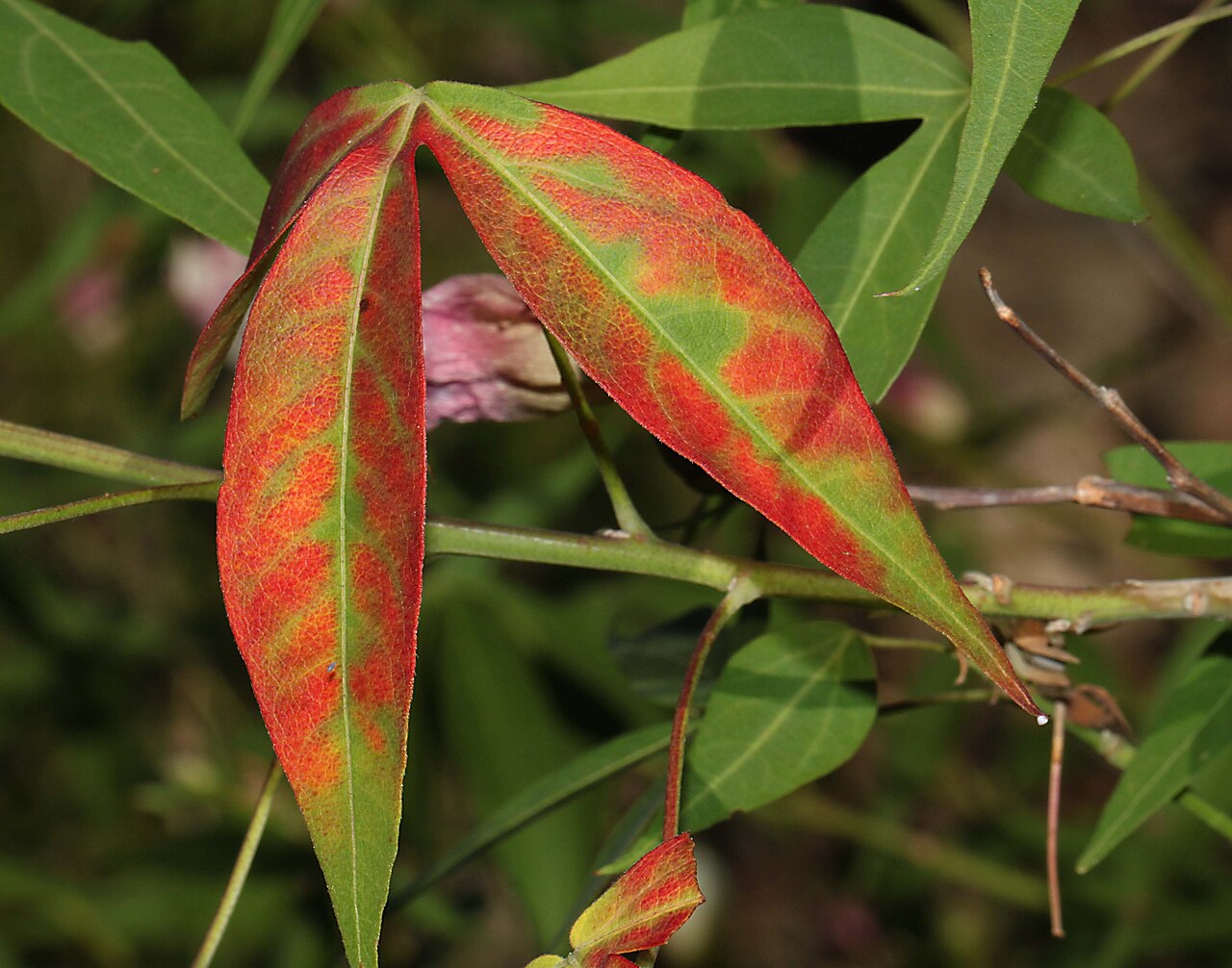
It is a loose, airy deciduous shrub with deeply lobed, palm-shaped leaves, creamy white to pale pink, hibiscus-like flowers in late summer and fall, and small capsules of fuzzy seeds. Unlike commercial cotton, it does not produce long, usable lint. In fall the leaves turn red, orange and maroon, making it one of the few desert shrubs with real autumn color.
Desert cotton is popular in southern Arizona landscapes for its light texture, long bloom season and fall color, and it is an important host plant for several native moths. This guide covers how to identify it, where it grows, how to grow it in a desert garden and its value to wildlife.
Identification
Desert cotton is a slender, open shrub with deeply divided, palm-shaped leaves, cup-shaped cream flowers with red basal spots, and small, rounded capsules.
Form & Stems
It usually grows 3 to 6 feet tall, occasionally to 10 feet, with several slender, upright branches and an open, airy shape. The stems are smooth and green to reddish when young, becoming gray with age. Like other cottons, the plant is dotted with tiny dark oil glands.
Leaves
The leaves are alternate, 2 to 5 inches across and deeply divided into three to five narrow, pointed lobes, like an outstretched hand. They are bright green in summer and turn red, orange and maroon in fall before dropping.
Flowers
From late summer into fall, after the monsoon rains, it bears cup-shaped flowers about 1 to 1½ inches across, with five creamy white to pale yellow or pinkish petals, each with a small red to purple spot at the base. A column of yellow stamens rises from the center, as in other members of the mallow family. Below each flower are small, toothed bracts.
Fruit
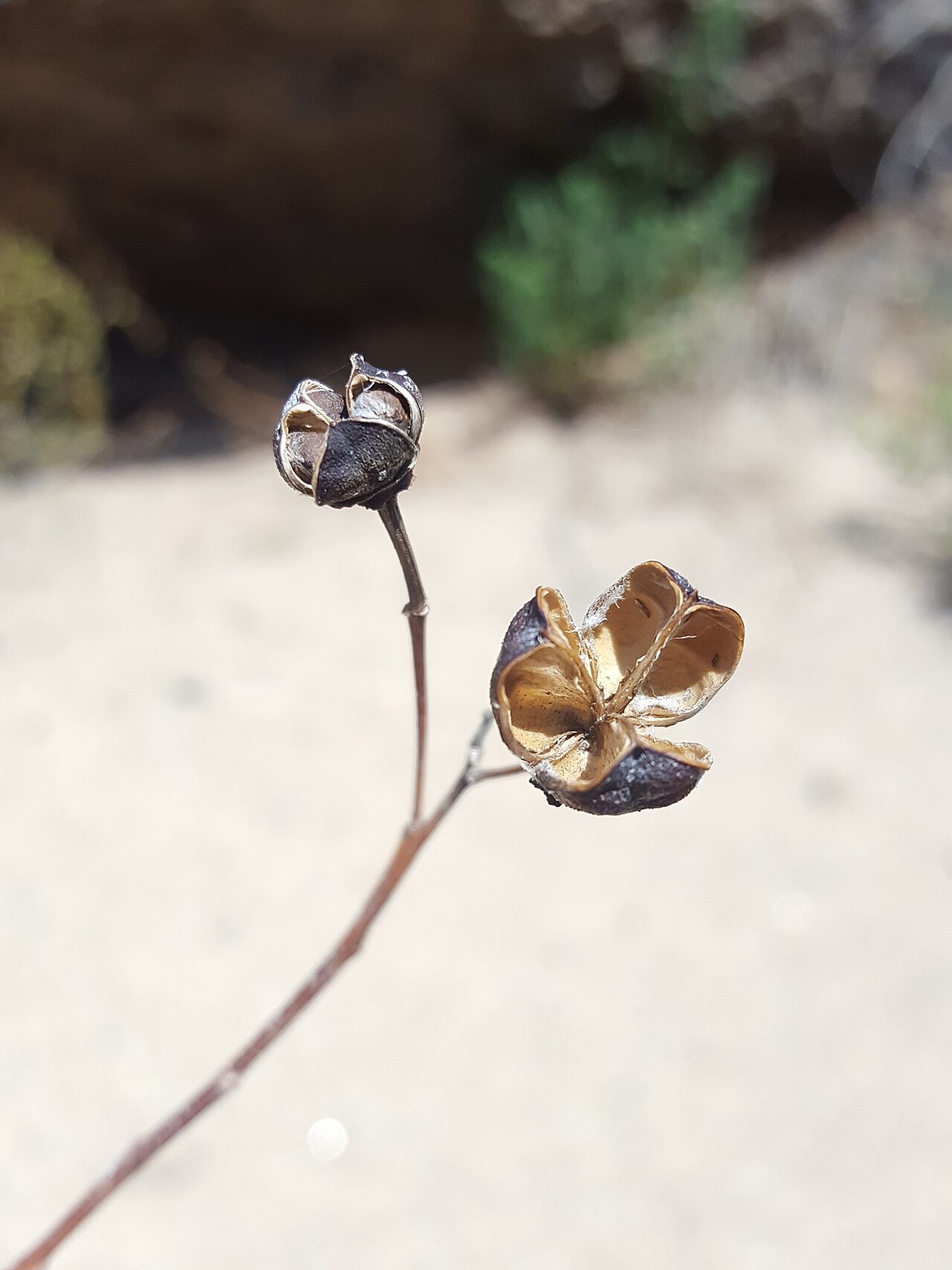
The fruit is a small, rounded, three-parted capsule, about ½ inch long, that ripens brown in fall and splits open to show seeds covered in short, brownish fuzz. The fuzz is too short to spin, so the plant has never been grown for fiber.
Quick Facts
| Scientific Name | Gossypium thurberi Tod. (syn. Thurberia thespesioides) |
| Family | Malvaceae (mallow family) |
| Plant Type | Deciduous shrub |
| Mature Height | 3–6 ft (occasionally to 10 ft) |
| Mature Spread | 3–5 ft |
| Growth Rate | Moderate to fast |
| Sun Exposure | Full sun to partial shade |
| Water Needs | Low; drought tolerant once established |
| Soil Type | Rocky, gravelly or sandy, well-drained |
| Soil pH | About 6.5–8.0 |
| Bloom Time | July–October |
| Flower Color | Cream to pale yellow or pale pink with red basal spots |
| Fall Color | Red, orange and maroon |
| Fruit | Small three-parted capsule with fuzzy seeds |
| Deer Resistant | Moderate |
| USDA Hardiness Zones | 8–10 |
Native Range
Desert cotton is native to the Sonoran Desert and adjacent mountains. USDA PLANTS lists it only in Arizona, where it grows mainly in the mountains and foothills of the southeastern and south-central parts of the state, including the Santa Catalina Mountains near Tucson. South of the border, it ranges through Sonora and into Chihuahua, Mexico.
It is a plant of the upper desert and desert grassland, from roughly 2,500 to 5,500 feet in elevation. It grows on rocky slopes, in canyon bottoms, along the banks of seasonal streams and among boulders, often with oaks, mesquite and other shrubs.
Within its range it can be locally common, especially in rocky canyons that collect extra runoff. It is the only wild cotton native to the mainland United States outside of the Florida Keys and South Florida, where the wild form of upland cotton grows on coastal hammocks.
📋 Regional plant lists featuring Desert Cotton: Arizona & New Mexico
Growing & Care Guide
Desert cotton is widely grown in southern Arizona and is available from native and desert plant nurseries. It is easy to grow, fast to establish and valued for its long bloom season, airy texture and fall color. It suits zones 8 to 10 in dry, hot climates.
Light
Full sun gives the densest growth and the best fall color. It also does well in partial or afternoon shade, which it often gets in the wild in canyons, and looks lusher with some shade in low-desert gardens.
Soil & Water
It needs well-drained, rocky, gravelly or sandy soil and is very drought tolerant once established. In the low desert, water deeply every two to four weeks in summer to keep it leafy and blooming; in its native mid-elevation range, rainfall is usually enough. Avoid heavy, wet soil.
Planting Tips
Plant in fall or early spring, 3 to 5 feet apart. Use it in a mixed desert border, along a wash or as a light screen. It is hardy to about 15°F and may die back in hard freezes but usually regrows from the base.
Pruning & Maintenance
Cut it back by up to one-half in late winter to keep it full and compact, since it can become leggy. Remove frost-damaged stems in spring.
Propagation
It grows easily from seed. Soak seed in warm water overnight or nick the coat, then sow in spring or early summer in warm soil. It often reseeds lightly in gardens. Stem cuttings in summer can also root.
Landscape Uses
- Desert gardens: airy texture, late-summer flowers and fall color
- Wildlife and butterfly gardens: host for native moths and nectar for bees
- Washes and rocky slopes: fits naturalistic, low-water plantings
- Light screen or border: fast, open growth to about 6 ft
Wildlife & Ecological Value
Desert cotton supports a remarkable variety of insects, including several moths that depend on wild cotton.
For Pollinators
The flowers are visited by native bees, including large carpenter and bumble bees, and other insects for nectar and pollen. Like other cottons, it also has nectar glands on the leaves and below the flowers that attract ants and wasps.
For Birds
Quail, doves and other seed-eating birds eat seeds that fall from the opened capsules, and the shrubs provide cover in rocky canyons.
For Mammals
Deer and other browsers occasionally eat the leaves. The seeds, like those of other cottons, contain gossypol, a compound that can be harmful to some animals in large amounts.
Ecosystem Role
It is the host plant for the caterpillars of the splendid royal moth (Citheronia splendens), the cotton moth Thurberiphaga diffusa and the cotton leaf perforator (Bucculatrix thurberiella), among others. It is also the native host of the Thurberia weevil, a wild relative of the boll weevil.
Cultural & Historical Uses
The species is named for George Thurber, an American botanist who collected plants in the Southwest as part of the U.S.–Mexico Boundary Survey in the mid-1800s. It was once placed in its own genus as Thurberia thespesioides, and that name still appears in older books.
In the early 20th century, because desert cotton hosts a wild relative of the boll weevil, government programs in Arizona tried to remove wild cotton from some mountain canyons to protect the commercial cotton crop. The effort did not last, and the shrub remains common in its native canyons.
Desert cotton is a wild relative of the cottons grown for fiber and is studied by plant breeders as a source of genes for pest and drought resistance.
Frequently Asked Questions
Is desert cotton the same as cotton used for fabric?
No. It is a wild relative in the same genus, but its seeds are covered with short, brownish fuzz instead of the long lint of commercial cotton.
Where does desert cotton grow?
In rocky canyons and on slopes in southern Arizona, mostly from about 2,500 to 5,500 feet, and south into Sonora and Chihuahua, Mexico.
When does desert cotton bloom?
From about July to October, after the summer monsoon rains begin.
Does desert cotton have fall color?
Yes. Its deeply lobed leaves turn red, orange and maroon in fall, which is unusual for a desert shrub.
Is desert cotton good for wildlife?
Yes. It hosts the caterpillars of the splendid royal moth and other native moths, and its flowers feed native bees.

Looking for a nursery that carries Desert Cotton?
Browse our native plant nursery directory: Arizona

