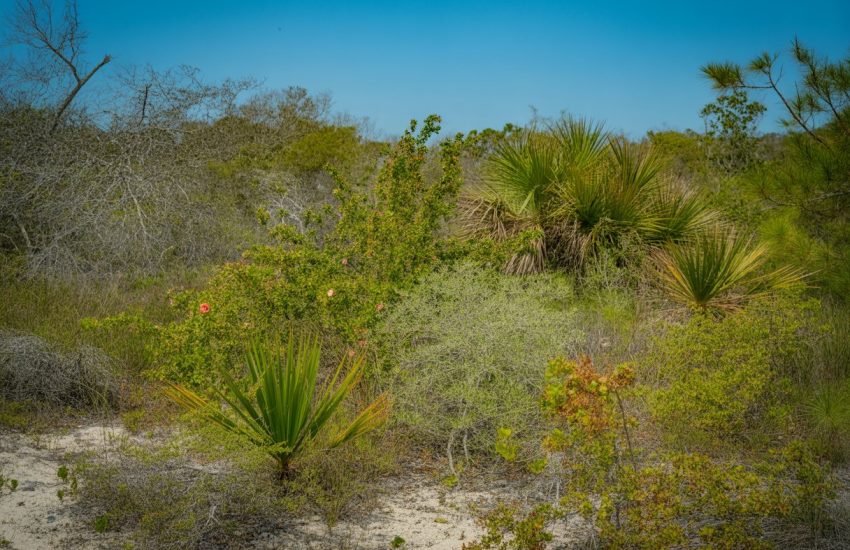
Golden Ragwort (Packera aurea)
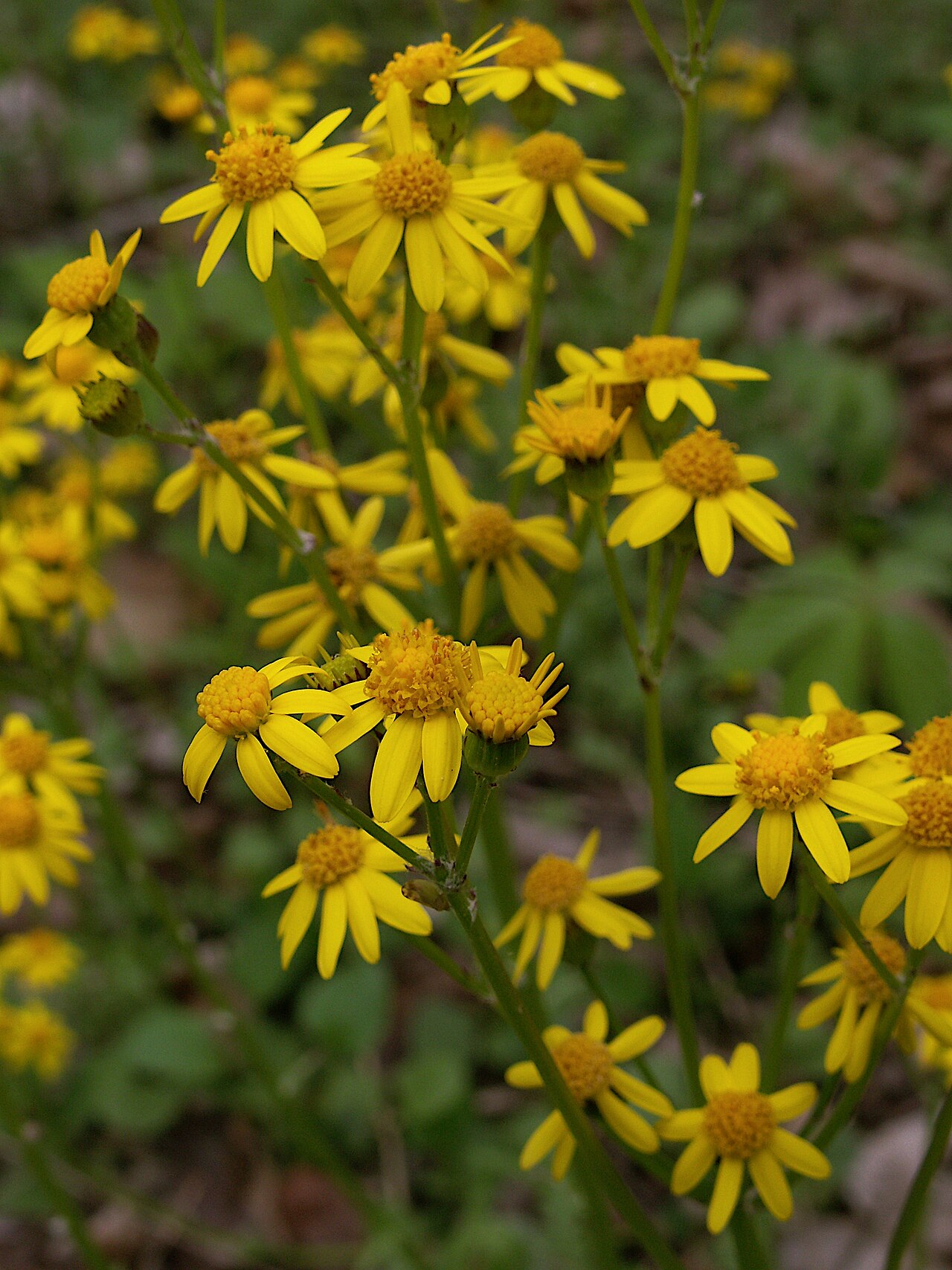
Golden ragwort turns a moist woodland edge into a spring display of yellow flower heads held above a carpet of rounded leaves. Packera aurea is a native perennial in the daisy family, useful when a garden needs living cover rather than another layer of mulch. Its flowering stems are temporary, but the basal foliage can remain attractive through much of the growing season when moisture is adequate.
The name in many older regional lists is Senecio aureus. That is a synonym of Packera aurea, not a separate plant to buy or a reason to create two information pages. It is also not ragweed, despite the similar English name. Golden ragwort has conspicuous insect-visited flower heads and a distinctive contrast between broad basal leaves and more divided leaves higher on the flowering stems.
Give this plant a site that suits its wet-woodland and stream-margin character, and allow for a colony rather than expecting a motionless individual. It is particularly useful in moist partial shade. It is not a dry-bank replacement for sweet goldenrod, and it should not be treated as an edible herb. The regional guidance below also makes clear where broad horticultural descriptions and a modern botanical range list do not agree.
Identification
Stems and seasonal form
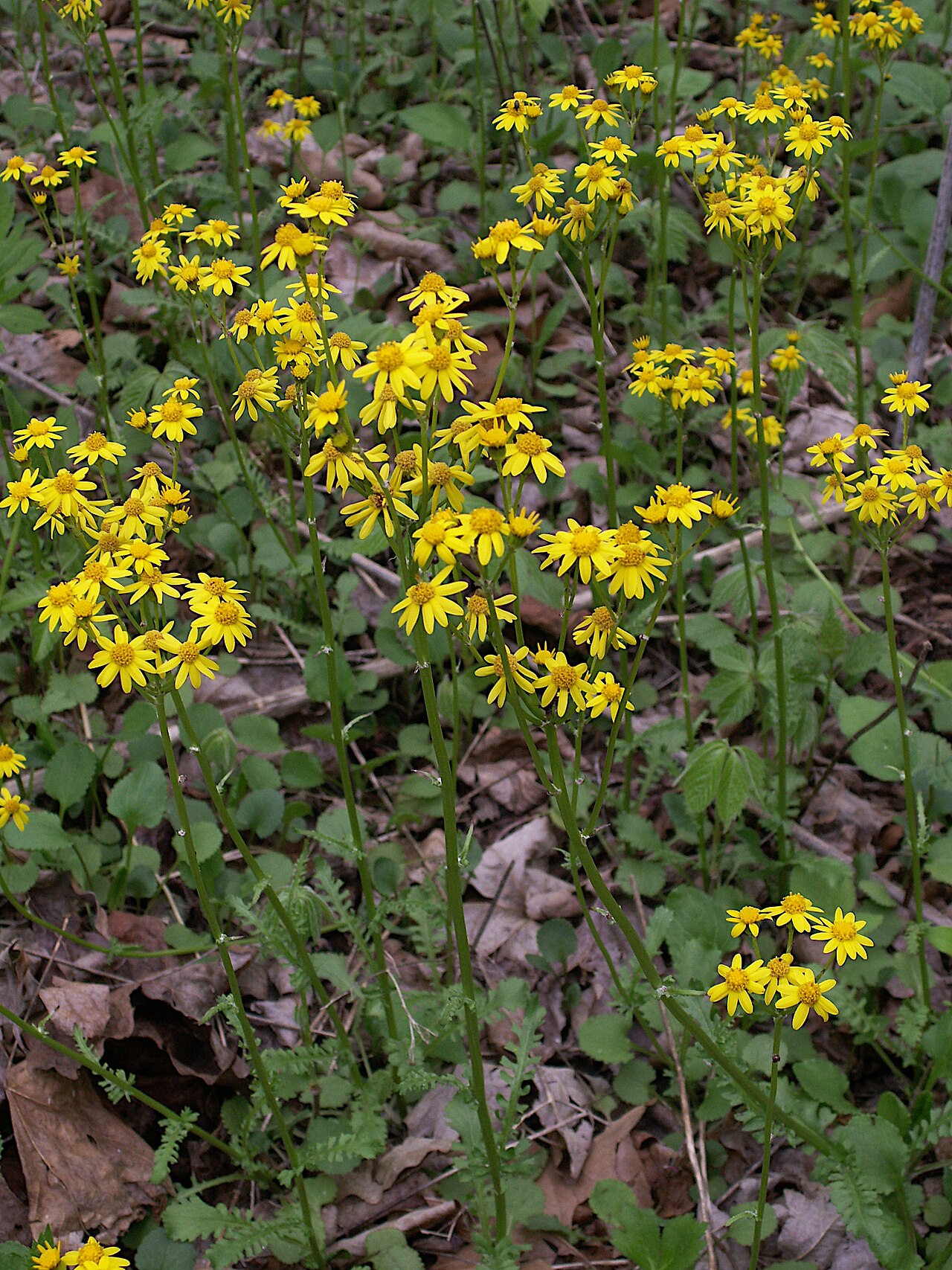
Golden ragwort has low basal foliage and taller flowering stems, generally reaching about 6–30 inches overall. A photograph taken after flower stems are cut back can therefore look very different from one at spring peak. Flowering stems rise out of the leafy colony, branching toward the upper flower cluster. The plant spreads by rhizomes and can also seed into nearby openings, so the apparent width of a patch is not the spread of a single original crown.
Basal and stem leaves
The basal leaves are long-stalked, broadly heart-shaped to rounded, with blunt teeth around the margin. Higher stem leaves are narrower and often more divided. This difference between leaf positions is a useful identification clue. Looking only at one dissected stem leaf can obscure the species’ most recognizable feature: the substantial rounded leaves at ground level. Photograph both forms when asking for an identification.
Flowers
Numerous yellow daisy-like heads are grouped above the foliage in spring. Each head contains many tiny florets, including showy yellow rays and a yellow center. The display usually precedes that of the familiar late-season goldenrods. Timing, foliage and growth habit together separate this plant from other yellow composites more reliably than a casual glance at flower color.
Seed heads and related species
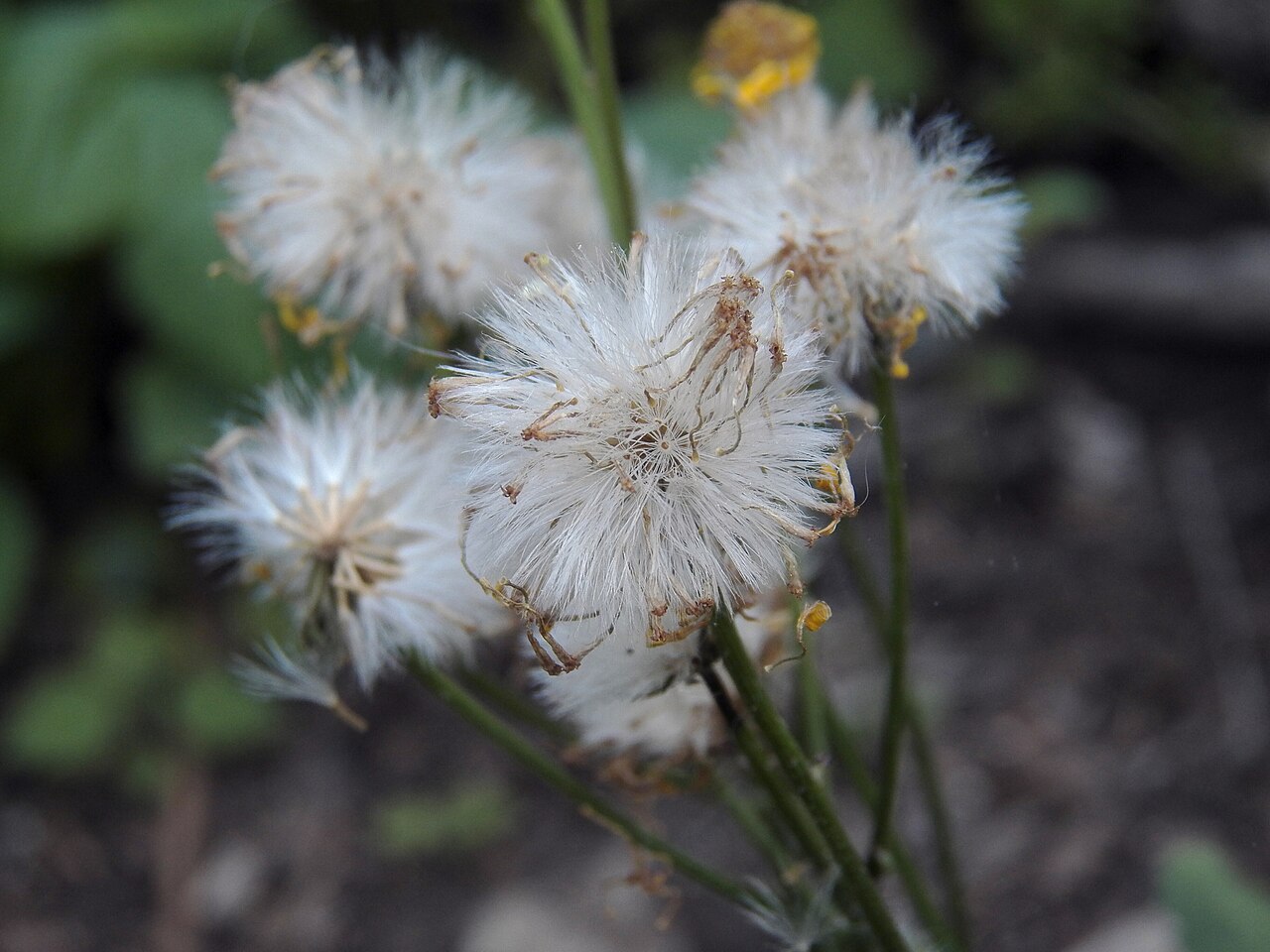
After bloom, the heads develop small dry fruits with white hairlike tufts that assist wind dispersal. Several other Packera species occur in eastern North America. For example, the Native Plant Trust key distinguishes P. aurea’s conspicuously heart-shaped, blunt-toothed basal leaves from the sharper teeth and less strongly heart-shaped base of P. schweinitziana. Do not identify all spring yellow ragworts as golden ragwort or substitute photographs of a different species.
Quick Facts
| Scientific Name | Packera aurea (synonym Senecio aureus) |
| Family | Asteraceae (daisy family) |
| Plant Type | Rhizomatous herbaceous perennial and groundcover |
| Mature Height | About 6–30 inches; flowering stems taller than basal foliage |
| Mature Spread | Individual clumps about 6–18 inches; colonies expand beyond that |
| Growth Rate | Moderate; spreading where moisture is suitable |
| Sun Exposure | Part shade to full sun with adequate moisture |
| Water Needs | Moist to occasionally wet; do not let the root zone repeatedly dry |
| Soil Type | Moist loam or organic woodland soil |
| Soil pH | Often acidic to near neutral; use local soil conditions |
| Bloom Time | Spring; typically earlier than goldenrods |
| Flower Color | Yellow |
| Fall Color | Basal foliage may persist in mild climates |
| Fruit | Small dry fruits with white dispersal tufts |
| Deer Resistant | Do not rely on resistance; plant is not suitable as forage |
| USDA Hardiness Zones | Commonly zones 3–8 |
Native Range
Packera aurea occurs across much of eastern North America, extending into central states and eastern Canada. Moist woods, wet meadows, stream banks, swamp margins and similar sites explain its distribution better than a generic label such as shade plant. The map on this page follows Kew’s state-level native list, and the Native Plant Trust account independently documents the species across New England’s wetland-associated habitats.
The original regional table spans Arkansas, Louisiana, eastern Oklahoma and eastern Texas. Kew explicitly includes Arkansas and Oklahoma but does not include Louisiana or Texas in the range treatment used here. NC State and Missouri Botanical Garden use broader wording extending to Texas. Rather than silently choosing the widest interpretation, this page flags that difference and uses the narrower mapped list; verify local herbarium and county records before presenting it as indigenous in Louisiana or Texas.
Canadian records in Kew extend from Manitoba and Ontario eastward through Quebec and the Atlantic provinces, including Newfoundland and Labrador. The U.S.-only state map does not depict that Canadian portion. Within any shaded state, suitable moisture and documented local occurrence still matter. A nursery-propagated plant can be a good garden groundcover without its source being appropriate for a particular restoration site.
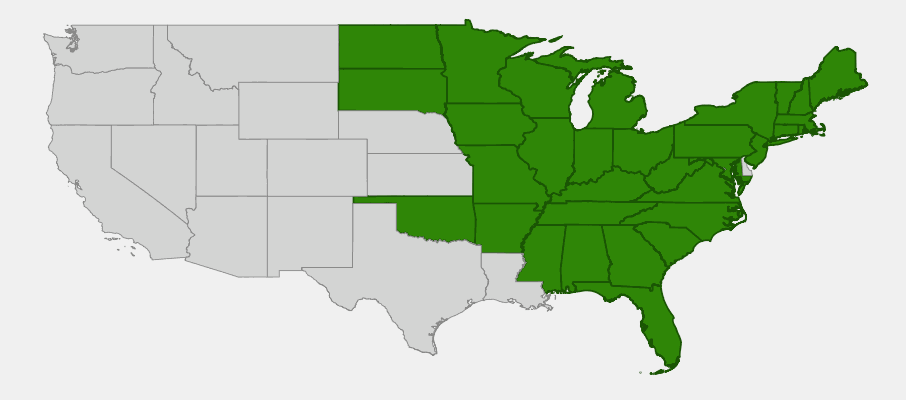
📋 Regional plant list: Arkansas, Louisiana, Eastern Oklahoma and Eastern Texas
Growing & Care Guide
Light
Partial shade is an especially useful garden setting, particularly where trees provide filtered light and the soil retains moisture. Full sun can work if moisture remains dependable. Deep dry shade is a different condition and should not be treated as equivalent. Watch the site after deciduous trees leaf out and during summer drought, not only during the plant’s bright spring flowering period.
Soil and water
Keep the root zone consistently moist without assuming that every garden needs permanent standing water. A moist woodland loam, rain-garden margin or streamside-style bed is a better model than a hot gravel bank. New plants need watering while their roots move into surrounding soil. If a colony wilts repeatedly or loses its basal cover in summer, investigate drying and tree-root competition before trying to solve the problem with fertilizer.
Planting
Set nursery-grown plants at their original soil level and allow space for the basal leaves to spread. Planting a modest group and observing one full season is often wiser than filling a whole bed immediately. Remove invasive weeds before installation so that rhizomes do not become entangled with an established weed problem. Keep labels where they can be found after the flowering stems disappear; low rosettes can be mistaken for something newly arrived.
Pruning and maintenance
After flowering, stems can be cut back to the basal foliage for a neater groundcover. Leave some seed heads if recruitment is welcome. Do not scalp the entire planting simply because the flower display has ended: the basal leaves are the continuing ornamental and soil-covering component. Inspect boundaries and remove unwanted spread before it enters small neighboring plants. Gloves are sensible when handling a species reported to cause contact irritation.
Propagation
Division offers a straightforward way to expand a healthy garden colony while preserving its identity. Move rooted portions in a suitable cool period, keep roots moist and water them into their new location. Seed can also be used, but follow source-specific advice for storage and pretreatment. Avoid collecting whole plants from natural wetlands. Nursery propagation provides a way to obtain the garden benefit without damaging the populations that make the species native in the first place.
Containment and safety
Golden ragwort can spread vigorously in a favorable moist bed, so use it where a connected patch is wanted. Keep it away from a prized collection of tiny slow-growing woodland plants unless you are prepared to manage the boundary. It contains pyrrolizidine alkaloids and is not a culinary herb, tea ingredient or livestock forage recommendation. Historical medicinal names do not establish safe use. In gardens used by children or grazing animals, placement and clear identification deserve particular attention.
Landscape Uses
- A moist partial-shade groundcover beneath open-canopied trees.
- A rain-garden edge where soil remains damp but the crown is not buried.
- A spring-flowering patch beside a woodland path.
- A naturalistic colony with equally robust, moisture-compatible native neighbors.
Wildlife & Ecological Value
Pollinators
Spring flower heads attract bees, butterflies and other visiting insects. Their value is strongest as one component of a sequence of native flowers rather than a single brief display. Keep insecticides away from the flowering colony and retain nearby plants that bloom later. Where a patch is maintained as groundcover, leaving some flowers instead of cutting all stems early preserves that seasonal resource.
Birds
The dry seeds and associated insects can contribute to a garden food web, but this is not a berry-producing shrub. A few retained seed heads offer a different management choice from cutting everything immediately after bloom. Balance that option with the amount of self-sowing the bed can accept. Broader bird habitat still depends on structural diversity, including shrubs and trees where space permits.
Mammals
Chemical defenses are a reason to avoid using this plant as forage, not a reason to promise that deer will never touch it. Do not feed cuttings to animals. Gardeners concerned about pets or browsing livestock should place the colony where access can be managed. This guide emphasizes the plant’s groundcover and insect value rather than making unsupported claims about mammal benefits.
Ecosystem role
A living leaf layer can occupy soil that would otherwise remain bare or repeatedly mulched. In suitable moist shade, a connected colony can make routine weeding easier once established. It does not automatically exclude every invasive plant, and it should not be introduced beyond its local range as a universal woodland solution. The strongest ecological use is a documented local species grown from responsibly propagated regional material.
Cultural & Historical Uses
The change from Senecio aureus to Packera aurea is an important part of this plant’s paper trail. Older books, nursery records and regional lists may use the former name, while current accounts use the latter. Keeping the synonym visible allows those records to be reconciled without treating one plant as two separate species.
Many historical common names allude to medicinal use. That history should not be converted into a home remedy: modern horticultural sources flag toxicity associated with pyrrolizidine alkaloids, and contact irritation is also reported. The appropriate role in this guide is an ornamental native groundcover, not an ingestible preparation.
A useful contemporary cultural shift is the use of native woodland plants as living groundcover. Golden ragwort can demonstrate both the benefits and responsibilities of that approach: early flowers and persistent leaves, together with the need to manage spread and select the right site. Purchasing propagated material, recording its source and observing how the colony behaves are practical conservation habits.
Frequently Asked Questions
Are Senecio aureus and Packera aurea the same plant?
Yes, Senecio aureus is a synonym of Packera aurea. Confirm the full species name because many unrelated or different plants are also called ragwort.
Can golden ragwort grow in dry shade?
It prefers dependable moisture. Shade alone is not enough if tree roots and summer weather leave the soil repeatedly dry.
Will it remain a small clump?
Not necessarily. Rhizomes and seedlings can form a colony. Use it where groundcover is wanted and manage the edges around smaller plants.
Is it safe to make tea from it?
No use as tea or medicine is recommended. It contains toxic pyrrolizidine alkaloids, and historical names are not evidence of safety.
Is it native everywhere in the regional table?
No such blanket claim is made. Arkansas and Oklahoma are in the Kew range used here; Louisiana and Texas require local verification because sources differ.
Sources & Further Reading
- NC State Extension: golden ragwort and toxicity notes
- Kew: Packera aurea taxonomy and native distribution
- Native Plant Trust: golden groundsel identification
- Missouri Botanical Garden: garden culture
- USDA PLANTS: golden ragwort
Find Native Plants
Ask growers about nursery propagation and regional provenance. Browse our AR native plant nurseries, LA native plant nurseries, OK native plant nurseries, TX native plant nurseries directory for suppliers. Explore the native nursery finder.