
Lonomea (Sapindus oahuensis)
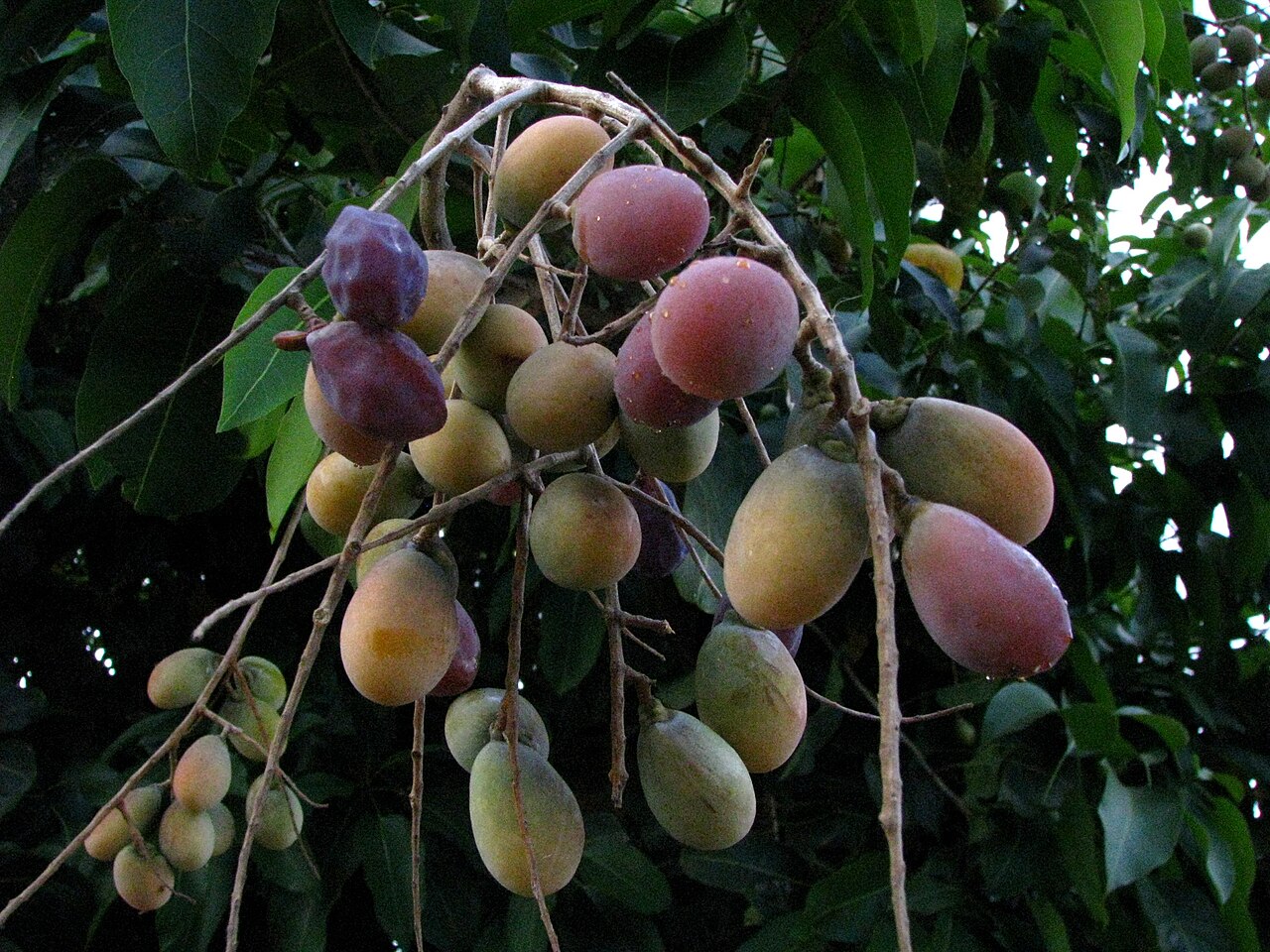
Sapindus oahuensis (listed by USDA PLANTS as Sapindus oahuense), known in Hawaiian as Lonomea, Āulu or Kaulu, and in English as the Oʻahu soapberry, is an endemic Hawaiian tree found naturally only on Kauaʻi and Oʻahu. It has glossy, simple leaves with a yellow midrib, sprays of small creamy flowers, and clusters of leathery, date-like fruits that smell sweetly of figs or raisins.
Unlike most soapberries, including the native mānele (Sapindus saponaria) and its mainland form, Western Soapberry, lonomea has simple rather than compound leaves. Like its relatives, its fruit pulp contains saponins, soap-like compounds that make a lather in water and are poisonous if eaten.
Lonomea is a rare tree of dry and mesic forests, listed as Vulnerable on the IUCN Red List, but it is a tough, drought-tolerant shade tree in cultivation and a fine choice for native landscapes in Hawaiʻi. This guide covers how to recognize it, where it grows, how to grow it, and its traditional uses.
Identification
Hawaiʻi has two native soapberries. Lonomea (S. oahuensis), with simple leaves, is endemic to Kauaʻi and Oʻahu; mānele (S. saponaria), with compound leaves, also grows wild in Hawaiʻi and is found widely in the tropical and subtropical Americas.
Growth Habit
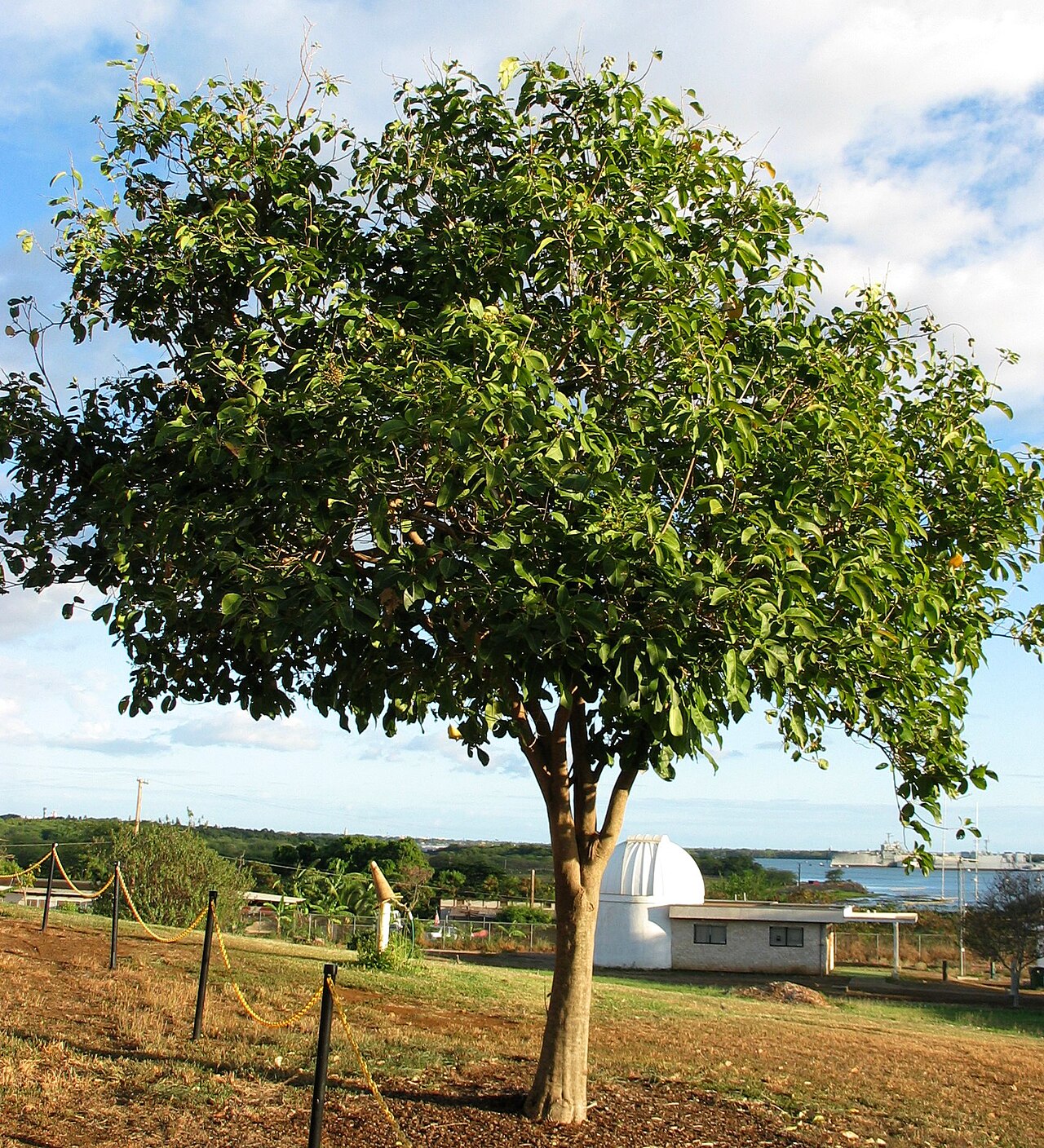
Lonomea is an evergreen tree typically 30 to 50 feet tall in the wild, and occasionally to about 60 feet, with a trunk up to about 1½ feet thick and a broad, rounded crown that can spread 40 feet or more. In gardens it is often smaller. Young twigs are covered with yellowish-brown fuzz, and the bark is gray to whitish.
Leaves
The leaves are alternate and simple, a striking difference from the compound leaves of most Sapindus. They are oval to elliptic, leathery, hairless and dark green, about 3 to 10 inches long, with a prominent yellow midrib.
Flowers
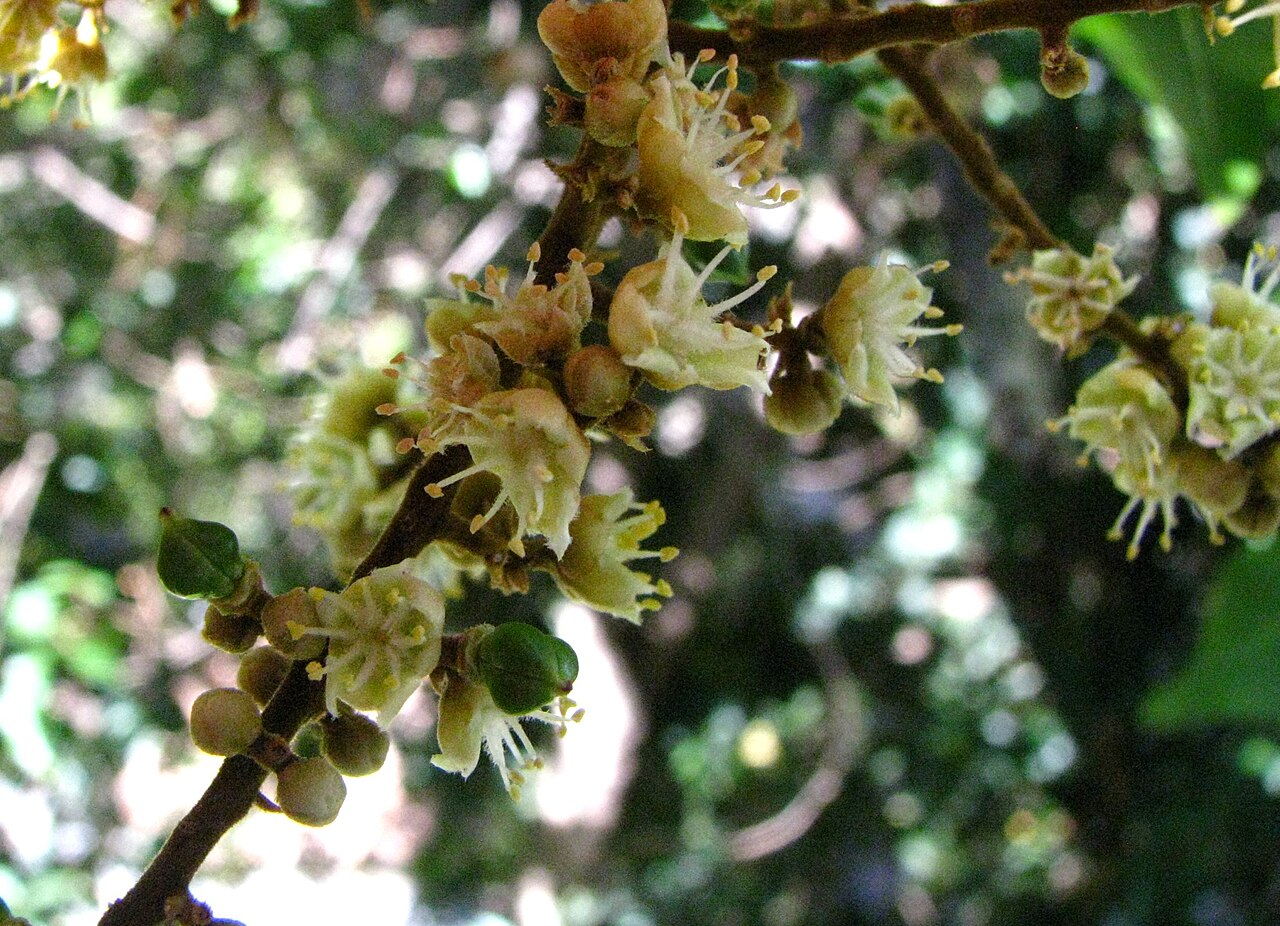
The small flowers are creamy white to greenish yellow and bell-shaped, borne in branched clusters (panicles) from the leaf axils and branch tips. Male and female flowers occur in the same clusters. Flowering can occur in spring, summer and winter.
Fruit
The fruit is an oblong to oval, leathery berry about ¾ inch long or a little more, ripening from green to purplish brown, wrinkling as it dries. It looks like a date and has a fig- or raisin-like smell, but it is not edible. Each contains a single large, very hard, black seed. The fruits have air pockets that let them float, which may be how the species first reached Hawaiʻi.
Similar Species
Mānele (Sapindus saponaria) has pinnately compound leaves and round, translucent amber fruits. Introduced lychee and longan, also in the soapberry family, have compound leaves and edible fruit with a fleshy aril. The native Lama of dry forests has smaller, leathery leaves and orange to red fruits.
Quick Facts
| Scientific Name | Sapindus oahuensis Hillebr. ex Radlk. (USDA: Sapindus oahuense) |
| Family | Sapindaceae (soapberry family) |
| Plant Type | Evergreen tree; endemic to Kauaʻi and Oʻahu |
| Mature Height | 30–50 ft (occasionally to about 60 ft) |
| Mature Spread | 20–40 ft or more |
| Growth Rate | Moderate |
| Sun Exposure | Full sun to part shade |
| Water Needs | Low; drought tolerant once established |
| Soil Type | Well-drained soils, including sand, cinder and coral |
| Soil pH | Slightly acidic to alkaline, about 6.0–8.0 |
| Bloom Time | Spring, summer and winter |
| Flower Color | Creamy white to greenish yellow |
| Fall Color | None; evergreen |
| Fruit | Leathery, date-like berry with one large black seed; not edible (contains saponins) |
| Deer Resistant | Fairly; foliage is little browsed, but seedlings can be damaged by goats |
| USDA Hardiness Zones | 10–12 |
Native Range
Lonomea is endemic to the Hawaiian Islands. USDA PLANTS records it only from Hawaiʻi, and it grows naturally on just two islands: northwest Kauaʻi, including the Waimea Canyon area, and Oʻahu, in the Waiʻanae Mountains and the leeward Koʻolau Range, roughly from Waimalu to Niu valleys.
It grows in dry and mesic forests, usually on slopes, ridges and in valleys from about 200 to 2,000 feet elevation, in areas with less than 100 inches of rain a year. These semi-deciduous dry and mesic forests are among the most endangered habitats in Hawaiʻi; lonomea grows there with trees such as Lama, ʻAlaʻa, Olopua and ʻAlaheʻe.
Lonomea is not federally listed on the USFWS ECOS database, but it is rare: the IUCN Red List assesses it as Vulnerable, most recently in 2023. Wild trees are threatened by habitat loss, fire, feral goats and pigs, rats that eat the seeds, and invasive trees and grasses that crowd out seedlings. Plant only nursery-propagated trees from Hawaiian native plant nurseries, and never collect seeds or plants from the wild.
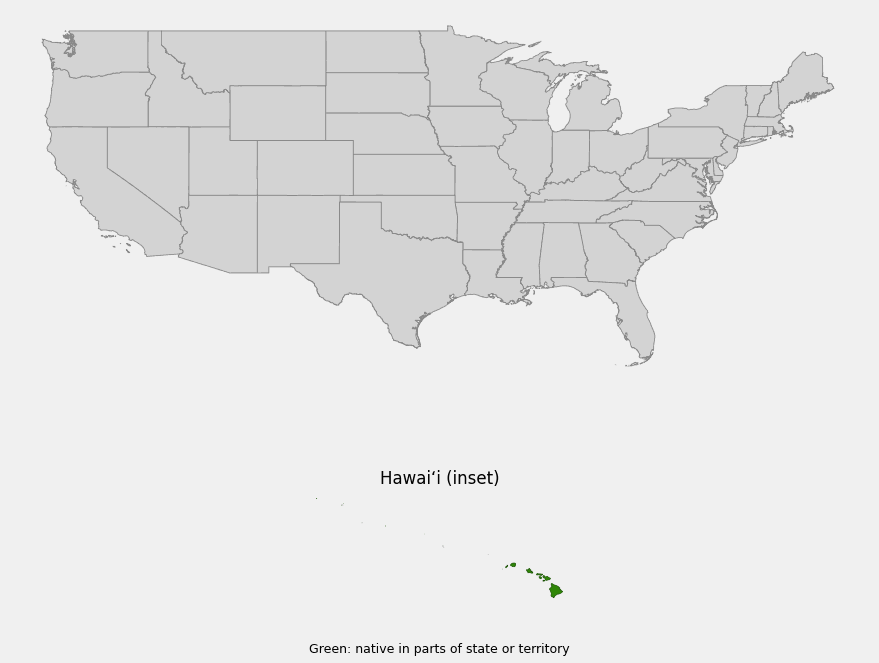
📋 Regional plant lists featuring Lonomea: Hawaii
Growing & Care Guide
Lonomea is a true xeric tree and one of the easier rare Hawaiian natives to grow, suitable for gardens from near sea level to about 2,000 feet. Because it is rare in the wild, buy only nursery-propagated trees from Hawaiian native plant nurseries; never collect seed or plants from wild trees. Hawaiʻi restricts bringing plants in from other states, and lonomea is essentially unavailable outside the islands. Safety note: the fruit is not edible. Like other soapberries, it contains saponins that can cause stomach upset and vomiting if eaten and can irritate the eyes, so keep fruit away from children and pets.
Light
Plant in full sun to part shade. It tolerates some shade but needs direct sun for part of every day to grow and flower well.
Soil & Water
Lonomea needs well-drained soil and adapts to sand, cinder and coral soils. Water regularly while young; once established, water only about once a month during the driest months. Overwatering and poorly drained soil can cause stem and root rot. It tolerates drought and wind well.
Planting Tips
Give it room: mature trees can spread 40 feet or more, so plant at least 20 feet from buildings. It makes a good shade or specimen tree and a screen or windbreak, and it pairs well with ʻaʻaliʻi, native ferns and groundcovers. Fallen fruit and leaves can be raked up in formal areas or left as mulch in natural settings.
Pruning & Maintenance
Little pruning is needed; remove dead or crossing branches as needed. When young, apply a balanced slow-release fertilizer with minor elements every six months, and a dilute foliar feed monthly. Watch for whiteflies, small gray weevils, Chinese rose beetles, which chew holes in leaves, and black twig borer, which can kill branch tips.
Propagation
Grow lonomea from fresh seed. Clean the pulp off the seed (wear gloves, since the saponins can irritate skin and eyes), and nick or file the very hard seed coat or soak it to speed germination. Germination may take several weeks to months. Seedlings grow at a moderate rate and should be protected from slugs and from overwatering.
Landscape Uses
- Shade and specimen trees: a handsome, drought-tolerant native shade tree
- Screens and windbreaks: tolerates wind and dry conditions
- Dry-forest restoration: part of Hawaiʻi’s rare lowland dry and mesic forests
- Lei plantings: hard black seeds for permanent seed lei
- Cultural plantings: traditional soap, medicine and wood uses
Wildlife & Ecological Value
Lonomea is part of Hawaiʻi’s rare dry and mesic forests, providing shelter and food for native birds and insects.
For Pollinators
The small creamy flowers produce nectar and pollen and are visited by bees, flies and other insects. Clusters are produced over a long season, providing a steady resource in dry forests.
For Birds
Lonomea provides habitat for native forest birds such as the ʻelepaio, which forage for insects in its foliage.
For Mammals
Hawaiʻi’s only native land mammal, the Hawaiian hoary bat, hunts insects over dry and mesic forests. Introduced rats, goats and pigs damage seeds and seedlings in the wild.
Ecosystem Role
As a canopy tree in dry and mesic forests, lonomea shades the ground and creates the moister understory conditions that other native plants need. A powdery white fungus, Balladyna velutina, commonly grows on its leaves, and native insects feed on the foliage.
Cultural & Historical Uses
The name lonomea was used on Kauaʻi, while āulu or kaulu was used on Oʻahu; today lonomea is the most widely used name. Hawaiians used the very hard, glossy black seeds for medicine and strung them into permanent lei, and the hard, light brown wood was used for spears and other purposes.
Like other soapberries, lonomea fruit makes a sudsy lather when crushed in water and could be used to wash hair and clothes. The genus name Sapindus comes from the Latin sapo indicus, “Indian soap,” and the species name refers to Oʻahu.
The species was named from Hawaiian material studied by William Hillebrand, a German physician and botanist who lived in Honolulu in the mid-1800s, and formally published by the German botanist Ludwig Radlkofer. Today it is planted in native gardens and dry-forest restoration projects on Oʻahu and Kauaʻi.
Frequently Asked Questions
Is lonomea fruit edible?
No. Although the fruit looks like a date and smells like figs or raisins, it contains saponins, soap-like compounds that can cause stomach upset if eaten and irritate the eyes. Keep it away from children and pets.
Is lonomea native to Hawaiʻi?
Yes. Sapindus oahuensis is endemic to Hawaiʻi and grows naturally only on Kauaʻi and Oʻahu, in dry and mesic forests from about 200 to 2,000 feet.
Is lonomea endangered?
It is not federally listed under the Endangered Species Act, but it is rare and is assessed as Vulnerable on the IUCN Red List. Plant only nursery-propagated trees.
Is it the same as Sapindus oahuense?
Yes. USDA PLANTS lists the species as Sapindus oahuense; most current references use Sapindus oahuensis. A historical synonym is Sapindus lonomea.
How much water does lonomea need?
Very little once established. Water regularly while it is young, then only about once a month in the driest season. Overwatering can cause stem rot.

Looking for a nursery that carries Lonomea?
Browse our native plant nursery directory: Hawaii

