Mexican Ash (Fraxinus berlandieriana)
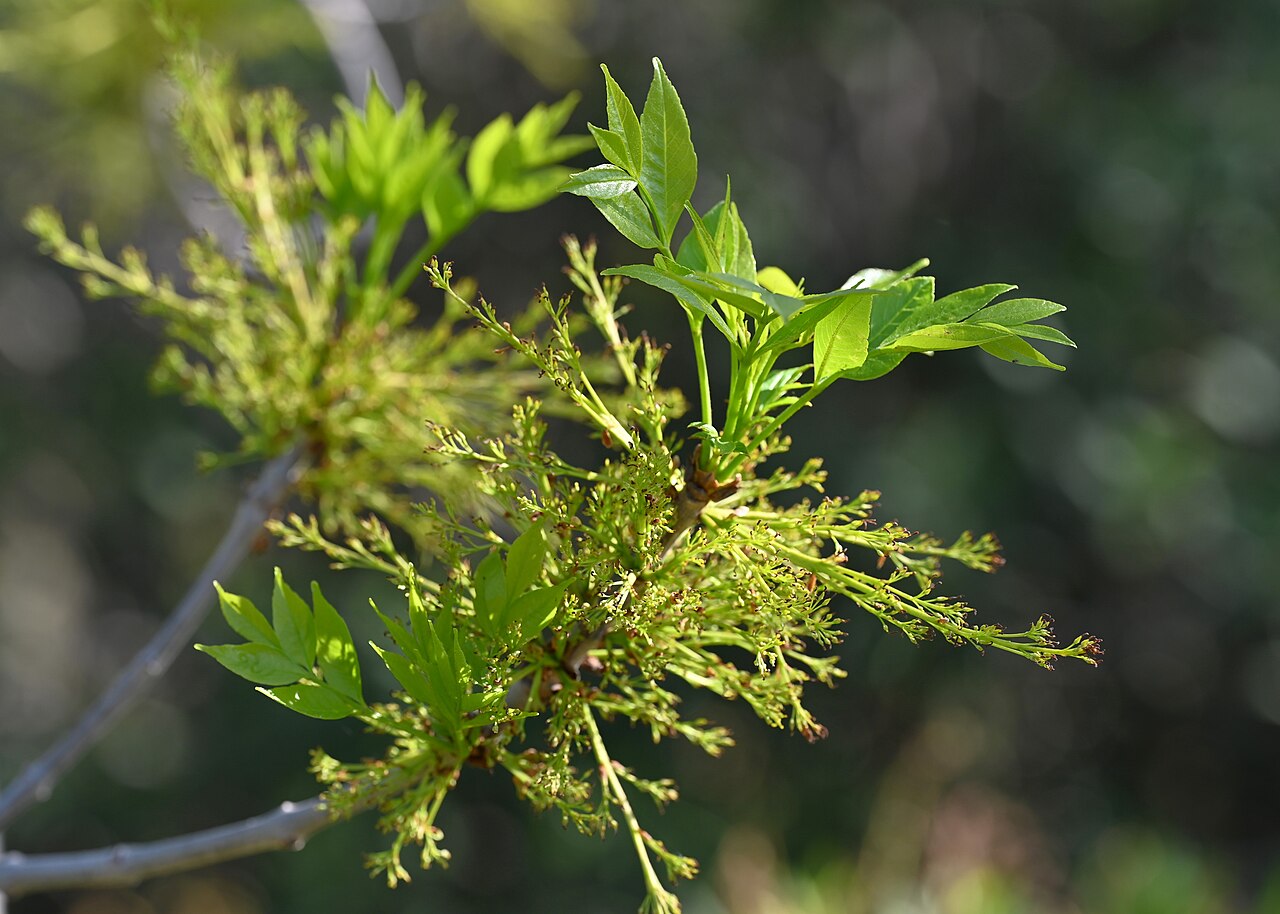
Fraxinus berlandieriana, commonly known as Mexican Ash or Berlandier Ash, is a small to medium deciduous tree native to south-central Texas and adjoining northeastern Mexico. Named for the French-Mexican botanist Jean-Louis Berlandier, who collected extensively in the Rio Grande region in the 1820s and 1830s, this tree is a true South Texas specialist among the ashes, adapted to the warmer, drier, more alkaline growing conditions of the region in ways its northern relative, Green Ash, is not.
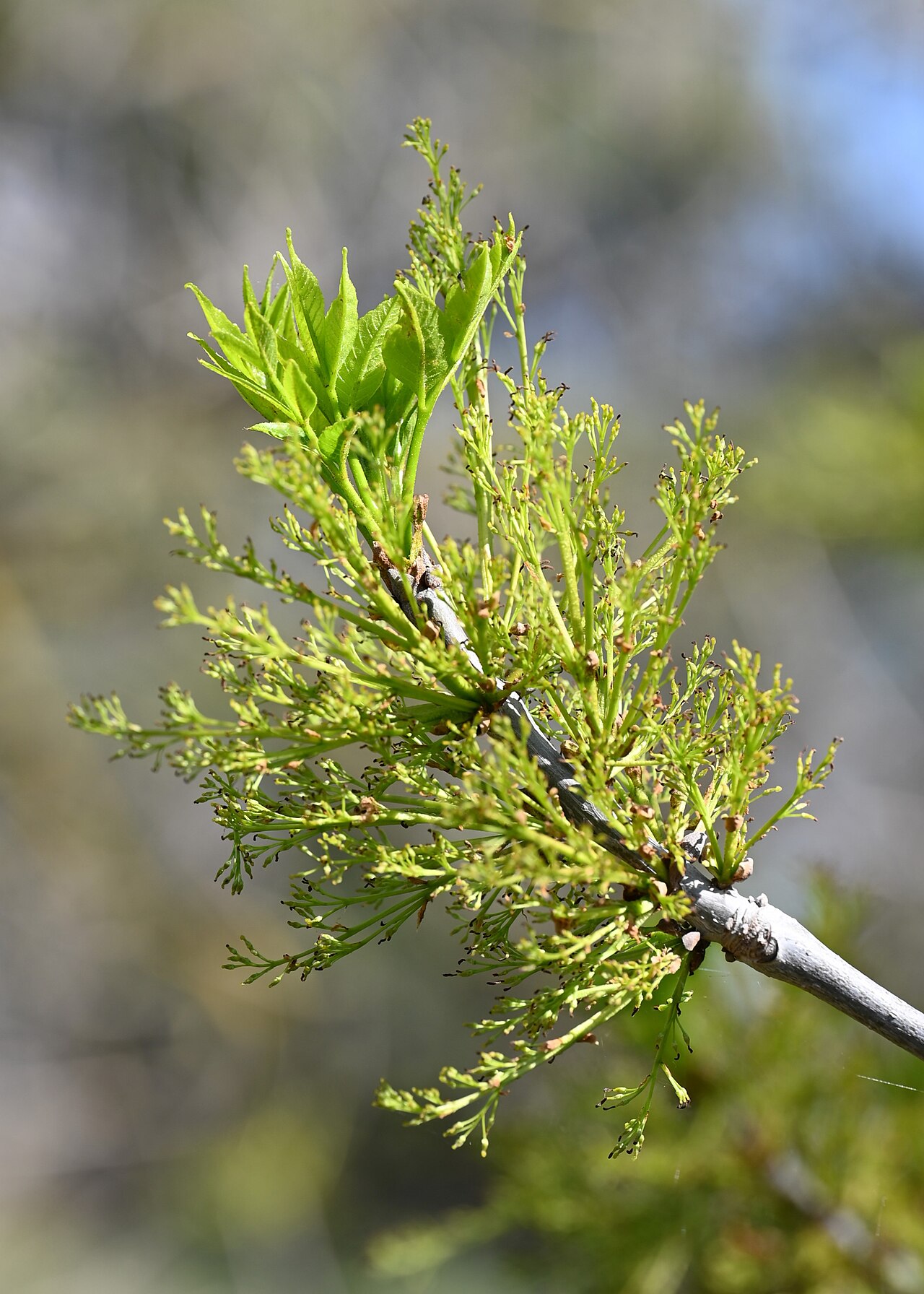
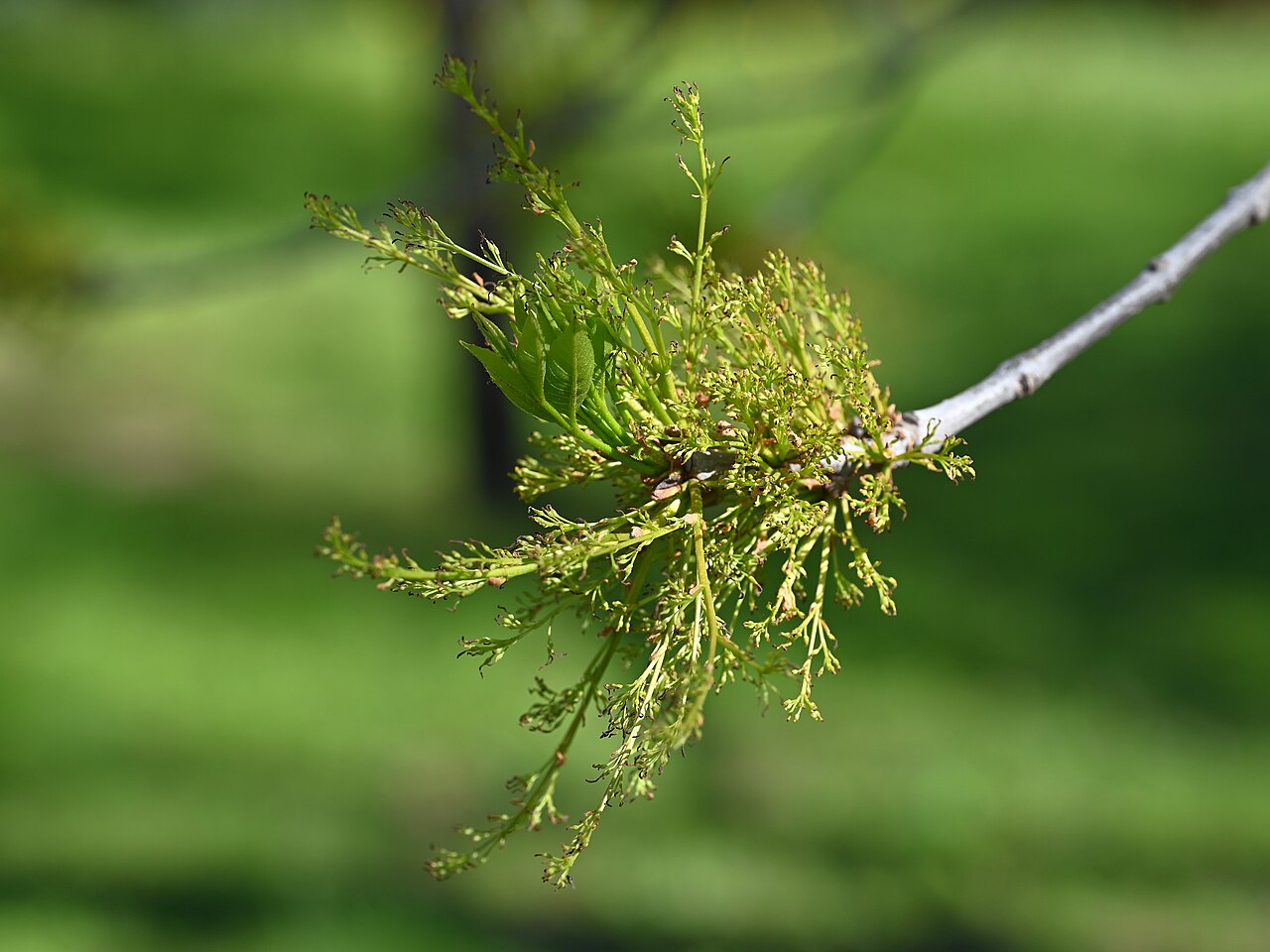
Mexican Ash typically grows as a round-topped tree to about 40 feet, with a short trunk, spreading branches and bright green, pinnately compound leaves that leaf out earlier in spring and hold on longer into fall than most other ashes. Like all ashes, it is dioecious, meaning individual trees are either male or female: female trees produce loose, airy clusters of small white flowers, while male trees bear tighter, dark purplish clusters, and only female trees go on to set the familiar winged ash seeds.
For Texas gardeners along the Edwards Plateau, the San Antonio River basin and the Rio Grande Valley, Mexican Ash is a fast-growing, reliably shady tree that tolerates the limestone and caliche soils so common across the region. It does have a reputation as a relatively short-lived, somewhat weedy tree prone to dropping small dead twigs, so it suits a naturalistic planting or a quick-shade role better than a single prized specimen tree.
Identification
Mexican Ash grows 30 to 40 feet tall with a rounded crown of spreading branches and a relatively short trunk compared to many shade trees. Growth is rapid for a native tree of its region, and young trees fill out quickly once established.
Bark & Stems
Young bark is light brown and relatively smooth, darkening and developing shallow furrows as the tree ages. Twigs are opposite, as in all ashes, and moderately stout. Like other ashes in section Melioides, Mexican Ash tends to drop small dead branches and twigs regularly, a trait landscapers sometimes cite as a maintenance drawback but that also recycles organic matter back to the soil beneath the canopy.
Leaves
Leaves are opposite and pinnately compound, usually with 5 to 7 leaflets (occasionally fewer than typical Green Ash leaves), gray-green to bright green and somewhat smaller overall than those of Green Ash, reflecting Mexican Ash’s adaptation to a hotter, less humid climate. Mexican Ash characteristically leafs out earlier in spring and holds its foliage later into fall than many other ash species, giving it a slightly longer season of shade.
Flowers & Fruit
Flowers appear in spring from March through June, before or with the new leaves, and are inconspicuous individually but visible in clusters. Male trees bear tight, dark purplish flower clusters tucked close to the twigs, while female trees bear looser, more open clusters of small white flowers. Only female trees produce fruit: flattened, winged samaras (the classic “ash key”) that are smaller than those of Green Ash, ripening in summer and dispersing by wind through fall.
Quick Facts
| Scientific Name | Fraxinus berlandieriana |
| Family | Oleaceae (Olive) |
| Plant Type | Deciduous tree |
| Mature Height | 30–40 ft |
| Mature Spread | 25–35 ft, rounded crown |
| Growth Rate | Fast |
| Sun Exposure | Full Sun to Part Shade |
| Water Needs | Moderate; drought tolerant once established |
| Soil Type | Adaptable; thrives on limestone and caliche-based soils |
| Soil pH | Neutral to alkaline (about 7.0–8.5) |
| Bloom Time | March – June |
| Flower Color | White (female) or purplish (male); inconspicuous |
| Fall Color | Yellow, variable |
| Fruit | Small winged samaras on female trees, summer–fall |
| Deer Resistant | Moderate (deer browse young foliage) |
| USDA Hardiness Zones | 8–10 |
Native Range
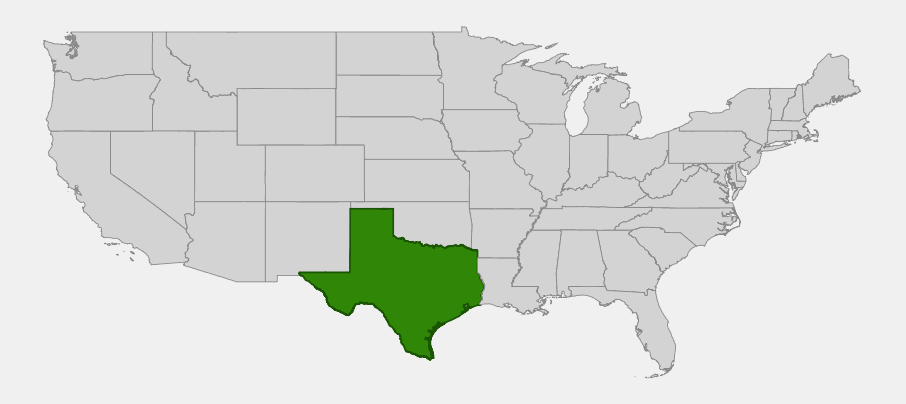
Mexican Ash is native to south-central Texas, where it grows along the San Antonio and Guadalupe River basins, the Rio Grande Valley and parts of the Edwards Plateau, and extends south into adjacent northeastern Mexico. It is a defining tree of South Texas wooded stream banks and canyons, filling a shade-tree role in a landscape where tall riparian trees are otherwise limited.
Typical habitat is along wooded stream banks and in canyons with reliable, if seasonal, moisture, as well as drier upland sites once established, since the species tolerates considerably drier and more alkaline conditions than its relative Green Ash. Soils in its native range are often limestone-based or caliche, a defining feature of the Texas Hill Country and Rio Grande Plains.
Scattered occurrences of Mexican Ash have been reported in Louisiana, Mississippi, Oklahoma and New Mexico, but the species’ solidly documented native core is south-central Texas; the plant is wind-seeded and spreads readily where suitable habitat exists, so some of these outlying records may reflect range expansion near the edge of its historic distribution rather than long-established native populations. Texas forestry and extension sources also note that Mexican Ash can behave as a short-lived, somewhat weedy tree, prone to pest and disease problems and to dropping small dead branches, so it is best used where its fast growth and shade are wanted quickly rather than as a long-term legacy specimen.
📋 Regional plant lists featuring Mexican Ash: South and West Texas
Growing & Care Guide
Mexican Ash grows quickly and asks little in return, making it a practical choice for gardeners who want shade sooner rather than later in the hot, alkaline-soil landscapes of South and Central Texas.
Light
Plant Mexican Ash in full sun to part shade. Full sun produces the fullest, most evenly rounded canopy; part shade is tolerated, especially for young trees establishing beneath existing canopy, but mature growth and form are generally better with more direct light.
Soil & Water
Mexican Ash is well adapted to the limestone and caliche-based soils of its native range and is not particular about soil texture, growing in sandy, loamy or clay soils as long as drainage is reasonable. Water young trees regularly through their first two growing seasons; established trees handle moderate drought well, though they perform best with occasional deep watering during the hottest, driest stretches of summer.
Planting Tips
Plant container-grown Mexican Ash in fall or late winter to take advantage of cooler weather for root establishment. Because it is dioecious, a tree purchased as an unnamed seedling may turn out male or female; if seedless fruit litter is a concern, look for a known male selection, though most landscape plantings are grown simply from seed-propagated stock. Give the tree room for its 25- to 35-foot spread, and keep mulch pulled back from the trunk.
Pruning & Maintenance
Prune in late winter while dormant to remove dead, crossing or weak branches; Mexican Ash is known for dropping small dead twigs on its own, so periodic cleanup beneath the canopy is normal rather than a sign of a problem. The species can be susceptible to common ash pests and diseases, so watch for signs of stress or decline, especially on trees under additional drought or soil-compaction stress. It generally needs little to no supplemental fertilizer once established.
Propagation
Mexican Ash is propagated from seed. Collect the winged samaras from female trees in late summer or fall once they have dried and browned, and either sow them outdoors soon after collection or store and cold-stratify them in moist sand or perlite for 30 to 60 days before spring sowing. Seedlings grow quickly in their first few years.
Landscape Uses
- Fast shade tree for South and Central Texas yards on alkaline or limestone soils
- Riparian and streambank plantings alongside bald cypress and black willow
- Naturalistic groves rather than single-specimen plantings, given its relatively short lifespan
- Wildlife plantings, where seed-bearing female trees feed birds through fall
- Quick screening while slower-growing, longer-lived trees mature nearby
Wildlife & Ecological Value
As one of the relatively few tall, shade-casting native trees in much of its South Texas range, Mexican Ash plays an outsized role in local wildlife habitat for its size.
For Pollinators
Though individually small and wind-pollinated in part, the dense spring flower clusters on both male and female trees are visited by a range of small bees and other insects, providing an early-season nectar and pollen source in the South Texas landscape.
For Birds
Seed-eating birds feed on the winged samaras produced by female trees, and the rounded, leafy canopy provides nesting sites and cover, a valuable resource in the more open brush country and riparian corridors of South Texas where large shade trees are limited.
For Mammals
Deer and other browsing mammals eat young Mexican Ash foliage, particularly on seedlings and low branches, which can slow establishment in areas with heavy deer pressure. Mature trees provide shade and cover used by a range of small mammals along stream corridors.
Ecosystem Role
Mexican Ash’s deep, spreading roots help stabilize stream banks and canyon slopes in the erosion-prone soils of its native range, and its canopy moderates summer heat for understory plants and aquatic habitat along the streams it lines. As a relatively fast-colonizing tree, it also plays a role in reestablishing woody cover after disturbance along South Texas waterways.
Cultural & Historical Uses
Mexican Ash is named for Jean-Louis Berlandier, a Swiss-born botanist who settled in Mexico and conducted extensive botanical surveys of Texas and northeastern Mexico in the 1820s and 1830s, documenting many species that now bear his name, including this tree. His collections remain an important historical record of the region’s flora from before widespread agricultural development.
Like other ashes, Mexican Ash wood is strong and has seen local use for tool handles and small construction, though it has never been a major commercial timber species compared with eastern ashes such as White Ash or Green Ash. Its greater historical significance in South Texas has been as a dependable shade tree along ranch houses, streets and riverside communities, valued for its rapid growth in a climate that limits the options for quick-growing native shade.
Today Mexican Ash continues to be planted as a practical, fast-growing landscape tree across its native range, appreciated for its tolerance of the region’s alkaline soils even though, like many ashes nationwide, it faces growing concern from the westward spread of the emerald ash borer, an invasive pest that has devastated ash populations across much of North America.
Frequently Asked Questions
How fast does Mexican Ash grow?
Mexican Ash is a fast grower by native Texas tree standards, often reaching significant shade-tree size within a decade or so under reasonable growing conditions, considerably quicker than many other natives suited to the region’s alkaline soils.
Is Mexican Ash the same as Green Ash?
No. Mexican Ash is a distinct, closely related species adapted to the hotter, drier, more alkaline conditions of South and Central Texas, with smaller leaflets and fruit than Green Ash, which is native to a much broader area of the central and eastern United States.
Does Mexican Ash produce the “helicopter” seeds other ashes do?
Yes, but only on female trees. Mexican Ash is dioecious, so male trees never produce seed, while female trees bear the familiar winged samaras, generally smaller than those of Green Ash.
Is Mexican Ash a good long-term shade tree?
It is a good choice for fast shade, but it has a reputation in Texas forestry circles as a relatively short-lived tree prone to dropping small dead branches and to common ash pests and diseases. Many gardeners plant it for quick results alongside slower, longer-lived natives.
Is Mexican Ash threatened by the emerald ash borer?
The emerald ash borer, an invasive beetle that has killed millions of ash trees across North America, is a concern for all native ash species as its range expands. Mexican Ash’s more limited, southern range has so far seen less documented impact than ashes farther north and east, but the pest remains a long-term risk worth watching.

Looking for a nursery that carries Mexican Ash?
Browse our native plant nursery directory: Texas. See also our guides to shade trees for San Antonio and deciduous and evergreen trees.