White Prairie Rose (Rosa foliolosa)
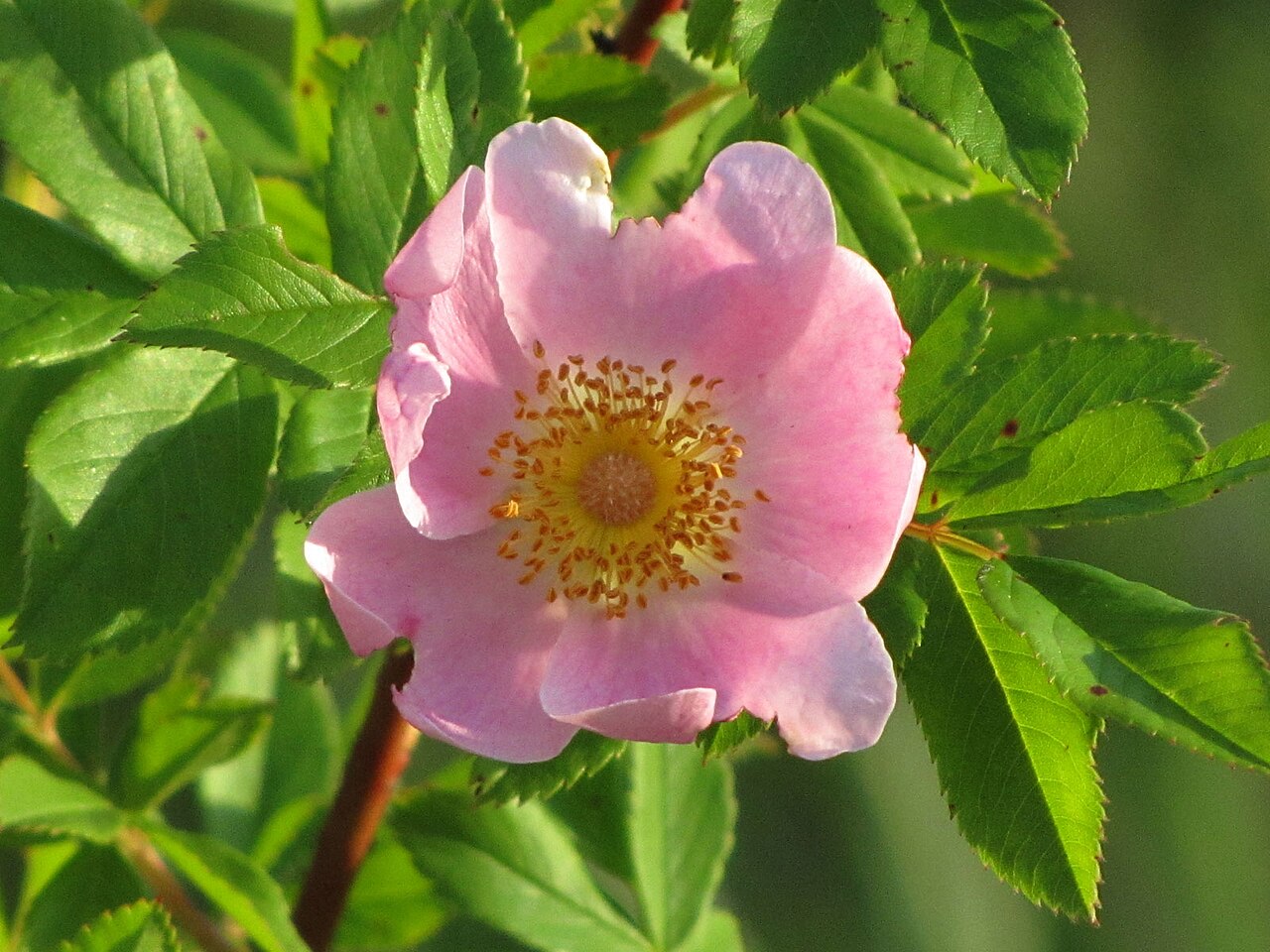
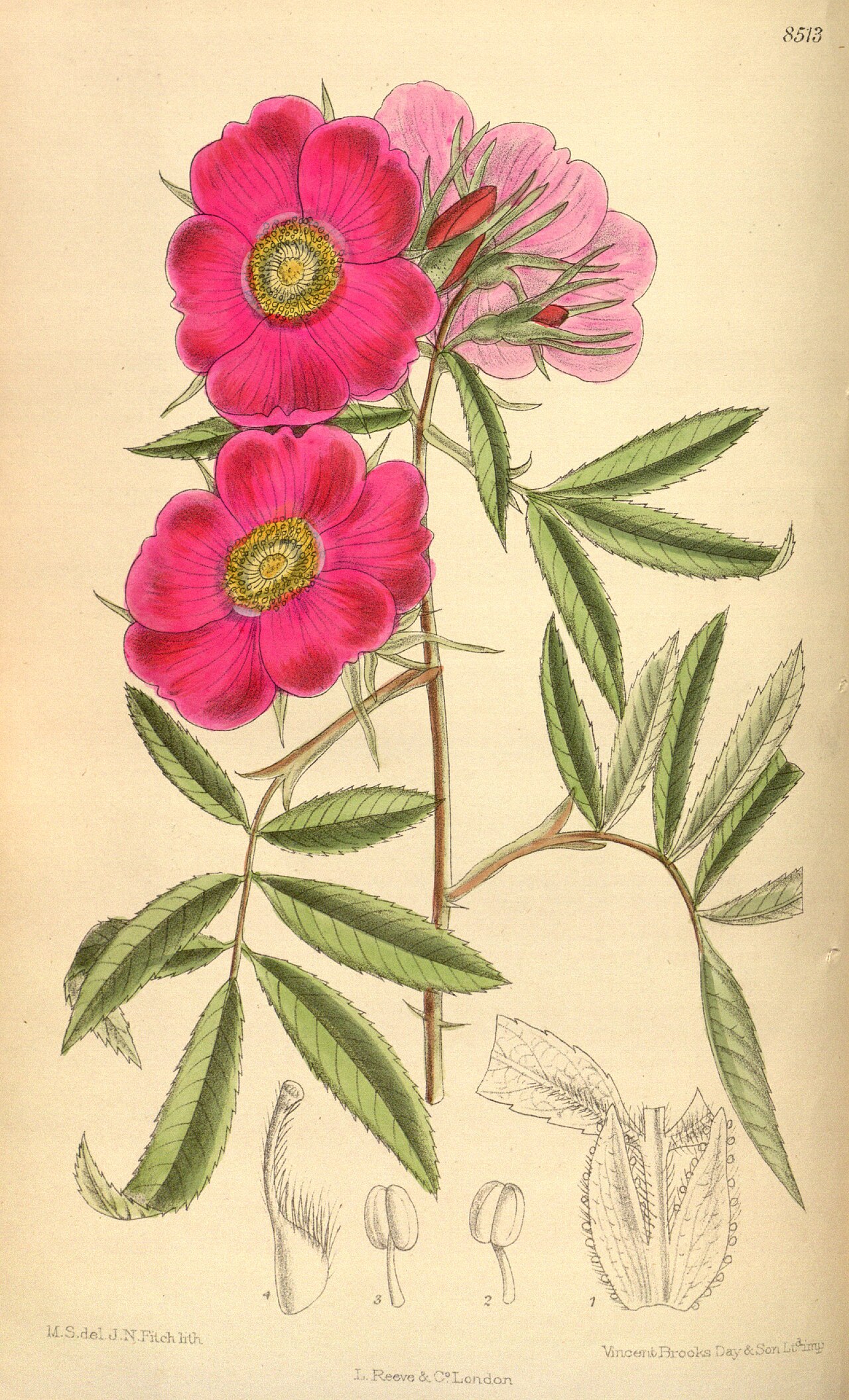
Rosa foliolosa, commonly called the White Prairie Rose or Narrowleaf Prairie Rose, is a low, suckering shrub rose native to a compact pocket of the south-central United States. Despite the common name, its flowers are typically pink to pale rose rather than pure white, fading paler with age — but whichever shade you see, this is one of the daintiest and least thorny of North America’s wild roses, forming low, spreading thickets rather than the tall, briary canes most gardeners picture when they hear “wild rose.”
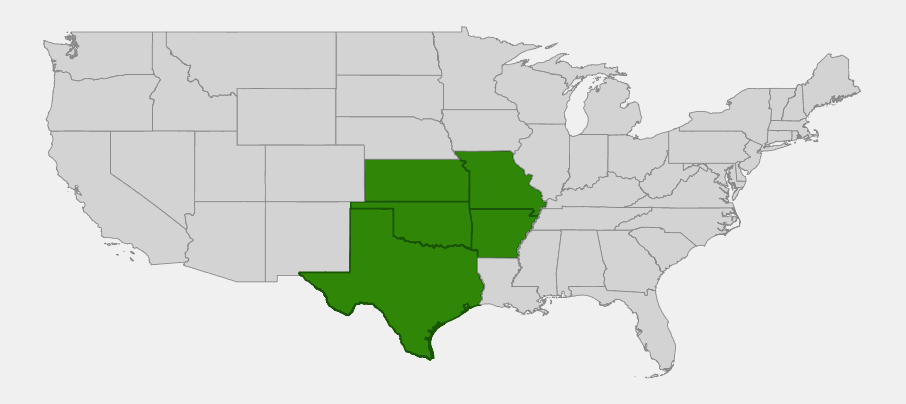
The species name foliolosa means “many-leaved,” a reference to its narrow, numerous leaflets, which are noticeably finer and more slender than those of most other native roses. In the wild it grows on prairies, in sandy oak woodlands, along limestone and sandstone hillsides, and on roadside and railroad verges across a relatively small native range centered on Oklahoma and north-central Texas, with outlying populations in southeastern Kansas, western Arkansas, and southwestern Missouri.
In the garden, White Prairie Rose is valued less for size or drama and more for toughness: it tolerates poor, dry, rocky soils, spreads gently by suckering to form a low thicket or groundcover, and produces fragrant, simple single flowers over many weeks in late spring and early summer, followed by small red hips that persist into fall and winter.
Identification
White Prairie Rose is a low, thicket-forming shrub, usually 1 to 3 feet tall, spreading slowly by root suckers to form loose colonies rather than staying as a single isolated plant.
Stems
Stems are slender, often reddish to purplish-green, and distinctly sparse in prickles compared with most wild roses — many stems are nearly thornless, a trait that sets this species apart from the more heavily armed roses it grows alongside, such as Prairie Wild Rose (Rosa arkansana).
Leaves
Leaves are pinnately compound with 7 to 9 (occasionally more) narrow, finely toothed leaflets, each leaflet noticeably longer and slimmer than the broader leaflets of most other native roses — the source of both the botanical epithet foliolosa and the “narrowleaf” common name. Foliage is a soft, semi-glossy green through the growing season, sometimes taking on orange-gold tones in autumn.
Flowers & Fruit
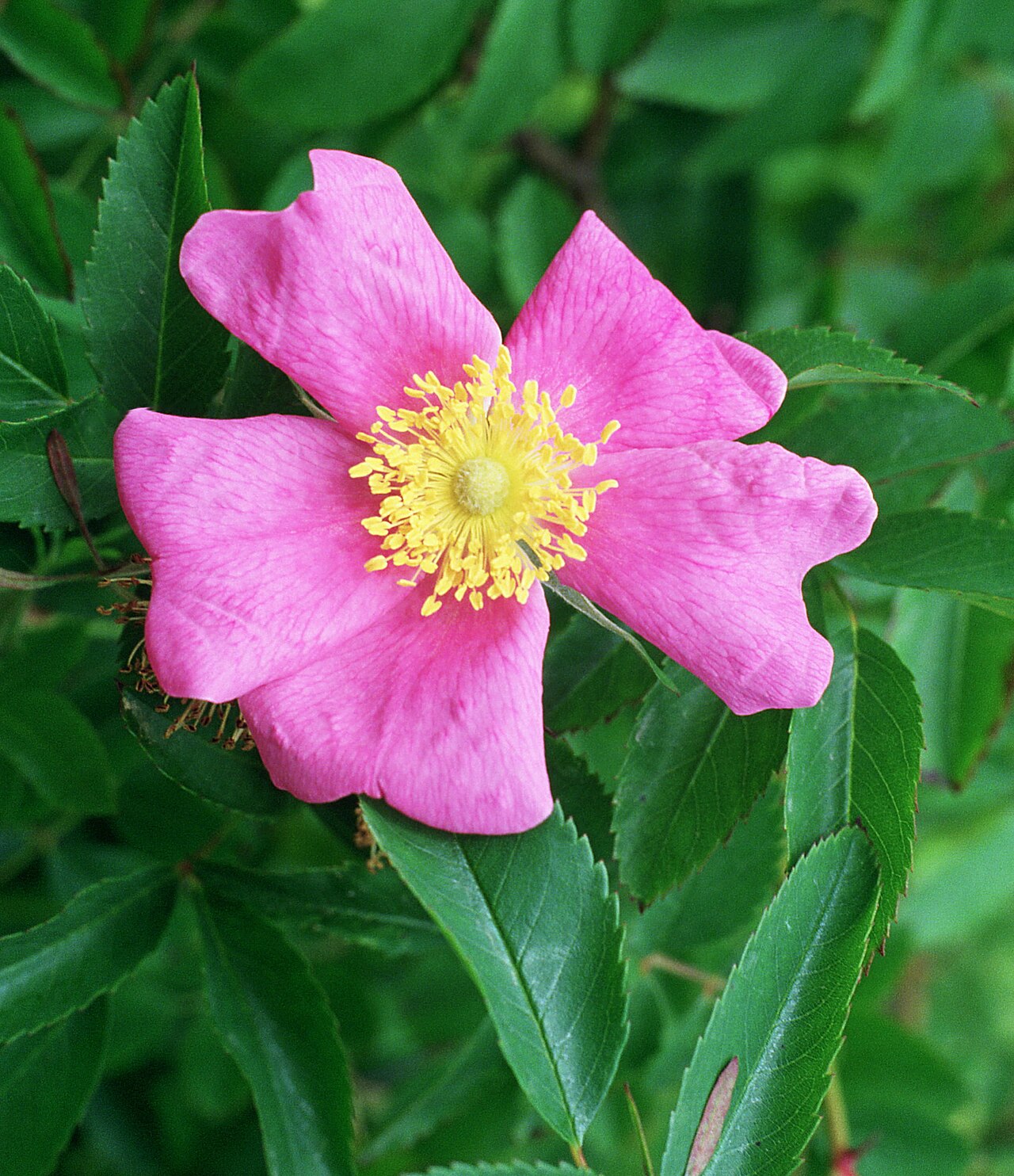
Flowers are borne singly or in small clusters at the branch tips, each with five broad petals ranging from bright cerise-pink to pale pink and occasionally near-white, surrounding a dense center of golden-yellow stamens. Blooms are lightly fragrant and open from roughly March through June depending on latitude, with a long individual bloom period typical of wild roses. Flowers give way to small, rounded red rose hips that ripen in late summer and persist into winter, providing a secondary season of interest after the leaves color and drop.
Quick Facts
| Scientific Name | Rosa foliolosa Nutt. ex Torr. & A. Gray |
| Family | Rosaceae (Rose) |
| Plant Type | Suckering Deciduous Shrub |
| Mature Height | 1–3 ft |
| Mature Spread | Spreads gradually by suckers into a low thicket; individual colonies several feet across |
| Growth Rate | Slow to moderate |
| Sun Exposure | Full Sun to Part Shade |
| Water Needs | Low to Moderate; drought tolerant once established |
| Soil Type | Dry to average, well-drained; tolerates sandy, rocky, and limestone-based soils |
| Soil pH | 6.0–7.5 (neutral, tolerant of alkaline limestone soils) |
| Bloom Time | March – June |
| Flower Color | Pink to pale pink, occasionally near-white |
| Fall Color | Orange-gold foliage; red hips persisting into winter |
| Fruit | Small round red rose hips |
| USDA Hardiness Zones | 5–8 |
Native Range
White Prairie Rose has one of the more compact native ranges among the prairie roses, centered on Oklahoma and north-central to east-central Texas, with the range extending into southeastern Kansas, western Arkansas, and the southwestern corner of Missouri. It is absent as a native plant from the rest of its genus’s broader distribution — reports of the species from Mississippi have been identified as misidentifications of other roses, and it is not native to Louisiana.
Within this range, look for it on native and remnant prairies, in open sandy oak woodlands, on limestone and sandstone hillsides and bluffs, and along roadside and railroad right-of-ways where some native prairie vegetation persists. It favors drier, well-drained sites over wet bottomland, which is part of why it tolerates garden conditions that would challenge many other roses.
Gardeners outside this core Oklahoma–Texas–Kansas–Arkansas–Missouri range should consider White Prairie Rose a regional native rather than a locally native choice farther afield; it is, however, hardy well beyond its native range and increasingly offered by specialty native plant nurseries as a low-maintenance groundcover rose.
📋 Regional plant lists featuring White Prairie Rose: Arkansas, Louisiana, Eastern Oklahoma & Eastern Texas · Nebraska, Kansas & Eastern Colorado · Illinois, Iowa & Missouri
Growing & Care Guide
White Prairie Rose is one of the easiest native roses to work into a garden precisely because it asks for so little — dry soil, sun, and room to sucker gently outward.
Light
Full sun produces the best bloom, though plants tolerate light or part shade, especially in the hotter southern parts of its range, with somewhat reduced flowering.
Soil & Water
This rose thrives in lean, well-drained soils, including sandy, rocky, and limestone-derived ground that would be too dry and infertile for most garden roses. It is drought tolerant once established and generally needs no supplemental water beyond an establishment period, though it will accept average garden moisture without complaint as long as drainage is good. Heavy, poorly drained clay that stays wet is the one condition to avoid.
Planting Tips
Plant container stock or bare-root divisions in fall or early spring. Because the species spreads by suckers, give it room from the start — a dedicated bed edge, slope, or border rather than a tight spot between other perennials — and expect it to slowly fill in in a thicket rather than stay confined to its original planting hole.
Pruning & Maintenance
Pruning needs are minimal: remove dead or winter-damaged canes in late winter, and thin out the thicket occasionally if it spreads further than wanted. Unlike many cultivated roses, this species needs no spraying or disease management to stay healthy in appropriate conditions.
Propagation
The easiest method is division of rooted suckers, taken in fall or early spring and transplanted directly. Seed is also viable but, like many roses, benefits from cold stratification over winter and can be slow and uneven to germinate.
Landscape Uses
- Low groundcover or bank planting on dry, sunny slopes
- Prairie and meadow garden plantings alongside native grasses and wildflowers
- Erosion control on dry, rocky, or sandy banks where its suckering habit helps stabilize soil
- Pollinator and wildlife gardens valued for season-long bloom and persistent winter hips
- Low, informal hedges or borders in regional native plantings
Wildlife & Ecological Value
Like other wild roses, White Prairie Rose supports a range of pollinators and provides food for wildlife well beyond what its modest size might suggest.
For Pollinators
The open, pollen-rich flowers are attractive to native bees and bumblebees, which gather both pollen and nectar; rose flowers of this type are also noted by pollinator conservation groups as providing nesting material and structure for certain native bee species, in addition to floral resources.
For Birds & Mammals
The small red hips that persist through fall and winter are eaten by a variety of birds and small mammals once softer food sources become scarce, and the dense, low, thicket-forming growth offers cover for ground-dwelling birds and small wildlife moving through open prairie and woodland-edge habitat.
Ecosystem Role
As a low, suckering shrub of prairies and open woodlands, White Prairie Rose adds structural diversity to grassland communities that are otherwise dominated by grasses and forbs, and its spreading root system helps stabilize soil on the dry slopes and hillsides where it often grows.
Cultural & Historical Uses
White Prairie Rose was first described from specimens collected in the south-central United States and later formally published by John Torrey and Asa Gray, two of the most influential botanists of 19th-century American plant science, based on earlier field observations by Thomas Nuttall. Its narrow, numerous leaflets — reflected in both the scientific epithet foliolosa and the “narrowleaf” common name — were a distinguishing feature noted by botanists from the species’ earliest descriptions.
Like other wild roses of the Great Plains and prairie regions, this species would have been a familiar part of the landscape for the Indigenous peoples of Oklahoma, Texas, Kansas, Arkansas, and Missouri long before European settlement, growing alongside the tallgrass and mixed-grass prairies that once covered much of its native range. Specific, well-documented historical uses of this particular rose species are not extensively recorded, though rose hips in general have a long history of use across many cultures as a food and vitamin C source.
In more recent horticultural history, White Prairie Rose has drawn interest from gardeners and rosarians specifically for the traits that make it unusual among roses: a low, spreading, nearly thornless habit that is easier to live with than the tall, heavily armed canes of many garden roses, making it a useful parent in some rose breeding programs interested in disease resistance and low maintenance.
Frequently Asked Questions
Is White Prairie Rose actually white?
Not usually — despite the common name, the flowers are typically pink to cerise-pink, occasionally fading to a pale, near-white shade as they age. The name likely reflects the paler end of this color range or regional naming traditions rather than describing a strictly white-flowered plant.
Does White Prairie Rose have thorns?
It has far fewer prickles than most wild roses, and many stems are nearly thornless — a notable and distinguishing trait compared with thornier relatives like Prairie Wild Rose (Rosa arkansana).
Will White Prairie Rose take over my garden?
It spreads gradually by root suckers to form a low thicket, but its spread is much gentler and easier to manage than aggressive rhizomatous spreaders; occasional thinning keeps it within an intended area.
What states is White Prairie Rose native to?
Its native range covers Texas, Oklahoma, Kansas, Arkansas, and Missouri. It is not native to Louisiana or Mississippi, despite occasional reports.
Does this rose need regular watering once established?
No. White Prairie Rose is drought tolerant in the dry, rocky, and sandy soils typical of its native prairies and hillsides, and established plants generally thrive without supplemental irrigation.