
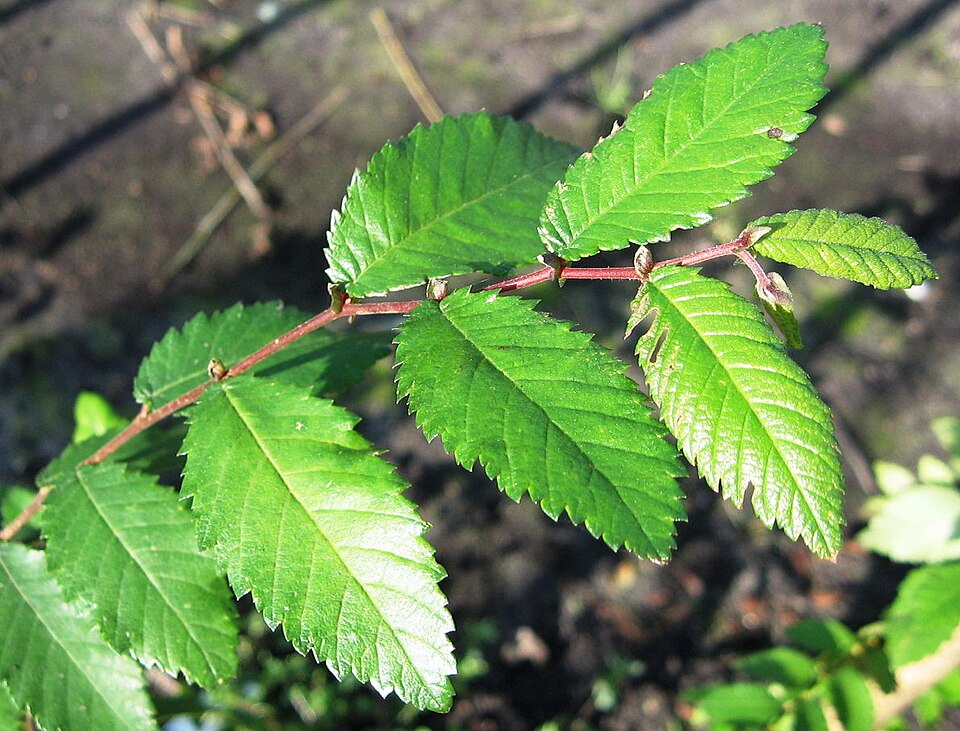
Winged Elm. Photo: Wikimedia Commons (CC0) Ulmus alata, commonly known as Winged Elm, is one of the most distinctive and widely distributed native elms of
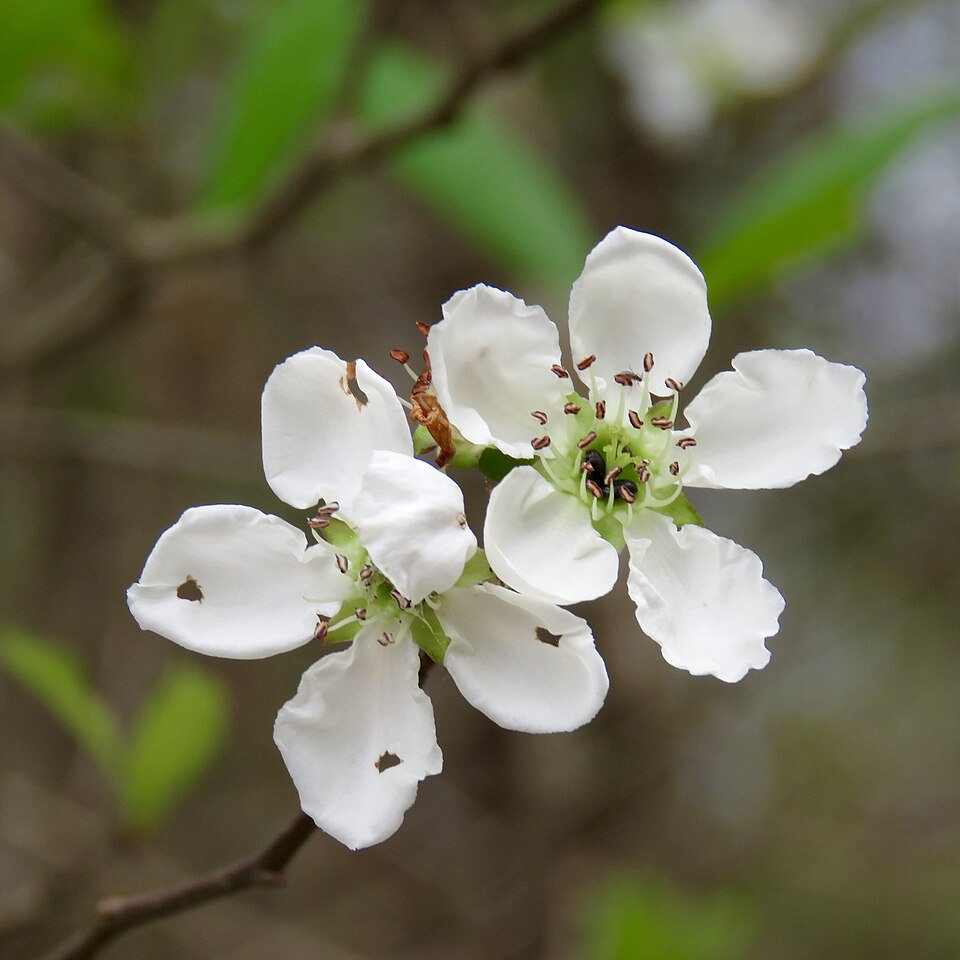
Mayhaw in bloom — white flower clusters cover the thorny branches in February and early March. Photo: Wikimedia Commons (CC BY 4.0) Crataegus opaca, commonly
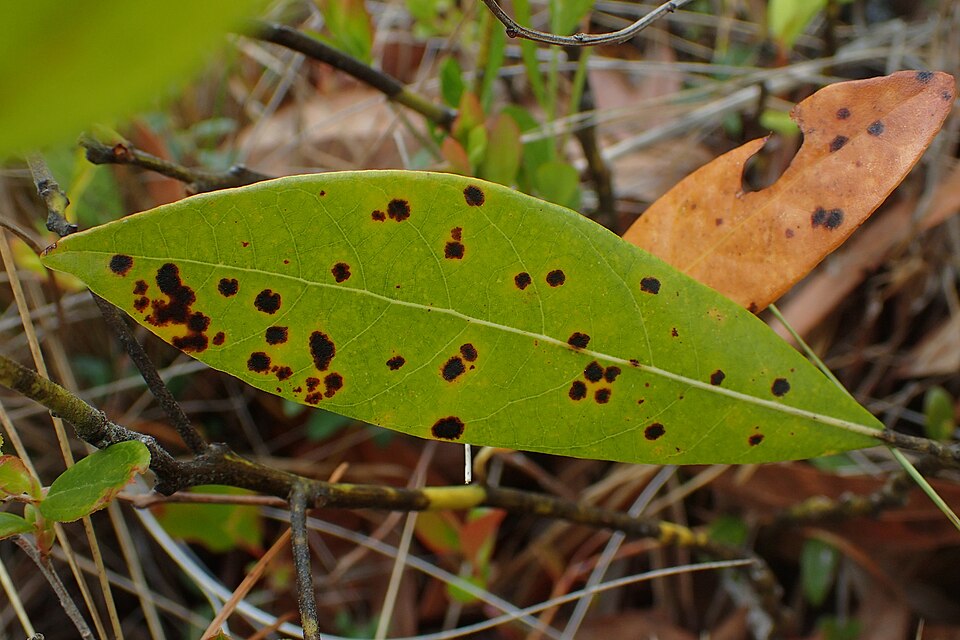
Swamp Bay. Photo: Wikimedia Commons (CC0) Persea palustris, commonly known as Swamp Bay, is an aromatic evergreen tree or large shrub native to the pocosins,
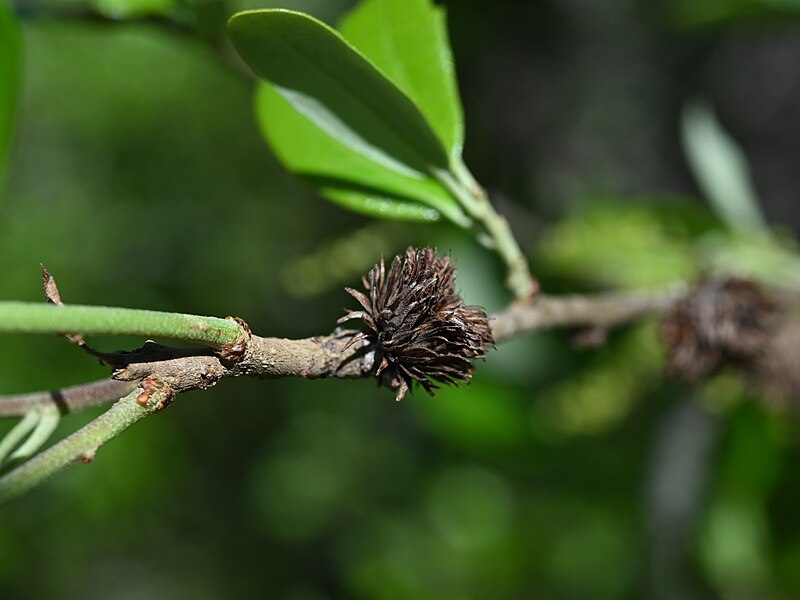
A magnificent Live Oak displaying its iconic horizontal branching and expansive crown. Photo: Wikimedia Commons (CC BY-SA 4.0) Quercus virginiana, the Live Oak, is one
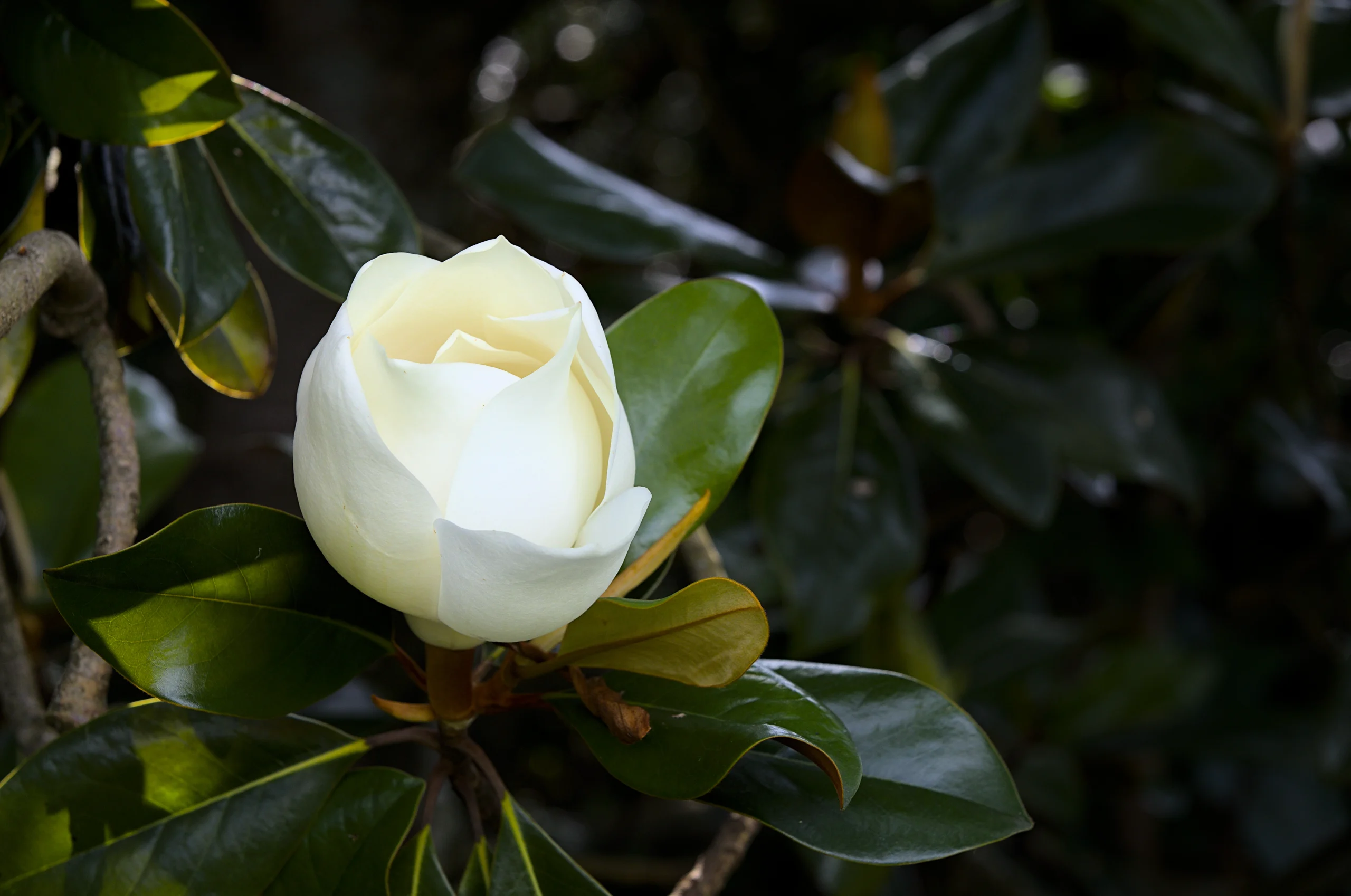
Southern Magnolia in its natural habitat. Photo: Wikimedia Commons (CC BY-SA 4.0) Magnolia grandiflora, the Southern Magnolia, is one of the most iconic trees in
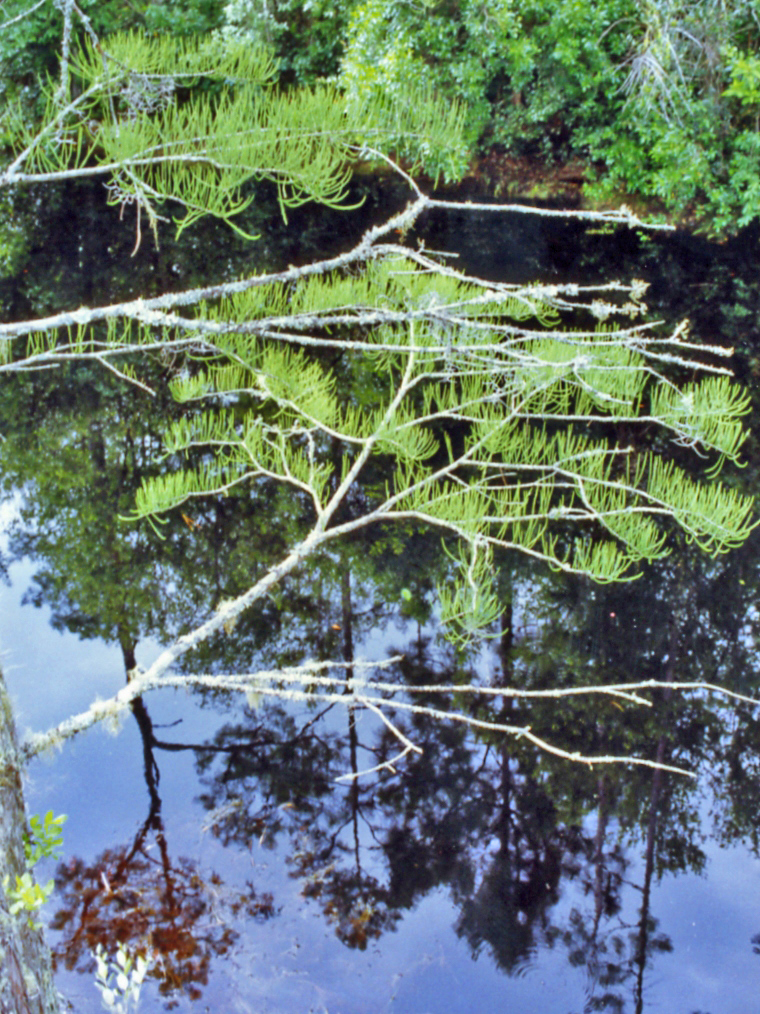
Pond Cypress in its native habitat. Photo: Wikimedia Commons (CC BY-SA 3.0) Taxodium ascendens, commonly known as Pond Cypress, is a distinctive deciduous conifer native
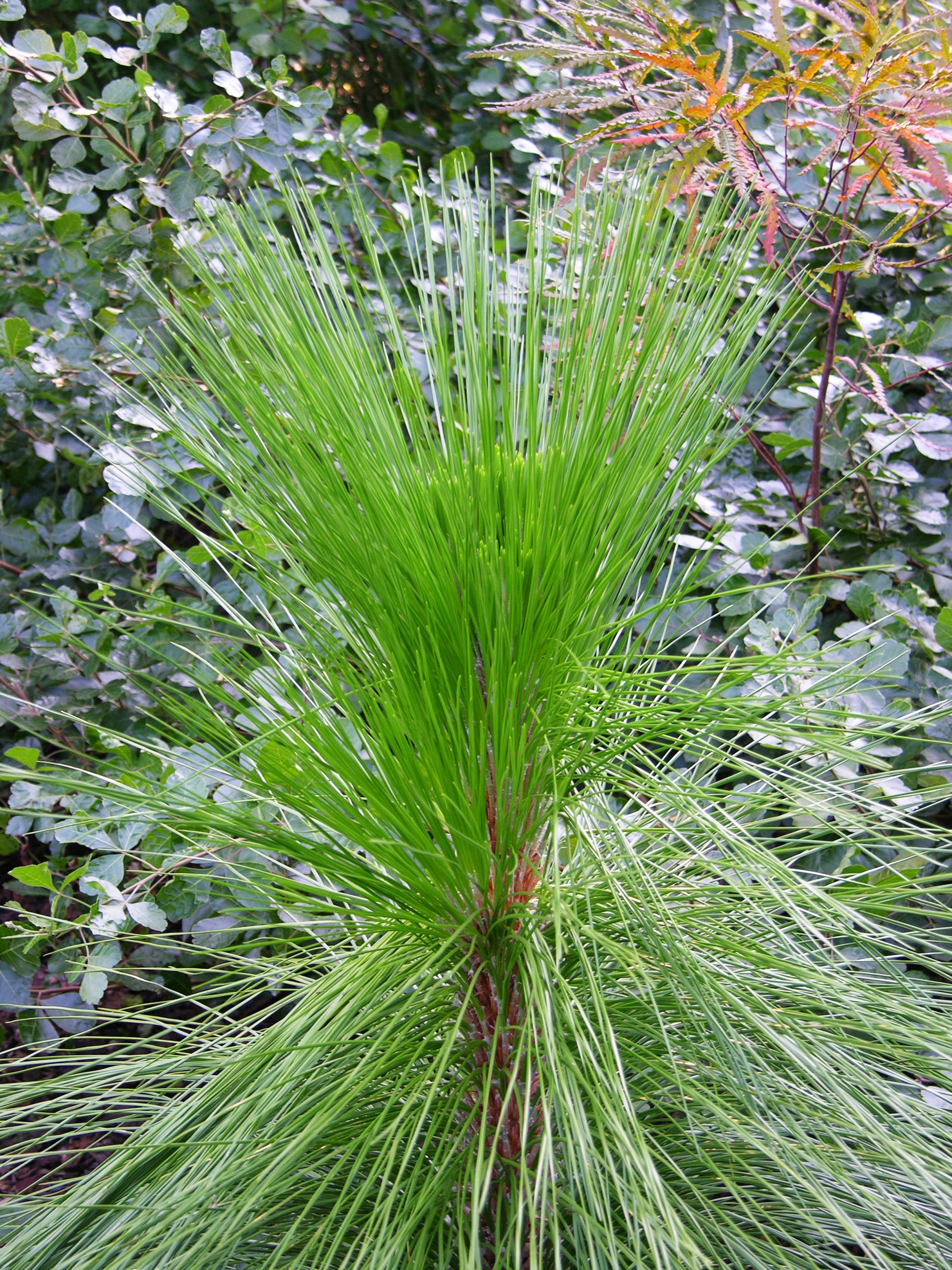
Longleaf Pine in its native habitat. Photo: Wikimedia Commons (CC BY-SA 2.5) Pinus palustris, commonly known as Longleaf Pine, is arguably the most ecologically significant
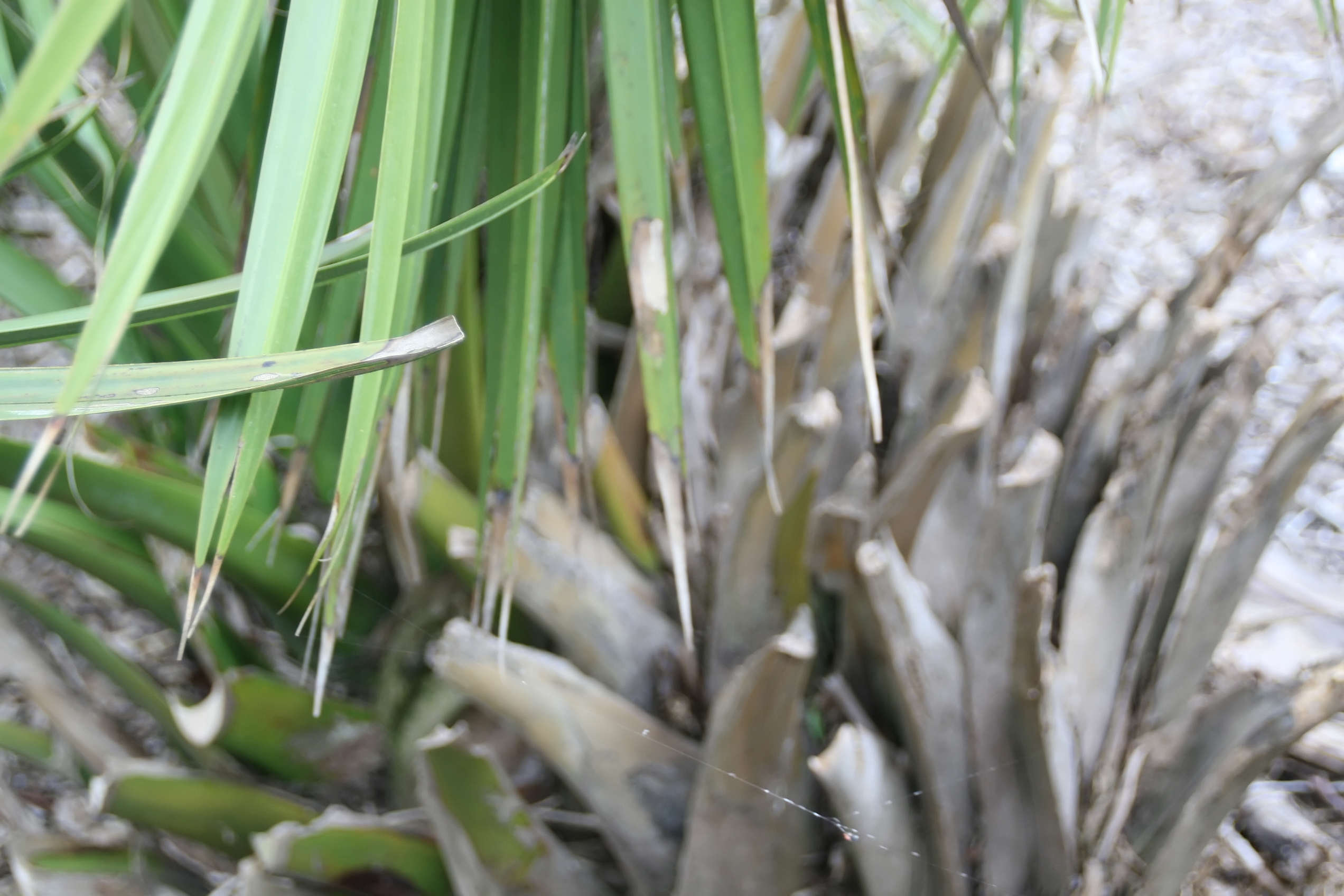
Dwarf Palmetto in its native habitat. Photo: Wikimedia Commons (CC BY-SA 4.0) Sabal minor, commonly known as Dwarf Palmetto, is the hardiest of all North
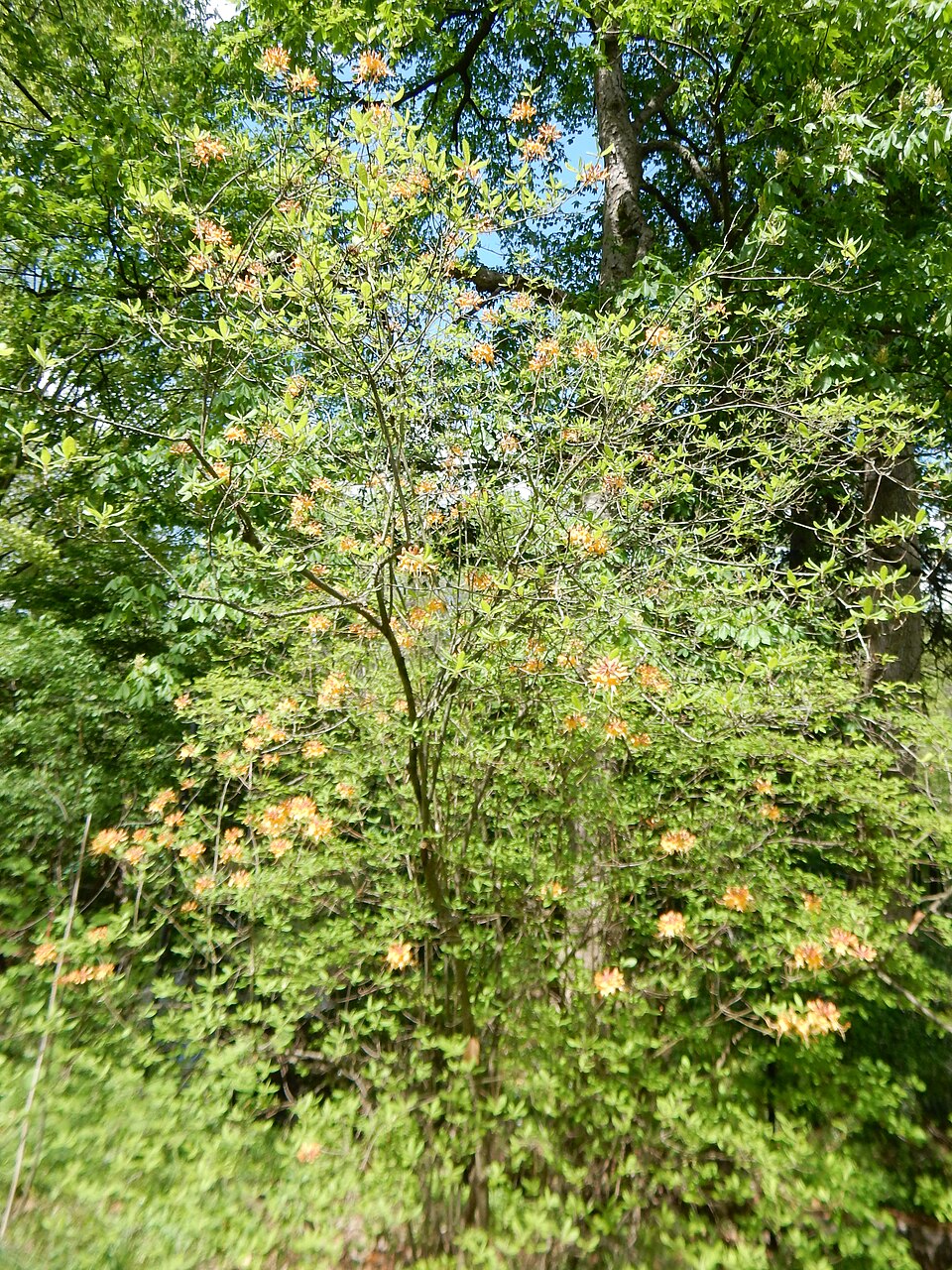
Yellow Native Azalea in peak spring bloom — the clusters of golden-yellow to orange fragrant flowers are among the most spectacular displays in the native
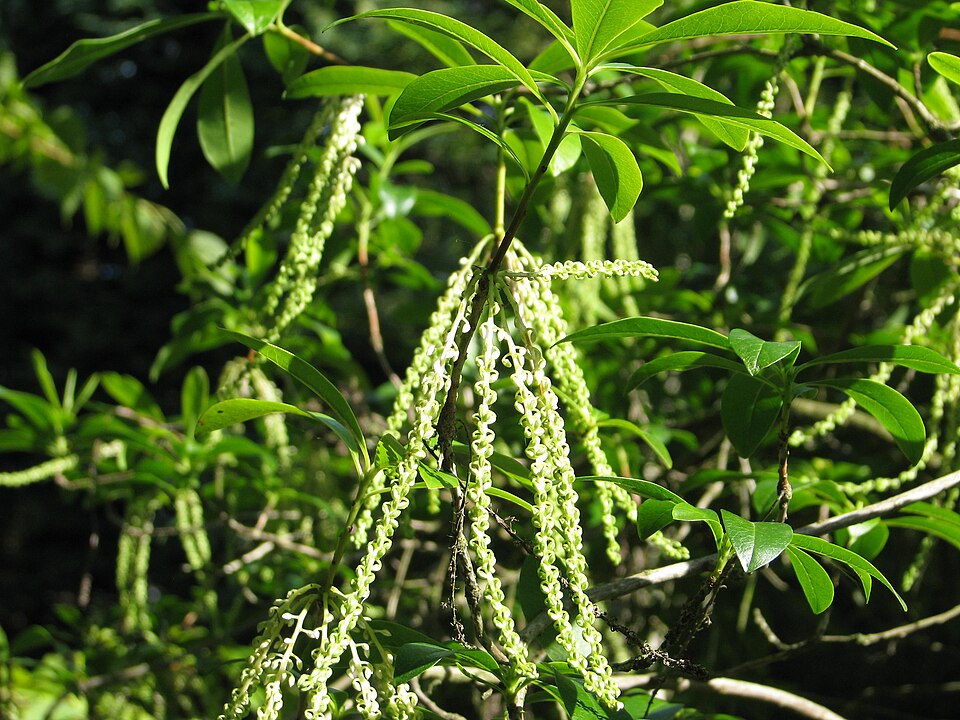
Titi in summer bloom — the long, arching white racemes drape gracefully from the branches, perfuming the surrounding area. Photo: Wikimedia Commons (CC BY-SA 2.0)
View More