Florida Royal Palm (Roystonea regia)
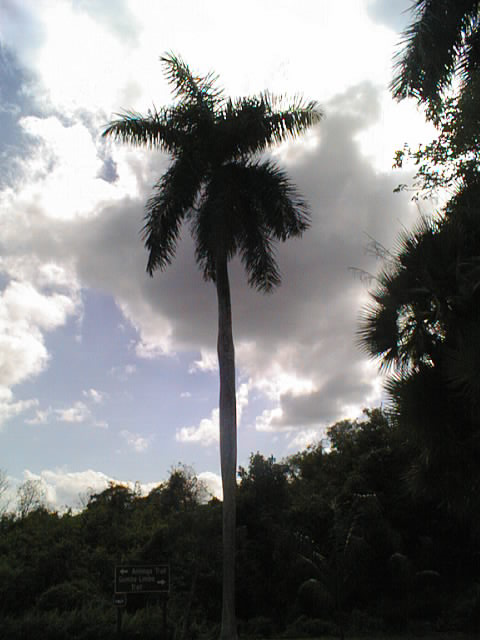
Roystonea regia, the Florida Royal Palm, is a stately feather-leaved palm with a smooth, pale gray trunk that can rise well over 60 feet, topped by a glossy green crownshaft and a wide, arching crown of feathery fronds. It is one of the most recognizable palms in the world and the unofficial emblem of South Florida, lining boulevards, parks and resort entrances from Miami to the Keys. Few people realize that the same tree planted on thousands of Florida streets also grows wild, in much smaller numbers, in the swamps and hammocks at the southern tip of the peninsula.
In the wild, royal palm is native only to the southernmost counties of Florida, where it grows scattered through cypress strands, tropical hardwood hammocks and the edges of sloughs in the Everglades and Big Cypress region. It shares its range with the royal palm of Cuba and the wider Caribbean, and some botanists treat the Florida and Cuban populations as the same species, while others separate the Florida trees as Roystonea elata. Either way, the wild Florida population is small, limited to a handful of protected natural areas, and the tree you see everywhere else in the state is a nursery-grown, planted specimen rather than a wild one.
For gardeners in the warmest parts of South Florida, royal palm makes an unmatched specimen or avenue tree, but it is strictly a tropical plant: a hard freeze will kill it outright, so it has no place in a garden outside USDA zones 10b and warmer. Where it does grow, nothing beats its clean, columnar trunk and dramatic height for framing a drive or skyline.
Identification
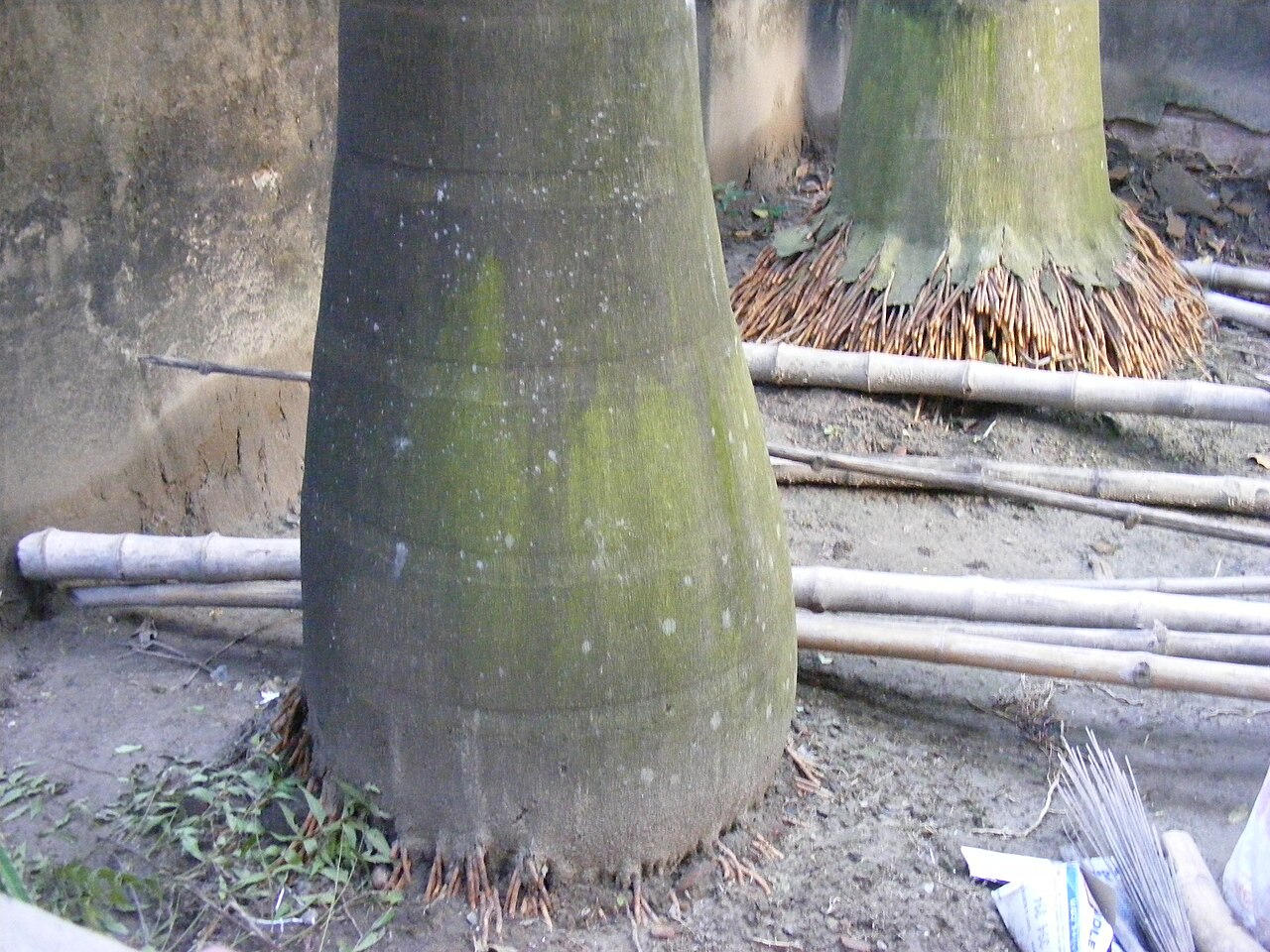
Royal palm is a single-trunked, unbranched palm that grows tall and straight, typically 50 to 70 feet at maturity and occasionally taller in old specimens. The trunk is the single best field mark: smooth, pale gray to nearly white, often faintly ringed with old leaf scars, and usually slightly swollen partway up before narrowing again below the crownshaft.
Trunk & Crownshaft
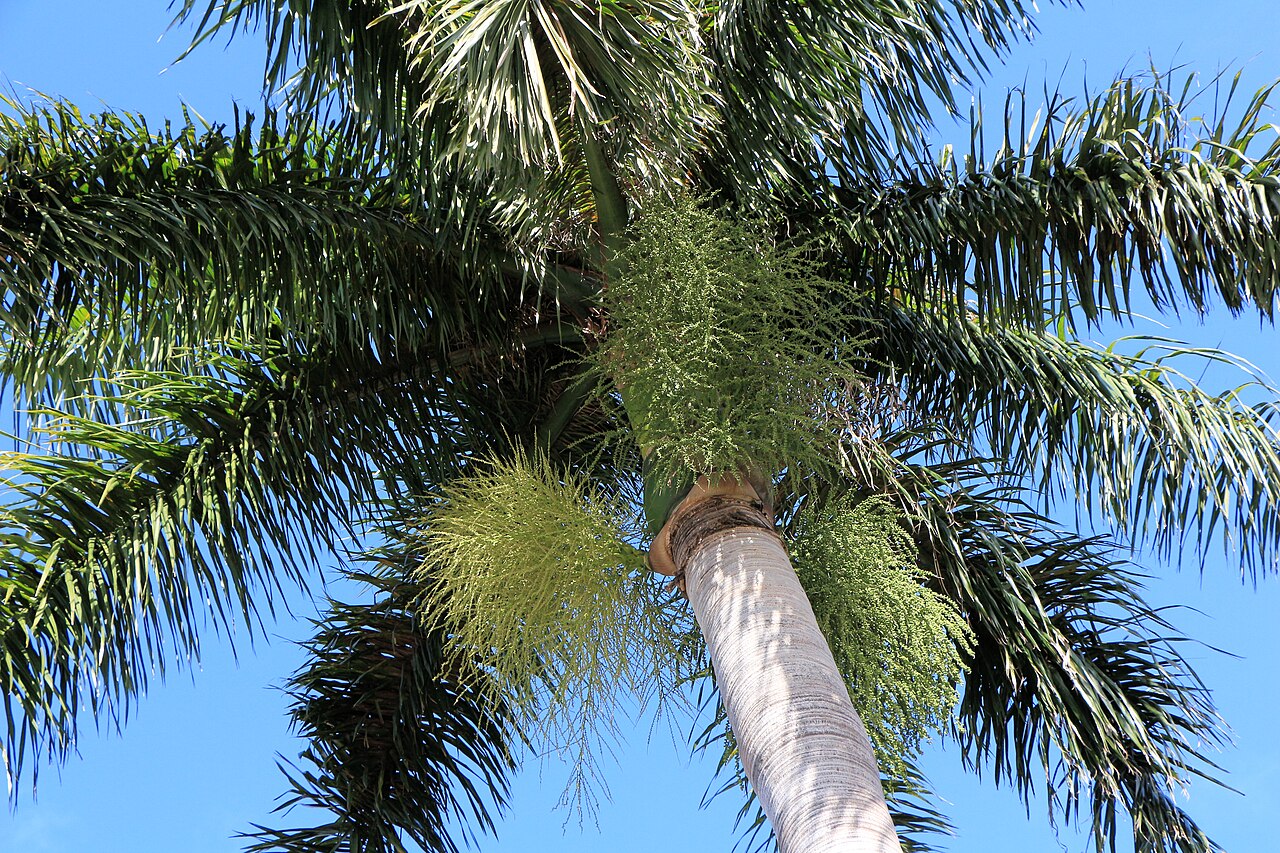
Below the crown, the top several feet of the trunk are sheathed in a smooth, glossy, bright green crownshaft formed by the tightly wrapped bases of the leaves. This green column atop a gray trunk is distinctive and separates royal palm at a glance from cabbage palm and other native Florida palms, none of which have a true crownshaft.
Leaves
The pinnate (feather-shaped) leaves arch outward from the crownshaft in a full, rounded crown, each leaf 10 to 12 feet long and made up of many narrow, dark green leaflets arranged in flat or slightly drooping planes along the midrib. A mature royal palm typically holds a dozen or more leaves at once, giving the crown a dense, full look rather than the sparse, tufted crown of many other palms.
Flowers & Fruit
Flower clusters emerge from just below the crownshaft in branched, drooping stalks a few feet long, carrying thousands of small cream to pale yellow flowers. Flowering can occur at almost any time of year in South Florida’s warm climate. The flowers give way to abundant small, oval, purple-black fruits about half an inch long, borne in heavy hanging clusters that ripen over several months.
Quick Facts
| Scientific Name | Roystonea regia |
| Family | Arecaceae (Palm) |
| Plant Type | Evergreen single-trunk palm tree |
| Mature Height | 50–70 ft (rarely more) |
| Mature Spread | 15–20 ft crown |
| Growth Rate | Moderate to fast with heat and moisture |
| Sun Exposure | Full Sun |
| Water Needs | Average to moist; tolerates seasonal flooding |
| Soil Type | Moist, well-drained sand, loam or limestone-based soils |
| Soil pH | Neutral to alkaline (about 6.5–8.0) |
| Bloom Time | Variable; year-round in South Florida’s climate |
| Flower Color | Cream to pale yellow |
| Fall Color | None (evergreen) |
| Fruit | Small purple-black drupes in heavy hanging clusters |
| Deer Resistant | Yes |
| USDA Hardiness Zones | 10b–11 |
Native Range
The Florida royal palm’s wild native range is small and easy to overstate, because the same species is one of the most widely planted ornamental trees in the state. In the wild, it occurs only in the southernmost tip of the Florida peninsula, in Miami-Dade, Monroe and Collier counties, inside and around the Everglades and Big Cypress region. It is genuinely rare as a wild plant, known from a limited number of natural stands, several of which are protected inside Everglades National Park, Big Cypress National Preserve and Fakahatchee Strand Preserve State Park.
Wild royal palms grow in seasonally flooded cypress strands, tropical hardwood hammocks, and along the limestone-rich edges of sloughs, usually with their roots reaching a water table that is near the surface much of the year. They grow alongside pond apple, pop ash, strangler fig and other South Florida wetland trees, often emerging well above the surrounding canopy.
Outside this small native range, royal palm is planted throughout peninsular Florida, the Gulf Coast, Hawaii and tropical regions worldwide, and self-sown seedlings can turn up well beyond the wild population wherever planted trees fruit. None of that planted and naturalized range counts as native range, and a royal palm growing along a street in Orlando or Tampa is a landscape tree, not evidence of wild occurrence there.
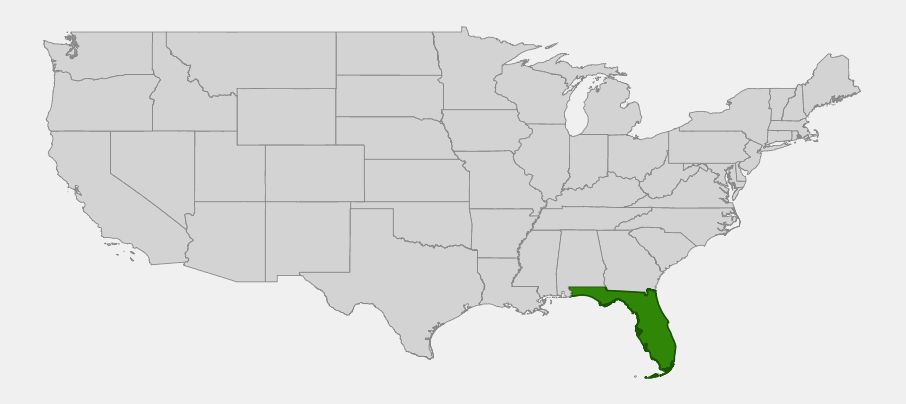
📋 Florida royal palm’s native range is too small and localized to be covered by any of our regional plant lists; browse our full native plant directory for more South Florida natives.
Growing & Care Guide
Royal palm is easy to grow in the climate it wants, but that climate is narrow: it needs year-round heat and cannot tolerate hard freezes, so it is only reliably hardy in the warmest coastal and southern parts of Florida and similarly frost-free regions.
Light
Give royal palm full sun. It grows straightest and fullest with at least six to eight hours of direct sun daily; in shade it stretches and leans toward the light and never fills out properly.
Soil & Water
Royal palm tolerates a wide range of soils, including Florida’s typical sand and limestone-based soils, as long as moisture is reasonably steady. Established trees tolerate brief flooding and compacted, wet sites that would stress many other palms, reflecting their wetland origins, but they are not true aquatic plants and still need soil that drains between heavy rains. Water young palms regularly during their first one to two years; mature trees handle Florida’s wet and dry seasons without supplemental irrigation in most landscapes.
Planting Tips
Plant container-grown royal palms in warm weather so roots establish before any cool snap. Because mature trees reach 50 feet or more with a wide-arching crown, place them well away from power lines, roofs and pavement that heavy falling fronds or fruit could damage. Royal palm is intolerant of cold, so avoid planting it anywhere that sees frost, and expect damage or death in any winter that drops much below 28°F.
Pruning & Maintenance
Remove only fully brown, dead fronds; green or yellowing fronds still feed the palm and should be left in place. Never prune into the crownshaft or remove green fronds for a “hurricane cut” look, which weakens the palm and increases its vulnerability to wind and disease. Heavy fruit drop can be messy on hardscape, so site the tree away from pools, patios and parked cars if that is a concern.
Propagation
Royal palm is propagated from fresh seed, which germinates readily in warm, moist conditions within one to three months. Seedlings grow slowly at first, building a strong root system before putting on visible trunk height, so container-grown nursery palms are usually several years old before planting.
Landscape Uses
- Avenue and street tree in frost-free South Florida, where its uniform height makes a dramatic formal allée
- Specimen tree as a focal point in a large open lawn or entrance planting
- Companion plantings with cabbage palm and saw palmetto for an all-native South Florida palm grouping
- Waterside and pond-edge plantings, reflecting its naturally wet native habitat
- Wildlife and habitat gardens in its native counties, where fruiting trees feed local birds and mammals
Wildlife & Ecological Value
Where it grows wild, royal palm plays a real role in South Florida’s wetland forests, and its abundant fruit crop makes it valuable to local wildlife far beyond its small native range.
For Pollinators
The small, nectar-rich flowers attract bees and a variety of other insects during the tree’s extended bloom period, which can occur at almost any time of year in South Florida’s frost-free climate.
For Birds
The heavy clusters of small purple-black fruits are a significant food source for fruit-eating birds, including robins and other thrushes that pass through South Florida, as well as resident species. Large old royal palms, with their tall, clear trunks and crown of sturdy fronds, also provide nesting and roosting sites for raptors and other large birds.
For Mammals
Raccoons and other fruit-eating mammals feed on fallen royal palm fruit, helping disperse seed away from parent trees. Bats pollinate and visit the flower clusters in some parts of the species’ range.
Ecosystem Role
In its native cypress strands and hammocks, royal palm forms an emergent layer, its crown often rising above the surrounding forest canopy. This height provides perches and nest sites unavailable elsewhere in the habitat, and the tree’s tolerance for seasonal flooding lets it anchor a niche that many other large trees cannot occupy.
Cultural & Historical Uses
Royal palm has long been prized for its beauty rather than for utilitarian use. Its wood is fibrous rather than solid lumber, so it was not a significant building material, though the trunks have occasionally been used for rustic posts. The large, drooping leaves saw some local use for thatch and weaving in parts of its Caribbean range.
The tree’s real cultural importance is ornamental and symbolic. Spanish colonial towns throughout the Caribbean planted royal palms along their grandest avenues, a tradition that carried into South Florida as the region developed in the early twentieth century. Miami’s famous Royal Palm Hotel, which opened in 1897, took its name from the trees planted around it, and royal palm avenues remain a signature image of South Florida landscaping to this day.
Because the wild Florida population is limited and found largely within protected parks and preserves, conservation agencies discourage collecting wild seed or plants from these areas; nursery-propagated royal palms, grown from cultivated seed sources, supply the horticultural trade without pressuring the native stands.
Frequently Asked Questions
Is the royal palm actually native to Florida, or just planted everywhere?
Both are true. Royal palm is genuinely native to the southern tip of Florida, where small wild populations grow in the Everglades and Big Cypress region, but the vast majority of royal palms seen around the state are planted landscape trees, not wild natives.
How cold-hardy is royal palm?
Not very. It is reliably hardy only in USDA zones 10b and warmer and suffers serious damage or death in hard freezes, which is why its natural range and its practical planting range are both confined to the warmest parts of Florida.
How tall does a royal palm get?
Most mature royal palms reach 50 to 70 feet, with an especially old or favorably sited tree occasionally growing taller. Growth is moderate to fast in warm, moist conditions.
What is the green section on the trunk below the leaves?
That is the crownshaft, a smooth green column formed by the tightly wrapped bases of the leaves. It is one of the clearest ways to identify a royal palm and is not found on Florida’s native cabbage palm or saw palmetto.
Can I plant a royal palm if I live in central or north Florida?
It is risky. Royal palm has no frost tolerance to speak of, so winters in central and north Florida will damage or kill it outright; the tree is best reserved for South Florida and other truly frost-free landscapes.

Looking for a nursery that carries Florida Royal Palm?
Browse our native plant nursery directory: Florida & Georgia