
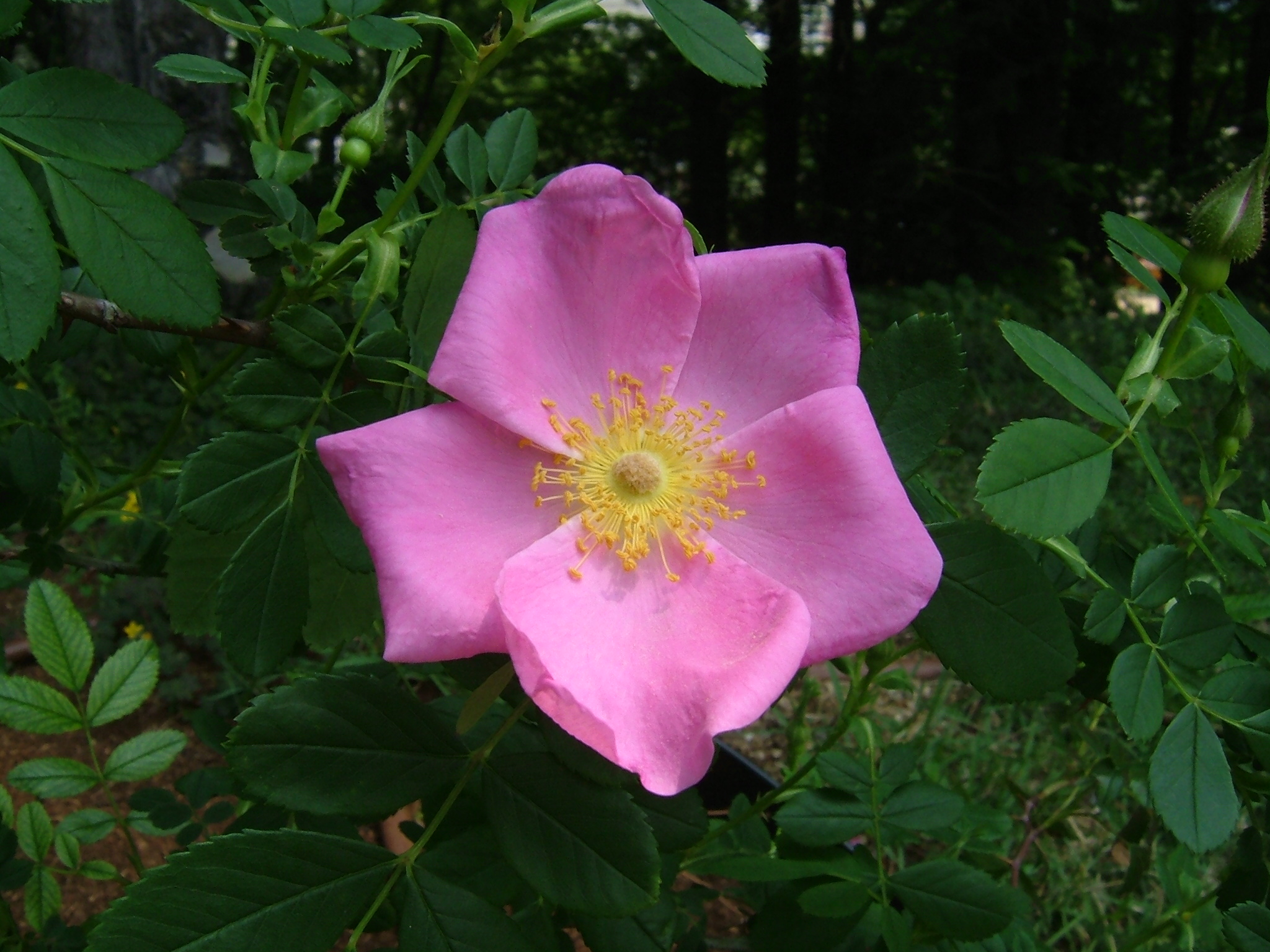
Virginia Rose in full bloom, showing characteristic bright pink five-petaled flowers with prominent yellow stamens. Photo: Wikimedia Commons (CC BY-SA 3.0) Rosa virginiana, commonly known
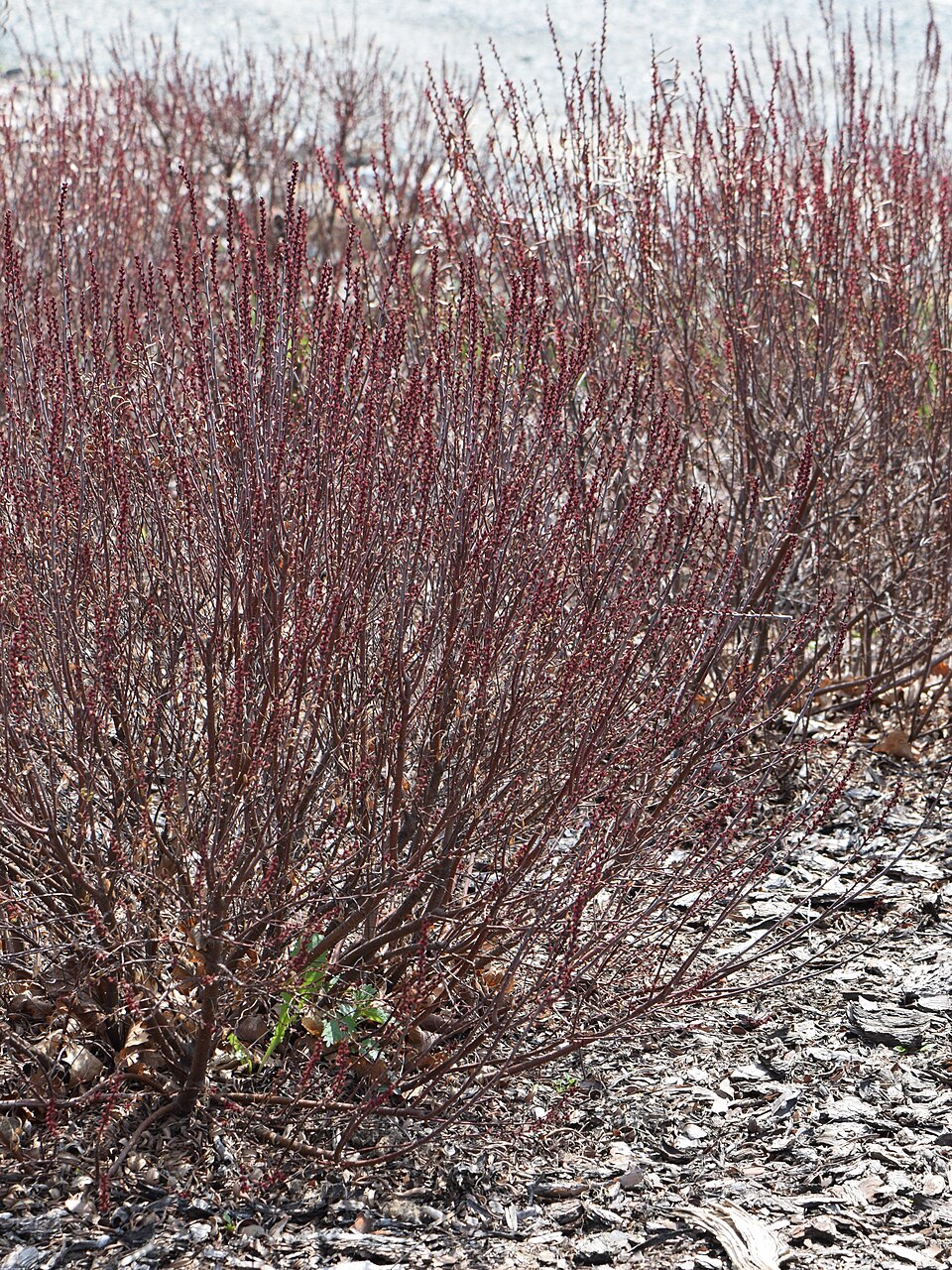
Sweetgale’s aromatic dark green foliage and spring catkins at a wetland edge — a defining shrub of northern bogs and lakeshore heaths. Photo: Wikimedia Commons
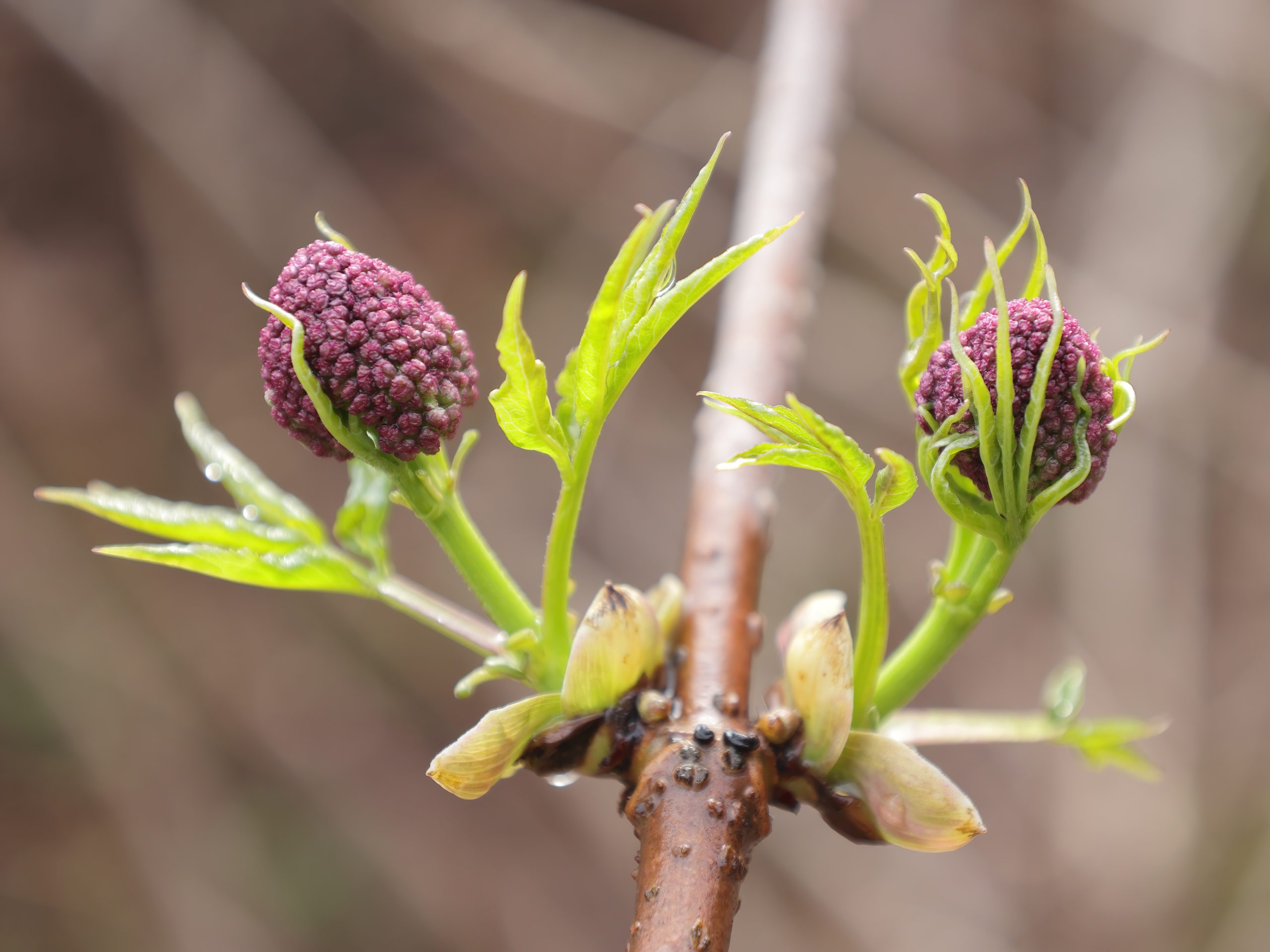
Scarlet Elder’s pyramidal flower clusters appear remarkably early in spring, providing nectar when few other shrubs are blooming. Photo: Wikimedia Commons (CC BY-SA 4.0) Sambucus
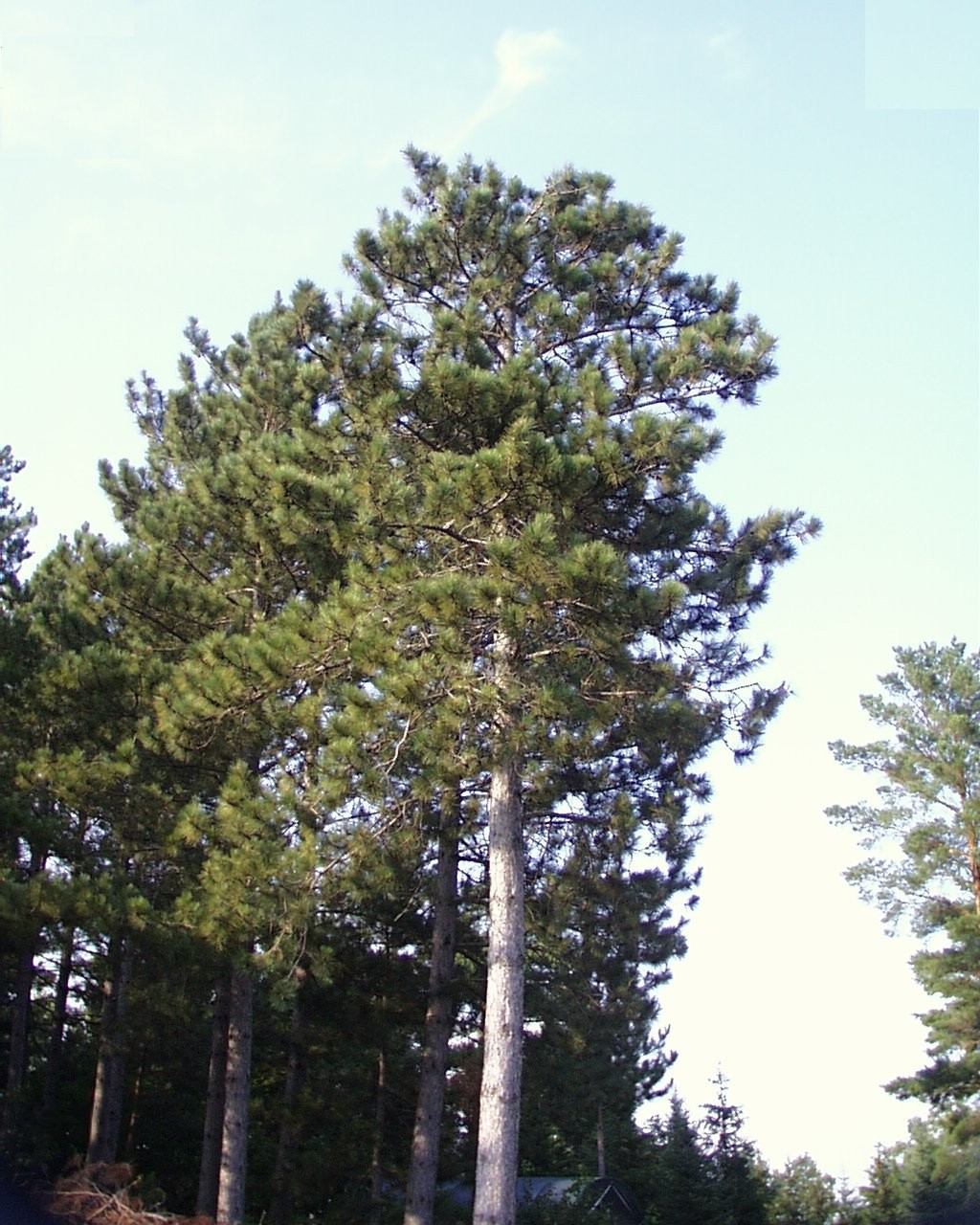
Mature Red Pines display their characteristic reddish-orange plated bark in the upper crown — the feature that gives this northern giant its name. Photo: Wikimedia
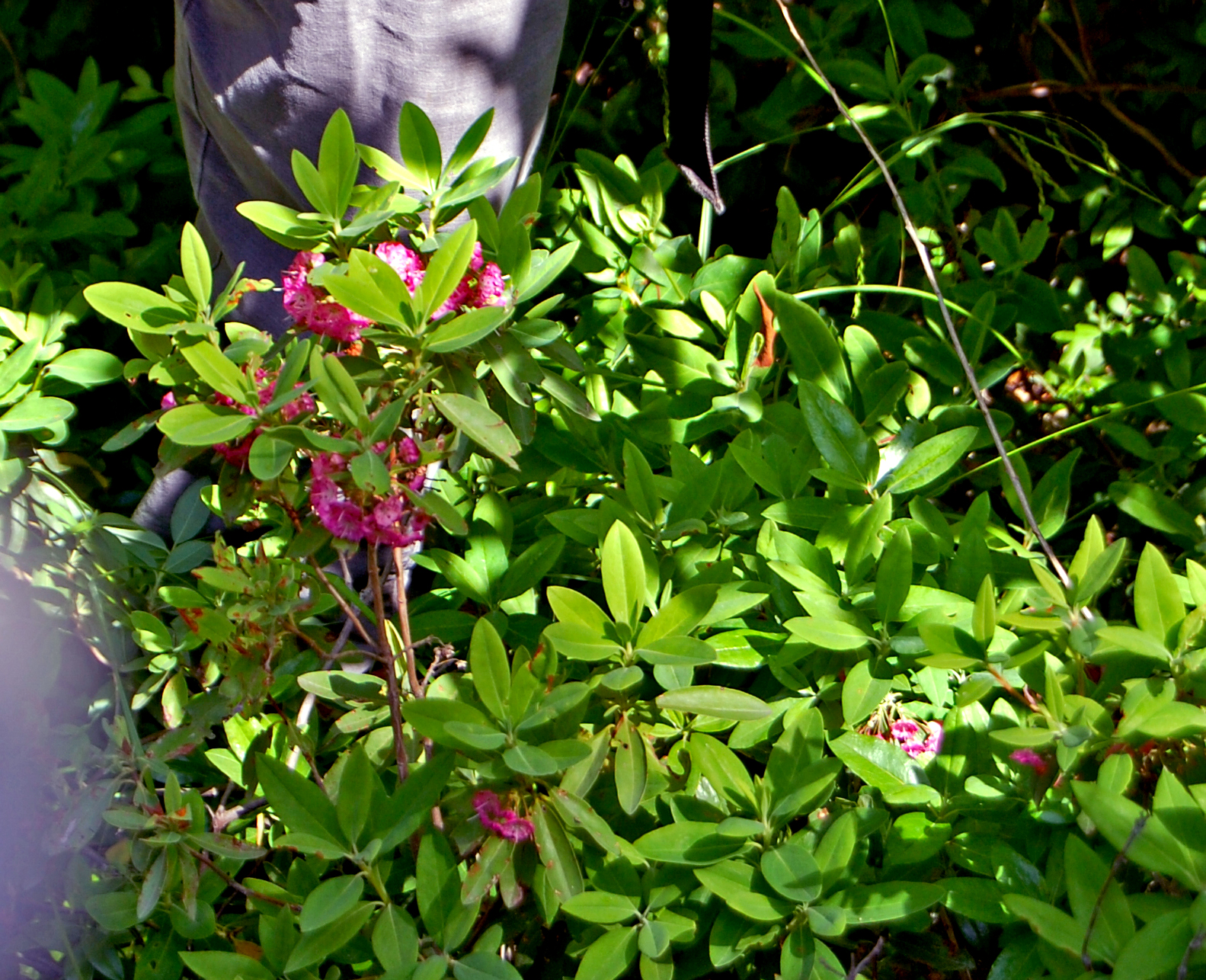
Lambkill’s vivid pink to rosy-red flowers appear in lateral clusters in early summer, making it one of the showiest native shrubs of acidic woodlands. Photo:
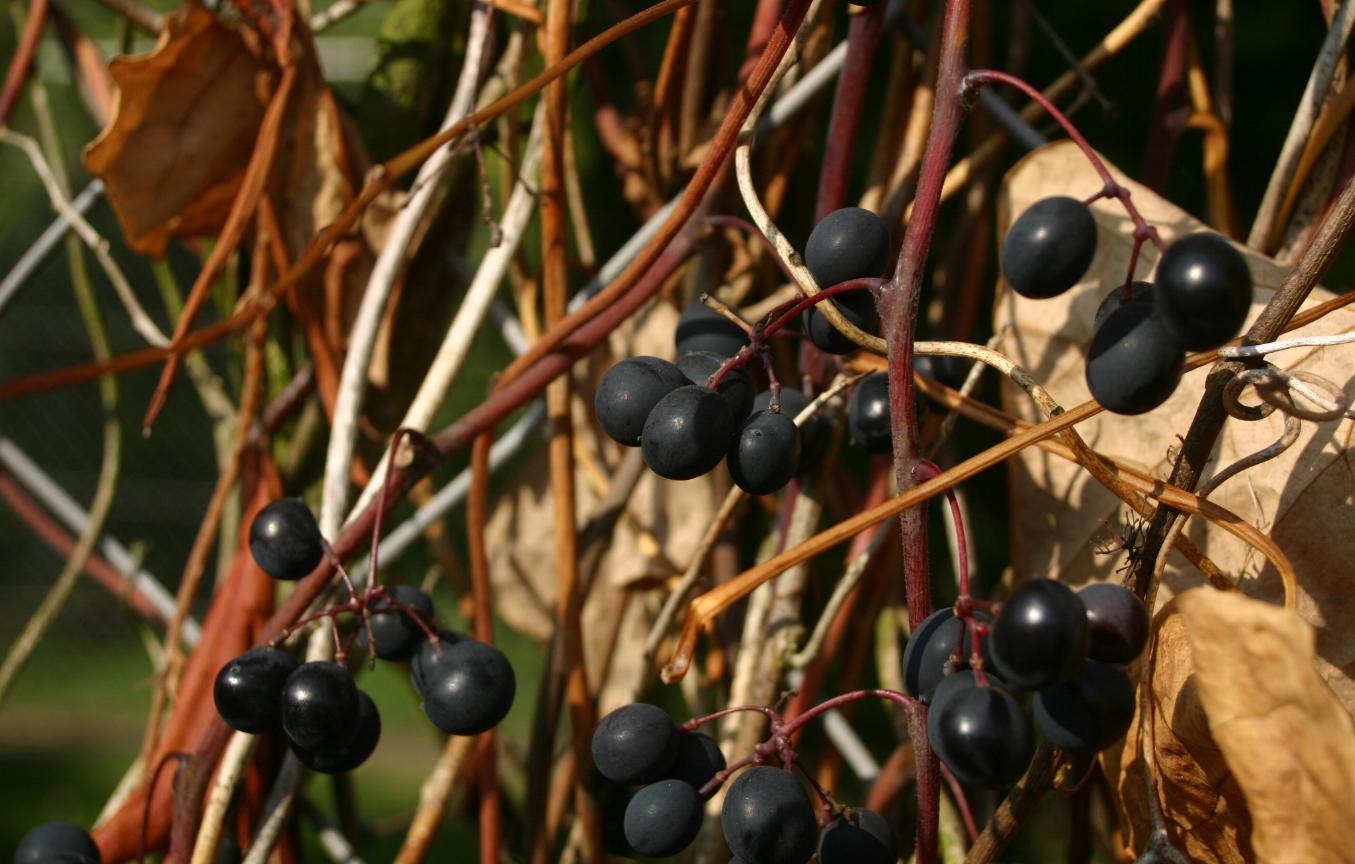
Fox Grape’s distinctive dark, musky fruits ripen in late summer and early fall, beloved by wildlife and the parent of many familiar cultivated grape varieties.
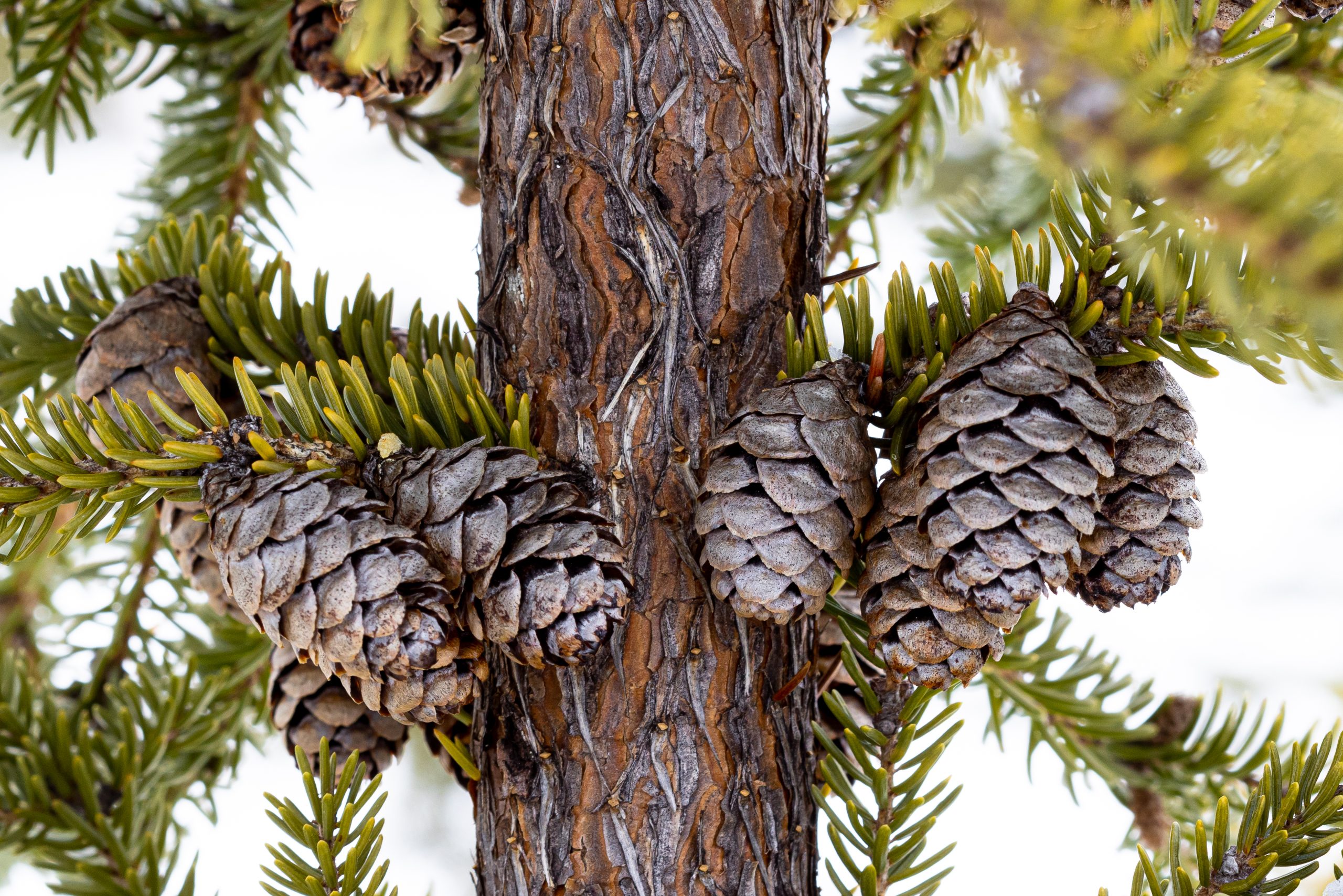
Black Spruce’s tiny, persistent cones remain on the tree for many years, releasing seeds slowly over time. Photo: Wikimedia Commons (Public Domain) Picea mariana, the
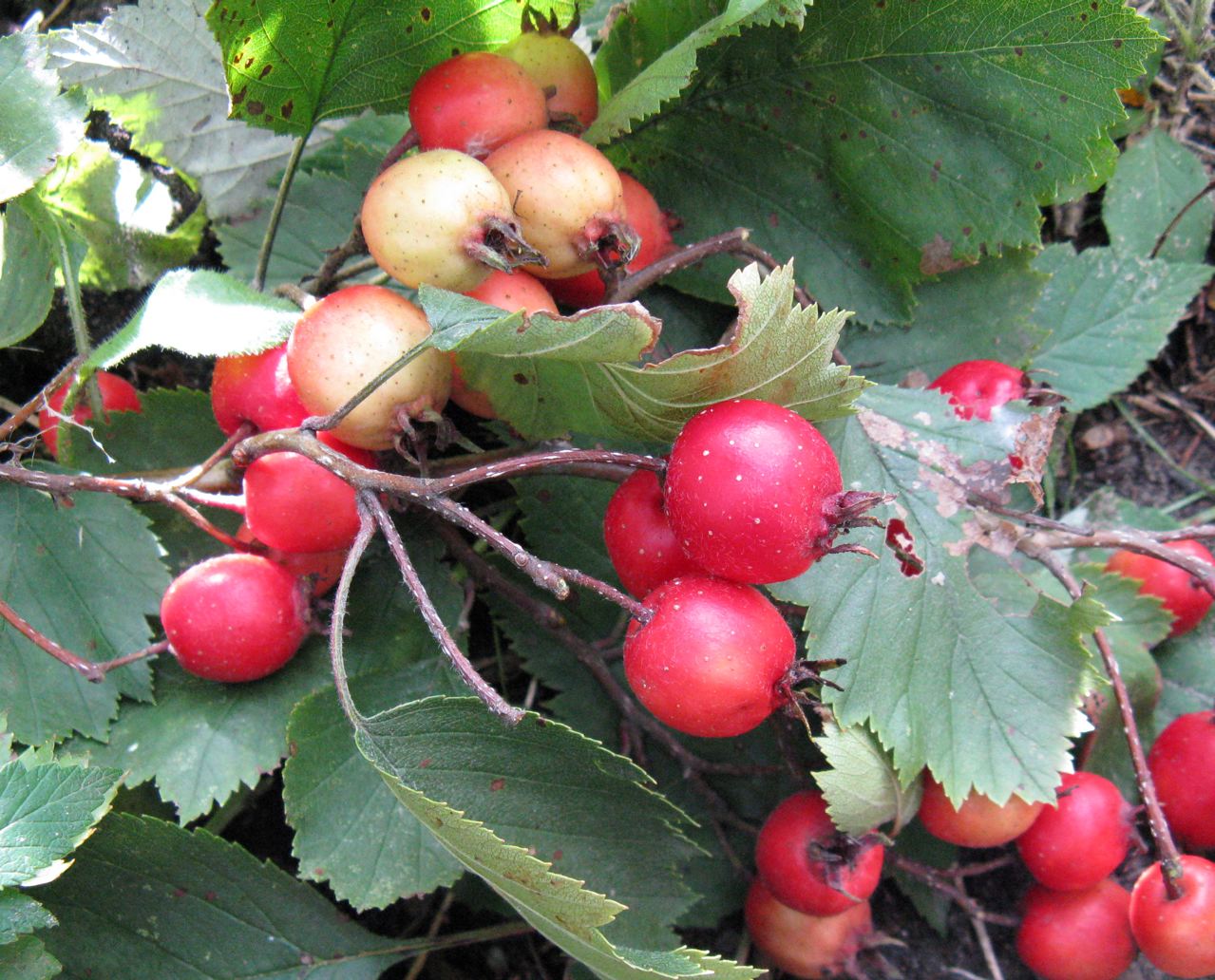
Champlain Hawthorne’s brilliant red pome fruits ripen in early autumn, attracting a wide variety of birds. Photo: Wikimedia Commons (Public Domain) Crataegus submollis, commonly known
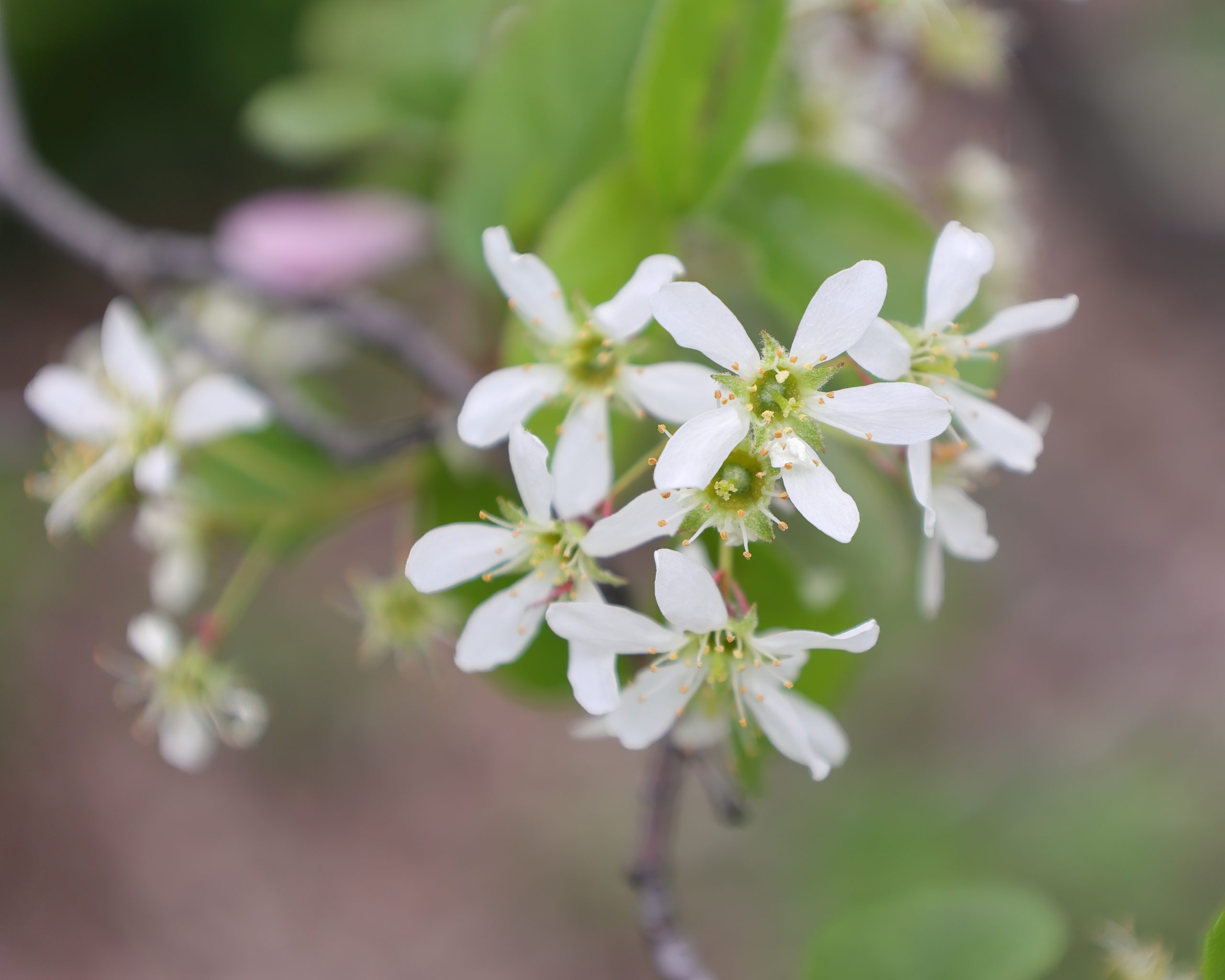
Running Serviceberry in full spring bloom, showing characteristic clusters of white five-petaled flowers. Photo: Wikimedia Commons (CC BY-SA 4.0) Amelanchier stolonifera, commonly known as Running
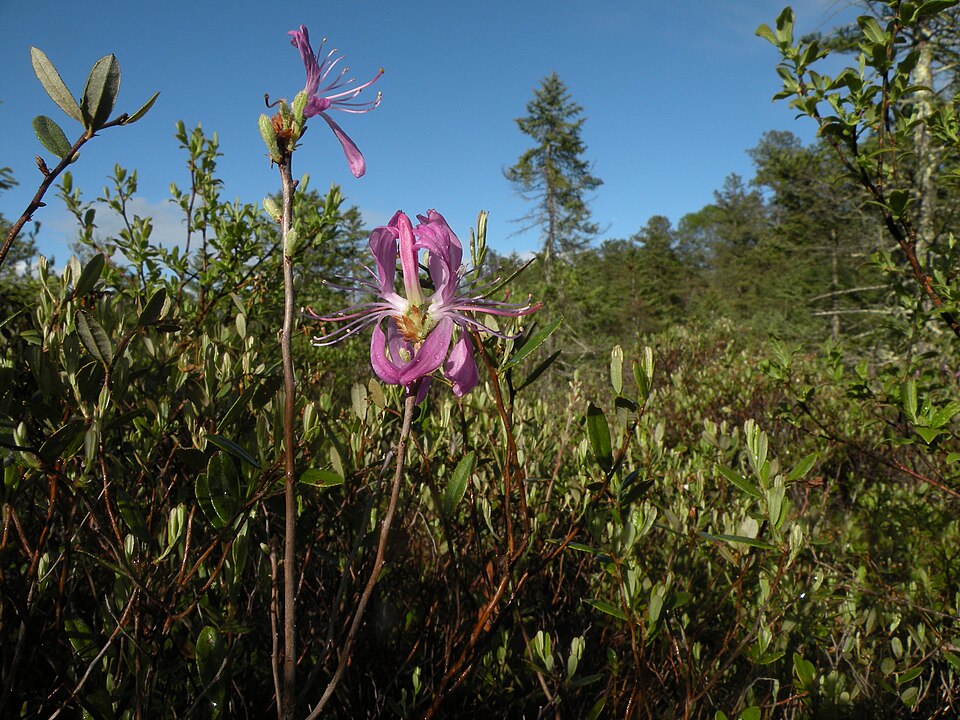
Rhodora in full spring bloom — brilliant magenta flowers appear before the leaves in April and May, transforming bogs and wet heaths. Photo: Wikimedia Commons
View More