
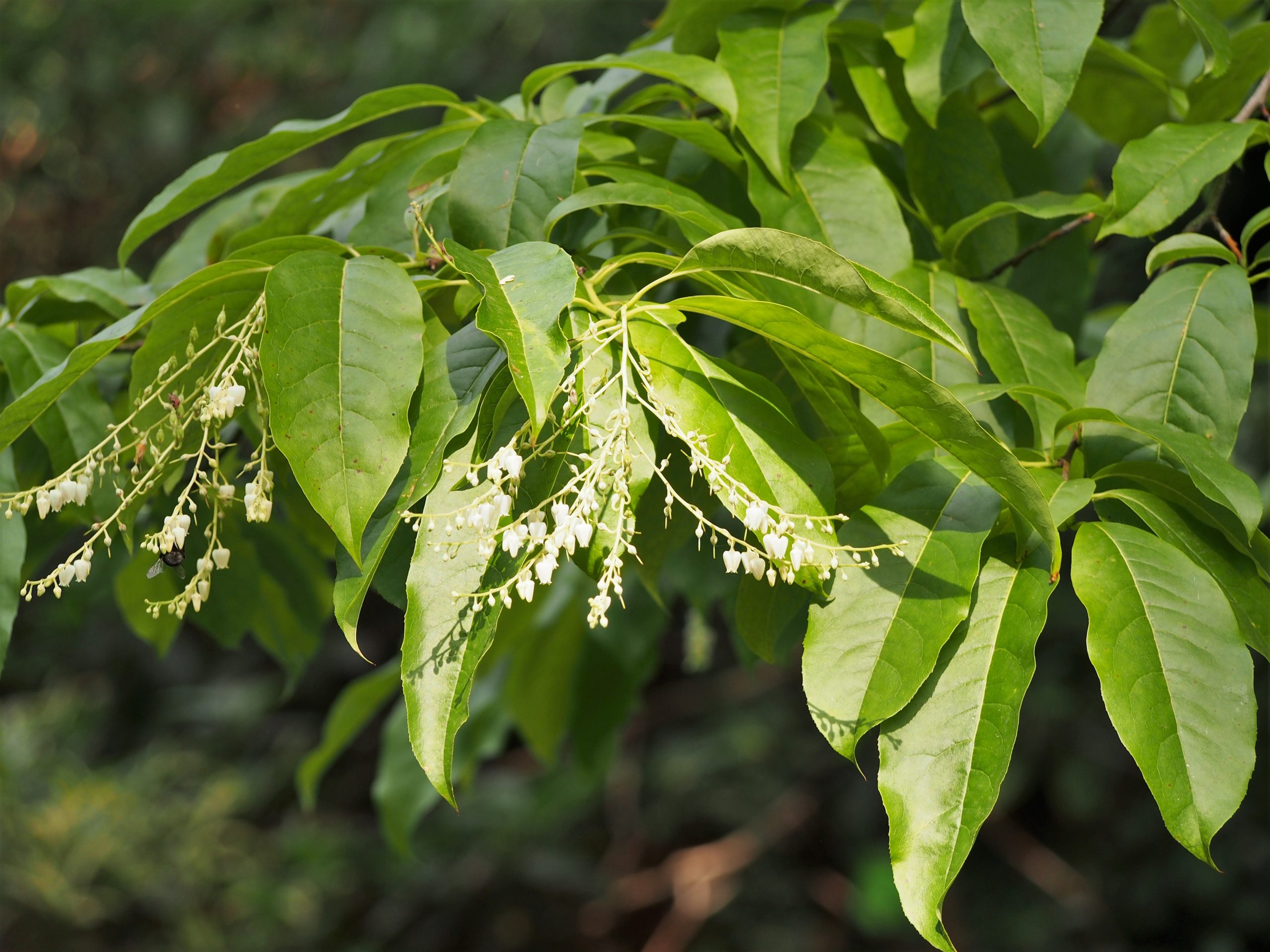
Sourwood in peak summer bloom with characteristic drooping sprays of lily-of-the-valley-like flowers. Photo: Wikimedia Commons (CC BY-SA 4.0) Oxydendrum arboreum, commonly known as Sourwood, Sorrel
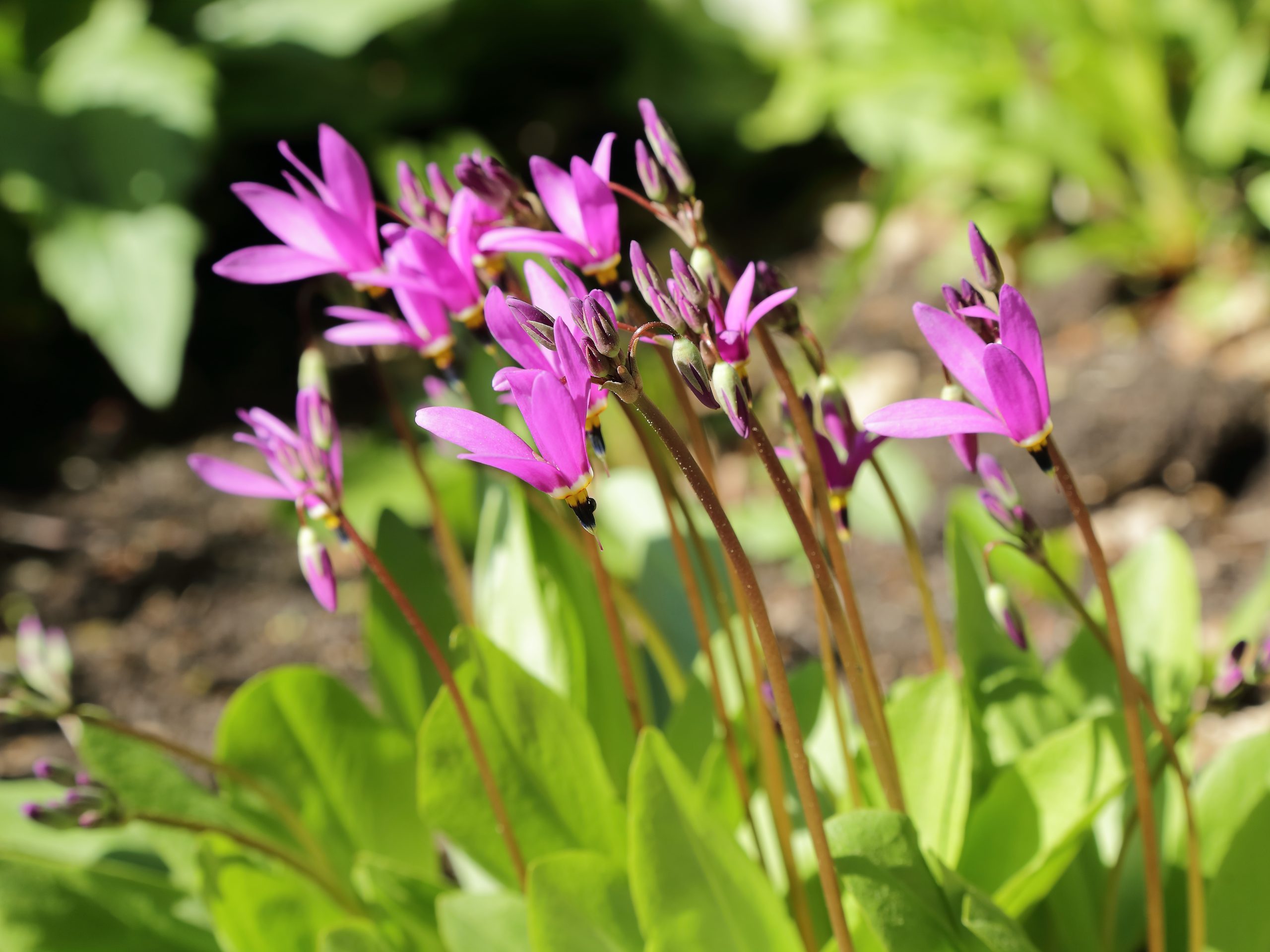
Shooting Star displaying its characteristic features in its native habitat. Photo: Wikimedia Commons (CC-BY-SA) Dodecatheon meadia, commonly known as Shooting Star or Eastern Shooting Star,
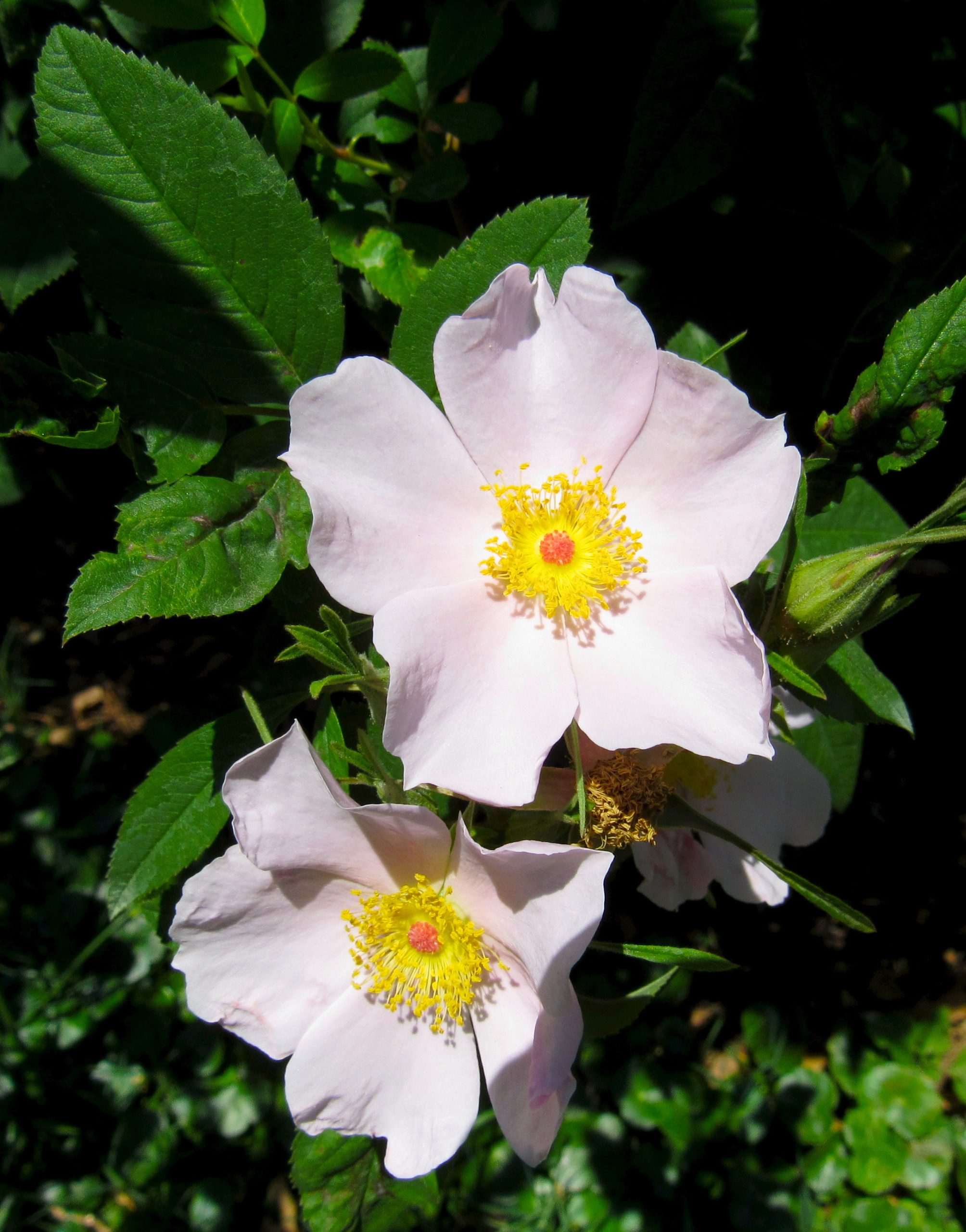
Swamp Rose flowers in full bloom, showcasing the fragrant pink blooms that attract pollinators throughout summer. Photo: Wikimedia Commons (CC BY 2.0) Rosa palustris, commonly
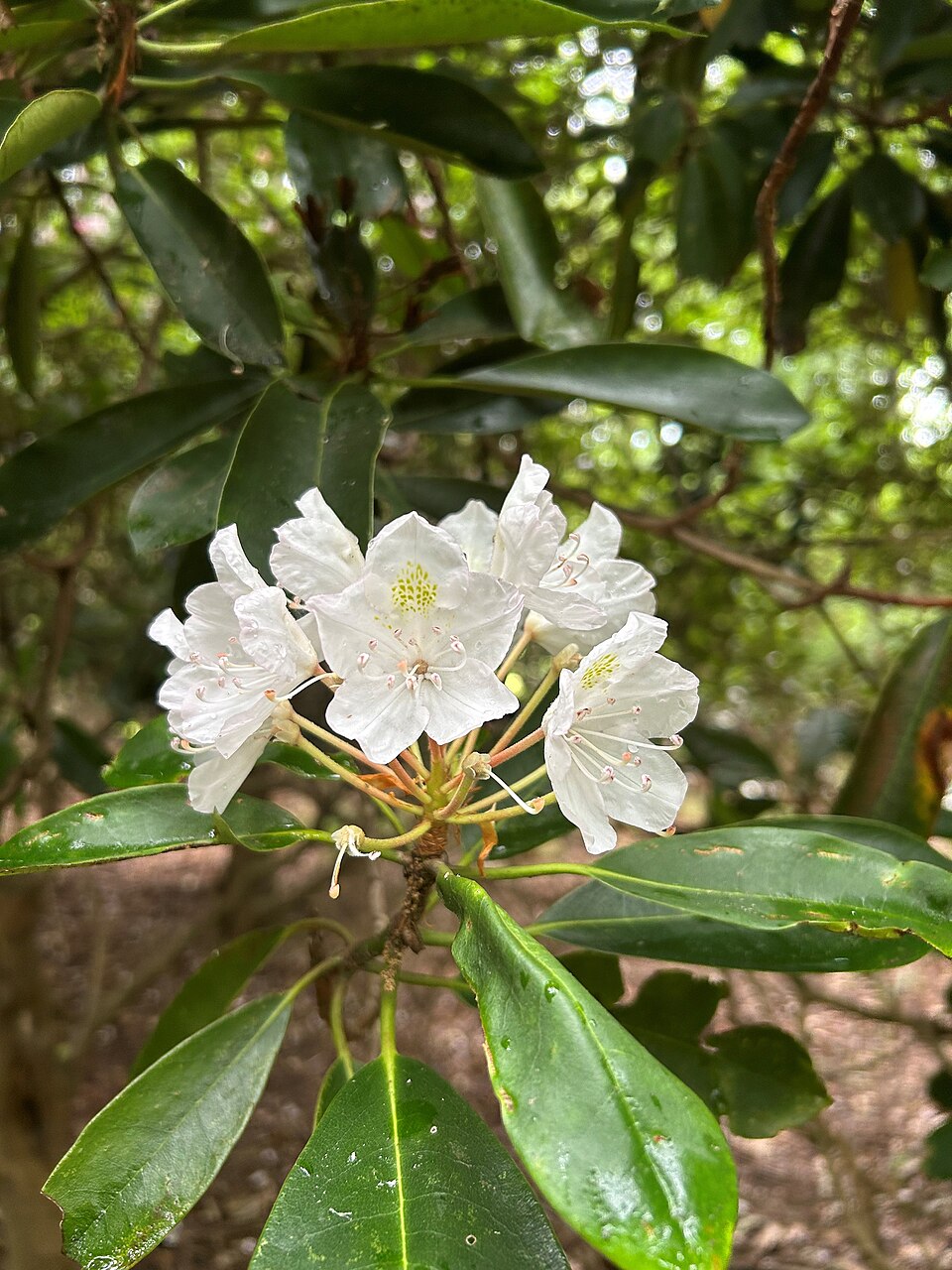
Rosebay Rhododendron blooming in its natural habitat — the dense understory thickets known as “rhododendron hells.” Photo: Wikimedia Commons (CC0) Rhododendron maximum, commonly known as
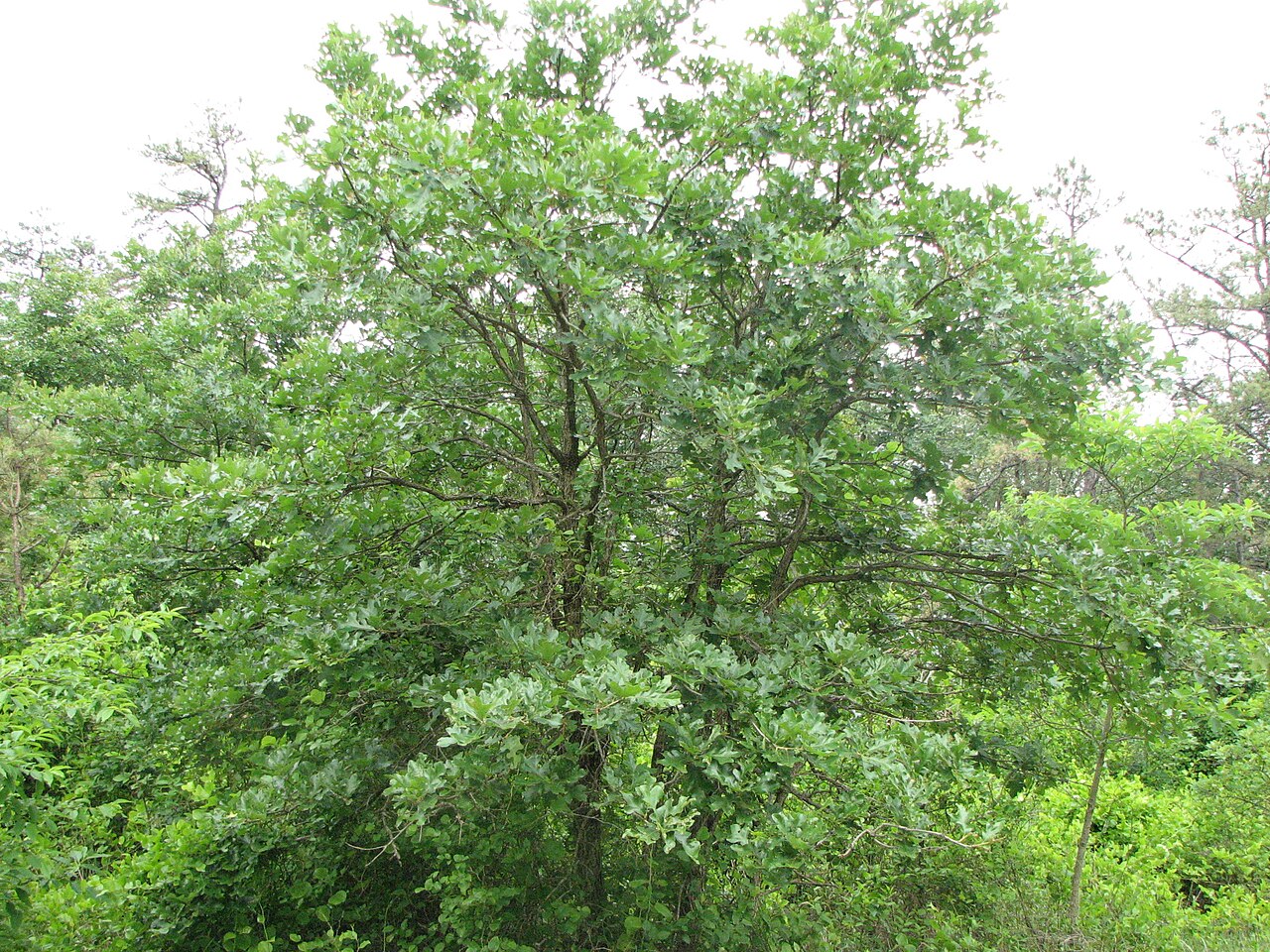
Mature Post Oak tree in its natural habitat, showing the distinctive branching pattern and drought tolerance. Photo: Wikimedia Commons (CC BY-SA 3.0) Quercus stellata, commonly
Smooth, fluted trunk and branches of American hornbeam (Carpinus caroliniana). Photo: Richard Webb, Bugwood.org, USA / Wikimedia Commons — CC BY 3.0 us. Resized for
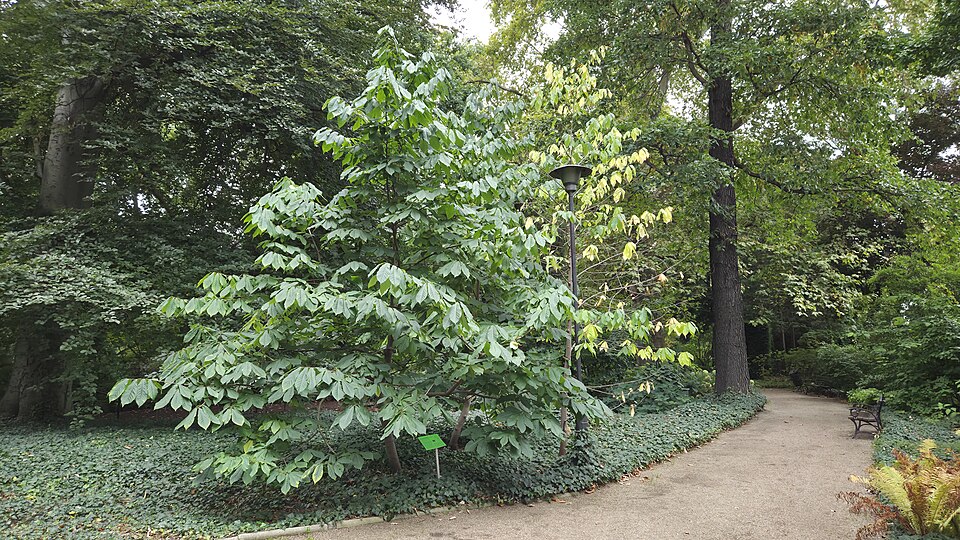
Paw Paw tree with its distinctive large, tropical-looking leaves. Photo: Wikimedia Commons (CC BY 4.0) Asimina triloba, commonly known as the Paw Paw, American Pawpaw,
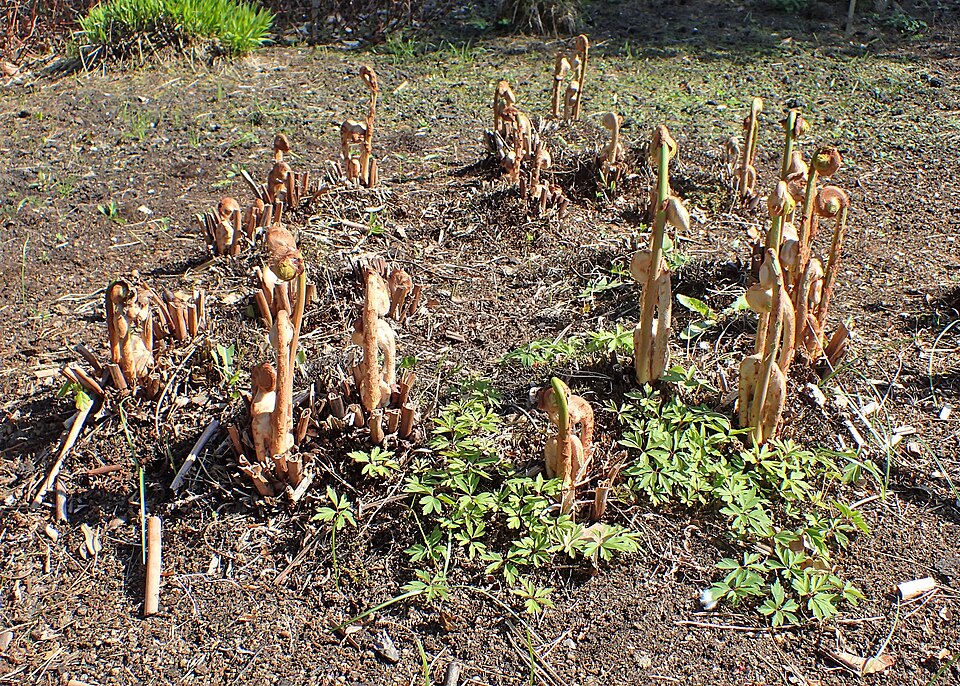
Royal Fern showing its distinctive large, bi-pinnate fronds that resemble locust tree leaves. Photo: Wikimedia Commons (CC BY-SA 4.0) Osmunda regalis, commonly known as Royal
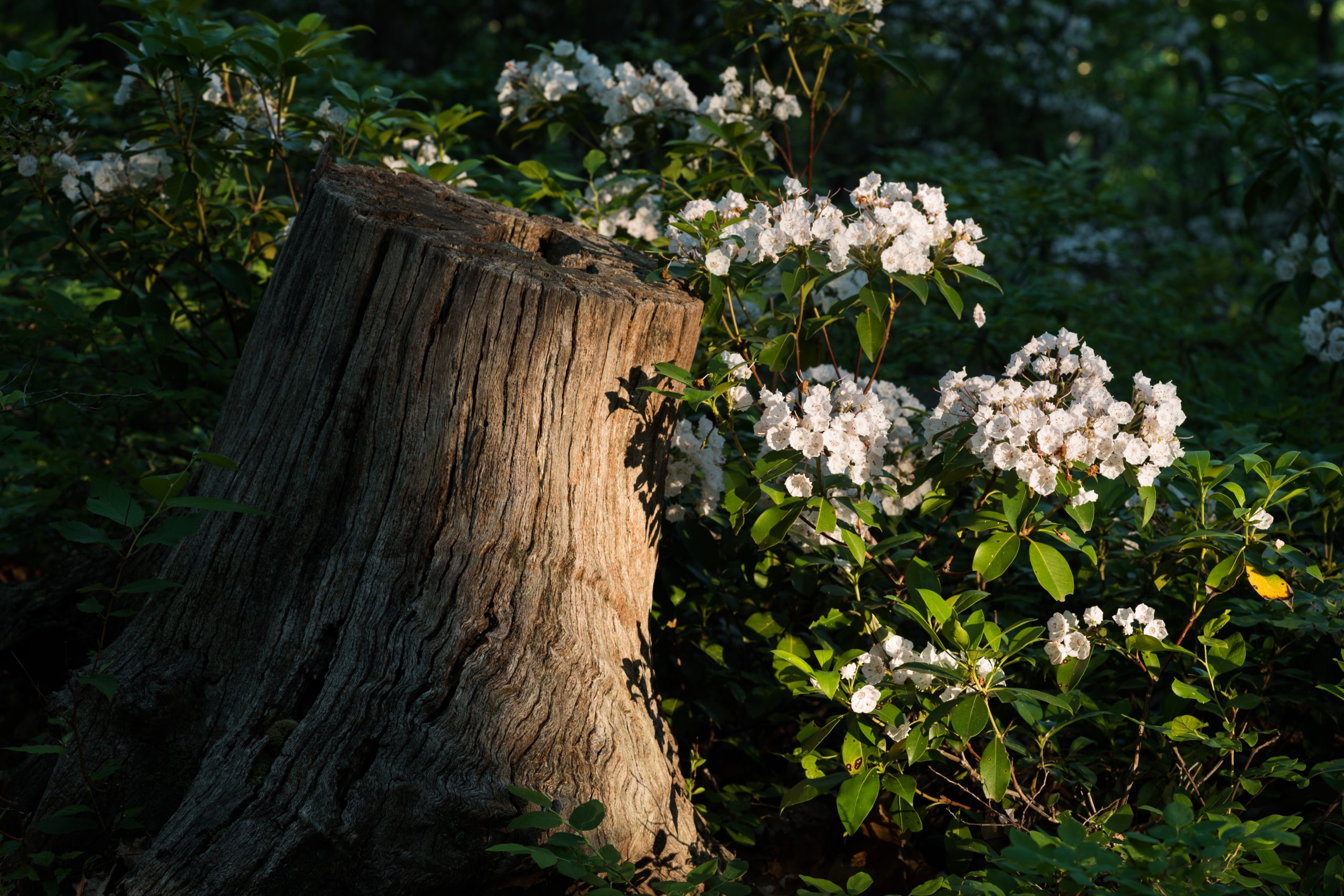
Mountain Laurel blooming in its natural forest understory habitat with dappled sunlight. Photo: Wikimedia Commons (CC BY-SA 4.0) Kalmia latifolia, commonly known as Mountain Laurel,
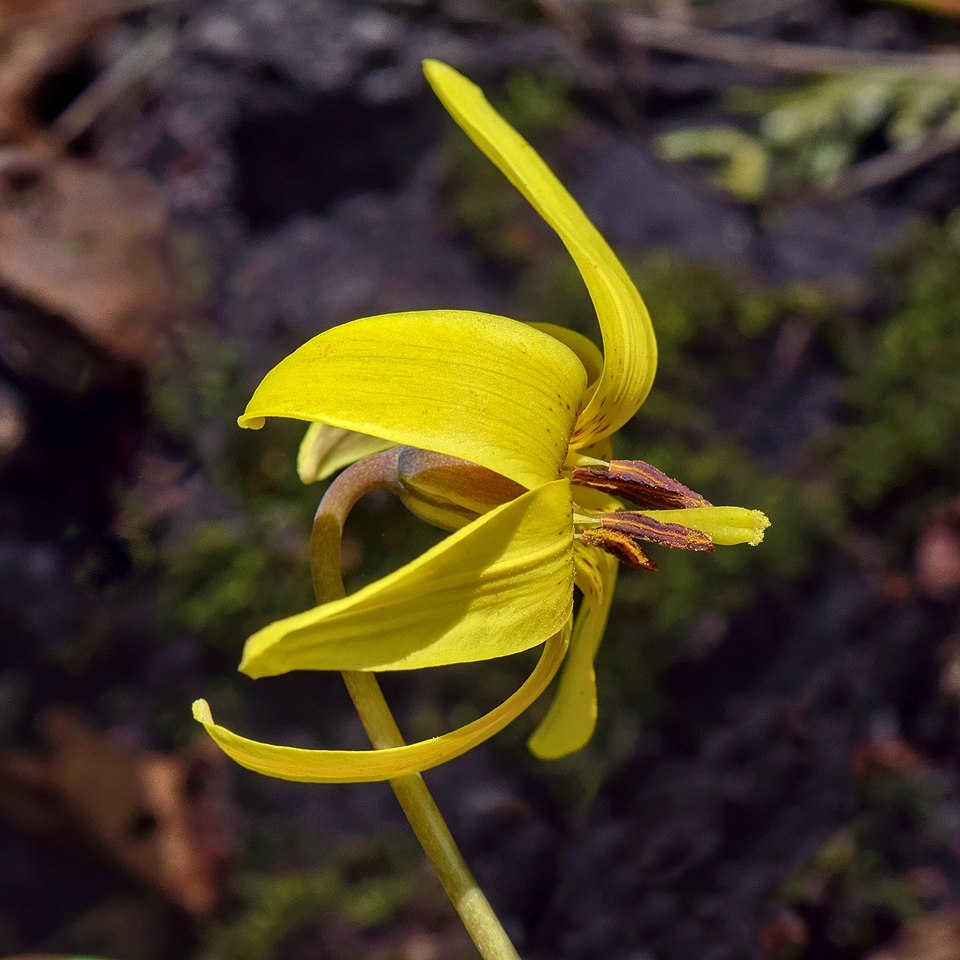
Trout Lily’s distinctive bright yellow flower with strongly reflexed petals. Photo: Wikimedia Commons (CC BY-SA 2.5 Canada) Erythronium americanum, commonly known as Trout Lily, Dogtooth
View More