Silver Bluestem (Bothriochloa laguroides)
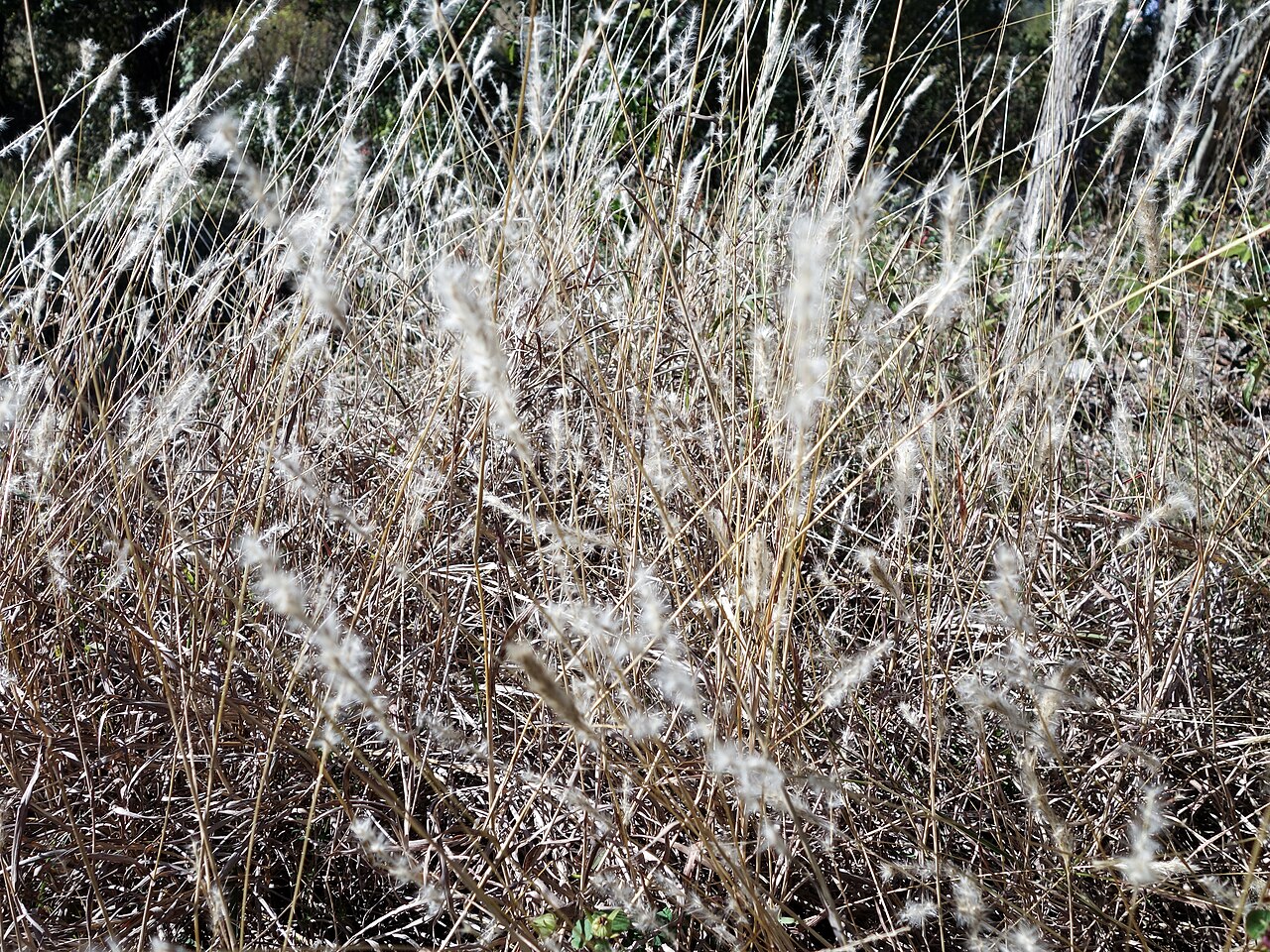
Bothriochloa laguroides, commonly called Silver Bluestem, is a widespread native warm-season bunchgrass of the southern Great Plains and Southwest. It is instantly recognizable in fall, when its slender stems are topped with dense, fluffy, silvery-white seed heads that catch low sun and glow across whole hillsides of dry prairie and rangeland. The effect has made silver bluestem a familiar sight along Texas, Oklahoma, and Kansas roadsides every autumn, even to people who could not otherwise name a single prairie grass.
Despite the name, silver bluestem is only a distant relative of the “true” bluestems like big bluestem and little bluestem; it belongs instead to the genus Bothriochloa, the beardgrasses, which share the fluffy, silky seed heads typical of the group. Growing in loose, upright clumps 2 to 3 feet tall, it is a graceful, fine-textured grass that stays green through summer heat and then transforms into one of the most eye-catching native grasses of the fall prairie.
Silver bluestem is valuable both ecologically and practically: it is an important component of native rangeland forage across its range, tolerates poor and rocky soils, and asks for essentially nothing from a gardener once established, making it a reliable, low-maintenance choice for naturalistic prairie plantings from the Texas Hill Country to the Kansas Flint Hills.
Identification
Silver bluestem is a clump-forming perennial grass, typically 2 to 3 feet tall in foliage and reaching 3 to 4 feet with its flowering stems, forming loose, upright to slightly arching tufts.
Foliage
Leaf blades are flat to slightly folded, 4 to 10 inches long and narrow, blue-green to gray-green through the growing season. The foliage has a fine, airy texture typical of the beardgrasses, and clumps stay reasonably upright without the dense sod-forming habit of some prairie grasses.
Flowers & Seed Heads
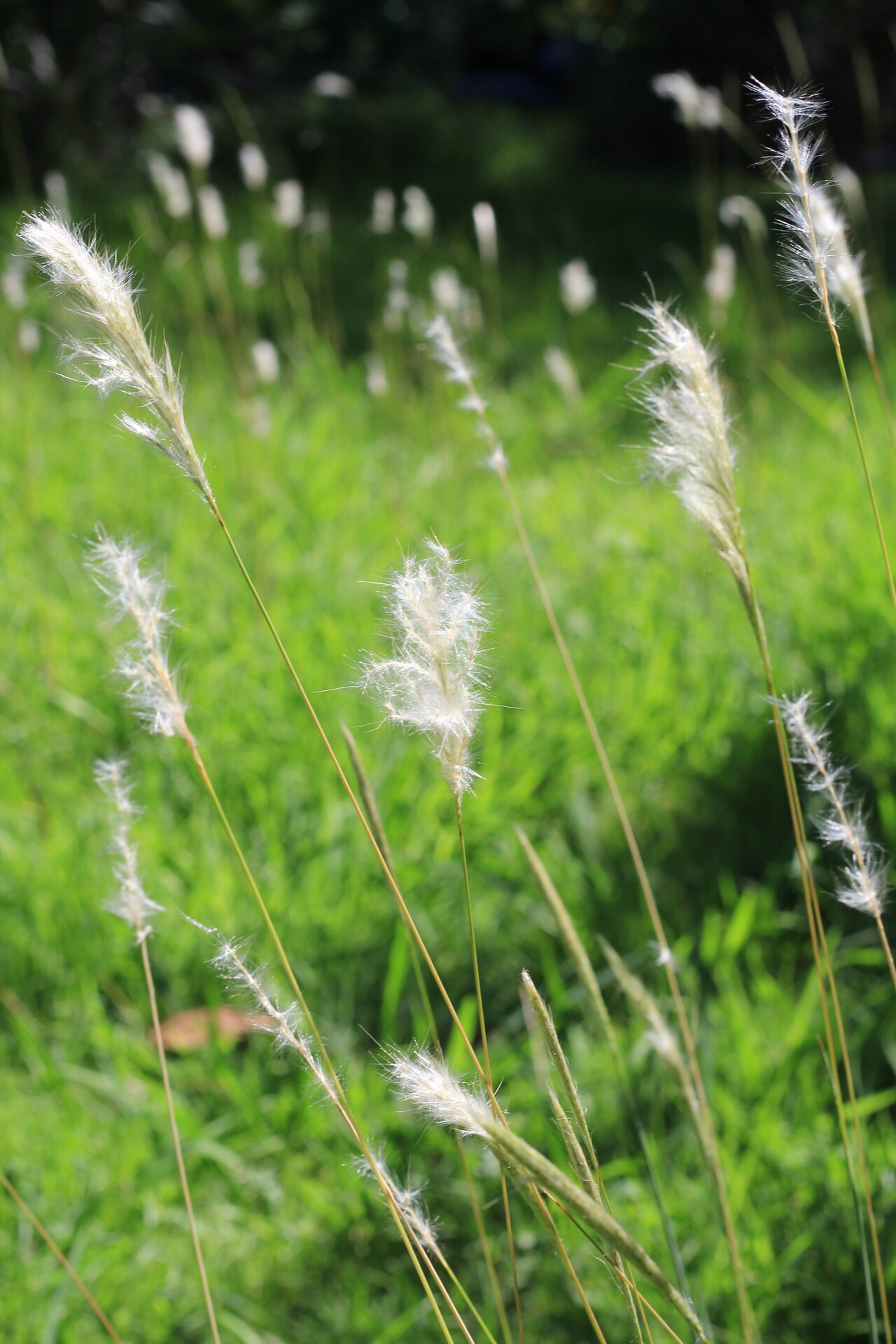
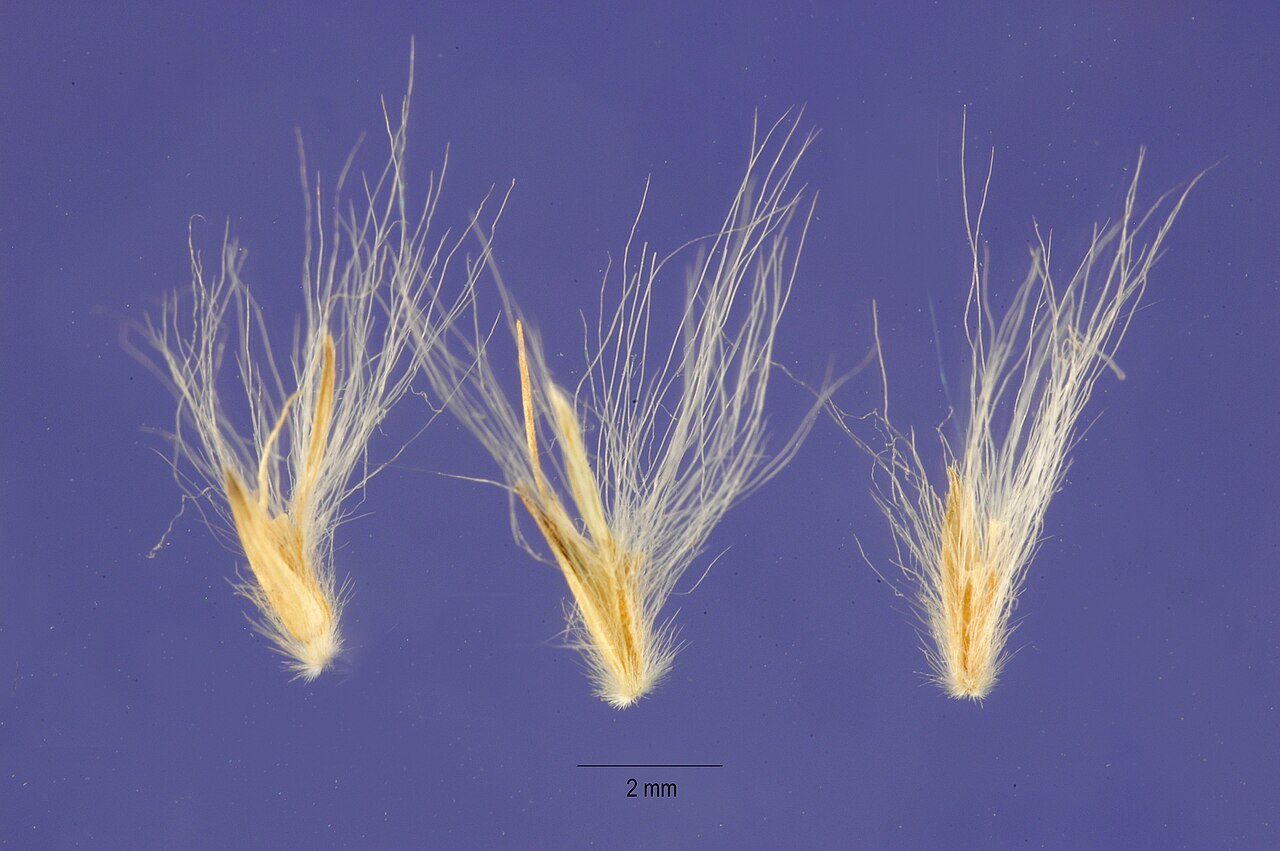
Flowering occurs from late spring through fall, with the showiest display typically in September and October. The inflorescence is a dense, finger-like or fan-shaped cluster of branches covered in long, silky white hairs, giving the whole seed head a fluffy, silver-white appearance once the spikelets mature. These luminous plumes are the single best field mark for the species and are especially striking backlit by morning or evening sun.
Growth Habit
Plants grow as discrete, upright bunches rather than spreading by rhizomes, so established stands are made up of many separate clumps rather than a continuous sod, giving silver bluestem prairie a distinctive clumped, textured look.
Quick Facts
| Scientific Name | Bothriochloa laguroides |
| Family | Poaceae (Grass) |
| Plant Type | Warm-Season Perennial Bunchgrass |
| Mature Height | 2–3 ft foliage; 3–4 ft in bloom |
| Mature Spread | 1.5–2 ft, upright clump |
| Growth Rate | Moderate |
| Sun Exposure | Full Sun |
| Water Needs | Low; very drought tolerant once established |
| Soil Type | Dry, rocky, sandy or limestone soils; well-drained |
| Soil pH | Neutral to alkaline |
| Bloom Time | Late spring – fall; peak show in autumn |
| Flower Color | Silvery white |
| Fall Color | Tan foliage with luminous white seed plumes |
| Fruit | Small silky-haired caryopsis clusters |
| Deer Resistant | Yes (grazed by livestock, not preferred by deer) |
| USDA Hardiness Zones | 5–10 |
Native Range
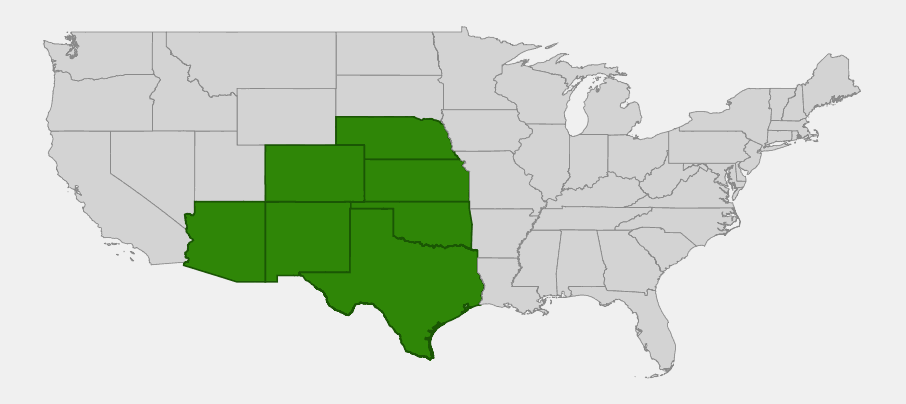
Silver bluestem is native across the southern Great Plains and Southwest, found in Arizona, Colorado, Kansas, Nebraska, New Mexico, Oklahoma, and Texas. It is most abundant and widespread through the Southern Great Plains of Kansas, Oklahoma, and Texas, extending west into the drier grasslands and foothills of New Mexico, Arizona, and eastern Colorado, and north to its range limit in Nebraska.
The species grows in dry prairies, rangeland, roadsides, and rocky slopes, typically on well-drained sandy or limestone-influenced soils. It is a common component of short- and mixed-grass prairie, often growing alongside the taller true bluestems and other warm-season grasses, and it readily colonizes disturbed ground such as roadcuts and old fields.
As a widespread, resilient native grass, silver bluestem is an important part of native rangeland across its range and is included in many restoration and reclamation seed mixes for the southern Plains, valued for its adaptability to poor, dry soils where many other grasses struggle to establish.
📋 Regional plant lists featuring Silver Bluestem: South and West Texas · Arizona & New Mexico · Nebraska, Kansas & Eastern Colorado
Growing & Care Guide
Silver bluestem is an easy, adaptable native grass that thrives on neglect, making it an excellent choice for low-input prairie and xeriscape plantings.
Light
This grass needs full sun to grow well and put on its best fall seed-head display; in shade it becomes sparse and floppy and flowers poorly.
Soil & Water
Silver bluestem thrives in poor, dry, rocky or sandy soils and is notably more tolerant of drought and low fertility than many ornamental grasses. It needs regular water only while establishing in its first growing season; after that, rainfall alone is generally sufficient across most of its native range, and rich, regularly irrigated soil tends to produce weak, floppy growth rather than a stronger plant.
Planting Tips
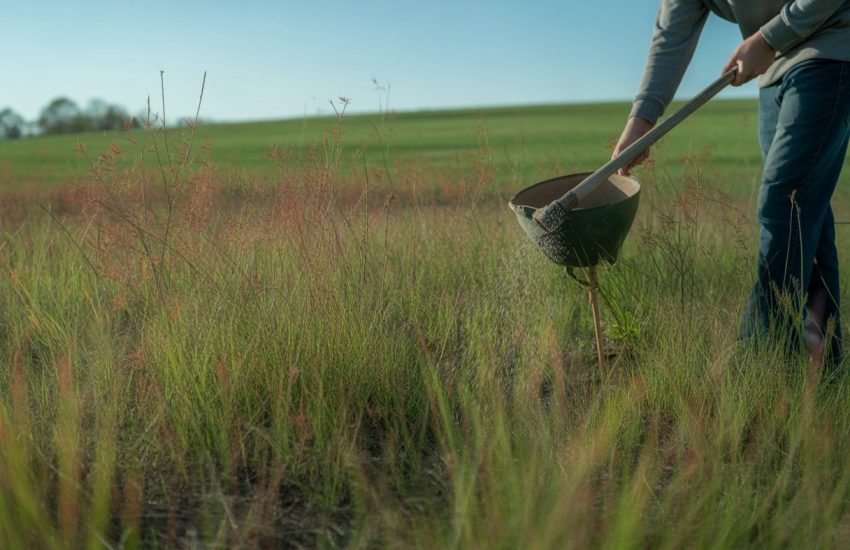
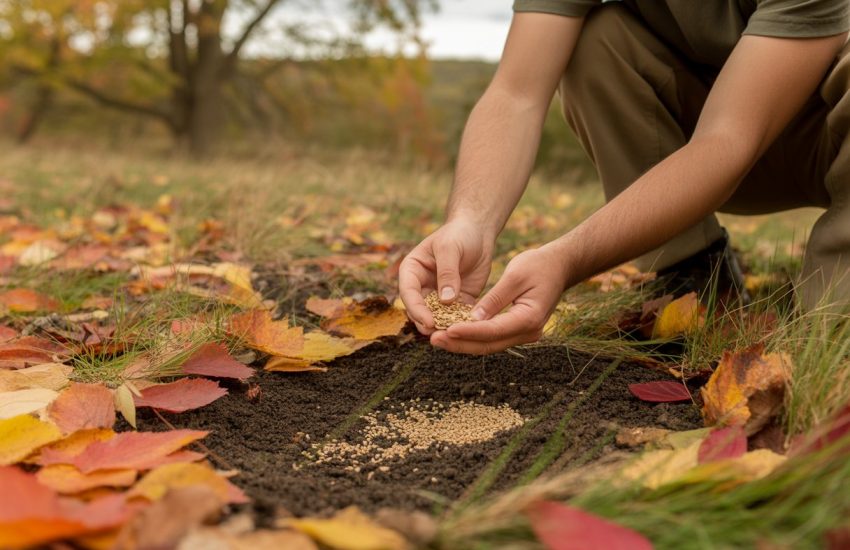
Establish silver bluestem from seed or small plugs in spring, when warm-season grasses break dormancy. Space plugs 12 to 18 inches apart for a naturalistic prairie planting, or broadcast seed as part of a native grass and wildflower mix. Germination and establishment can be slow the first year, typical of warm-season bunchgrasses, so patience is needed before the planting fills in.
Pruning & Maintenance
Cut back or mow the previous year’s growth to a few inches in late winter before new shoots emerge, which keeps stands looking tidy and encourages vigorous spring growth. No fertilizer is needed in typical prairie or rangeland soil, and the species has no significant pest or disease problems.
Landscape Uses
- Naturalistic prairie plantings and meadow restorations
- Erosion control on dry slopes, roadcuts and disturbed ground
- Rangeland and pasture seeding on poor, rocky soils
- Fall-interest gardens, for the luminous silver seed heads
- Xeriscapes needing a low-water grass component
- Wildlife plantings, where the seed heads feed birds through winter
Wildlife & Ecological Value
As a widespread native grass of the southern Plains, silver bluestem supports a range of wildlife across its native rangeland and prairie habitats.
For Pollinators
Like other grasses, silver bluestem is wind-pollinated rather than insect-pollinated, but its dense clumps provide important structural habitat and shelter for ground-dwelling insects and the predators and pollinators that depend on a diverse prairie insect community.
For Birds
Seed-eating birds, including sparrows and other grassland species, feed on silver bluestem seed through fall and winter, and the clumping growth habit offers nesting cover for ground-nesting prairie birds such as quail.
For Mammals
Silver bluestem is a valuable native forage grass for grazing livestock and wildlife including deer and pronghorn, particularly valued for remaining palatable later into the season than some other warm-season grasses; its structure also provides cover for small mammals.
Ecosystem Role
As a widespread, deep-rooted perennial bunchgrass, silver bluestem helps stabilize soil on dry, erosion-prone ground and is an important component of native short- and mixed-grass prairie communities across the southern Great Plains, contributing to the structural diversity that supports prairie wildlife.
Cultural & Historical Uses
Silver bluestem has long been valued as native rangeland forage across the southern Great Plains, grazed by cattle and other livestock as part of the native grass mix that sustained ranching economies in Texas, Oklahoma, and Kansas through the twentieth century. Its tolerance of poor, dry soils made it a dependable grass on rangeland too marginal for many other forage species.
Selections of silver bluestem, including the cultivar ‘Santiago’, have been released by USDA plant materials programs specifically for use in erosion control and reclamation seeding on disturbed sites across Texas and the surrounding region, reflecting its practical value for stabilizing bare or degraded ground.
Beyond its agricultural role, the grass has become a recognized feature of the fall prairie landscape in its native region, with native plant societies in Texas, Oklahoma, and Kansas highlighting its ornamental value for its autumn seed-head display.
Frequently Asked Questions
Is silver bluestem related to big bluestem or little bluestem?
Only distantly. Silver bluestem belongs to the genus Bothriochloa (the beardgrasses), while big bluestem and little bluestem belong to Andropogon and Schizachyrium. All three share the common name “bluestem” and a general resemblance, but they are not closely related within the grass family.
Why does silver bluestem look silver in fall?
The seed heads are covered in long, silky hairs that catch and scatter light, giving the plant its characteristic shimmering, silvery-white appearance once the seeds mature in late summer and fall.
Is silver bluestem good for livestock grazing?
Yes. It is considered valuable native forage across its range, palatable to cattle and other grazers, and is often included in rangeland seed mixes for the southern Great Plains.
Does silver bluestem spread aggressively?
No. It is a clump-forming bunchgrass that does not spread by rhizomes, so it stays in discrete tufts rather than forming an aggressive, spreading sod, though it does reseed into open ground.
How much water does silver bluestem need once established?
Very little. Established plants are highly drought tolerant and typically thrive on natural rainfall alone across most of their native range, needing supplemental water mainly during the first growing season.

Looking for a nursery that carries Silver Bluestem?
Browse our native plant nursery directory: Texas · Oklahoma, New Mexico & Nebraska · Kansas · Arizona · Colorado