
Slenderleaf False Dragonhead (Physostegia leptophylla)
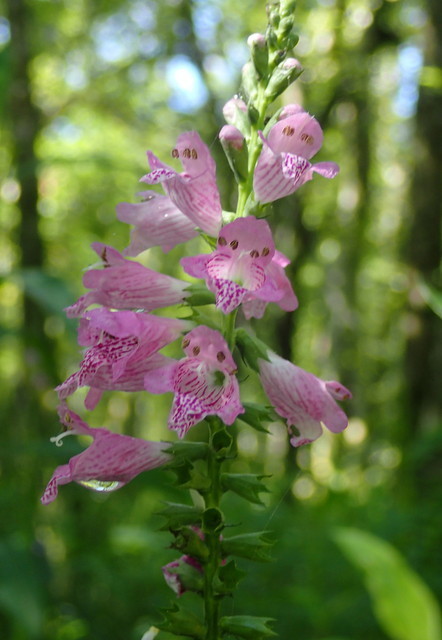
Physostegia leptophylla, known as Slenderleaf False Dragonhead (also slender-leaved obedient plant), is a wetland wildflower of the southeastern Atlantic and Gulf Coastal Plain. From late spring into summer it raises slender, square stems 2 to 5 feet tall, topped with spikes of tubular, two-lipped flowers in pale lavender, pink or nearly white, spotted with purple inside. It belongs to the mint family (Lamiaceae) and is a close relative of the familiar garden obedient plant (Physostegia virginiana).
As its name suggests, it has narrower, more slender leaves than most of its relatives; leptophylla means “thin-leaved.” It grows with its roots in water or saturated soil, in swamps, river and stream banks, freshwater tidal marshes and even slightly brackish marshes. The USDA wetland indicator rates it obligate (OBL), meaning it almost always grows in wetlands.
Slenderleaf false dragonhead is native from southeastern Virginia south along the Coastal Plain to northern Florida. It is a good choice for rain gardens, pond edges and wet meadows, where its spires of soft pink flowers attract bumble bees and other pollinators.
Identification
False dragonheads (genus Physostegia) share several features: square stems, opposite leaves, and spikes of snapdragon-like flowers held in four neat vertical rows. Slenderleaf false dragonhead is identified by its narrow leaves, its wet coastal habitat, and its relatively slender, few-flowered spikes.
Stems & Habit
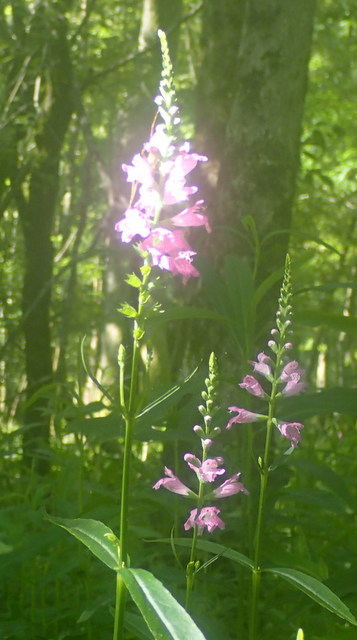
The plant spreads by slender rhizomes and forms loose colonies. Its stems are square in cross-section, smooth, usually unbranched below the flowers, and 2 to 5 feet tall. They often lean among surrounding vegetation in swamps and marshes.
Leaves
The leaves are opposite, narrow, lance-shaped to linear, about 2 to 5 inches long and less than ¾ inch wide. Their edges are smooth or have a few small, widely spaced teeth. Leaves near the base of the stem are often larger and may wither by flowering time. Upper leaves are small and scattered, giving the plant an airy, open look.
Flowers
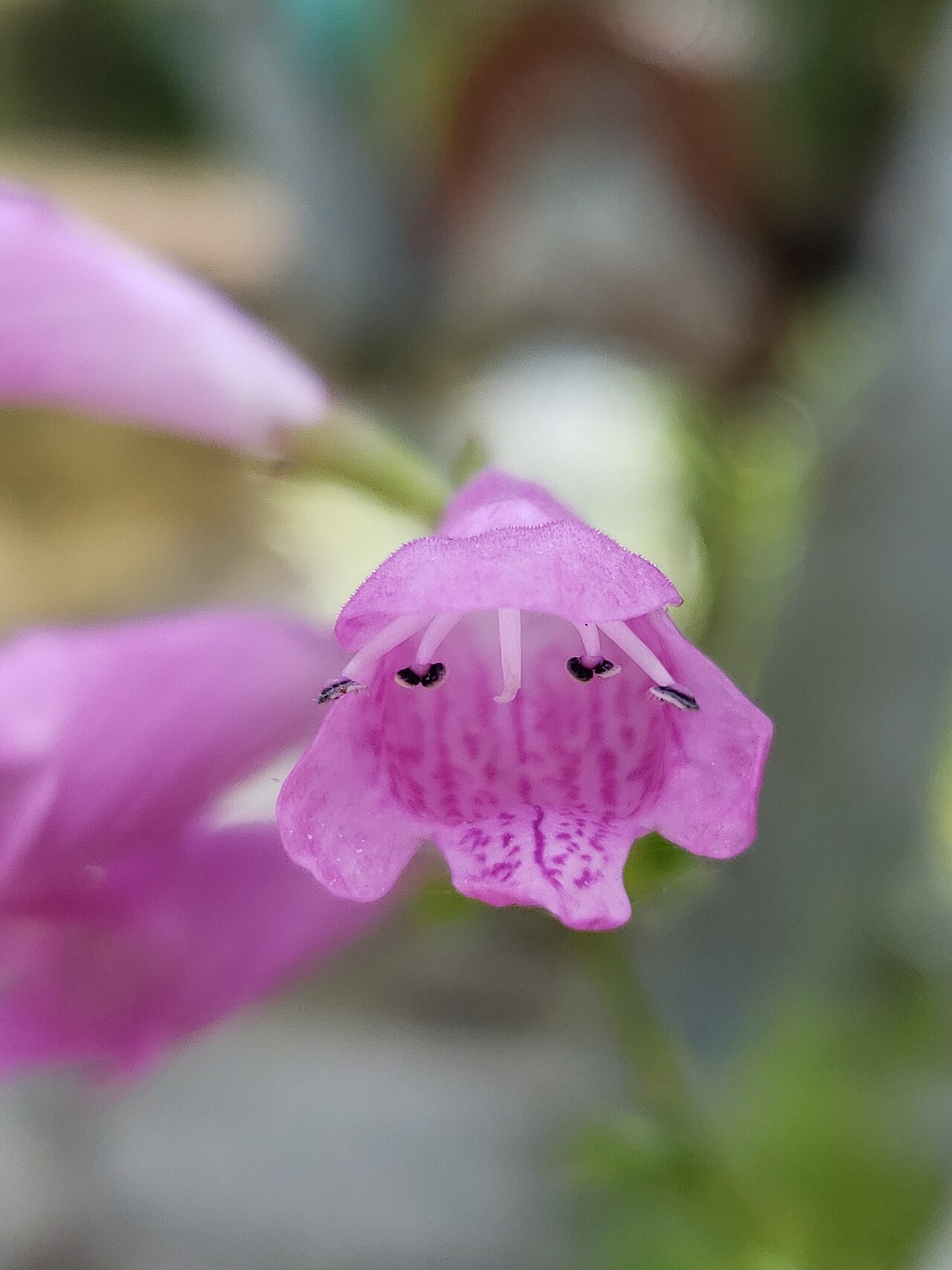
The flowers are borne in one or a few slender terminal spikes, usually 4 to 8 inches long. Each flower is about ¾ to 1¼ inches long, with a tubular corolla that widens into a hooded upper lip and a three-lobed lower lip. Colors range from pale lavender or pink to nearly white, and the inside of the lower lip is spotted and streaked with purple. A small, bell-shaped calyx surrounds the base of each flower. In Florida flowering begins in late spring, around May. The Lady Bird Johnson Wildflower Center gives July through September as the main bloom period across the range.
Fruit & Seeds
Each flower produces four small, smooth nutlets that ripen inside the persistent calyx. The nutlets fall near the parent plant or are carried by water in floodplain habitats.
Quick Facts
| Scientific Name | Physostegia leptophylla (USDA symbol PHLE9) |
| Family | Lamiaceae (mint family) |
| Plant Type | Herbaceous perennial spreading by rhizomes |
| Mature Height | 2–5 ft |
| Mature Spread | 1–2 ft; slowly forms colonies |
| Growth Rate | Moderate |
| Sun Exposure | Full sun to part shade |
| Water Needs | High; wet to saturated soil or shallow water |
| Soil Type | Muck, wet loam or sand |
| Soil pH | Acidic to neutral (about 5.0–7.0) |
| Bloom Time | May–September (earlier in Florida) |
| Flower Color | Pale lavender, pink or white with purple spots |
| Fall Color | None |
| Fruit | Four small nutlets |
| Deer Resistant | Moderate |
| USDA Hardiness Zones | 7–9 |
Native Range
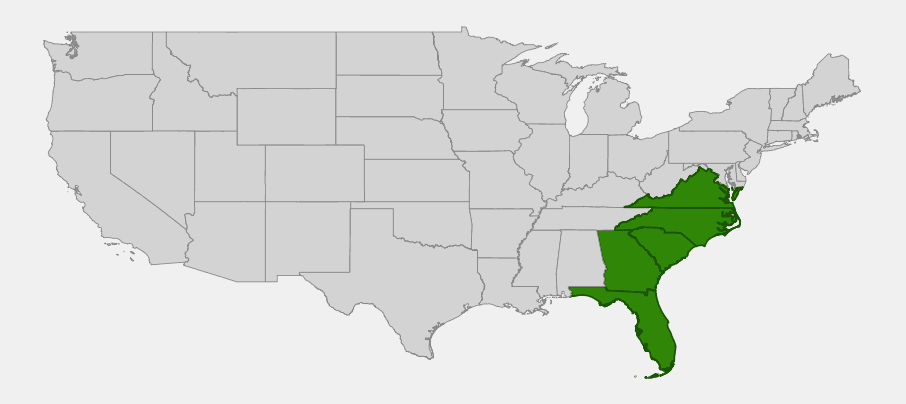
Slenderleaf false dragonhead is restricted to the southeastern Coastal Plain. USDA PLANTS and the Lady Bird Johnson Wildflower Center record it in five states: Virginia, North Carolina, South Carolina, Georgia and Florida. It ranges from southeastern Virginia south along the Atlantic coast to northeastern Florida, and west into the Florida Panhandle.
In Florida it grows in the northern part of the state, including the Big Bend and Apalachicola regions of the Panhandle and the river valleys of north-central Florida, such as the Suwannee and Santa Fe. Its habitats are wet: wooded swamps, floodplain forests, stream and river banks, freshwater tidal marshes and the upper, fresher edges of brackish marshes. The Lady Bird Johnson Wildflower Center describes its habitat as “coastal plain, wooded swamps, fresh or brackish marshes.”
Within this range it is local rather than common, and it can be overlooked when not in flower. It is easily confused with other false dragonheads, including the widespread obedient plant (Physostegia virginiana), which also grows in some of the same states, and the purple false dragonhead (Physostegia purpurea) of southeastern wet pinelands.
📋 Regional plant lists featuring Slenderleaf False Dragonhead: North & South Florida · Alabama, Georgia & Mississippi · North & South Carolina · Maryland, Virginia & West Virginia
Growing & Care Guide
Slenderleaf false dragonhead is an easy plant for wet, sunny to lightly shaded spots. It is ideal for rain gardens, the edges of ponds and streams, and bog or marsh plantings within its native range in the Southeast.
Light
Grow it in full sun to part shade. Plants in sun are sturdier and flower more heavily; in shade they grow taller, lean more and bloom less.
Soil & Water
It needs consistently moist to wet soil. It grows well in saturated muck, at pond edges in a few inches of water, or in rain gardens that stay damp. It will not tolerate long dry spells. Average garden soil is fine if it stays wet; no fertilizer is needed.
Planting Tips
Plant in spring, setting plants about 12 to 18 inches apart. It spreads slowly by rhizomes and forms loose drifts over time, so give it room or plant it where neighboring wetland plants can keep it in check. It combines well with other wetland natives such as cardinal flower, swamp hibiscus and blue flag iris.
Pruning & Maintenance
Cut the old stems back in late winter. If plants lean or flop, pinching the stem tips in late spring will produce shorter, bushier plants, although this delays flowering. Divide crowded clumps every few years in early spring.
Propagation
Propagate by dividing rhizomes in early spring or by stem cuttings taken in late spring. Seed can be sown in fall or after a few weeks of cold, moist stratification; keep the seed pots moist.
Landscape Uses
- Rain gardens: for the wettest zone of a rain garden in sun or part shade
- Pond and stream margins: in saturated soil or very shallow water
- Wetland restoration: in swamp edges and freshwater tidal marsh restoration within its range
- Pollinator gardens: summer flowers for bumble bees and other long-tongued bees
- Wet meadows: with other moisture-loving natives in naturalistic plantings
Wildlife & Ecological Value
Slenderleaf false dragonhead adds summer flowers to wetlands, where it supports bees and other insects and contributes to the diverse plant life of swamp edges and tidal marshes.
For Pollinators
The tubular, two-lipped flowers are well suited to bumble bees and other long-tongued bees, which land on the lower lip and crawl into the tube for nectar, picking up pollen from the stamens under the hood. Butterflies and hummingbirds occasionally visit the flowers as well.
For Birds
The small nutlets have little food value for birds, but the plant contributes to the dense wetland vegetation that shelters marsh and swamp birds.
For Mammals
Like many mints, it is not a preferred food for deer. It is of minor importance to mammals.
Ecosystem Role
As a rhizomatous wetland perennial, it helps bind soft soils along stream banks and marsh edges and adds summer flowers to plant communities dominated by grasses, sedges and woody plants.
Cultural & Historical Uses
The species was described by the botanist John Kunkel Small in 1903. The genus name Physostegia combines the Greek physa, bladder, and stege, covering, referring to the calyx, which swells around the fruit. The epithet leptophylla means “slender-leaved.”
Its relative Physostegia virginiana is called obedient plant because its flowers, when pushed to one side, tend to stay in their new position for a while. Gardeners often find the same behavior in other false dragonheads. There is no well-known record of human use of slenderleaf false dragonhead.
It is grown occasionally by native plant enthusiasts and is offered by some nurseries in the Southeast that specialize in wetland plants, mainly for rain gardens and pond margins.
Frequently Asked Questions
How is slenderleaf false dragonhead different from obedient plant?
Slenderleaf false dragonhead (Physostegia leptophylla) has narrower leaves and more slender, open flower spikes, and it is restricted to wet places on the southeastern Coastal Plain. Obedient plant (P. virginiana) is a widespread, more robust species with broader, toothed leaves and dense flower spikes, commonly grown in gardens.
Does it need standing water?
No, but it needs soil that stays wet. It grows well in saturated soil, rain gardens and pond edges, and tolerates a few inches of standing water.
When does it bloom?
In Florida it can begin flowering in late spring, around May. Across the rest of its range, flowering is mostly from July through September.
Is slenderleaf false dragonhead invasive?
It is native and spreads slowly by rhizomes, forming loose colonies. It is much less aggressive than some garden forms of obedient plant and is easy to control by division.
What pollinates false dragonhead flowers?
Mainly bumble bees and other long-tongued bees, which crawl into the tubular flowers for nectar. Butterflies and hummingbirds visit occasionally.

Looking for a nursery that carries Slenderleaf False Dragonhead?
Browse our native plant nursery directory: Florida & Georgia · North Carolina · South Carolina & Virginia